 The Somerset Club on Beacon Street: Is It Right for You?
The InterContinental Boston: What It Suits and What It Does Not
Modern luxury and a waterfront view are two real assets. Neither of them is character.
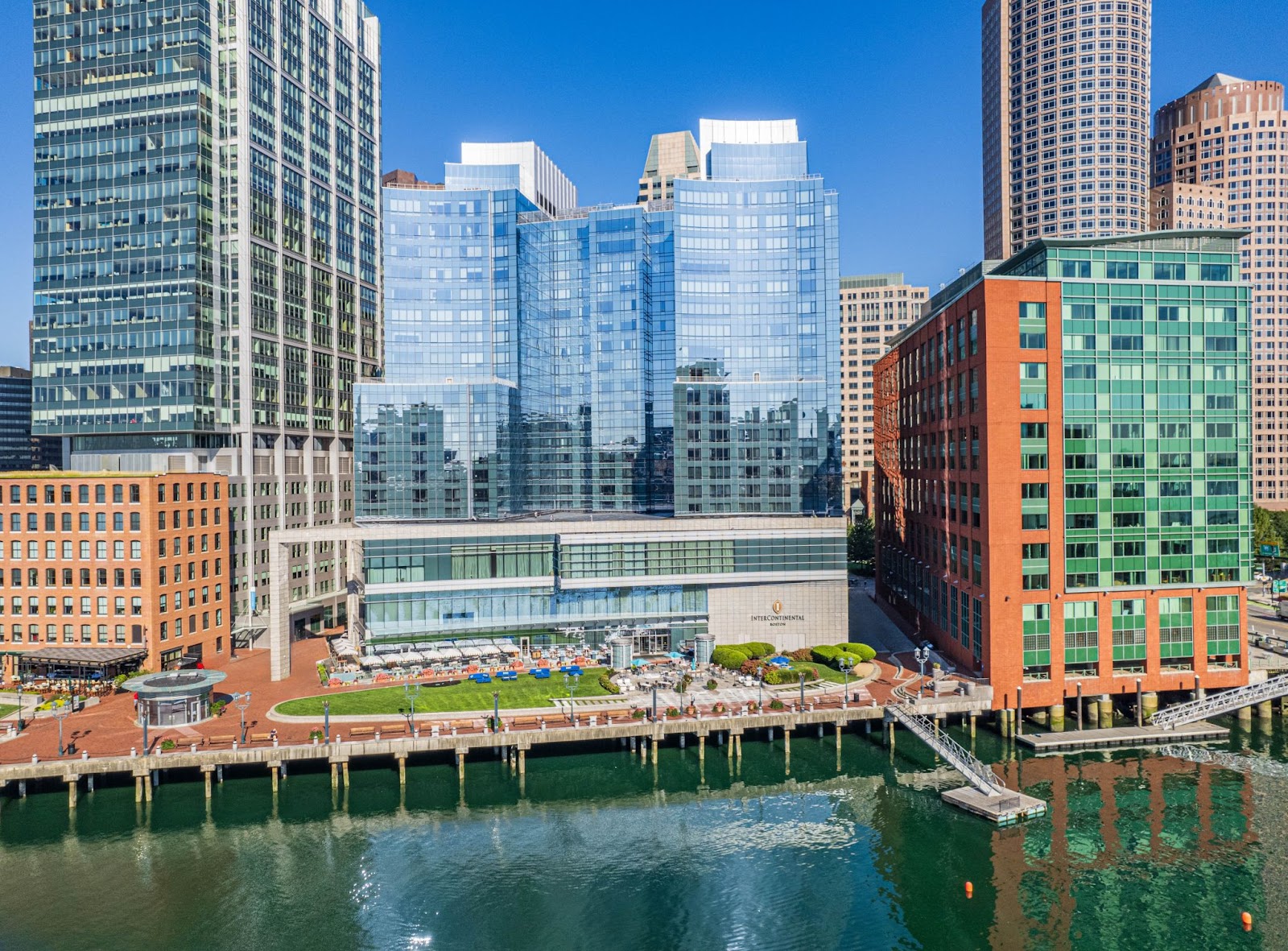
The InterContinental Boston offers, by the account available, a mix of modern luxury and prime waterfront views — and it is worth noting that the original write-up was honest enough to say the writer had not shot there. We have not either.
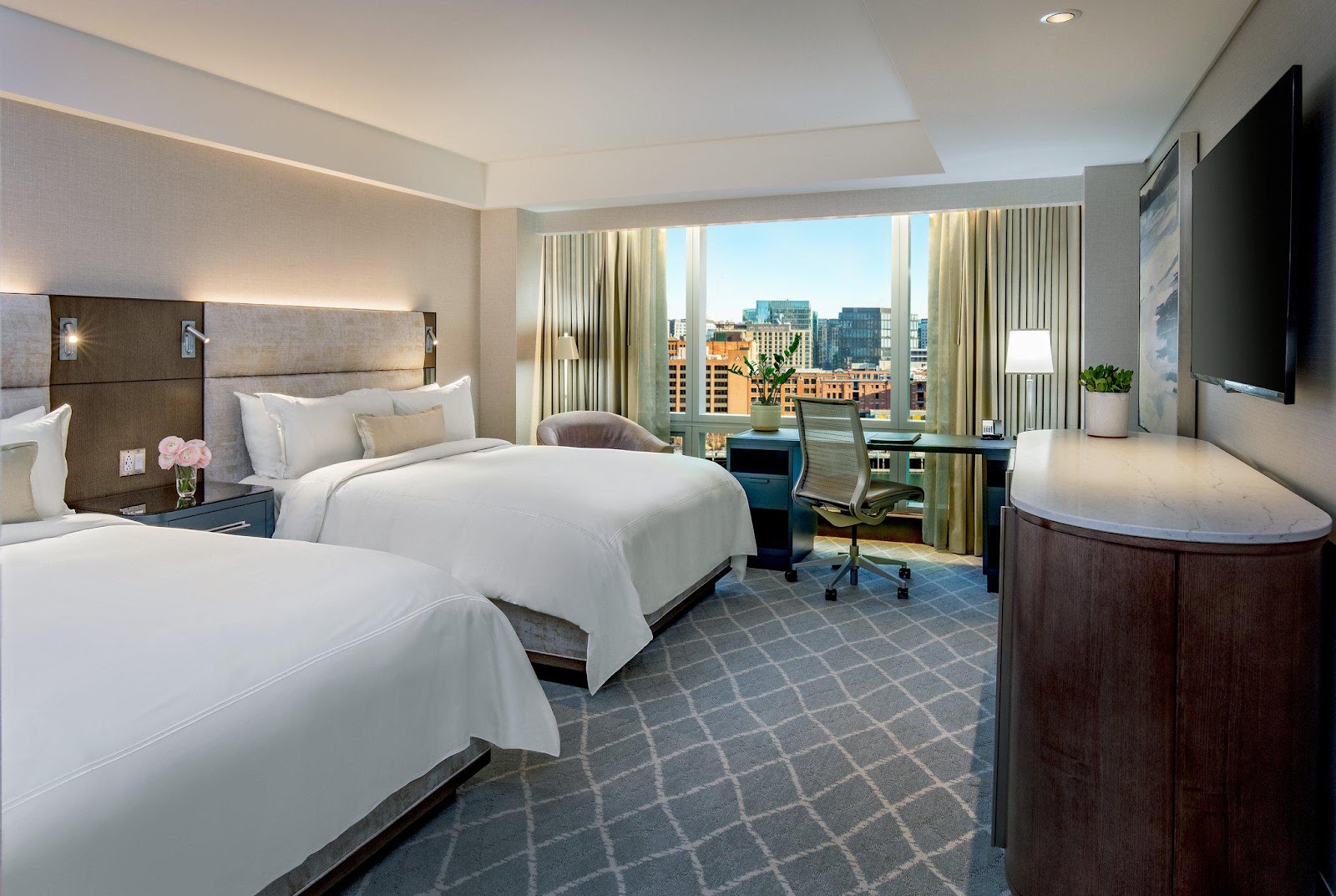
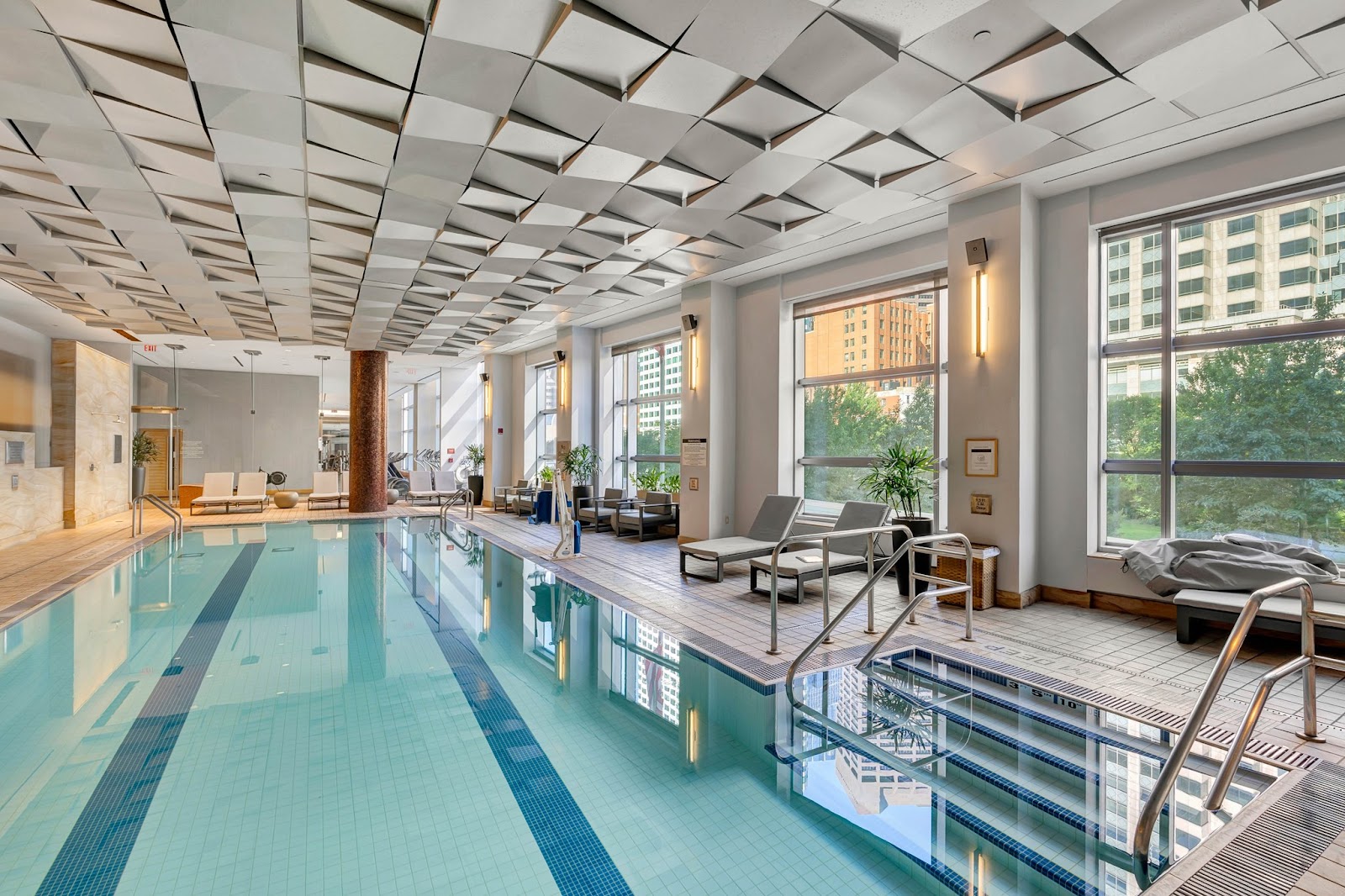
What a modern waterfront hotel reliably gives is worth stating plainly, because it is substantial. Capacity and service; climate control and a real indoor fallback, which in New England matters in every season; accessible step-free circulation; rooms for guests travelling in; and a harbour outlook, which is a genuine photographic asset rather than a marketing line because water bounces light up from below and gives depth to compress.
What it does not give is a look that is specifically its own. Contemporary luxury interiors converge everywhere, and being honest about that makes the planning better rather than worse — it means the character has to be sourced from the harbour and from the city, both of which are close. This is written as suits and does not suit. Which rooms are included, whether the ballroom lighting is adjustable, and what waterfront terrace access exists are the questions for their team.
The InterContinental Boston at a glance
| Where | The waterfront, Boston, Massachusetts |
| Character | A modern luxury hotel with harbour outlook |
| Suits | Capacity, service, travelling guests, weatherproofing, harbour views |
| Does not suit | Couples who want period character from the venue itself |
| Ask first | Rooms included, ballroom lighting control, terrace access |
The two interior conditions, and the water
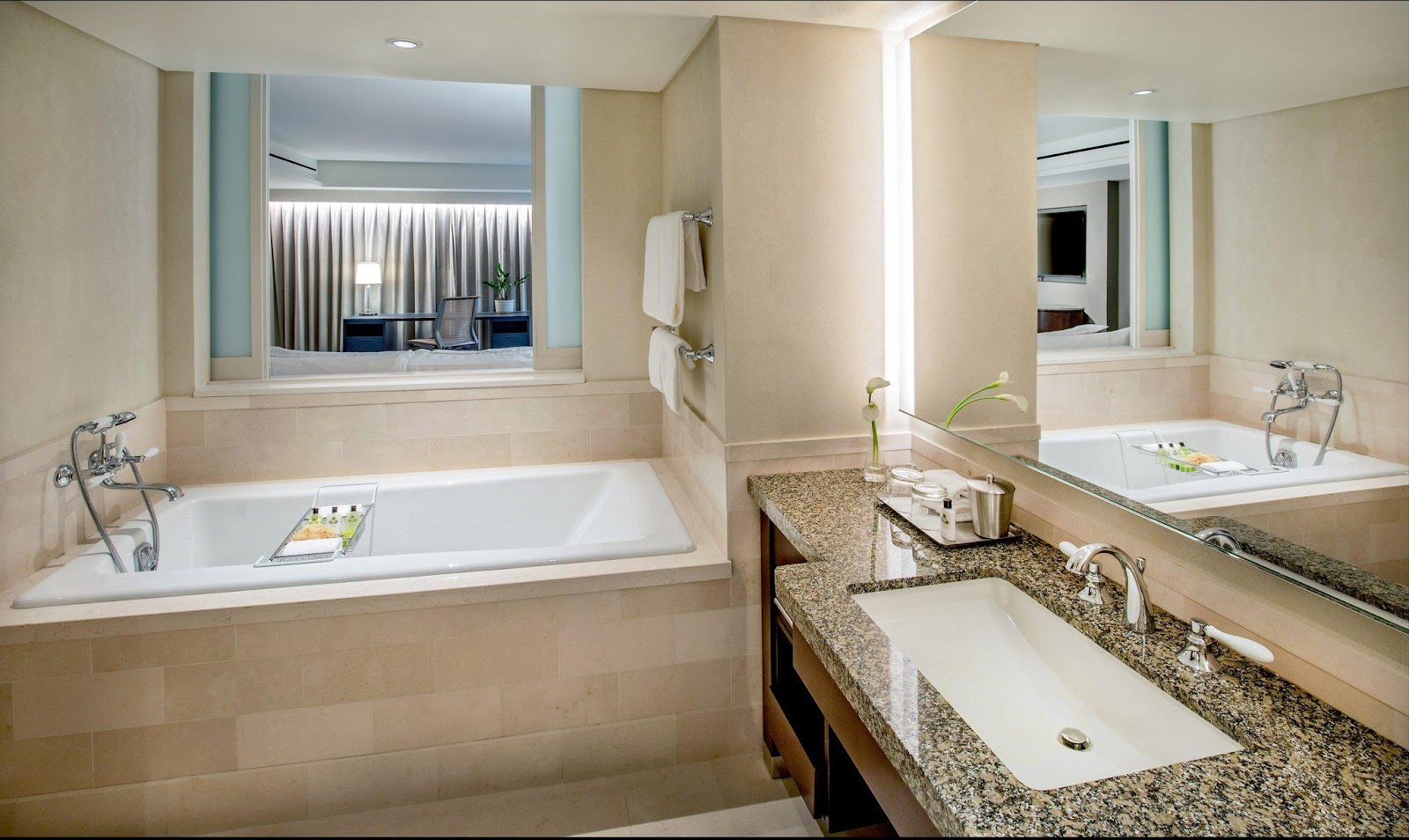
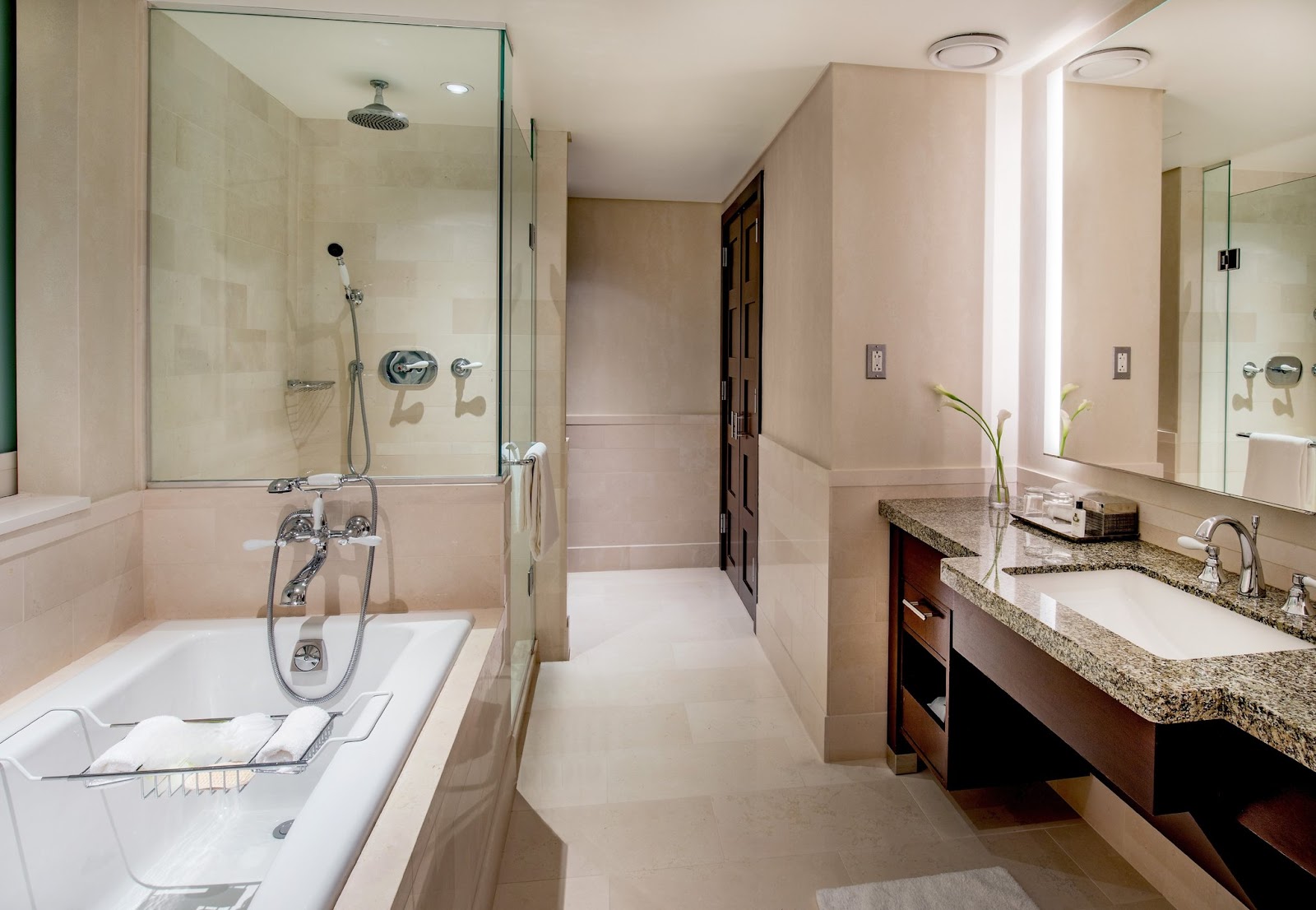
A modern luxury interior is built on two principles and both are photographic problems disguised as qualities. Light should be even, because unevenness reads as cheap; surfaces should be pale and uncluttered, because that reads as calm and expensive.
Even light removes modelling. A face looks three-dimensional in a photograph because one side is brighter than the other, and the gradient between them is what the eye reads as shape — light arriving from many directions at similar intensity erases it. One directional source, off the camera axis at face height, set close to the ambient level rather than above it, restores a shadow side without making the frame look lit.
Pale surfaces remove separation, which is the default failure in every hotel of this class. Four tools address it and they stack: depth so the background sits well behind the subject, a wide aperture so it goes soft, placement against the darkest element in the room, and negative fill — something dark on the shadow side of a face, which subtracts bounced light and deepens the gradient. In a pale room, subtracting beats adding.
The water changes both of those in a useful way, and it is the real photographic argument for a waterfront hotel. A harbour is a broad flat reflector, so a room or terrace facing it receives light twice — directly from the sky and again bounced up off the surface. That raises ambient, fills shadows from below and produces a quality of light that inland rooms do not have. It is genuinely flattering, and it is a reason to ask for a water-facing room rather than accept any room.
It also means the window on the water side is very bright: four to six stops above the interior in daylight. That needs a decision rather than a discovery. Either let it blow to a white shape, which is a legitimate frame if chosen; or light the couple to match the view, which needs real power because you are competing with daylight; or wait for the crossing.
The crossing is the most valuable twenty minutes in the building. Roughly fifteen to thirty minutes after sunset the harbour and city fall to about the brightness of the interior lighting, and one exposure holds the lit room, the couple and the water and skyline behind them with no added light. After it, the glass inverts and becomes a mirror.
Who it suits
The logistics and the outlook are the product, and they fit a recognisable set of intentions — particularly ones involving numbers, travel, accessibility and a climate that removes outdoor options for part of the year.
These briefs are well served here:
- Larger guest counts, which the function space absorbs without strain
- Guests travelling in, who need rooms and no separate logistics
- Anyone who wants New England weather to be irrelevant to the day
- Couples who specifically want harbour and skyline in the photographs
- Weddings where accessibility and step-free circulation matter
Who should look elsewhere
The reverse list is not a criticism. A hotel of this class is built to be excellent and unobtrusive across a very wide range of events, and the qualities that make it dependable are the same ones that make it unspecific.
Several reasonable briefs run against the grain here:
- Couples who want the venue immediately recognisable in the photographs
- Anyone whose references are brownstone, brick, period plaster or timber
- Small intimate weddings, which read as sparse in rooms built for hundreds
- Briefs needing an outdoor ceremony space with character of its own
- Anyone wanting the interior to carry the gallery rather than the city
Where the character comes from, and Boston weather
The harbour front is the first source of character and it is immediately outside. A quay edge is a leading line nothing built can match, and it needs a low camera — because how long that line reads depends entirely on viewing height — and a long lens, because compression stacks shipping, islands, far shore and city into layers where a wide lens reduces them to a strip.
The geometry to avoid is the sun’s specular path on the water between camera and couple, which at the exposure a face needs is unrecoverable white. And harbour wind is stronger and gustier at the water’s edge than in the streets behind, which matters for a veil, for hair and for any light stand.
The city is the second source and Boston has two useful facts. The material colour rule: brick and brownstone bounce warm and flatter skin, while granite and limestone bounce cool and can grey it — so which side of a street a couple stands on changes the colour of a face here more than in most cities. And the street plan: outside Back Bay it is irregular rather than gridded, which means which way a street runs relative to the setting sun is a block-by-block question. Ten minutes of walking with the sun in mind beats a map.
New England seasons differ sharply. Summer is humid but rarely extreme, and the long June days put sunset late enough that the crossing lands well into the reception — worth agreeing in advance, because it cannot be moved. Autumn brings the region’s foliage peaking in mid-October, which on a waterfront reads as a coloured band on the far shore at a long focal length.
Winter is the hard season. Sunset falls in the middle of the afternoon in December, compressing the outdoor window into a couple of hours, and a quayside in a north-easterly is genuinely cold — outdoor blocks become three or four minutes. Snow is the compensation and it is the best natural fill there is, while fooling a meter by about two stops.
Nor’easters and coastal fog are both real. A large hotel survives either without a decision needing to be made, which is the strongest practical argument for this kind of venue in this city — and fog specifically is worth stepping out into, because it reduces the harbour’s clutter to soft shapes and produces the frame nobody plans for.
One equipment note for this climate: a heated interior and cold harbour air fog a lens comprehensively in both directions, and the crossing frame will not wait. Get a body out to ambient temperature well before the window rather than carrying it out cold.
More frames from The InterContinental Boston
The InterContinental Boston wedding photography: common questions
What does a modern waterfront hotel reliably give?
Capacity, service, climate control, accessible circulation, rooms for travelling guests, and a harbour outlook that genuinely improves the light rather than just the view.
What does it not give?
A look of its own. Contemporary luxury interiors converge everywhere, so the character has to come from the harbour and the city — both of which are immediately outside.
How does the water improve the light?
A harbour is a broad reflector, so a room or terrace facing it receives light twice — from the sky and bounced up off the surface. That raises ambient and fills shadows from below.
What do you do about a very bright window?
Choose deliberately: let it blow to a white shape, light the couple to match the view, or wait for the crossing about twenty minutes after sunset when both sit in one exposure.
What is the best fix for pale-on-pale?
Negative fill. Something dark on the shadow side of a face subtracts bounced light and deepens the gradient, and in a pale room it beats adding light.
Which side of a Boston street should you use?
The brownstone or brick side. Those bounce warm and flatter skin; granite and limestone bounce cool and can grey it — a bigger difference here than in most cities.
More Boston, MA venue guides
We are writing a photographer’s guide to every venue we would happily shoot in Boston, MA. Here are three more, plus the full index:
- The John F. Kennedy Library, Boston: The One Decision That Governs Everything
- The Langham Boston: Field Notes on a Converted Federal Reserve Building
- The Lenox Hotel, Boston: What It Suits and What It Does Not
All Boston, MA Wedding Venues →
Planning a wedding at The InterContinental Boston?
If logistics and the harbour matter most, this works. Tell us your date.