 The Somerset Club on Beacon Street: Is It Right for You?
The Lenox Hotel, Boston: What It Suits and What It Does Not
Old-world charm means warm, ornate and dark. Two of those are assets and one is work.
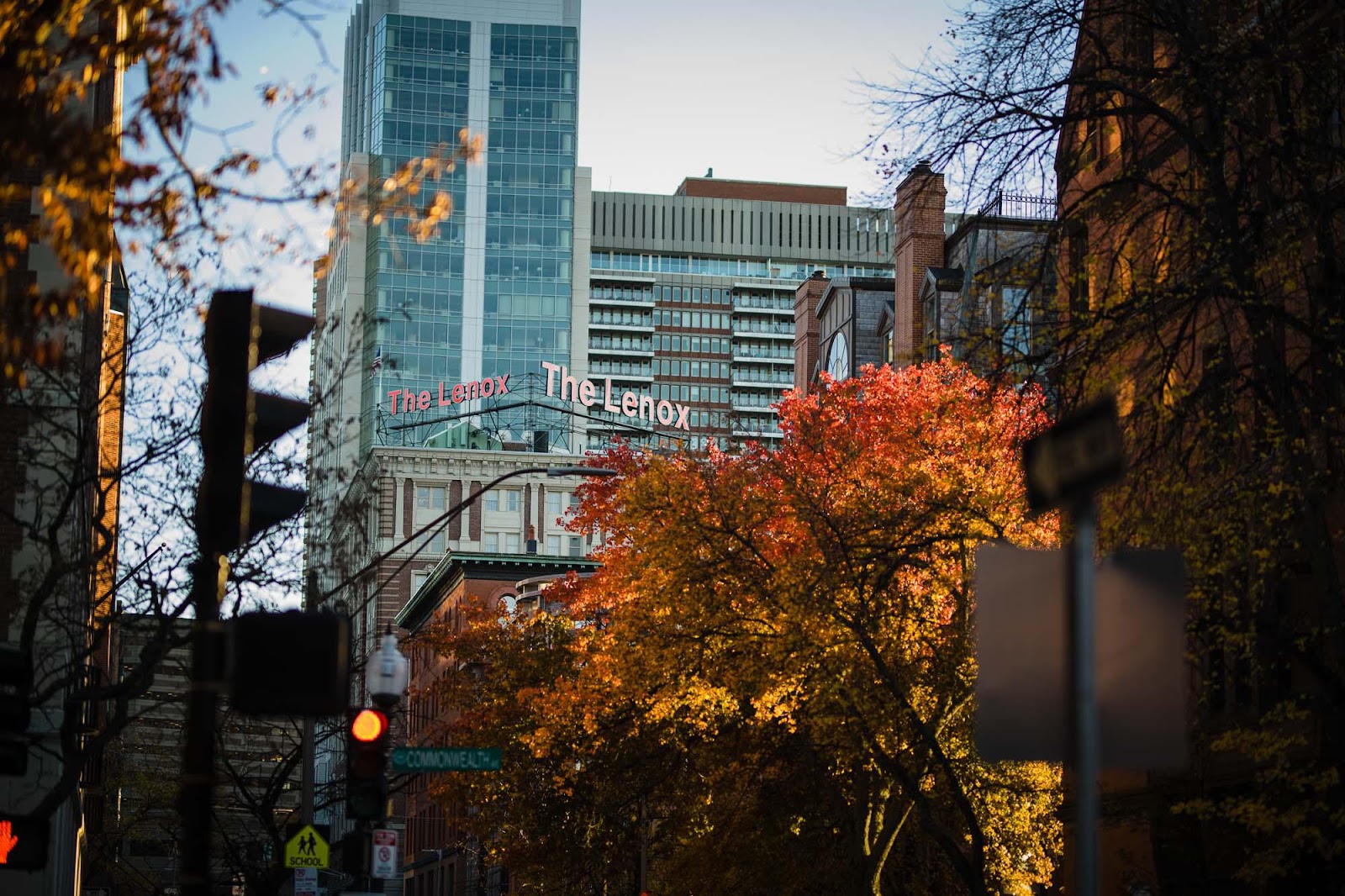
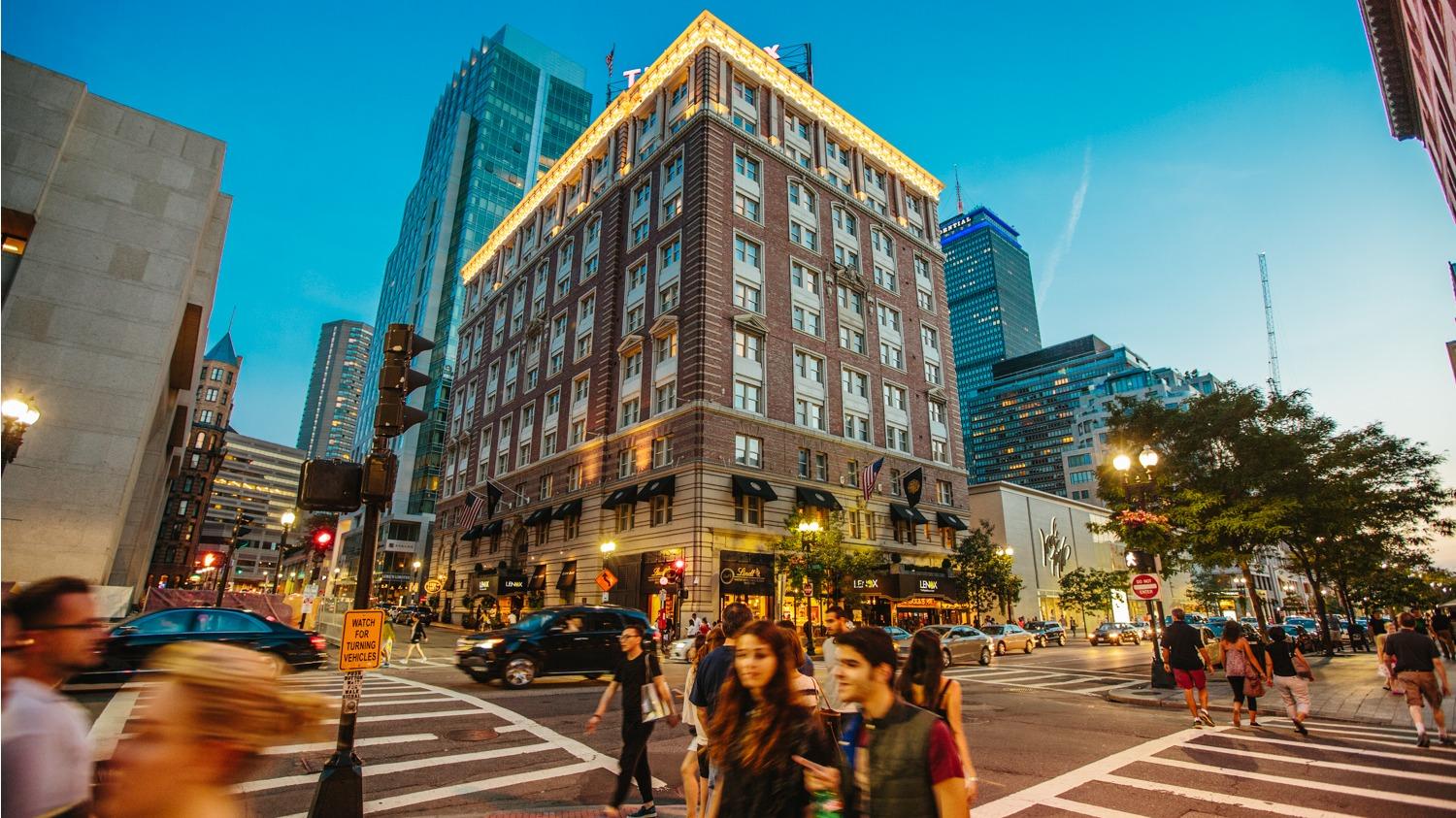
The Lenox Hotel sits in Boston’s Back Bay and is, by its own description, drenched in the kind of old-world charm that modern venues try to replicate.
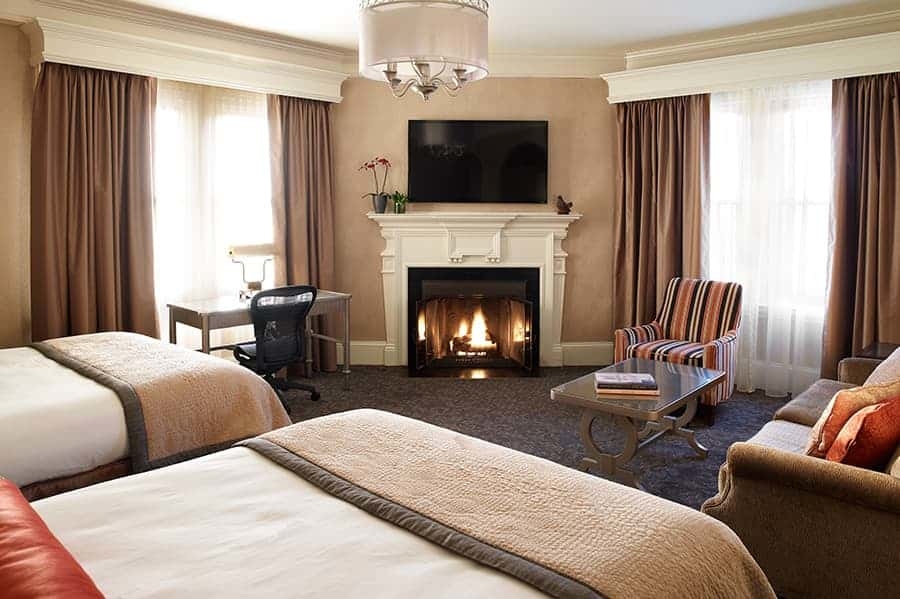
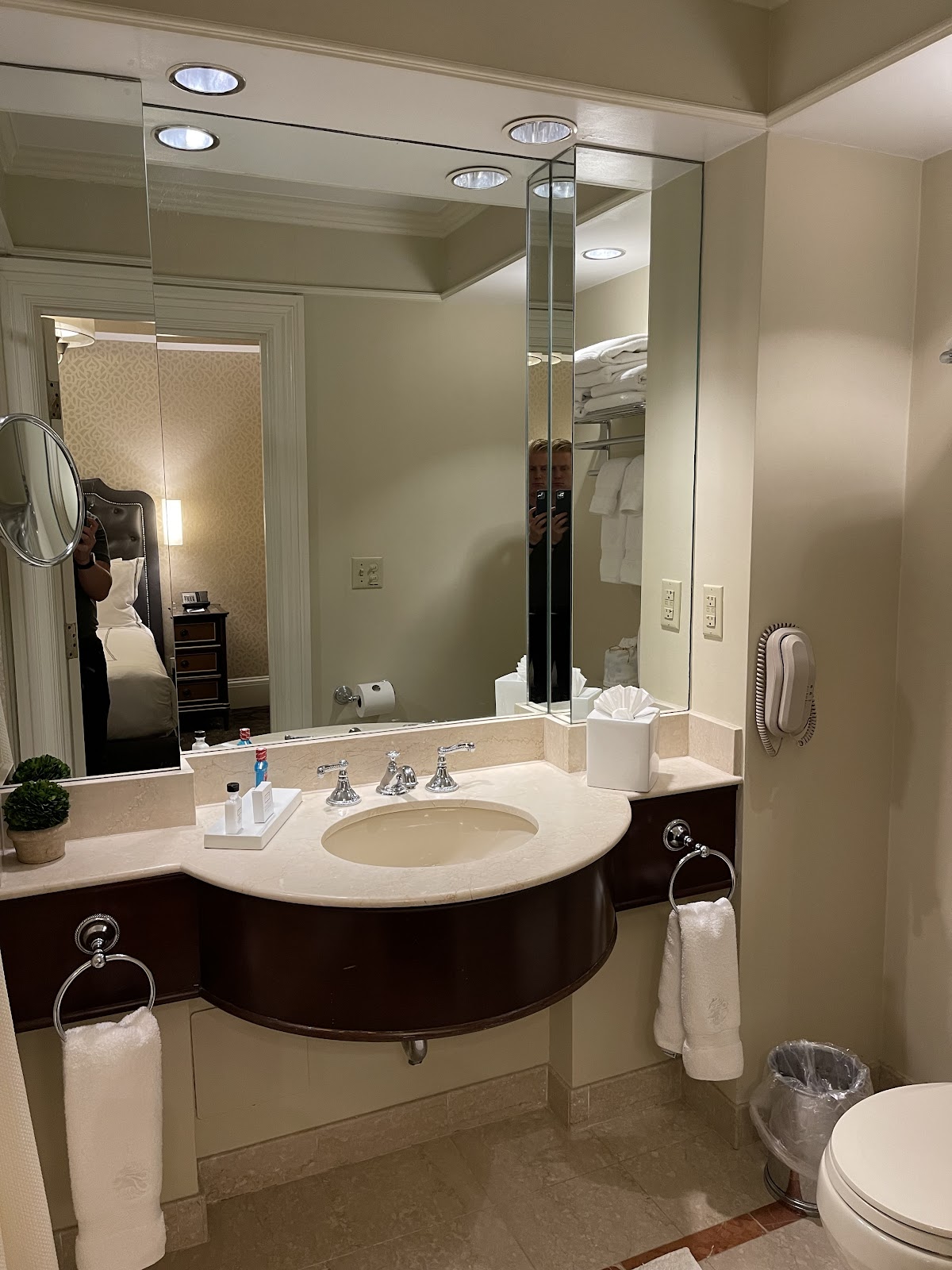
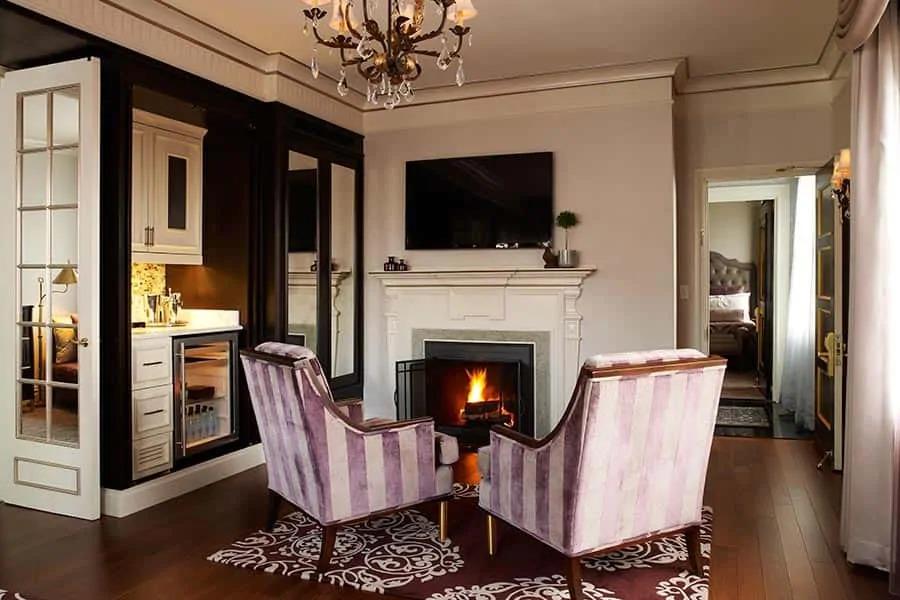
That is a fair claim and it is worth translating into photographic terms, because old-world charm is a specification rather than an atmosphere. It means warm colour, from timber, brass, patterned carpet and tungsten-balanced fittings. It means ornament — plasterwork, cornices, panelling, joinery — which is three-dimensional and reads only when light crosses it at an angle. And it means dark, because every surface that produces the first two absorbs light rather than returning it.
Two of those are genuine assets and the third is work. This is written as suits and does not suit, because the match between a period hotel and a brief is where most of the disappointment in this category comes from. We have not photographed a wedding at the Lenox; historic Back Bay hotels behave consistently. Which rooms are included, whether the function room lighting is adjustable, and what may be attached to period fabric are the questions for their team.
The Lenox Hotel at a glance
| Where | Back Bay, Boston, Massachusetts |
| Character | A historic hotel with period interiors and old-world detail |
| Suits | Warmth, ornament, autumn and winter dates, an identifiable venue |
| Does not suit | Bright, pale, airy references and photographers without lights |
| Ask first | Rooms included, lighting control, fixings to period fabric |
The three conditions of a period interior
Low ambient is the first and it has a cause worth understanding, because the reflex response to it is wrong. Usable room light is mostly bounced light, and a room where the surfaces absorb bounces almost nothing — so two rooms with identical windows, one panelled and carpeted and one painted pale, will differ by two stops or more. The problem is the surfaces rather than the windows.
That means bounce flash does very little. A flash aimed at a timber ceiling or a panelled wall returns a fraction of what it returns in a white-walled room, and what comes back arrives warm. Test it with a single frame on arrival rather than discovering it when a bounced frame looks unlit; where it fails, a pale wall at a sensible distance is the better surface and direct modified light better than either.
Warm bounce is the second condition and it is the colour problem. Timber, brass, patterned carpet and warm paint all reflect strongly warm, and the cast arrives on the shadow side of a face from several directions at once. Because it is bounced and localised, global white balance cannot separate it from the subject — which is why one source has to be the authority on faces: gelled to a chosen temperature with white balance set to it, letting the room be as warm as it is.
Ornament is the third and it needs the opposite of what a modernised period hotel usually provides. Plasterwork, cornices, panelling and carved joinery are three-dimensional, so they read only when light crosses them at an angle and casts small shadows. Under even downward lighting the same ornament flattens into a pale field and a room photographs blander than it looks. One source placed to graze a surface rather than face it brings the detail back, and it is a one-light problem rather than a big-kit one.
The compensation across all three is steep fall-off, which is free separation: in a dark absorbing room a subject three metres in front of anything else sits against natural darkness with no equipment at all. That is the opposite of the pale-modern-hotel problem and it should be exploited rather than filled in.
Guest rooms remain the best portrait light, and in a building of this age the windows may be taller than modern ones — which sends light further into a room and higher up a standing figure, and matters more in a dark-surfaced room than in a bright one.
Who it suits
The register is specific and where a couple actively wants it there is no substitute, because a modern hotel cannot manufacture a hundred-year-old interior.
These briefs are well served here:
- Couples who want warmth, ornament and period gravitas rather than air and light
- Autumn and winter dates, where a warm dim interior suits the season
- Anyone who wants the venue identifiable in the photographs
- Couples happy for the photographer to bring lights, because the rooms need them
- Back Bay weddings, where the neighbourhood and the building share a vocabulary
Who should look elsewhere
The reverse list is not a criticism of the building. A period hotel is succeeding when it is warm, ornate and enclosed; the only question is whether that is what the day is meant to look like.
Several reasonable briefs fight the building from the first frame:
- Couples whose references are bright, pale and airy, which the rooms cannot give
- Anyone wanting a light-and-neutral edit that warm timber and brass would disrupt
- Photographers unwilling to bring light, since bounce barely functions here
- Large formal groups, which need floor and even light a period hotel may lack
- Briefs requiring an outdoor ceremony space of the venue’s own
Back Bay outside, and Boston through the year
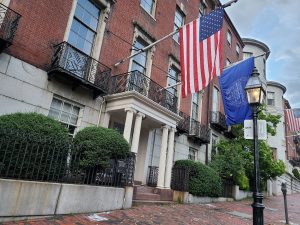
Back Bay is the outdoor extension and it shares the building’s vocabulary, which is what makes it a coherent addition rather than a third register. Brownstone rowhouses, entrance stoops, ironwork and planted avenues, all at a low-rise scale — and, unusually for Boston, on a grid.
That grid is the practical gift. Because the neighbourhood was laid out regularly, low sun reaches street level and runs the full length of a cross street rather than being lost in an irregular plan, so the outdoor block can be planned from a map rather than discovered on foot. Which streets receive it is a fixed fact rather than a per-block question.
Brownstone is also the right material for skin: a warm-brown sandstone that bounces warm, which flatters faces in exactly the way granite and limestone, bouncing cool, do not. Which side of a street a couple stands on changes the colour of a face in Boston more than in most cities, and a brownstone frontage is the side to choose.
Stoops and recessed doorways are the characteristic Back Bay features and both work photographically. Steps give elevation and rows; a recessed doorway has a roof above and walls to the sides with one open face, which makes it a directional soft source at exactly the right size for two people — and it is rainproof.
New England seasons differ sharply. Summer is humid but rarely extreme, and the long June days put sunset late enough that the golden hour arrives after a reception has started, which at a hotel is easy to accommodate as a short agreed excursion. Autumn brings the region’s foliage peaking in mid-October, and in Back Bay it appears at street level along the planted avenues — which suits a warm period interior better than any other season.
Winter is the season this venue is best in. Sunset falls in the middle of the afternoon in December, compressing the outdoor window into a couple of hours — but a warm dark interior is exactly the right place to spend a short cold day, and the building will carry more of the gallery without that being a compromise. Snow is the compensation outdoors and it is the best natural fill there is, lifting exactly the shadows a low sun carves while fooling a meter by about two stops. Wet snow on brownstone darkens the stone and makes its texture read more strongly than in dry weather.
One equipment note: a heated dry period interior and cold outside air fog a lens in both directions, and a masonry building holds cold longer than a modern one. Let kit come towards the temperature of where it is going before it gets there.
More frames from The Lenox Hotel
The Lenox Hotel wedding photography: common questions
Why is a period interior so dark?
Because timber, brass, patterned carpet and warm paint all absorb rather than return light, and usable room light is mostly bounced. Identical windows in a panelled room and a pale one differ by two stops.
Does bounce flash work?
Barely. A flash aimed at timber or panelling returns a fraction of what a white room gives, and it comes back warm. Test with one frame on arrival and plan for direct modified light.
How do you handle the warm cast?
Let one gelled source be the authority on faces, with white balance set to it, and allow the room to be as warm as it is. The cast is bounced and localised, so global white balance cannot separate it.
Why does the ornament look flat?
Because even downward lighting gives three-dimensional plasterwork nothing to cast a shadow with. One source placed to graze a surface rather than face it brings the detail back.
What works in your favour?
Steep fall-off. In a dark absorbing room a subject three metres in front of anything else sits against natural darkness, which is free separation.
Why is this a good winter venue?
Because a short cold day is best spent in a warm dark interior, and the building carries more of the gallery without that being a compromise. Snow outside is the best natural fill there is.
More Boston, MA venue guides
We are writing a photographer’s guide to every venue we would happily shoot in Boston, MA. Here are three more, plus the full index:
- The Mandarin Oriental Boston: How the Light Moves
- The Museum of Fine Arts, Boston: Four Ways Out of the Gallery Problem
- The New England Aquarium, Boston: Four Ways Out of the Spiral Ramp Problem
All Boston, MA Wedding Venues →
Planning a wedding at The Lenox Hotel?
A warm dark hotel needs one light placed well. Tell us your date and we will place it.