 The Somerset Club on Beacon Street: Is It Right for You?
The Mandarin Oriental Boston: How the Light Moves
Luxury interiors do not change. Back Bay does, and unusually for Boston it changes on a grid.
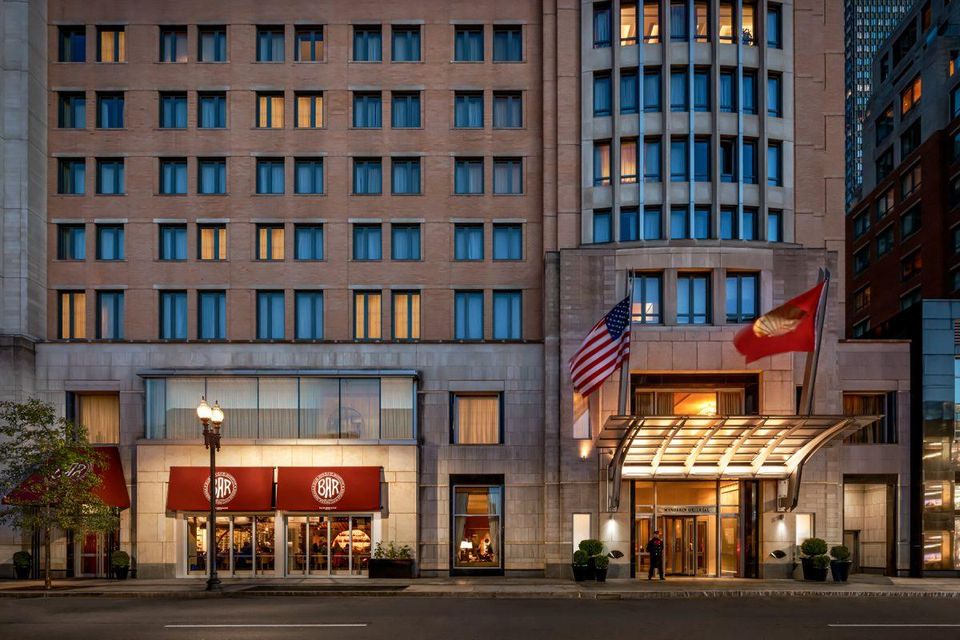
The Mandarin Oriental Boston sits in the Back Bay, and its own description places it as a beacon of luxury in that neighbourhood — which is the relevant fact, because the neighbourhood is what makes the day here.
A modern luxury hotel interior is a constant. From mid-morning to midnight the light is the same: controlled, even, warm and unaffected by the sky. Nothing in a ballroom or a corridor is better at six than at two. So all the variation in the day is outside, and the running order is the single most useful instrument available.
What makes this particular location unusual is that Back Bay is one of the very few gridded parts of Boston. Everywhere else in the city the street plan is irregular, which means the question of which way a street runs relative to the setting sun has to be answered block by block. In Back Bay it can be answered once, for the whole neighbourhood — and the answer is that the cross streets run towards the low sun while the long avenues do not. That single piece of geometry decides where the outdoor block happens.
This is written as a day. We have not photographed a wedding at the Mandarin Oriental; modern luxury hotels behave consistently. Which rooms are included, whether the ballroom lighting is adjustable and what terrace or upper-floor access exists are the questions for their team.
The Mandarin Oriental Boston at a glance
| Where | Back Bay, Boston, Massachusetts |
| Character | A modern luxury hotel with contemporary interiors |
| The constant | The interior, from mid-morning to midnight |
| The variable | Back Bay, which is gridded where the rest of Boston is not |
| Ask first | Rooms included, ballroom lighting control, upper-floor access |
Morning and daytime: bringing contrast into a luxury interior
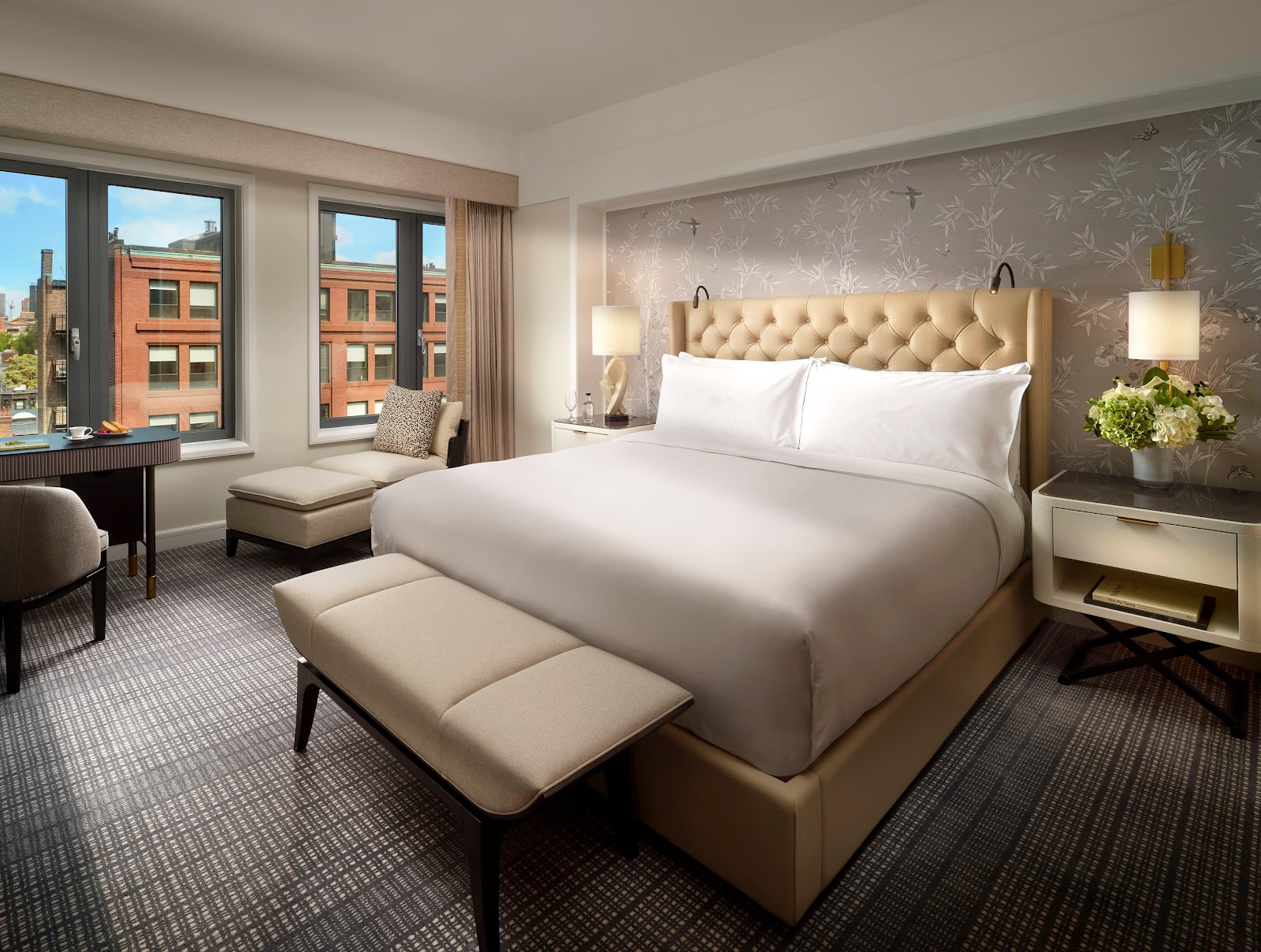
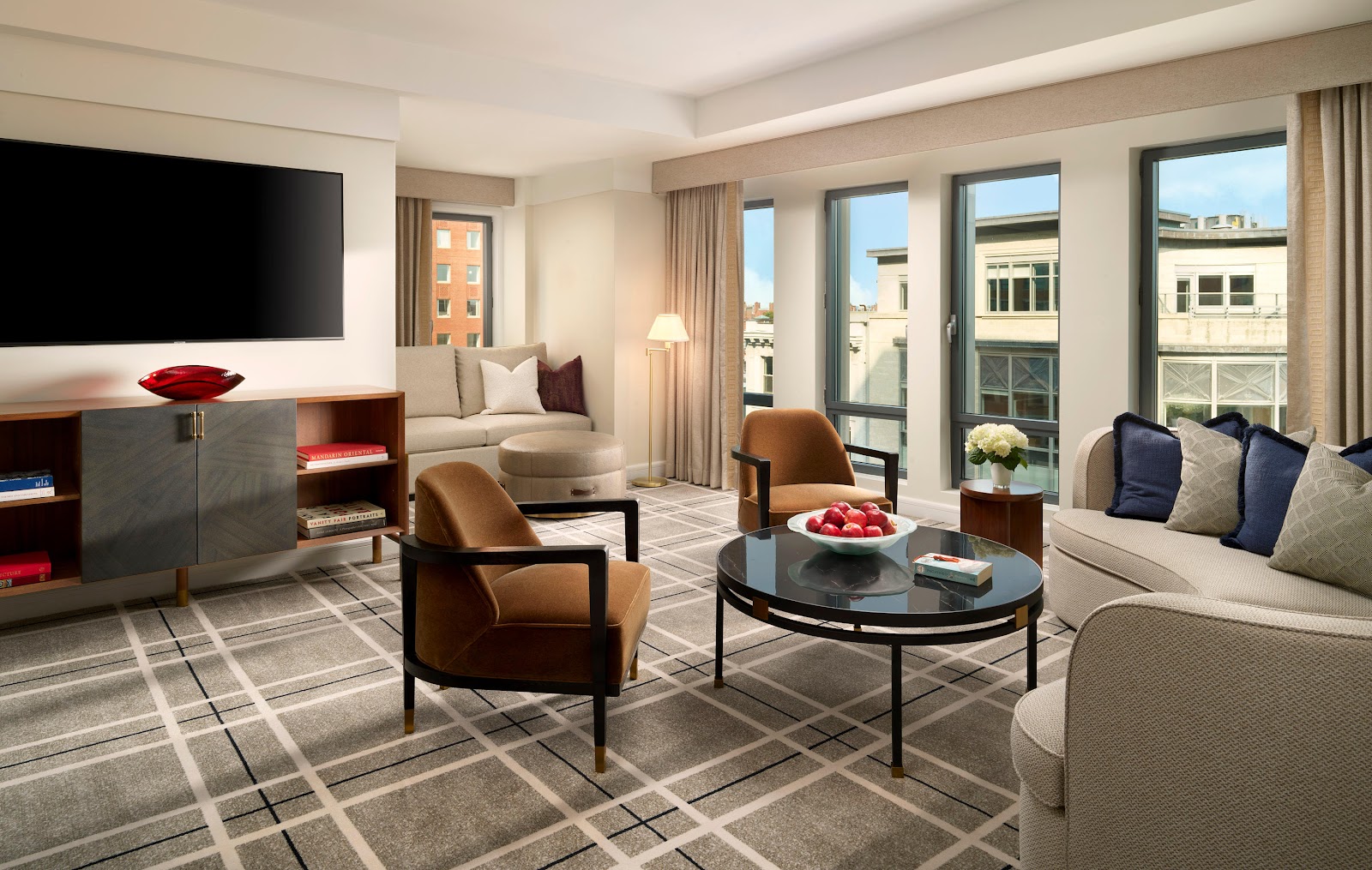
Guest rooms are the best portrait light in any hotel and the place the morning belongs. Windows are domestic in scale but generous relative to the floor area, the walls are close enough to bounce, and the ceilings are low enough that a flash aimed upward returns something usable.
Three moves set a room up and they never change. Largest window on the shaded side. Every overhead fitting switched off so the room has one colour of light rather than three. Lamps moved out of frame rather than composed around. Mixed sources are the commonest single reason preparation coverage looks worse than the room did.
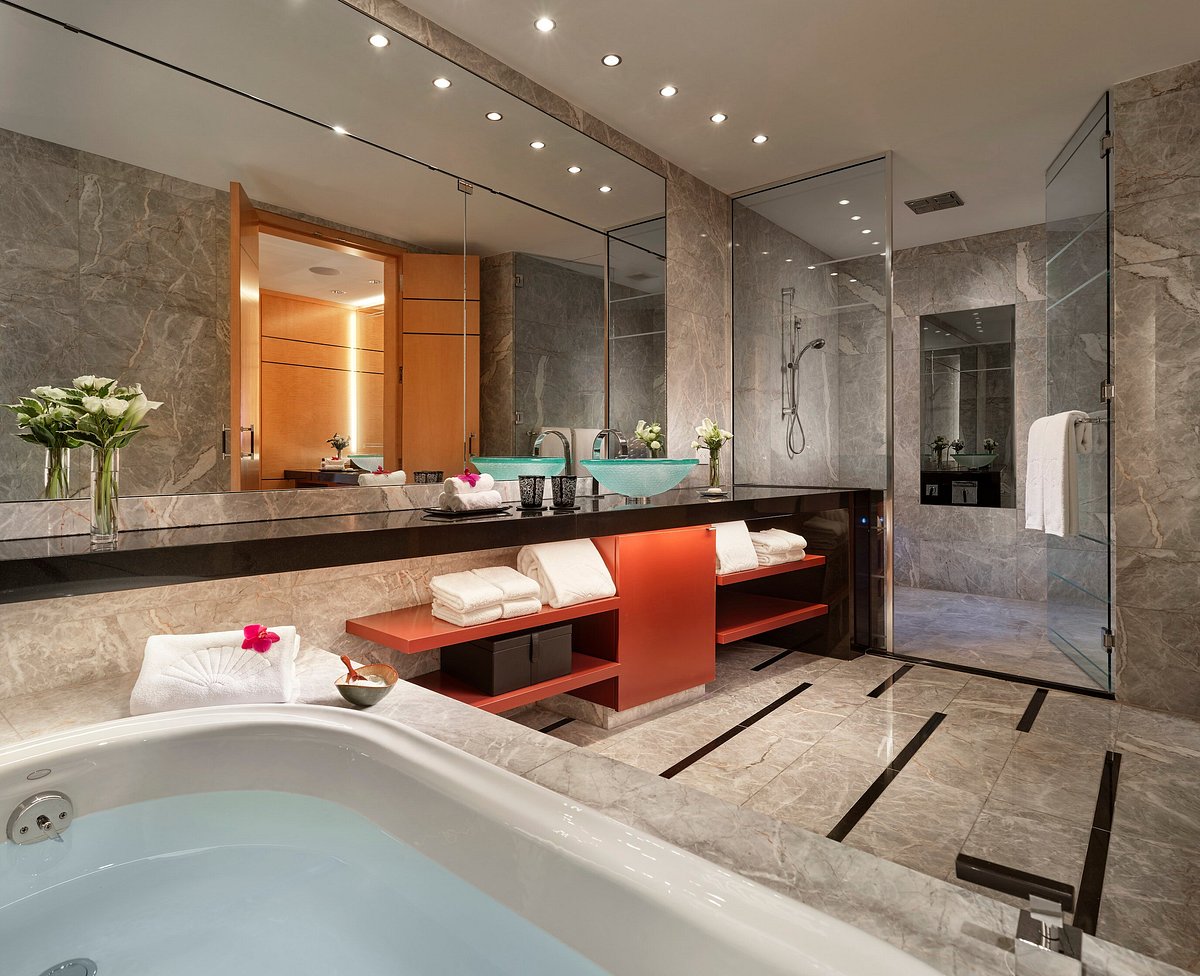
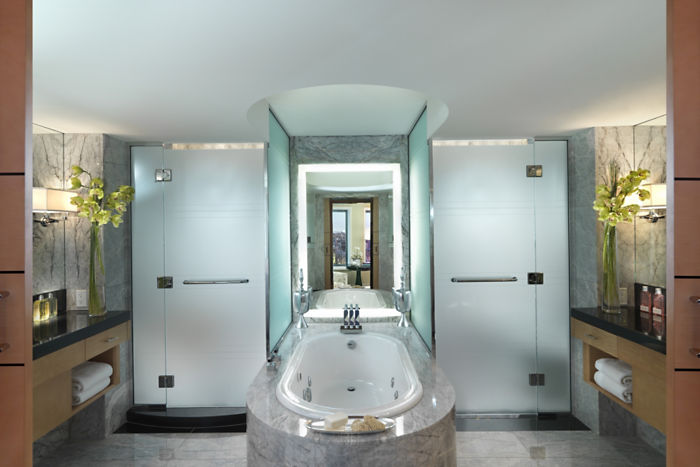
Public floors present the luxury problem, which is two problems disguised as qualities. Light is deliberately even, because unevenness reads as cheap; surfaces are pale and uncluttered, because that reads as calm and expensive. Even light erases the gradient across a face that the eye reads as shape, so a correct exposure can still look flat. Pale surfaces erase the tonal difference between a subject and a background, so a pale dress against a pale wall has nothing separating the two.
Neither needs much correcting, but both need correcting deliberately. One directional source, off the camera axis at face height, set close to the ambient level rather than above it, restores a shadow side without making the frame look lit — half a stop in one direction does more than two stops overall.
For separation, four tools stack: depth so the background sits well behind, a wide aperture so it goes soft, placement against the darkest element in the room, and negative fill. Negative fill is the under-used one and it costs nothing: something dark on the shadow side of a face subtracts bounced light from that side and deepens the gradient. In a pale marble lobby that single move can be the difference between a flat frame and a modelled one.
High ceilings in the grand public rooms remove bounce, so test it with one frame on arrival. Where it fails, a pale wall at a sensible distance is the better surface and direct modified light better than either.
Late afternoon: Back Bay, and the grid
Back Bay’s grid is the practical gift and it is worth using precisely. Because the neighbourhood was laid out on a regular plan with a low-rise brownstone scale over most of it, low sun reaches street level and runs the full length of a cross street rather than being blocked by towers or lost in an irregular plan. Ninety minutes of raking light down a whole block, with no equipment at all.
Which streets receive it is a fixed fact rather than a per-block question, which is unusual in Boston and means the outdoor block can be planned from a map rather than discovered on foot. A ten-minute walk with that geometry in mind produces more usable positions than half an hour of wandering.
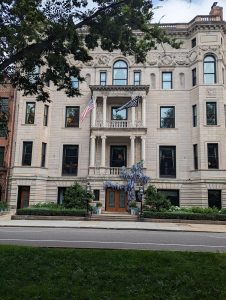
Brownstone is the material and it is unusually good for skin. It is a warm-brown sandstone, so it bounces warm — which flatters faces in exactly the way that granite and limestone, which bounce cool, do not. That distinction is worth carrying around Boston generally: which side of a street a couple stands on changes the colour of a face here more than in most cities, and a brownstone frontage is the side to choose.
Brownstone also shows its texture only when light runs along it, which is the usual condition — so a short walk to find which elevation is being raked is worth more than any accessory. Stoops and entrance steps are the characteristic Back Bay feature and they work photographically: steps give elevation and rows, and a recessed doorway has a roof above and walls to the sides with one open face, which makes it a directional soft source at exactly the right size for two people.
The neighbourhood’s public spaces give a second register — open ground, mature trees and formal planting — and the usual cautions apply. Dense foliage bounces green onto nearby skin, so set a custom white balance on a face in the position being used. And dapple, where sun comes through leaves, puts hot spots several stops above the surrounding shadow across a face and shifts with any breeze: full shade, open light, or wait.
The one timed frame is the dusk crossing. For roughly twenty minutes after sunset the street falls to about the brightness of the interior lighting, and one exposure at a window or in the lobby holds the lit room, the couple and the city beyond. Take the sunset time, add fifteen minutes, be in position with the couple already there.
- Guest room: biggest shaded window, overheads off, lamps out of frame
- In a pale room, subtract with negative fill rather than adding light
- Use Back Bay’s cross streets for raking light; the grid makes it predictable
- Stand people against brownstone, not granite — warm fill beats cool
- Sunset plus fifteen, in position, couple already with you
Evening indoors, and Boston through the year
The ballroom is the evening and it is a known quantity: a large volume with a high ceiling and no usable bounce, warm decorative fittings, overhead sources and a house scheme dimmed low for a reception. That gives low ambient, warm colour and steep fall-off — and the fall-off is the free separation the daytime interiors refuse to provide.
The handling is a few decisions rather than a lot of equipment. Expose for the room so it still reads as the warm dim ballroom it is; add one warm-gelled source at face height, off the camera axis, for anything that must be legible; set white balance to the gel and hold it for the whole block. Decorative fittings at a wide aperture become warm points behind a subject, which is what a designed ballroom does beautifully — provided a bright fitting is not sitting immediately beside a head.
Ask whether the ballroom lighting can be dimmed to pools rather than set evenly. It usually can, and the difference is larger than any equipment choice.
Window glass after dark becomes a mirror, because the lit interior is brighter than the street. Lights go off the camera axis, frames go oblique rather than square to the glazing, and the reflection becomes material rather than damage.
New England seasons differ sharply and the schedule has to move with them. Summer is humid but rarely extreme, and the long June days put sunset late enough that the golden hour arrives after the reception has started — which at a hotel is easy to accommodate as a short agreed excursion, because the interior does not care what time it is. Autumn brings the region’s foliage peaking in mid-October, and in Back Bay that means warm colour at street level along planted avenues, which is a genuine asset.
Winter is the hard season. Sunset falls in the middle of the afternoon in December, which compresses the entire outdoor window into a couple of hours and can put it before the ceremony rather than after. Snow is the compensation and it is the best natural fill there is, lifting exactly the shadows a low sun carves — while fooling a meter by about two stops, so add them. Wet snow on brownstone darkens the stone and makes its texture read more strongly than in dry weather.
Coastal weather brings nor’easters in winter and fog in spring and early summer. A large hotel means either is survivable without a decision — the day continues indoors — and fog specifically is worth stepping out into, because it reduces Back Bay’s long avenues to receding soft shapes and produces the frame nobody plans for.
More frames from The Mandarin Oriental Boston
The Mandarin Oriental Boston wedding photography: common questions
Why is the running order the main tool?
Because a modern luxury interior is constant from mid-morning to midnight, so all the variation in the day is outside. Put the outdoor block where the light is and fit the interior around it.
What is special about Back Bay?
It is gridded, which almost nothing else in Boston is. That means low sun runs the full length of the cross streets predictably, so the outdoor block can be planned from a map rather than discovered on foot.
Why does even light cause a problem?
Because shape in a photograph comes from the gradient between a bright and a dark side of a face, and light arriving from many directions at similar intensity erases it. Half a stop in one direction restores it.
What is the best fix for pale-on-pale?
Negative fill. Something dark on the shadow side of a face subtracts bounced light and deepens the gradient, and in a pale marble lobby it beats adding light.
Which side of a Boston street should you use?
The brownstone side. Brownstone bounces warm and flatters skin; granite and limestone bounce cool and can grey it — and that changes the colour of a face here more than in most cities.
What does December do to the plan?
Sunset falls mid-afternoon, which compresses the outdoor window into a couple of hours and can put it before the ceremony rather than after. Snow compensates as the best natural fill there is — add about two stops for it.
More Boston, MA venue guides
We are writing a photographer’s guide to every venue we would happily shoot in Boston, MA. Here are three more, plus the full index:
- The Museum of Fine Arts, Boston: Four Ways Out of the Gallery Problem
- The New England Aquarium, Boston: Four Ways Out of the Spiral Ramp Problem
- Old South Church, Boston: The One Decision That Governs Everything
All Boston, MA Wedding Venues →
Planning a wedding at The Mandarin Oriental Boston?
The grid makes this plannable. Tell us your date and we will map the walk.