 The Ozark Mountain Lodge, Eureka Springs: The Problem, and Four Ways Out
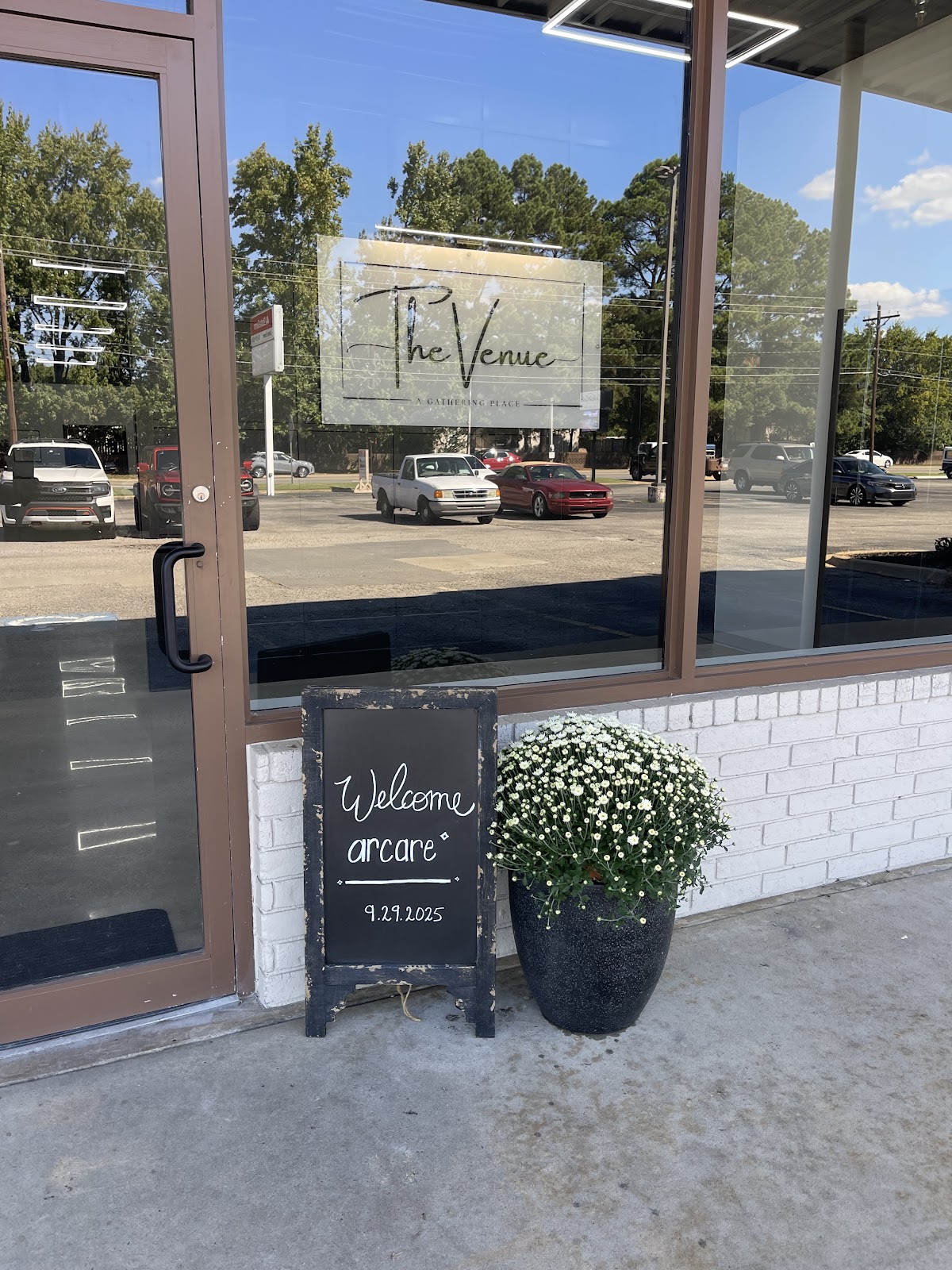
The Venue at The Farm, Judsonia: The One Decision That Governs Everything
Inside the farm’s world or outside it. There is no useful middle.
A farm venue presents one decision that governs every frame, and it is not about light. It is about whether a photograph is inside the farm’s world or outside it.
Inside means the frame contains the farm’s own material: weathered timber, corrugated metal, fence lines, gates, machinery, a barn wall, a gravel track, a field of stubble. Those things are coherent with each other, and a photograph containing them reads as being of a place with a history and a function.
Outside means the frame contains nothing agricultural: a subject against sky, against a treeline, against a plain wall, at close range with the background thrown out. Those photographs could be anywhere and they are about the people rather than the place.
Both are necessary and a good set contains both in roughly equal measure. What does not work is the accidental middle — a frame that is mostly about the people but has half a feed trough, a utility pole and a parked truck in the background, none of it intentional. That picture is neither, and it is the frame that happens by default on any working property.
The reason to make the decision consciously is that farms are visually busy. A working landscape accumulates objects, and those objects are functional rather than composed: fencing, guttering, drums, pallets, tanks, cables, signage. They belong to the place, which is exactly why including them deliberately works and including them accidentally does not.
Judsonia sits in central Arkansas, north-east of Little Rock, in the transitional country between the Ozark foothills and the Delta. At about thirty-five and a third degrees north, the June noon sun reaches around seventy-eight degrees, the December noon sun about thirty-one, days run from about nine hours fifty-five to fourteen hours fifteen, and civil twilight is around twenty-seven minutes.
We have not photographed a wedding at this venue. Which spaces and grounds are included, what covered alternatives exist, whether the working areas are accessible and what the permitted hours are, are questions for their team.
The Venue at The Farm at a glance
| Where | A farm venue at Judsonia, in central Arkansas |
| The decision | Inside the farm’s world, or outside it |
| Inside | Weathered timber, metal, fence lines, machinery — coherent and deliberate |
| Outside | Sky, treeline, plain wall, close range — about the people, not the place |
| Ask first | Included grounds, working-area access, covered alternatives, hours |
Working the decision
Inside the farm’s world, the material is the subject and the approach is about texture and light angle.
Weathered timber is the best surface on any farm. It is dark, low in saturation, and high in frequency — an irregular field of grain, splits, nail holes and silvering at a scale of millimetres. That makes it a far better background for a white dress than any pale wall, because the tonal contrast does the separating, and it makes it spectacular under raking light and dull under flat light.
The raking window is the thing to time. A timber wall lit at a shallow angle shows every board edge and every grain line in relief; the same wall in frontal light is a flat brown field. That is roughly twenty or thirty minutes per wall, once a day, and a five-minute check of which walls face which way on arrival is worth more than any amount of walking.
Corrugated metal is the other farm surface and it behaves in the opposite way. Metal is specular rather than diffuse, which means it does not have texture in the photographic sense — it has reflections. A corrugated wall in direct sun is a series of bright and dark bands, and in shade it is a smooth grey field that takes on the colour of whatever is in front of it.
Both are usable and both need deciding. In direct sun the banding is a graphic pattern and works best with the subject placed against it at a distance so the bands read as rhythm. In shade, rusted metal is one of the most beautiful low-saturation backgrounds available — warm, mottled, and dark enough to separate a white dress cleanly.
Fence lines and tracks are the compositional resource. A fence is a receding line at a consistent height and it works as a leading line, a horizontal at seated height, or a rhythm of posts. A gravel track is a leading line that reads from a low camera and vanishes from a standing one.
The rule for both is the same as for any strong line: it has to arrive at the subjects rather than pass them. A fence that runs past a couple’s shoulder pulls the eye out of the frame; a fence that runs to them holds it.
Machinery is the most divisive element and it works when it is committed to. A tractor, an implement, a truck in the frame is a strong object and it will be the second thing the eye finds after the faces — which means it belongs fully in the picture, placed deliberately, or not in it at all. A half-cropped piece of equipment at the frame edge is the worst option.
Outside the farm’s world, the technique is about removal, and there are three reliable methods.
Lower the camera. A camera below the subjects’ eye level with grass across the bottom of the frame puts everything behind them above the horizon, which is sky — and sky removes every building, vehicle, pole and fence in one move. This is the fastest and most complete method and it works anywhere on the property.
Find a plain surface. Every farm has two or three: a barn wall without fittings on it, a treeline, a hedge, an unbroken field. Locating them in advance turns a busy property into a simple one.
Or use depth of field. A longer lens at a wide aperture from close range turns a cluttered background into a field of soft tones. That works, and it is the least interesting of the three because it produces a frame that could have been made anywhere — which is the point, but it is worth using sparingly.
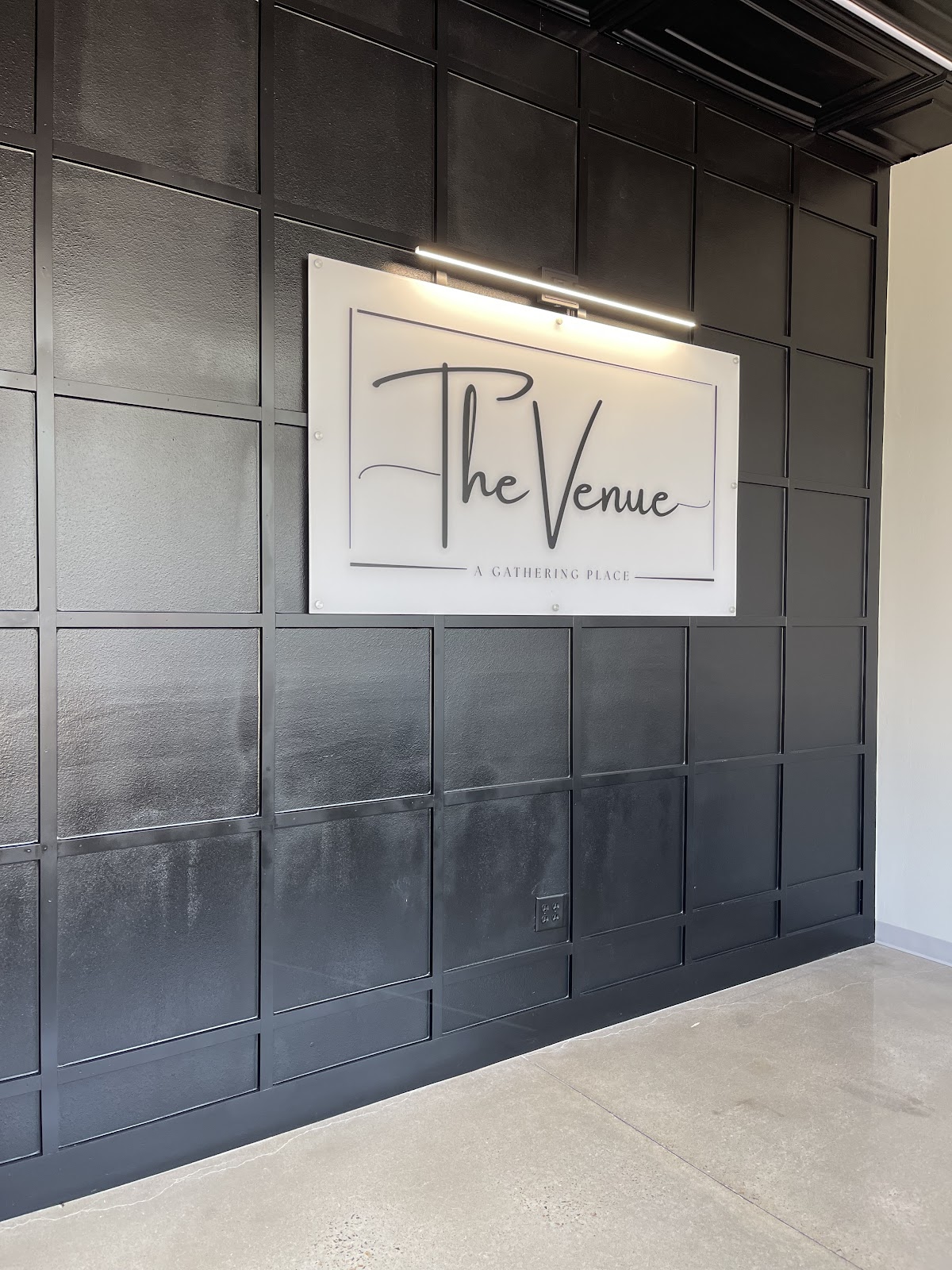
The light, the margins and the interiors
Open farm ground under a high sun is the hardest light of the day, and at seventy-eight degrees of June elevation there is no position on a field that fixes a face. That is true of every rural venue in this state and the answers are the same.
The margins first. Central Arkansas here is mixed country and the useful species are eastern redcedar and pine. Redcedar is a juniper rather than a true cedar, dense and very dark, and it blocks almost all direct light — a subject a metre inside a redcedar margin has soft directional light in front and three or four stops of near-blackness behind, which solves the light problem and the green problem at once.
Pine shade is the second-best option: a stop or two down rather than three or four, much less green than hardwood because the canopy is higher and more open, and with tall dark trunks that make a genuinely good background field.
Oak and hickory canopy gives soft even light with a green cast, corrected by standing at the canopy edge rather than deep inside it, where most of the light on a face arrives from open sky.
The buildings are the other answer and they are the better one at a farm. A barn is a dark volume with a few very bright openings — which is what a studio is. Depth back from a large open door is the whole lighting control: at the threshold the ratio is low and the result is flat; three metres in it is dramatic and the interior behind has fallen four or five stops.
Where a barn has doors at both ends, a subject can be lit from the near one and backed by the blown rectangle of the far one: key and rim in a single frame, free. Where the wall boards have gaps, direct sun produces hard parallel stripes across the interior — structure behind a subject, unusable across a face.
Meter on skin, never on the scene. A camera reading a dark barn with a bright doorway will overexpose everything that matters. And set a custom white balance on a face in position: aged timber biases warm, and it warms further the deeper a subject stands.
The last ninety minutes are when the farm’s world is at its best, because low sun rakes across everything: the timber, the metal, the stubble, the track, the fence posts. Everything that was a flat field at noon has relief, and the ground’s small undulations become visible.
The frames for that window: the couple against a raking timber wall; the couple with the sun behind them in an open field, exposed for the sky and lifted by a close warm-gelled source; the couple with the sun behind the camera, which needs nothing; and a silhouette against a fence line or a treeline.
Civil twilight here runs around twenty-seven minutes, which is a workable but short window. Four setups in under half an hour is achievable only if nothing is being decided at the time.
The gel is not optional. Low sun at this latitude is strongly warm and open shade is lit by a blue sky, so an ungelled flash puts cold faces into a gold landscape.
Two practical notes. Chiggers and ticks are a genuine consideration in Arkansas in tall grass and at field edges from about May into September, and a working farm is exactly where they live. And this state sits in the secondary severe-weather corridor of the southeastern United States, with peaks in April–May and a smaller one in November — so a named indoor alternative for anything outdoors in those months is a requirement, and a barn’s complete indifference to rain is one of a farm venue’s real advantages.
- Time the raking window on the timber walls — twenty minutes each, once a day
- Metal is specular, not textured: banding in sun, mottled warmth in shade
- A fence must arrive at the subjects, not pass them
- Machinery belongs fully in the frame or not at all
- Lower the camera and the whole farm falls out of the background
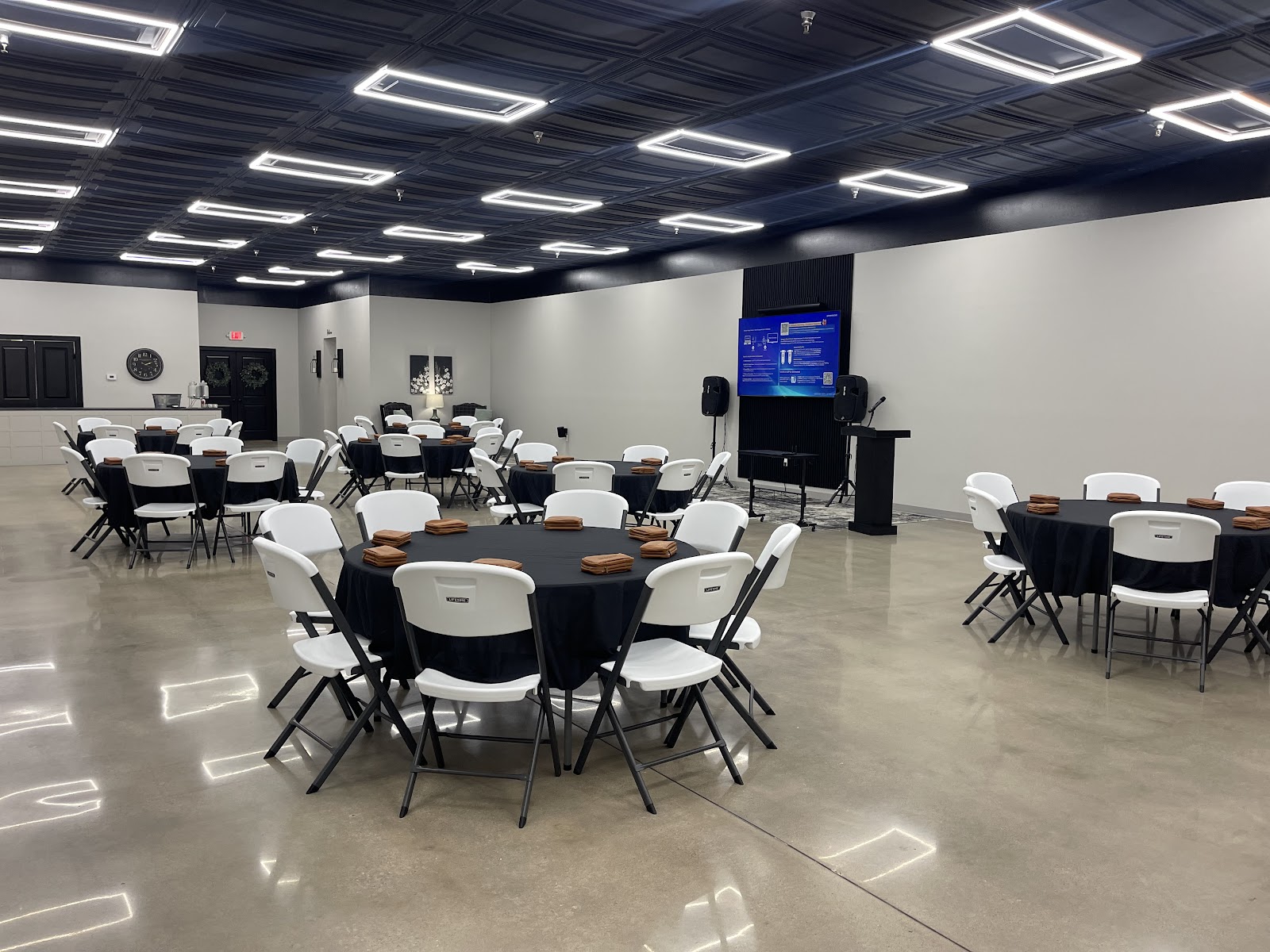
The central Arkansas year
Four real seasons with long shoulders, and a working landscape that changes more across the year than an ornamental one does — because a farm’s appearance follows its function.
Winter is short and mild, and for a farm it is the most photographically coherent season. Fields are stubble or bare soil, the hardwoods are down, and the landscape is a set of neutrals — brown, grey, silvered timber, rusted metal, dark evergreen cedar and pine. That is a palette that suits farm material far better than summer green does.
The December noon sun at around thirty-one degrees never rises high enough to flatten anything, which means the raking light that makes timber and metal work is available for most of the afternoon rather than for twenty minutes. A farm in an Arkansas winter has hours of the light it needs.
At nine hours fifty-five the day is meaningfully longer than a northern winter one. Snow occurs but rarely lasts; the characteristic Arkansas winter event is freezing rain, which glazes every fence wire and every board edge in clear ice — spectacular for a day, hazardous for longer, unplannable.
Spring is the region’s best outdoor season and it is early. Leaf-out runs through late March, and before the canopy closes redbud flowers magenta on bare wood and dogwood white beneath, both lit directly rather than filtered. Magenta redbud against silvered timber is the strongest colour combination a farm venue offers.
Spring is also when the fields are at their most varied — some in new growth, some bare, some being worked — which gives a landscape with different textures in it rather than one uniform crop.
The cost is the severe-weather peak in April and May. In central Arkansas that is serious rather than nominal, and open farm ground offers no shelter.
Summer is hot and humid, with dew points in the low to mid twenties Celsius. The green problem is at its worst, the haze softens anything at distance, and the crops are at full height — which changes the ground from a surface into a texture, and in some frames into a wall.
A field of tall standing crop is actually a useful background: it is uniform, it moves in wind, and it is tall enough to fill the frame behind standing subjects. It is also green, which is the limitation. The honest summer strategy is the barn, the cedar and pine margins, the low-camera sky frames, and the ends of the day.
Days run to fourteen hours fifteen at the solstice, which puts the low light after half past eight and gives it real duration — a genuine advantage over the southern half of this guide.
Autumn is the other strong season and it is late. Central Arkansas turns from the last week of October into the first half of November — three to five weeks behind New England — with oak russet, hickory gold, sweetgum purple-red and sassafras orange, holding for a genuine three weeks.
For a farm, autumn also means harvest: stubble, bales, bare worked soil and stacked equipment, which is the working landscape at its most photographically legible. Warm colour in the treelines above a field of stubble, with silvered timber and a low sun, is the best combination this venue produces all year.
November brings a second, smaller severe-weather peak, and by late in the month the fields are bare, the timber rakes all afternoon, and the barn is exactly what it always is.
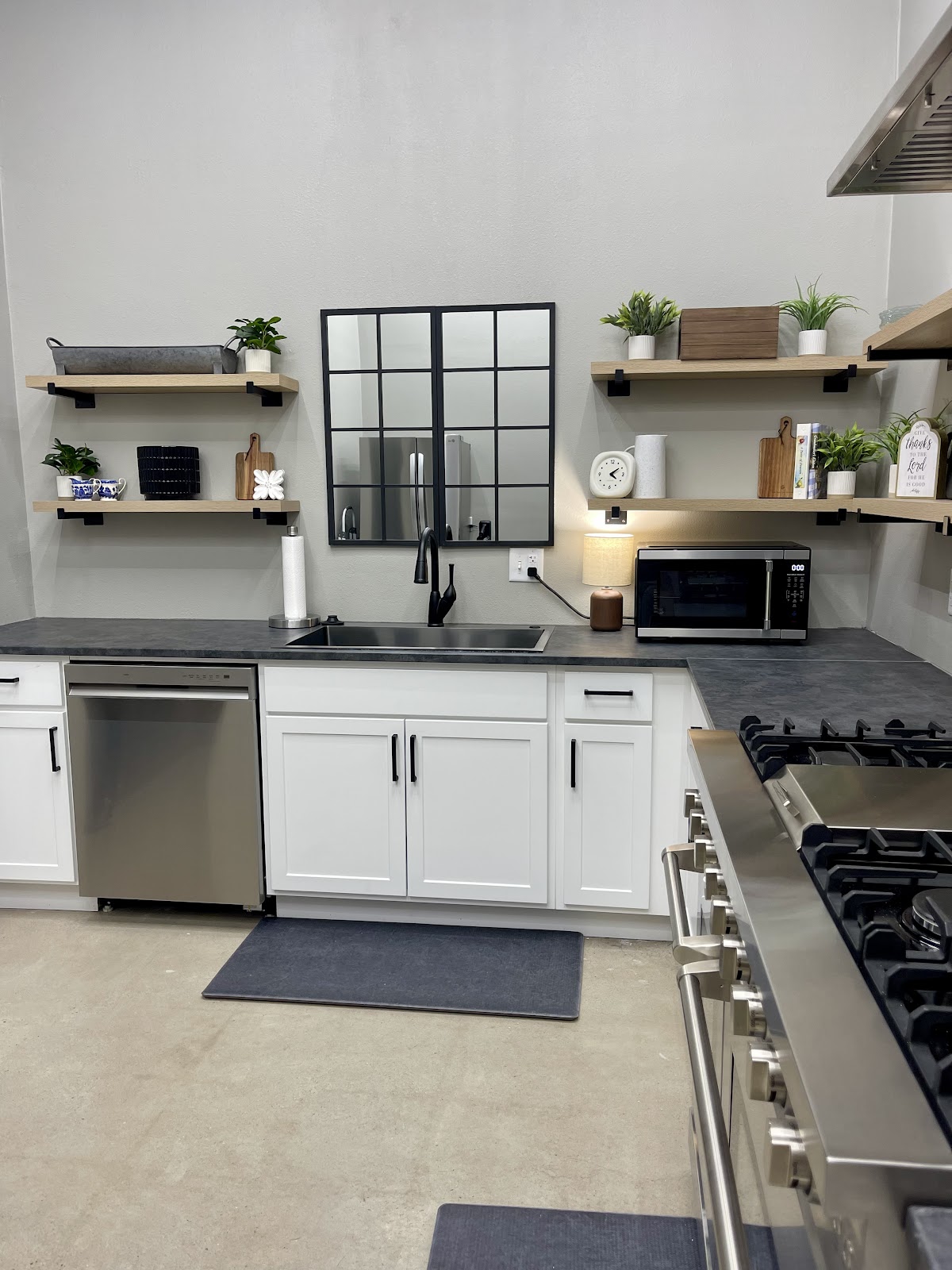
More frames from The Venue at The Farm
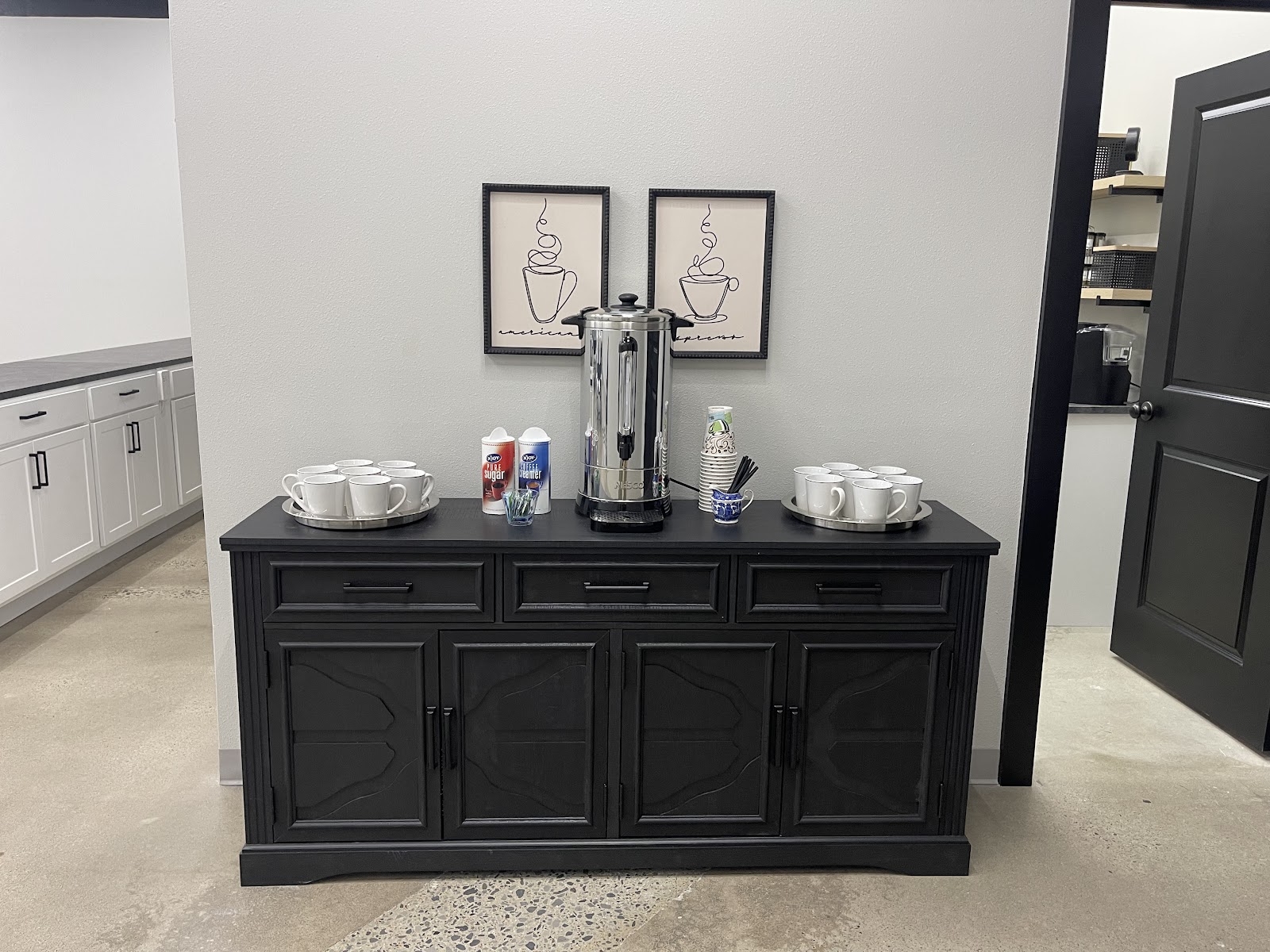
The Venue at The Farm wedding photography: common questions
What is the one decision?
Whether a frame is inside the farm’s world — timber, metal, fences, machinery — or outside it entirely. The accidental middle is the frame to avoid.
Why is weathered timber such a good background?
It is dark, low in saturation and high in texture, so the tonal contrast separates a white dress where a pale wall cannot.
How do I photograph corrugated metal?
Decide which version you want. In sun it is a banded graphic pattern best used at a distance; in shade rusted metal is a warm mottled low-saturation background.
What do I do about clutter?
Lower the camera so everything falls below the horizon, find one of the two or three plain surfaces every farm has, or throw it out with a long lens wide open.
Where is the best light on the property?
Three metres inside a large barn door — four or five stops of fall-off, at any hour, in any weather.
When is a farm at its best?
Winter and late autumn. A low sun rakes the timber and metal for whole afternoons, the green is gone, and the palette is all neutrals.
More Arkansas venue guides
We are writing a photographer’s guide to every venue we would happily shoot in Arkansas. Here are three more, plus the full index:
- The Victoria Venue, Fort Smith: How the Light Moves
- The Woodland Venue, Fayetteville: The Problem and Four Ways Out of It
- The Alexander Mansion, Hot Springs: Field Notes on a Valley House
Planning a wedding at The Venue at The Farm?
Inside the farm’s world or outside it. Tell us your date and we will do both.