 The Ozark Mountain Lodge, Eureka Springs: The Problem, and Four Ways Out
The Victoria Venue, Fort Smith: How the Light Moves
The western edge of Arkansas, where the plains start and the air clears.
Fort Smith sits on the Arkansas River at the Oklahoma state line, and its position is worth understanding because it changes the light relative to the rest of the state.
Eastern and central Arkansas are humid, wooded and hazy in summer. Fort Smith is at the western edge of that, where the Ouachita Mountains give out and the landscape begins its transition toward the southern plains. The practical effects are that the air is drier and clearer than in the Delta or the Ozark hollows, the distances are longer, and the sky occupies more of every wide frame.
It also sits low, at the western end of the Arkansas River valley, which means an unobstructed western horizon — and an unobstructed western horizon is the single most valuable topographic feature a venue can have, because it means the whole of the last ninety minutes and the whole of civil twilight are available rather than being cut off by high ground.
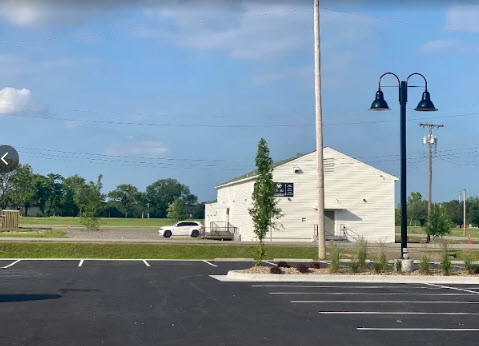
The building is a historic venue, which means the interior behaves the way period interiors behave: deep-set windows, moderate ceilings, finishes that absorb rather than bounce, and light that is directional and falls off fast. That is better raw material for portraiture than a modern room, and it needs a different method.
So the day here divides cleanly. The interiors are a series of single-window setups and they are stable at any hour. The exteriors depend on the sun’s angle and are at their best early and late, with an unusually generous evening. And the city around it — nineteenth-century brick, the river, and the frontier-era civic architecture — gives exterior material that most venues of this type do not have.
Fort Smith sits at about thirty-five and a third degrees north. The June noon sun reaches around seventy-eight degrees, the December noon sun about thirty-one, days run from about nine hours fifty-five to fourteen hours fifteen, and civil twilight is around twenty-seven minutes.
We have not photographed a wedding at this venue. Which rooms and grounds are included, whether the surrounding streets can be used, what covered alternatives exist and what the permitted hours are, are questions for their team.
The Victoria Venue at a glance
| Where | A historic venue in Fort Smith, on the Arkansas River at the Oklahoma line |
| The position | Western edge of Arkansas: drier, clearer air and longer distances |
| The advantage | An unobstructed western horizon — the whole evening is available |
| The interiors | Deep-set windows and absorbing finishes: directional, fast fall-off |
| Ask first | Included rooms and grounds, street use, covered alternatives, hours |
Morning into midday
Start inside, because the interiors are the most controlled light in the building and they are available at any hour of any day.
A period building has deep-set windows in thick walls, moderate ceiling heights, and dark or mid-toned finishes. The light coming in is narrow and strongly directional, and the fall-off is fast — often three or four stops between a face at a window and the wall two metres behind it, which does the separation without anything being added.
The method is the standard one for any historic interior: subject at forty-five degrees to a window, at a distance that sets the ratio, metered on skin, with the room falling away behind. The deep reveal acts as a snoot, restricting the angles from which light arrives and steepening the fall-off further, which means a subject can move six inches and change the ratio noticeably. Precision pays here.
The morning is the right time to do it for a specific reason: an east-facing window in the first hours receives direct sun, which is a completely different quality from the diffuse light it gets later. Direct low sun through a period window is a hard warm beam with a defined shape, and used deliberately — a subject standing in the beam with the rest of the room three or four stops down — it is the best interior frame of the day. Used without noticing, it is a stripe across a face.
Mid-morning is the best exterior portrait window before the evening. With the sun between twenty and forty degrees, faces have modelling rather than shadowed sockets, the brickwork has relief, and the ground has texture. A group photographed outdoors at this hour with the sun behind the camera needs nothing added.
Brick is the material to understand outside, because most of what is old in an Arkansas river city is brick. Nineteenth-century brick is a mid-toned, strongly saturated red-brown surface, and it does two useful things: it is a much better background for a white dress than any pale wall because the tonal contrast does the separating, and it bounces its own colour onto skin at close range, warming the shadow side of a face.
The bounce is controllable by distance: at two metres from a sunlit brick wall it dominates the shadows, at eight metres it is a gentle warm cast, at twenty it has gone. That is a lighting control available with no equipment and it is worth using deliberately rather than discovering.
Brick is also a high-frequency texture, which means it comes alive under light raking across it and reads as a flat field under frontal light. A brick wall at nine in the morning with the sun shallow to it is a different surface from the same wall at noon, and the difference is worth timing.
Midday is the hardest light of the day. At seventy-eight degrees of June elevation the sun puts eyes in shadow and foreheads in light, and a city street has little natural cover. The answers are architectural: a doorway, a recessed entrance, a covered walk, the shaded side of a building, or indoors.
A doorway is the strongest of them and it works everywhere. A subject standing a metre inside an open doorway is lit by the whole sky in front and backed by the dark interior — a giant softbox and a black backdrop, at any hour, in any weather, positioned by the architecture.
Afternoon to dark
Early afternoon is the weakest window outdoors and the right time for the parts of the building that do not depend on direct sun: the north-facing rooms, the corridors, the stairs.
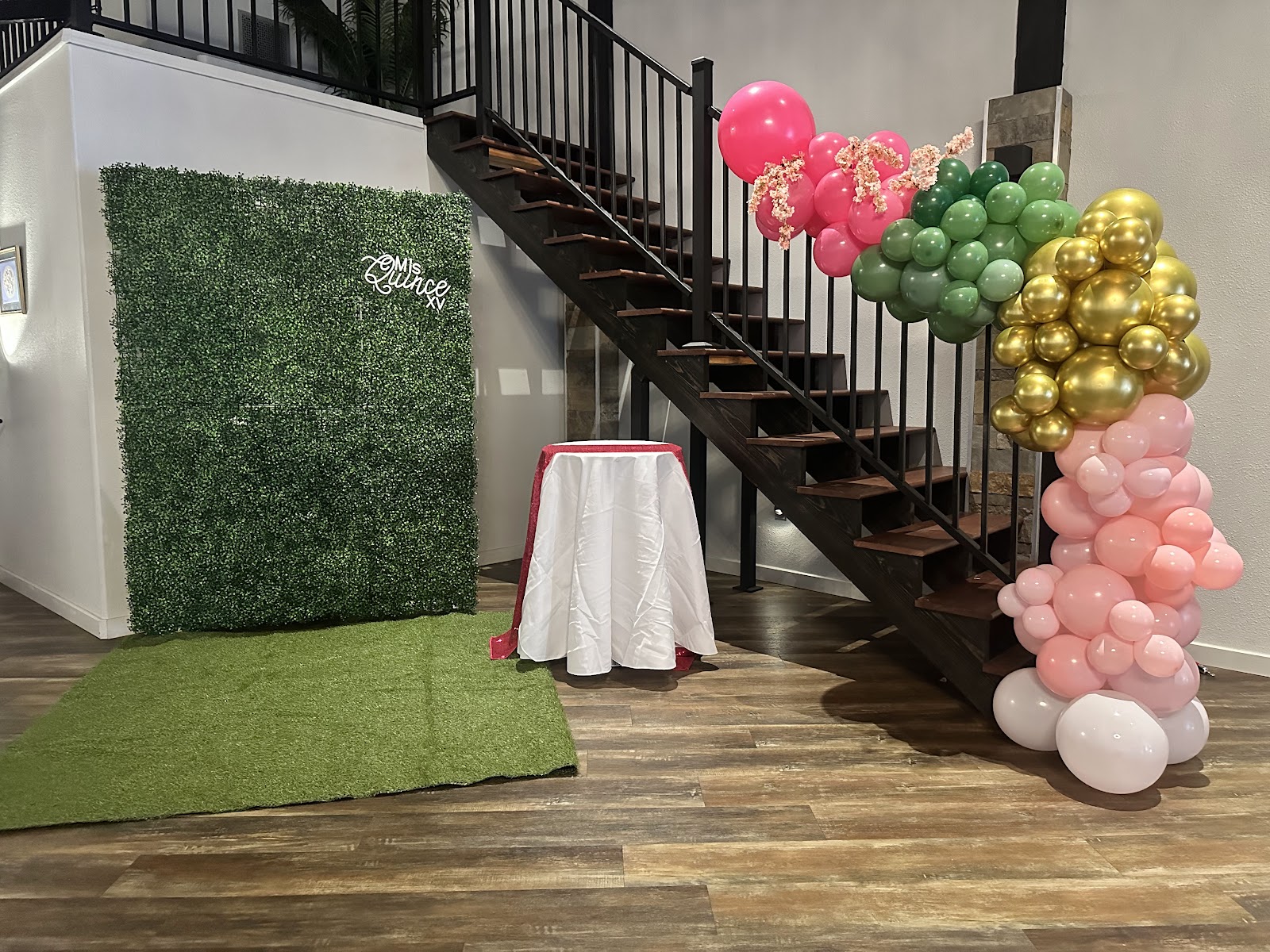
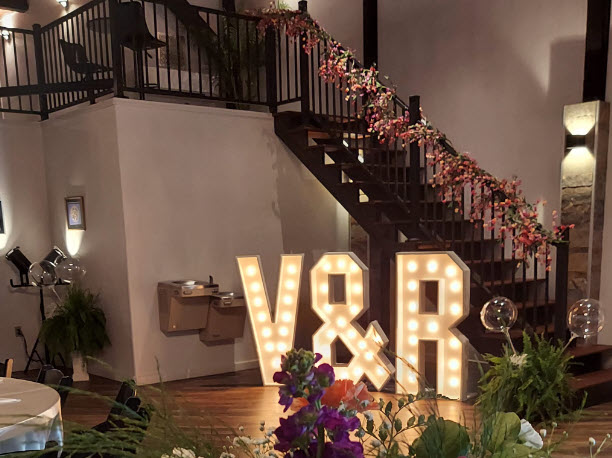
A corridor with a window at one end is a directional source with several stops of fall-off along its length, and a subject placed three or four metres in gets studio separation from architecture alone. A stair gives a level change and — in a period building — usually a balustrade, which is a strong graphic element at exactly the height a seated or leaning subject occupies.
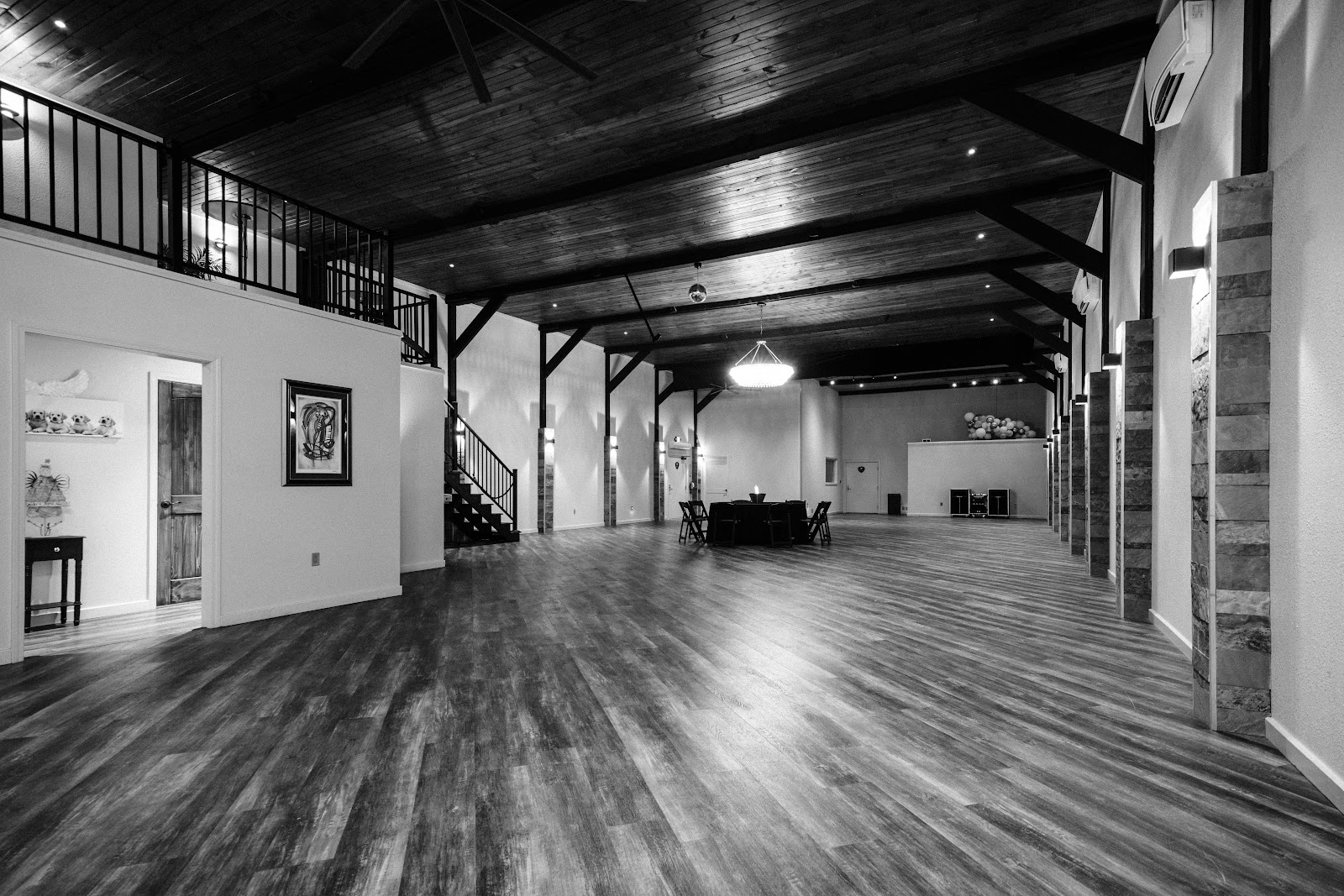
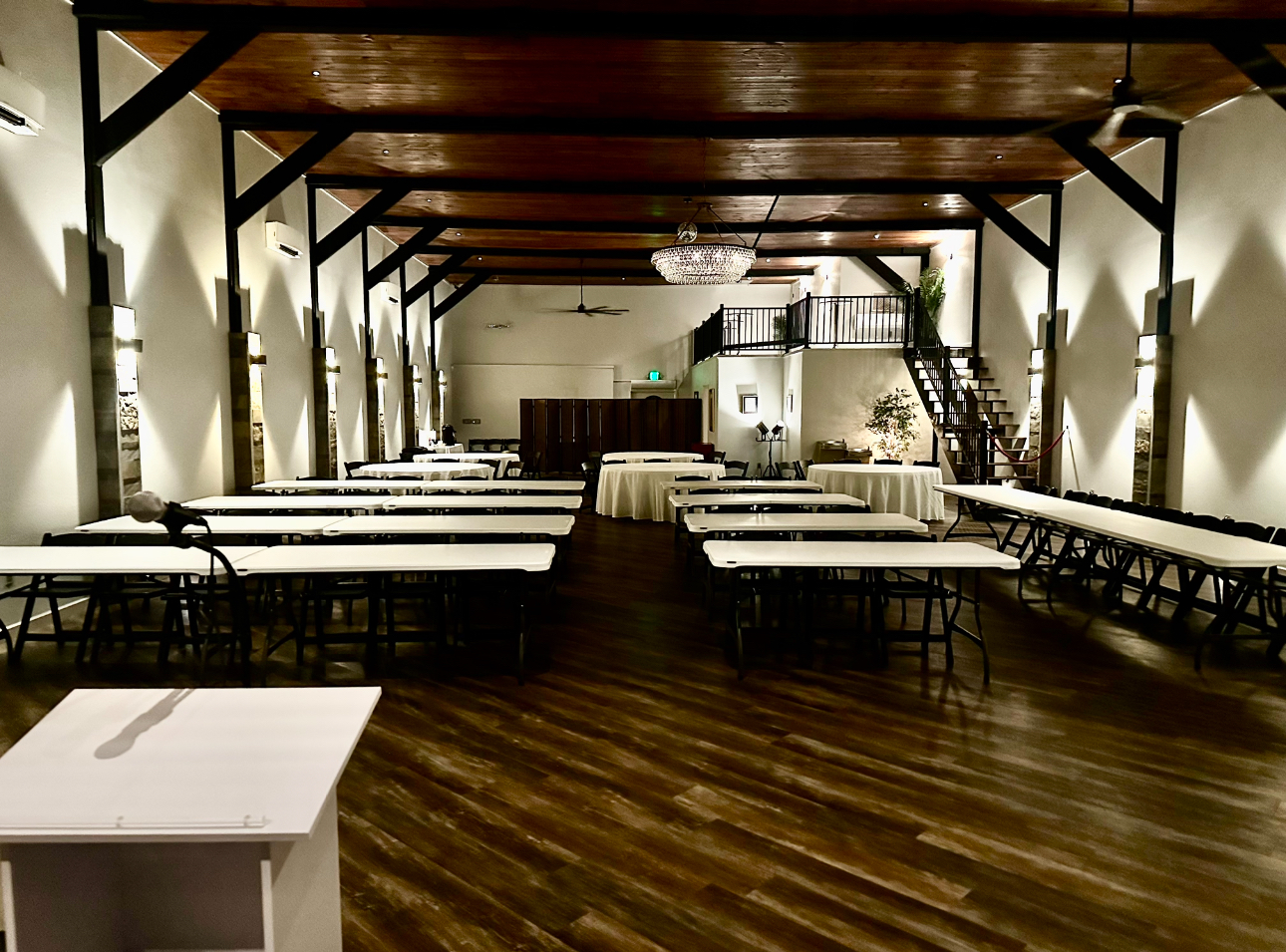
Ballroom and function spaces take the standard approach: a low warm ambient, fittings reading as hot points, and a room that absorbs more than it bounces. Balance for the room rather than for a flash, gel any added source warm so the subjects belong to the space, use the existing pools of light as key rather than filling them out, and let the ceiling volume go dark.
Restraint is the technique. A source at a stop above the ambient on the subject is enough to model; two stops starts to look lit; three looks like a flash photograph in a dark room.
Mid-afternoon the sun crosses onto the western aspects and the exteriors begin to improve. The first stage is harsh — a lowish sun on a brick façade gives very high contrast — and the useful response is to separate the jobs: photograph the architecture while the light rakes across it, and photograph people in doorways, recesses and the building’s own shade.
The last ninety minutes are the best of the day and this is where Fort Smith’s position pays. An unobstructed western horizon means the low light keeps coming right down to the end rather than being cut off, and the drier western Arkansas air means it arrives with more contrast and less haze than it would at a venue further east.
The frames that belong to this window: the couple with the low sun behind them, exposed for the sky and lifted by a close warm-gelled source; the couple with the sun behind the camera, which needs nothing; a brick wall raking at a shallow angle with the subjects against it; and a silhouette against the open western sky.
The gel is not optional. Low sun here is strongly warm and open shade is lit by a blue sky, so an ungelled flash puts cold faces into a gold frame.
The river is the other evening asset. The Arkansas River is large here and it runs roughly west at this point, which means it takes the evening light along its length — and a large river is a horizontal reflector that fills faces from below, a mirror when calm, and a source of the one thing a city lacks, which is space. The water carries sediment and reads brown-green rather than blue, so the colour in a river frame comes from the sky rather than from the water.
Calm on a river means the early morning and the last hour, as the air settles.
Then dusk, and at this latitude civil twilight runs around twenty-seven minutes. On a low site with an open western horizon the whole of it is usable, which is not true at most venues in this guide. The crossing point for any lit building applies: the sky and the lit façades sit within about a stop of each other for roughly ten minutes, and that crossing is the frame — planned in advance, with the camera position scouted in daylight, because ten minutes is not enough time to search.
Two practical notes for this part of the state. Arkansas sits in the secondary severe-weather corridor of the southeastern United States and the western river valley is among the more exposed parts of it, with peaks in April–May and a smaller one in November. A named indoor alternative for anything outdoors in those months is a requirement.
And the drier western air that makes the light clearer also makes it windier: the transition toward the plains brings a more persistent breeze than the wooded interior of the state, which makes a lightstand a liability on open ground and every source handheld or weighted.
- Direct low sun through a period window is the best interior frame — used on purpose
- Brick separates a white dress better than any pale wall, and bounces warm
- An open doorway is a softbox and a black backdrop, at any hour
- An unobstructed western horizon means the whole evening is usable
- Handhold every light: western Arkansas is windier than the interior
The western Arkansas year
Four real seasons with long shoulders, and a position at the state’s dry western edge that makes the extremes more pronounced than in the wooded interior.
Winter is short and cool, with more sun and less cloud than eastern Arkansas. Snow occurs but rarely lasts; the characteristic winter event is freezing rain, which glazes every twig and every brick edge in clear ice — spectacular for a day, hazardous for longer, unplannable.
The December noon sun at around thirty-one degrees means the whole short day models rather than flattens, and at nine hours fifty-five the day is meaningfully longer than a northern winter one. For a brick building that matters specifically: a sun that never rises above thirty-one degrees rakes across a south-facing brick wall for the whole afternoon rather than for twenty minutes, which turns the texture on all day.
That is the most useful seasonal fact for a venue like this. A historic brick building in an Arkansas winter has hours of raking light rather than minutes.
Bare trees also mean more light reaching every window, and less green cast, which makes the interiors brighter and considerably more neutral in January than in leafy July.
Spring is the region’s best outdoor season and it is early. Leaf-out runs through late March, and before the canopy closes redbud flowers magenta on bare wood and dogwood white beneath. Street trees and the river margins give both. Redbud against nineteenth-century brick is an unusual and strong combination — magenta against red-brown, which sounds wrong and works, because the brick is much darker.
The cost is the severe-weather peak in April and May, and in the western river valley it is at its most serious. Supercells, hail and high winds are real considerations rather than statistics.
Summer is hot, and the western position helps. Dew points here are lower than in the Delta or the Ozark hollows, which means less haze, more contrast at distance and a bluer sky — a genuine photographic advantage over the rest of the state in July. The heat is not less; the light is better.
The June noon sun at seventy-eight degrees is still the hardest light of the year, and the answers are the doorways, the recesses and the interiors. Days run to fourteen hours fifteen at the solstice, which means the evening sequence does not arrive until after half past eight — usually after the point in a reception when people can be taken out, and worth planning for rather than discovering.
Autumn is the other strong season and it is late. Western Arkansas turns from the last week of October into the first half of November — three to five weeks behind New England — with oak russet, hickory gold, sweetgum purple-red and sassafras orange, holding for a genuine three weeks because oak colours and drops slowly.
Against nineteenth-century brick that warm palette is a better match than northern reds would be, and by late October the sun is low enough that the raking window on the building has begun to lengthen toward its winter generosity. The last week of October into the first week of November is the best combination of colour and light this venue sees all year.
November brings a second, smaller severe-weather peak, and by late in the month the trees are bare, the brick rakes all afternoon, and the open western horizon delivers the full twenty-seven minutes of twilight every clear evening.
More frames from The Victoria Venue
The Victoria Venue wedding photography: common questions
What does Fort Smith's position change?
Drier, clearer air than eastern Arkansas — less haze, more contrast at distance — and an unobstructed western horizon, so the whole evening is usable.
What is the best interior frame?
A subject standing in the direct low beam through an east-facing period window in the first hours, with the rest of the room three or four stops down.
Why is brick a good background?
It is mid-toned and saturated, so the tonal contrast separates a white dress better than any pale wall — and it bounces warm light onto the shadow side of a face.
How do I control the brick bounce?
By distance. At two metres from a sunlit brick wall it dominates the shadows; at eight it is a warm cast; at twenty it has gone.
What is the midday answer?
A doorway. A metre inside an open door gives the whole sky as a softbox and the dark interior as a black backdrop, at any hour and in any weather.
When is the best time of year?
The last week of October into early November, for a three-week autumn with the sun already low enough to rake the brickwork all afternoon.
More Arkansas venue guides
We are writing a photographer’s guide to every venue we would happily shoot in Arkansas. Here are three more, plus the full index:
- The Woodland Venue, Fayetteville: The Problem and Four Ways Out of It
- The Alexander Mansion, Hot Springs: Field Notes on a Valley House
- The Garden at The Grand, Hot Springs: The One Decision That Governs Everything
Planning a wedding at The Victoria Venue?
Clear air and an open western horizon. Tell us your date.