 The Ozark Mountain Lodge, Eureka Springs: The Problem, and Four Ways Out
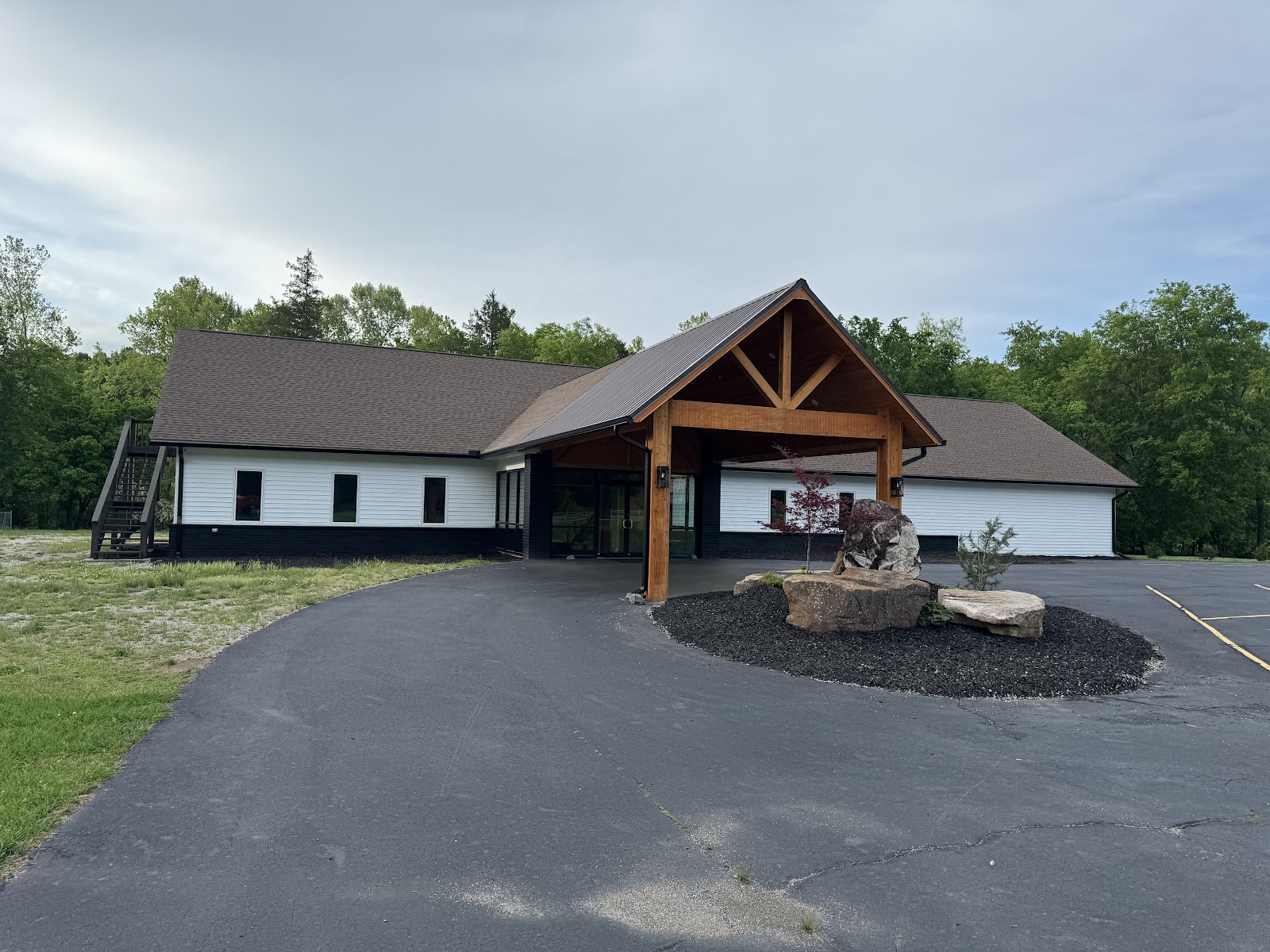
The Venue at Cedar Creek, Maumelle: Field Notes, Problem and Solution
Flat ground, tall bottomland trees, and water doing most of the work.
These are field notes rather than a description, organised as problems and what solves them, because a creekside site on river bottomland presents a specific and repeating set of conditions.
The setting first. Maumelle sits on the Arkansas River north-west of Little Rock, on the floodplain where the river’s bottomland meets the rising ground of the Ouachita foothills. Bottomland is a distinct environment: flat, alluvial, seasonally wet, and forested with species that tolerate periodic flooding — bald cypress along the water, sweetgum, water oak, green ash, sycamore and cottonwood behind it.
Those trees behave differently from upland oak-hickory in two ways that matter. They grow taller and straighter, because competition on deep alluvial soil pushes them up rather than out — which means the canopy is higher and the trunks below it are long and bare, giving a background of vertical lines rather than of foliage at eye level.
And several of them have distinctive bark. Sycamore in particular sheds its outer bark in plates to reveal smooth white or cream wood underneath, which makes a mature sycamore the brightest natural vertical element in the southern landscape — the bottomland equivalent of a paper birch, and just as useful as a background against dark surroundings.
The water is the other governing fact and it is the property’s best asset. A creek in a wooded bottom is a horizontal opening in a closed canopy, which means it is both a light source and a gap in the trees, and both of those are valuable.
Maumelle sits at about thirty-four and two-thirds degrees north. The June noon sun reaches around seventy-nine degrees, the December noon sun about thirty-one and a half, days run from about ten hours to fourteen hours ten, and civil twilight is around twenty-seven minutes.
We have not photographed a wedding at this venue. Which spaces and grounds are included, what access there is to the creek, what covered alternatives exist and what the permitted hours are, are questions for their team.
The Venue at Cedar Creek at a glance
| Where | A creekside venue at Maumelle, on the Arkansas River bottomland |
| The trees | Bottomland species: tall, straight, high canopy, long bare trunks |
| The asset | A creek — a horizontal light source and a gap in a closed canopy |
| The bark | Sycamore sheds to smooth white: the brightest vertical in the landscape |
| Ask first | Included grounds, creek access, covered alternatives, hours |
Four problems and what solves them
Problem one: the canopy is high and closed. Bottomland forest grows tall, which means the shade under it is a long way overhead — and that produces light with a specific character: soft, dim, green and arriving almost entirely from above, with no direction at all.
A face lit from overhead has dark eye sockets, which is the same problem a near-vertical sun produces with the harshness removed. It looks subtly wrong rather than obviously wrong, and it is the most common fault in photographs made in a southern wood.
The solution is the creek. A watercourse is a linear gap in the canopy, which means light arrives along it from the open sky above — and a subject standing beside the creek, facing along it or out over it, is lit from the side rather than from above. That single positional change converts directionless overhead light into modelled side light, and it is the most useful thing on this property.
The second solution is the canopy edge wherever the forest meets open ground, working the same way: two metres inside it, facing out, gives soft directional light in front and three or four stops of dark behind. Two metres, not four — deeper in and the advantage is gone.
The third is a gelled source. A warming gel on one light at about a stop over the ambient, with white balance set for the ambient rather than for the flash, restores direction and overrides the transmitted green on skin while leaving the foliage the colour it is. No global white balance correction can do both.
Problem two: the water fills from below and it fools the meter. A creek surface returns light upward, which fills under brows and chins — precisely where a high sun or a high canopy leaves people dark — and makes a portrait at the water’s edge more workable than the same portrait twenty metres inland.
The cost is exposure. A frame containing bright water and bright sky reads brighter than it is, and the camera underexposes by up to a stop. Compensate deliberately and check on skin.
The colour also needs noting: a creek in bottomland country carries sediment and tannin from leaf litter, which makes it brown-green rather than clear — so it reflects the sky rather than showing its own colour, and the blue in any water frame comes from above.
Problem three: flat ground. Bottomland is level by definition, which removes the gradient that most Arkansas venues can use to change a background. There is no rise to shoot from below, and every wide frame has the same horizon at the same height.
The solution is camera height at close range rather than distance. Kneeling or lying with ground across the bottom of the frame puts the subjects against sky or against the tall trunks above the horizon; standing puts them against the middle distance. Working deliberately at three heights across a day produces variety that walking further never will on flat ground.
The tall bare trunks help here in a way upland forest does not. Because bottomland trees carry their foliage high, the space at eye level is open and the background at eye level is a field of vertical trunks — which is a much cleaner and more graphic background than the bushy middle-storey of an upland wood.
Problem four: seasonal water. Bottomland is bottomland because it floods, and the ground level, the creek’s width and the accessibility of the lower parts of the property vary with the season and with recent rain.
There is no solution, only a question: what the ground is like at the time. That is worth asking the venue rather than assuming, particularly in late winter and spring, when Arkansas rainfall is at its highest and river-bottom ground is at its wettest. Formal shoes and saturated alluvial soil are not compatible.
Further notes from the field
On the sycamore. It deserves its own note because it is the single most useful tree in this landscape for a camera. Mature sycamore sheds its outer bark in irregular plates, revealing smooth cream-white wood beneath, and the upper trunk and limbs of a large specimen are almost luminous.
Against the dark green of a summer bottomland canopy, or against bare winter woods, a sycamore trunk is the brightest vertical element available — which makes it the natural place to put a subject, and a strong compositional anchor in a frame that would otherwise be undifferentiated.
The bark also changes through the year: mottled and patchy in summer, cleanest and brightest in winter after the leaves are down. That makes winter the sycamore’s season, which is convenient because winter is when everything else in a bottomland wood is at its best too.
On the bald cypress, where the creek has them. Cypress is a deciduous conifer — it holds needles through the growing season and drops them in autumn, turning a distinctive rust-orange first, which is a colour nothing else in the southern landscape produces. It also grows characteristic knees from its root system, which are strong small-scale foreground objects at the water’s edge.
A cypress-lined creek in late November, with rust-coloured needles above and the water reflecting them, is the most distinctive frame this kind of property offers.
On the water as a mirror. A creek is narrower and more sheltered than a lake, which means it is calm far more often — the surrounding canopy blocks the wind that breaks a lake surface by mid-morning. That makes reflections available at almost any hour here, which is unusual and worth exploiting.
The exposure rule applies: a reflection is about a stop darker than what it reflects, so compose so the reflection is of something dark — the far bank’s trees rather than the open sky — and the two sit within a stop of each other and need nothing.
On the low light. Flat bottomland with a tall canopy takes the last light early, because the trees on the western side act as a ridge. That means the usable low light here is shorter than the almanac suggests, and the place to be at the end of the day is wherever the canopy opens: the creek line, an open field, or a clearing.
Civil twilight is around twenty-seven minutes and only part of it reaches a wooded bottom. Being in the wrong place at that moment loses the whole window, and it is worth deciding in advance rather than walking to find it.
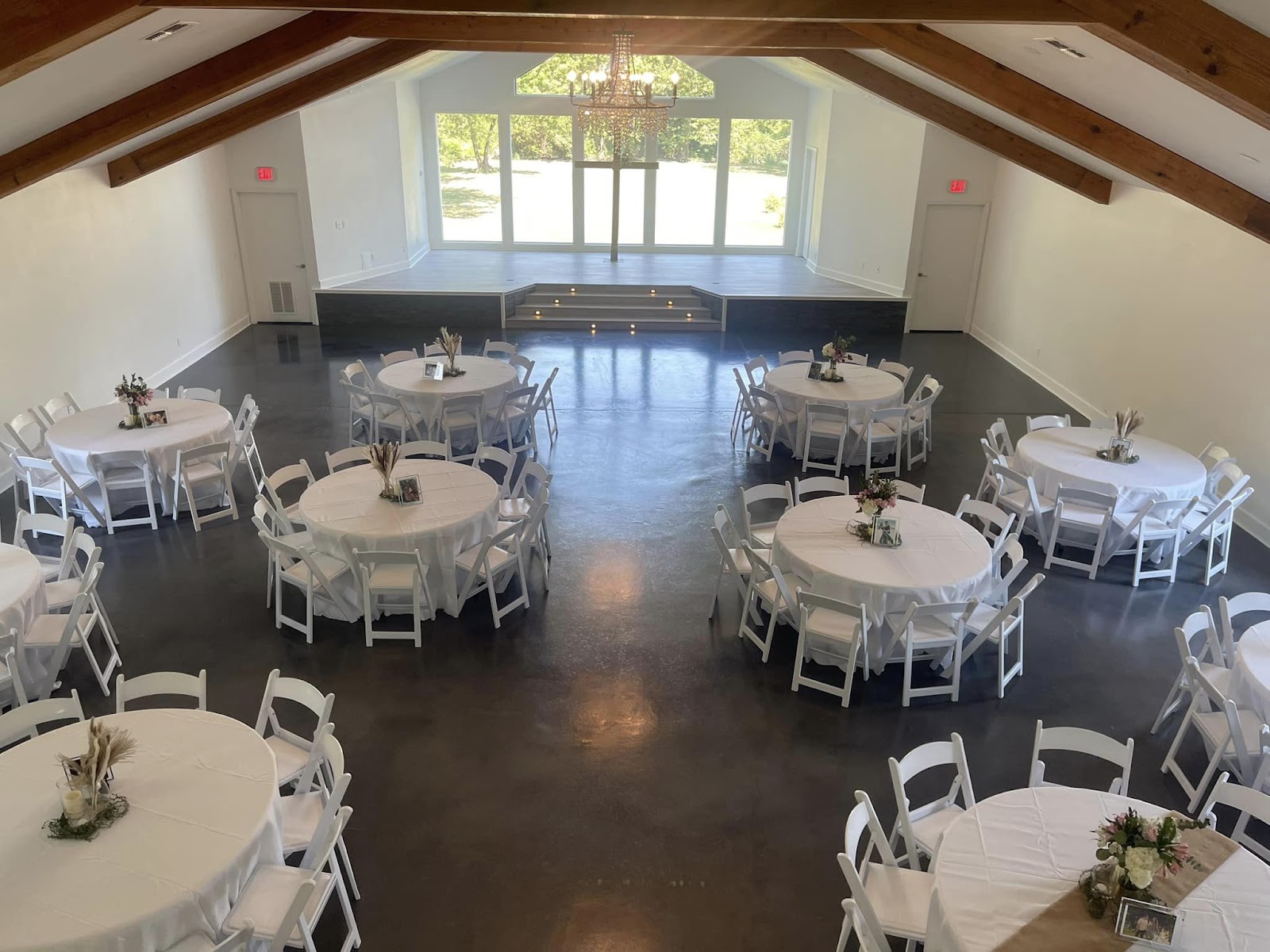
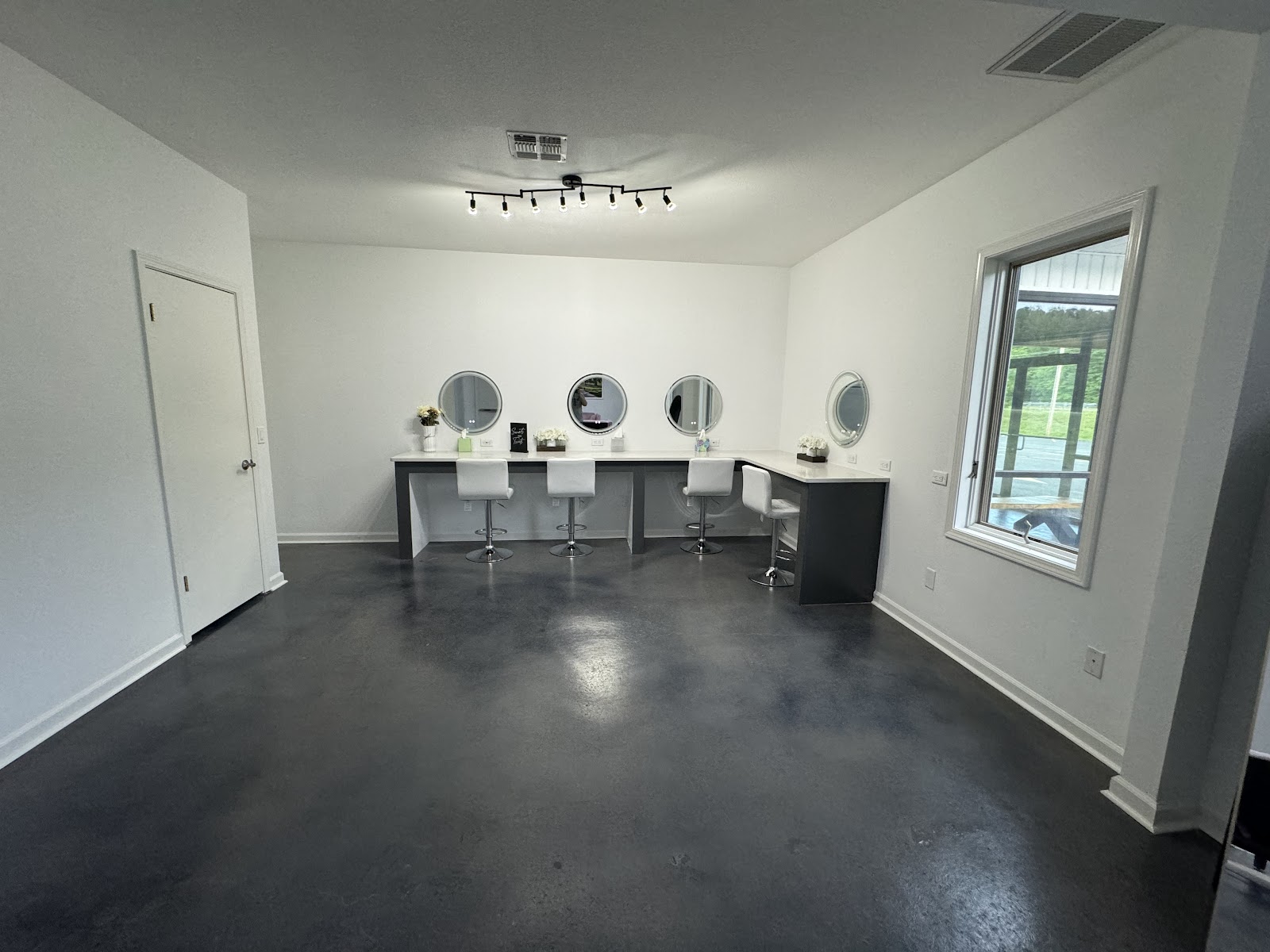
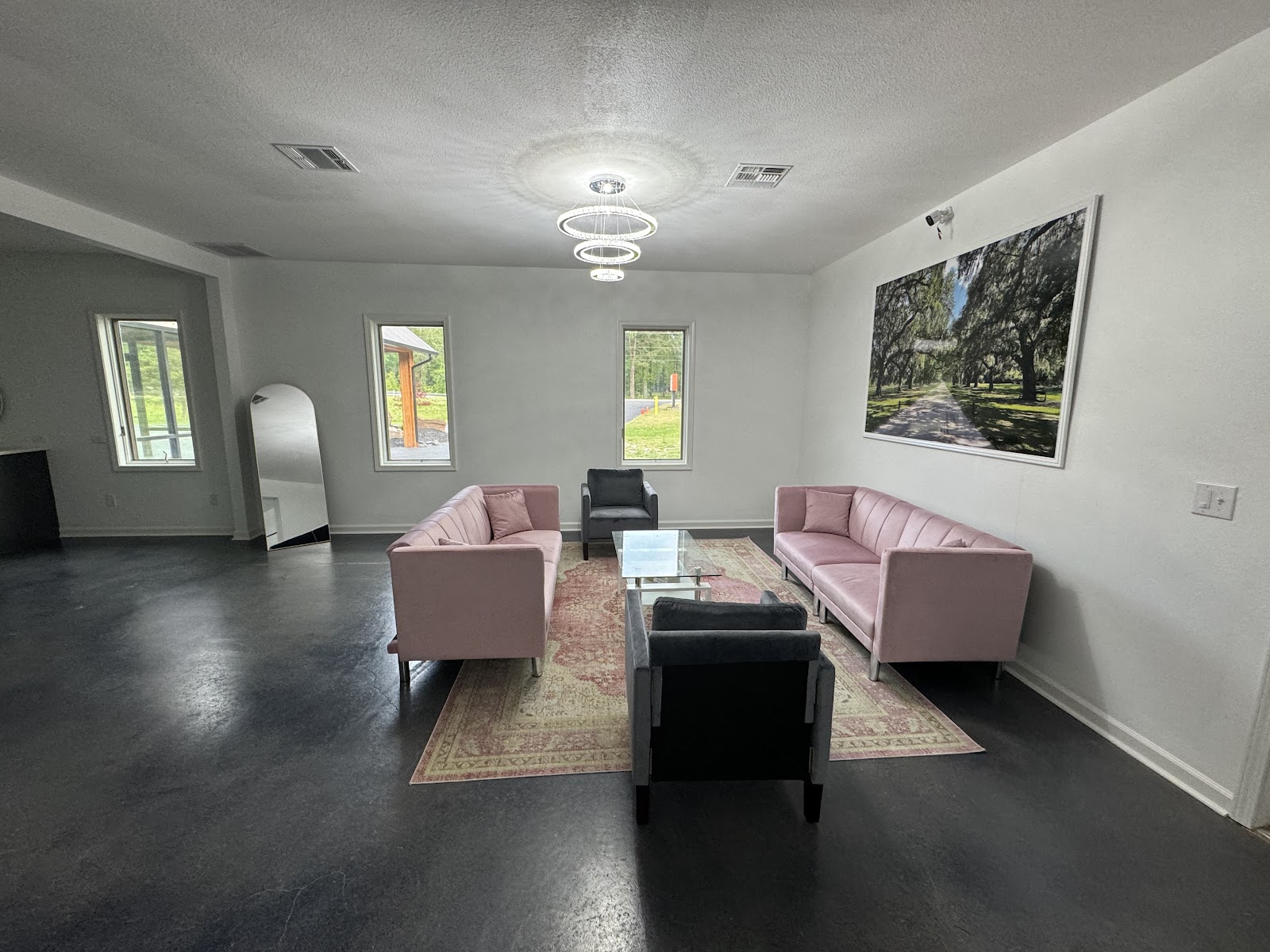
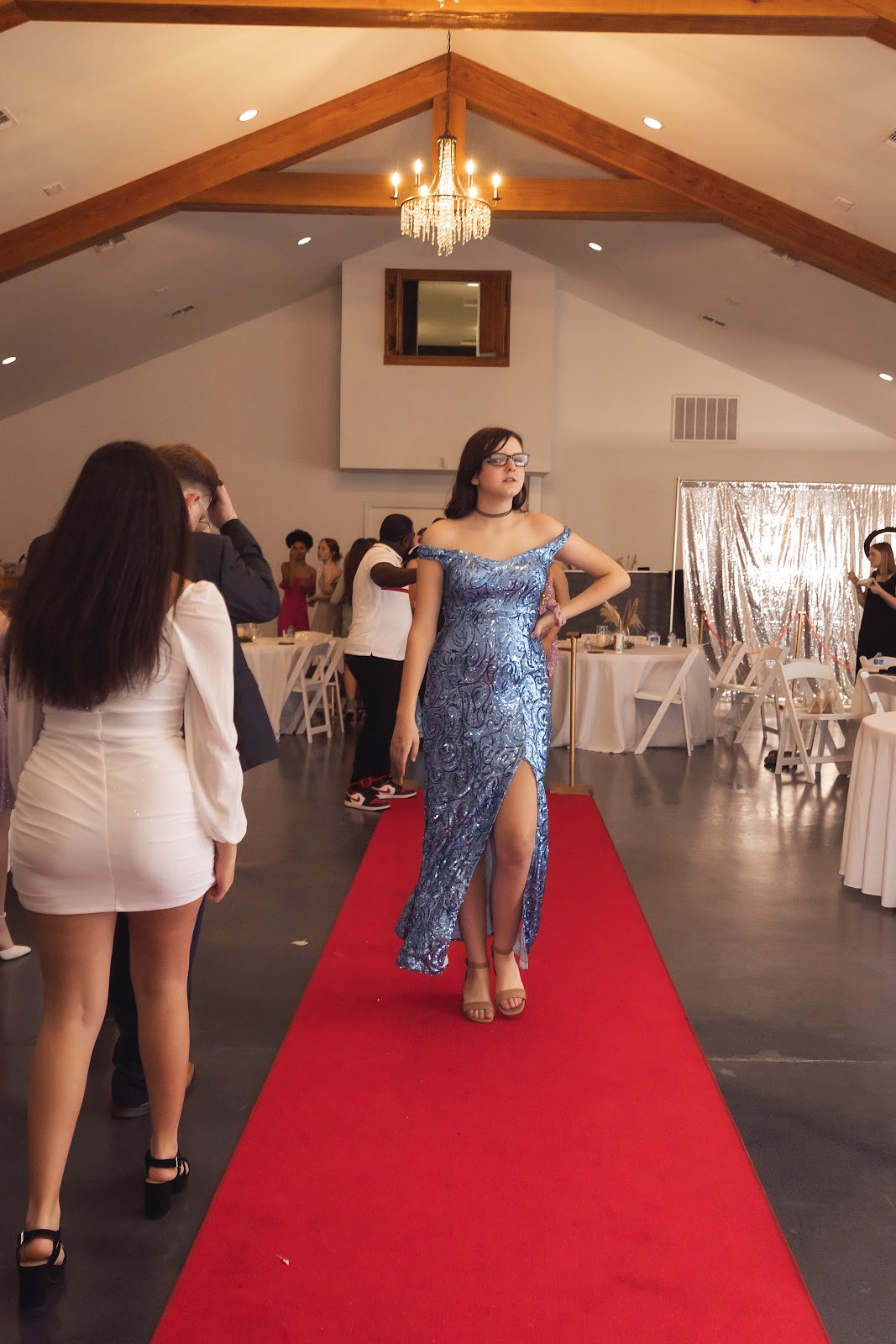
On the interiors. Where the venue’s buildings are timber, the ambient sits a stop or two below what the eye estimates and the background falls away for free — meter on skin and let the room go dark. Where they are modern and pale, the problem inverts to separation: find something dark, use the glazing at forty-five degrees, or add a source a stop over ambient so the subject has a shadow side.
And three practical matters specific to river bottomland. Mosquitoes are a real consideration here in a way they are not on upland ground, because standing water and dense canopy are their preferred environment — from about May into October, and worst at dusk. Chiggers and ticks are at their worst from May through September. And Arkansas sits in the secondary severe-weather corridor of the southeastern United States, with peaks in April–May and a smaller one in November, so a named indoor alternative for anything outdoors in those months is a requirement.
- The creek is the light: face along it, not into the canopy
- Two metres inside the canopy edge, facing out
- Kneel or lie: on flat ground, camera height is the only variable
- Tall bare trunks are a cleaner background than upland middle-storey
- Be at the canopy opening for twilight, not under trees
The bottomland year
Four real seasons with long shoulders, and a bottomland environment whose canopy state matters more than the weather does.
Winter is the best season here and it is worth being emphatic about. With the canopy down, light reaches the ground everywhere, the green cast disappears, the level rises by two or three stops, and the light acquires direction because it arrives through bare branches rather than through leaves.
Bottomland in winter is also at its most structural: the tall straight trunks become the whole subject, the sycamore bark is at its brightest and cleanest, the creek is unobscured, and the mosquitoes are gone. The December noon sun at around thirty-one and a half degrees never rises high enough to flatten anything, so there is no bad hour, and at ten hours the day is meaningfully longer than a northern winter one.
The bare-canopy window runs from about mid-November to late March, which is four months rather than a fortnight.
Snow occurs but rarely lasts. The characteristic Arkansas winter event is freezing rain, which glazes every twig in clear ice: a bare bottomland wood in an ice storm, with low sun through it and the creek reflecting it, is one of the most remarkable conditions in this guide and entirely unplannable.
Spring is the region’s best flowering season and it is early, but it is also the wettest and the riskiest. Leaf-out runs through late March, and before the canopy closes the understory is lit directly: redbud flowering magenta on bare wood, dogwood white beneath.
The cost is twofold. Arkansas rainfall peaks in spring, and river bottomland is where that water goes — so the ground may be saturated and the lower parts of the property inaccessible. And the severe-weather peak in April and May is serious in central Arkansas rather than nominal.
Summer is the season the first half of this page is about: a closed high canopy, directionless green light, and a June noon sun at seventy-nine degrees on any open ground. Dew points in the low to mid twenties Celsius put haze in the air, which at close range under canopy costs almost nothing.
Summer’s compensation is the creek, which is the coolest and most comfortable place on the property as well as the best-lit. Mosquitoes are a real consideration at dusk from May into October, and chiggers and ticks from May through September.
Days run to fourteen hours ten at the solstice, but a wooded bottom takes the last light early, so the practical working day is shorter than the almanac’s.
Autumn is the other strong season and it is late. Central Arkansas turns from the last week of October into the first half of November — three to five weeks behind New England — and bottomland species give a distinctive palette: sweetgum turns purple-red and star-shaped, sycamore goes dull gold with white trunks beneath, water oak russet, and bald cypress rust-orange along the creek.
That combination — rust cypress at the water, white sycamore trunks behind, purple-red sweetgum above — is specific to southern bottomland and it is the most distinctive thing this landscape produces all year. The window is a genuine three weeks.
November brings a second, smaller severe-weather peak, and by the middle of the month the canopy is coming down and the four-month bare-wood season has begun.
More frames from The Venue at Cedar Creek
The Venue at Cedar Creek wedding photography: common questions
What is wrong with bottomland canopy light?
It is high and closed, which makes it soft, dim, green and entirely directionless — a face lit from overhead with dark eye sockets.
What fixes it?
The creek. A watercourse is a linear gap in the canopy, so a subject beside it is lit from the side rather than from above.
Why is the sycamore worth finding?
It sheds its bark to smooth cream-white wood, which makes it the brightest natural vertical in the southern landscape — the bottomland equivalent of a paper birch.
How do I get variety on flat ground?
Camera height at close range. Kneeling or lying puts the subjects against sky or against the tall bare trunks; standing puts them against the middle distance.
Is the creek a reliable mirror?
More reliable than a lake. The surrounding canopy blocks the wind that breaks a lake surface by mid-morning, so reflections are available at almost any hour.
When is a bottomland site at its best?
Mid-November to late March, with the canopy down and the sycamore bark at its brightest — and the three weeks around early November for rust cypress and purple sweetgum.
More Arkansas venue guides
We are writing a photographer’s guide to every venue we would happily shoot in Arkansas. Here are three more, plus the full index:
- The Venue at Hickory Creek, Alexander: Field Notes, Problem and Solution
- The Venue at South Spring, Malvern: What It Suits and What It Does Not
- The Venue at The Farm, Judsonia: The One Decision That Governs Everything
Planning a wedding at The Venue at Cedar Creek?
The creek is the light. Tell us your date and we will work along it.