 The Ozark Mountain Lodge, Eureka Springs: The Problem, and Four Ways Out
The Venue at South Spring, Malvern: What It Suits and What It Does Not
In the Ouachitas the ridges run east to west, which changes everything.
A rural venue in the Ouachita foothills is a particular proposition, and the honest way to describe it is by what this landscape suits and does not suit.
There is one geological fact here that is unusual enough to be worth leading with. The Ouachita Mountains run east to west. Almost every other mountain range in North America runs broadly north to south, and the difference matters photographically more than it sounds.
An east–west range has long north-facing and long south-facing slopes, rather than east and west ones. A north-facing slope in the northern hemisphere receives far less direct sun, stays cooler and holds more moisture — which in Arkansas means it grows mesic hardwoods and stays in shade for much of the day. A south-facing slope receives far more, dries out, and grows pine and dry-site oak in a thinner, more open stand.
The practical consequence is that two slopes a few hundred metres apart in the Ouachitas are not just differently lit but differently vegetated, and a photographer who knows which aspect they are standing on knows what the light and the background will be before looking.
It also means the low-angle light at the ends of the day runs along the ridges rather than across them, which gives long raking light down the length of a valley instead of the short window across a slope that a north–south range produces.
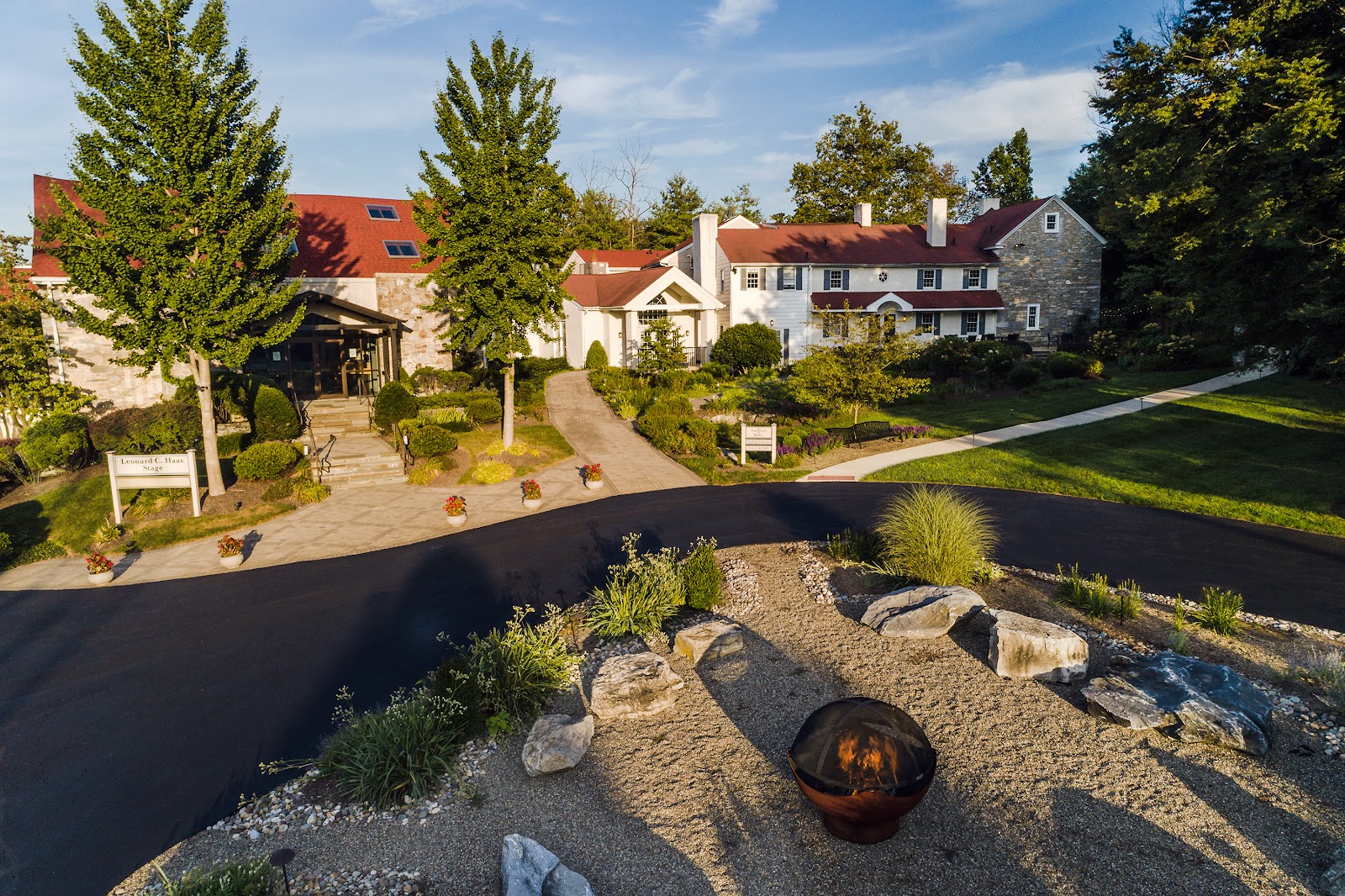
The venue itself sits on that: open ground for a ceremony, buildings for a reception, and margins of shortleaf pine and oak-hickory. Malvern is in the foothills south-west of Little Rock, between the mountains and the coastal plain.
Malvern sits at about thirty-four and a third degrees north. The June noon sun reaches around seventy-nine degrees, the December noon sun about thirty-two, days run from about ten hours to fourteen hours ten, and civil twilight is around twenty-seven minutes.
We have not photographed a wedding at this venue. Which spaces and grounds are included, what covered alternatives exist and what the permitted hours are, are questions for their team.
The Venue at South Spring at a glance
| Where | A rural venue at Malvern, in the Ouachita foothills of Arkansas |
| The geology | An east–west range: long north-facing and south-facing slopes |
| Suits | Groups, long raking valley light, pine margins, and a dark trunk field |
| Does not suit | Midday on open ground, summer green, or an unplanned schedule |
| Ask first | Included grounds, covered alternatives, permitted hours |
What it suits
It suits the pine margins, and in this part of Arkansas pine is the useful species rather than an afterthought.
Shortleaf and loblolly pine dominate the drier slopes and the managed ground here, and they behave differently from hardwood in two ways that matter. A pine stand blocks direct light reasonably well but not completely, which gives shade that is a stop or two down rather than three or four — brighter and more workable than a closed hardwood canopy.
And the light under pine is far less green. Pine needles are darker and narrower than broad leaves and the canopy is higher and more open, which means much more of the light reaching the ground arrives from open sky rather than transmitted through foliage. Skin under pine reads close to neutral where skin under oak reads sallow, and that is a large practical difference.
The trunks are the other advantage. Mature pine has tall, straight, bare lower trunks in a reddish-brown that is dark enough to separate a subject cleanly and warm enough to be flattering. A stand of pine is a field of dark vertical lines at regular-ish intervals, which is a genuinely good background — better than hardwood, which is bushier and busier at eye level.
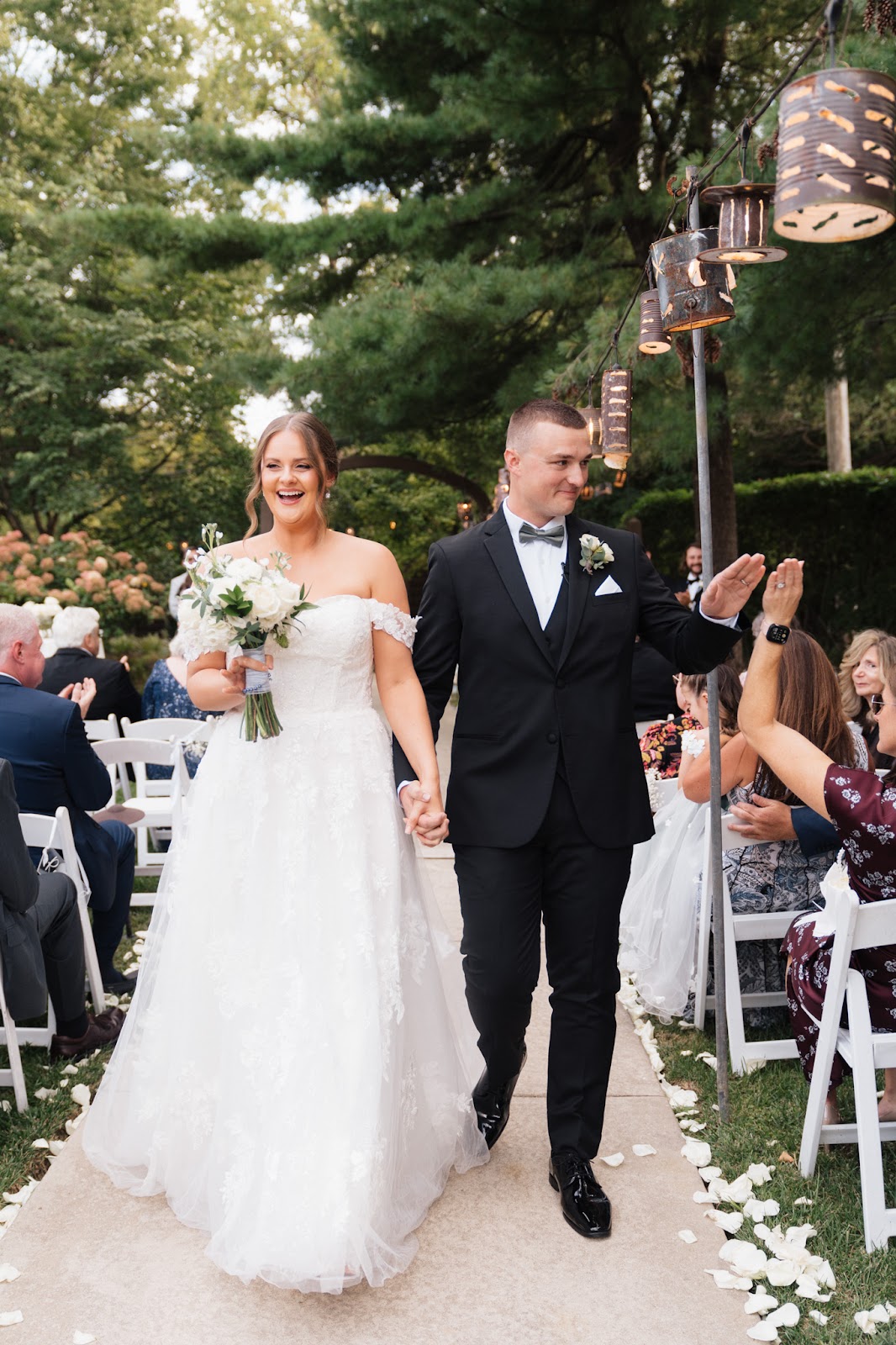
It suits groups. Open ground in foothill country is usually rolling rather than steep, which gives level benches for arrangement and gradient for variety. The requirement for a group is everyone in the same light — full open shade, full overcast, or full sun with the sun behind the camera — and rolling open ground with pine margins offers all three within a short walk.
On a slope, find the flattest bench and arrange in ranks across it rather than up it, so heads sit at the same height and the ground behind is clean.
It suits the long light, and this is where the east–west ridges pay. A valley running east–west receives low-angle sun along its length at both ends of the day rather than having it cut off by a ridge, which means the raking light lasts substantially longer than it would in a north–south valley.
Low sun running the length of a valley does two things: it rakes across the ground, putting relief into every rise and hollow, and it lights the north-facing slope frontally while the south-facing one goes into shadow — or the reverse — which gives a lit slope behind a subject standing in even shade. That is studio separation supplied by topography and it is available for longer here than in most mountain country.
It suits the gradient. A camera below the subjects on any rise puts them against open sky with no horizon behind them, which is the cleanest background available in any conditions and any weather. A camera above them puts the valley and the far slope behind. Two completely different photographs from one spot, by walking twenty metres.
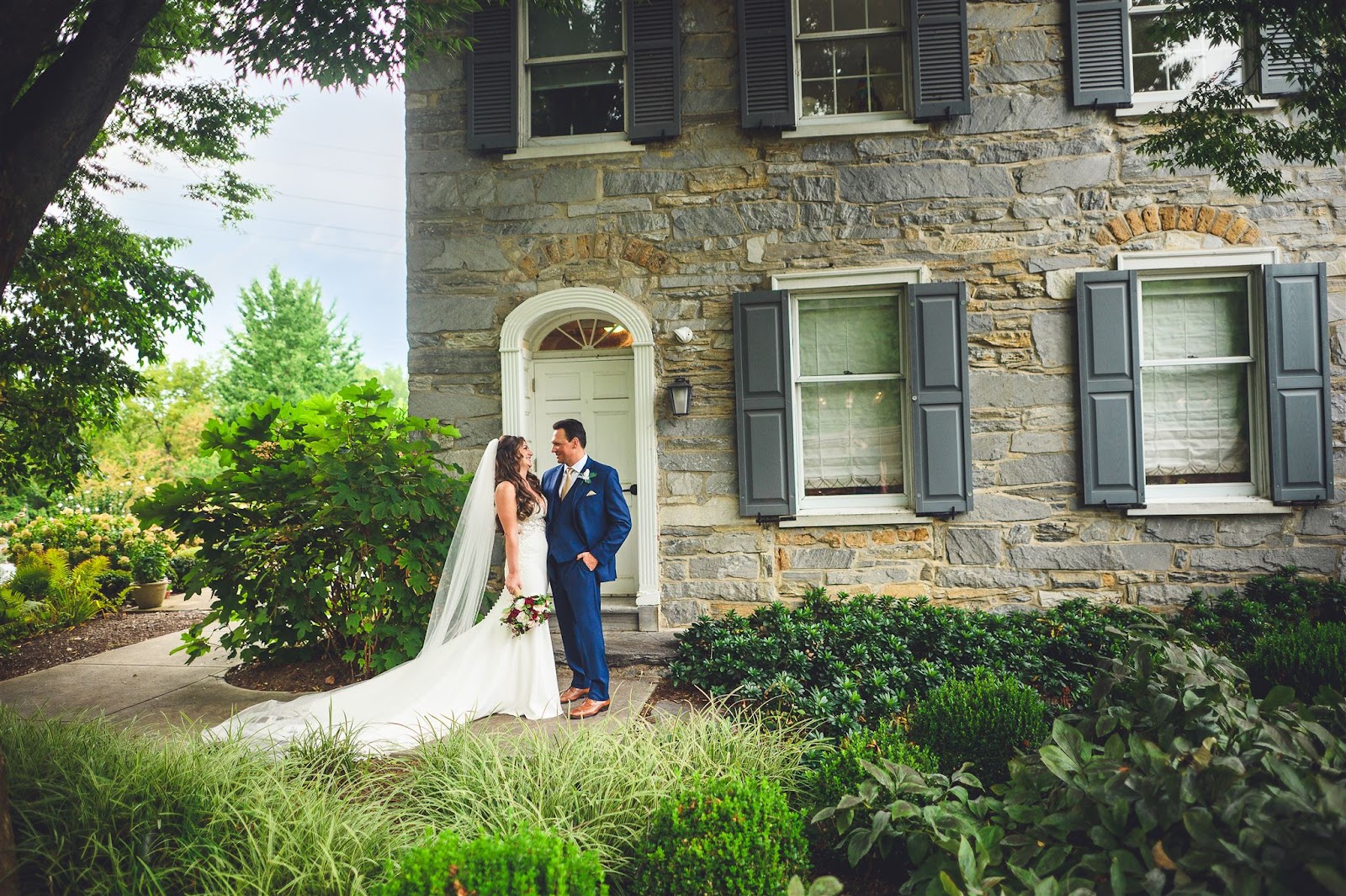
And it suits buildings that are dark. Where the venue has weathered timber, a barn, or any unpainted structure, that is the best exterior background on the property: dark, textured, low in saturation, and kind to a white dress in exactly the way a bright wall is not. Weathered timber also rakes in low light, which means it and the landscape want the same hour.
What it does not suit
It does not suit the middle of a summer day on open ground. At seventy-nine degrees of June elevation the sun puts eyes in shadow and foreheads in light, and open pasture has no cover at all.
The answers are the pine margins, the buildings and anything with a roof — and, specifically here, the north-facing slopes, which in an east–west range are in shade for far more of the day than any other aspect. Knowing which way a slope faces is a practical scheduling tool at this venue rather than a geographical curiosity.
It does not suit summer green. From May to October a rural Arkansas property is green in every direction — grass underfoot, canopy at every margin, hazy green-grey at distance — and green is the least useful background colour there is, because skin sits close to it in luminance and complementary to it in hue.
The solutions are the pine trunk field, which is brown rather than green; a low camera, which replaces everything behind the subjects with sky; any weathered timber on the property; and the season, which removes the problem outright between mid-November and late March.
It does not suit an unplanned schedule, and that is a real point rather than a platitude. Civil twilight here runs around twenty-seven minutes — shorter than New England’s thirty-five — and while the east–west valley extends the usable raking light before it, the actual blue period is brief.
The sequence that fits: the couple with the sun behind them, exposed for the sky and lifted by a close warm-gelled source; the couple with the sun behind the camera, which needs nothing; a low-camera frame against the deepening sky opposite the sun; and one silhouette against a ridgeline. Four setups in under half an hour is achievable only if nothing is being decided at the time.
The gel is not optional. Low sun at this latitude is strongly warm and open shade is lit by a blue sky, so an ungelled flash puts cold faces into a gold landscape.
It does not suit anyone expecting dramatic relief. The Ouachita foothills are old, worn mountains — rounded, forested, and modest in height compared with the western ranges. The landscape here is pleasant rather than spectacular, and a photographer looking for a mountain frame will find a wooded hill.
What the landscape does offer instead is layering: successive ridges receding at different distances, which in low light and clear air separate into distinct tonal bands. That is a good long-lens frame and it is entirely dependent on the air being clear, which in an Arkansas summer it frequently is not.
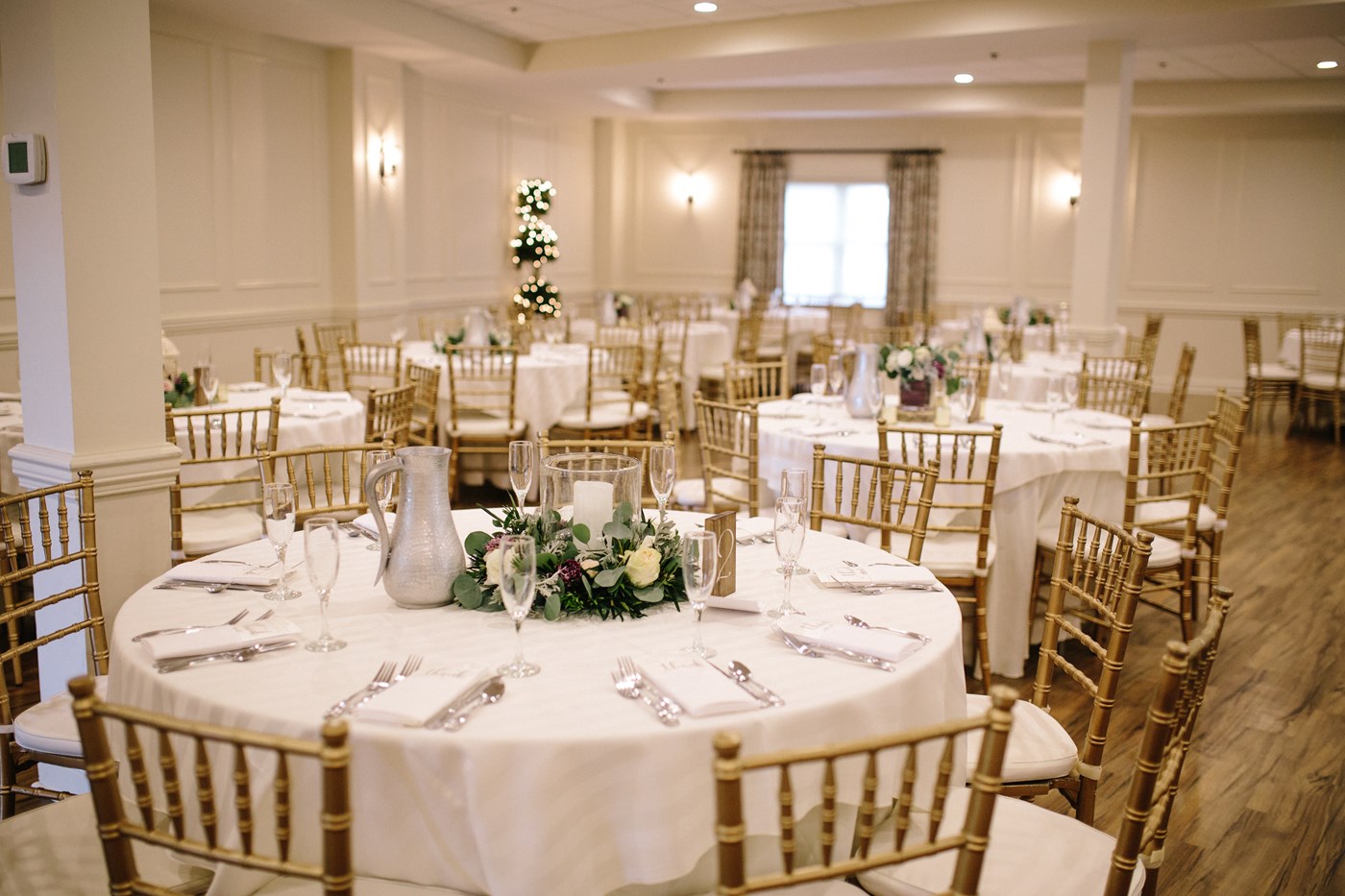
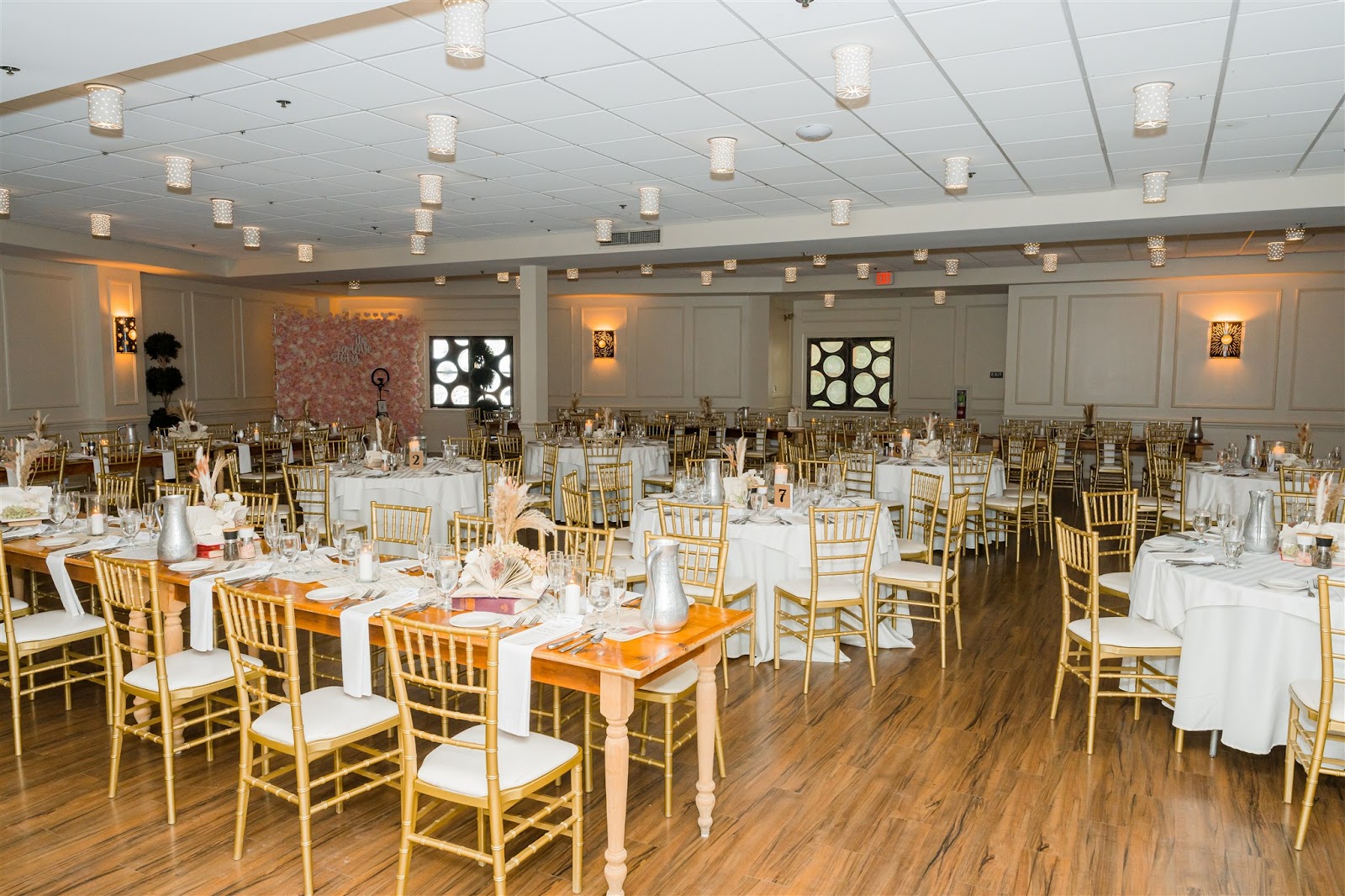
It does not suit an interior without work, if the venue’s buildings are modern. A purpose-built rural event space is typically a large pale room with high ceilings and generous glazing, which means light is never the problem and separation always is. The answers are to find something dark, to use the glazing as a directional source at forty-five degrees, or to add a source a stop over ambient so the subject has a shadow side at all.
Where the buildings are timber, the problem inverts and improves: timber absorbs, the ambient sits a stop or two below what the eye estimates, and the background falls away for free. Meter on skin and let the room go dark.
Two practical notes. Chiggers and ticks are a genuine consideration in Arkansas in tall grass and at woodland edges from about May into September. And this state sits in the secondary severe-weather corridor of the southeastern United States, with peaks in April–May and a smaller one in November — so a named indoor alternative for anything outdoors in those months is a requirement rather than a courtesy.
- Pine shade is brighter and far less green than hardwood shade
- A pine trunk field is the best summer background here
- North-facing slopes in an east–west range stay shaded most of the day
- Camera below subjects on a rise gives the cleanest background there is
- Four setups in under half an hour — decide them in advance
The Ouachita foothills year
Four real seasons with long shoulders, and an east–west range that makes the winter light unusually generous.
Winter is short and mild. The December noon sun at around thirty-two degrees never rises high enough to flatten anything, which means the whole short day models — there is no bad hour in an Arkansas winter day — and at ten hours the day is meaningfully longer than a northern winter one.
For an east–west range specifically, a low winter sun tracks along the valleys rather than across them, which means the raking light that reveals relief in the ground is available for most of the afternoon rather than for a window at the end of it. South-facing slopes are lit all day and north-facing slopes barely at all, which gives a strong permanent contrast between the two aspects that summer does not produce.
Bare hardwoods also remove the green problem entirely — grey trunks, brown litter, dark evergreen pine and near-black cedar produce a landscape of neutrals that is far better background material than summer offers. The pine stays green, which in a bare landscape makes it the one dark solid mass rather than one green thing among many.
Snow occurs but rarely lasts. The characteristic Arkansas winter event is freezing rain, which glazes every twig and pine needle in clear ice: spectacular for a day, hazardous for longer, unplannable.
Spring is the region’s best outdoor season and it is early. Leaf-out runs through late March, and before the canopy closes the flowering understory is lit directly rather than filtered: redbud flowering magenta on bare wood, dogwood white beneath, serviceberry and wild plum. In the Ouachitas, dogwood under an open pine canopy is the classic frame — white flowers in a shaft of light with dark pine trunks behind.
The cost is the severe-weather peak in April and May, which in this part of the state is serious rather than nominal. Supercells, hail and high winds are real, and open foothill country offers no shelter.
Summer is hot and humid, with dew points in the low to mid twenties Celsius, which puts haze into the air and removes the layered-ridge frames that are this landscape’s best wide subject. The honest summer strategy is to work close — pine margins, low-camera sky frames, the buildings — and to keep the wide frames for the ends of the day when the haze is least visible.
Chiggers and ticks are at their worst from May through September, and the June noon sun at seventy-nine degrees is the hardest light of the year.
Autumn is the other strong season and it is late. The Ouachitas turn from the last week of October into the first half of November — three to five weeks behind New England — with oak russet, hickory gold, sweetgum purple-red and sassafras orange, holding for a genuine three weeks because oak colours and drops slowly.
Against dark evergreen pine, that autumn is more useful than a pure-hardwood autumn would be: the pine stays dark and solid while the hardwood turns around it, which gives a two-layer background of warm colour on near-black rather than a uniform wash. On the north-facing slopes, where the mesic hardwoods grow, the colour is at its strongest.
By late November the hardwoods are bare, the pine is the only green, the sun rakes the valleys all afternoon, and the air is at its clearest of the year — which is when the layered-ridge frames finally work.
More frames from The Venue at South Spring
The Venue at South Spring wedding photography: common questions
Why does the Ouachitas' orientation matter?
The range runs east–west, so its slopes face north and south rather than east and west. North-facing slopes stay shaded and mesic; south-facing ones are hot, dry and pine-covered.
What does that give a photographer?
Low sun running along the valleys rather than across them, which makes the raking window much longer than in a north–south range — and a shaded aspect available all day.
Why is pine shade better than hardwood shade?
It is only a stop or two down rather than three or four, and far less green, because the canopy is higher and more open so more light arrives from open sky.
What is the best summer background?
A stand of mature pine: tall dark reddish-brown trunks at intervals, which separates a subject cleanly where summer green does not.
How long is the evening window?
Civil twilight is about twenty-seven minutes. The valley extends the raking light before it, but the blue period itself is short — plan four setups, do not improvise them.
When is the landscape at its best?
Late October into early November for three weeks of warm colour against dark pine, and late November for the clearest air and all-afternoon raking light.
More Arkansas venue guides
We are writing a photographer’s guide to every venue we would happily shoot in Arkansas. Here are three more, plus the full index:
- The Venue at The Farm, Judsonia: The One Decision That Governs Everything
- The Victoria Venue, Fort Smith: How the Light Moves
- The Woodland Venue, Fayetteville: The Problem and Four Ways Out of It
Planning a wedding at The Venue at South Spring?
East–west ridges and a long raking light. Tell us your date.