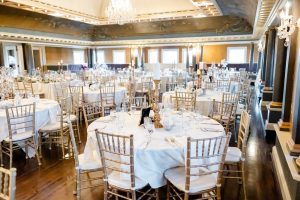
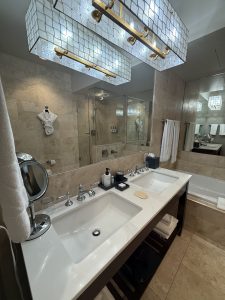
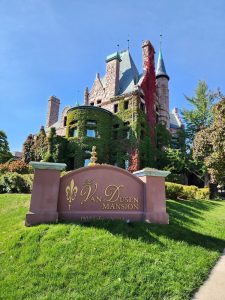
 The Van Dusen Mansion, Minneapolis: A Walk Through House and Grounds
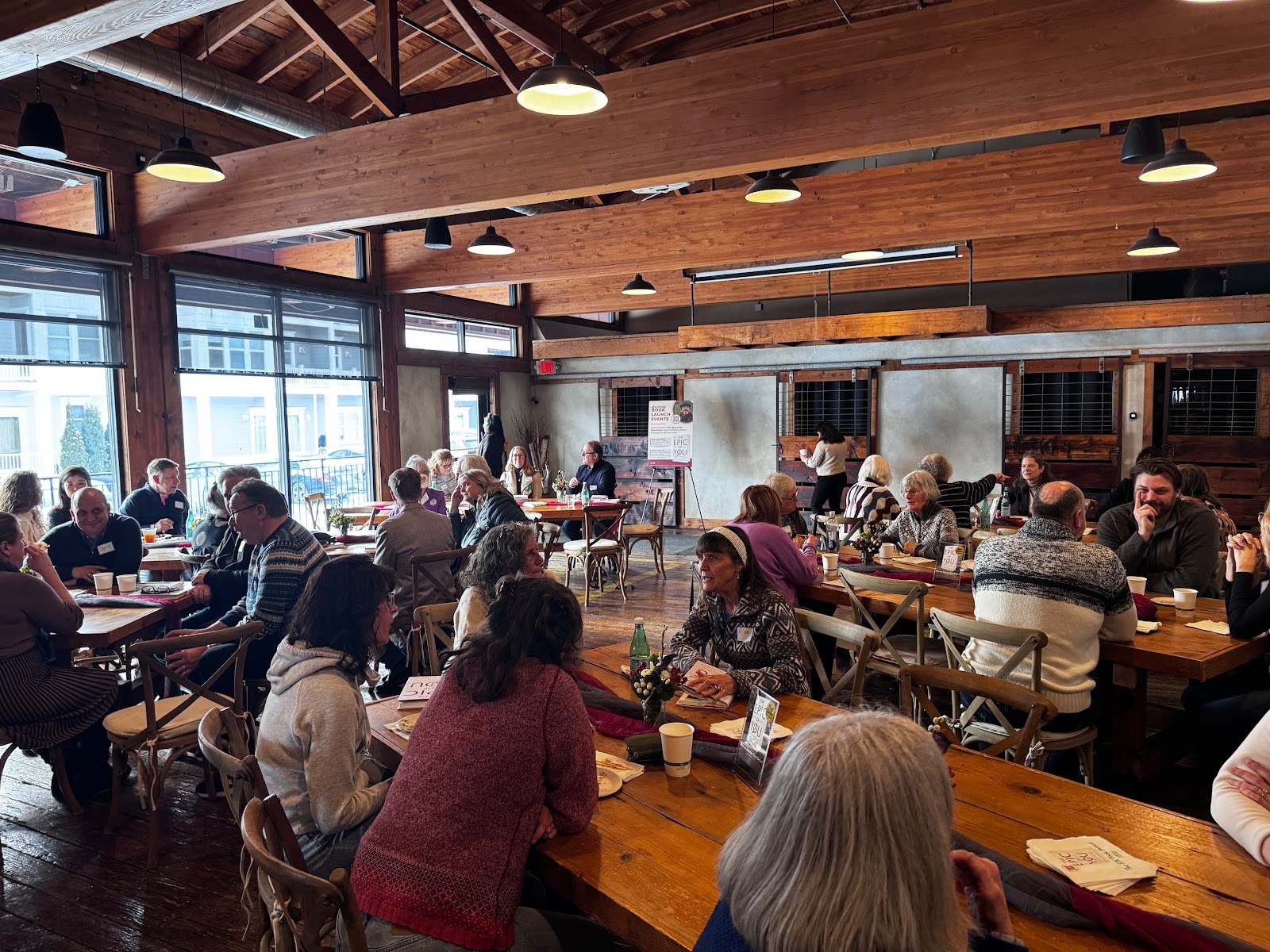
The Pique, Minneapolis: One Frame and How It Is Made
When a venue’s own description points at the streets outside, that is where the frame is. Believe it.
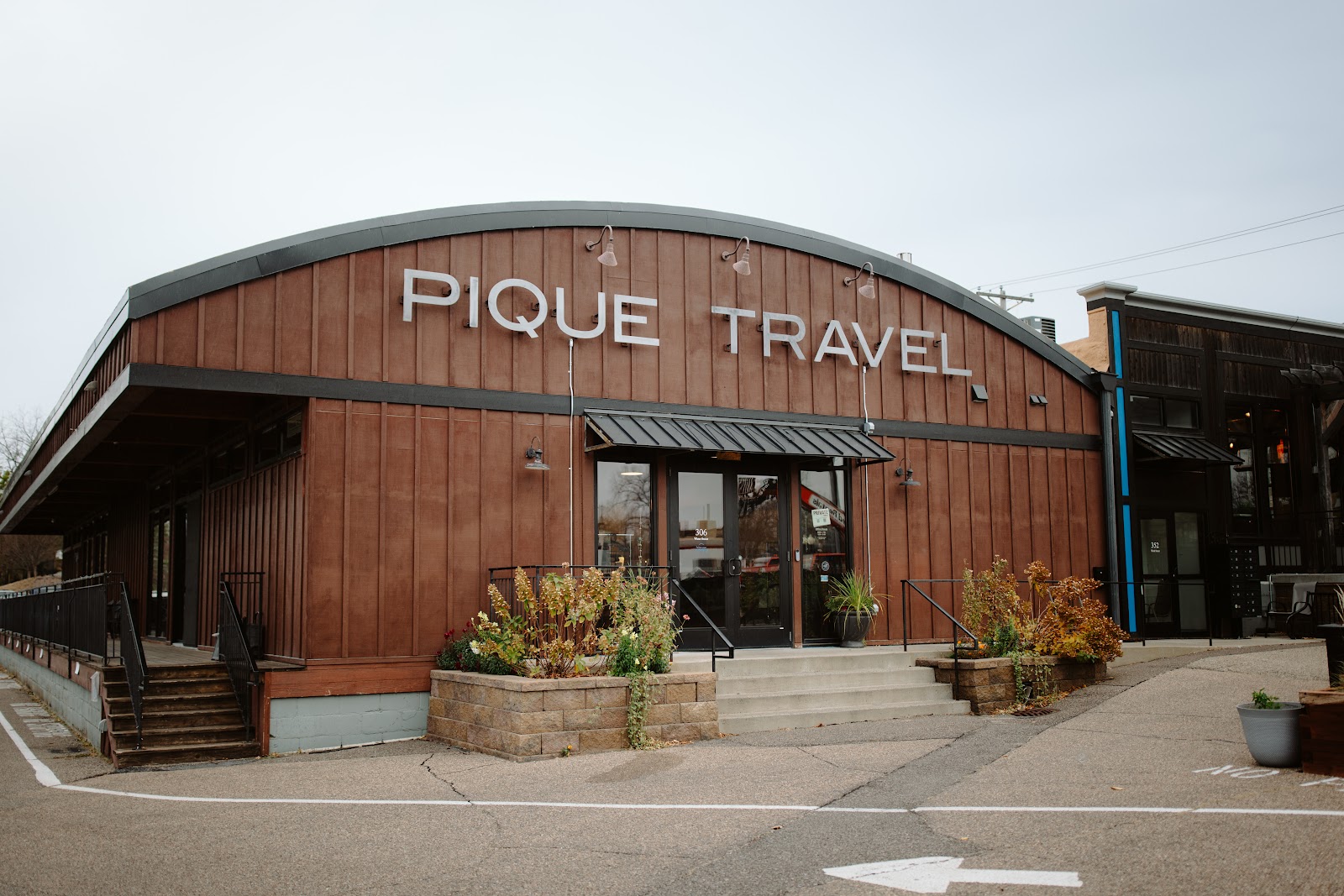
The Pique is positioned in the heart of the city, as its own description has it, which makes it convenient for guests and provides numerous urban settings for photographs.
That is worth reading literally rather than as marketing. A venue whose stated advantages are its location and the surroundings is telling you that the defining frame is outside the building — and that is a useful thing to know in advance, because it changes what the day needs. Instead of learning one room thoroughly, the job is to know exactly which streets, at which hour, and how long it takes to walk there and back.
So the frame is a city frame, and in Minneapolis that comes with two local facts that decide everything: the streets are gridded, so which one is lit is a question with a definite answer; and for several months of the year standing in them is a matter of minutes rather than tens of minutes.
This is written as that frame and the three things it needs. We have not photographed a wedding at the Pique; central city venues behave consistently. Which spaces a booking includes, whether the venue connects to the skyway network, and whether the house lighting is adjustable are the questions for their team — the middle one matters more here than at almost any venue in this series.
The Pique at a glance
| Where | Central Minneapolis, Minnesota |
| Character | An event venue whose stated asset is its city location |
| The frame | Outside: a chosen street, at a chosen hour |
| It needs | A known street, a decided hour, and a short route |
| Ask first | Spaces included, skyway connection, lighting control |
The frame, and the three things it needs
The first requirement is a known street, and Minneapolis makes that unusually easy. Downtown is laid out on a grid, which means the streets running one way take low sun straight down their length while the streets running across them do not — a fact that can be read off a map before the day rather than discovered on foot. At a venue where the portrait block may have fifteen minutes in it, that is the difference between an excursion and a gamble.
It is worth being specific about what to look for. A street that faces the low sun gives a long corridor of raking light with the buildings on one side lit and the other in shadow, and a couple standing in that light with the street receding behind them reads as a city frame rather than as a person in front of a wall. The same street ninety minutes earlier is a shaded canyon, which is good soft portrait light and a completely different picture.
The second requirement is a decided hour, and this is where Minneapolis differs from most cities in this series. In summer the sun sets late enough that the raking-light window falls well after a reception has started, which needs agreeing in advance as a short deliberate excursion. In winter it falls in the middle of the afternoon, possibly before the ceremony — and the cold means the excursion is three or four minutes rather than twenty.
That compresses the planning rather than complicating it: know the street, know the clock time, and know the route. Four known positions within a two-minute walk beat half an hour of wandering, and in January the wandering is not available at all.
The third requirement is material. Minneapolis’s central fabric is brick, stone and glass in varying proportions, and they behave differently: brick and warm stone bounce warm and flatter skin, while pale stone and modern glass bounce neutral-to-cool and can render it slightly grey. Which side of a street a couple stands on changes the colour of a face, and in a city with both it is a decision rather than an accident.
Glass towers add a specific and underused effect: in the last two hours a glazed facade reflects the sky as a large pale field, which turns a whole building into a soft source aimed down at the street. It costs nothing and only exists where there is glass above.
And alleys are the reliable fallback in any downtown: walls on both sides give directional light, a contained background with nothing distracting in it, and shelter — which here is a real consideration.
The skyways, and the venue itself
Downtown Minneapolis has one asset almost no other American city offers at the same density: an extensive network of enclosed elevated walkways connecting buildings above street level. Whether the venue connects to it is the most useful question to ask, because it changes what a winter wedding can include.
A skyway is a glazed corridor, heated, with a view straight down a street — which makes it three things at once: a very large soft source on one side, a city view on the other, and an elevated position. In a Minnesota January it may be the only elevated frame available, and it requires no coats, no cold and no hurry.
The frames it gives are specific. Looking along the corridor gives strong linear perspective with glazing on both sides, which is a graphic composition; looking out through the glass gives a street from above, which is a vantage street level cannot provide; and a couple standing against the glazing with the city behind is lit by the corridor and backed by the view at the same time.
The glass has the usual property of being brighter than the interior in daylight, which needs the usual decision: blow it, match it with a light, or wait for the crossing. And after dark a skyway becomes a mirrored tube, which is either a strong frame or a cluttered one depending on whether the reflections are managed — lights off the camera axis, frames oblique.
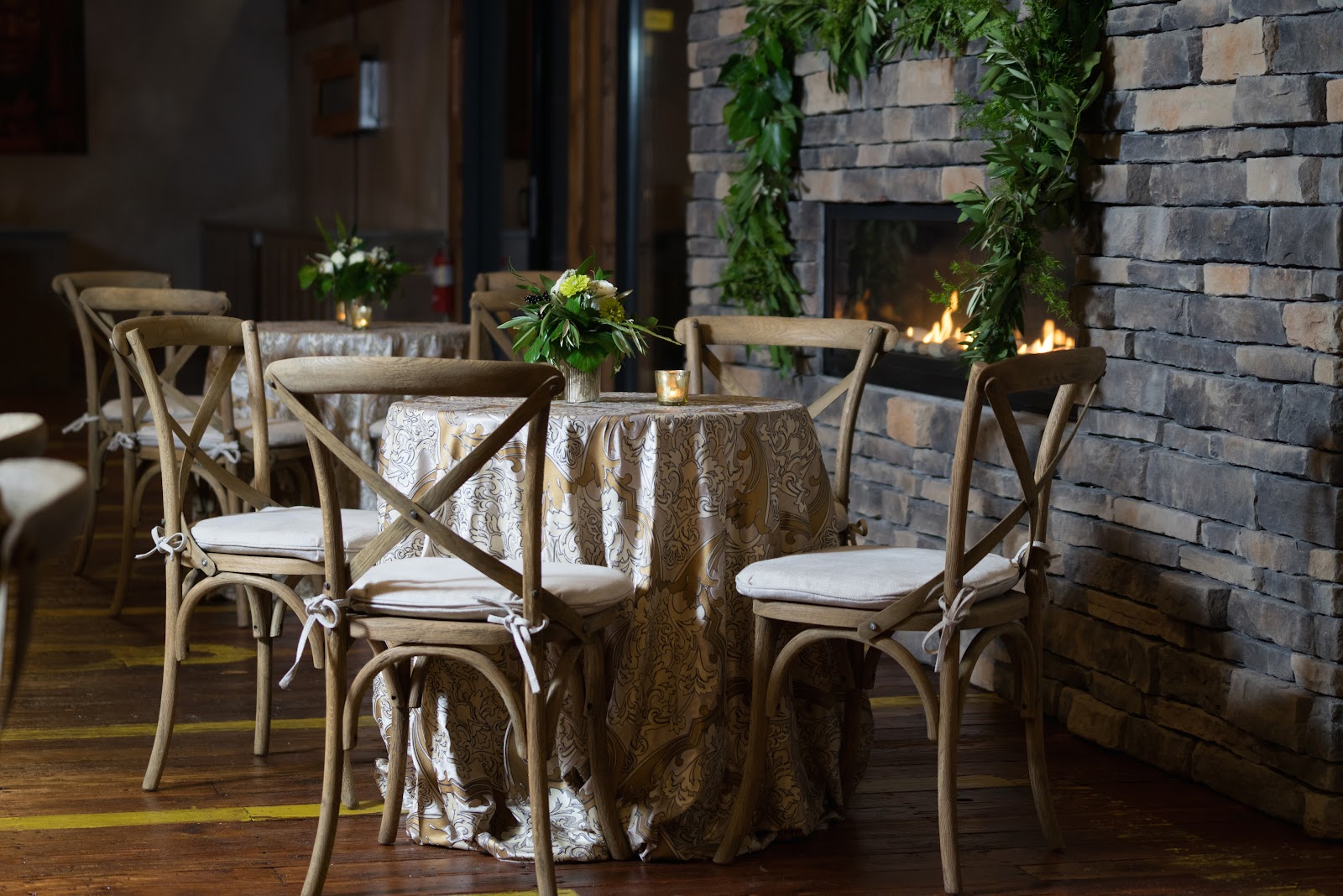
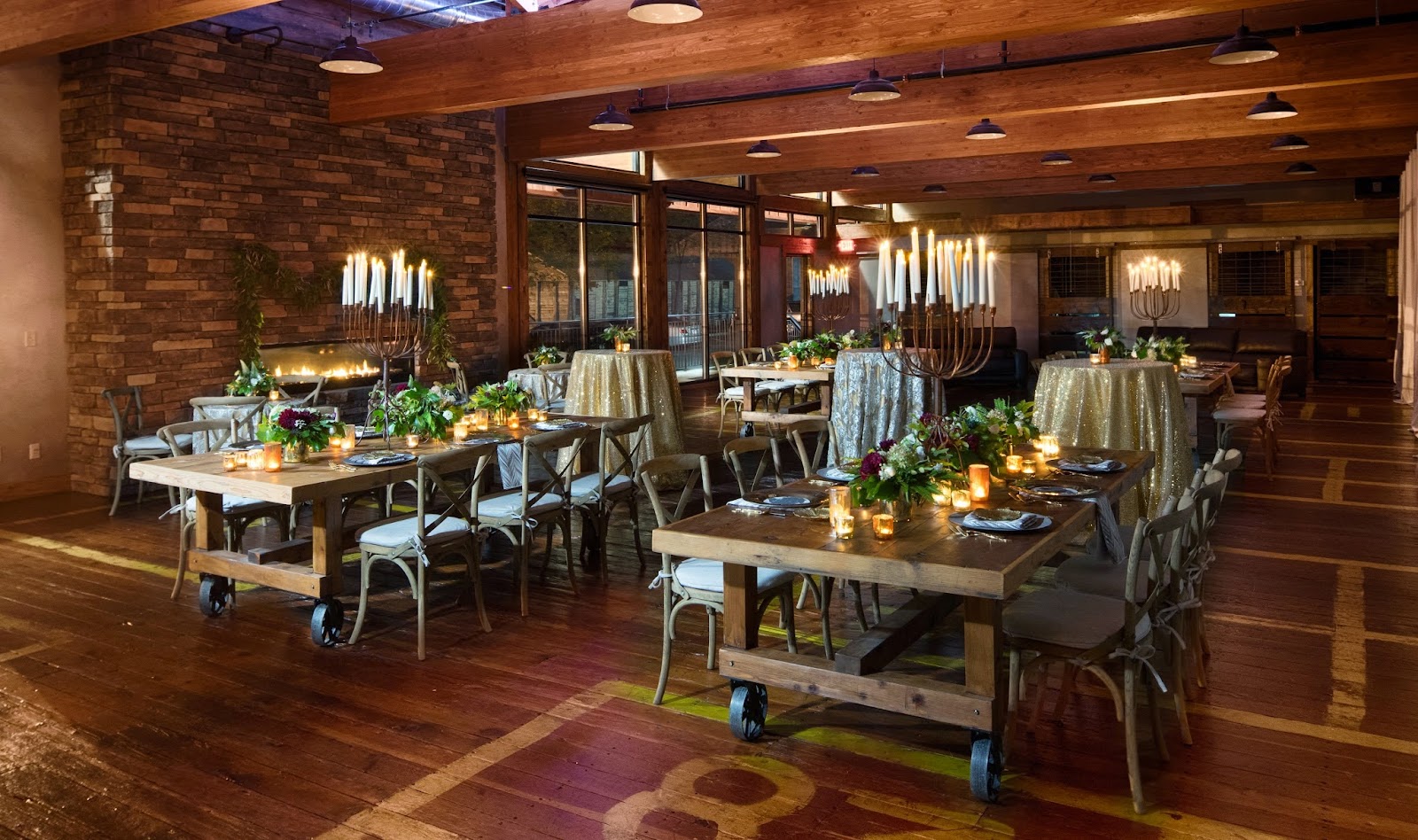
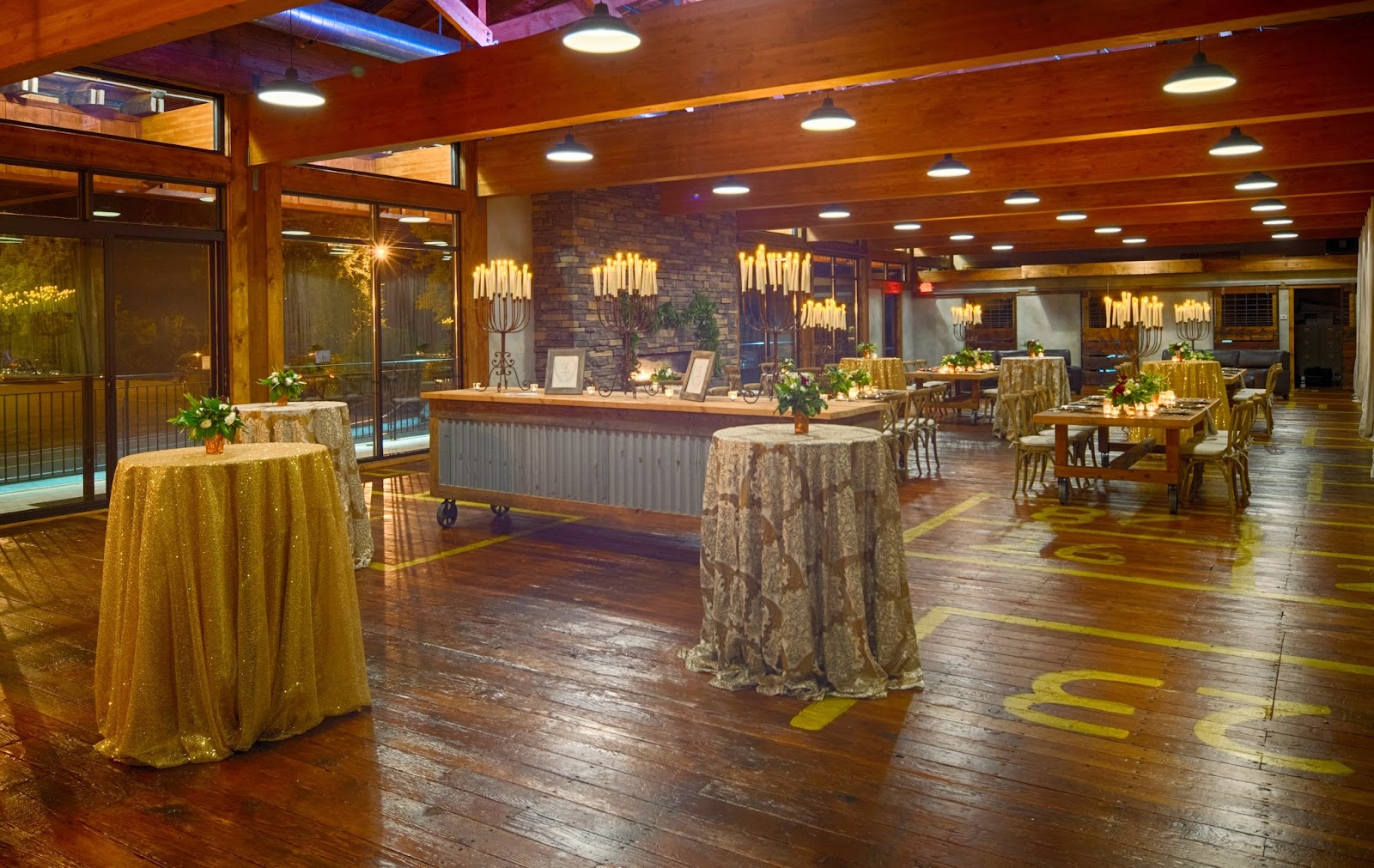
Inside the venue itself, the conditions are whatever a central event space provides, and the approach is the general one for a flexible room. Establish whether there is any daylight, because if there is it is the best light in the building. Test bounce with one frame, because the answer determines the evening. Build backgrounds from darkness rather than objects — place the couple well forward and let the room fall away, which is free separation in any volume.
And ask whether the house lighting can be dimmed to pools rather than set evenly, because a flexible room lit evenly is the flattest environment there is, and a room with two areas lit and the rest dark is a stage.
The honest division of labour is that the venue supplies the event and the city supplies the photographs — which is exactly what the venue’s own description claims, and it is more useful to plan around than to argue with.
- Read the grid off a map: know which street will be lit, and when
- Know the clock time and the route; in January the block is three minutes
- Choose the warm side of the street — brick flatters, pale stone greys
- Ask whether the venue connects to the skyway network
- In a flexible room, build background from darkness rather than objects
Minneapolis through the year
Minneapolis’s climate is the most demanding in this series and at a venue whose main asset is outdoors it governs everything.
Winter is severe and long. Days are short, with sunset in the middle of the afternoon in December, and temperatures are low enough that an outdoor block becomes three or four minutes rather than twenty — which is a welfare decision in formal clothes as much as a photographic one. The response is preparation: the street chosen, the position known, the frames decided, and the walk timed. Improvising an outdoor block in a Minnesota January is how it does not happen at all.
The skyways are the winter answer and they are the reason to ask about the connection. An elevated glazed corridor gives a city frame with no coats and no cold, which in December is not a compromise but the only workable version of the frame the venue is sold on.
Snow is the compensation and it is the best natural fill there is, lifting exactly the shadows a low sun carves while fooling a meter by about two stops. Snow in a downtown street, with a low sun raking along it and warm windows above, is a genuinely good city frame and it exists only in this half of the year.
The fogging risk is severe in both directions and worse than in a milder climate. A camera taken from a heated building into subzero air and brought back will fog comprehensively and can take a long time to clear. Let a body stay cold between outdoor visits rather than cycling it — and note that the skyways avoid the problem entirely, because nothing ever leaves a heated space.
Summer is warm and humid with very long days, which pushes the raking-light window well past the start of a reception. That is easy to accommodate at a venue whose interior does not change, provided it is agreed in advance as a short deliberate excursion rather than hoped for.
Autumn is the best season for city work: clear stable air, the sharpest light of the year, and a low sun that rakes streets for longer than in summer. Early October is the window worth building a date around.
And spring is the awkward one, with late snow possible into April and a low, often grey sky — which suits portraits and removes the raking light the city frame depends on. On a grey day the city frame becomes a soft-light frame instead, which is a different and perfectly good picture, and it is worth saying so in advance rather than afterwards.
More frames from The Pique
The Pique wedding photography: common questions
Where is the defining frame at this venue?
Outside. The venue’s own description names its location and surroundings as its assets, and it is more useful to plan around that than to argue with it.
What makes Minneapolis easy to plan for?
The grid. Downtown is laid out regularly, so which streets take low sun down their length is a question with a definite answer readable from a map rather than discovered on foot.
Which side of the street should you use?
The warm side. Brick and warm stone bounce warm and flatter skin; pale stone and modern glass bounce neutral-to-cool and can render it slightly grey.
What is the most useful question to ask the venue?
Whether it connects to the skyway network. A glazed heated elevated corridor gives a city frame with no coats and no cold, which in December is the only workable version.
What does a skyway give photographically?
Three things at once: a very large soft source on one side, a city view on the other, and an elevated position that street level cannot provide.
What happens on a grey day?
The city frame becomes a soft-light frame rather than a raking-light one. That is a different and perfectly good picture, and it is worth saying in advance rather than afterwards.
More Minneapolis, MN venue guides
We are writing a photographer’s guide to every venue we would happily shoot in Minneapolis, MN. Here are three more, plus the full index:
- The Rand Tower Hotel, Minneapolis: Photographing an Art Deco Tower
- The Semple Mansion, Minneapolis: A Walk Through an Early-1900s House
- The Van Dusen Mansion, Minneapolis: A Walk Through House and Grounds
All Minneapolis, MN Wedding Venues →
Planning a wedding at The Pique?
Know the street, the clock time and the route. Tell us your date and we will fix all three.