 The JW Marriott Austin: What It Suits, and What It Does Not
The Museum of Fine Arts, Houston: A Walk Through the Building
Several buildings, one campus, connected underneath.
This is a campus rather than a building, and that is the first thing to plan around.
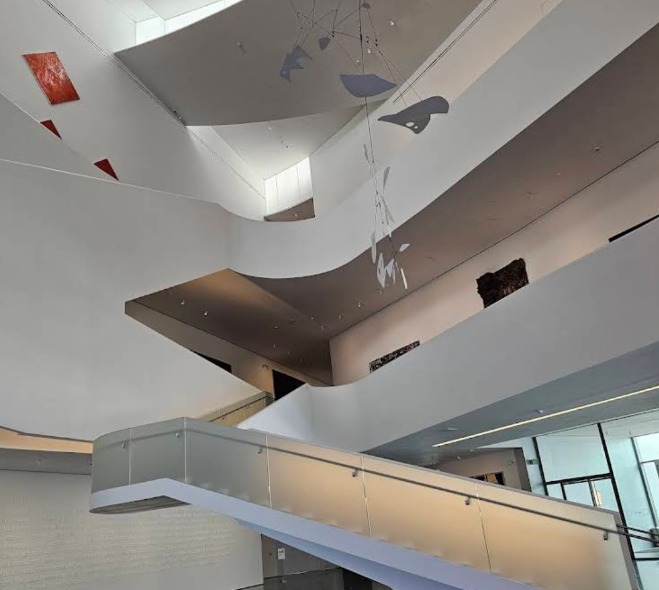
A major American art museum of this age has grown by addition: an original neoclassical or early-modern block, a mid-century extension by a significant architect, a contemporary wing, and a sculpture garden across the street. Each of those was designed in a different decade under a different idea of what a museum should be, and each lights a face differently.
The buildings are also physically separate, connected by pedestrian tunnels beneath the road — which is a genuinely useful feature in Houston, for reasons of climate that this guide comes back to.
So a day here moves between distinct photographic worlds: daylit modern galleries, dim conservation-lit rooms, an outdoor sculpture garden, and a tunnel. That variety is the campus’s real asset, and it means the coverage can change register in a way a single building cannot.
The governing constraint is the one every art museum shares. Gallery lighting exists to protect works, which means diffuse, indirect, low-level and filtered light — excellent for paintings and difficult for portraits, because a portrait needs a shadow somewhere to describe a shape and a well-lit gallery has none to offer.
Flash policy follows from the same logic and it needs settling room by room before the day. Many museums prohibit it among works entirely, permit it in atria and function spaces, and treat the sculpture garden as unrestricted. That distinction decides half the plan.
Houston sits at about twenty-nine and three-quarter degrees north at roughly fifty feet above sea level — near the coast, which matters enormously to the light and the air. The June noon sun reaches around eighty-three and a half degrees, the December noon sun about thirty-seven, days run from about ten hours fifteen to fourteen hours, and civil twilight is roughly twenty-two minutes — the shortest figure in this library.
We have not photographed a wedding here. Which buildings and spaces are bookable, the flash policy in each and the permitted hours are questions for the museum.
The Museum of Fine Arts Houston at a glance
| Where | A multi-building museum campus in the Houston Museum District |
| The structure | Separate buildings from different decades, linked by tunnels under the road |
| The constraint | Conservation lighting: diffuse, low-level, deliberately directionless |
| The asset | Four distinct photographic worlds in one booking |
| Ask first | Flash policy building by building; which spaces are included |
The modern galleries and the conservation light
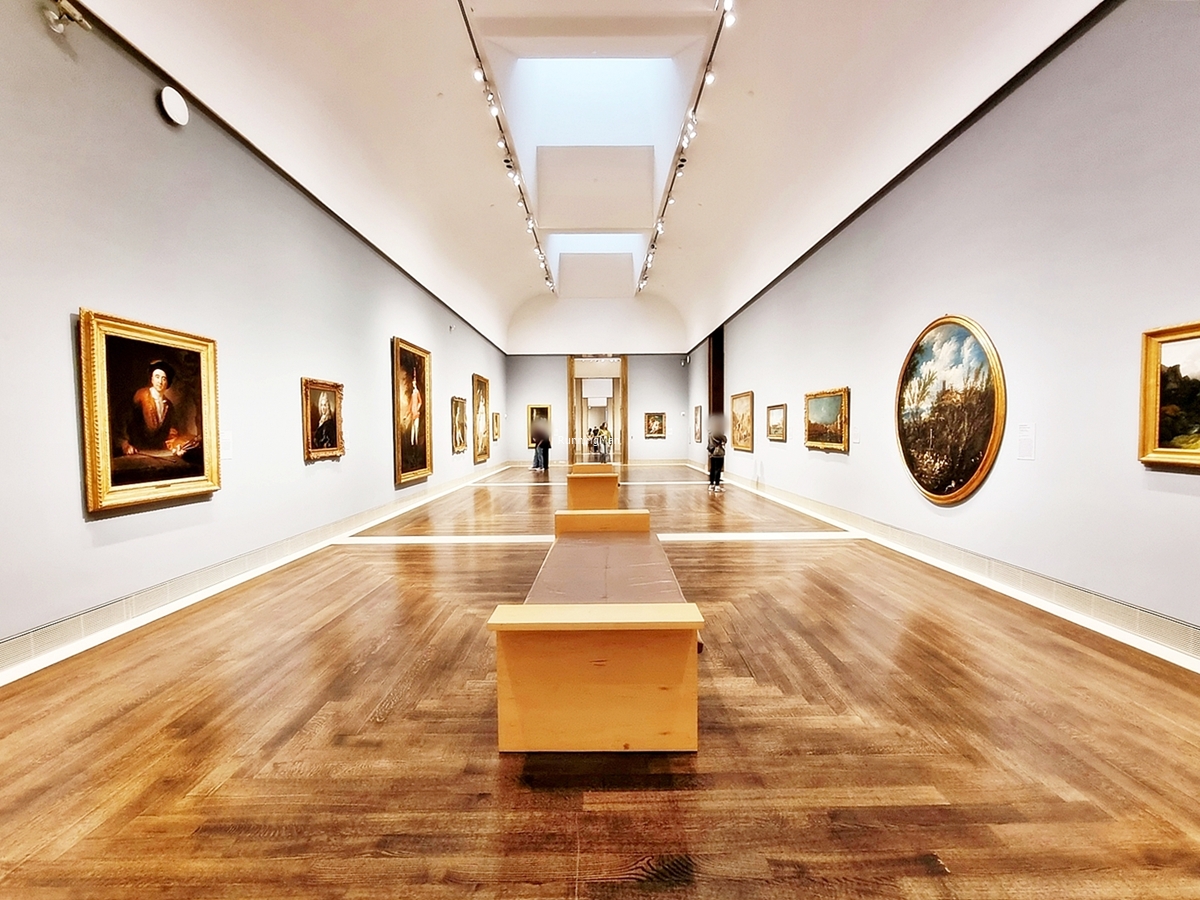
Start where the daylight is, because a twentieth-century museum wing is usually designed around getting controlled daylight into the galleries and that is the best light on the campus.
The mechanism is top lighting. A mid-century or contemporary gallery typically has a roof of louvres, baffles or diffusing panels that admit north sky or filtered sun and spread it evenly across the walls — because a painting wants even illumination without glare, and that is the cleanest way to achieve it.
For a face that produces a large overhead source: even coverage, no hard edge, and the standard top-light problem of shadowed eye sockets and a shadow under the chin.
The fix is the floor. Museum galleries are usually finished in pale terrazzo, polished concrete or light stone, all of which are efficient reflectors — so a subject standing on a bright patch of floor is filled from below, and turning them so the brightest floor is in front rather than behind lifts the sockets noticeably. That is free and it is the single most useful thing to know in a top-lit gallery.
Where the galleries have a glazed wall — and contemporary wings often do — that is the best position in the building. A large glass elevation is a single very big side source, and three or four metres in from it gives clear modelling with no top light at all. Arrange groups parallel to the glazing rather than across the room; perpendicular puts one end of a row three stops below the other.
In the dim conservation-lit galleries the approach changes entirely. Levels are often fifty lux or less on sensitive works, far darker than they appear once the eye has adapted, and a camera reads it honestly: high ISO, wide aperture, and a shutter that will not freeze a subject who breathes.
Hold a hundred and twenty-fifth as a floor and pay for it in ISO. Grain in a dim ornate room is a much smaller problem than motion blur, and the temptation to drop to a thirtieth is the commonest mistake in museum coverage.
Because the light has no direction, direction has to come from position. The reliable move is to find the local brightest thing — a skylight, an uplit wall, a lit vitrine, a doorway into a brighter room — and place the subject so it falls on one side of the face. A lit display case is the best version: a small bright source at close range that also puts a collection object in frame.
Where flash is permitted, the wall colour decides the method. Modern curatorial practice favours strong colours, and a room painted deep green or oxblood will tint every bounced frame taken in it — so in strongly coloured galleries, direct light through a modifier is cleaner than bounce.
Never bounce toward a glazed work. A framed painting under glass is a mirror and a flash near its axis returns a bright rectangle, which is exactly what the policy exists to prevent.
The campus’s best architectural frame is the enfilade. A sequence of galleries with aligned doorways gives frames within frames, and a couple placed three rooms deep with a moderate telephoto compressing the openings is a picture only a museum produces. It needs the doorways to genuinely align, so it is worth walking the floor to find where they do.
The tunnel, the sculpture garden and the Gulf air
The tunnel between buildings is the campus’s most distinctive space and it is almost always overlooked.
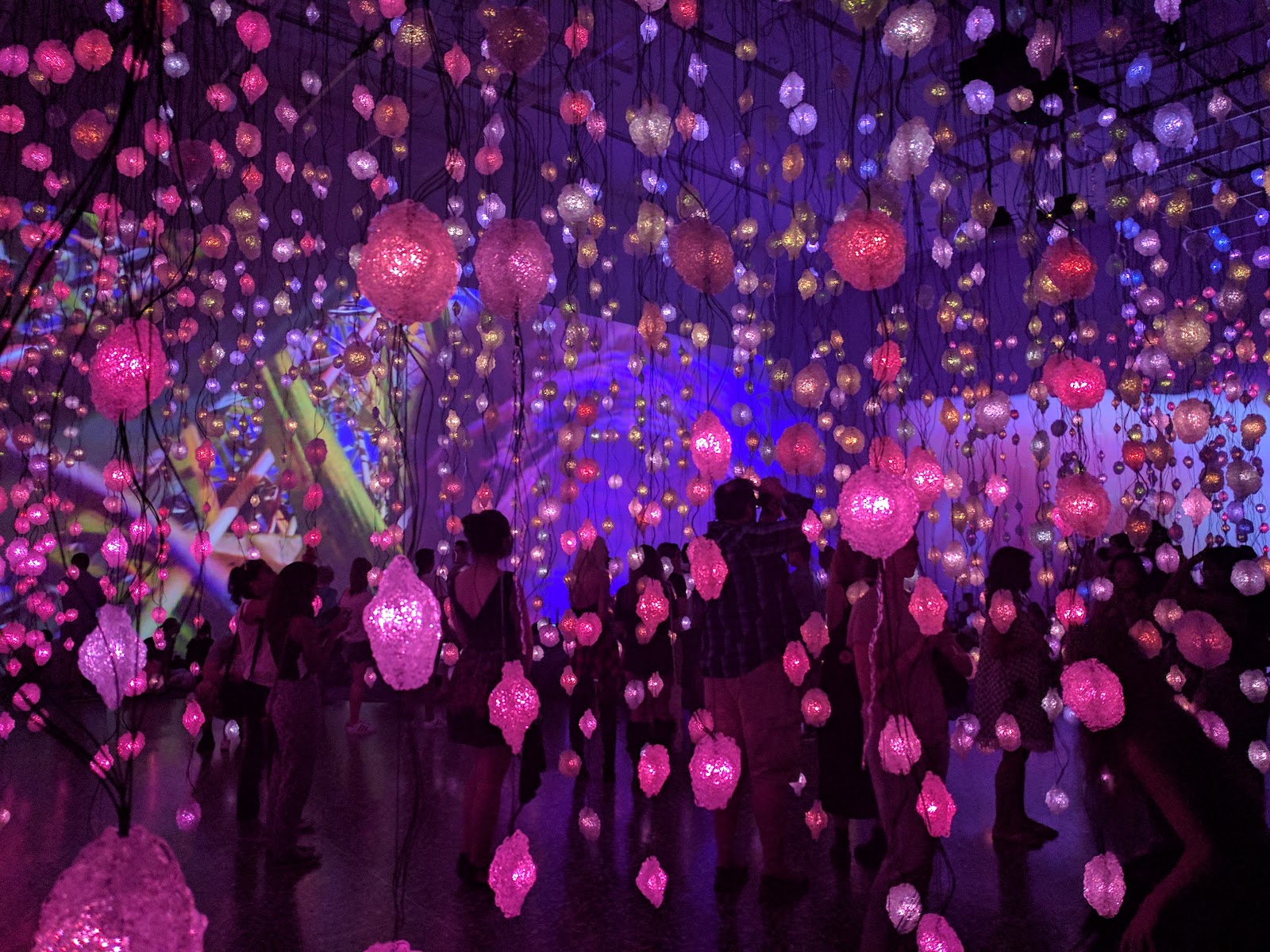
A pedestrian tunnel under a road is a long, low, enclosed volume with controlled artificial lighting and no daylight — which makes it the one space on the campus that is identical at any hour, in any weather, all year. Where a museum has treated its tunnel as an art space, with an installation or a lighting work in it, the result is a background available nowhere else.
Photographically a tunnel offers two things. A strong perspective: a long straight volume with a repeating rhythm of lighting or structure compresses with a moderate telephoto into a corridor with genuine depth, and a couple placed well down it is a striking frame. And complete lighting control, because the ambient is fixed and low and anything you add dominates.
The colour needs one decision. Tunnel lighting is frequently coloured — deliberately so where it is an artwork — and there is no white balance that serves a magenta or cyan wash and a neutral face at once. Gel the key to match the dominant ambient, set white balance on skin, and let the wash read as saturated colour. Trying to neutralise it gives grey skin and dead colour.
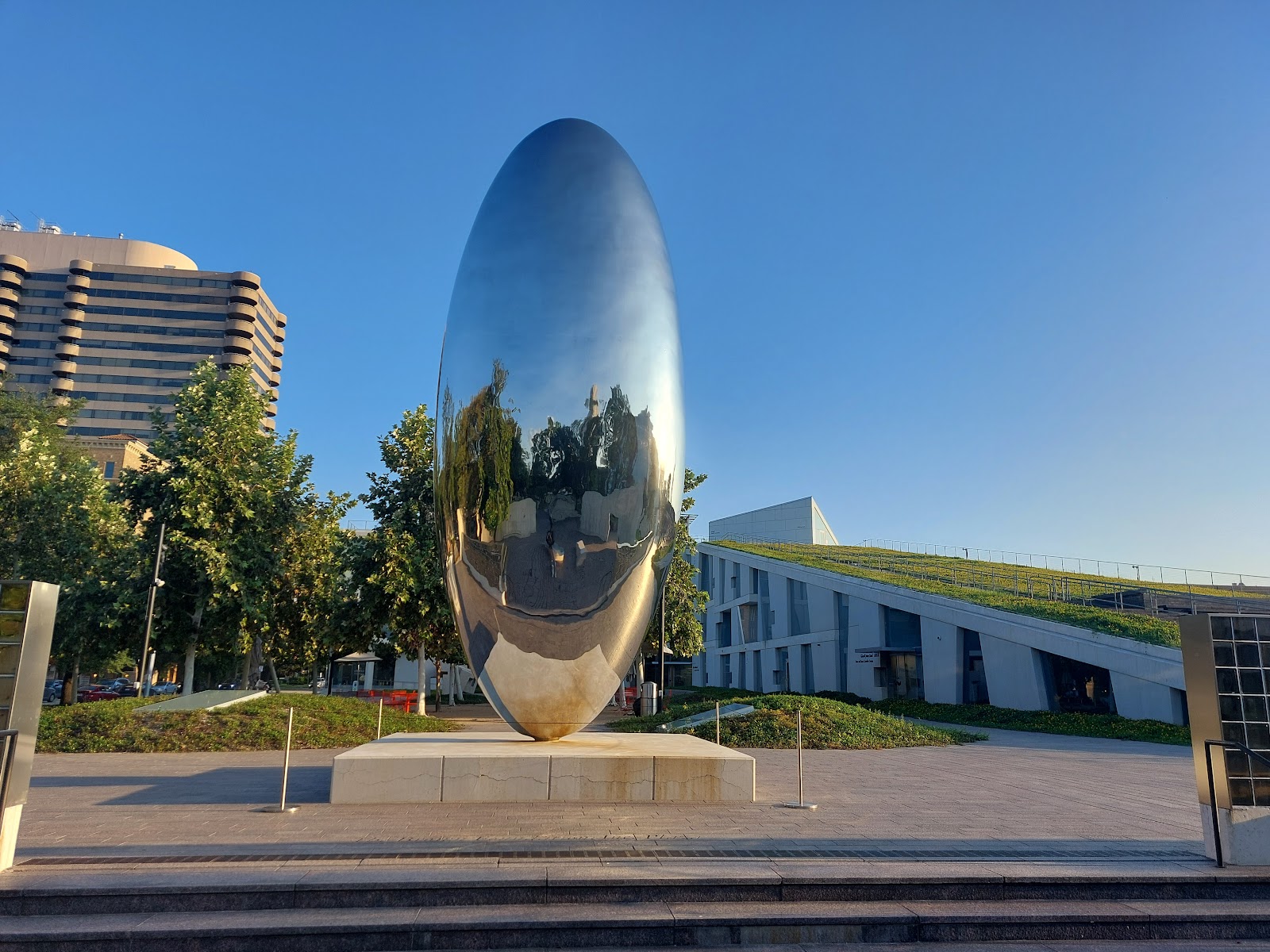
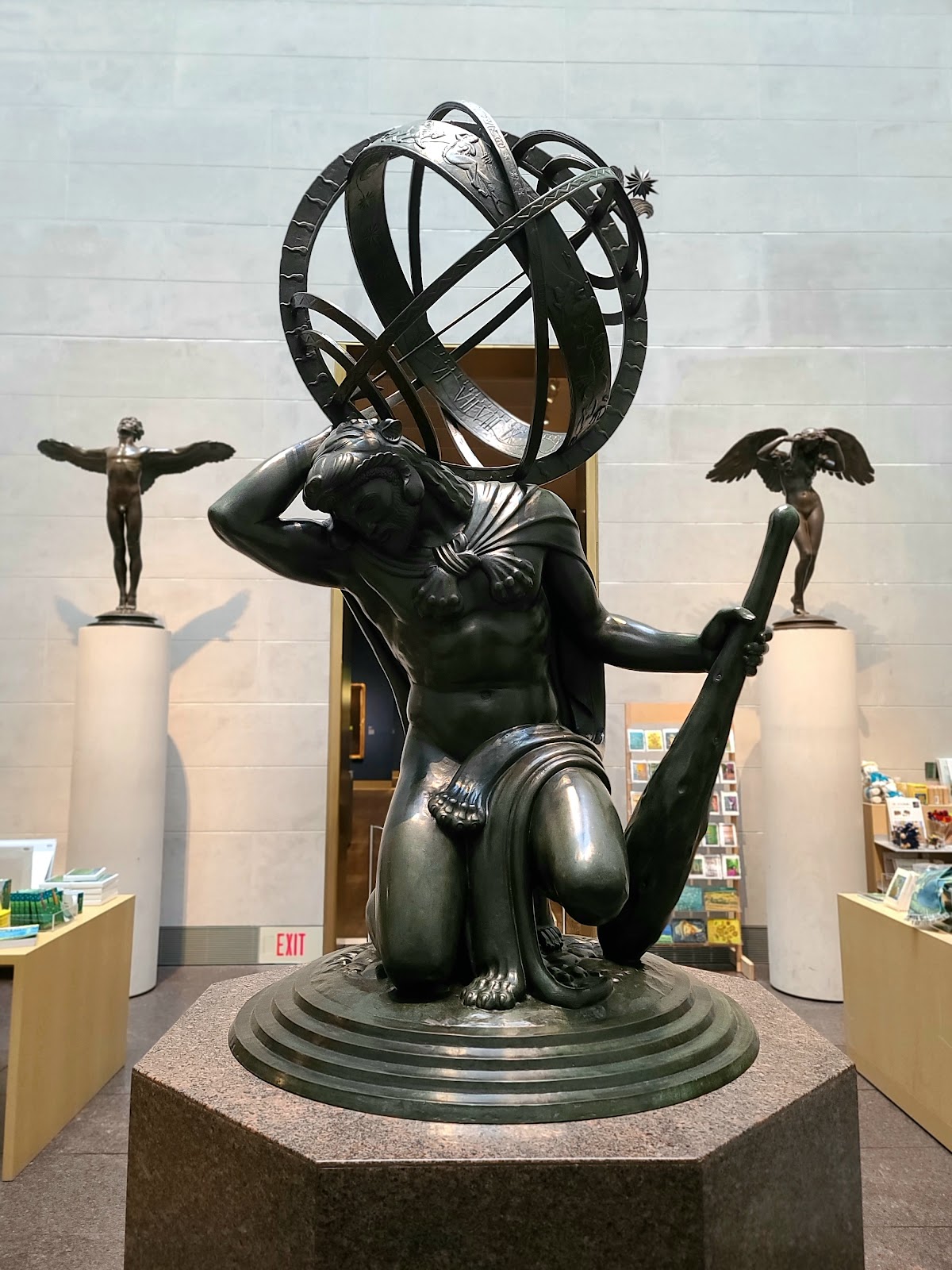
The sculpture garden is the outdoor half and it has its own rules. Works are full scale, sited deliberately, and lit by the sun rather than by a curator — which means the material decides the hour. Polished steel mirrors the sky; weathered steel is matte and takes raking light; stone shows texture only at a low angle; painted work reads by shape alone.
Walking the collection once to note which works want which light is worth more than technique on the day.
The composition problem is that large sculpture competes. A work interesting enough to be in the collection is more arresting than two people beside it, so the default outcome is art with a couple somewhere in it. The two solutions are: couple small with the work dominant, which gives it scale; or couple close with only a portion of the work behind them, which is a portrait with an unmistakable background. Both mid-size fails.
The planting is the other outdoor element and in Houston it is specific. Live oak is the dominant shade tree — evergreen, broad, dense and low-crowned, holding its leaves year-round — which means it casts genuine solid shade with no dapple in January as in July. That is unusual in this library, where most canopies vanish for half the year.
The trade is that a live oak canopy is dark: a dense evergreen crown at low height blocks a great deal of light, so the space beneath is several stops down on the open lawn, and a subject under one with sunlit grass beyond is a four-stop frame needing a fill or a deliberate silhouette.
Where Spanish moss hangs from the limbs, backlight it. It is translucent and glows against a low sun, and it is one of the most distinctive details the Gulf South offers.
And the lawn is worth avoiding for portraits. A sunlit lawn fills the lower half of a subject’s surrounding hemisphere with green light, which shows under the chin and in the eye sockets as a faintly ill cast. Moving them onto paving or gravel removes it entirely, and on a museum campus that is usually possible within a few metres.
- Turn subjects toward the brightest floor — pale terrazzo fills from below
- Hold a hundred and twenty-fifth in galleries and pay for it in ISO
- Never bounce toward a glazed work; it is a mirror
- Gel to match coloured tunnel light rather than neutralising it
- Live oak gives solid shade all year, and it is several stops down on the lawn
Houston's climate, which governs everything
Houston is the most humid location in this library and that is not a minor detail — it changes the light, the air and the plan.
The city sits at about fifty feet above sea level on the Gulf coastal plain, roughly fifty miles from open water, and for much of the year the prevailing flow is onshore. Dewpoints in summer sit in the seventies, which is genuinely tropical, and the atmosphere carries a great deal of water vapour.
Water vapour scatters light in every direction, and the photographic consequences are substantial and mostly favourable indoors and mixed outdoors.
Shadows are filled. A sunlit lawn in Houston in July carries perhaps two and a half stops less contrast than the same sun angle in Arizona — shadow edges are soft, eye sockets retain detail, and a midday portrait outdoors is genuinely workable in a way it simply is not in a dry climate. That is a real advantage and it is worth knowing rather than assuming desert rules apply.
Distance is hazed. Long lenses lose contrast quickly, so a compressed view across the Museum District or toward downtown will read noticeably softer in August than in January. On a campus whose frames are mostly close-range that matters little, but it removes the wide city frames.
And the sky is pale. High humidity gives a whitish blue rather than a saturated one, which means an empty summer sky contributes nothing to a wide frame and the interest has to come from cloud.
The cloud is reliable, which is the compensation. Gulf Coast summer afternoons generate convection from sea-breeze convergence almost daily — towering cumulus building through the afternoon and frequently a thunderstorm in the late afternoon or evening. That gives structure overhead most summer days, and the half hour after a cell passes is the best light of the year: washed air, wet paving reflecting the sky, saturated colour and a low sun under a broken ceiling.
It also means an outdoor ceremony in summer needs a covered alternative that genuinely exists, because a Gulf Coast afternoon storm arrives fast and heavily.
The heat is the honest constraint. June through September brings afternoon temperatures in the nineties with humidity that makes them feel considerably worse, and a sun reaching eighty-three and a half degrees at midsummer noon. For a party in formal clothing outdoors that is a welfare matter, not a comfort one.
Which brings the tunnel back into focus. A campus connected below ground means a wedding party moves between buildings without stepping outside — which in a Houston August is not a convenience but the difference between a workable day and a miserable one. It is the most practically valuable feature the site has and nobody markets it.
Hurricane season runs June through November and it is a real planning consideration for a date in that window rather than a theoretical one. It argues for a venue that is entirely indoors-capable, which this is.
October through April is the comfortable season and it is long. Houston winters are mild, the December noon sun at thirty-seven degrees models rather than flattens, the live oaks hold their leaves, and the sculpture garden is usable throughout — so a January wedding here looks much like an October one and is considerably pleasanter.
Late March into April is the best window in Texas for the bluebonnets, though those are a Hill Country phenomenon rather than a Houston one. What the Gulf Coast gives in spring instead is azaleas, which in the older Houston neighbourhoods flower in mass in March and are genuinely spectacular.
There is almost no deciduous autumn colour here — live oak is evergreen and the natives are mostly evergreen or drought-deciduous — so nothing in an October frame says autumn. What October and November give is the clearest air of the year and the first comfortable temperatures, which on a campus with an outdoor sculpture garden matters more than foliage would.
And the twilight is the shortest in this library: about twenty-two minutes. The end of the day here is genuinely brief, and it needs its two or three frames known in advance and walked to rather than discussed.
More frames from The Museum of Fine Arts Houston
The Museum of Fine Arts Houston wedding photography: common questions
What makes this a campus rather than a building?
Separate buildings from different decades, each lighting a face differently, connected by pedestrian tunnels under the road.
How do I work a top-lit gallery?
Turn the subject toward the brightest patch of floor. Pale terrazzo is an efficient reflector and fills the eye sockets that overhead light leaves dark.
What shutter speed in dim galleries?
A hundred and twenty-fifth as a hard floor, paid for in ISO. Dropping to a thirtieth is the commonest mistake in museum coverage.
Is the tunnel worth using?
Very much. It is the only space identical in any hour, weather or season, it compresses into a strong perspective frame, and the ambient is fixed so your light dominates.
Does Houston humidity help or hurt?
Both. It fills shadows — about two and a half stops less contrast than Arizona at the same sun angle — and it hazes long lenses and pales the sky.
What is the most practically useful feature?
The tunnels. Moving between buildings without stepping outside is the difference between a workable Houston August day and a miserable one.
More Houston, TX venue guides
We are writing a photographer’s guide to every venue we would happily shoot in Houston, TX. Here are three more, plus the full index:
Planning a wedding at The Museum of Fine Arts Houston?
Four kinds of light, and a tunnel between them. Tell us your date.