 The Portland Regency: A Season-by-Season Guide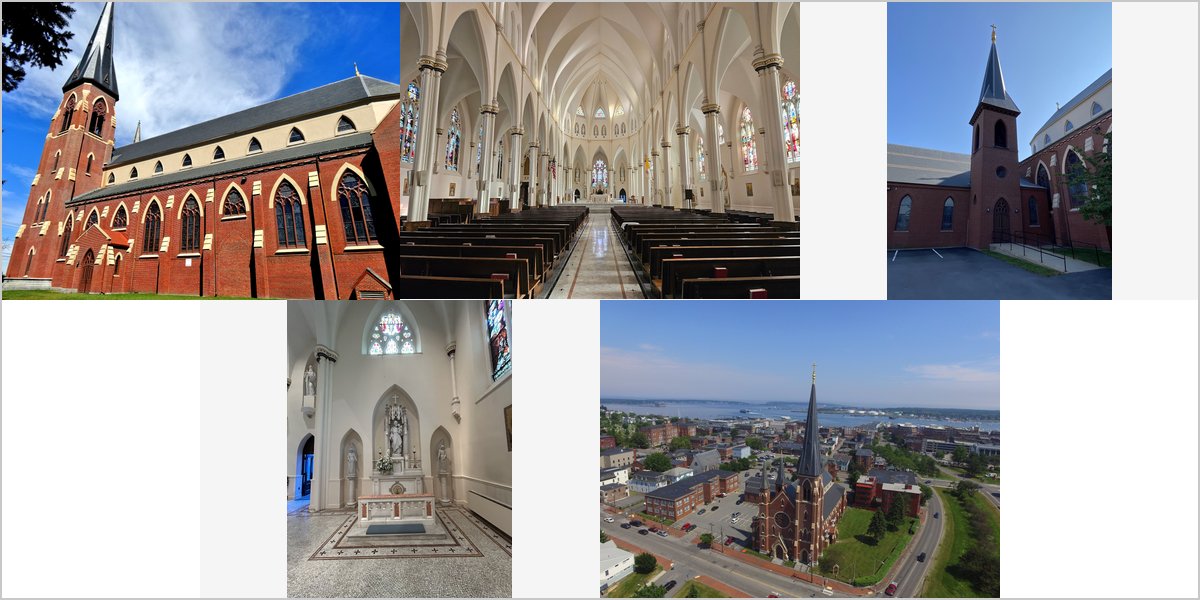
May 30, 2026
The Cathedral of the Immaculate Conception: A Photographer Answers Your Questions
A Gothic Revival cathedral is the darkest interior a photographer works in, and the rules are set by the parish rather than by an events manager.
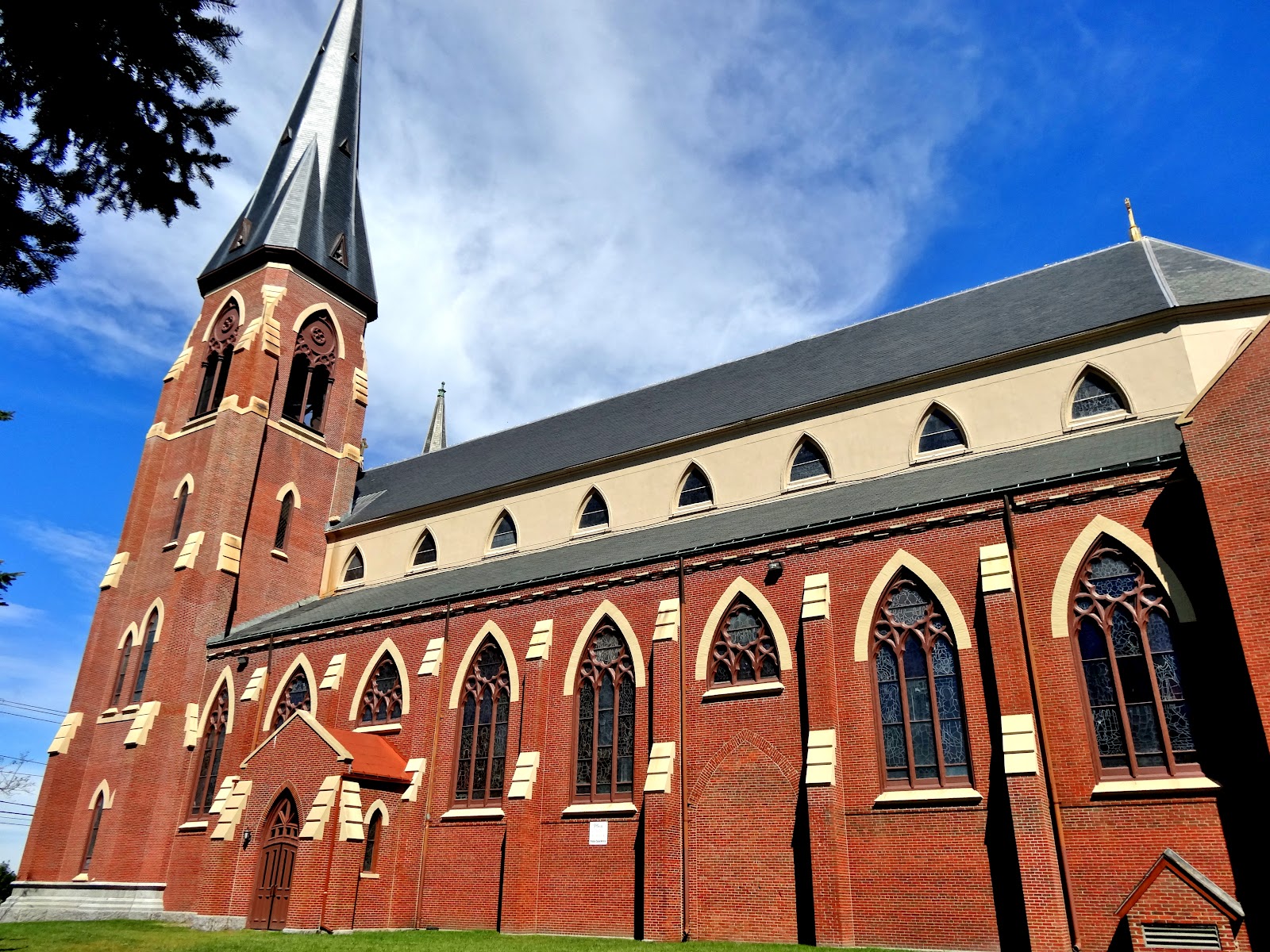
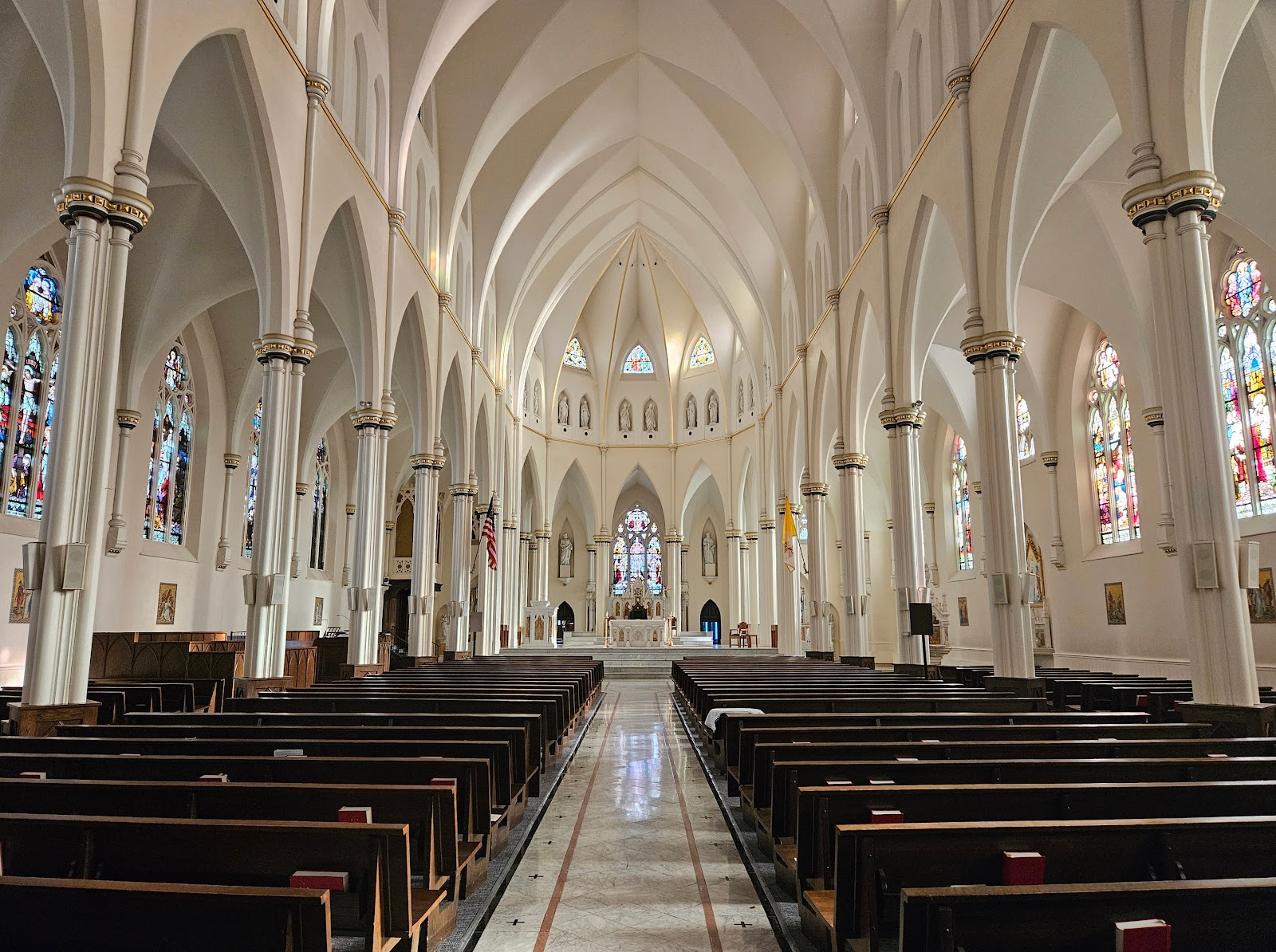
The Cathedral of the Immaculate Conception in Portland, Maine was consecrated in 1869, a Gothic Revival building with a tall nave, pointed arches, stained glass and the vertical emphasis the style is built around. It is an active cathedral rather than an event venue.
Photographically Gothic Revival is the most demanding interior type in this series, and consistently so. Stone absorbs light. Tall narrow proportions mean the windows are high and the light falls a long way before reaching anyone. Stained glass absorbs much of what passes through it while tinting the rest. And the artificial fixtures are warm, sparse and there for worship rather than photography.
These are the questions couples ask. We have not photographed a wedding here, and nothing below should be read as a statement of the parish’s rules — ask them directly and early, because at an active cathedral the clergy set what is possible and those answers shape the ceremony coverage entirely.
Cathedral of the Immaculate Conception at a glance
| Where | Cumberland Avenue, Portland, Maine |
| Consecrated | 1869; Gothic Revival with a tall nave and stained glass |
| Light | The darkest interior type there is — stone, high windows, coloured glass |
| Governed by | Parish clergy rather than an events team; assume firm restrictions |
| The compensation | Genuine verticality, and Portland’s Old Port and Promenade nearby |
How dark is it, honestly?
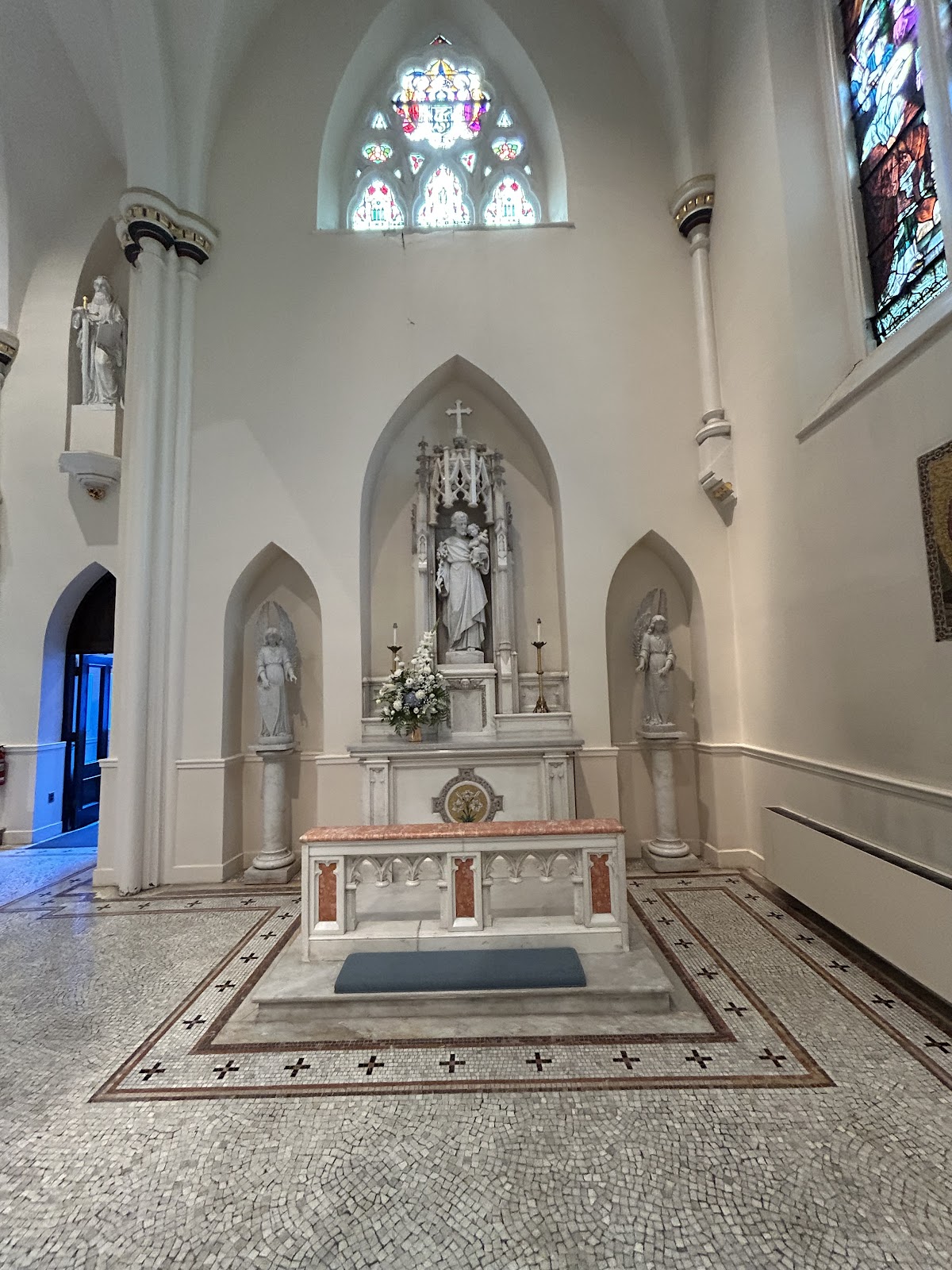
Darker than any hotel, museum, theatre or historic house. There are three compounding reasons. Stone absorbs light rather than returning it, so there is almost no bounce. Gothic proportions put the windows high in a tall nave, so light falls a long distance and spreads out before reaching anyone at floor level. And stained glass absorbs a substantial share of what tries to pass through it.
Practically that means fast prime lenses used wide open and ISO values that would be unthinkable outdoors. It also means accepting a shallow depth of field during the ceremony, which is a genuine trade — at f/1.4 from the back of a nave the margin for focus error is small and a missed focus cannot be recovered.
The compensation is that the light, while scarce, is beautiful and specific. A shaft of coloured light falling across stone is something no other kind of building produces, and a photograph that contains it is unmistakably a church photograph.
What will the stained glass do to our photographs?
Tint them, in patches, unpredictably. Stained glass does not simply reduce light — it admits light of several strongly different colours at once, and those coloured pools land on people. A bride standing where a blue window falls has blue skin; two metres left, under a red window, she is red. No single white balance is correct for a frame containing both.
The workable approach is to set white balance for the dominant artificial light, usually the warm fixtures, and treat the coloured pools as deliberate — because they are. A photograph showing coloured light on stone and on fabric reads as a cathedral; the same frame corrected until everything is neutral reads as a badly lit hall.
What to avoid is standing people directly in a strongly coloured pool for a portrait. Use the colour on the architecture, keep faces in the more neutral light, and the frame gets both the character and usable skin tones.
What will the parish allow?
Assume the strictest position until told otherwise: no flash, a fixed shooting position, and no movement during the ceremony itself. Some parishes are more relaxed; some restrict photography during parts of the liturgy entirely. That is neither unreasonable nor negotiable, and it is a specification rather than an obstacle.
It does change the kit. Working from one position in very low light means a long fast lens — something in the 85mm to 135mm range wide open — on one body, with a wider lens on a second for context. It means taking the frames you most want before the service begins, because you will not be able to reposition during it.
It also means the couple should know in advance what is and is not possible. A photographer forbidden from moving cannot produce a photograph from the front of the aisle, and it is far better for that to be understood at the planning stage than discovered in an album.
Where does everything else happen?
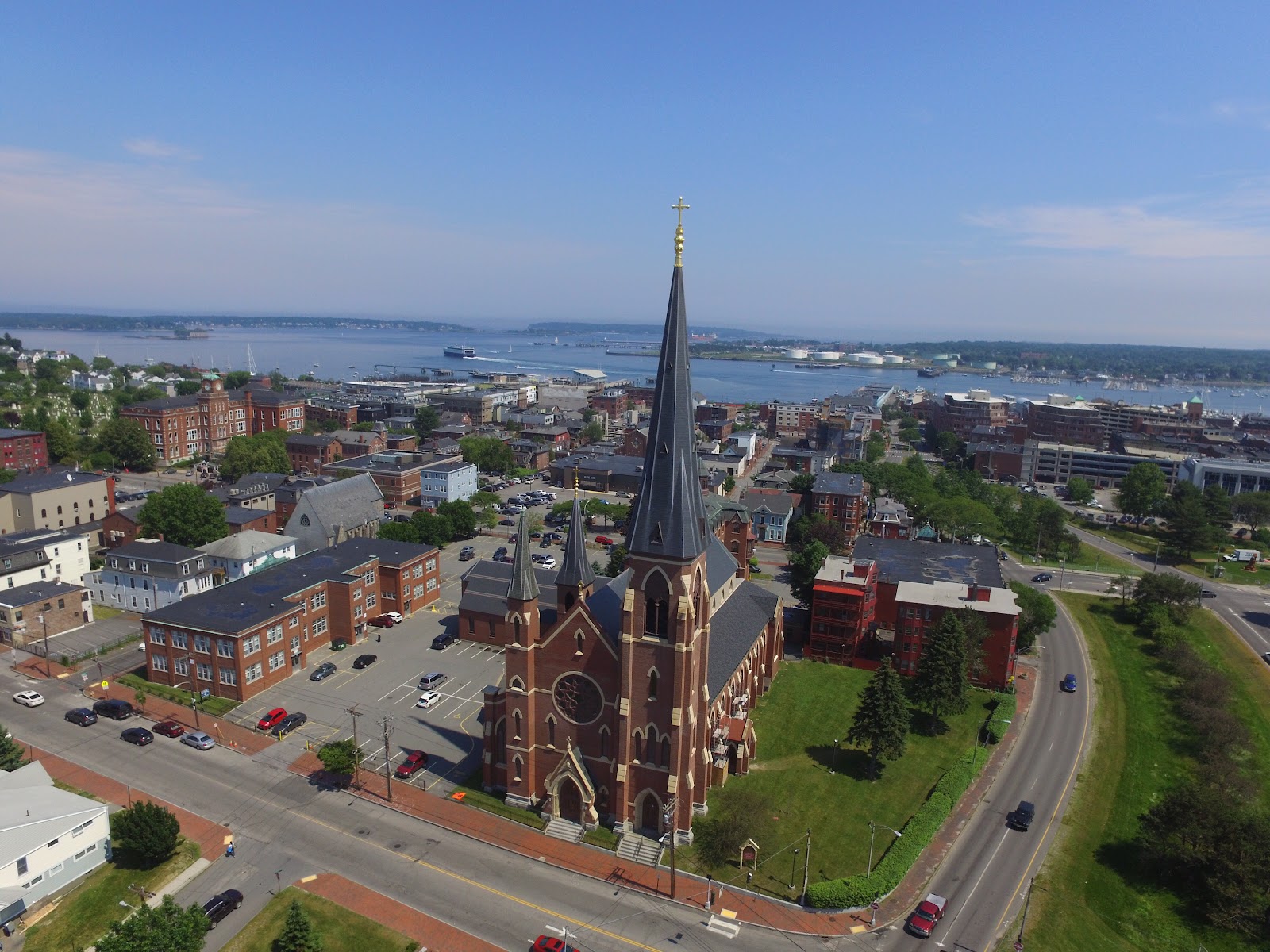
Outside, and in Portland that is a genuinely good answer. The cathedral sits within reach of Munjoy Hill, the Eastern Promenade and the Old Port — nineteenth-century brick and clapboard streets, a waterfront park with open lawn and mature trees, cobbled streets and granite warehouses, and Casco Bay beyond.
The Promenade in particular does everything the cathedral cannot: room for groups, high open shade under mature trees, full-length portraits, and water reflecting light upward into faces, which is unusually flattering. Budget half an hour for it.
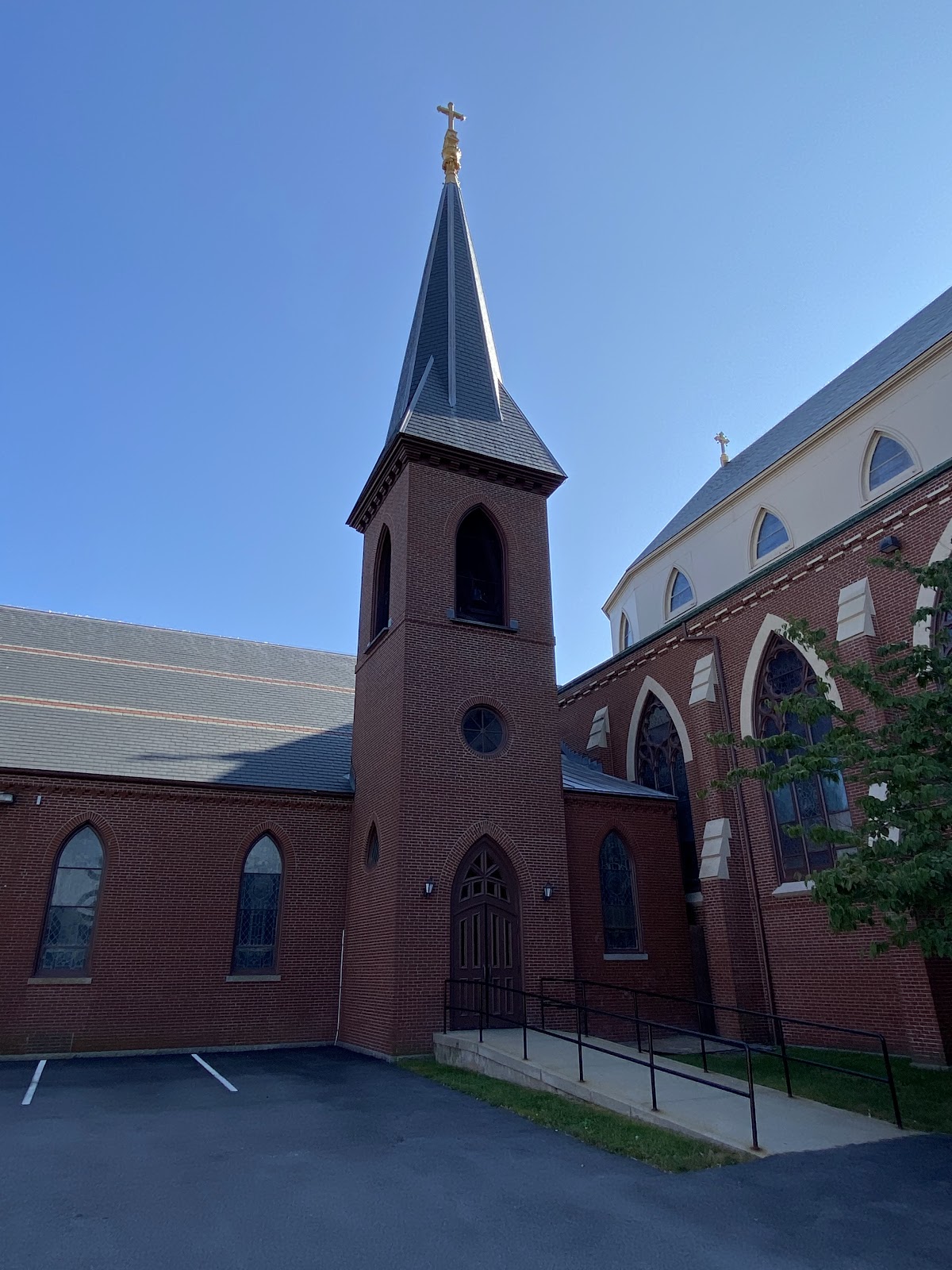
The cathedral’s own exterior is worth a frame too. Gothic Revival massing with a tower reads strongly against sky, and it is best in low raking light when the stonework gains texture.
Maine’s latitude governs the timing: long summer evenings with usable light well past eight, and a December sunset in the middle of the afternoon. A winter wedding here needs portraits before the ceremony, because afterwards there will be no daylight at all.
What works in your favour
- Genuine Gothic Revival verticality — height and pointed arches no other style gives
- Coloured light on stone is unique to this kind of building
- A strong exterior massing with a tower, best in raking light
- The Eastern Promenade and Old Port nearby for groups and full-length portraits
- Water on the Promenade reflects light upward into faces
What to plan around
- The darkest interior type there is — stone, high windows and coloured glass compounding
- Stained glass throws strongly coloured pools onto faces; no single white balance is correct
- Assume no flash, a fixed position and no movement during the ceremony
- An active cathedral, not a venue; rules are the clergy’s and are not negotiable
- A December sunset in the mid-afternoon means winter portraits must precede the ceremony
More frames from Cathedral of the Immaculate Conception
Cathedral of the Immaculate Conception wedding photography: common questions
How dark is a Gothic Revival cathedral?
The darkest interior a wedding photographer works in. Stone absorbs rather than reflects, tall proportions put the windows high so light falls a long way before reaching anyone, and stained glass absorbs much of what passes through. Expect fast primes wide open and ISO levels that would be unthinkable outdoors.
Will the stained glass ruin our skin tones?
It will change them in patches. Coloured pools land on people, so a bride under a blue window has blue skin and two metres away under a red one she is red — no single white balance fixes a frame containing both. Keep faces in neutral light and let the colour fall on stone and fabric.
What restrictions should we expect?
Assume no flash, a fixed shooting position and no movement during the ceremony, with photography possibly restricted during parts of the liturgy. That is standard at an active cathedral and it is not negotiable. Ask early, because it determines what your ceremony coverage can be.
What kit does that require?
A long fast lens in the 85mm to 135mm range used wide open on one body, with something wider on a second for context. Working from a single fixed position in very low light is the specification, and the frames you most want should be taken before the service begins.
Where do the groups and full-length portraits happen?
The Eastern Promenade, which is nearby and does everything the cathedral cannot — room for groups, high open shade under mature trees, and water reflecting light upward into faces. Budget half an hour, and in winter take the portraits before the ceremony because a December sunset arrives mid-afternoon.
More Portland, ME venue guides
We are writing a photographer’s guide to every venue we would happily shoot in Portland, ME. Here are three more, plus the full index:
- The Maine Historical Society: Building the Shot List
- The Maine State Pier: Reading the Light on a Working Waterfront
- Merrill Auditorium: Lighting a 1912 Civic Hall with a Kotzschmar Organ
All Portland, ME Wedding Venues →
Planning a wedding at Cathedral of the Immaculate Conception?
A cathedral’s rules decide what the ceremony photographs can be, so that conversation comes first. Tell us your date and we will help you get clear answers and plan the Promenade around them.