 Monmouth Historic Inn: What Changes When Everyone Stays On Site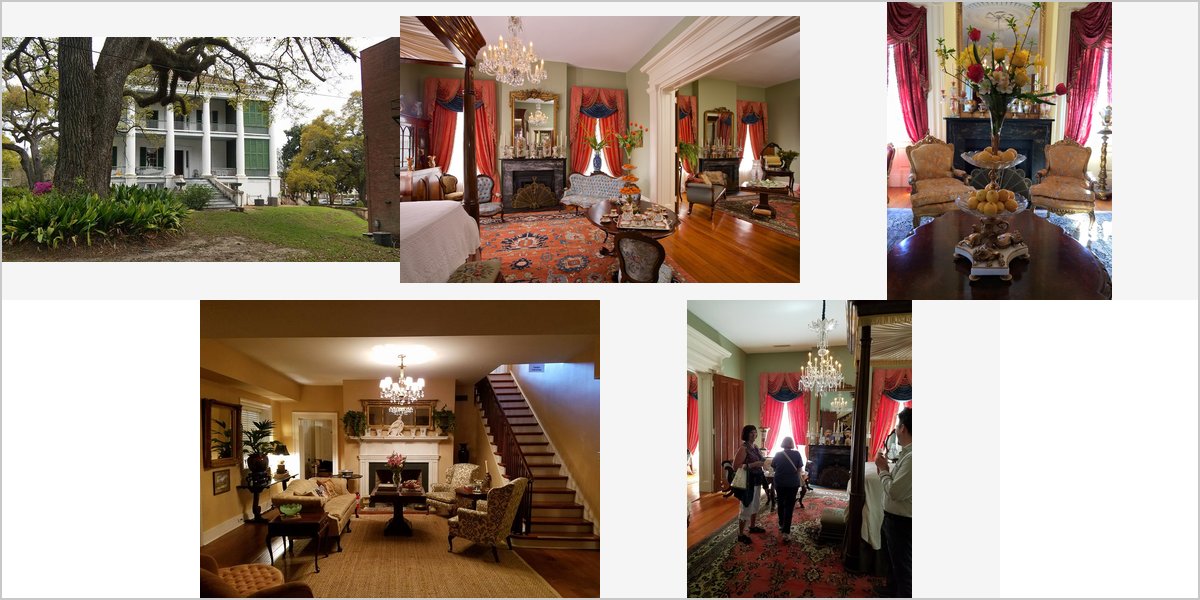
Choctaw Hall: What a Gazebo Ceremony Does to the Photographs
A gazebo looks like the answer to an outdoor ceremony. Photographically it is a roof that shades two people and nobody else.
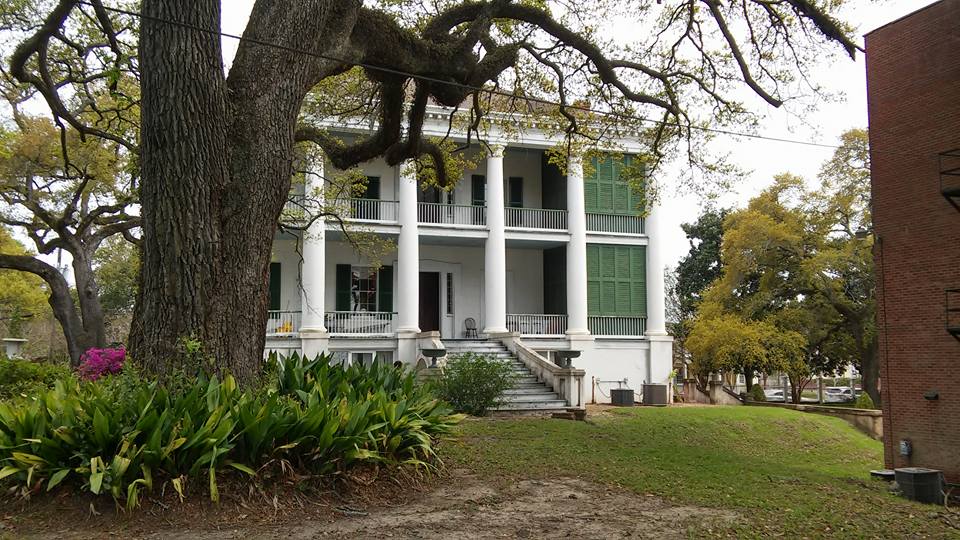
Choctaw Hall stands on planted grounds in central Natchez, Mississippi, an antebellum house with a columned front, mature garden planting, and a gazebo on the grounds used as a ceremony site with a flower-lined approach.
A gazebo is worth thinking about properly before the day, because it is the single most common outdoor ceremony structure and the one whose photographic consequences are least understood. It is, structurally, a roof supported on posts — and that means it does two things at once. It shades whoever stands inside it, which is usually the couple and the officiant. And it does not shade anybody else, including the guests, the wedding party and the photographer.
That asymmetry is the whole issue, and whether it matters depends entirely on the weather and the hour. This is an honest account of who this arrangement suits and who it works against. We have not photographed a wedding at Choctaw Hall; garden gazebos and planted southern grounds behave the same wherever they occur. Where exactly the gazebo sits, which way it faces and what the wet-weather alternative is are questions for their events team.
Choctaw Hall at a glance
| Where | Planted grounds in central Natchez, Mississippi |
| Character | Antebellum house with a columned front and a garden gazebo |
| The issue | A gazebo shades the couple and nobody else in the frame |
| Best case | An overcast day, or a ceremony in the last ninety minutes |
| Worst case | Bright midday, where the couple are several stops below the guests |
Why a gazebo splits an exposure
In bright sun a gazebo creates two zones in the same frame: full shade under the roof, and full sun everywhere around it. The difference between those is commonly three to four stops, and both are usually in shot — the couple under the roof, the guests and the garden in the sun behind and beside them.
There is no single exposure that serves both. Expose for the couple in the shade and the sunlit garden behind them blows out to white, taking the flowers, the planting and the guests with it. Expose for the sunlit surroundings and the couple, who are the subject, are three stops under and reading as silhouettes inside a dark box. Every gazebo photograph taken in bright sun is one of those two compromises unless something is done about it.
The thing that can be done is fill flash, and it has to be real. To lift two people in deep shade to within a stop of a sunlit Mississippi garden takes a proper strobe, not an on-camera pop, plus high-speed sync or a neutral density filter to hold the aperture. Done properly it is the complete answer: correctly exposed couple, garden with colour and detail intact, guests visible. Done with insufficient power it simply looks like a weak flash in bright sun.
The second complication is colour. A gazebo roof is usually timber or shingle and it bounces its own warm colour down onto the faces beneath it, while the fill arriving from the open sky at the sides is cool. That gives a warm-from-above, cool-from-the-side cross-cast which is subtle but real, and it is worth a custom white balance taken under the structure rather than in the open.
Who this arrangement suits
There are conditions and briefs under which a gazebo ceremony is straightforwardly excellent:
- Overcast days, where the whole problem disappears — no shade split, even light, guests and couple in one range
- Ceremonies in the last ninety minutes, when low sun comes in under the roof rather than being blocked by it
- Couples who want a defined architectural frame around the vows, which a gazebo genuinely provides
- Weddings where rain is a real risk, since a roofed structure keeps the ceremony dry and photographable
- Photographers carrying proper outdoor strobe power, for whom the split becomes a controlled advantage
Who should look elsewhere
And there are circumstances where it fights the photographs throughout:
- Midday summer ceremonies, where the shade split is at its most extreme and the heat is at its worst
- Natural-light-only briefs, which cannot resolve a four-stop difference between subject and surroundings
- Large wedding parties, since only two or three people fit under the roof and the rest stand in full sun
- Couples wanting the planting and flowers to read richly, which requires the sunlit background not to be blown
- Anyone expecting the gazebo to solve the weather; it shelters the couple and leaves the guests uncovered
The approach, the house and the hours
The flower-lined approach to a gazebo is often the better photograph, and it is the one people plan for least. A path with planting on both sides is a natural leading line pointing at the structure, and shot from low with a long lens the flowers compress into a dense foreground band while the gazebo sits small and sharp at the end of it. That frame works in almost any light and it does not carry the exposure split, because everything in it is in the same zone.
The house itself supplies the reliable alternative to the garden. A columned antebellum front gives a deep portico, which means hard-edged full shade with a bright open view in front of it — and a couple standing two metres inside that shade line facing out gets a large soft key with a dark surround. That is the best dependable light on any property of this kind and it is available all day, whatever the sun is doing.
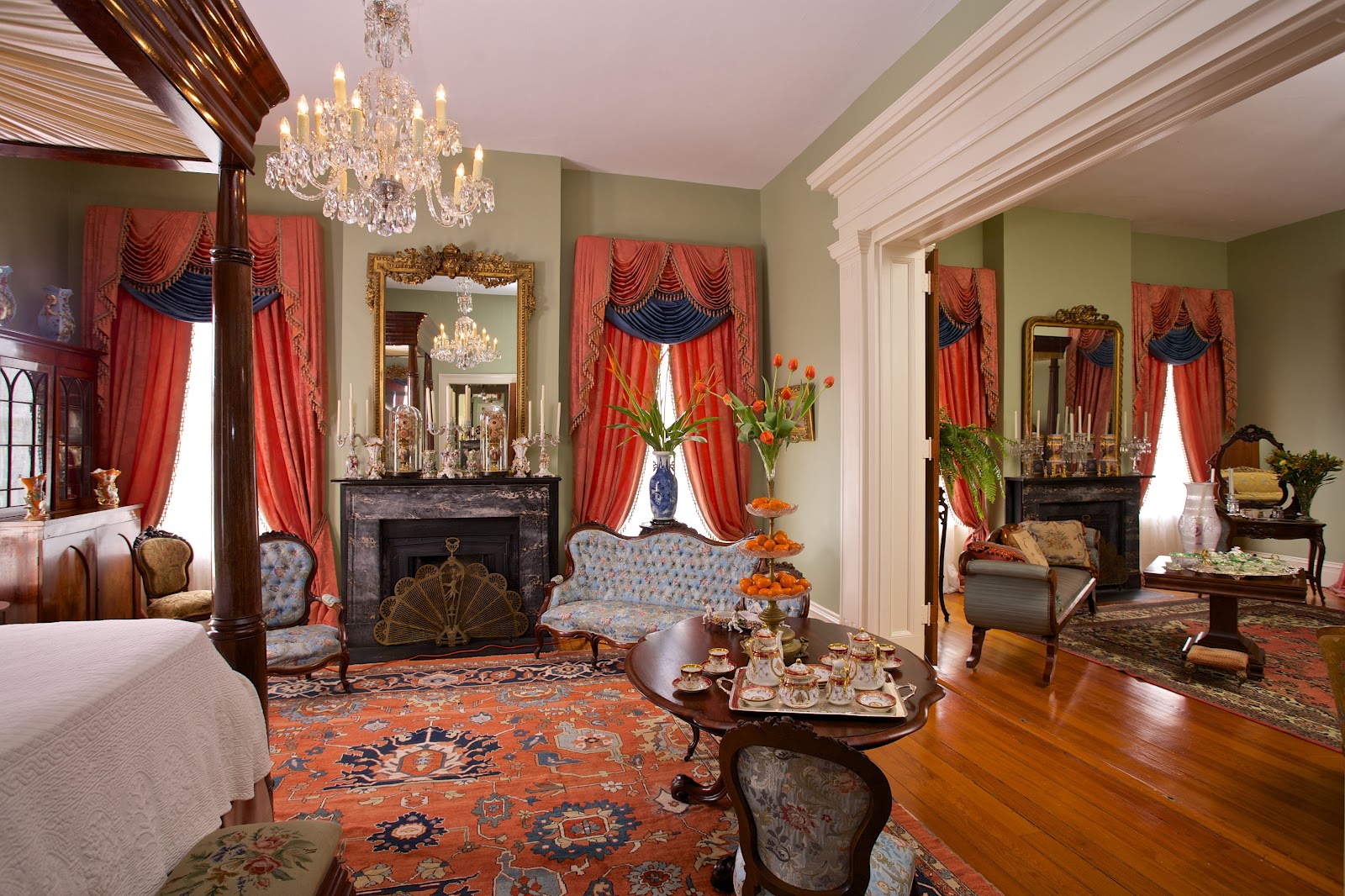
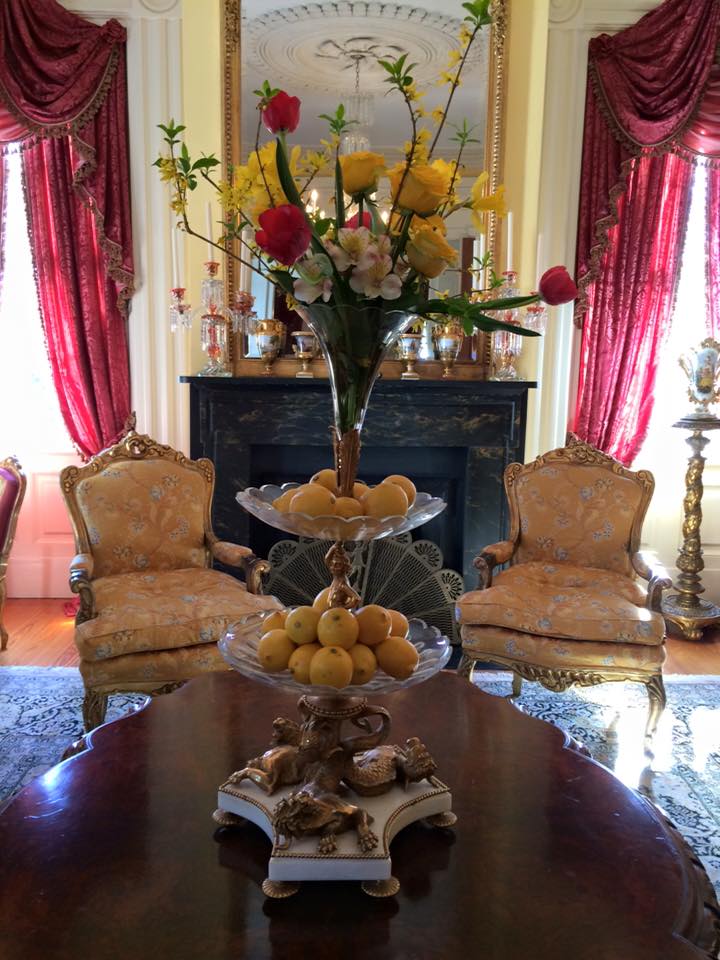
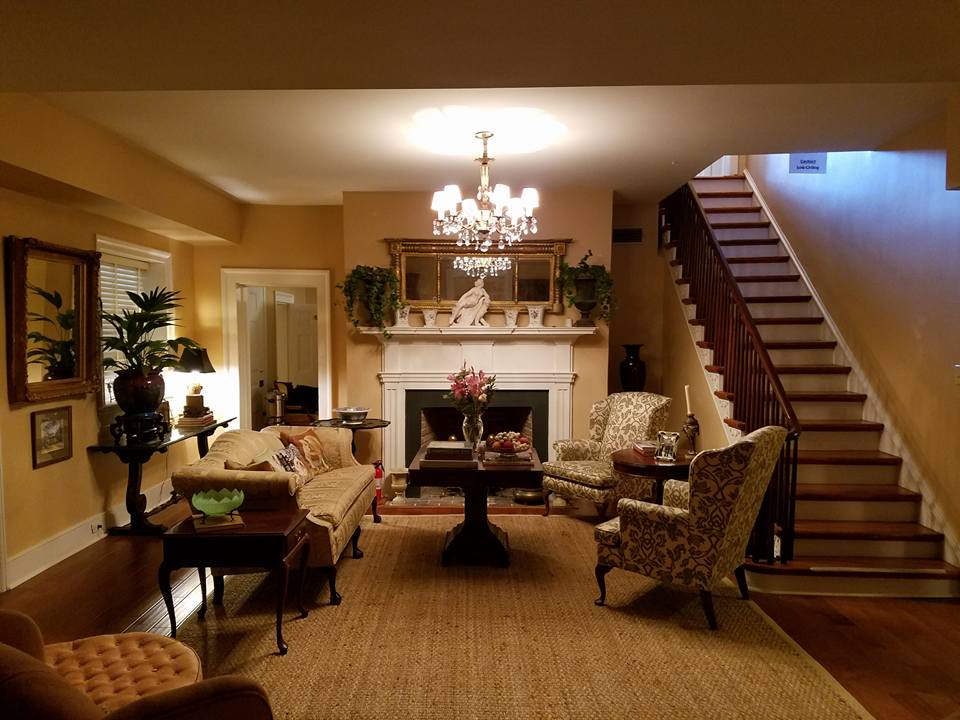
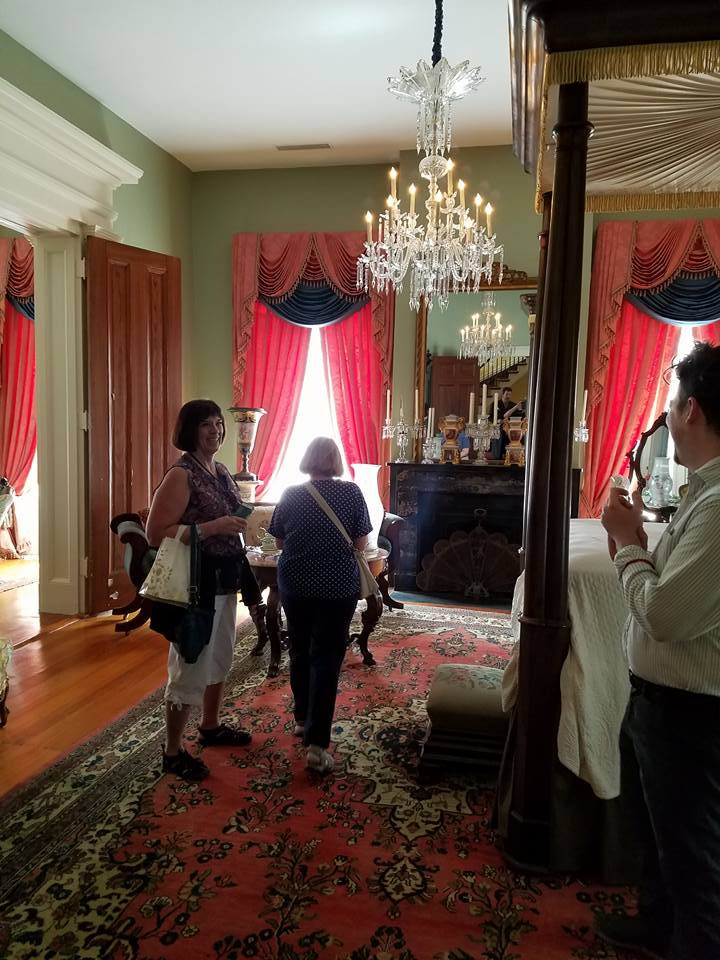
Interiors follow the pattern of every period house here: tall windows, dark furnishing, small rooms, restricted positions. Switch the lamps off, work the windows, bounce a bare flash off a pale ceiling where more is needed, and set white balance per room because warm wood and brick bounce strongly warm.
The planted grounds bring the two conditions that govern every Natchez venue. Mature canopy means dappled light through the middle of the day, which cannot be corrected and must be avoided by position rather than technique. And the last ninety minutes are when the planting comes alive, because low sun arrives under the canopy horizontally and turns leaves and petals translucent — the single most reliable beautiful frame on any planted site.
The practical summary for a gazebo wedding, then, is a scheduling one rather than a technical one: if the ceremony can be late, most of the problem disappears for free, and if it cannot, it needs real strobe power rather than hope. And Mississippi heat and humidity apply throughout — short decisive outdoor blocks, and a lens acclimatised before you take it out of air conditioning, or you will lose twenty minutes to fog at the worst moment.
What works in your favour
- A gazebo gives a defined architectural frame around the vows
- A roofed ceremony structure keeps the vows dry and photographable in rain
- A flower-lined approach is a natural leading line with no exposure split
- The house’s portico gives dependable hard-edged shade all day
- Mature planting is exceptional in the last ninety minutes
What to plan around
- Three to four stops between the shaded couple and the sunlit garden
- Only two or three people fit under the roof; the rest stand in sun
- Resolving the split needs real strobe power, not an on-camera flash
- The roof bounces warm light down while the sides fill cool
- Midday summer ceremonies combine the worst light with the worst heat
More frames from Choctaw Hall
Choctaw Hall wedding photography: common questions
What is the problem with a gazebo ceremony?
It shades the couple and nobody else. In bright sun that puts full shade and full sun in the same frame, three to four stops apart, so you either blow out the sunlit garden and guests or leave the couple as silhouettes in a dark box.
Can it be fixed?
Yes, with real fill flash — a proper strobe plus high-speed sync or an ND filter, not an on-camera pop. Done properly you get a correctly exposed couple, a garden with its colour intact and visible guests. Done with too little power it just looks like a weak flash in sun.
Is there a free fix?
Timing. Hold the ceremony in the last ninety minutes and low sun comes in under the roof rather than being blocked by it, which removes the split entirely. An overcast day does the same thing. Both cost nothing and both beat any technique.
Does a gazebo solve the rain problem?
Only for the couple. It keeps the vows dry and photographable, which is genuinely useful, but the guests and the wedding party are still uncovered. It is a partial weather plan rather than a complete one.
What frame do people forget?
The approach. A path with planting on both sides is a leading line pointing at the structure, and shot low with a long lens the flowers compress into a dense foreground while the gazebo sits small and sharp beyond. It works in any light and carries no exposure split.
What is the most reliable light on the property?
The portico. A deep overhang gives hard-edged full shade with a bright open view in front, so a couple two metres inside the shade line facing out has a large soft key and a dark surround — available all day whatever the sun is doing.
More Natchez, MS venue guides
We are writing a photographer’s guide to every venue we would happily shoot in Natchez, MS. Here are three more, plus the full index:
- Dunleith Historic Inn: A House With a Good Side at Every Hour
- Longwood: How to Photograph a House That Was Never Finished
- Magnolia Hall: Photographing a Greek Revival Town House
All Natchez, MS Wedding Venues →
Planning a wedding at Choctaw Hall?
A late ceremony solves a gazebo for free; an early one needs real light. Tell us your time and we will tell you which you have.