The Langham Boston: Field Notes on a Converted Federal Reserve Building
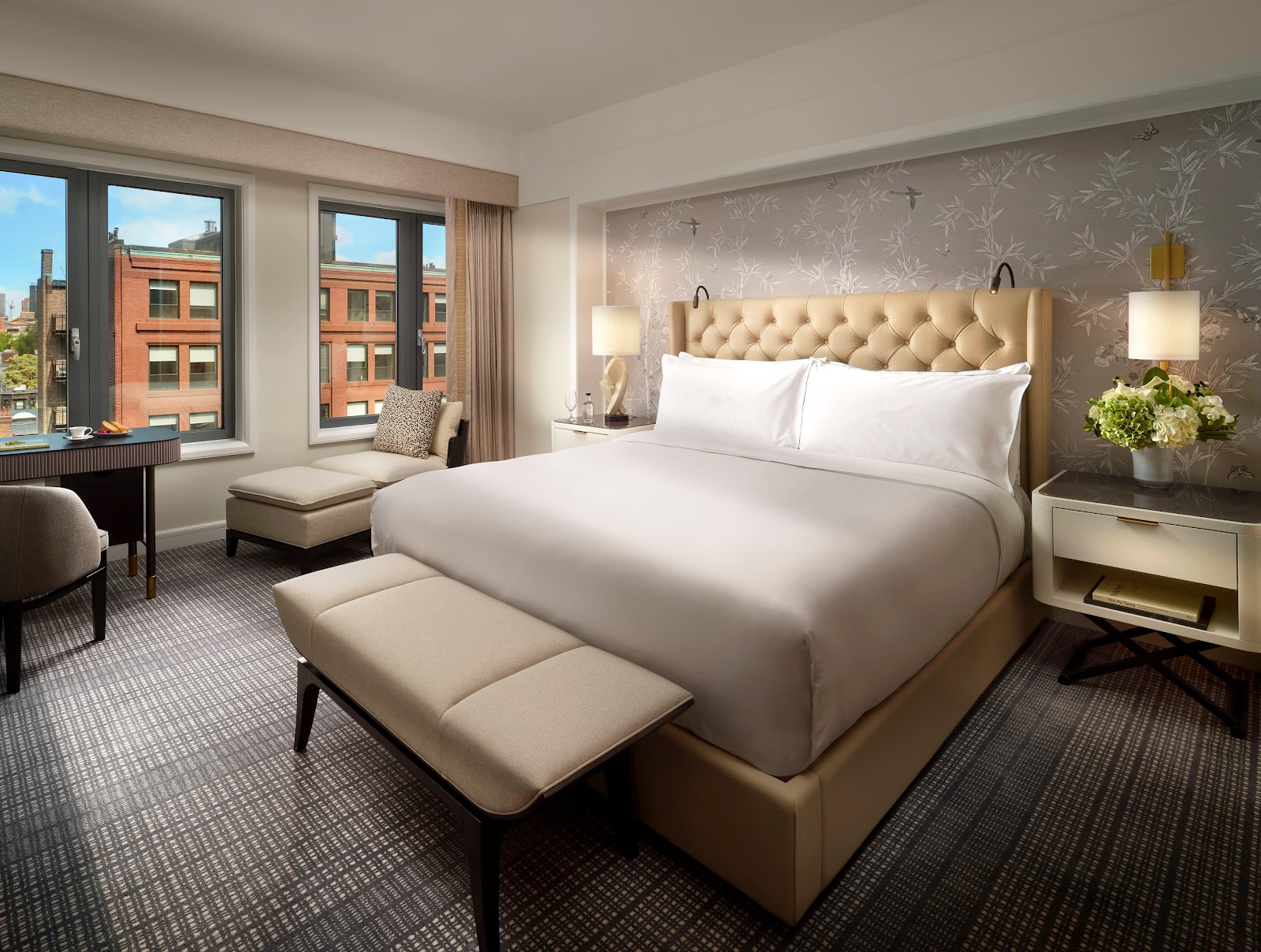
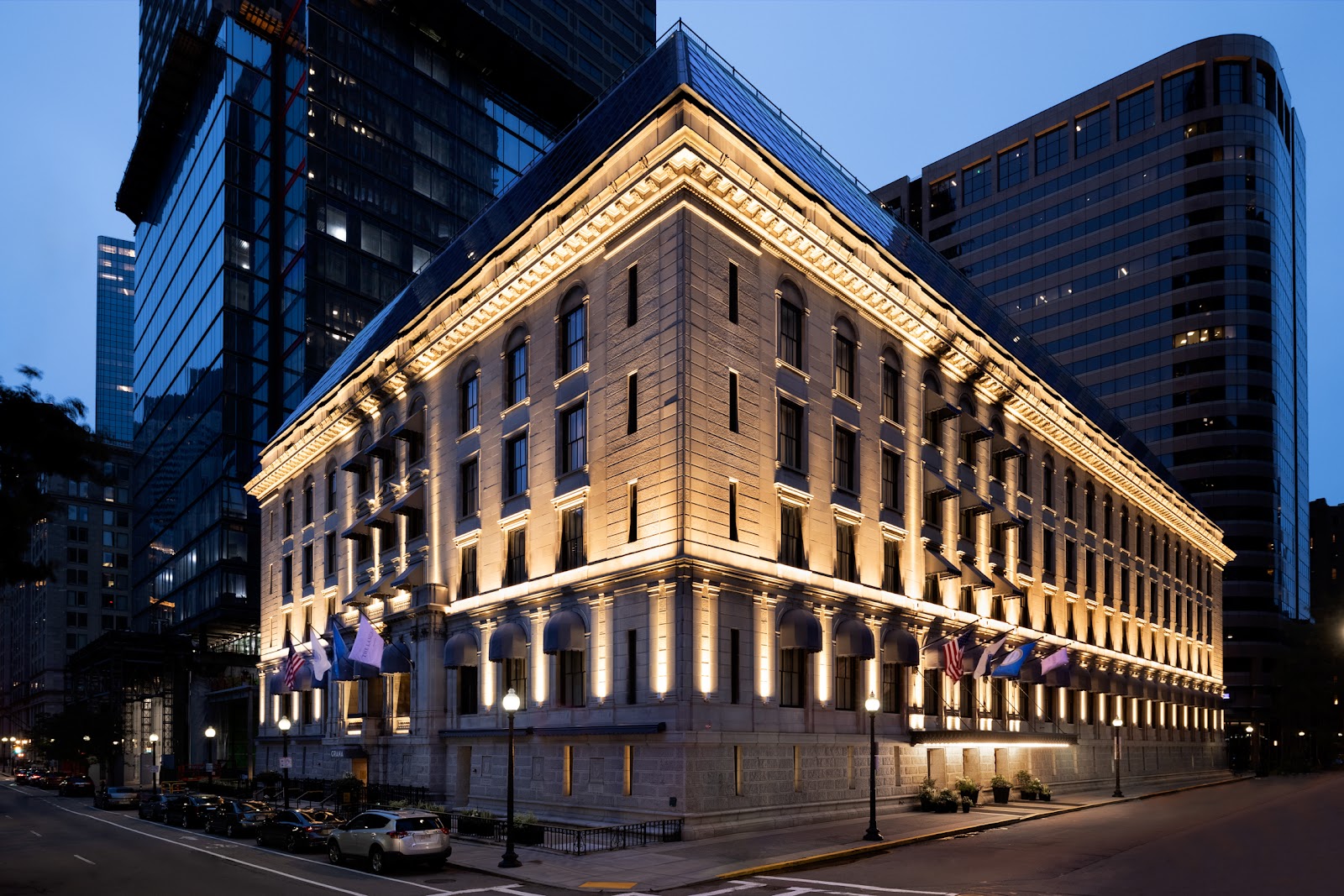
A Boston hotel occupying the former Federal Reserve Bank building, blending historic architecture with contemporary interiors.
Read the guideVenue guides
Two Boston-specific facts run through every guide in this cluster, and neither is obvious from a map. The first is the material colour rule. Boston is built from two families of stone that behave in opposite ways: brownstone and brick are warm, so they bounce warm light that flatters skin, while granite and limestone are cool, so they bounce a neutral-to-cool fill that can render a face slightly grey.
Which side of a street a couple stands on changes the colour of their skin here more than in almost any other city, and at the stone-clad museums and the converted bank in this list it is worth carrying a warm gel or a warm reflector specifically. The second is the street plan. Outside Back Bay, Boston’s streets are irregular rather than gridded, which means the question of which way a street runs relative to the setting sun has to be answered block by block rather than once for the city — ten minutes of walking with the sun in mind is worth more than any map.
Back Bay is the exception, and because it is gridded its cross streets deliver ninety minutes of raking light predictably.
The seasons here differ more sharply than in most of this series and they change the schedules below substantially. Summer is humid but rarely extreme, and the long June days put sunset late enough that the golden hour arrives after a reception has started — which needs agreeing in advance as a short deliberate excursion rather than assumed. Autumn peaks in the middle of October for roughly two weeks, and at the waterfront venues here it reads as a coloured band on the far shore at a long focal length rather than as canopy overhead.
Winter is the hard one: sunset falls in the middle of the afternoon in December, which compresses the whole outdoor window into a couple of hours and can put it before the ceremony rather than after, and a quayside in a north-easterly reduces an outdoor block to three or four minutes. Snow is the compensation and it is the best natural fill there is, lifting exactly the shadows a low sun carves while fooling a meter by about two stops — though against pale limestone it needs watching, because the two together will clip.
And coastal fog in spring and early summer is the weather most likely to produce the best frame of the day: it separates near from far, reduces harbour clutter to soft shapes, and nobody plans for it.
A Boston hotel occupying the former Federal Reserve Bank building, blending historic architecture with contemporary interiors.
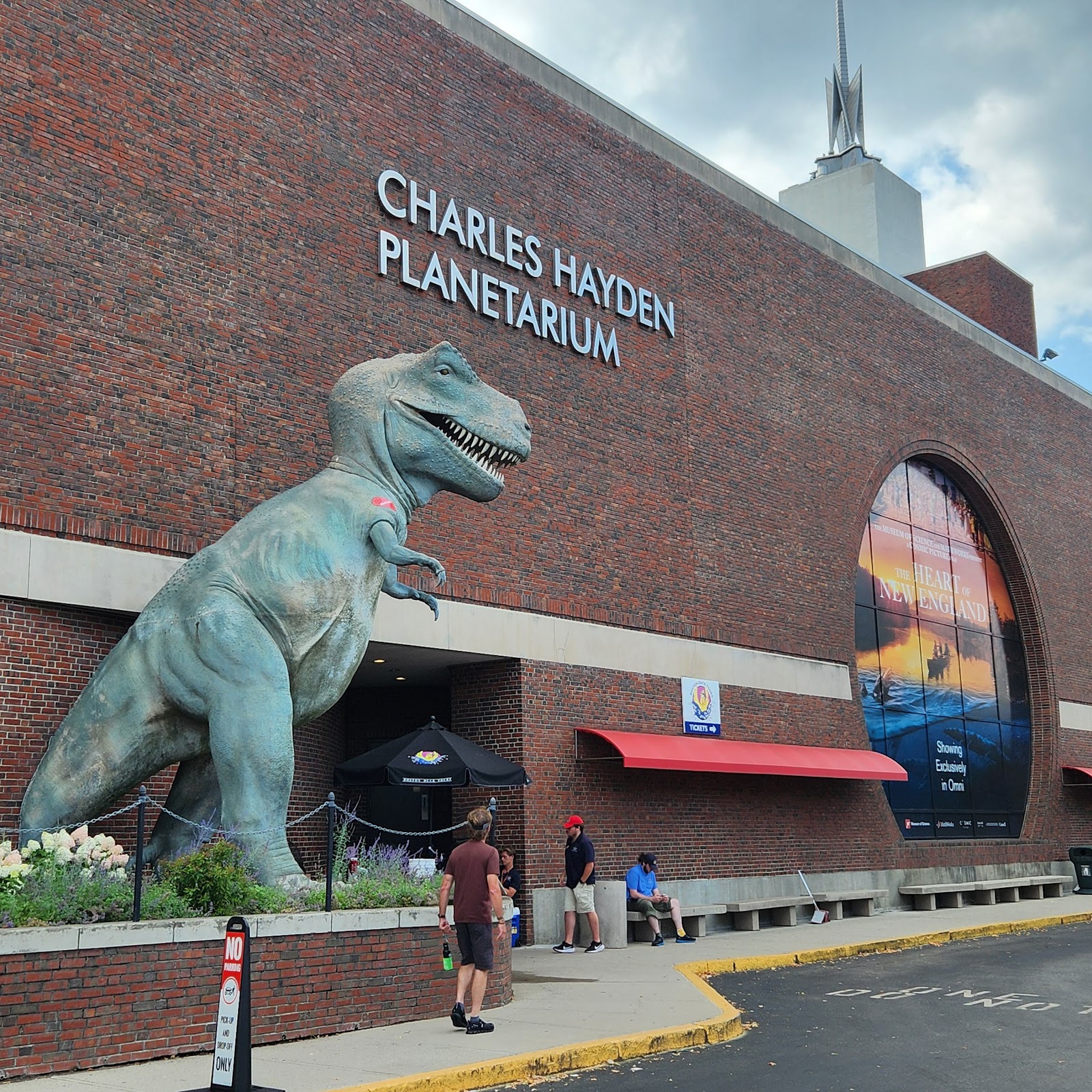
Read the guideA science museum in Boston with exhibit halls, a skyline function room and an outdoor pavilion beside the river.
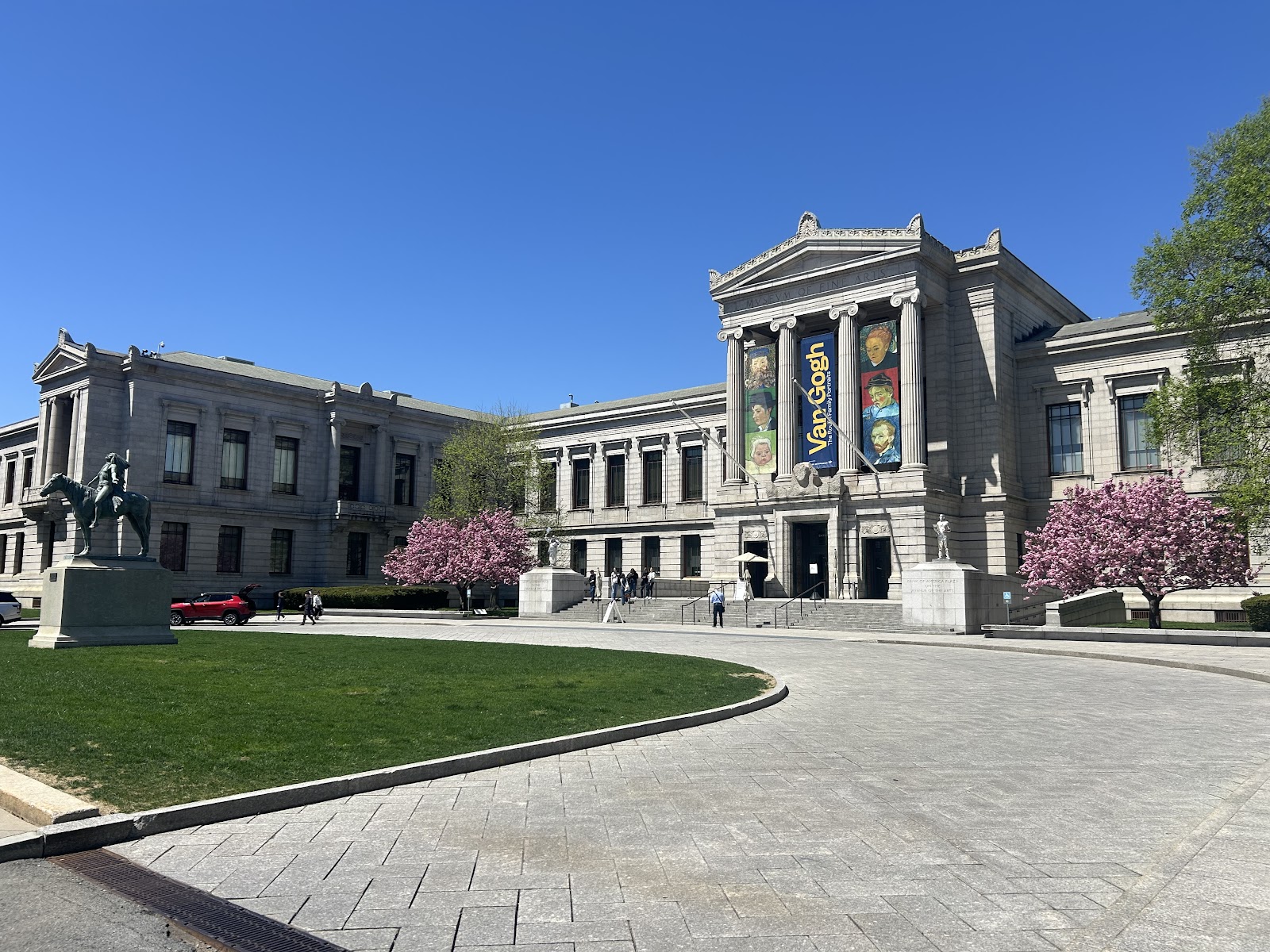
Read the guideA major art museum in Boston with a majestic atrium, sweeping grand staircases and extensive galleries.
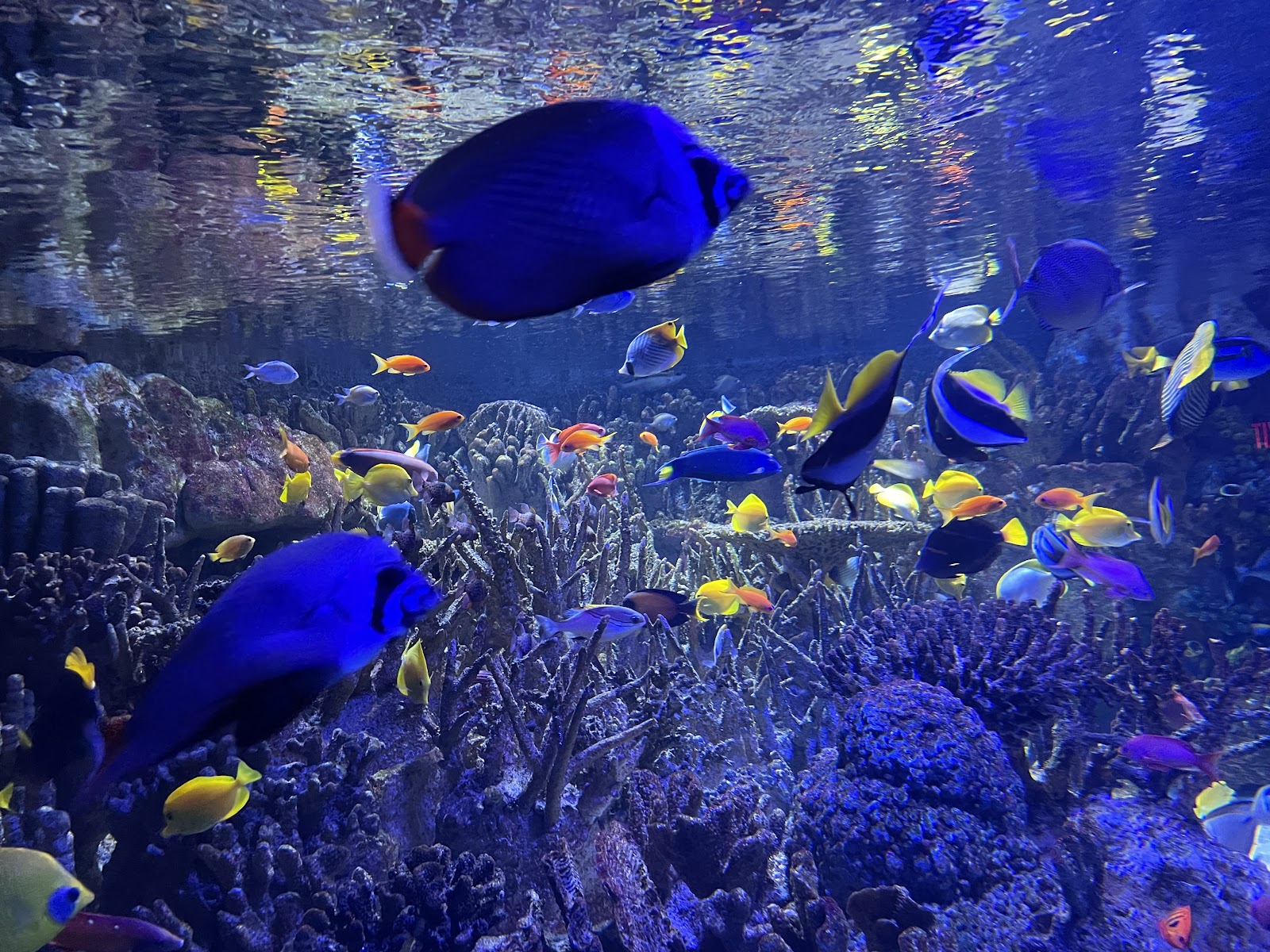
Read the guideAn aquarium on Boston's waterfront, arranged around a central ocean tank with a spiral ramp and harbour views outside.
Read the guideA luxury hotel in Boston's Back Bay, with contemporary interiors and the neighbourhood's brownstone streets outside.
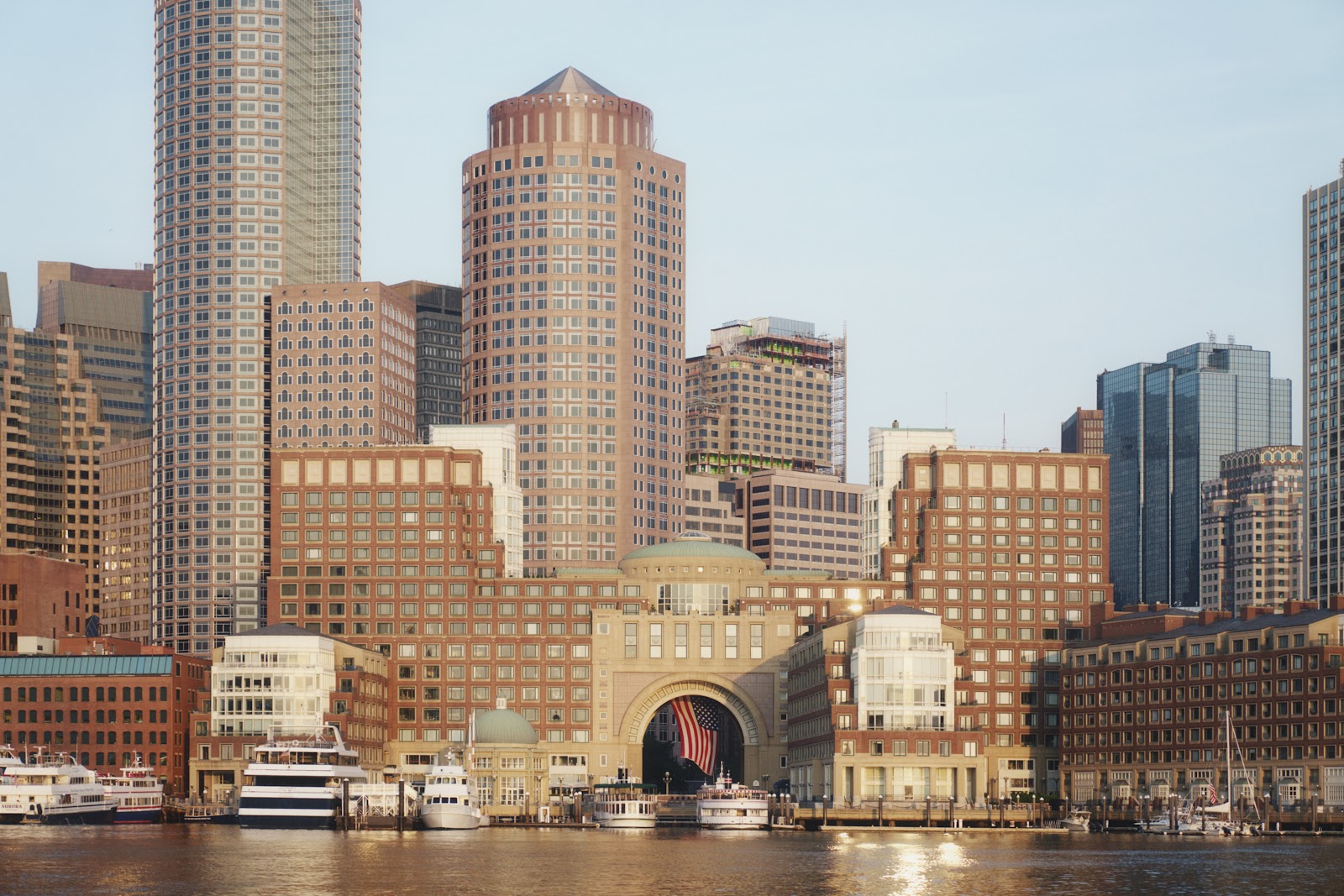
Read the guideA waterfront hotel on Rowes Wharf in Boston, with harbour frontage, an archway and grand interiors.
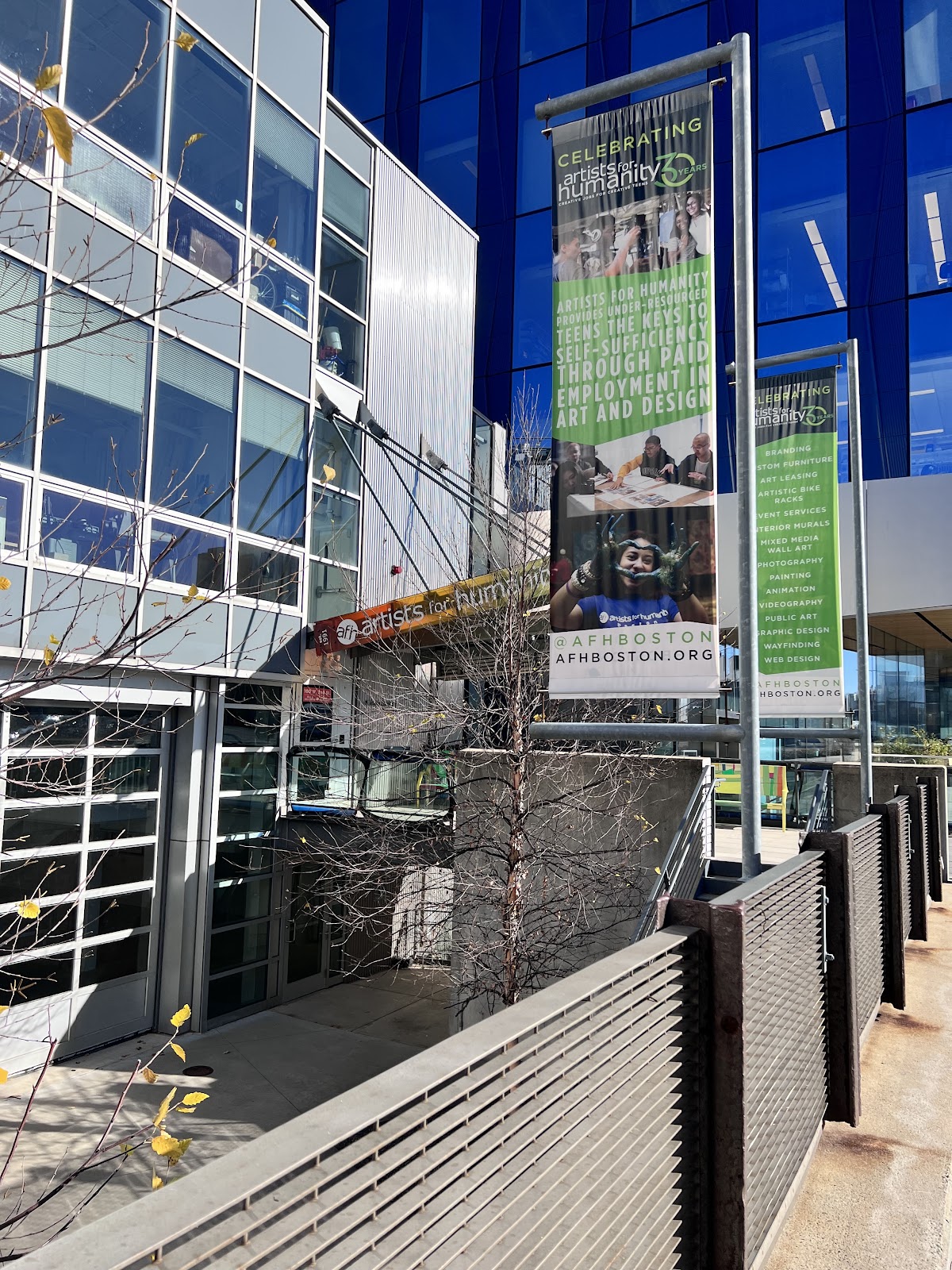
Read the guideA working arts and event building in Boston with open-plan spaces arranged to keep a day moving.
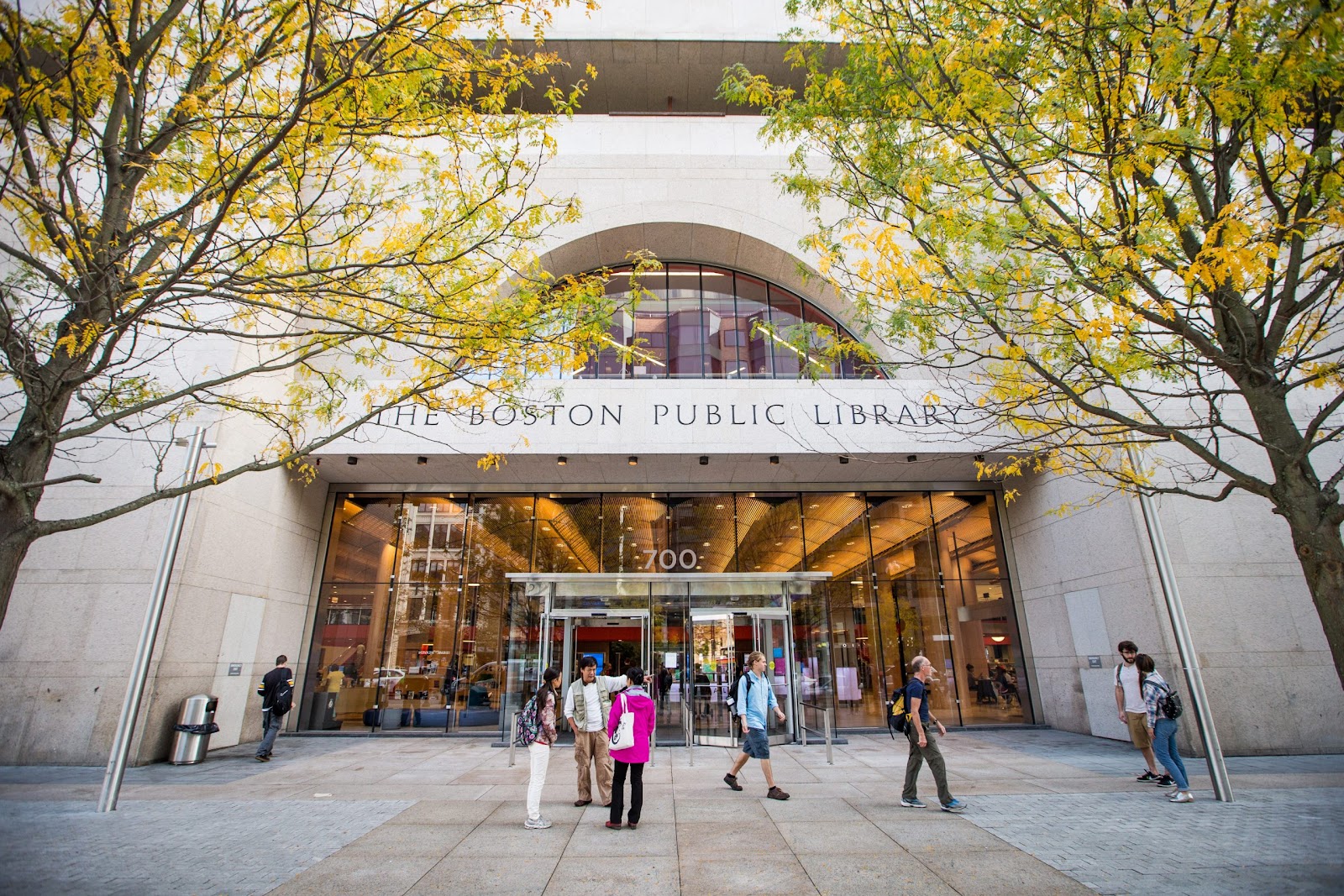
Read the guideA Renaissance Revival library in Boston's Copley Square, with an open-air courtyard, monumental stairs and grand reading rooms.
Read the guide