 The Somerset Club on Beacon Street: Is It Right for You?
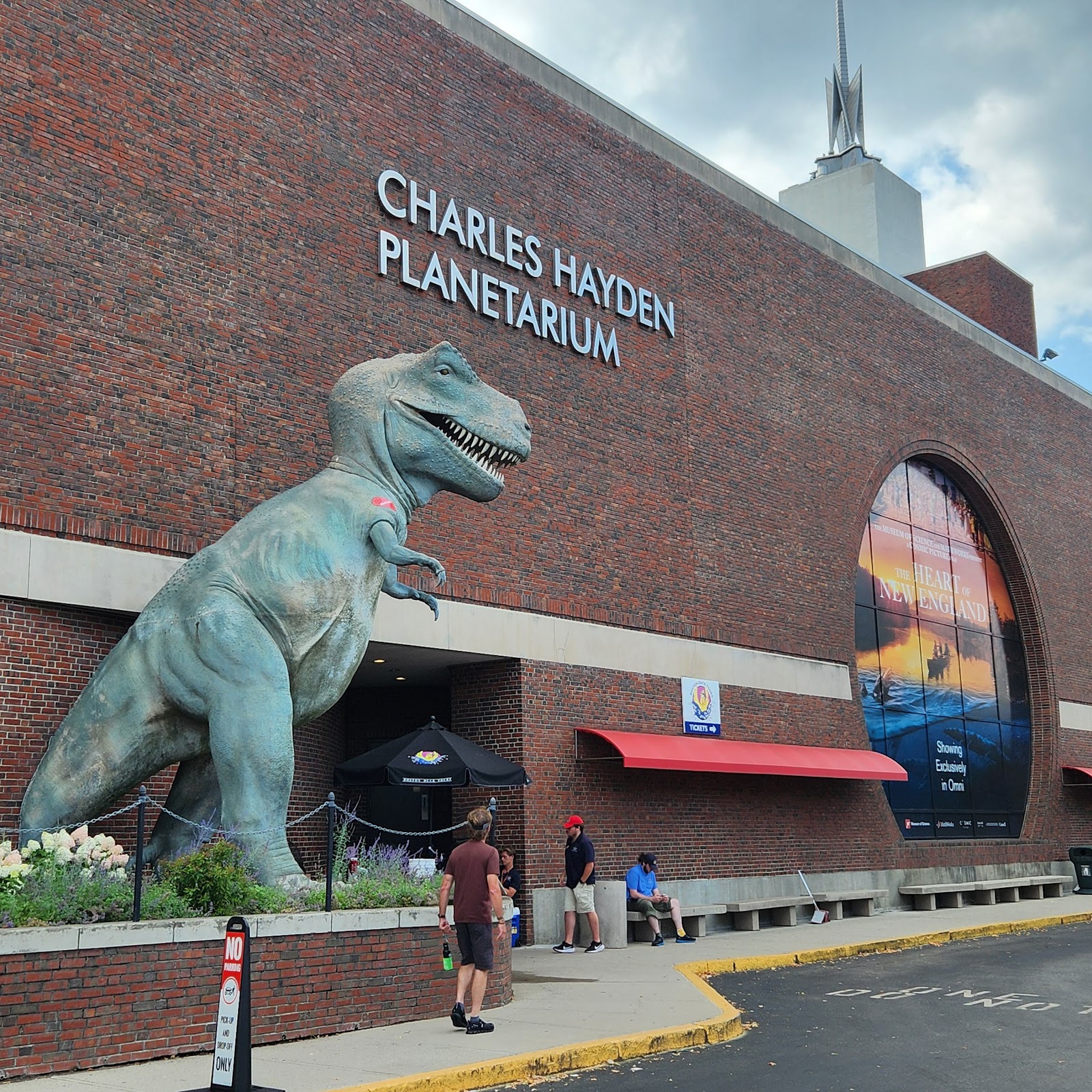
The Boston Museum of Science: Field Notes for a Wedding Photographer
A skyline room, an exhibit hall and an outdoor pavilion are three different problems with one booking.
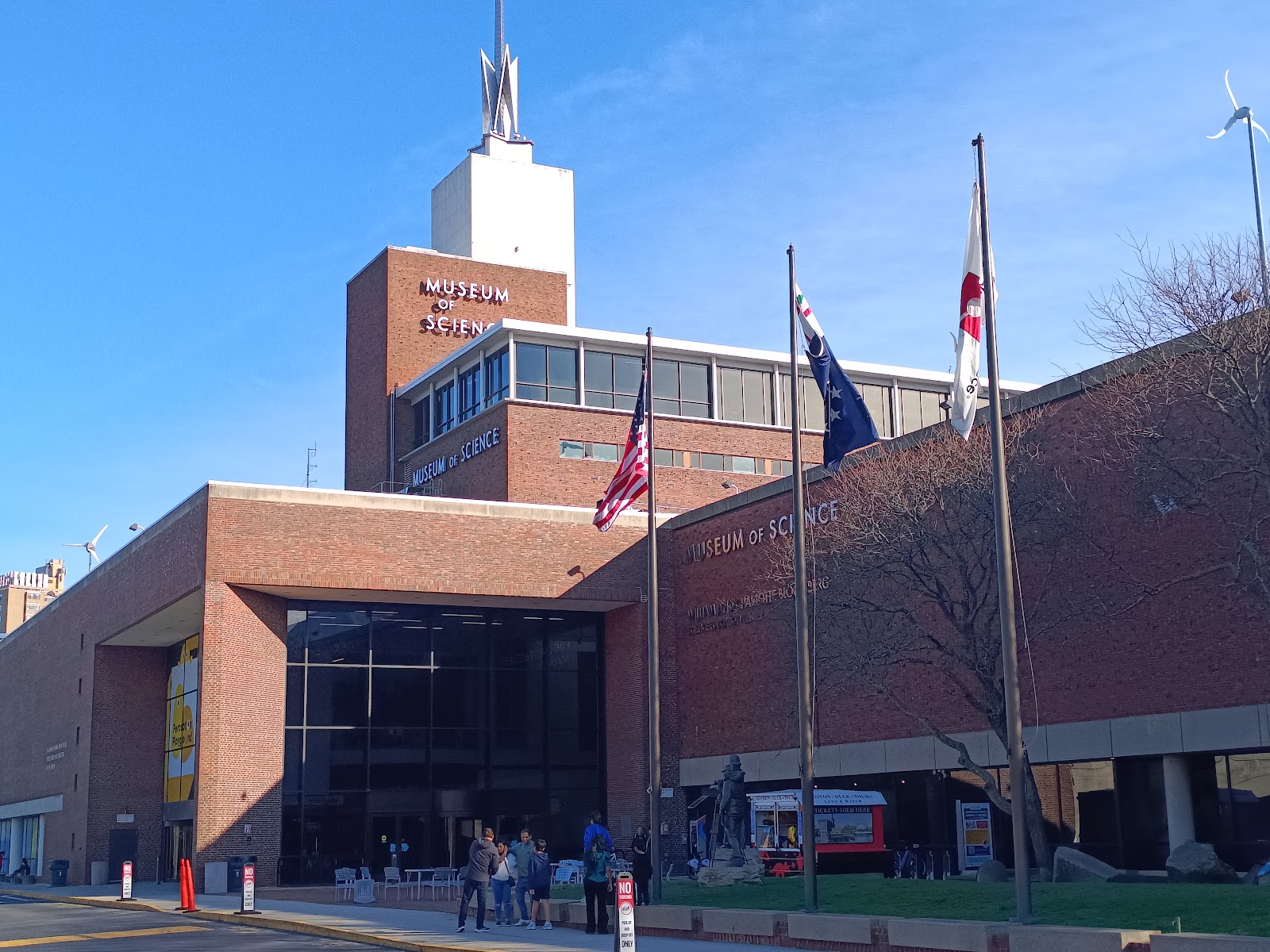
The Boston Museum of Science offers, by its own account, a range of options from a grand gala in a skyline room to a more intimate gathering in an outdoor pavilion.
That range is the thing to plan around, because the three kinds of space in a museum like this have almost nothing in common photographically. A glazed function room high in the building is a daylight space whose light changes hour by hour and inverts after dark. An exhibit hall is dark, internally lit and strongly coloured by displays that were designed to attract attention across a room. An outdoor pavilion is lit by the sky and governed by the weather. They want three exposures, three white balances and three different approaches.
These are field notes: the conditions you will meet and what each one needs. We have not photographed a wedding at the museum; science museums behave consistently. Which spaces a booking includes, whether exhibit lighting can be dimmed, and what the pavilion’s wet-weather arrangement is are the questions for their team.
The Boston Museum of Science at a glance
| Where | Beside the river, Boston, Massachusetts |
| Character | A science museum with exhibit halls, a glazed skyline room and a pavilion |
| Three conditions | Daylight and glass, coloured exhibit light, and open sky |
| Best light | The skyline room on the shaded side, and the pavilion at low sun |
| Ask first | Spaces included, exhibit dimming, pavilion wet-weather plan |
What you meet, and what each one needs
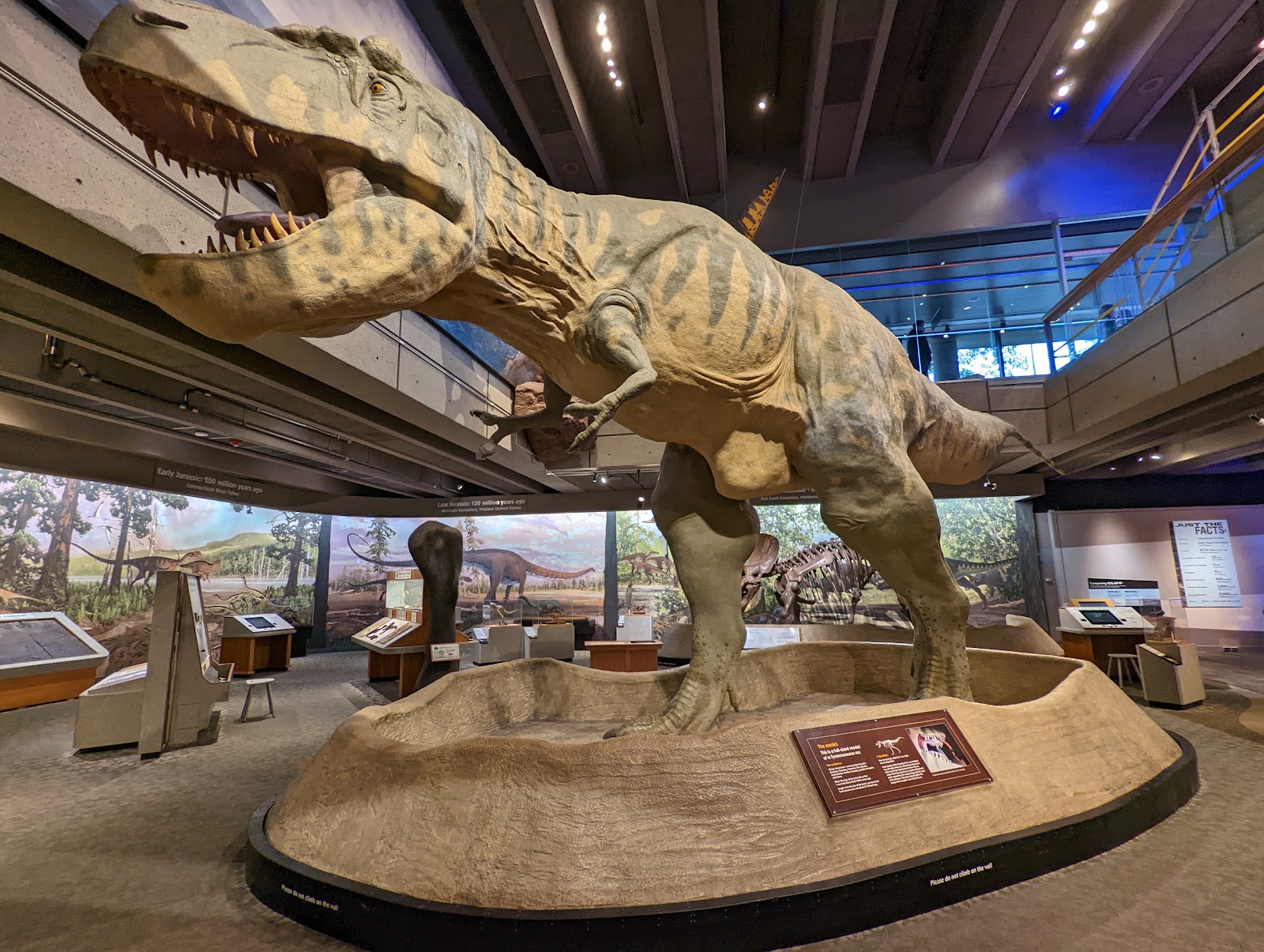
A glazed function room high in a building is the first condition and it is the best light in the museum. Large glazing behaves as a very large soft source close to the subject, with natural fall-off into the depth of the room behind, and a subject two metres back from the glass is lit better than any portable kit could manage at that scale.
Which elevation the glazing is on decides how the room behaves. A shaded side gives soft directional light all day with no hotspots anywhere in it; a sunlit side gives a hard patch several stops above the room and, through structural mullions, a grid of hard shadow — attractive on a wall or floor and unusable on a face. In a room glazed on more than one side, both conditions exist simultaneously and the useful five minutes on arrival is spent establishing which is which.
Height is the second condition and it is an asset. Being above the surrounding roofline means low sun reaches the room when the streets below are already in shadow, so the golden light arrives thirty or forty minutes earlier up there — worth extra time in the schedule. And a long lens from a height compresses the city into layered geometry behind a couple, where a wide lens turns it into a strip under a lot of sky.
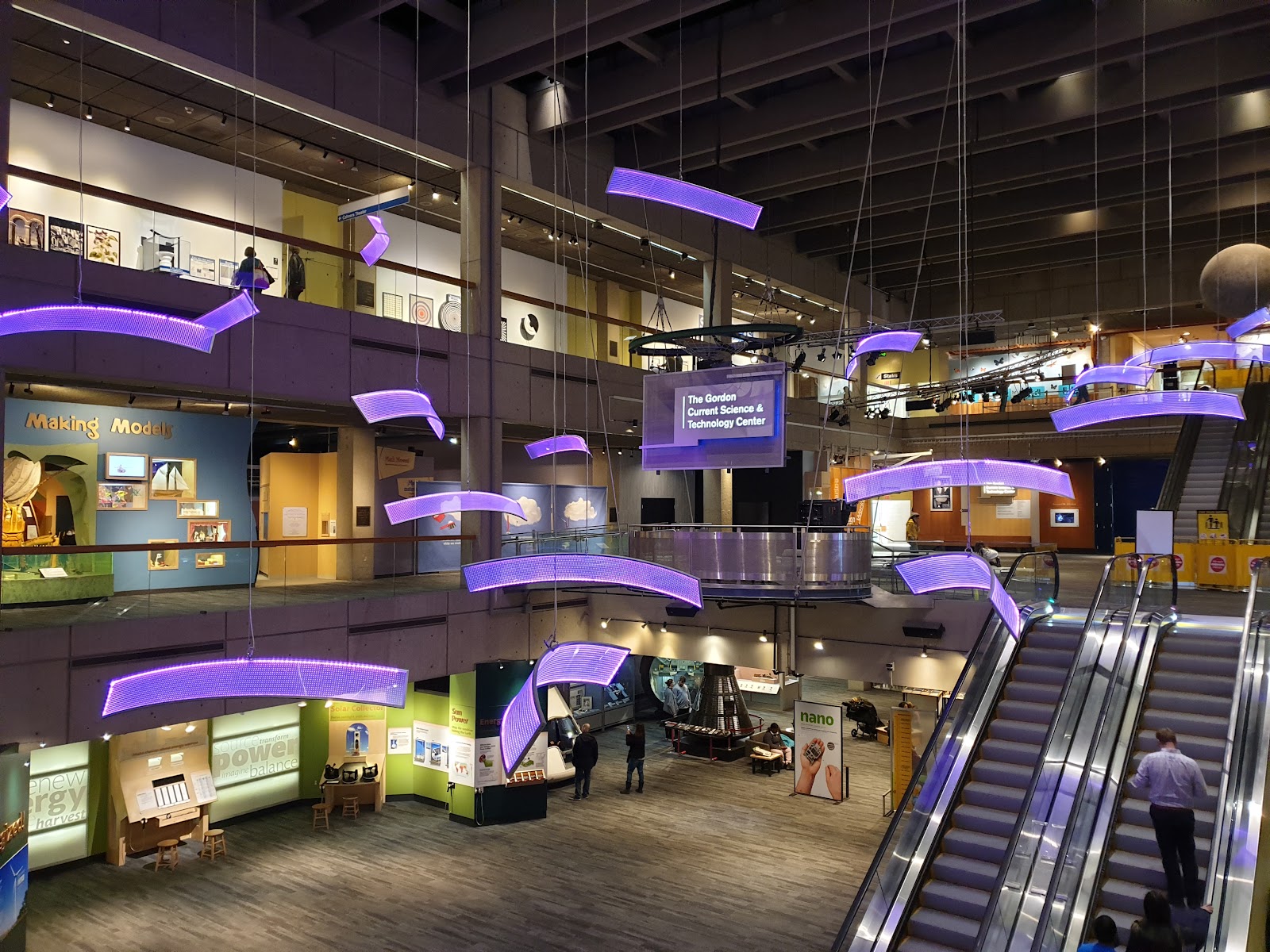
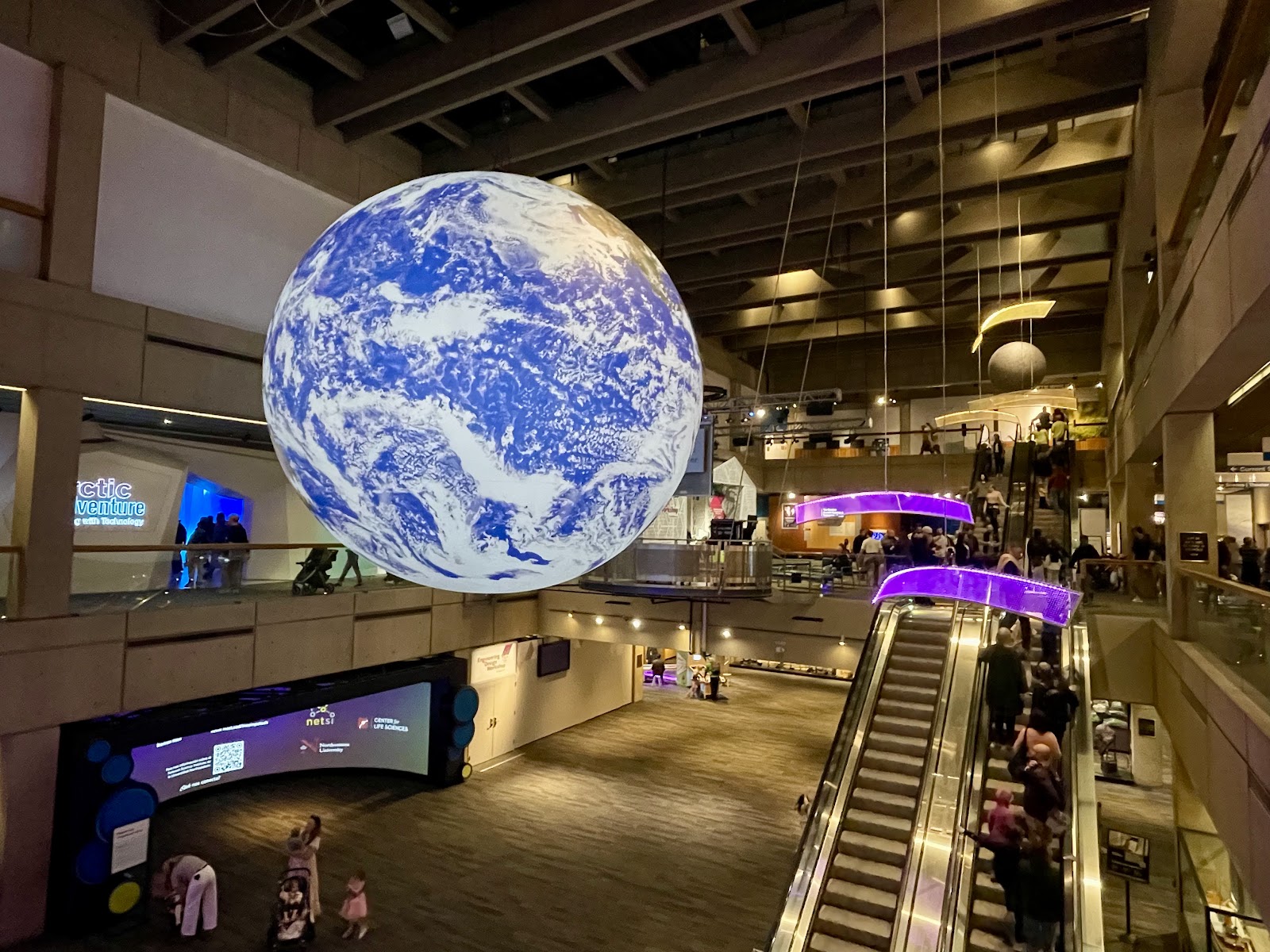
Exhibit halls are the third condition and they are the opposite. Science displays are designed to be seen across a dark room, which means they are internally lit, saturated in colour, sometimes moving, and frequently the brightest thing present. A face lit by a blue screen on one side and an amber display on the other has two colour casts at once, and white balance is a single global adjustment — it can correct one or the other, never both.
So one gelled source has to own the faces: off the camera axis at face height, bright enough to dominate the exhibit light falling on skin, with white balance set to the gel. The exhibits then stay as coloured as they are, which is what makes the frame, while the faces stay consistent. Dark halls also remove bounce entirely and the distances are real, so power and modifiers matter — and the compensation is steep fall-off, which gives free separation.
The outdoor pavilion is the fourth condition. Overhead cover is the thing to establish: a roof above with open sides makes it a large directional source, which is excellent light available all day and in rain, while an open pavilion is simply outdoors with a frame around it. The difference is large enough to change the plan.
The shape of the day, and the river
Because the exhibit halls do not change through the day and the glazed room and the pavilion do, the running order should be built around the daylight spaces. The skyline room in the last two hours, the pavilion in the last ninety minutes, and the exhibit halls whenever they fit — which is a different priority from the one most schedules assume.
The one timed frame is the dusk crossing and at a glazed room above a city it is exceptional. For roughly twenty minutes after sunset the city outside falls to about the brightness of the interior lighting, and one exposure holds the lit room, the couple and the skyline together. Take the sunset time, add fifteen minutes, be in position with the couple already there.
After it the glazing inverts completely: the lit interior becomes brighter than outside, so the windows reflect the room rather than showing the city, and in a heavily glazed room that reflection is a large proportion of the frame. Lights go off the camera axis, frames go oblique rather than square, and a glazed corner reflects from both sides at once — which is either the best frame of the evening or a mess depending on whether the stands are in shot. Check the corners before guests arrive.
A riverside position gives two further things. Water acts as a broad reflector, raising ambient and filling faces from below near any opening facing it, which is flattering when the sun is low. And it gives depth to compress: a long lens stacks water, bridges, the far bank and the city into layers where a wide lens reduces them to a strip.
Boston’s bridges are the specific riverside asset — steel structure, repetition and geometry that reads immediately — and they work best compressed or used as an overhead frame from a low camera on the bank.
Riverside wind is stronger and gustier than in the streets behind, which matters for a veil, for hair and for any light stand. And still water mirrors early in the day and breaks into texture as the breeze builds, so a reflection frame is a morning proposition.
- Find which glazed elevation is shaded in the first five minutes
- Height means the golden light arrives half an hour early — schedule for it
- One gelled source owns the faces in an exhibit hall; let displays stay coloured
- Establish whether the pavilion has a roof; it changes the plan
- Sunset plus fifteen in the skyline room, then check the glazed corners
Boston through the year, and what to ask
The most valuable question at a science museum is whether exhibit lighting can be dimmed or switched in the spaces a wedding uses. It frequently can, and the difference is large: a hall with most displays off and two left glowing converts thirty competing sources into two deliberate ones, which is dramatically better than anything equipment can achieve. That is a request to the events team rather than a technical problem.
The second is the pavilion’s wet-weather arrangement — what it is, how many it holds, and by what time the call is made. An outdoor pavilion in New England needs that answer in every season, and a museum is a good fallback precisely because it has real indoor capacity.
New England seasons differ sharply and they change this venue more than most, because so much of it depends on daylight. Summer is humid but rarely extreme, and the long June days put sunset late enough that the dusk crossing lands well into the reception — worth agreeing in advance as a short deliberate excursion, because it is the one frame that cannot be moved.
Autumn brings the region’s foliage peaking in mid-October, and from a height or across a river it reads as a coloured band on the far bank at a long focal length — a genuine asset and a different use of foliage from the overhead canopy most venues offer.
Winter is the hard season. Sunset falls in the middle of the afternoon in December, which means the glazed room’s daylight character may be gone before guests sit down and the dusk crossing may fall before or during the ceremony. A riverside pavilion in a north-easterly is genuinely cold, so outdoor blocks become three or four minutes. Snow compensates as the best natural fill there is, lifting exactly the shadows a low sun carves while fooling a meter by about two stops.
Coastal fog in spring and early summer is worth stepping out for: from a height it separates the city into receding planes, and on a river it reduces bridges and far banks to soft shapes. It is the weather most likely to produce the best frame of the day.
One equipment note for this climate and this building: a warm museum interior and cold outside air will fog a lens in both directions, and a glazed room high in a building is the worst place to discover it, because the crossing frame will not wait. Get a body out to ambient temperature well before the window rather than carrying it up cold.
More frames from The Boston Museum of Science
The Boston Museum of Science wedding photography: common questions
Where is the best light in the museum?
The glazed skyline room, on whichever elevation is shaded. Large glazing is a very large soft source close to the subject, and two metres back from it beats anything portable.
Why does height help?
Because above the surrounding roofline low sun arrives while the streets are already in shadow, so the golden light starts thirty or forty minutes earlier — worth extra time in the schedule.
Why can't white balance fix the exhibit halls?
Because it is one global adjustment. A face lit by a blue screen on one side and an amber display on the other has two casts at once, and correcting one leaves the other wrong.
What should be checked about the pavilion?
Whether it has a roof with open sides, which makes it a large directional source usable all day and in rain, or whether it is simply outdoors with a frame around it. The difference changes the plan.
What is the most valuable request?
Whether exhibit lighting can be dimmed. Two displays glowing in an otherwise dark hall beats thirty competing ones, and it is a request to the events team rather than an equipment problem.
What does December change?
A great deal. Sunset falls mid-afternoon, so the glazed room’s daylight may be gone before guests sit down and the crossing may fall before the ceremony — and a riverside pavilion in a north-easterly limits outdoor blocks to minutes.
More Boston, MA venue guides
We are writing a photographer’s guide to every venue we would happily shoot in Boston, MA. Here are three more, plus the full index:
- The Boston Public Library: A Walk Through a Renaissance Revival Landmark
- The Envoy Hotel, Boston: The One Decision That Governs Everything
- The Fairmont Battery Wharf, Boston: One Frame and How It Is Made
All Boston, MA Wedding Venues →
Planning a wedding at The Boston Museum of Science?
Ask about dimming the exhibits and the pavilion’s roof. Tell us your date.