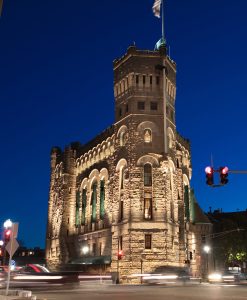
 The Somerset Club on Beacon Street: Is It Right for You?
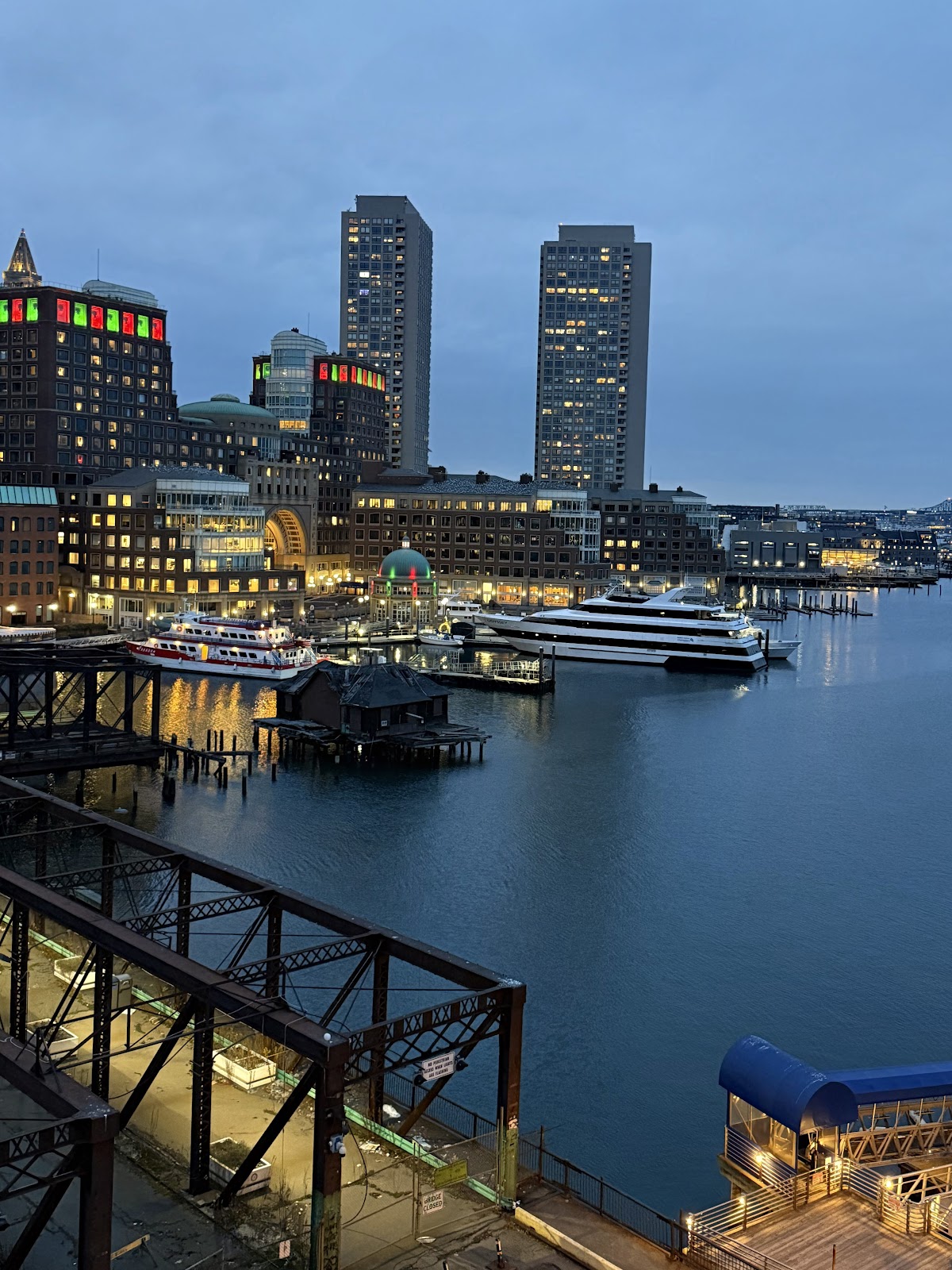
The Envoy Hotel, Boston: The One Decision That Governs Everything
Floor-to-ceiling glass means the brightest thing in every room is a window. That is the decision.
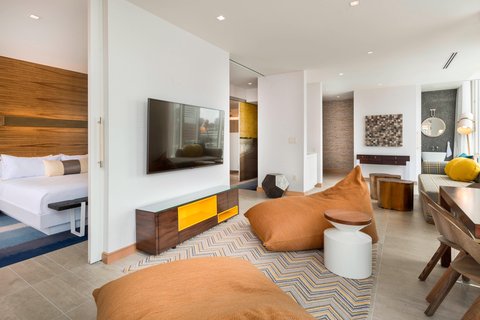
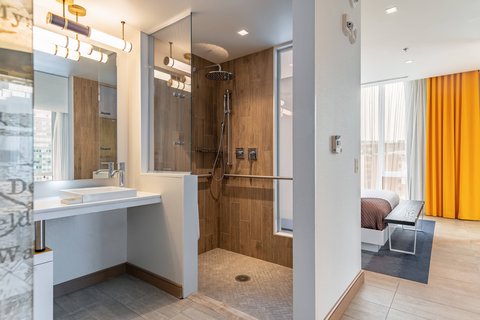
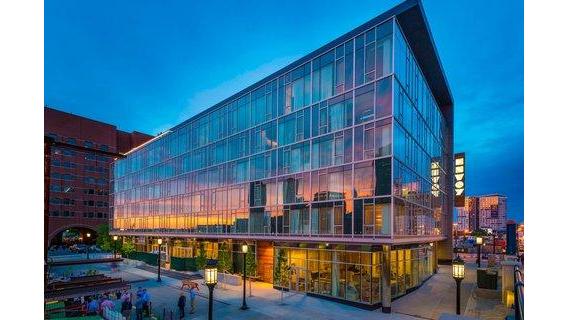
The Envoy Hotel’s bold contemporary design features floor-to-ceiling windows that, in its own words, flood the spaces with natural light — promising a lit-from-within kind of elegance.
One decision governs every frame in a building like this, and it is what you do about the window. Floor-to-ceiling glazing is a genuinely large soft source and the best light a modern interior can have; it is also four to six stops brighter than the room it lights during daylight hours, which means no single exposure holds both a legible view and a correctly exposed face. There are exactly three honest answers, and the failure is never choosing one — letting the window blow to white by accident and then trying to recover a city that was never recorded.
Made once, deliberately, the decision settles the whole day. This is written around it. We have not photographed a wedding at the Envoy; heavily glazed contemporary hotels behave consistently. Which elevation the main glazing faces, whether the roof terrace is bookable and at what hour, and whether the function room lighting is adjustable are the questions for their team.
The Envoy Hotel at a glance
| Where | Boston, Massachusetts |
| Character | A contemporary hotel with floor-to-ceiling glazing |
| The decision | What you do about a window four to six stops brighter than the room |
| Three answers | Blow it, match it with light, or wait for the crossing |
| Ask first | Glazing orientation, roof access and hour, function lighting control |
The three answers, and when each one is right
The first answer is to expose for the room and let the window go white. That is not a failure if it is chosen: a floor-to-ceiling window as a large graphic white shape behind a warm interior is a legitimate frame, and in a bold contemporary room it often reads as deliberate rather than as a mistake. It also gives the cleanest possible background — nothing in it at all — which in a busy room is worth a great deal.
The second answer is to expose for the view and light the couple to match it. One source at roughly the window’s brightness holds both a legible skyline and a correctly exposed face, and it is the frame people actually want from a room with a view. It needs real power rather than a small flash, because you are competing with daylight rather than with a lamp, and it needs the source well off the camera axis so it does not reflect back off the glass.
The third answer is to wait for the levels to converge, which they do once a day. In the fifteen to thirty minutes after sunset the outside falls to about the brightness of the interior lighting, and a single exposure holds the lit room, the couple and the city behind them with no added light at all. That window is the most valuable thing in the building and it does not come back — take the sunset time, add fifteen minutes, and be in position with the couple already there.
Which answer is right depends on what is outside. If the view is genuinely good — water, skyline, something specific — the second and third answers matter and the first is a waste. If the view is a car park or the side of another building, the first answer is not a compromise at all: blowing the window to white is the correct treatment and it should be chosen on arrival rather than agonised over later.
So the first five minutes are spent looking out of the windows rather than at the rooms. Which elevation faces what, and which face is shaded at the relevant hour, determines everything after it.
A shaded elevation is the one to work on during the day: it gives soft directional light with no hotspots anywhere in it. A sunlit one gives a hard patch several stops above the room and, through structural mullions, a grid of hard shadow across anything in it — attractive on a floor or a wall and unusable on a face.
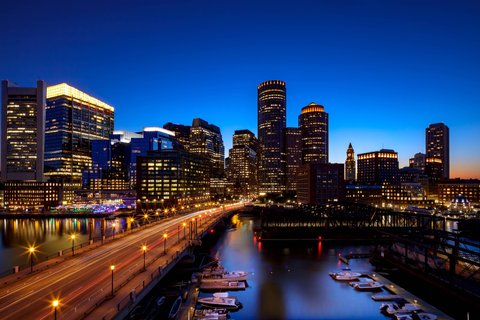
What follows: position, reflection, and the roof
Position against glass is the technique that makes the light work. Pressed against a floor-to-ceiling window a subject is lit from a very oblique angle with the far side of the face falling away sharply; two metres back the same window covers them evenly — soft, still clearly directional, and with enough level that the room behind still reads rather than dropping to black. Two metres back is almost always the answer.
Turning the subject relative to the glass gives three setups without moving anything: facing it, which is broad and even; side-on, which is the classic portrait position with a shadow side; and back to it, which gives a strong rim and needs fill from the front.
After dark the glass inverts completely and in a heavily glazed building the effect is larger than usual. The lit interior becomes brighter than the outside, so whole walls become mirrors rather than a few reflective panes, and wide frames that worked in the afternoon are cluttered at nine. Lights go off the camera axis, frames go oblique rather than square, and the reflection becomes usable material rather than damage — a couple and a lit room doubled in dark glass with city lights beyond is a good frame if no light stand is in it. A glazed corner reflects from both sides at once, which is either the best frame of the evening or a mess; check the corners before guests arrive.
A roof terrace, where the hotel has one, is worth asking about specifically, because it follows outdoor rules entirely. Nothing bounces, so every source is direct; the ambient after dark is close to zero; and the good light is confined to the last forty minutes of daylight and roughly twenty minutes after sunset. Above the surrounding roofline low sun arrives earlier than at street level, which is worth extra time in the schedule.
Rooftop wind is stronger and gustier than in the streets below, so a veil becomes a held-or-removed decision and any light stand needs real weight rather than good intentions — on a roof that is a safety matter as well as a photographic one.
Contemporary interiors are spare, which means backgrounds have to be built rather than found: depth, a long lens at a wide aperture, one directional source to make a shadow side, and placement against the darkest element available. Pale on pale under even light is the default failure in any modern building, and negative fill — something dark on the shadow side of a face — fixes it more cheaply than another light.
- Look out of the windows in the first five minutes, not at the rooms
- Two metres back from the glass, not pressed against it
- If the view is poor, blow it to white deliberately and move on
- Sunset plus fifteen is the appointment; after it, whole walls are mirrors
- Check the glazed corners before guests arrive
Boston through the year
Seasonal light changes this venue more than it changes most, because so much of its character depends on daylight coming through glass.
Summer is humid but rarely extreme, and the long June days put sunset late enough that the crossing lands well into the reception — worth agreeing with the couple in advance as a short deliberate excursion, because it is the one frame in the building that cannot be moved.
Autumn brings the region’s foliage peaking in mid-October, and from behind glass or from a roof it reads as a coloured band in the middle distance at a long focal length rather than as canopy overhead. That is a genuinely good use of it and it lasts about two weeks.
Winter is the hard season for a glass building. Sunset falls in the middle of the afternoon in December, which means the daylit character of the rooms may be gone before guests sit down and the crossing may fall before or during the ceremony rather than after it. A December wedding here is a substantially different day from a June one, and the schedule should reflect that rather than discover it.
Winter also brings the best version of the crossing, though, because a cold clear evening gives a deeper and longer-lasting colour in the sky than a humid summer one. And snow is the best natural fill there is, lifting exactly the shadows a low sun carves while fooling a meter by about two stops — and snow seen through floor-to-ceiling glass, with a warm lit room inside, is one of the better frames a building like this offers.
Coastal fog in spring and early summer and nor’easters in winter are both real possibilities, and a heavily glazed hotel handles weather unusually well: the interior still has daylight and a view of the weather rather than being sealed off from it, so a storm changes the frames rather than removing them. Rain running down floor-to-ceiling glass with a warm room behind it is a frame worth taking rather than waiting out.
One equipment note: a heated dry winter interior and cold outside air fog a lens comprehensively in both directions, and a roof terrace is the worst place to discover it because the crossing will not wait. Get a body out to ambient temperature well before the window rather than carrying it up cold.
More frames from The Envoy Hotel
The Envoy Hotel wedding photography: common questions
What is the one decision?
What to do about a window four to six stops brighter than the room. Blow it to white deliberately, light the couple to match the view, or wait for the crossing — but choose one.
How do you know which answer is right?
By looking out of the windows in the first five minutes. If the view is specific and good, match it or wait for the crossing; if it is a car park, blowing it to white is the correct treatment.
How far back from the glass should a subject stand?
About two metres. Pressed against it the light is very oblique and the far side of the face falls away; two metres back it is soft, still directional, and the room behind still reads.
What happens after dark?
Whole walls become mirrors, not just a few panes. Lights go off-axis, frames go oblique, and a glazed corner reflects from both sides at once — check the corners before guests arrive.
What does a roof terrace need?
Direct light, since nothing bounces; one source on the faces after sunset; weighted stands for rooftop wind; and a body already at ambient temperature so it does not fog at the crossing.
How does December change the day?
Substantially. Sunset falls mid-afternoon, so the rooms’ daylit character may be gone before guests sit down and the crossing may fall before the ceremony rather than after.
More Boston, MA venue guides
We are writing a photographer’s guide to every venue we would happily shoot in Boston, MA. Here are three more, plus the full index:
- The Fairmont Battery Wharf, Boston: One Frame and How It Is Made
- The Four Seasons Boston: One Frame and How It Is Made
- The InterContinental Boston: What It Suits and What It Does Not
All Boston, MA Wedding Venues →
Planning a wedding at The Envoy Hotel?
One decision, made in the first five minutes. Tell us your date and we will make it.