Oregon is two states photographically and the line between them is the Cascade crest, which intercepts nearly all the moisture coming off the Pacific. West of the crest the dominant condition for most of the year is a high, even overcast: the great majority of the rain falls between October and May, much of it as prolonged light rain rather than downpours, under continuous grey cloud.
For a photographer that is a softbox the size of the sky and it is genuinely the most forgiving portrait light there is — shadows soft to non-existent, even illumination at any hour, no bad time of day, and skin tones that need almost no work. What it costs is sky: a flat white overcast contributes nothing to a wide frame, so exclude it, fill the frame with architecture or planting, put the horizon high, and let colour and texture carry the picture. A frame composed for an interesting sky on an overcast Oregon day will always disappoint; one composed for saturated green and wet brick will not.
Wet is the other thing to use rather than wait out: light rain saturates brick, stone, timber, paving and foliage, and wet surfaces are considerably darker and more three-dimensional than dry ones, with reflections giving a free second image. Carry a cloth for the front element and work. East of the crest none of that applies.
The high desert of central Oregon is dry and clear, with far more sun, which produces the opposite instincts: shadows hard and four or five stops below the lit subject with almost no fill available in the air, so whatever fill you want you bring; a deeply saturated sky worth composing into a wide frame rather than excluding; distance resolving with extraordinary clarity, so a long lens at the Cascade volcanoes on the horizon is genuinely usable; and, at elevation, stronger ultraviolet so sunburn happens faster than anyone plans for.
The diurnal range east of the mountains is also large, which is the dry-air signature — a summer day reaching the mid thirties can be near ten degrees by ten at night, so an outdoor evening reception needs heating and frost is possible in almost any month at elevation. Bring Puget Sound instincts west of the crest and desert instincts east of it, and do not mix them up.
Two conditions are shared across the state and both are worth planning for. The first is the latitude, which at about forty-four to forty-five and a half degrees north produces a large seasonal swing and one very useful number: civil twilight runs between about thirty-two and thirty-four minutes in midsummer, among the longest in this library, with a genuinely usable balance point of sixteen to nineteen minutes. That is enough for two positions rather than one. In late June the sun sets after nine with around fifteen and a half hours of daylight; in late December it sets before half past four with under nine.
The midsummer noon sun reaches only about sixty-eight to seventy degrees, meaningfully lower than the South's, so even a clear midday has direction in it and open shade works properly, while the midwinter noon sun sits near twenty-one to twenty-two degrees and rakes any surface all day — excellent light in short supply. The second shared condition has grown since the late twenty-tens and it needs stating plainly: wildfire smoke.
August and September now bring smoke to the region with some regularity, from fires in Oregon, Washington, Idaho, California and British Columbia, capable of filling a valley for days, turning the light orange, flattening all contrast and producing air quality that makes an outdoor event genuinely inadvisable. It cannot be forecast far ahead, so a late-summer outdoor plan in this state needs an air-quality contingency as well as a weather one — and at a venue whose whole argument is a landscape, the specific cost is that the landscape is not there.
One further hazard applies in the Columbia Gorge, which cuts a deep gap through the Cascade range: that gap funnels wind, driven by pressure differences between the interior and the coast, west in summer and east in winter, sometimes strongly and for days at a time. Properties near the Gorge are windier than their inland-looking settings suggest, and in winter an east wind out of it brings cold dry air and, in the right conditions, freezing rain — the region's genuinely difficult weather and a travel problem for guests and suppliers.
Season by season, west of the crest July into early September is the dry season and it surprises visitors: reliably sunny, warm rather than hot, and essentially rainless, which makes it the most dependable outdoor window and the reason the region's wedding season is compressed and those dates book first.
October through May is the soft season and better than its reputation, because this is evergreen country — Douglas fir, western red cedar and western hemlock hold dark green mass through the winter, and moss on trunks, walls, roofs and paving is at its most vivid in the wet months, so a February frame here carries more colour than a February frame almost anywhere else. Winter's real constraint is darkness rather than cold, since it is mild and rarely freezes hard except in a Gorge east wind: under nine hours of mostly overcast daylight puts the usable outdoor window on a December day between about nine and half past three.
East of the crest the calendar is different. Late April into early June is the best window, with clear air, comfortable temperatures, the sage and grasses at their greenest and most saturated, and wildflowers — with the caveat that seasonal raptor closures at some sites fall in exactly that period. Late September into October is the other strong window and arguably better for reliability: the heat gone, the clearest air of the year, low light through the whole afternoon, thinner crowds and low clear water in the rivers.
July and August east of the mountains are hot, reliable and difficult, with the middle of the day unusable on bare rock in the absence of shade, so the schedule has to be pushed hard to the two ends. Afternoon thunderstorms build over the Cascades and drift east through summer afternoons, and on open high desert with no shelter at all, lightning is a safety matter rather than an inconvenience — know how long it takes to reach a vehicle and go early rather than late.
And in both halves of the state the compensation is the half hour after a storm clears: the air washes to clarity, wet rock and wet brick go several tones darker and far more saturated, water stands and reflects, and a low sun comes under a broken ceiling. If a cell goes through at six, do not pack.
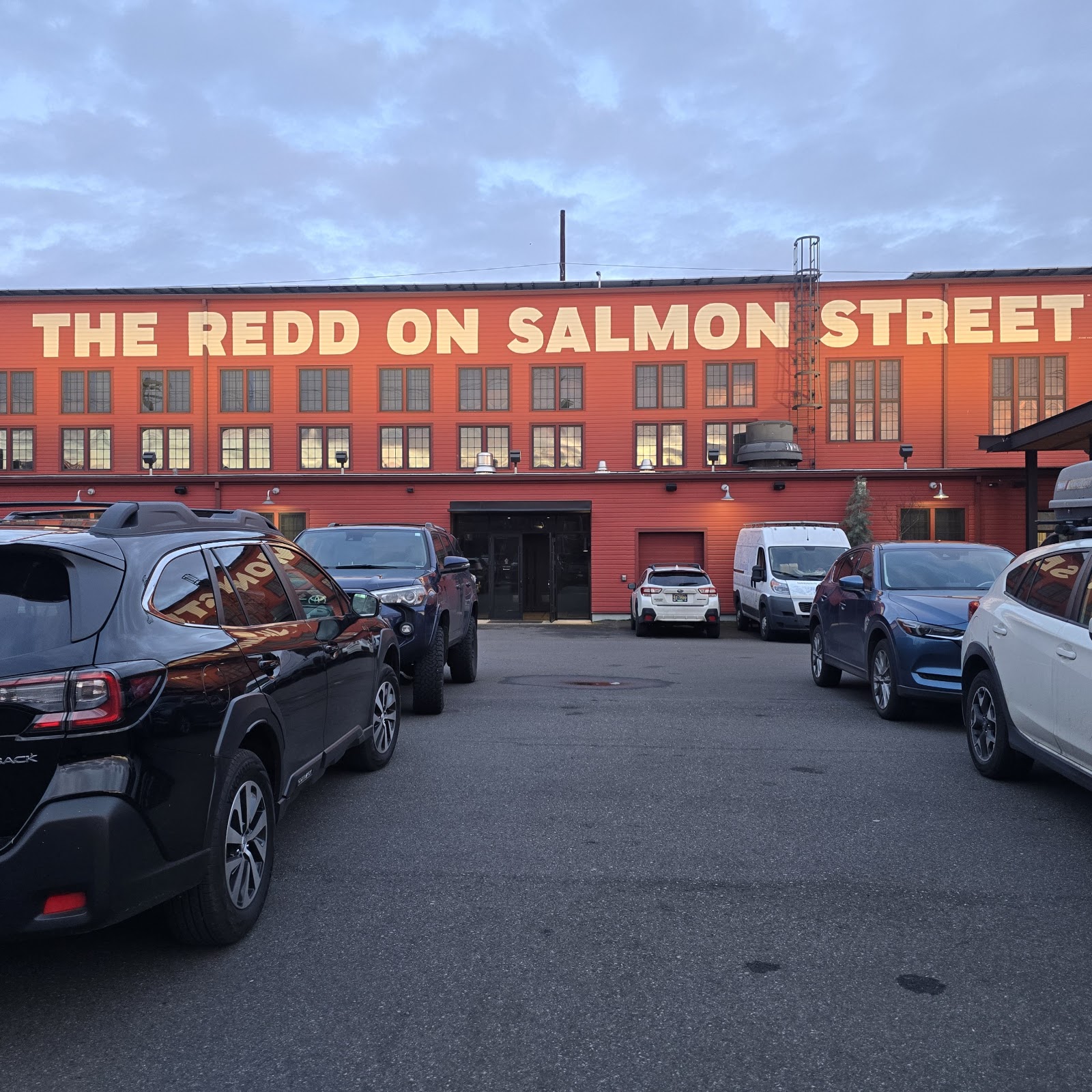
The Redd on Salmon Street: Building the Shot List
Two linked warehouse buildings on Portland's central east side, home to Ecotrust's food and farms hub. Timber, steel, roll-up doors and a working-building feel.
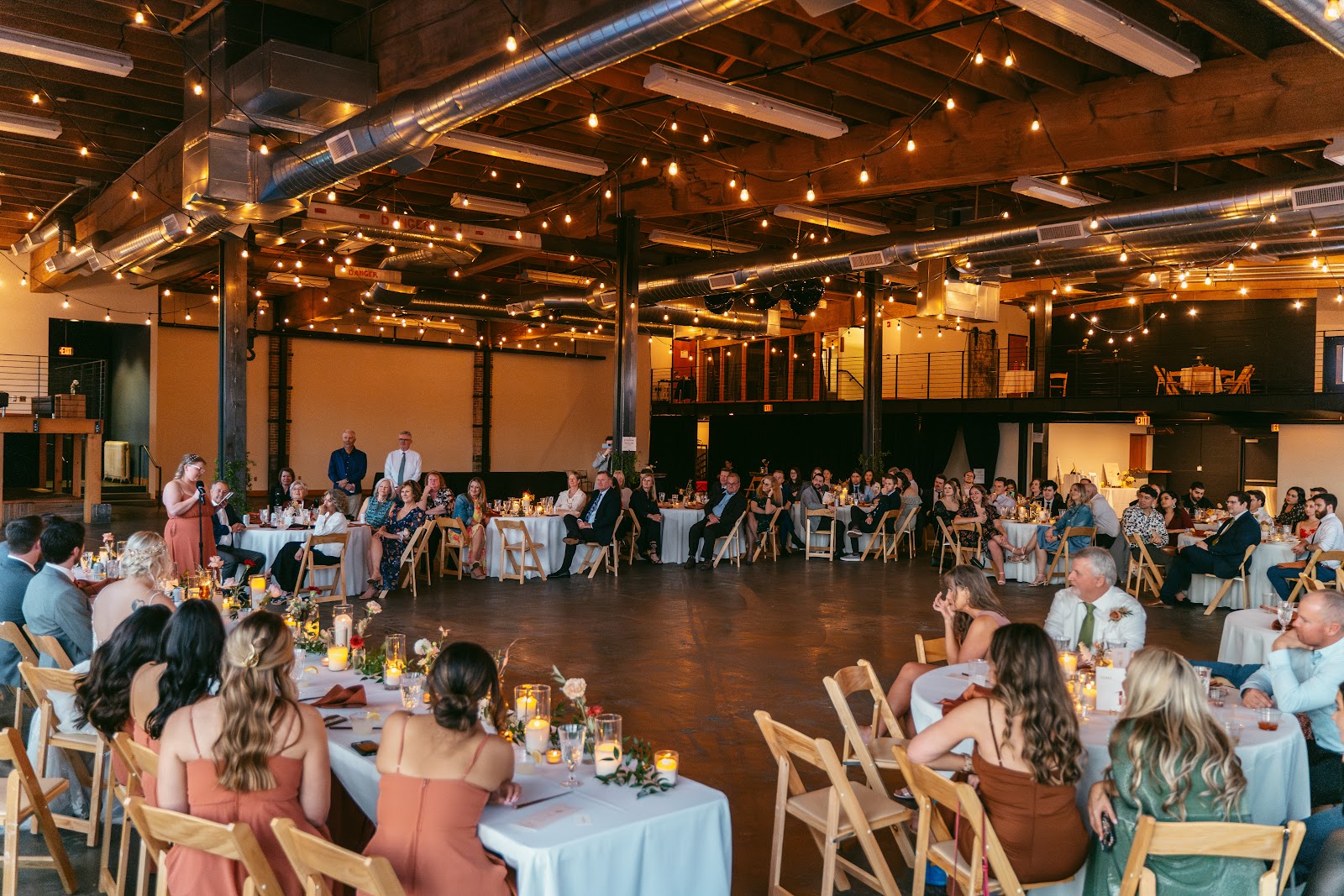
Leftbank Annex: Field Notes on an Industrial Venue
A big, raw, open industrial space near the Willamette on Portland's inner east side. Total creative freedom, and a room that gives a photographer nothing for free.
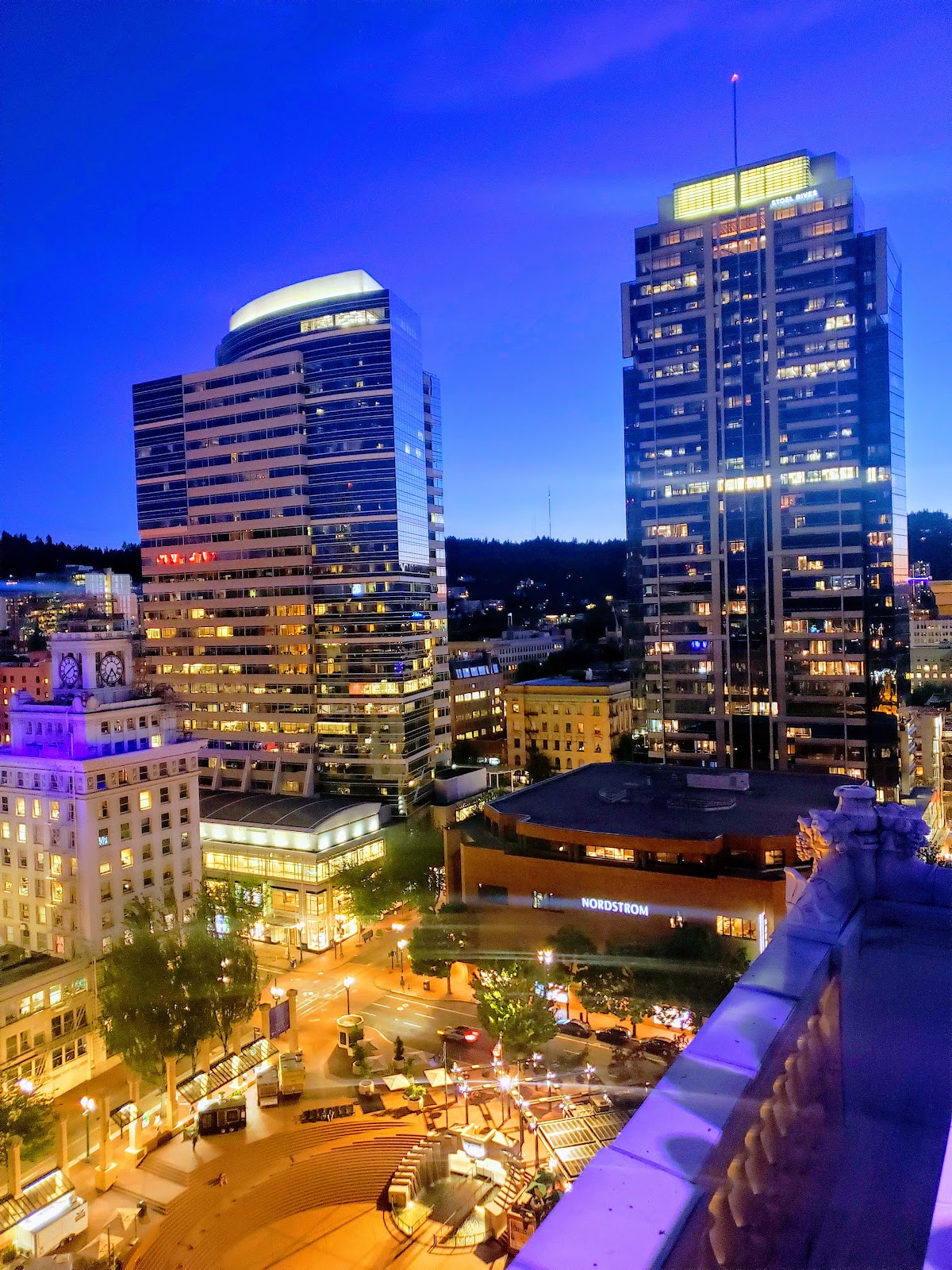
The Nines: A Walk-Through for Wedding Photographs
Built inside the upper floors of the historic Meier & Frank department store, with a glass-roofed atrium at its centre. The atrium is the whole photographic story.
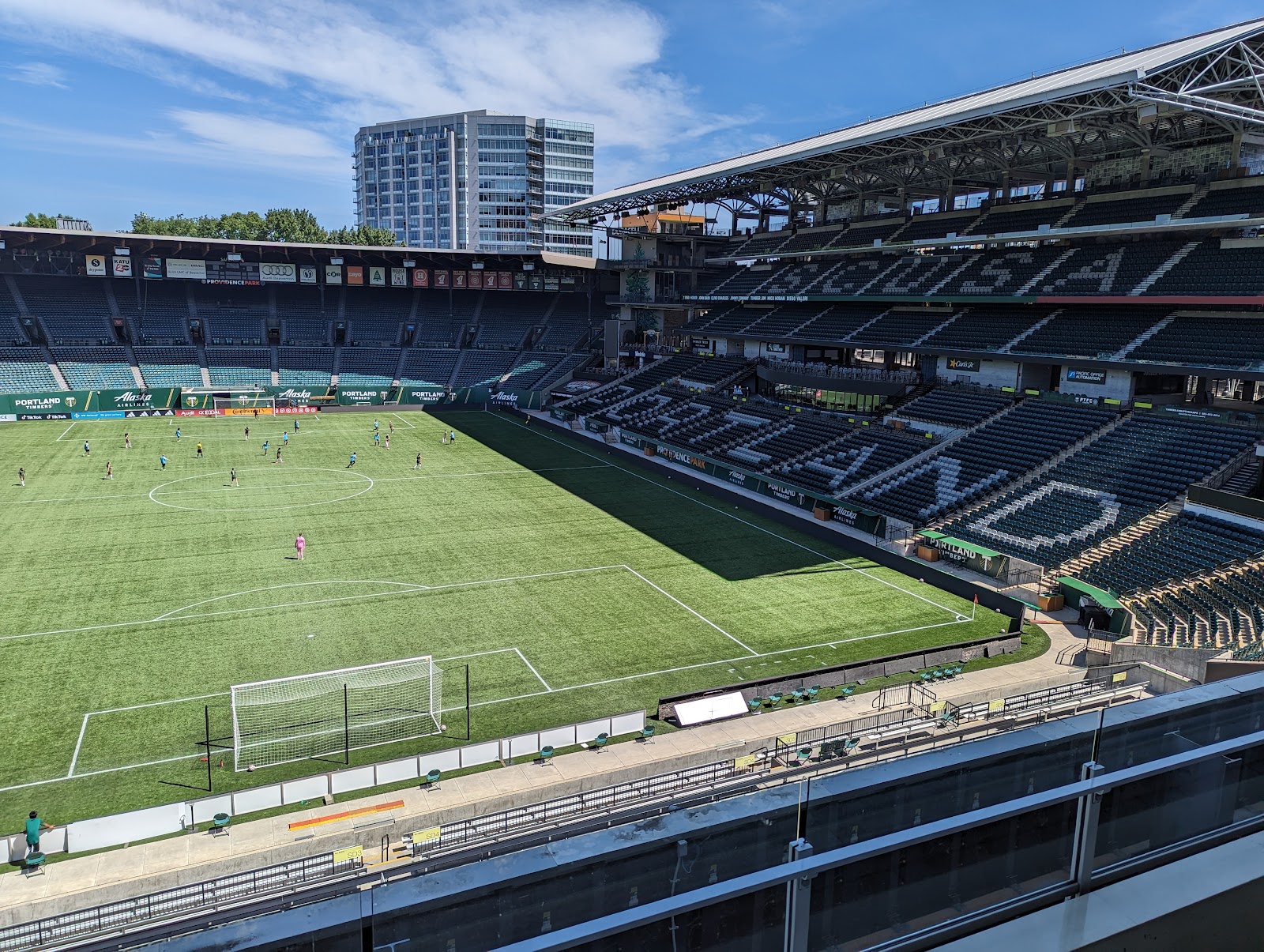
Multnomah Athletic Club: Is It Right for Your Photographs?
A private athletic club founded in 1891, beside Providence Park in Portland's West End. Polished, spacious and private — with the constraints that private clubs bring.
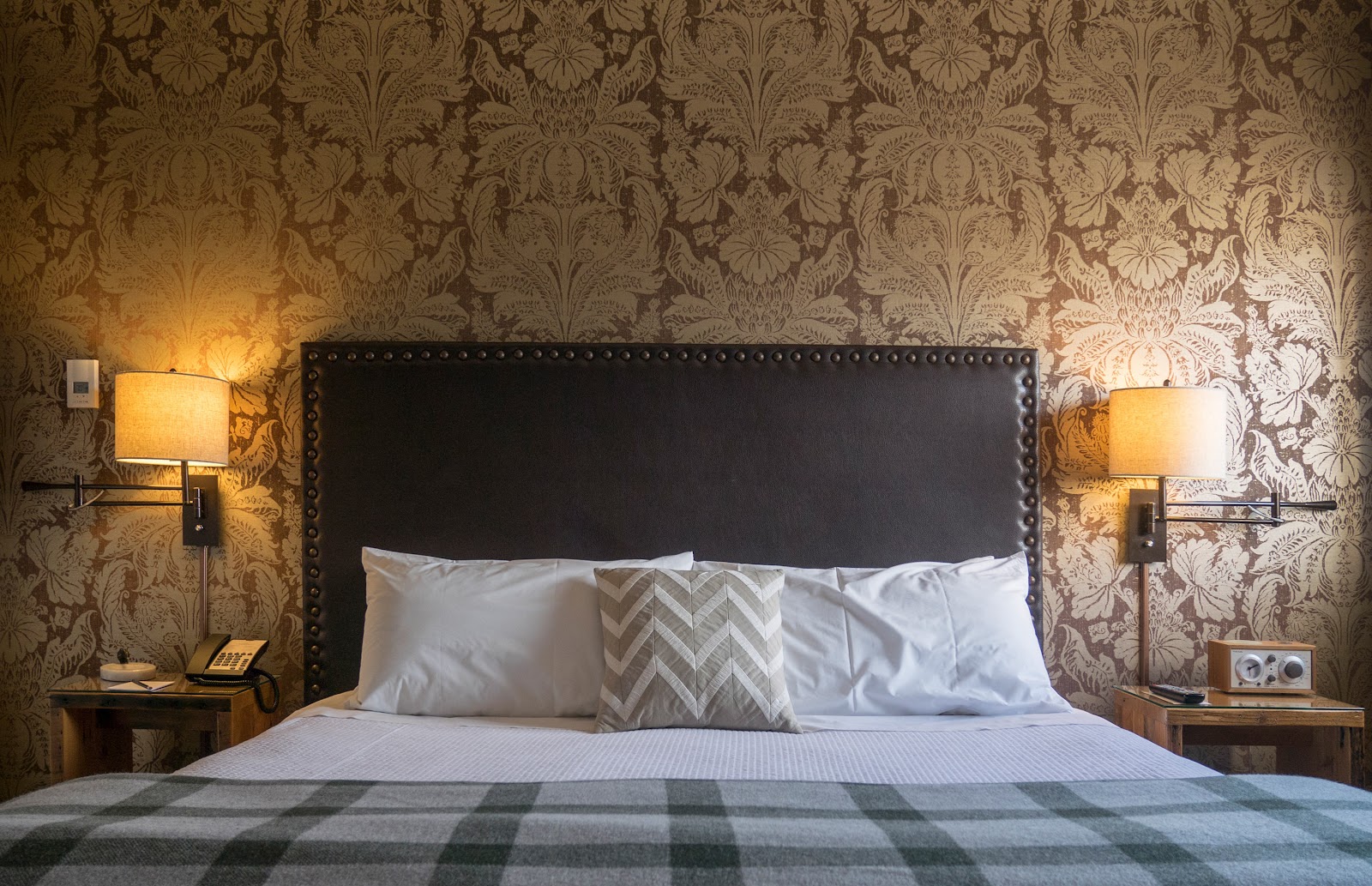
Sentinel Hotel: Reading the Light, Building the Timeline
A downtown Portland hotel formed from two early 1900s buildings, including a former Elks lodge with an ornate ballroom. Grand interiors, and almost no daylight in them.
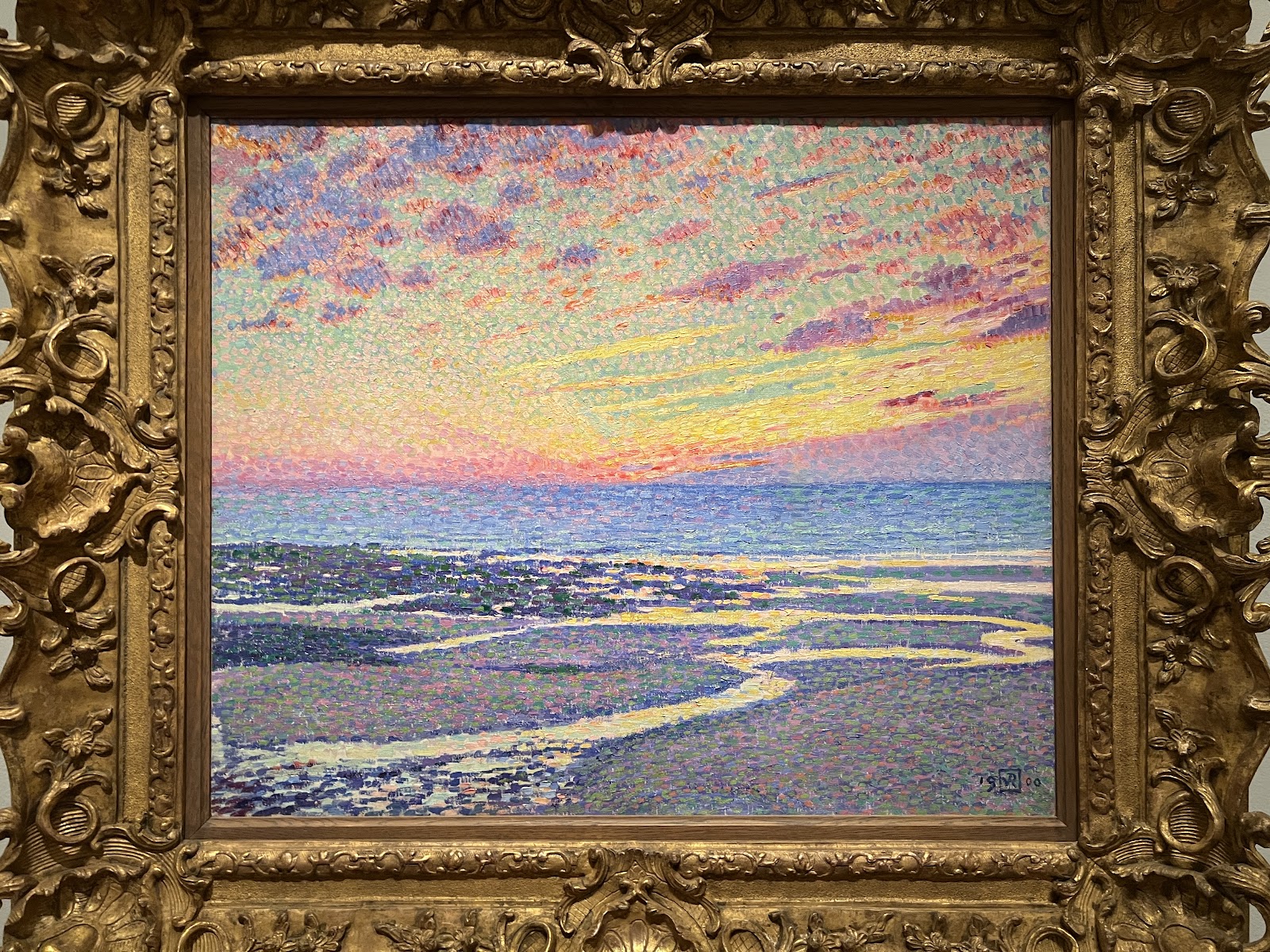
Portland Art Museum: Planning the Shot List
The oldest art museum in the Pacific Northwest, founded 1892, with a Pietro Belluschi-designed building. Museum lighting is the challenge; the architecture is the reward.
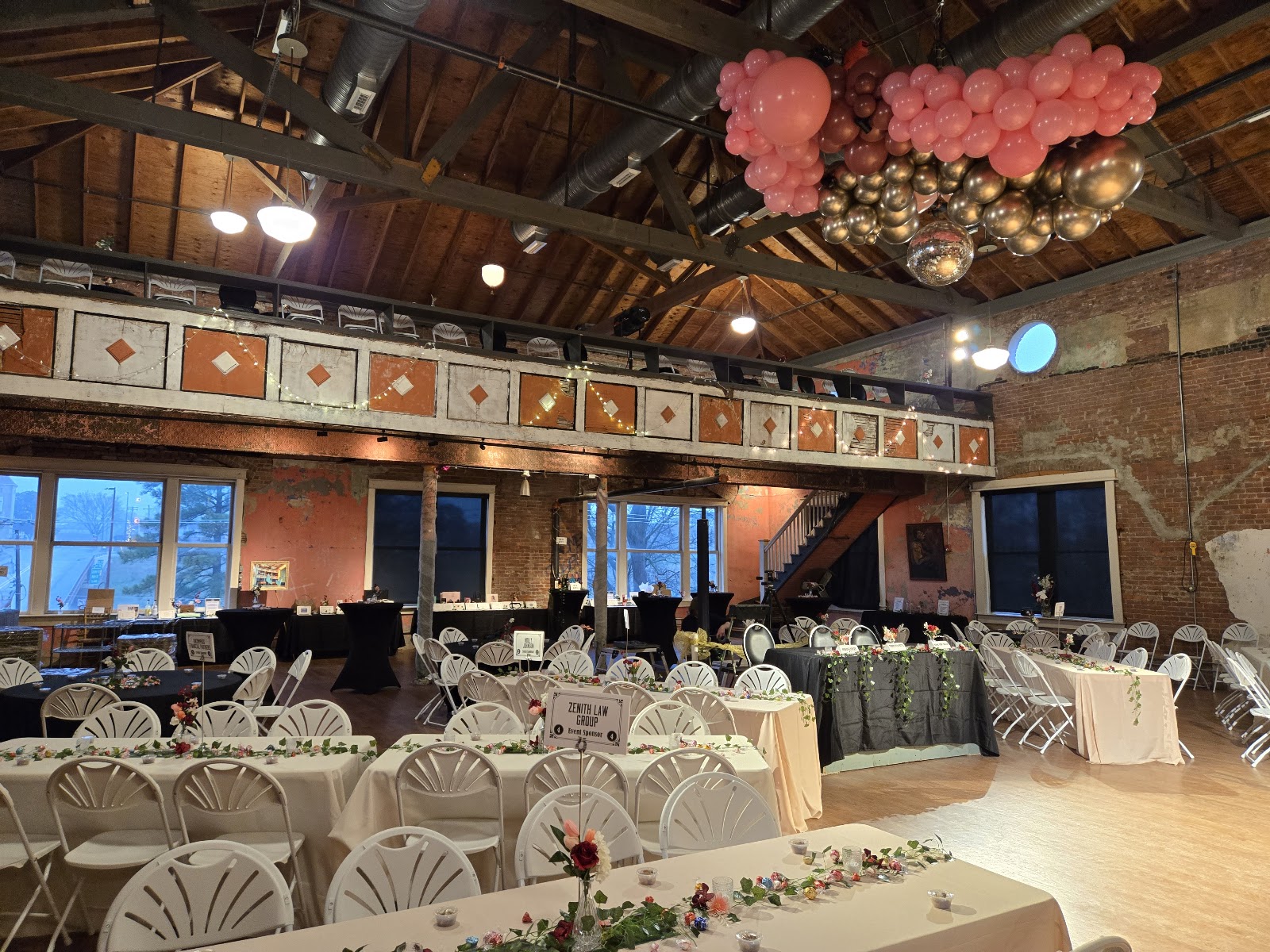
Shooting a Wedding at the Crystal Ballroom: The Technical Side
A 1914 room on the third floor of a downtown Portland building, with a mechanical floating dancefloor and lighting built for bands rather than weddings. A technical guide.
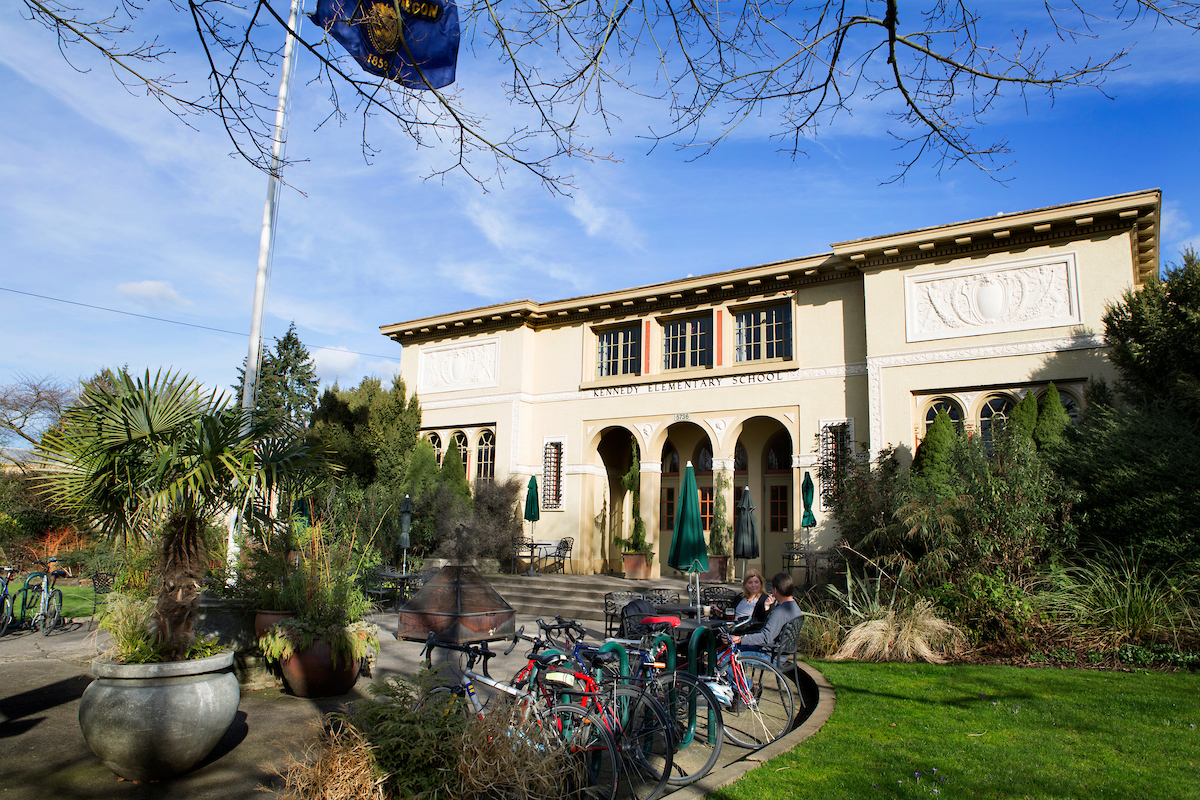
McMenamins Kennedy School: Field Notes for a Wedding Photographer
A 1915 schoolhouse in Northeast Portland turned hotel, bar and event space. Enormous character, tungsten light everywhere, and painted walls that will colour-cast your skin tones.
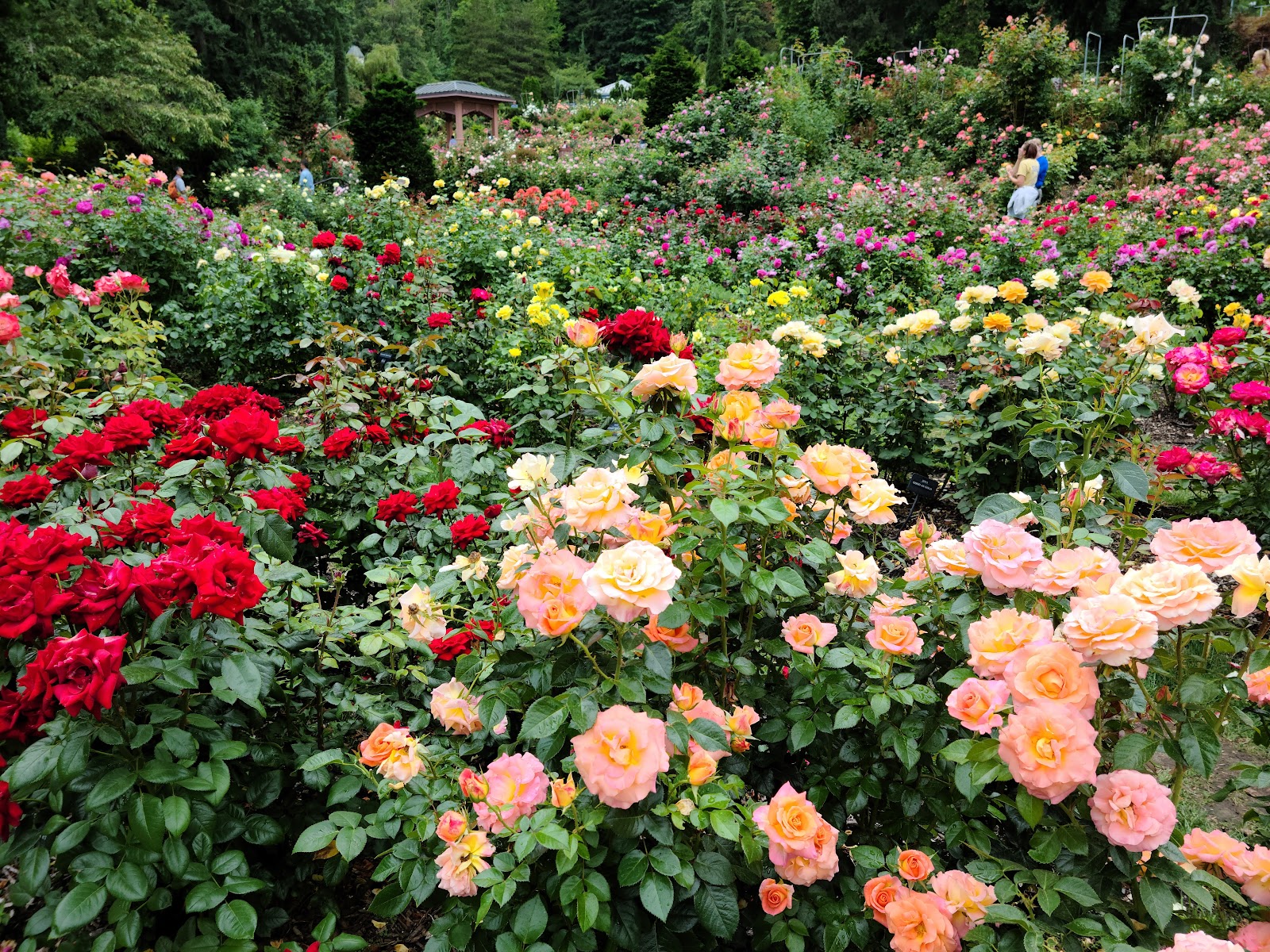
Rose Test Garden Weddings: A Photographer Answers the Real Questions
Ten thousand rose bushes on a west-facing terrace with the city and Mount Hood behind. Spectacular in June, and the busiest ceremony spot in Portland. The honest answers.
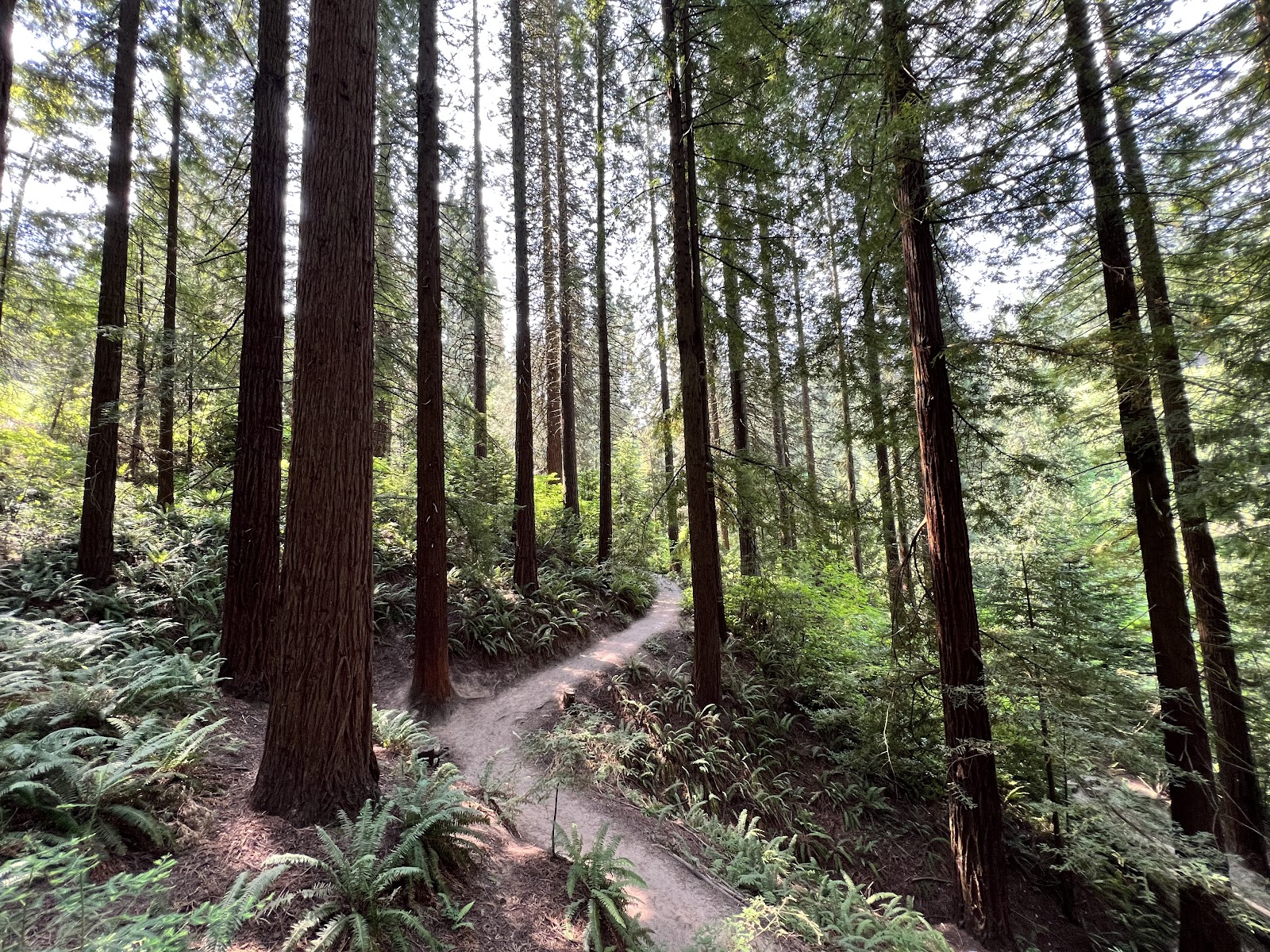
Hoyt Arboretum: A Season-by-Season Photography Guide
A 190-acre tree museum on a ridge in Washington Park, with twelve miles of trail and a conifer canopy that changes the exposure by three stops in twenty paces.