 The Redd on Salmon Street: Building the Shot List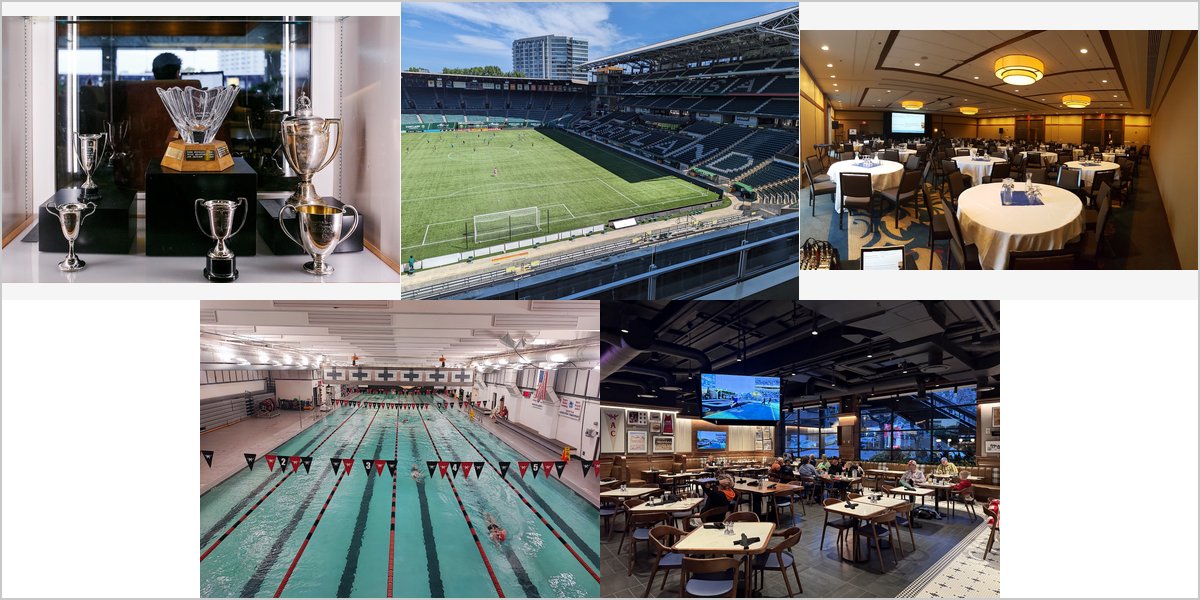
June 14, 2026
Multnomah Athletic Club: Is It Right for Your Photographs?
Private clubs trade spectacle for privacy and polish. If that trade appeals, this works very well. If you wanted a venue that photographs as a landmark, it does not.
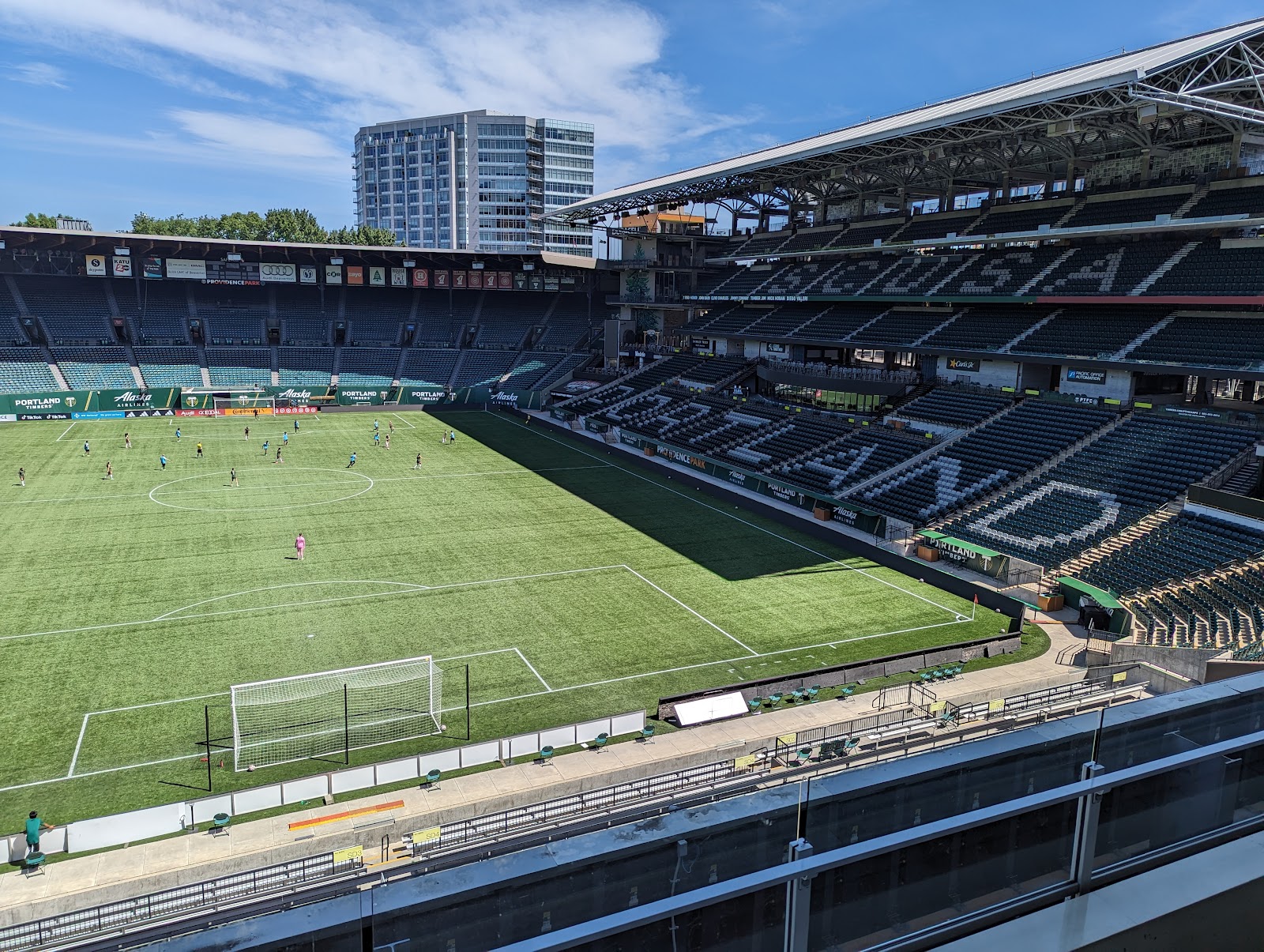
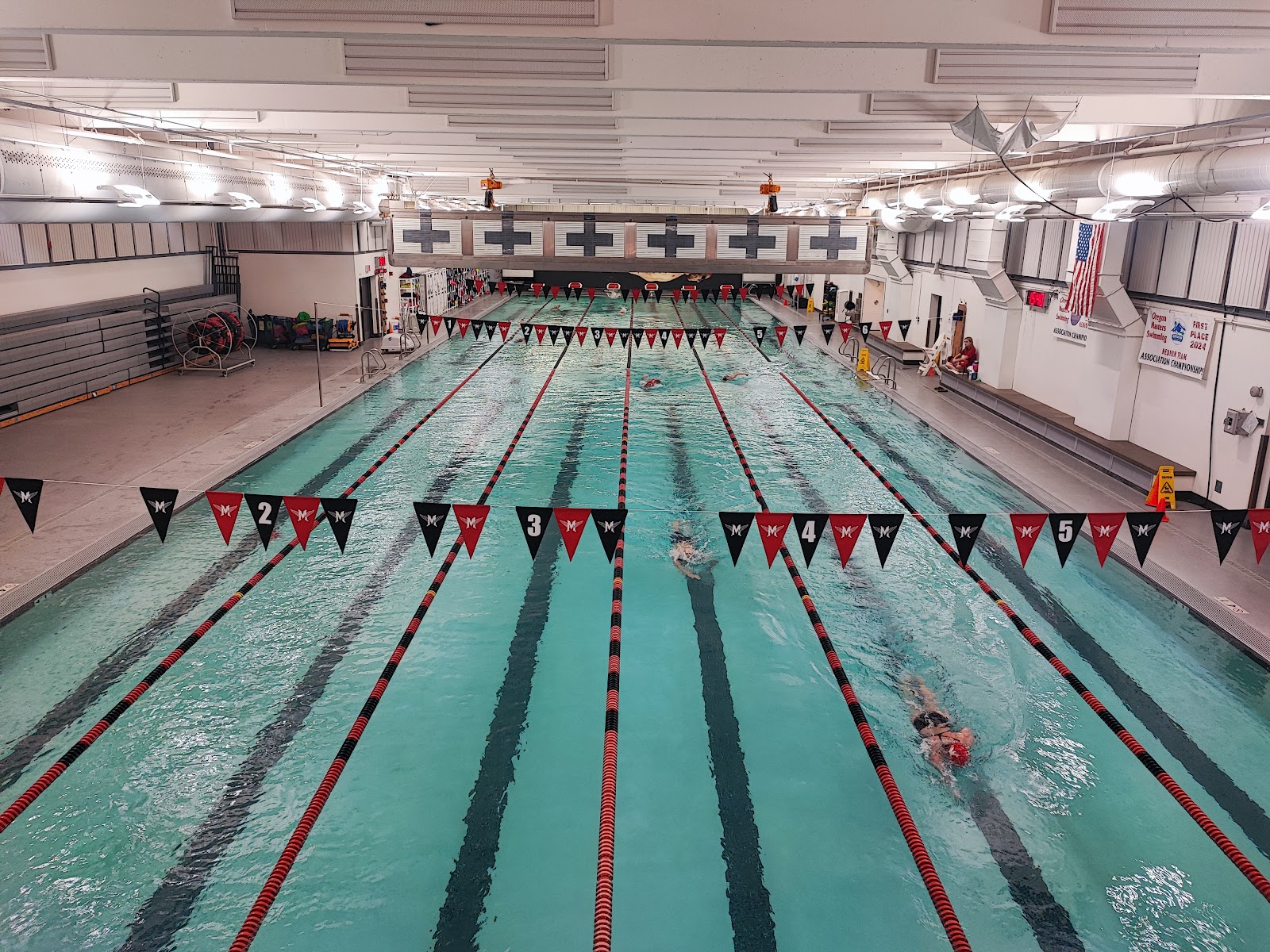
The Multnomah Athletic Club was founded in 1891 and occupies a large building beside Providence Park in Portland’s West End. It is a members’ club with event facilities rather than a public venue, and that single distinction shapes both the experience and the photographs more than any architectural detail does.
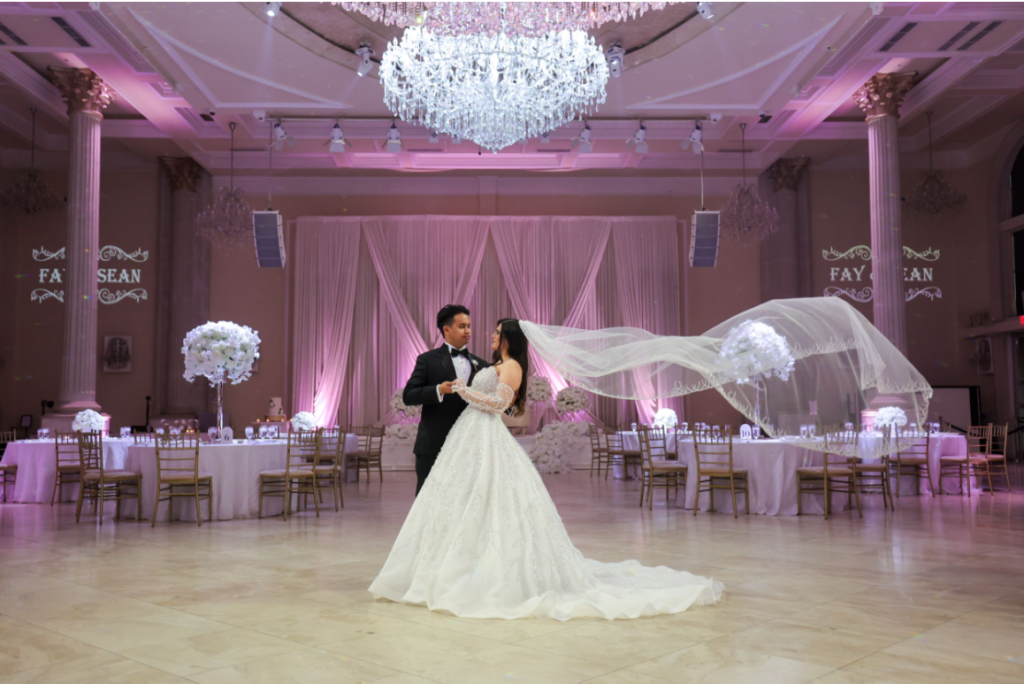
What a club of this kind gives you is space, privacy and finish. Wide function rooms, quiet corridors, no public foot traffic through your day, and staff used to running formal events. What it does not give you is a landmark exterior or the kind of instantly recognisable interior that makes a photograph identifiable. The frames you get will be handsome and clean rather than dramatic.
We have not photographed a wedding here. This is a fit assessment based on what mid-size private club buildings are like to work in — large, artificially lit, rule-bound, and comfortable — plus the specifics of the location. Membership requirements, room availability and what the club permits are entirely questions for their events office, and clubs are typically stricter than hotels.
Multnomah Athletic Club at a glance
| Where | West End, Portland, Oregon — adjacent to Providence Park |
| Founded | 1891, as a private members’ athletic club |
| Character | Large, polished, private function spaces rather than a landmark building |
| Light | Predominantly artificial; room-dependent daylight in some spaces |
| Key question to ask | Membership or sponsorship requirements, and which rooms your event includes |
What privacy is actually worth, photographically
Underrated, and easy to dismiss until you have shot the alternative. At a public venue — a park, a museum, a hotel lobby — a meaningful share of your frames contain strangers, and a meaningful share of your time is spent waiting for gaps in foot traffic or repositioning to exclude a group of tourists.
At a private club, that disappears. You can place people where the light is best rather than where the crowd is thinnest, you can take a moment in a corridor without an audience, and the couple behave differently when nobody is watching — which shows in their faces. The candid coverage at private venues is consistently better for exactly this reason.
It also means you can work slowly. A ten-minute portrait session where nobody is being hurried produces better photographs than a frantic three-minute one at a crowded landmark, and the difference is visible.
The trade: handsome rather than dramatic
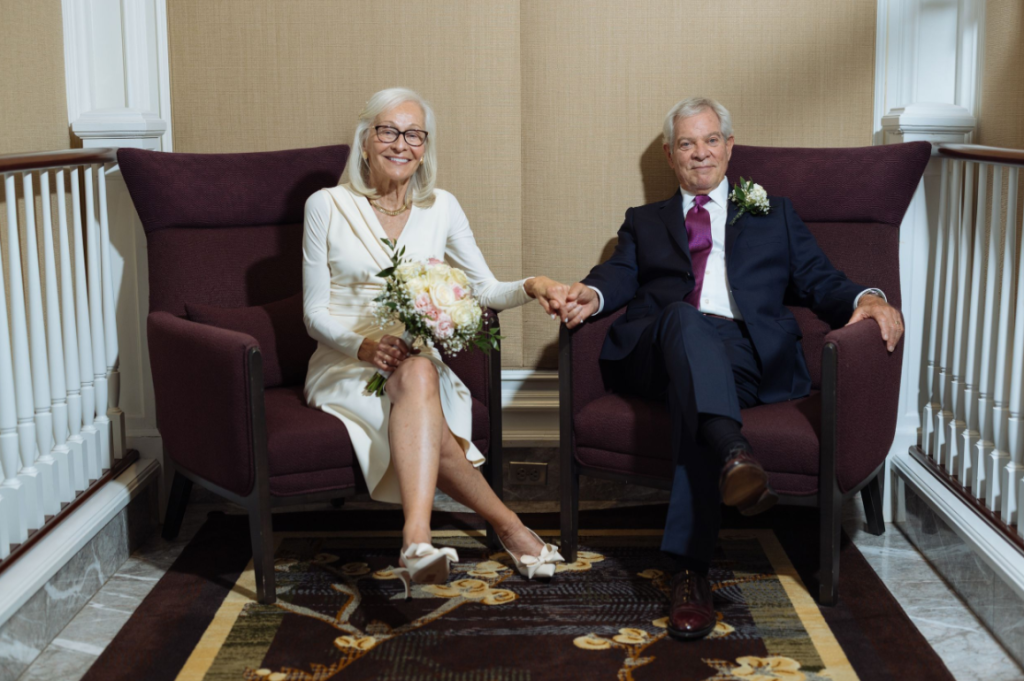
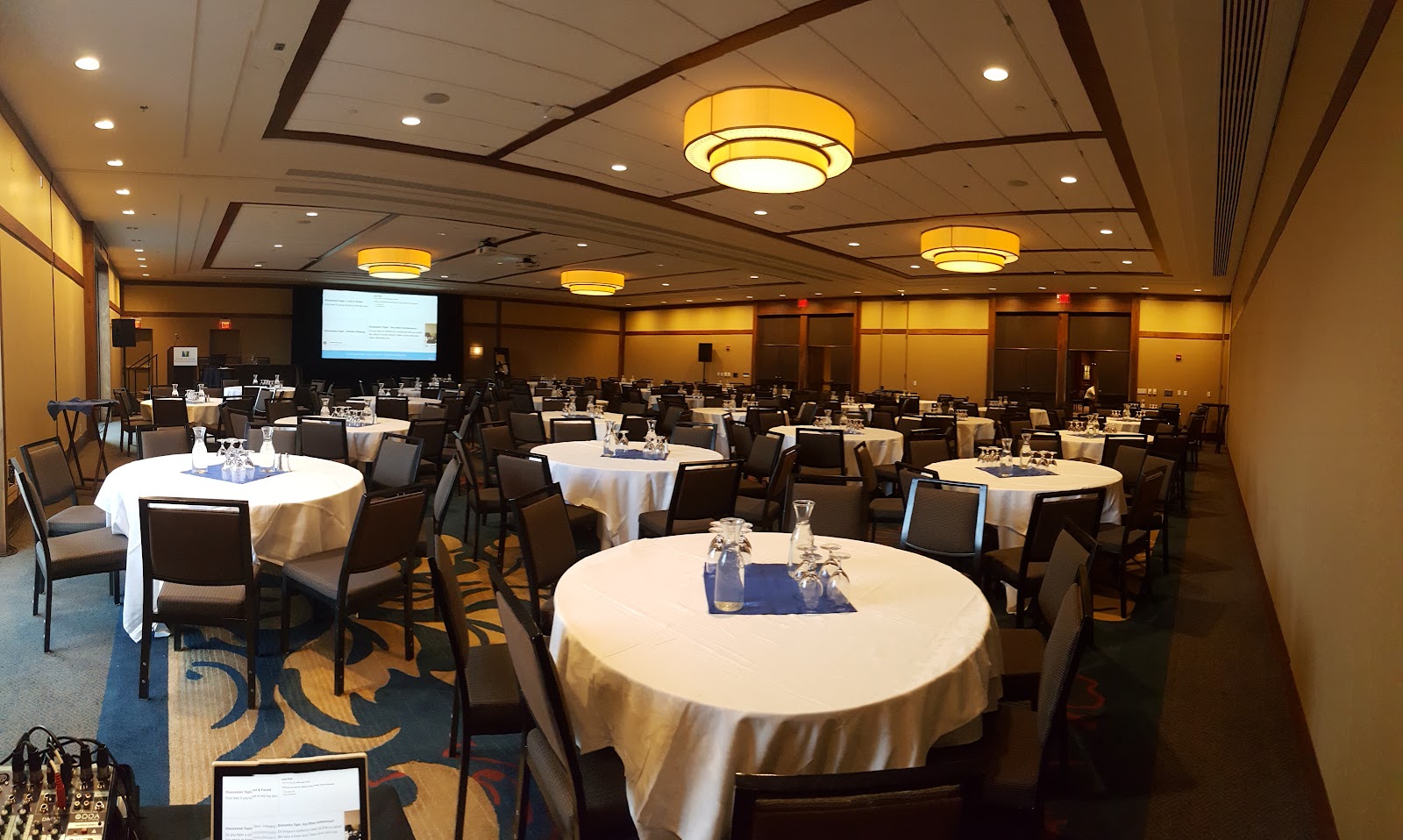
Be clear-eyed about this. A club building of this type is finished to a good standard and designed to be pleasant, not to be photographed. Function rooms tend to be large, neutral and evenly lit, with patterned carpet, recessed lighting and few strong architectural features to compose against.
That produces competent, flattering, slightly anonymous frames. A photograph taken in a club function room is a photograph of people — which is arguably the point — but it will not tell a viewer where it was taken, and it will not carry the scene on its own the way a cathedral or a forest does.
The way to work with it rather than against it is to go tighter and rely on light. Longer lenses, shallower depth of field, faces filling more of the frame, and your own lighting creating direction that the room’s flat recessed fixtures do not provide. A single off-camera light turns a neutral room into a portrait studio, and that is genuinely the right approach here.
There is one further advantage worth naming, because it is invisible until you compare venues. Clubs are built for repeat formal events, which means the practical infrastructure is already solved: somewhere for the wedding party to wait out of sight, a route from one room to another that does not cross the guests, cloakrooms, and staff who know when the room needs to be turned around. For a photographer that translates directly into time — nobody is hunting for a private corner, and the ten minutes you would lose to logistics at an improvised venue go into photographs instead.
Who this venue suits
Four kinds of couple, specifically.
- Anyone who values privacy above spectacle. If the idea of strangers in your wedding photographs bothers you, this solves it completely.
- Larger, more formal guest lists. Club function rooms handle numbers and formal service comfortably, and the logistics are smooth in a way small historic venues cannot match.
- Couples whose reference photographs are portrait-led. If what you want is beautiful pictures of people rather than of a building, the neutral rooms are an advantage, not a drawback.
- Winter and wet-season weddings. Entirely indoors, entirely weather-proof, and unaffected by Portland’s short winter days.
Who should look elsewhere, and the rules to ask about
Couples who want the venue to be a character in the photographs should book a museum, a historic hotel ballroom or a garden instead. Couples with a small intimate guest list will find the rooms too large and the atmosphere too formal — thirty people in a function room built for two hundred photographs as emptiness.
Then there are the rules, which at private clubs are routinely firmer than at commercial venues and are worth establishing before anything else. Ask whether a member must sponsor the event. Ask about dress codes, including whether they apply to your photographer in the members’ areas. Ask which rooms and corridors you may photograph in, since clubs often restrict photography in areas where members are present. Ask about end times, alcohol service rules and whether outside suppliers need approval.
None of those are reasons to avoid the venue. They are reasons to ask early, because a restriction discovered on the day removes a location from your shot list with no time to replace it.
What works in your favour
- Complete privacy — no strangers in frames, no waiting for crowds, better candid coverage
- Comfortable with larger, more formal guest numbers and smooth service logistics
- Entirely weather-independent, which matters for eight months of the Portland year
- Central West End location beside Providence Park
- Staff experienced in running formal events, which keeps a timeline on schedule
What to plan around
- Function rooms are handsome but visually anonymous — the venue will not carry a frame by itself
- Flat recessed lighting means the photographer supplies all the directional light
- Private club rules are typically strict: sponsorship, dress codes, photography restrictions in member areas
- Large rooms make a small guest list look sparse
- No landmark exterior, so establishing shots are weak
More frames from Multnomah Athletic Club
Multnomah Athletic Club wedding photography: common questions
Do you need to be a member to hold a wedding there?
That is the first question to put to the club, and the answer may involve member sponsorship rather than a simple booking. Private clubs generally have requirements that commercial venues do not, so establish it before you plan anything else around the venue.
Is a private club better or worse for photographs than a public venue?
Different. It is much better for privacy and candid coverage, because no strangers appear in frames and nobody is hurrying you, so people relax and it shows. It is worse for spectacle, because the rooms are handsome rather than distinctive and will not identify themselves in a photograph.
How do you photograph a neutral function room well?
Go tighter and supply your own direction. Longer lenses, shallower depth of field, faces filling more of the frame, and a single off-camera light to replace the flat recessed fixtures with light that has a direction. Treat the room as a studio rather than as a subject.
Are there restrictions on where you can photograph?
Very likely, and this is specific to clubs. Photography is often limited in areas where members are present, and dress codes can apply to suppliers as well as guests. Ask which rooms and corridors are available to you, and confirm it in writing before building a shot list around any location.
Is it a good choice for a winter wedding?
Yes — arguably its strongest case. It is entirely indoors, unaffected by rain, and indifferent to Portland’s very short winter daylight, so your timeline is not squeezed by a four o’clock sunset the way it would be at an outdoor venue.
More Portland, OR venue guides
We are writing a photographer’s guide to every venue we would happily shoot in Portland, OR. Here are three more, plus the full index:
- The Nines: A Walk-Through for Wedding Photographs
- A Photographer’s Walk-Through of Pittock Mansion
- Portland Art Museum: Planning the Shot List
All Portland, OR Wedding Venues →
Planning a wedding at Multnomah Athletic Club?
With a private club, the questions to settle first are sponsorship, dress code and exactly where you are allowed to photograph. Tell us your date and we will help you get clear answers before you commit — and plan a portrait approach that suits the rooms.