 The Redd on Salmon Street: Building the Shot List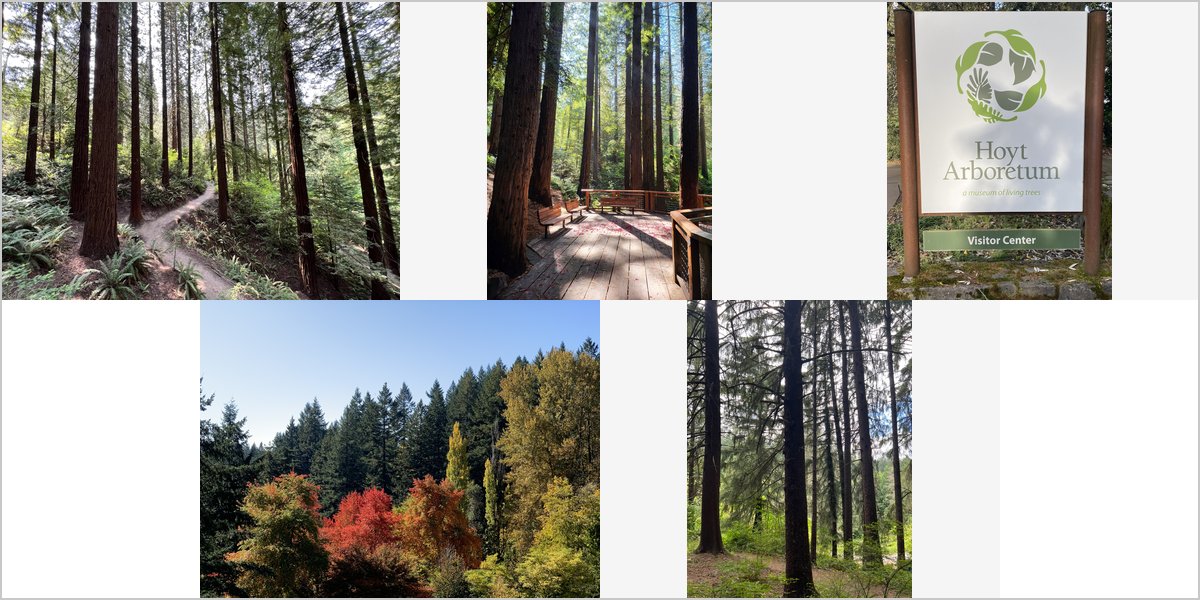
May 3, 2026
Hoyt Arboretum: A Season-by-Season Photography Guide
This is a forest, not a garden. The canopy is coniferous and tall, which means the light is darker, cooler and more contrasty than couples expect — and spectacular if you plan for it.
Hoyt Arboretum occupies a ridge in Washington Park, roughly 190 acres holding a collection of several thousand trees from around the world, threaded with about twelve miles of trail. It is a living tree museum rather than an ornamental garden, and the distinction matters enormously for photographs.
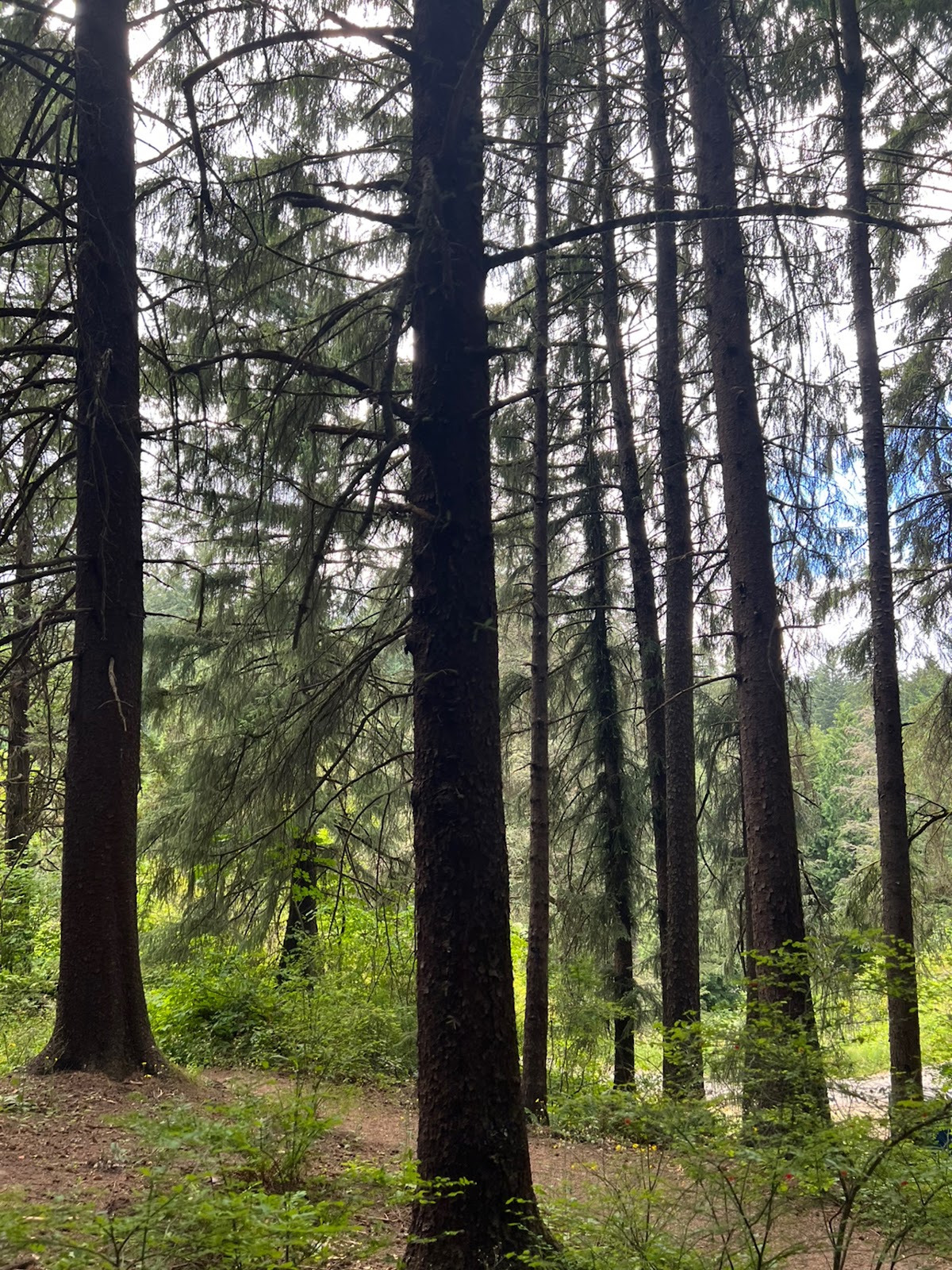
Ornamental gardens are designed around sightlines and flowering beds. An arboretum is designed around specimen trees, which means tall trunks, deep canopy and long stretches of genuine forest. Photographically you get scale and drama, cathedral-like verticals, and light that behaves like woodland light: dark, cool, and punctuated by shafts that will destroy an exposure if you are not watching.
We have not photographed a wedding here. What follows is organised by season, because at a venue defined by trees the season changes the assignment more than anything else does. The craft and the regional light patterns are knowable; permits, which meadows are bookable and what the arboretum allows are questions for their office.
Hoyt Arboretum at a glance
| Where | Washington Park ridge, Portland, Oregon — adjacent to the Japanese Garden and Rose Garden |
| Scale | About 190 acres, several thousand trees, roughly 12 miles of trail |
| Character | Working tree collection and genuine forest, not an ornamental flower garden |
| Light | Coniferous canopy: dark, cool, high contrast, with hard shafts on sunny days |
| Biggest practical issue | Distance between locations — trails, inclines and a dress do not combine well |
| Lens plan | A fast 35mm, an 85mm, and the discipline not to wander further than the schedule allows |
Spring: the flowering weeks, and the mud
Spring is when the deciduous part of the collection does its work — magnolias, cherries, dogwoods coming through at intervals from March into May. The light is still low-angled and the canopy is not yet closed, so more of it reaches the ground than it will in July. For portraits that is close to ideal: bright but diffuse, with blossom to shoot through.
The cost is underfoot. Trails in a Pacific Northwest forest in spring are wet, and often properly muddy. A long dress on a soft trail is a real constraint, not a fussy one, and it dictates how far from a paved path you can reasonably work.
Plan spring dates around the paved and near-paved areas, keep the walking short, and treat any blossom as a bonus rather than a guarantee — bloom windows move by two or three weeks year to year and no venue can promise them.
Summer: closed canopy, hard shafts, long evenings
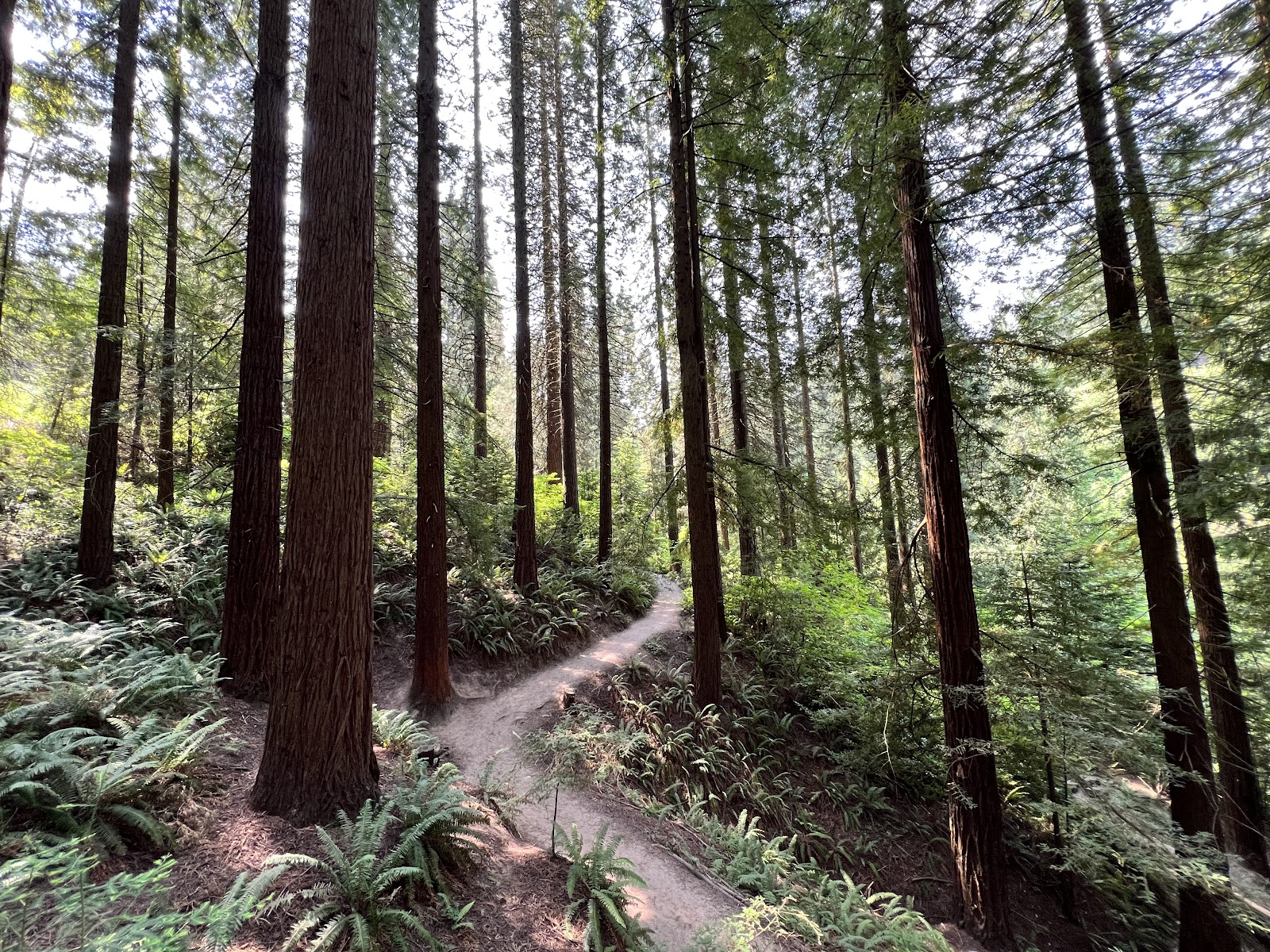
By July the canopy is closed and the forecast is reliable, and the arboretum becomes a place of deep shade punctuated by shafts of direct sun. Those shafts are the defining technical problem. A beam falling across a white dress in an otherwise dark forest is a contrast range no sensor holds, and it cannot be fixed afterwards.
The method is to work the shade deliberately and use the shafts as background rather than subject light. Put the couple in even shade, let a shaft fall behind them, expose for their faces, and the beam becomes atmosphere instead of a blown highlight. Shooting into a shaft with a wide aperture also gives you the flare and haze that make forest photographs feel warm rather than gloomy.
Summer’s real gift is length. Portland’s July evenings run long, and the last hour before sunset in a conifer forest — when the light comes in sideways under the canopy instead of down through it — is the best light this venue ever offers. Protect that hour in the timeline above everything else.
Autumn: the best colour, the shortest window
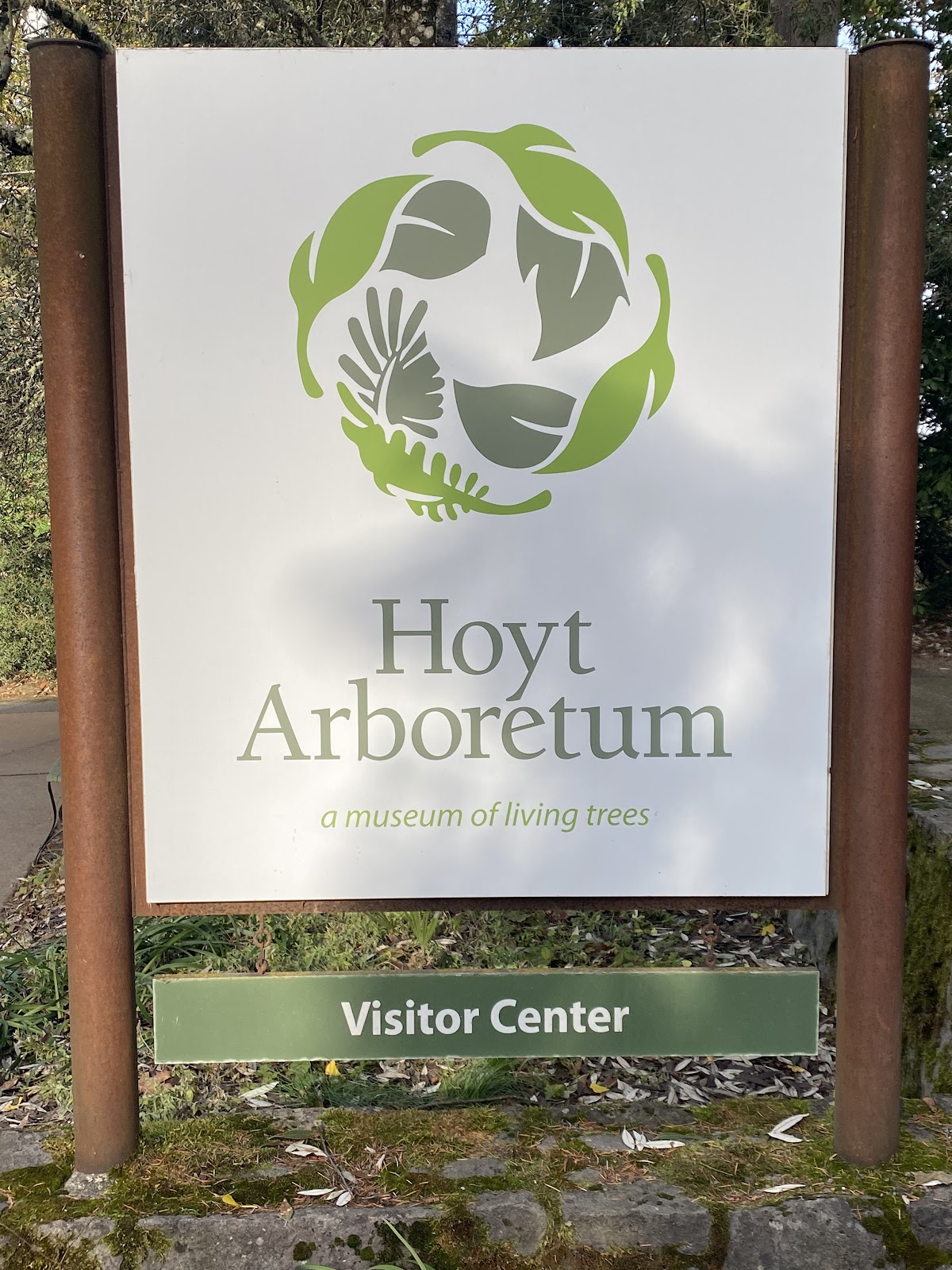
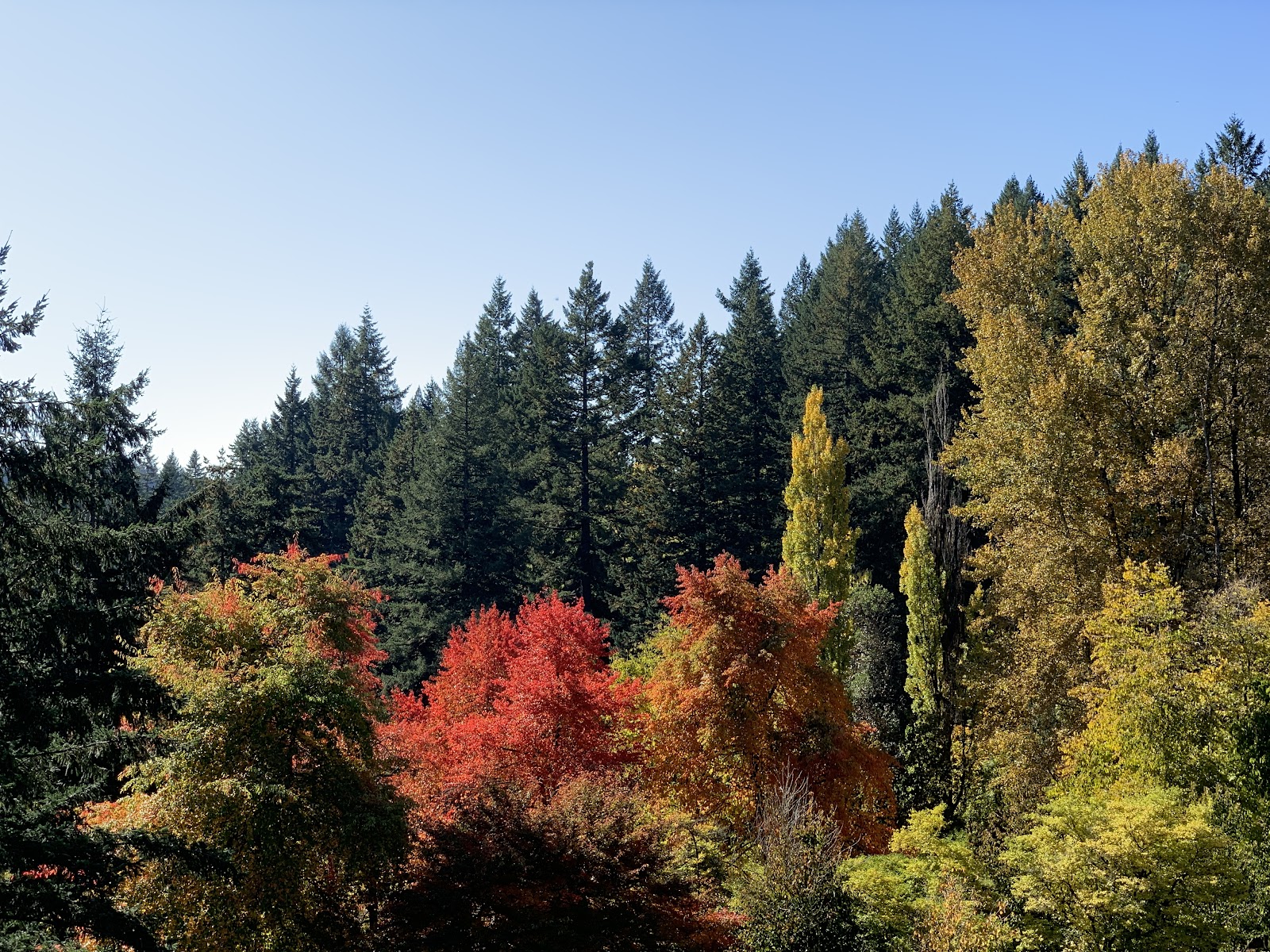
The deciduous specimens turn from roughly mid-October, and because the collection spans species from many climates, the colour arrives unevenly and lasts longer than a single native woodland would. That is a genuine advantage of an arboretum over an ordinary park.
Autumn light is the most flattering of the year here — the sun stays low, so it comes in under the canopy for a much greater share of the day instead of only at the end of it. Practically, the good light window widens even as the total daylight shrinks.
Shrinks sharply, though. By late October, usable light on a forested west-side ridge is gone well before the published sunset, and a wet autumn afternoon can be dim by three o’clock. Autumn weddings here need an earlier ceremony than instinct suggests, and the portraits need to happen before it rather than after.
Winter: bare structure, evergreen bones, and honesty about the light
Winter is the season nobody books and the one a photographer finds most interesting. The conifer collection is evergreen, so unlike a deciduous woodland the place does not go bare — you get dark green structure, bare deciduous verticals, moss on everything and, on the right morning, fog sitting in the ridge.
Fog is the single most photogenic condition this venue can offer. It separates the tree trunks into receding layers, turns the light completely even, and does for a forest what nothing else can. If you get it, cancel the plan and shoot the fog.
The honest warning is daylight. In December, usable light under a canopy on this ridge may amount to four or five hours, and it can be genuinely dark and steadily wet. A winter wedding here works only if the schedule is built around a narrow midday block and everyone has accepted that in advance.
What works in your favour
- Genuine forest scale — verticals and drama that ornamental gardens cannot provide
- A species collection that stretches the colour season longer than native woodland
- Evergreen structure means the venue never looks bare, even in February
- Long summer evenings with sideways under-canopy light, the best light on site
- Fog, when it comes, is the most photogenic condition available anywhere in the city
What to plan around
- Dark and contrasty: a conifer canopy is a high-ISO environment even at midday
- Hard sun shafts in summer exceed any sensor’s range and must be composed around, not fixed later
- Distances are real — trails, inclines and mud constrain how far you can work from a path
- Very short usable light in late autumn and winter, well before the almanac sunset
- A public park: visitors, trail traffic, and rules on where you may set up
- Assume permits are required for ceremonies and confirm what is bookable
More frames from Hoyt Arboretum
Hoyt Arboretum wedding photography: common questions
What is the best season for photographs at Hoyt Arboretum?
Late October is the strongest single answer: the deciduous collection turns, and the low autumn sun comes in under the canopy for far more of the day than it does in summer. Summer gives you the longest evenings and the most reliable weather; spring gives blossom but muddy trails; winter can deliver fog, which is the most photogenic condition the site ever offers.
Is the arboretum a dark place to photograph?
Yes. A tall coniferous canopy makes this one of the darker outdoor venues in Portland, and on a sunny day it is also very contrasty, with hard shafts of direct sun falling into deep shade. Fast lenses, higher ISO than the scene suggests, and a habit of placing people in even shade rather than in the beams.
How much walking is involved?
Potentially a lot — there are around twelve miles of trail across roughly 190 acres, with real inclines. That is a genuine planning constraint in formalwear, especially in wet months. We would keep portrait locations close to paved paths and treat walking time as part of the timeline rather than an afterthought.
When does the light run out in autumn?
Much earlier than the almanac says. On a forested west-side ridge in late October, usable light under the canopy can be gone well before published sunset, and an overcast wet afternoon may be dim by around three. Autumn ceremonies here should be earlier than feels natural, with portraits before the ceremony rather than after.
Do we need a permit?
Assume yes and confirm with the arboretum. It is a public collection within Washington Park, and ceremonies, reserved areas and any equipment setup typically require arrangement in advance. Ask specifically which locations are bookable and what the rules are on stands and tripods.
More Portland, OR venue guides
We are writing a photographer’s guide to every venue we would happily shoot in Portland, OR. Here are three more, plus the full index:
- Leftbank Annex: Field Notes on an Industrial Venue
- McMenamins Kennedy School: Field Notes for a Wedding Photographer
- Multnomah Athletic Club: Is It Right for Your Photographs?
All Portland, OR Wedding Venues →
Planning a wedding at Hoyt Arboretum?
Hoyt Arboretum rewards a timeline built around the canopy rather than the sunset table. Tell us your date and we will map out where the usable light actually falls that week, and how far from the path we can realistically work.