New York State is large enough that a photographer's instincts do not transfer across it. From the Atlantic shore of Long Island to the Great Lakes is something over six hundred kilometres, and in that distance the climate runs from maritime and moderated to sharply continental with lake-effect snow. The guides collected here cover the parts of the state outside New York City, and they begin on Long Island, which is a genuinely distinctive photographic environment for reasons that are entirely geological. Long Island is not bedrock with soil on top.
It is essentially a pair of terminal moraines with an outwash plain to the south — ridges of till and gravel dumped along the edge of the last ice sheet and then washed out southward as the ice melted. The northern moraine is the island's spine and its high ground; the southern half is flat sandy outwash running down to the barrier beaches. Three consequences follow for anyone photographing there.
Ground that feels elevated is glacial rather than rocky, which means the high points give genuinely long views over an otherwise low landscape — and the grand houses of the north shore were put on exactly those points deliberately, sometimes with the hills raised further by hand. Second, the soil is sandy and free-draining, so the native woodland is oak and hickory rather than anything richer, and a formal lawn on that ground is a managed achievement rather than a given. And third, it is windy.
High ground on a narrow island between a sound and an open ocean has nothing to shelter it, which makes wind a first-order planning consideration rather than a footnote: it decides whether a reflecting pool is a mirror or a light path, whether a veil is an ornament or a two-person job, whether a lightstand stays upright, and whether an officiant can be heard across an open lawn. Ask about it, and sandbag everything.
The maritime position is the other governing fact and it shifts the whole calendar. Surrounded by water, Long Island runs cooler than the mainland through spring and warmer through autumn, which pushes the seasons later at both ends: the first frost comes later, autumn colour often arrives in early or mid November rather than October, and spring greening runs a week or two behind inland New York. A couple booking an early-May date expecting full foliage should know that it may not have arrived, and a couple booking late October for peak colour may be a fortnight early. Sea fog is the associated bonus and it cannot be arranged.
Warm air moving over cooler water produces fog that drifts inland, most often in late spring and early summer, and a large house or a formal garden emerging out of it is the most atmospheric photograph these sites can give. If you arrive and it is there, photograph the principal view immediately, because it lifts. Three numbers from the latitude — a little under forty-one degrees north — set the schedule. The midsummer noon sun reaches about seventy-three and a half degrees, high enough to flatten an open lawn through the middle of a summer day, with no shade at all on a formal axis by design.
The midwinter noon sun sits near twenty-six degrees, low enough to rake stonework and bare structure through the whole afternoon, which makes winter light here better in quality than summer light even though there is far less of it. And civil twilight runs about thirty minutes in midsummer, of which the genuinely useful balance point — where a building's floodlighting and the remaining sky are within a stop of each other, so both hold detail in one frame — lasts twelve to fifteen minutes.
That window is the most valuable block in the day at almost every venue in this collection and it belongs on the timeline as a named item, not as a general intention. In late December it falls before five o'clock, during cocktails rather than after dinner, and it will pass while the room is being seated unless somebody has written it down.
One further latitude effect is worth checking for every date, and it matters most at properties organised around a fixed line or a fixed facade: the sun's setting azimuth swings something like sixty degrees across the year here, from well north of west in late June to well south of west in late December. That changes the angle at which low light rakes an axis or a frontage by a very large margin, so an elevation that takes beautiful raking light in July can be in its own shadow at the same hour in January. A summer scout does not tell you what a winter date will look like.
Season by season, late September into early November is the strongest window across this part of the state: the summer humidity drops out so long views from high ground actually resolve rather than hazing, temperatures are comfortable in formal clothing outdoors, sunset lands around six so the dusk window falls at a civil hour, and the island's late colour arrives at the end of that range. Late May into June is the other good window, with gardens at their fullest, sunset after eight, and the sea-fog lottery running mostly in your favour.
Summer is long and comfortable in the evening and difficult in the middle of the day, when an open lawn is hot and top-lit; thunderstorms move through quickly, and the half hour after a cell clears is the best light of the year — washed air so the distance opens up, wet stone and gravel at full saturation, standing water to reflect a facade, and a low sun under a broken ceiling.
Winter is short and suits formal architecture better than it suits gardens: a bare formal landscape reads as structure rather than absence, the air is the clearest of the year, a low sun rakes stonework all afternoon, and snow on an axis or a colonnade is superb. The hazard to plan for is the nor'easter, which brings wind and heavy wet snow to this coast and is a travel problem for guests and suppliers rather than a photographic one. A January date deserves a contingency that assumes some people cannot drive.
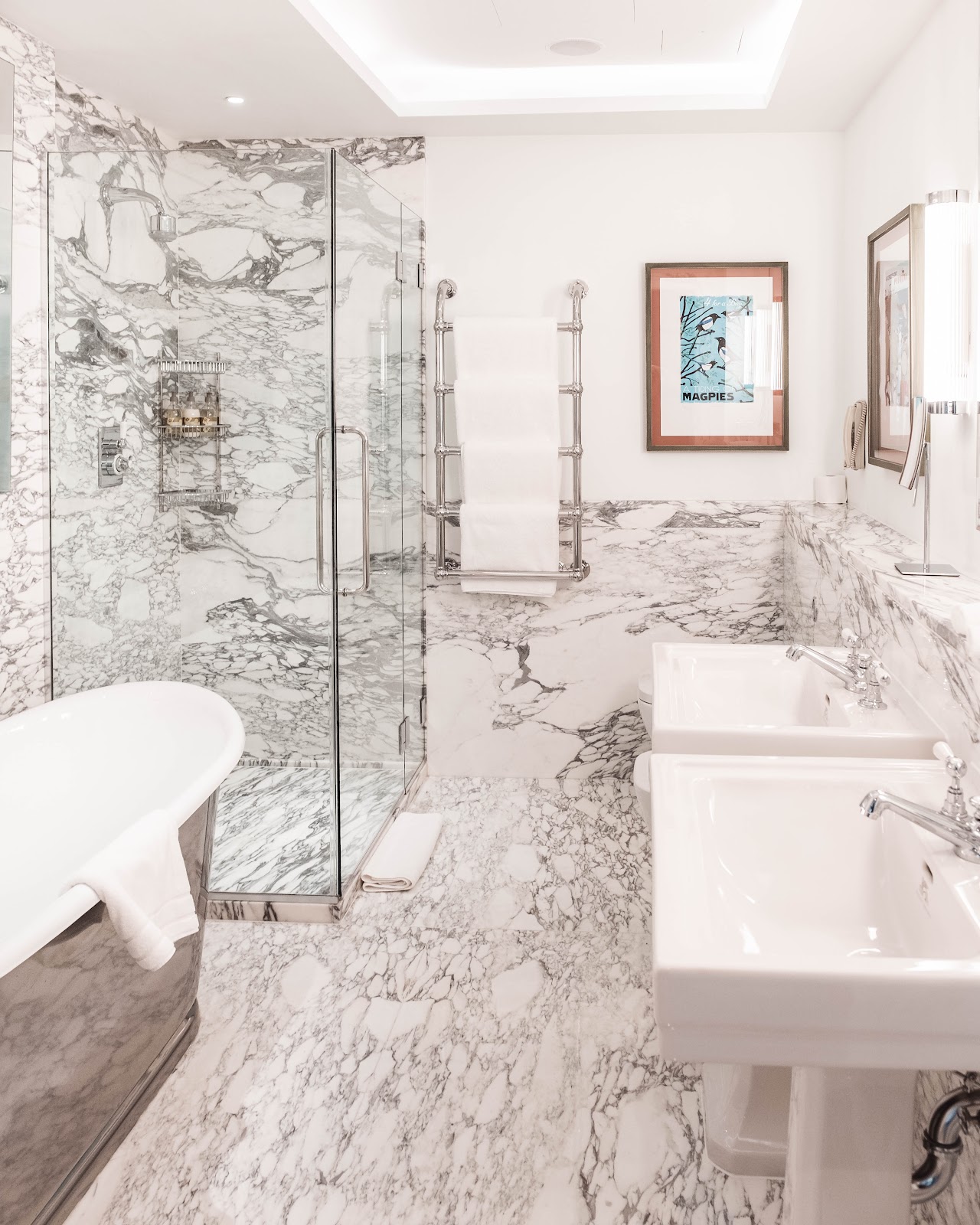
The Whitby, New York: A Walk Through a Midtown Hotel
A Midtown hotel walked in the order a day uses it: patterned rooms, a screening room, tall windows, and the street.
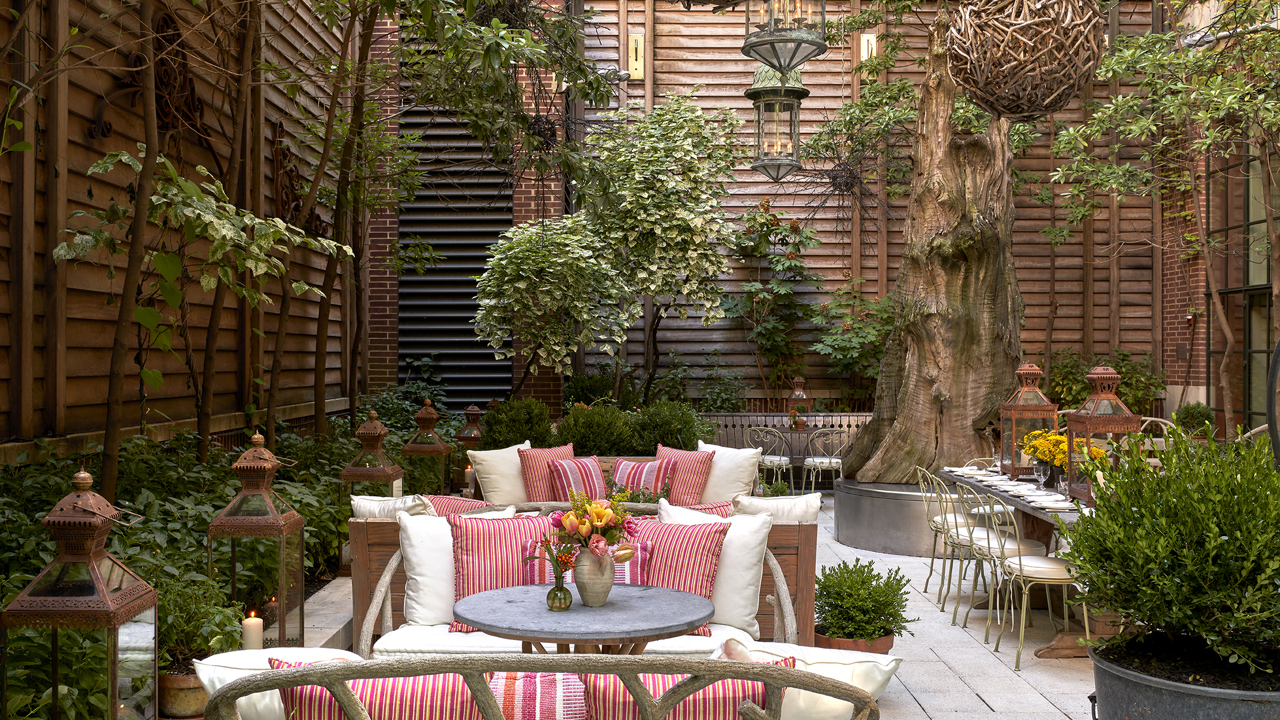
The Crosby Street Hotel, New York: A Walk Through a SoHo Hotel
A SoHo hotel walked in the order a day uses it: bold interiors, a screening room, a courtyard, cast-iron streets.
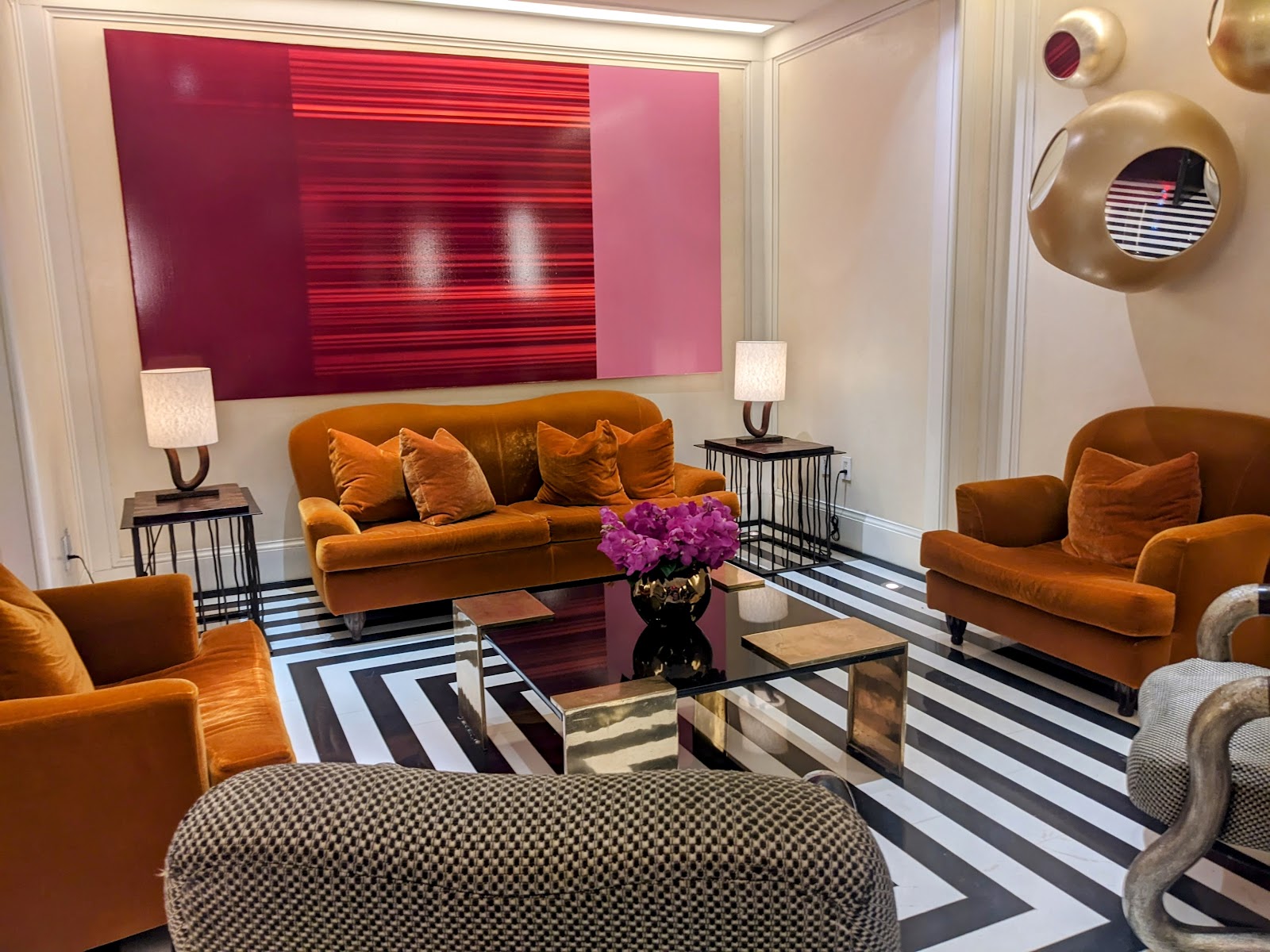
The Mark, New York: A Walk Through an Upper East Side Hotel
An Upper East Side hotel walked in the order a wedding day uses it — arrival, rooms, reception, and out.
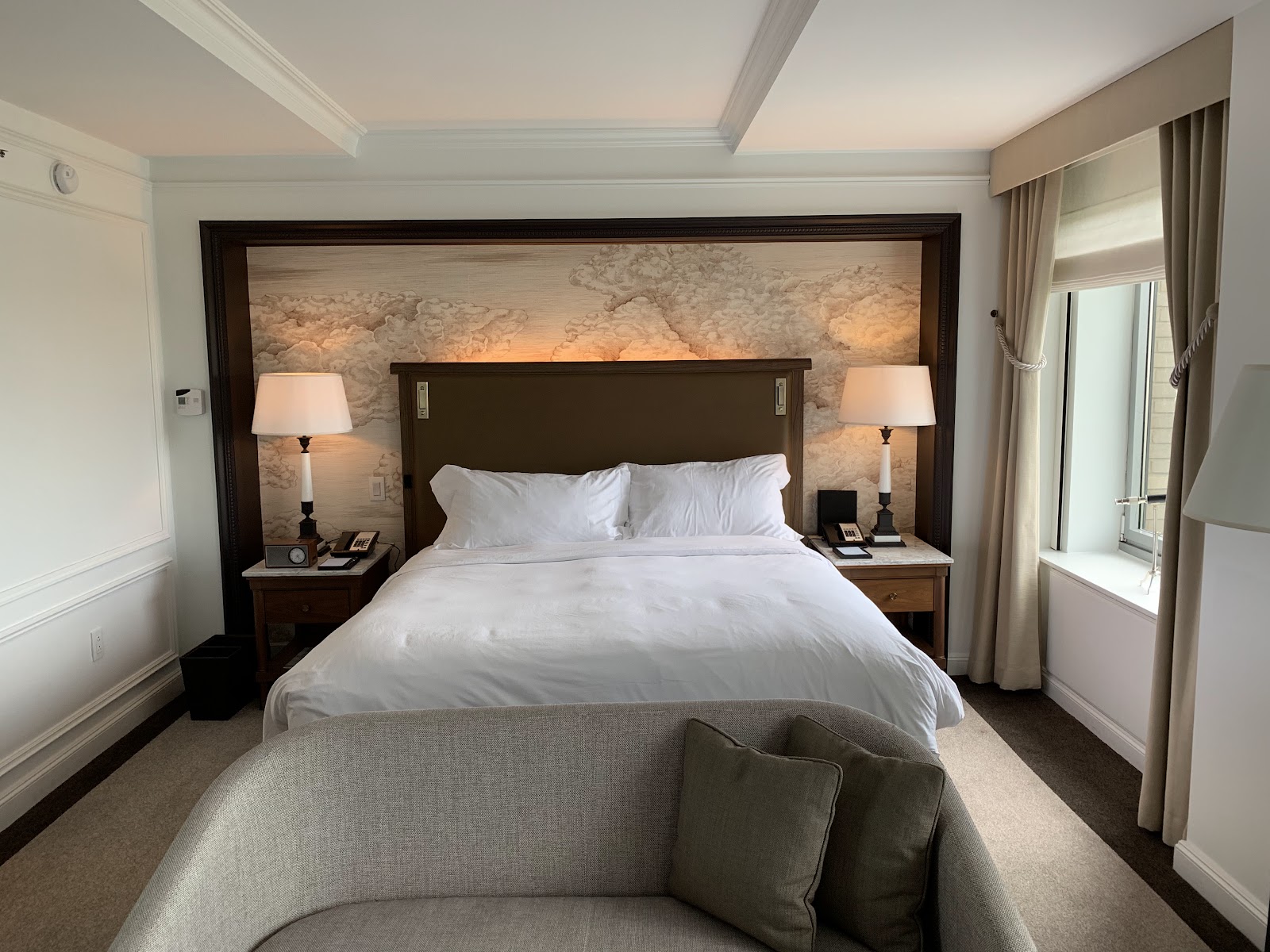
The Ritz-Carlton Central Park, New York: The One Decision That Governs Everything
A hotel facing Central Park, where one scheduling decision — when to go into the park — governs the whole gallery.
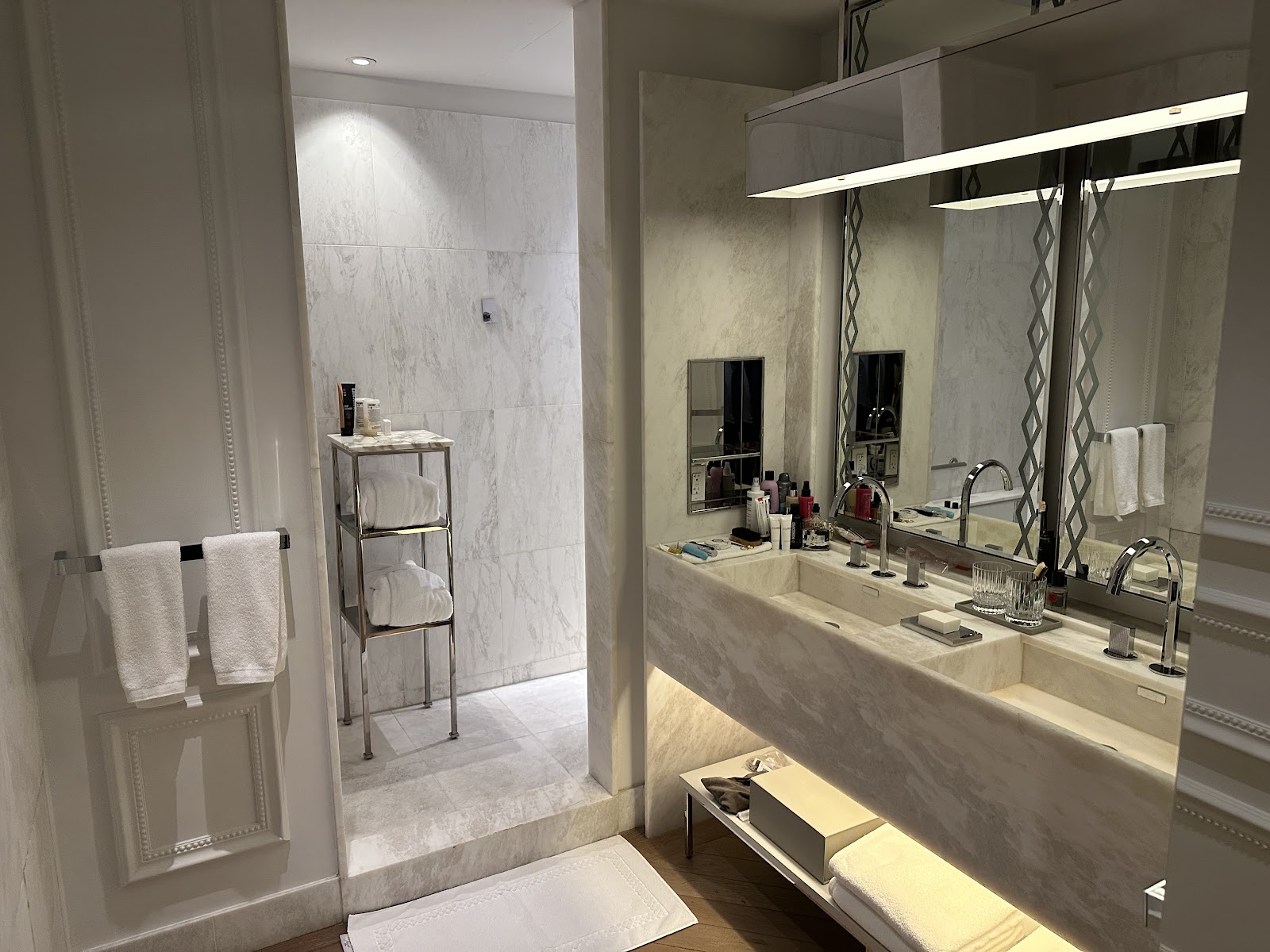
The Baccarat Hotel, New York: The One Decision That Governs Everything
A Midtown hotel of crystal, mirror and polished surface — where one decision about the light governs every frame.
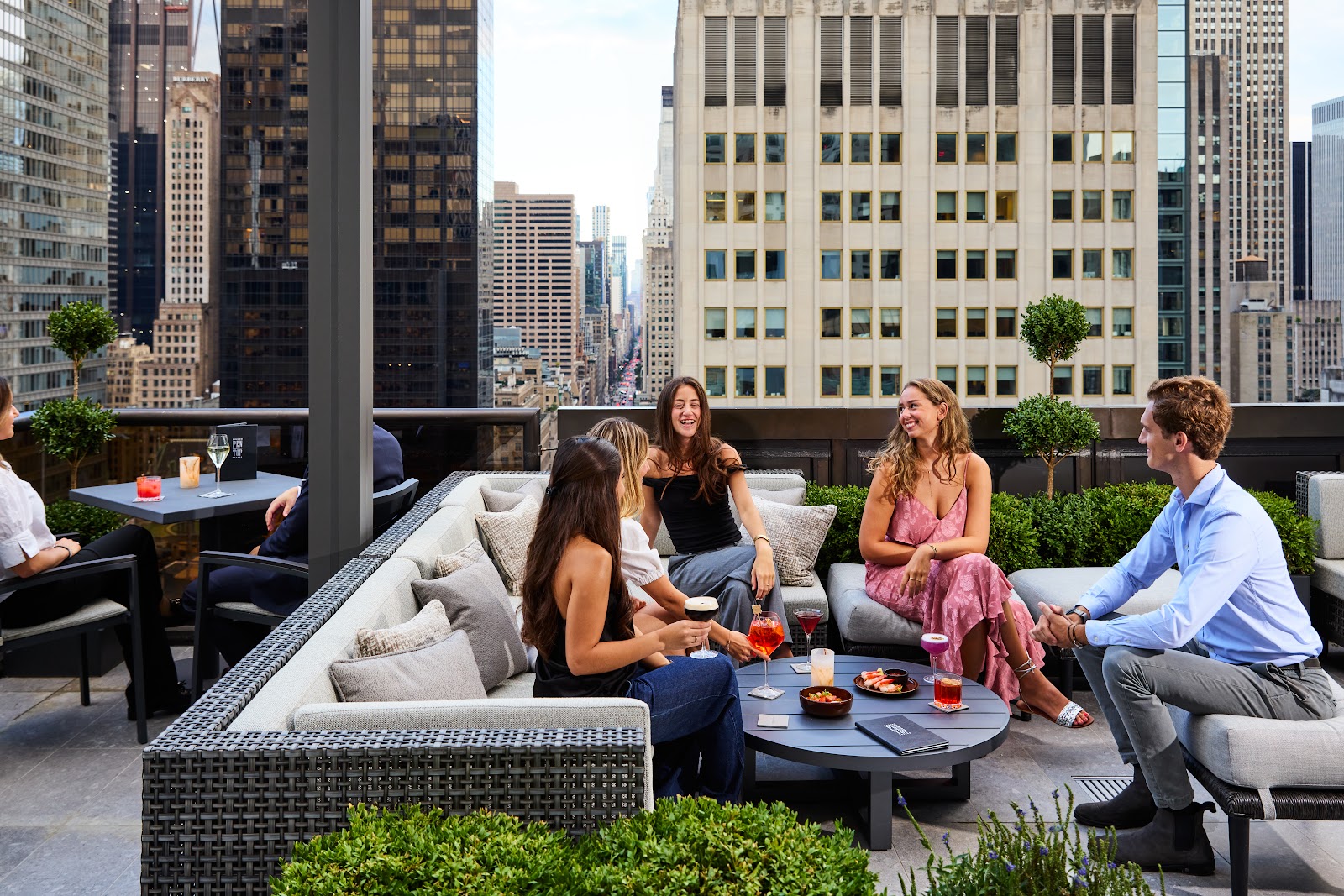
The Peninsula New York: What It Suits, and What It Does Not
A Fifth Avenue hotel in an early-twentieth-century building — its photographic strengths, and its real limits.
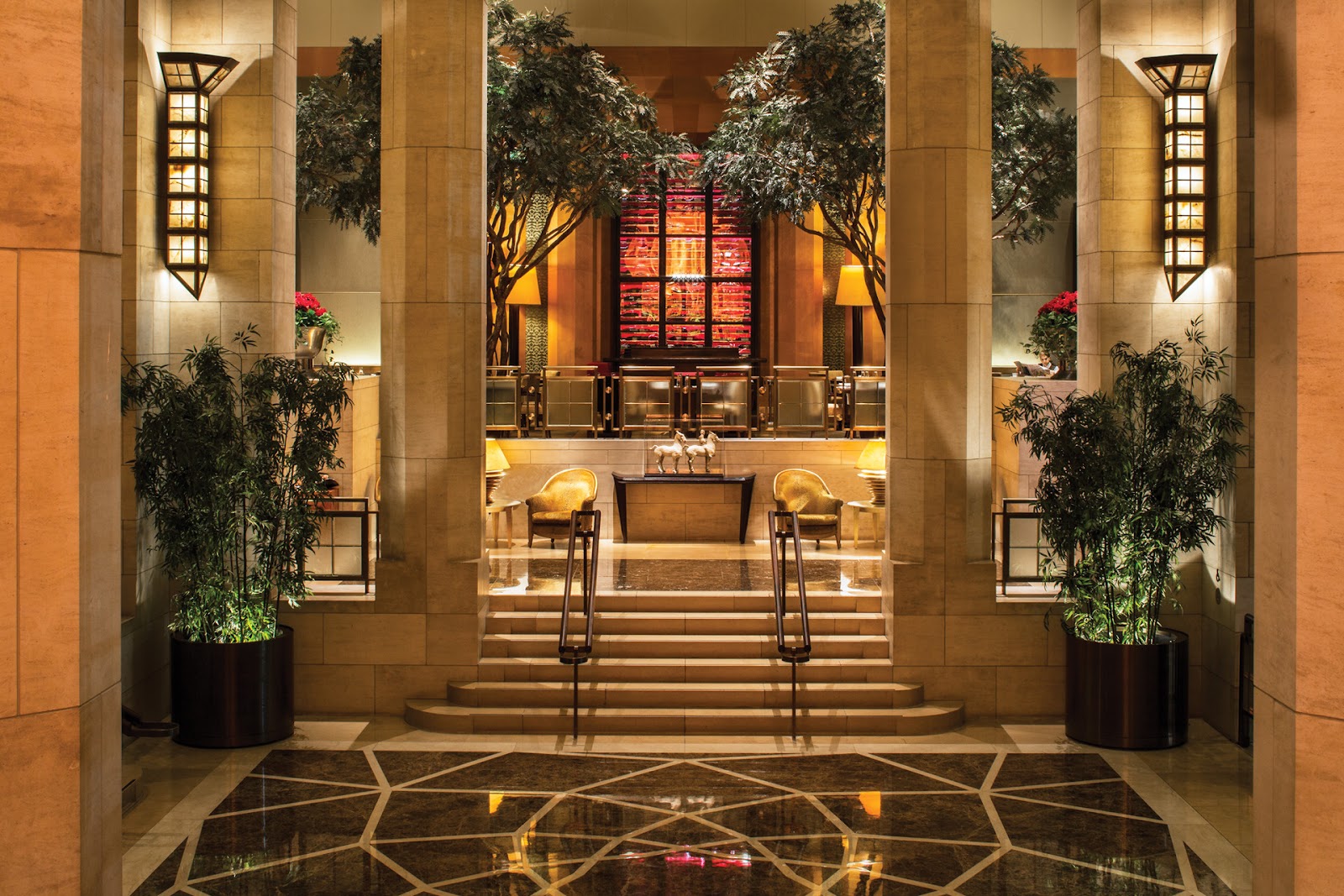
The Four Seasons New York: What It Suits, and What It Does Not
A large modern hotel in Midtown Manhattan — what it does well photographically, and where it asks for work.
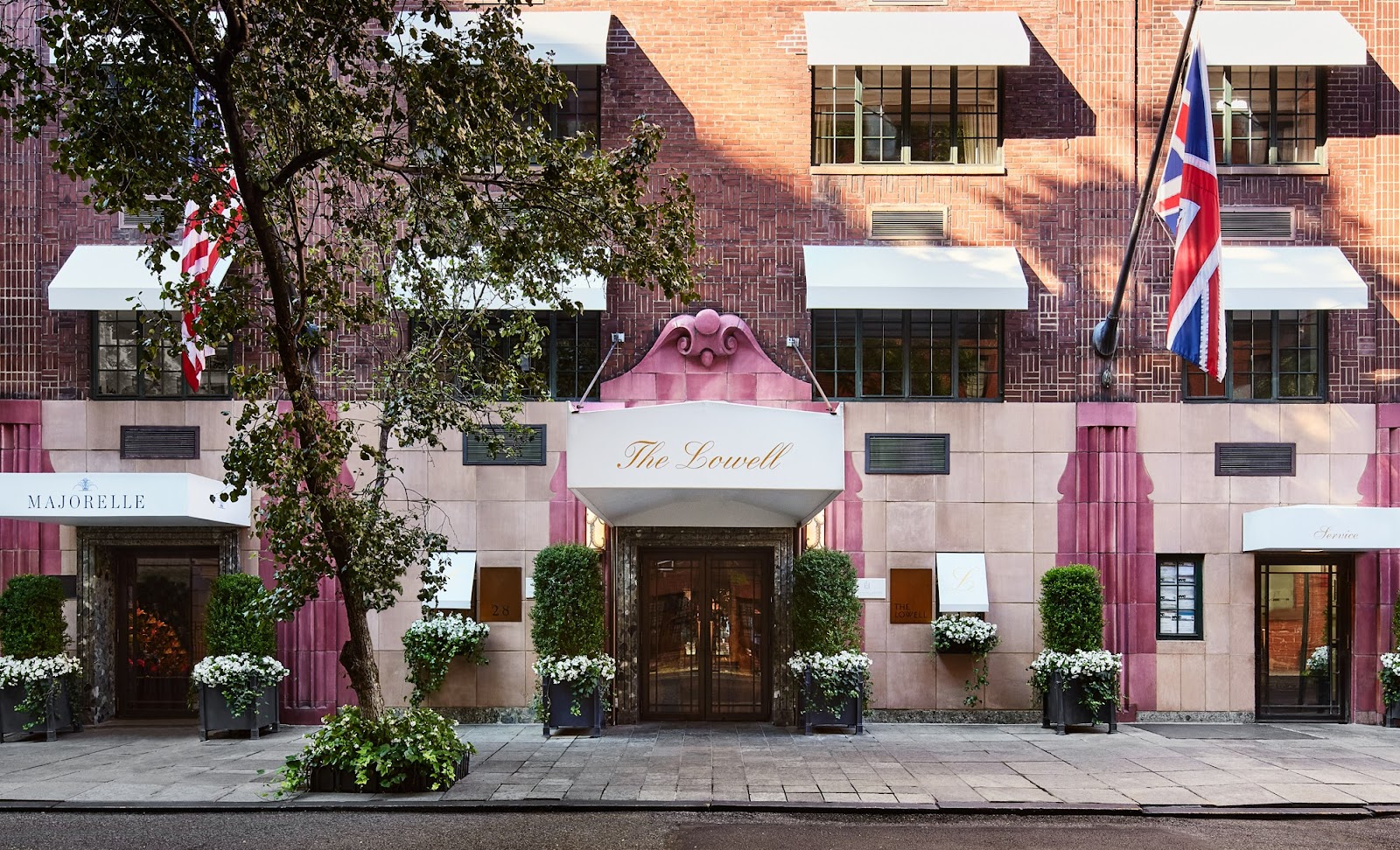
The Lowell, New York: One Frame, and How It Is Made
A small Upper East Side hotel where the rooms are domestic in scale — and the one frame that suits that.
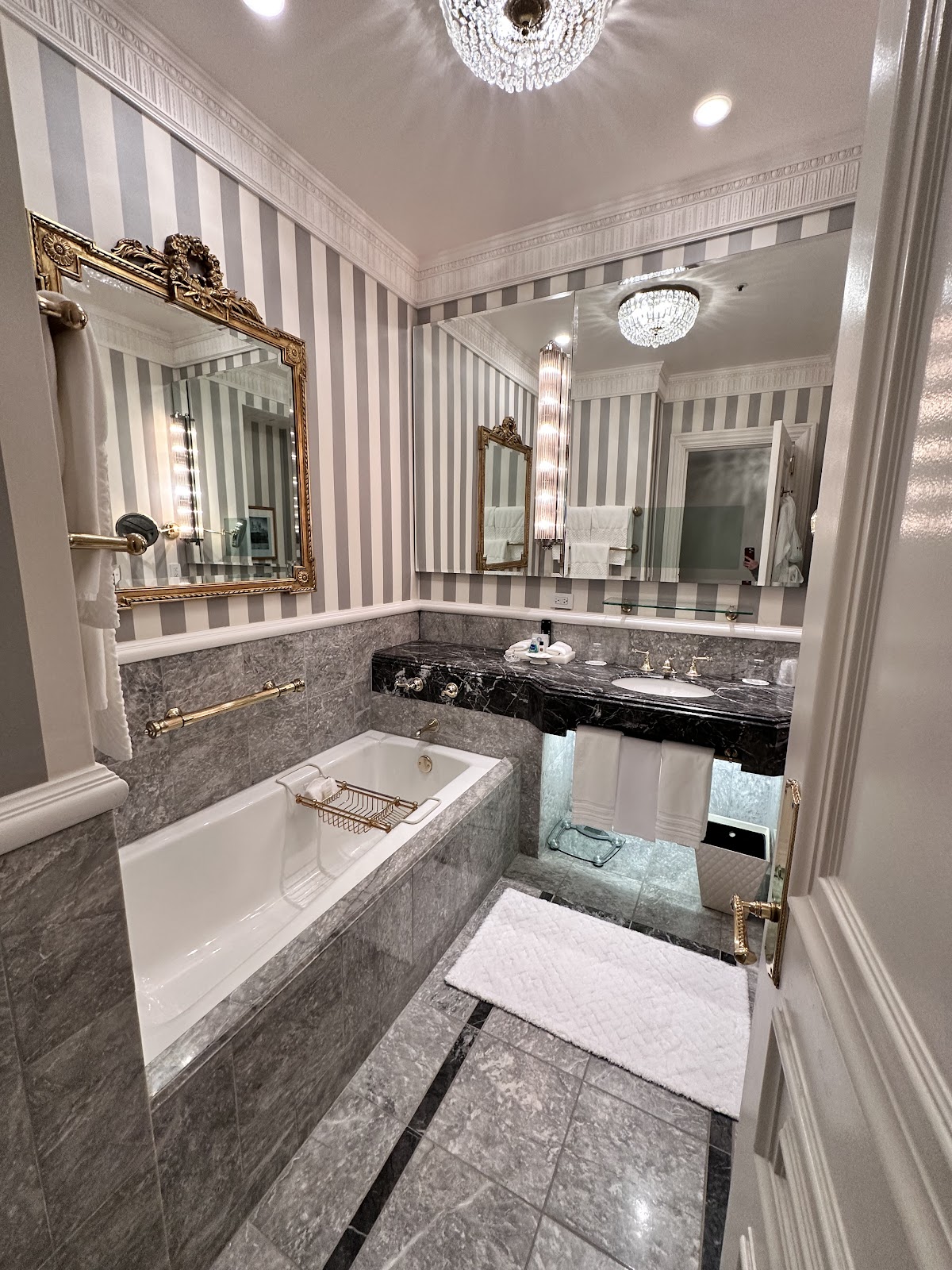
The St. Regis New York: One Frame, and How It Is Made
A Fifth Avenue hotel of gilded plaster, mirrors and chandeliers — and the one frame that shows it.
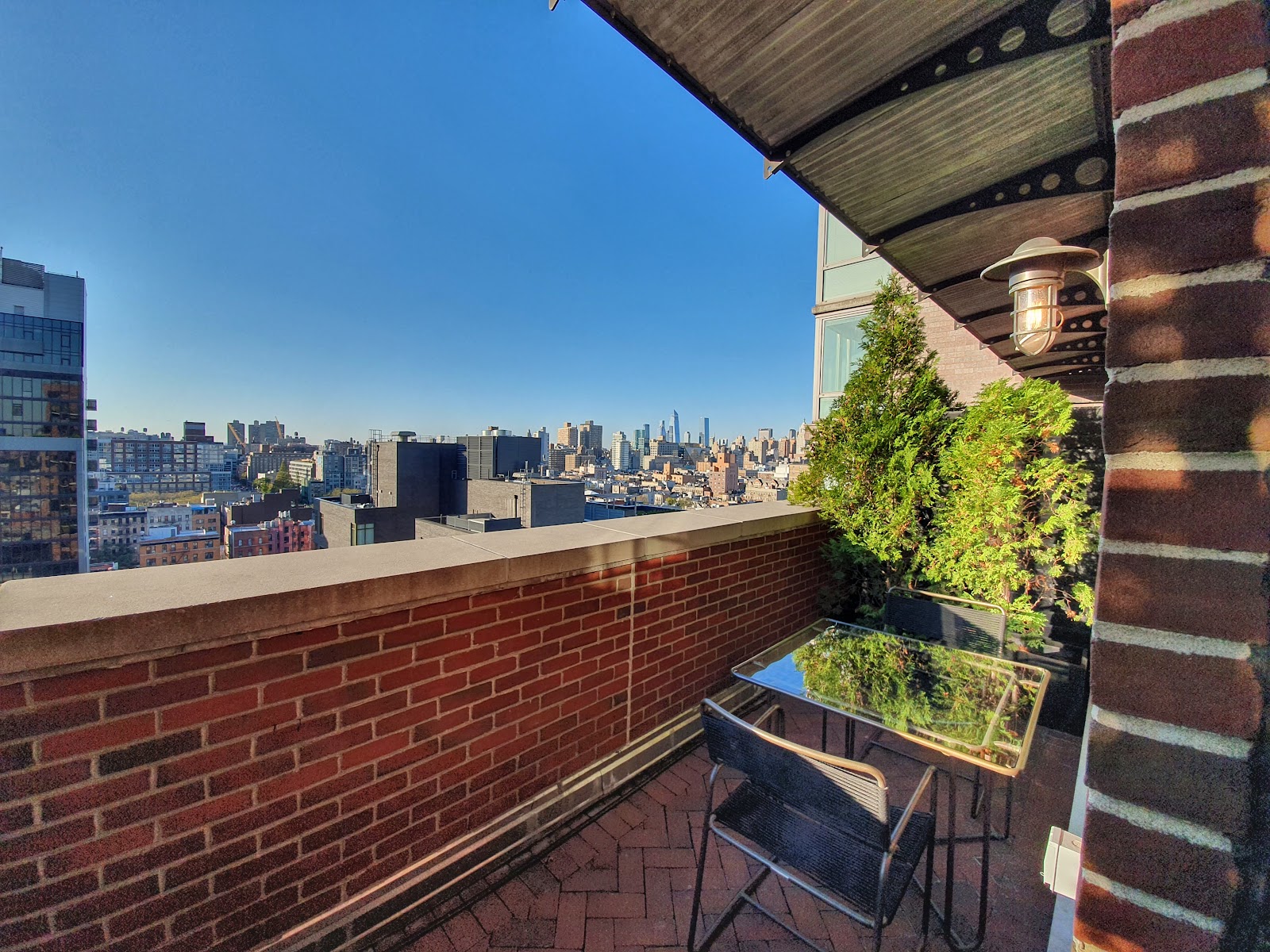
The Ludlow, New York: Field Notes on a Lower East Side Hotel
A hotel on New York's Lower East Side, surrounded by murals, cafes and historic architecture.