New York imposes two conditions that no other American city imposes as completely, and both of them decide how a wedding is photographed here. The first is that there is nowhere to stand back. A facade cannot be photographed whole from a Manhattan pavement, which means the exterior frames are fragments, details and the view looking up — and a couple hoping for the wide establishing shot of their venue needs to hear that in March rather than discover it in September. The second is that most street-level light in this city is not direct sunlight at all.
It is light bounced down from the lit faces of tall buildings above, which makes it soft, directional and available for much of the day. It is genuinely good portrait light. It is not golden-hour light, and the difference is worth naming.
The exception is the grid, and it is a precise one. Manhattan's street plan is rotated about twenty-nine degrees from true north, so the cross streets run roughly east-north-east to west-south-west and take low sun down their full length while the avenues stay in shadow — the alignment closest to exact around the ends of May and the middle of July. Downtown, where the plan predates the grid, the rule holds loosely and a short walk beats a map.
Beyond that, the city's real photographic variable is the seasons, which are four genuine ones: humid summers with afternoon thunderstorms, the clearest air of the year in October, short winter days with sunset in mid-afternoon, and snow — which is the best natural fill there is outdoors and, indoors, turns the street into a very large reflector that makes February the best month for window light in the whole city. The guides below take each venue on its own terms: where the daylight is, what its surfaces do to colour, and the one frame worth building the schedule around.
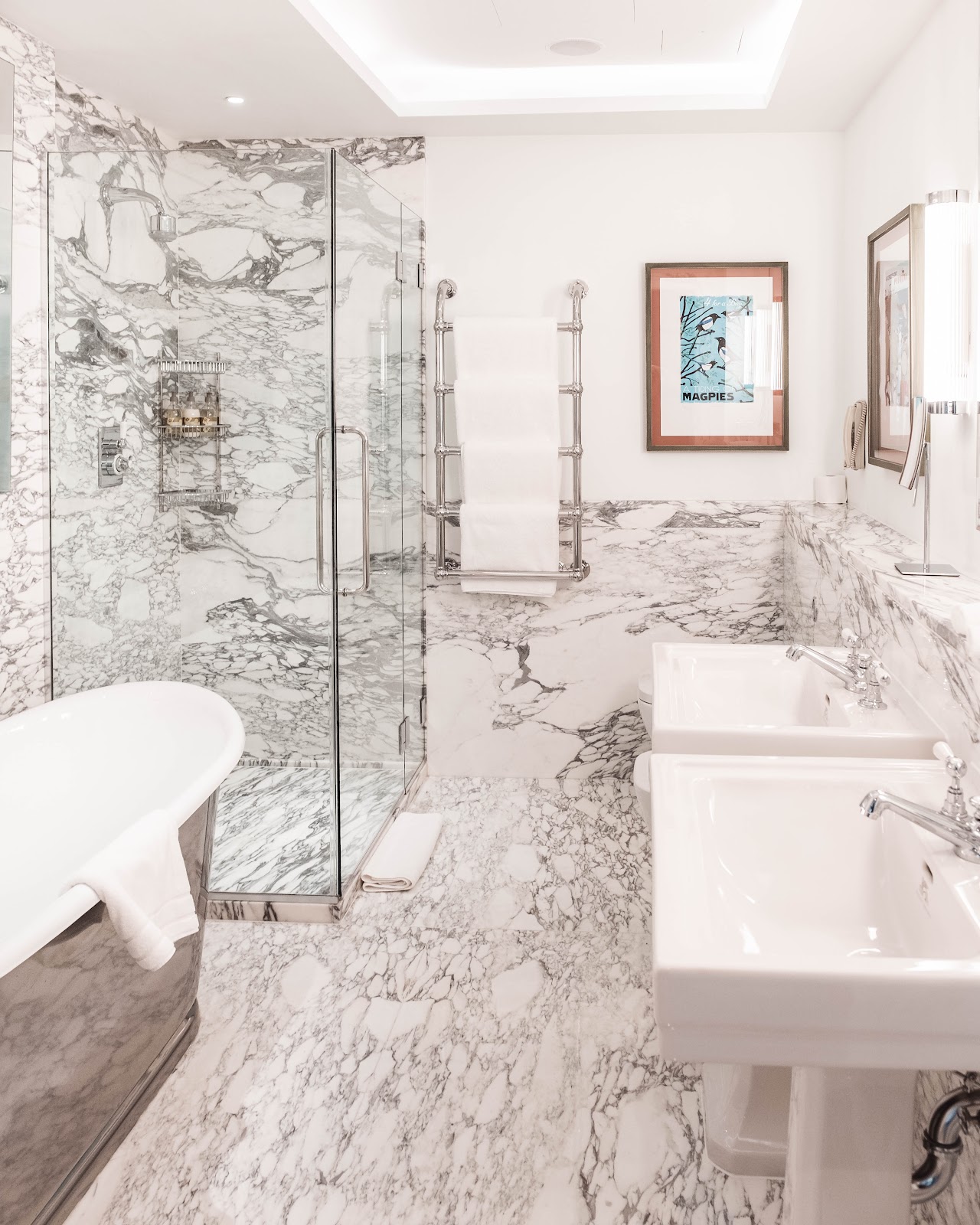
The Whitby, New York: A Walk Through a Midtown Hotel
A Midtown hotel walked in the order a day uses it: patterned rooms, a screening room, tall windows, and the street.
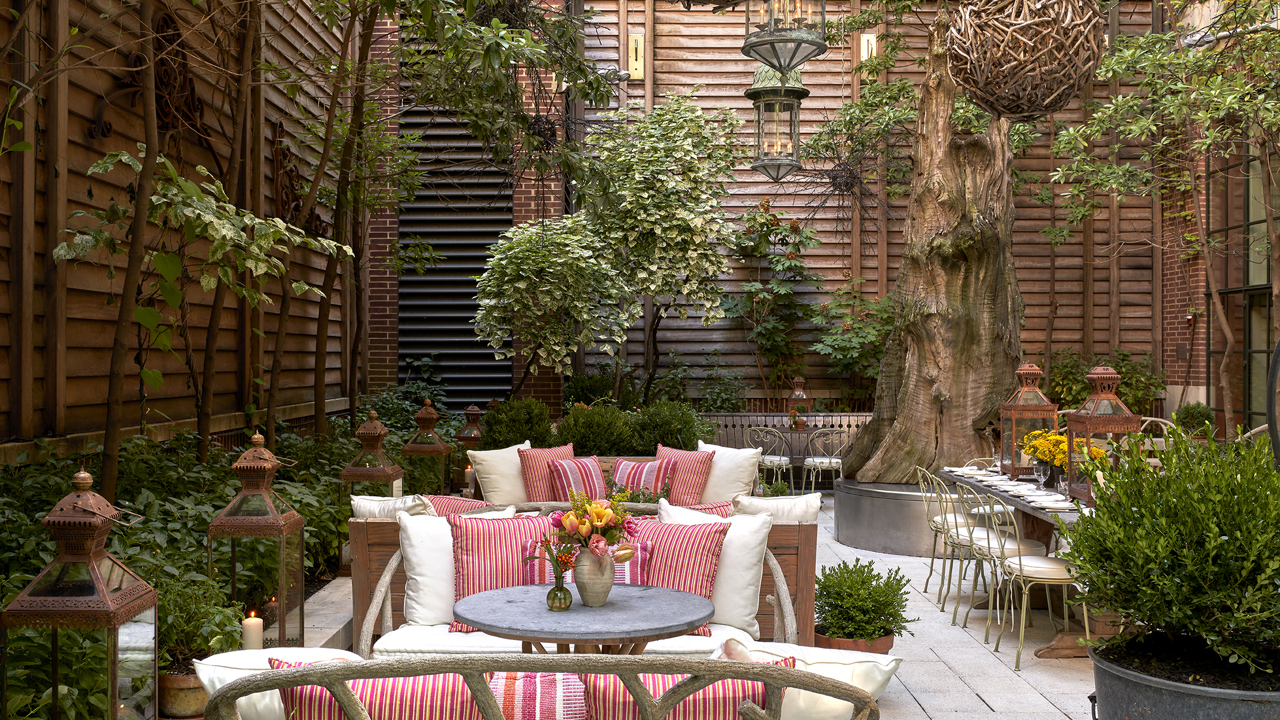
The Crosby Street Hotel, New York: A Walk Through a SoHo Hotel
A SoHo hotel walked in the order a day uses it: bold interiors, a screening room, a courtyard, cast-iron streets.
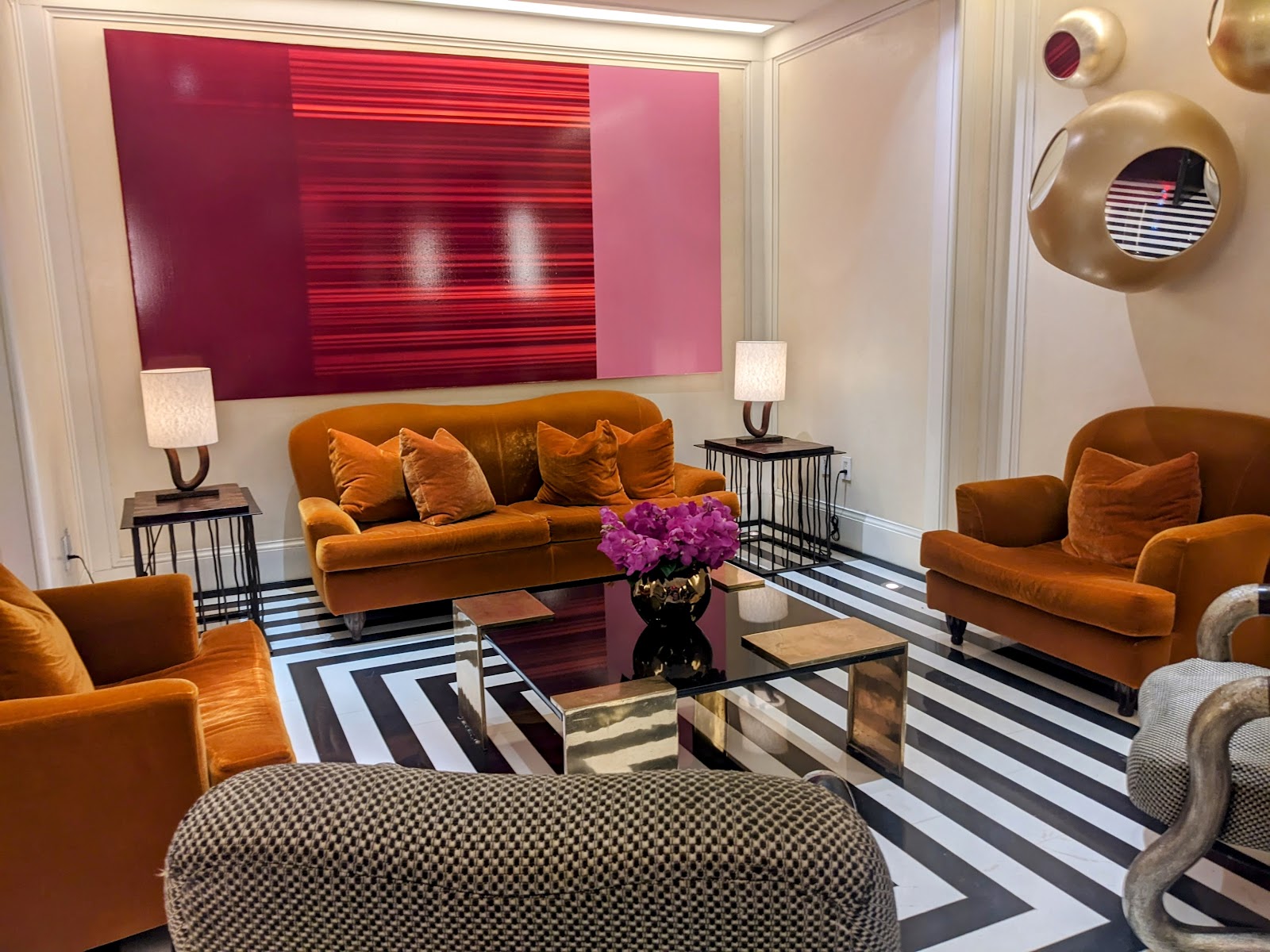
The Mark, New York: A Walk Through an Upper East Side Hotel
An Upper East Side hotel walked in the order a wedding day uses it — arrival, rooms, reception, and out.
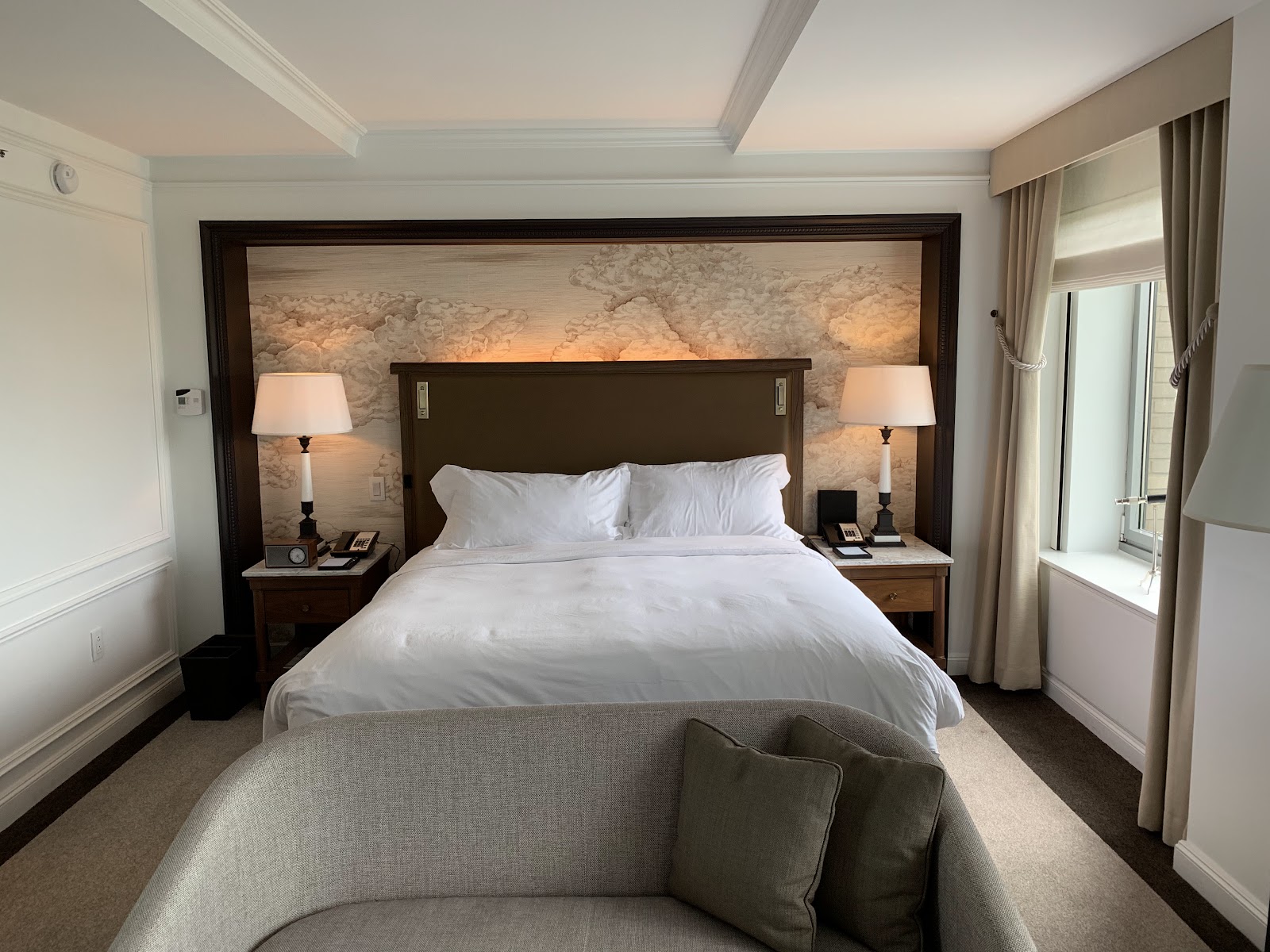
The Ritz-Carlton Central Park, New York: The One Decision That Governs Everything
A hotel facing Central Park, where one scheduling decision — when to go into the park — governs the whole gallery.
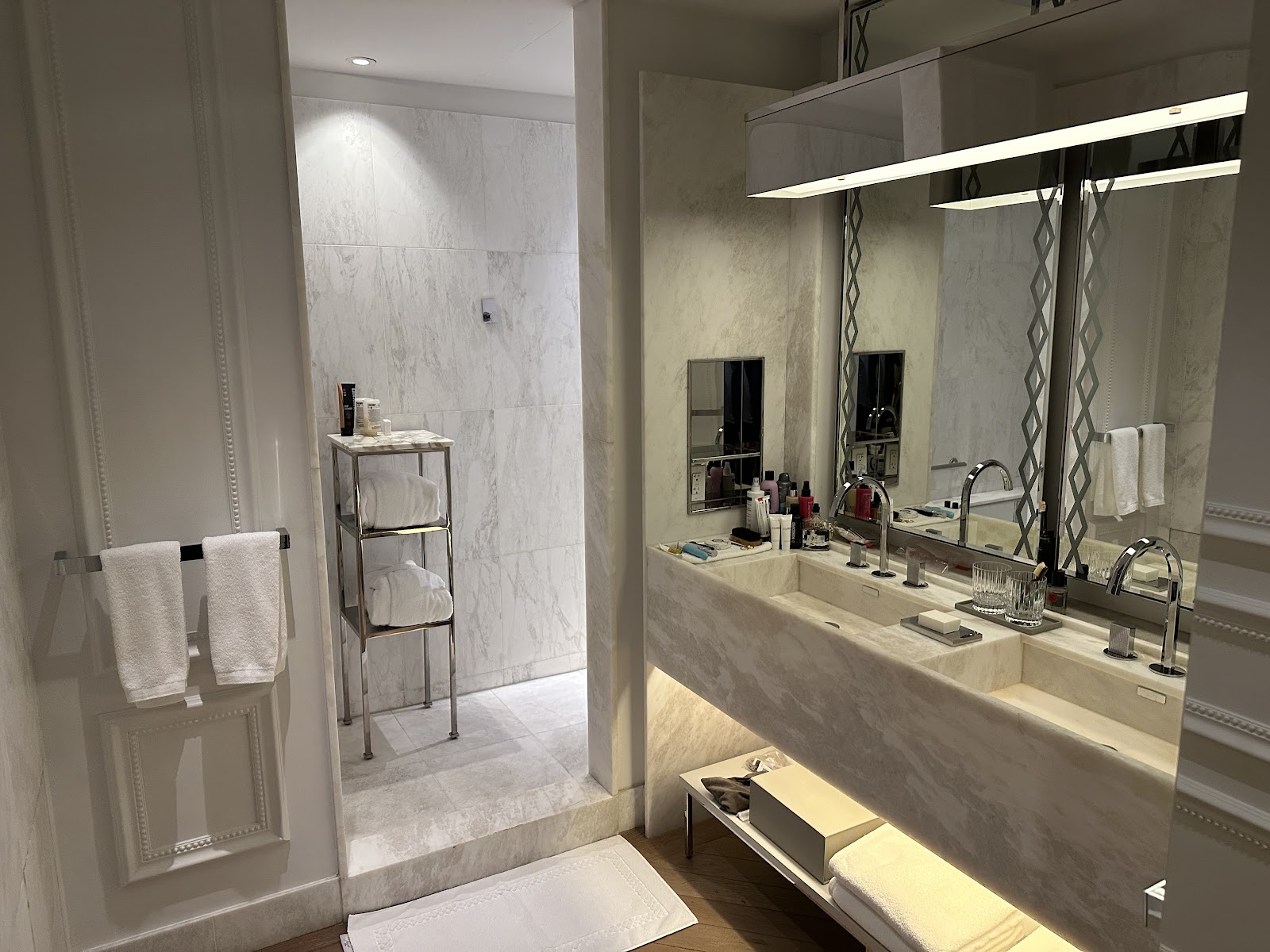
The Baccarat Hotel, New York: The One Decision That Governs Everything
A Midtown hotel of crystal, mirror and polished surface — where one decision about the light governs every frame.
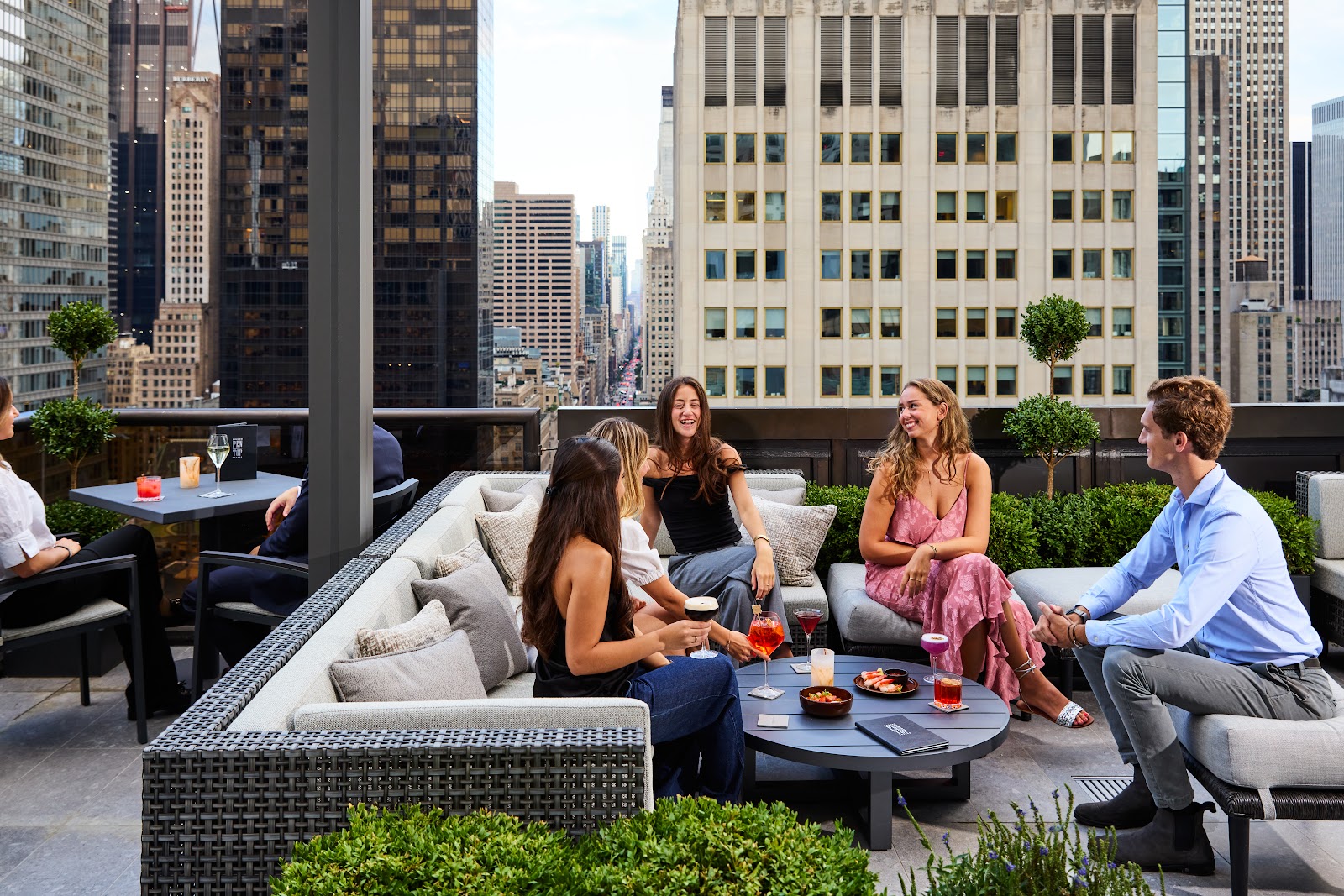
The Peninsula New York: What It Suits, and What It Does Not
A Fifth Avenue hotel in an early-twentieth-century building — its photographic strengths, and its real limits.
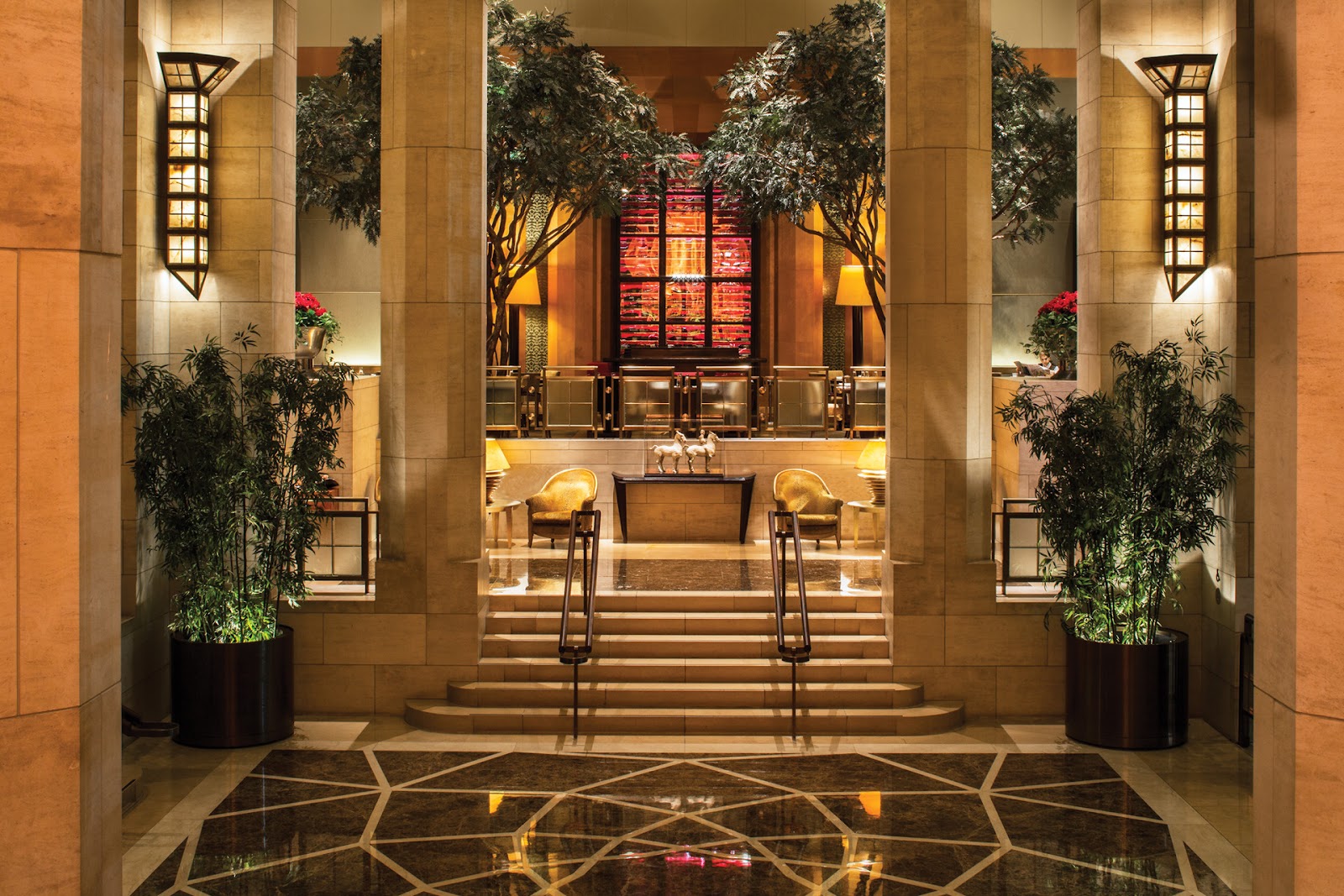
The Four Seasons New York: What It Suits, and What It Does Not
A large modern hotel in Midtown Manhattan — what it does well photographically, and where it asks for work.
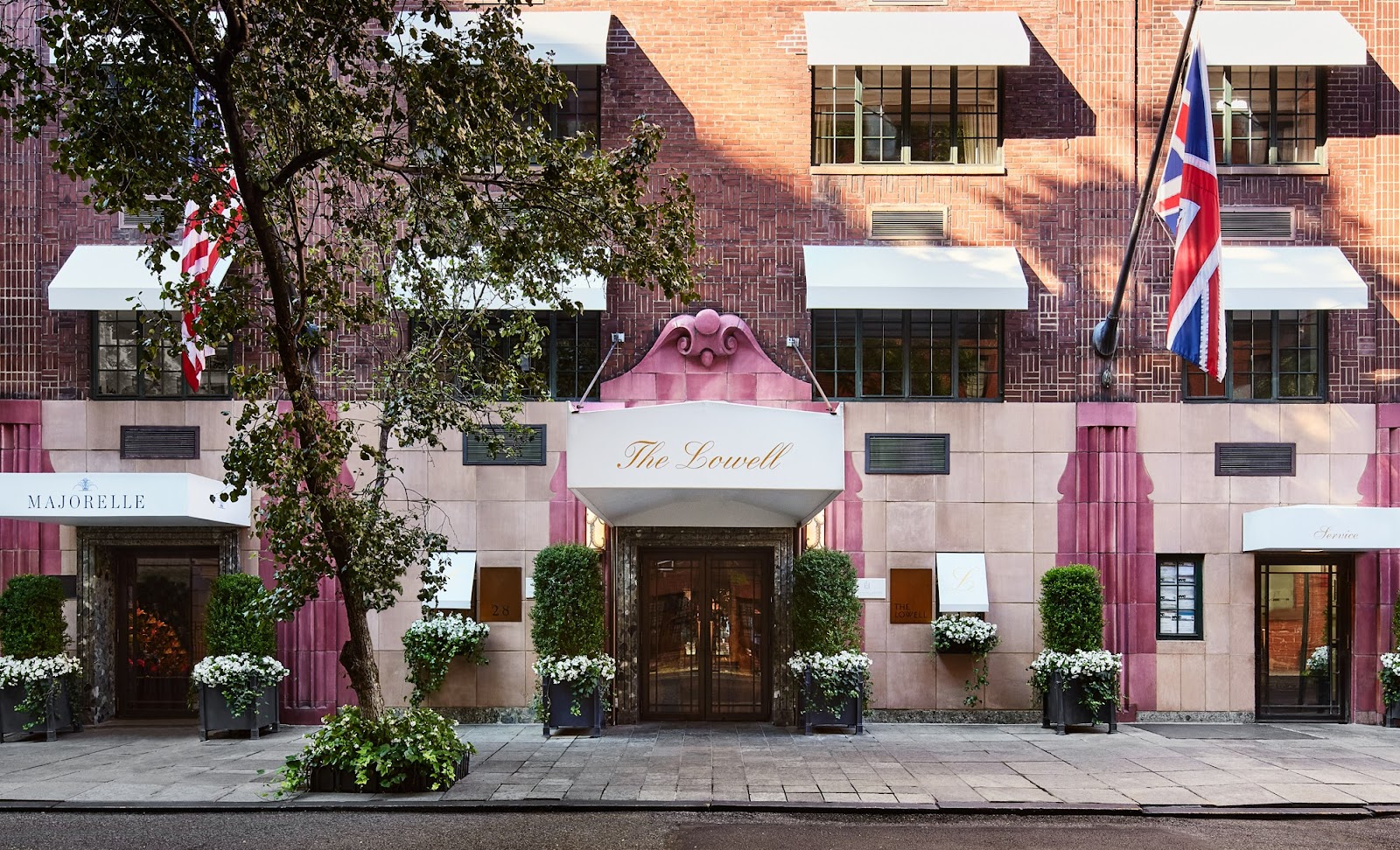
The Lowell, New York: One Frame, and How It Is Made
A small Upper East Side hotel where the rooms are domestic in scale — and the one frame that suits that.
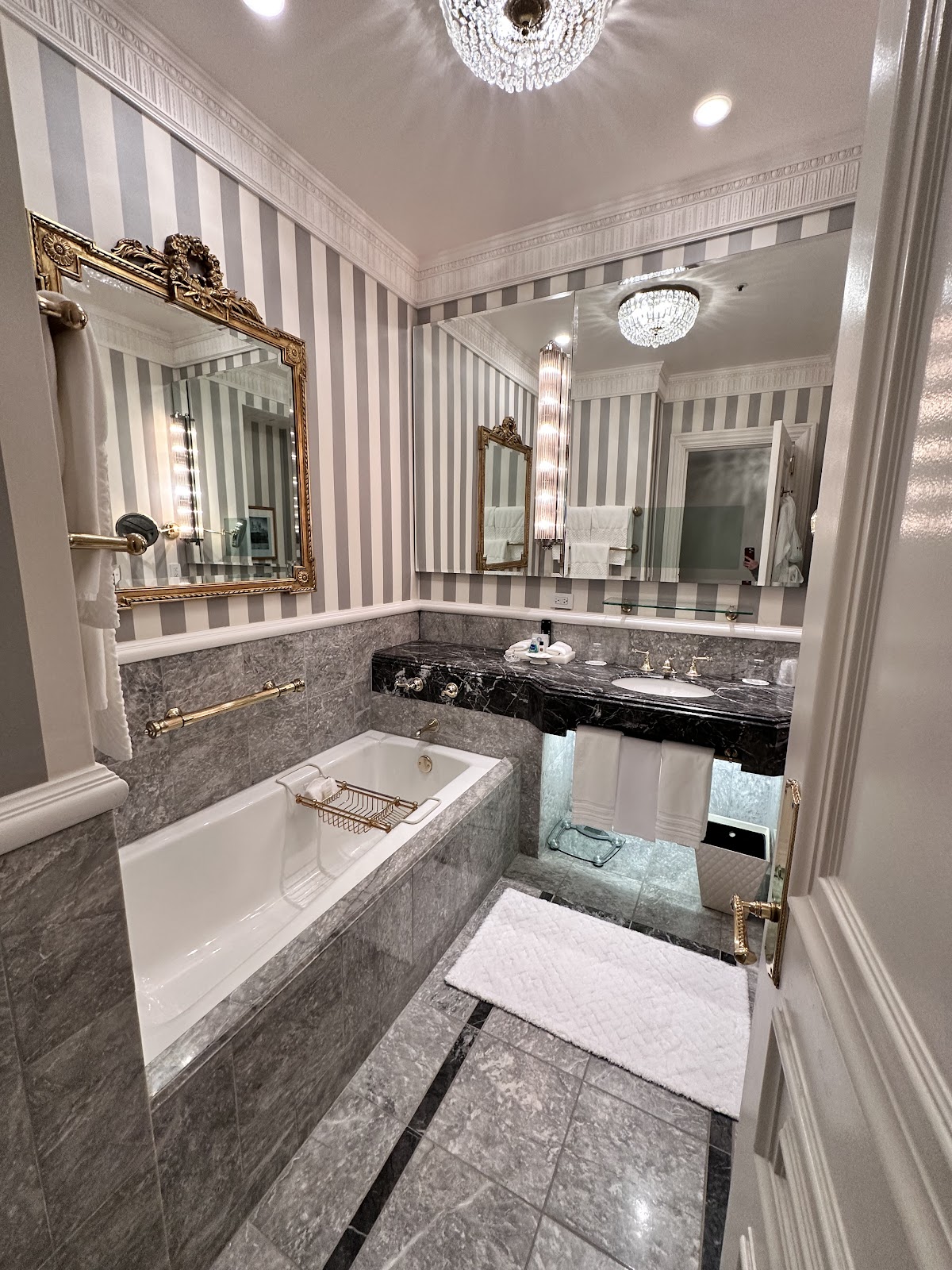
The St. Regis New York: One Frame, and How It Is Made
A Fifth Avenue hotel of gilded plaster, mirrors and chandeliers — and the one frame that shows it.
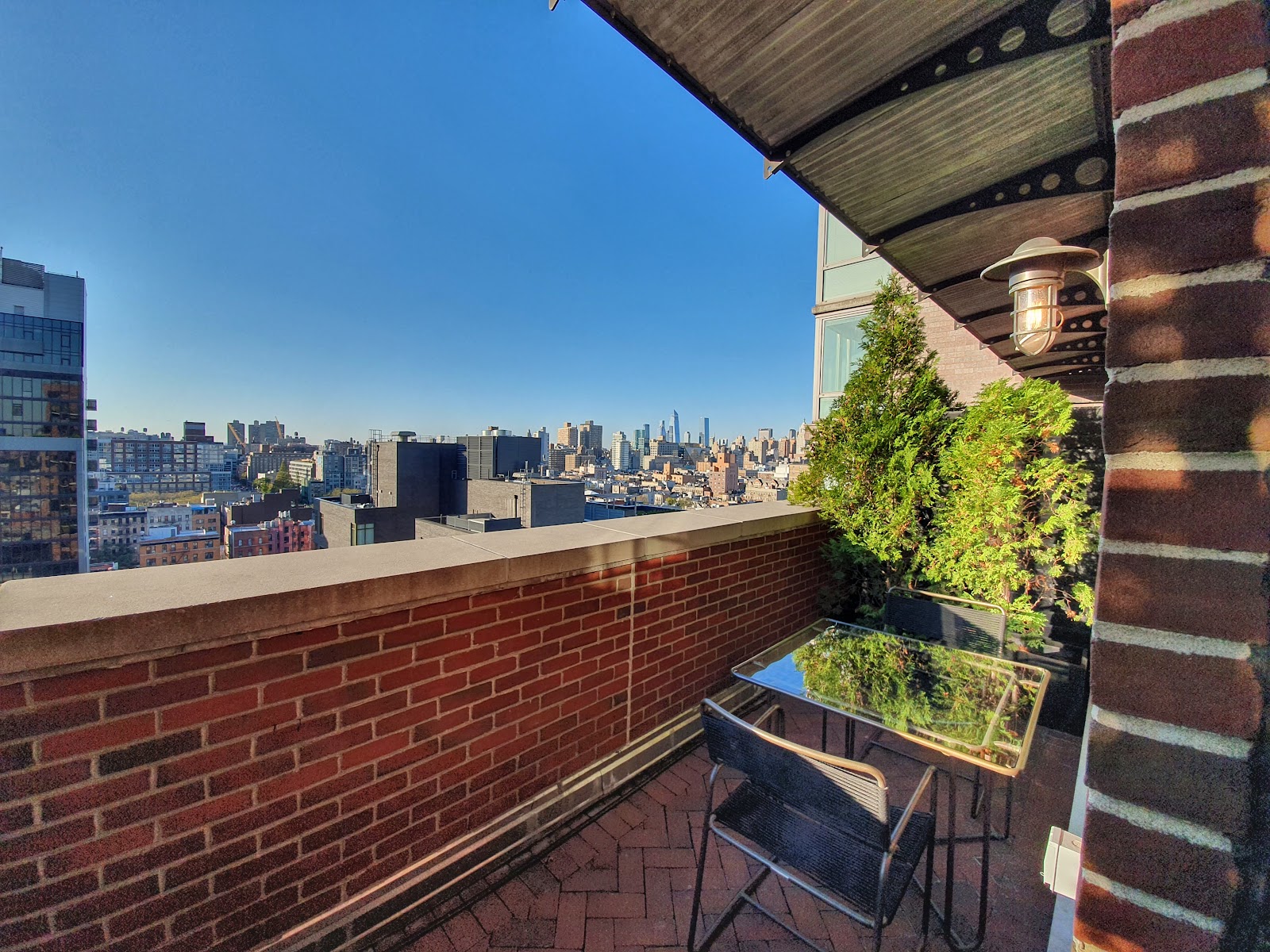
The Ludlow, New York: Field Notes on a Lower East Side Hotel
A hotel on New York's Lower East Side, surrounded by murals, cafes and historic architecture.