Almost everything in this collection stands within a few miles of St. Anthony Falls, and that is not a coincidence: the falls are the only major waterfall on the Mississippi, they are the reason Minneapolis exists, and the flour-milling industry they powered built the district most of these venues occupy. The Mill City Museum, the Lumber Exchange, the Machine Shop and their neighbours share a material vocabulary because they share an industry — local limestone, heavy timber, cast iron, and windows sized for daylighting a working floor rather than for a view. That last detail is the useful one.
A building put up before electric light was cheap has big windows placed high, because the point was to push daylight deep into the room. Those windows are still there, and they are still doing it. It means these interiors have far more usable natural light than their heavy exteriors suggest, and it means the light is directional and falls off fast — which is what you want.
The second fact is latitude, and it governs the calendar more than anything else here. Minneapolis sits near forty-five degrees north, higher than anywhere in this library except Alaska, and the consequences run in both directions. In June the sun sets around nine in the evening and the twilight afterwards is long and generous, which gives an outdoor ceremony a genuinely late golden hour and a usable blue hour after it. In December the sun is gone before half past four.
A January wedding here is an indoor wedding with a brief, precious window of low afternoon light, and a timeline built on southern assumptions will simply run out of daylight before the ceremony ends. Winter also brings the one lighting asset nobody plans for: lying snow is an enormous neutral reflector. It fills shadows from below, lifts faces, and turns the flat overcast that photographers usually resent into something close to studio light. A cold clear day with snow on the ground is one of the best portrait conditions this state offers, and it is free. The Guthrie Theater deserves its own warning.
Its glazing is deliberately tinted, and the famous cantilevered view over the river is seen through coloured glass, which means everything photographed through it carries a strong cast that no automatic white balance will resolve sensibly. Set a custom balance in that space and keep it, or shoot the people and the view as separate frames rather than fighting to get both right in one. These guides go venue by venue: where the daylight actually reaches, what the material does to skin tones, and how to order a day around a sun that is either extremely generous or extremely short.
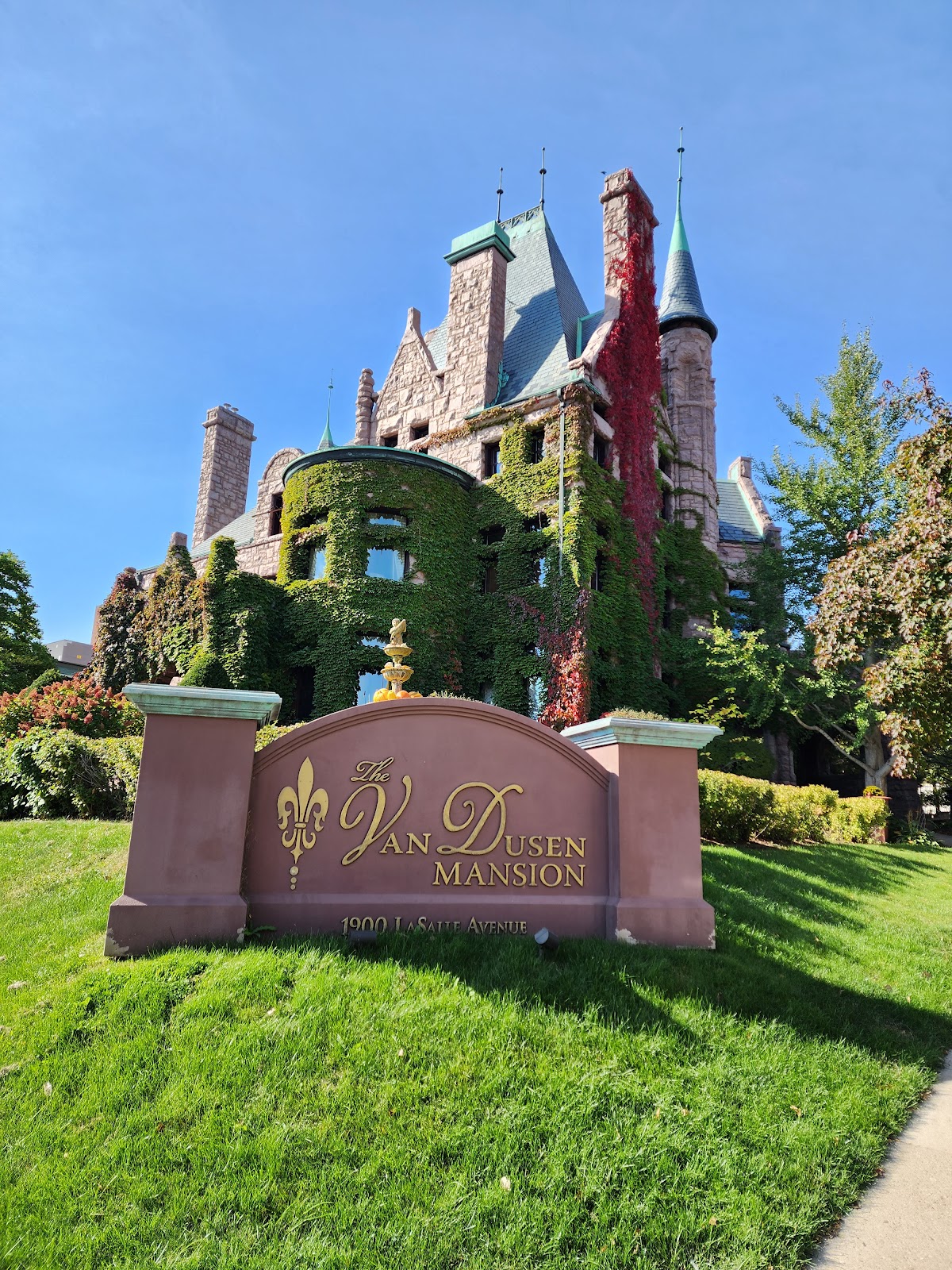
The Van Dusen Mansion, Minneapolis: A Walk Through House and Grounds
A historic Minneapolis mansion with a main ballroom of intricate woodwork and richly decorated interiors.
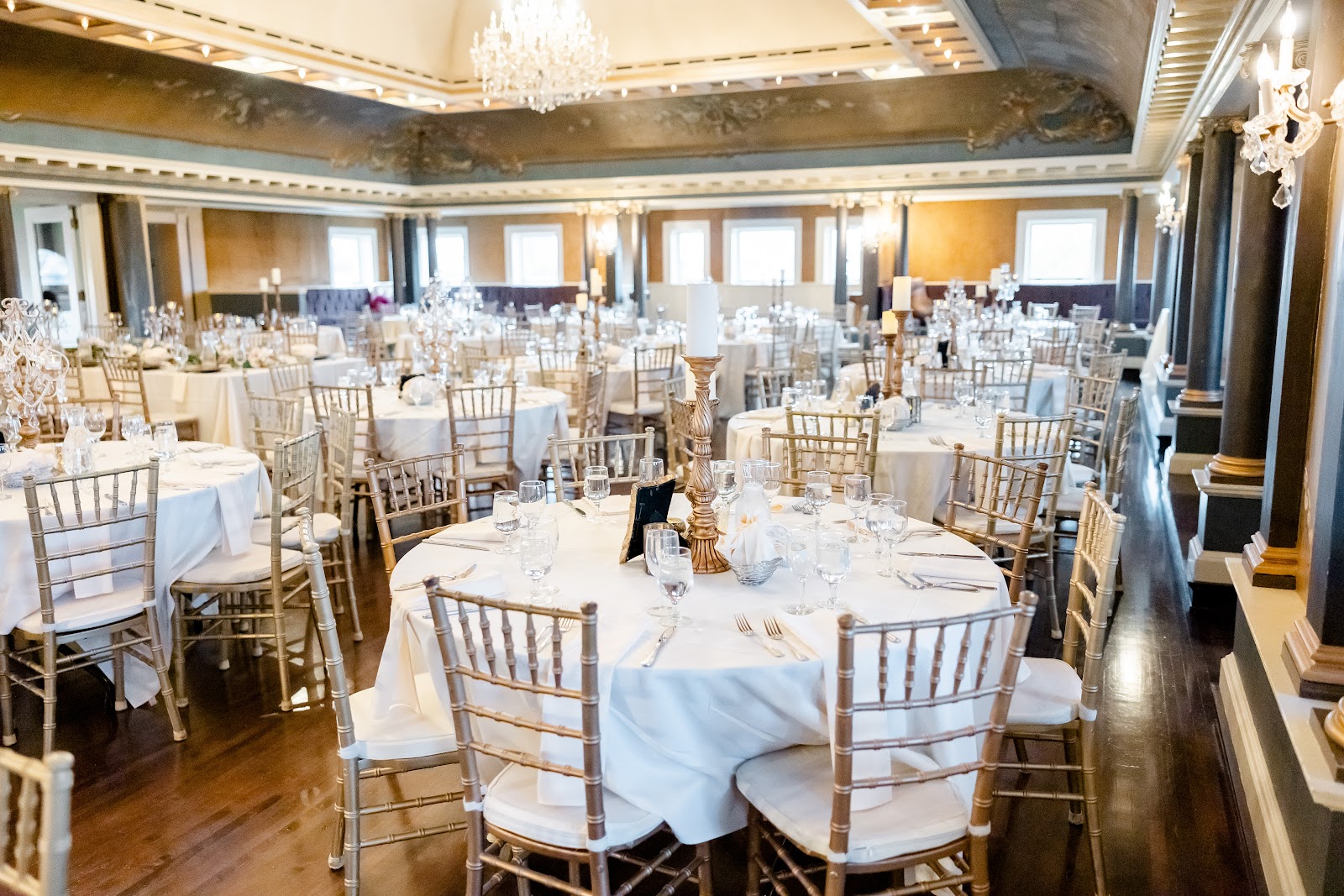
The Semple Mansion, Minneapolis: A Walk Through an Early-1900s House
An early-1900s Minneapolis mansion, with a formal grandeur rarely found in contemporary venues.
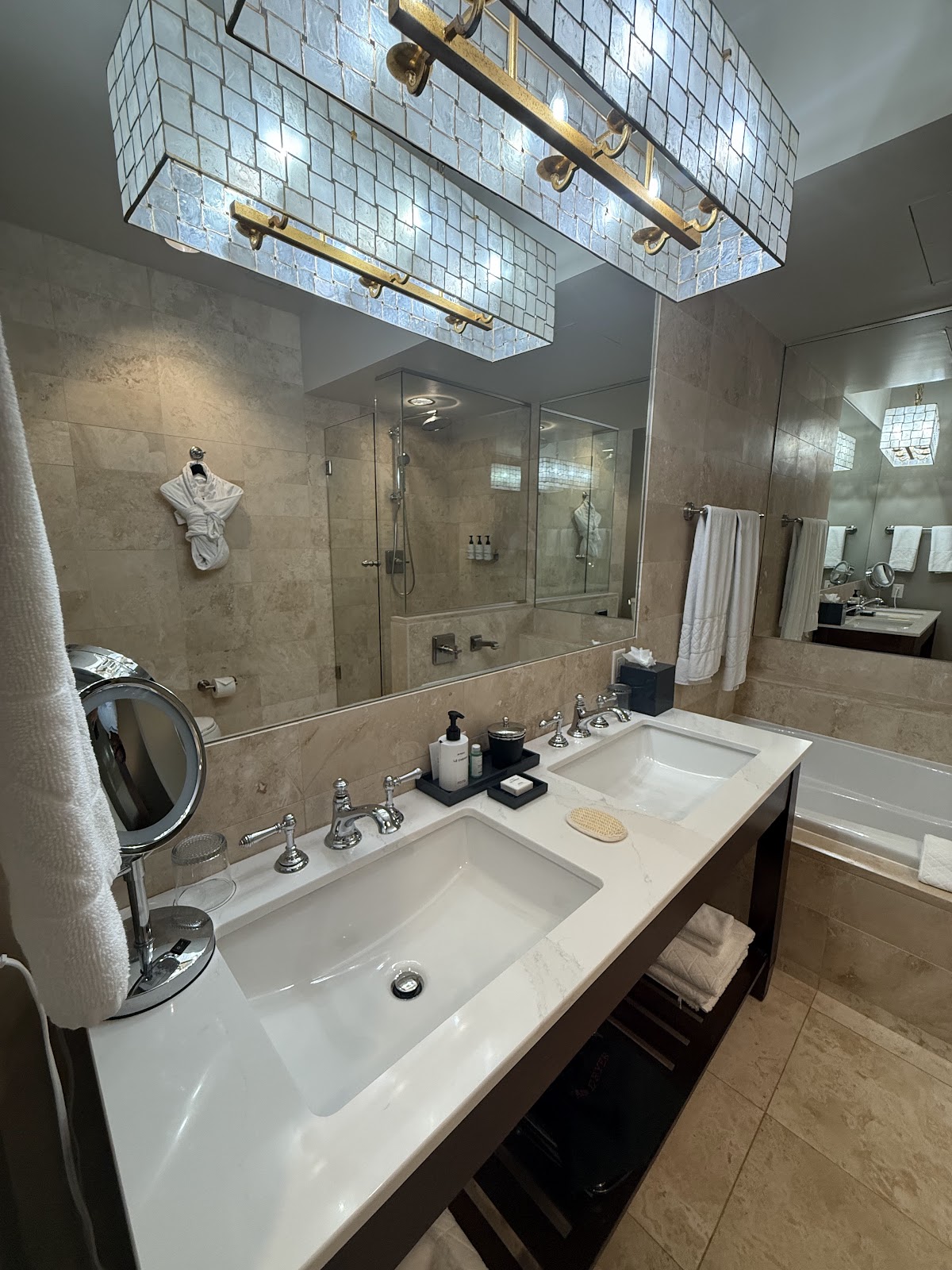
The Ivy Hotel, Minneapolis: The One Decision That Governs Everything
A Minneapolis hotel housed in a historic building, blending classic character with contemporary design.
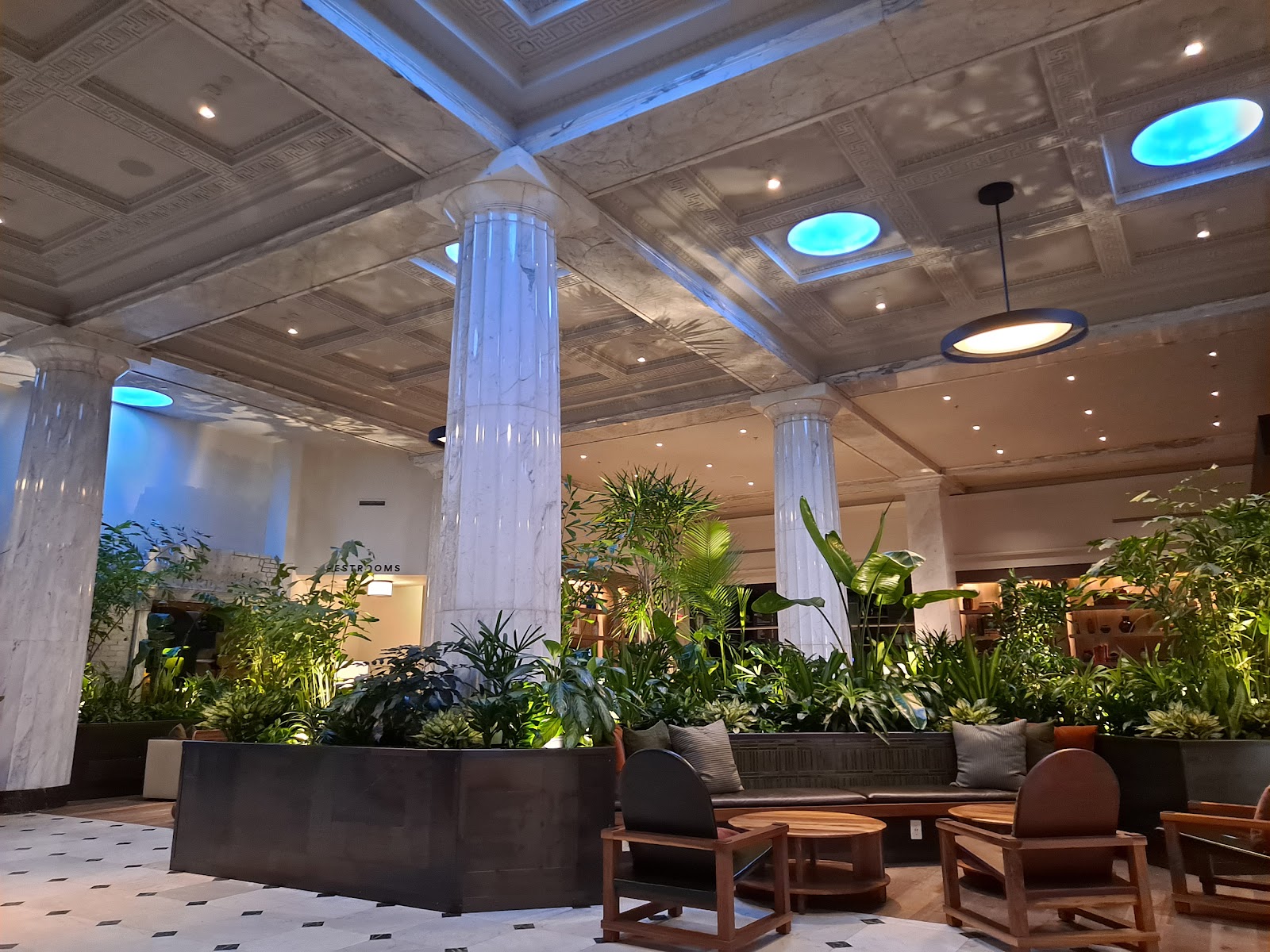
The Emery Hotel, Minneapolis: The One Decision That Governs Everything
A Minneapolis hotel offering a grand ballroom alongside smaller, more intimate event spaces.
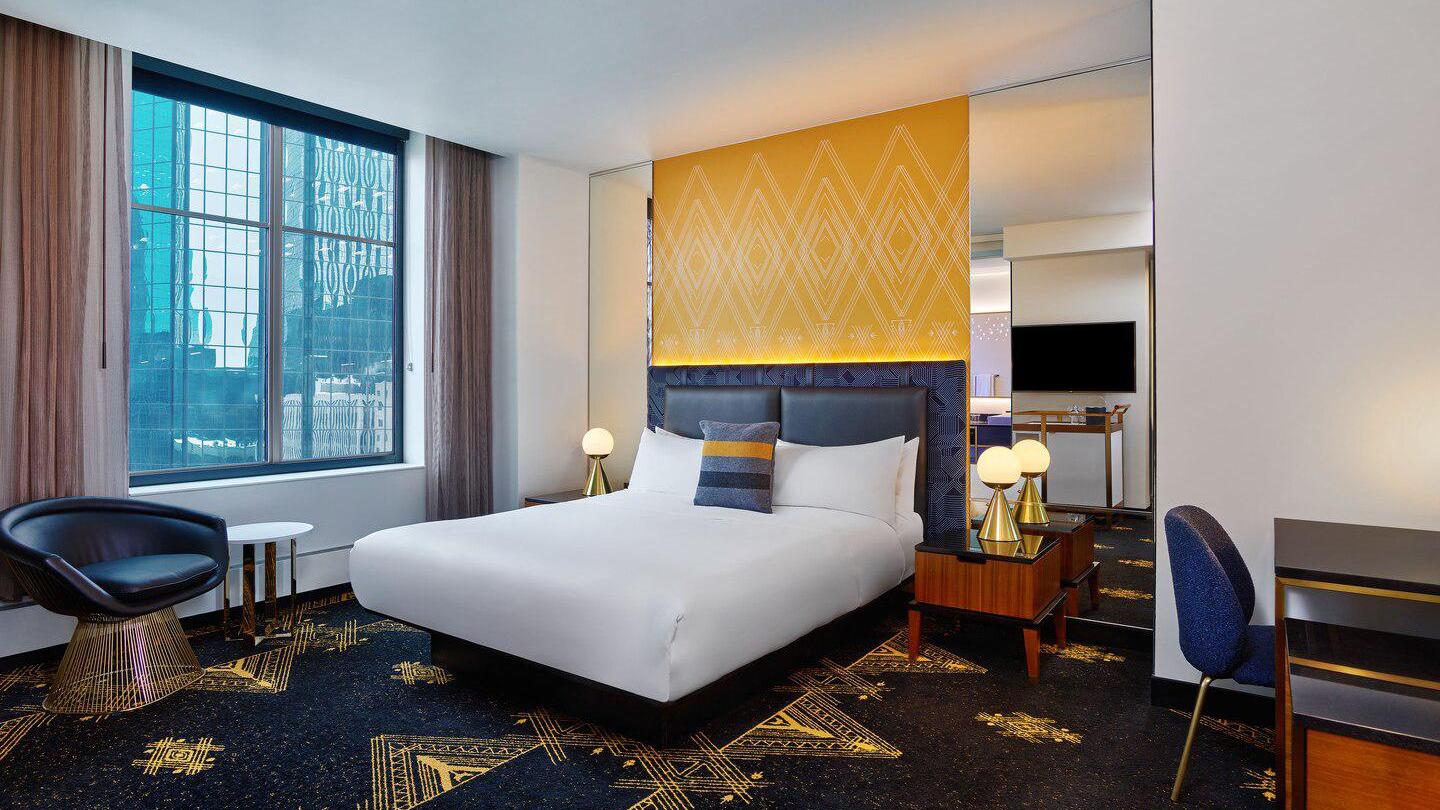
The W Minneapolis: The One Decision That Governs Everything
A hotel occupying a historic Minneapolis tower, combining period architecture with a modern ballroom and fittings.
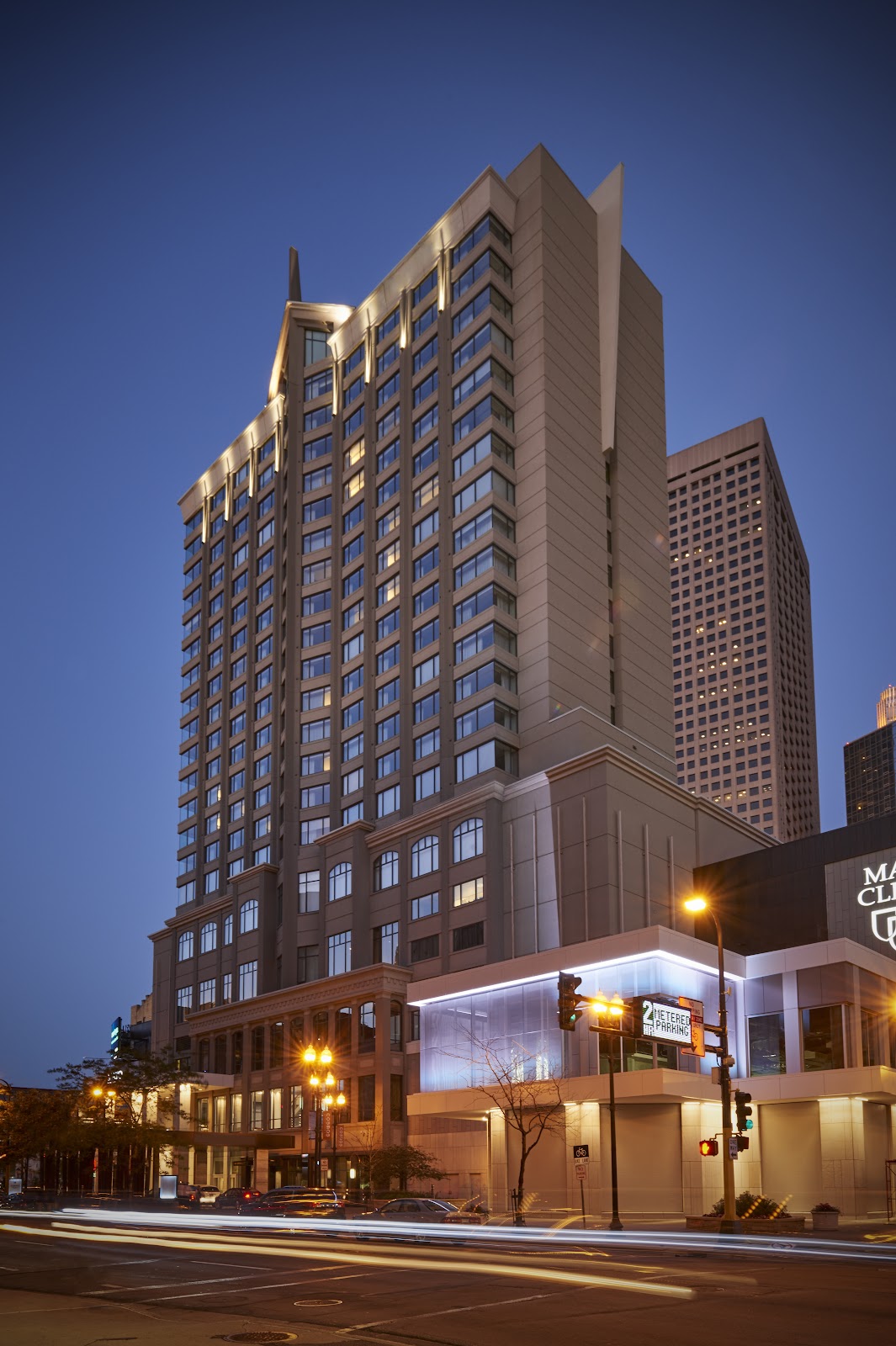
The Graves 601 Hotel, Minneapolis: What It Suits and What It Does Not
A hotel in a convenient downtown Minneapolis location, with straightforward access and parking for guests.
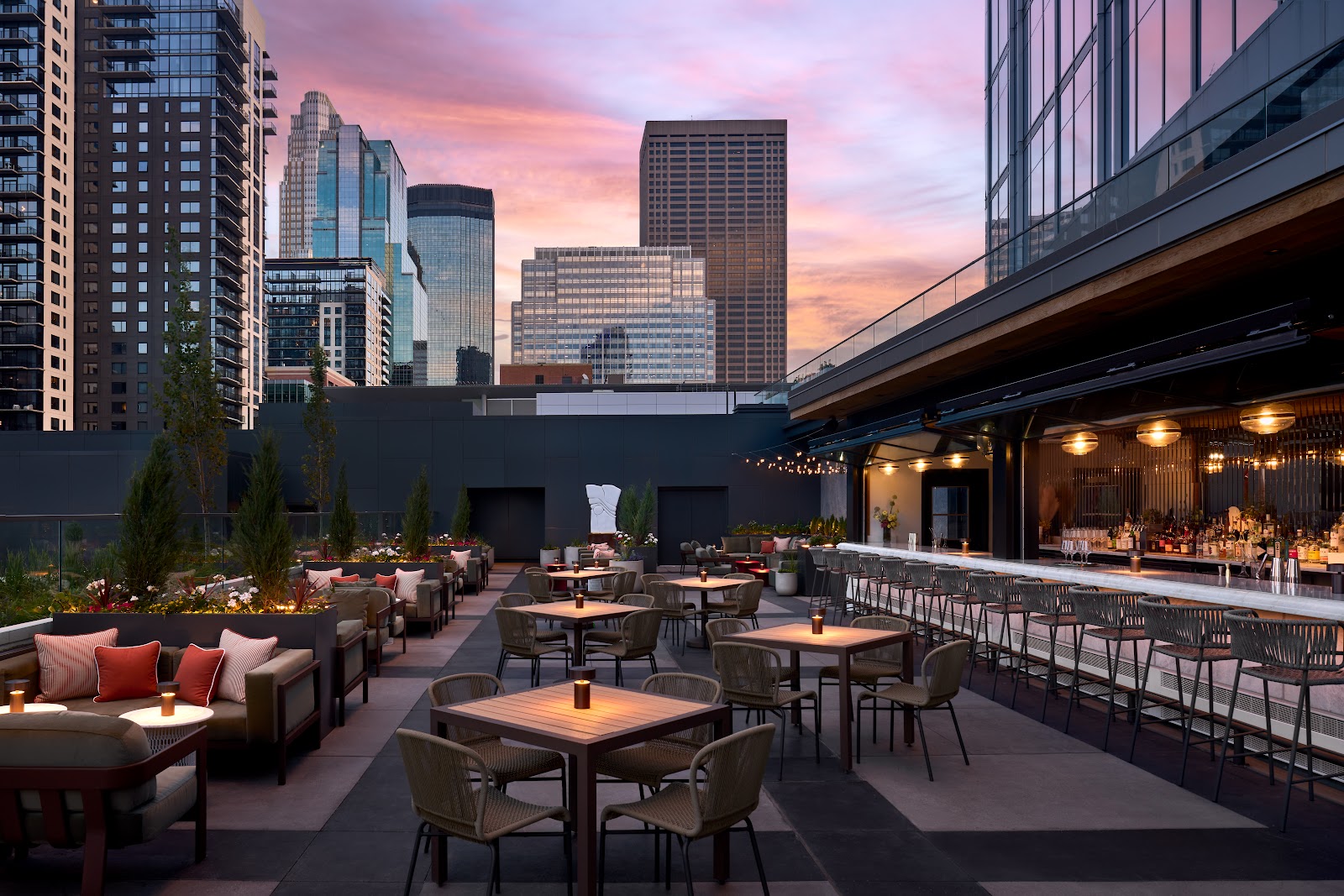
The Four Seasons Minneapolis: What It Suits and What It Does Not
A modern luxury hotel in Minneapolis, with a grand ballroom and smaller private dining rooms.
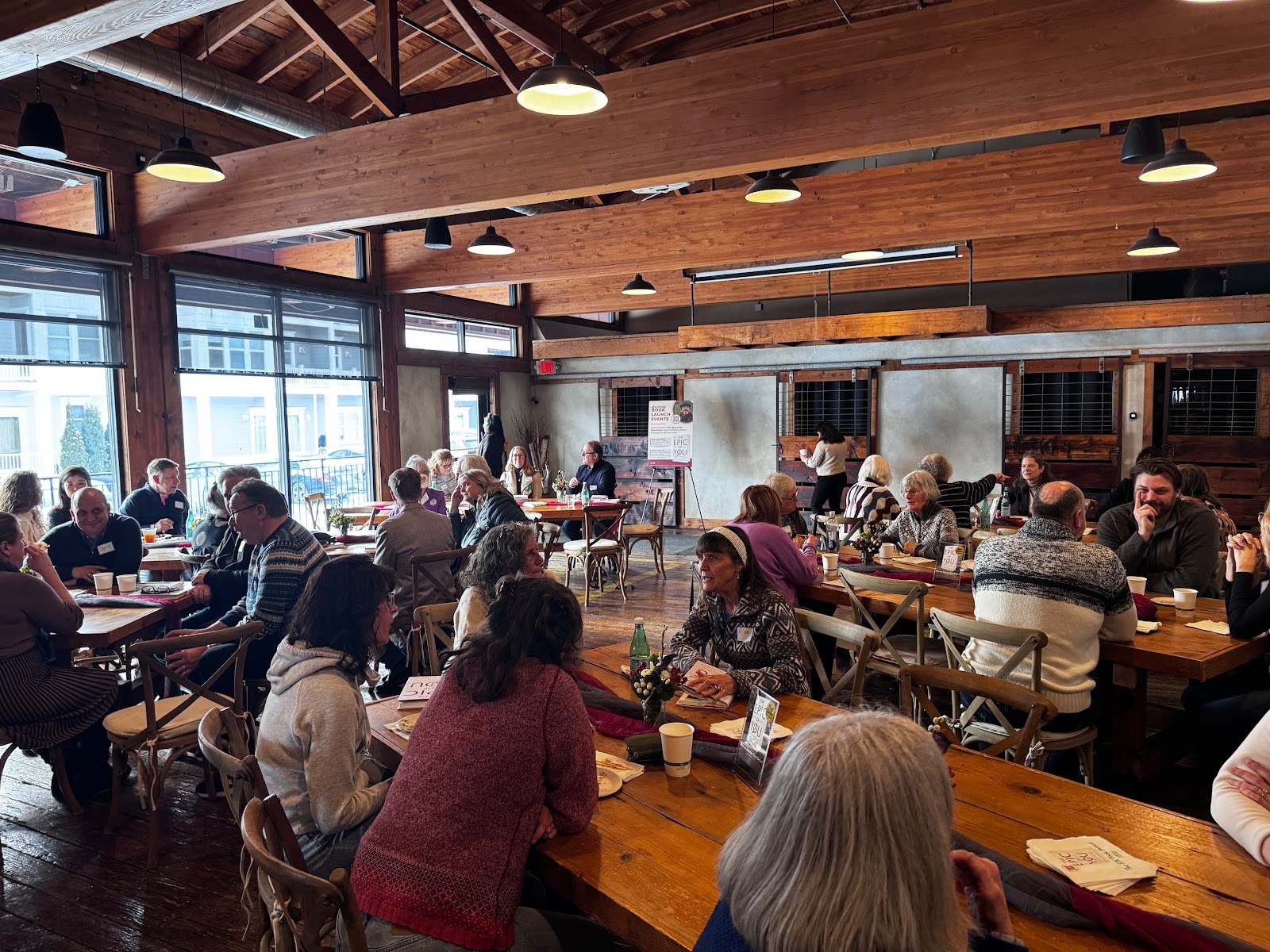
The Pique, Minneapolis: One Frame and How It Is Made
An event venue in the heart of Minneapolis, positioned for convenience and surrounded by urban settings for photographs.
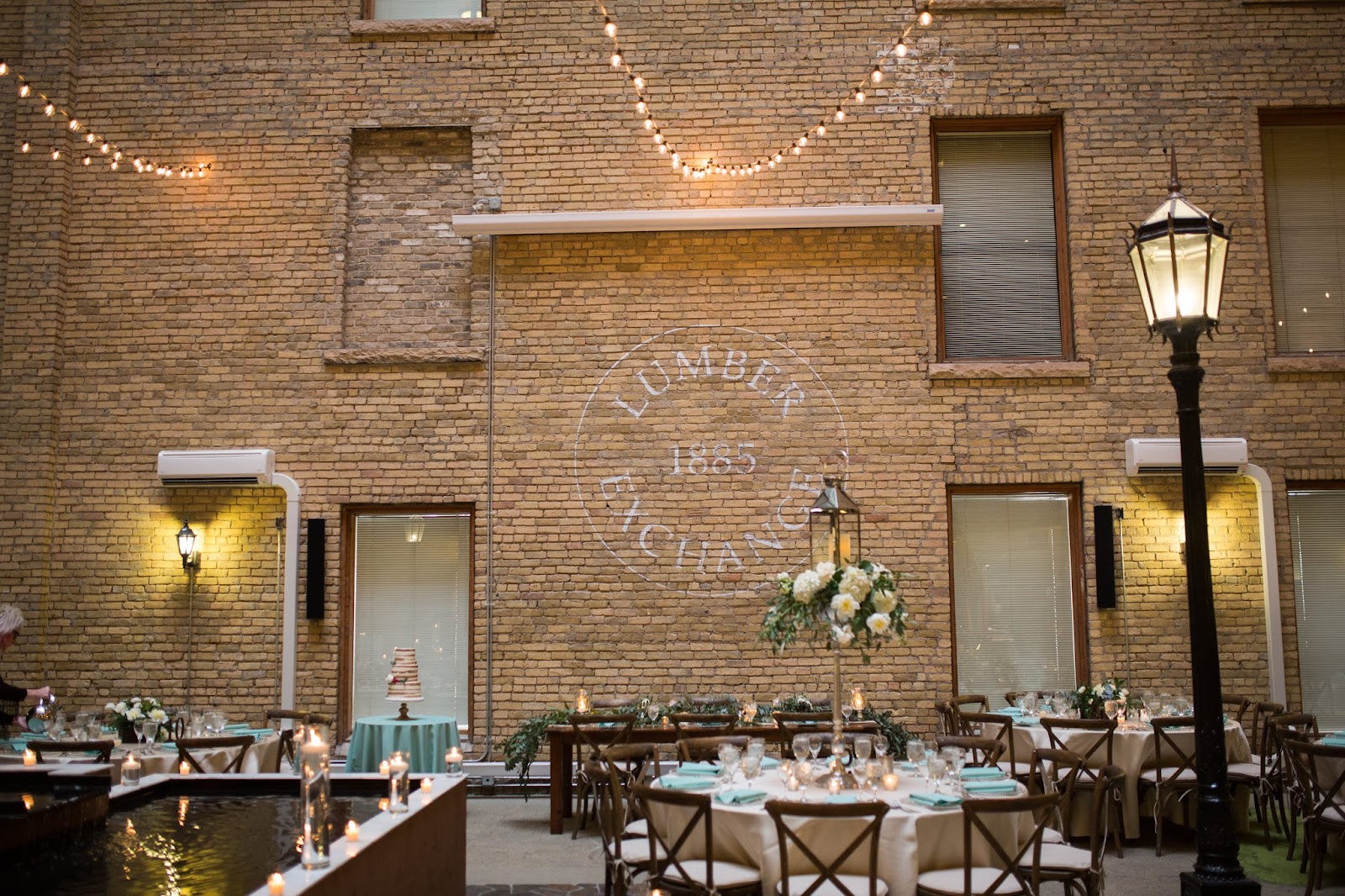
The Lumber Exchange, Minneapolis: One Frame and How It Is Made
A historic Minneapolis building with several event spaces, the most striking of which is the ornate Fountain Room.
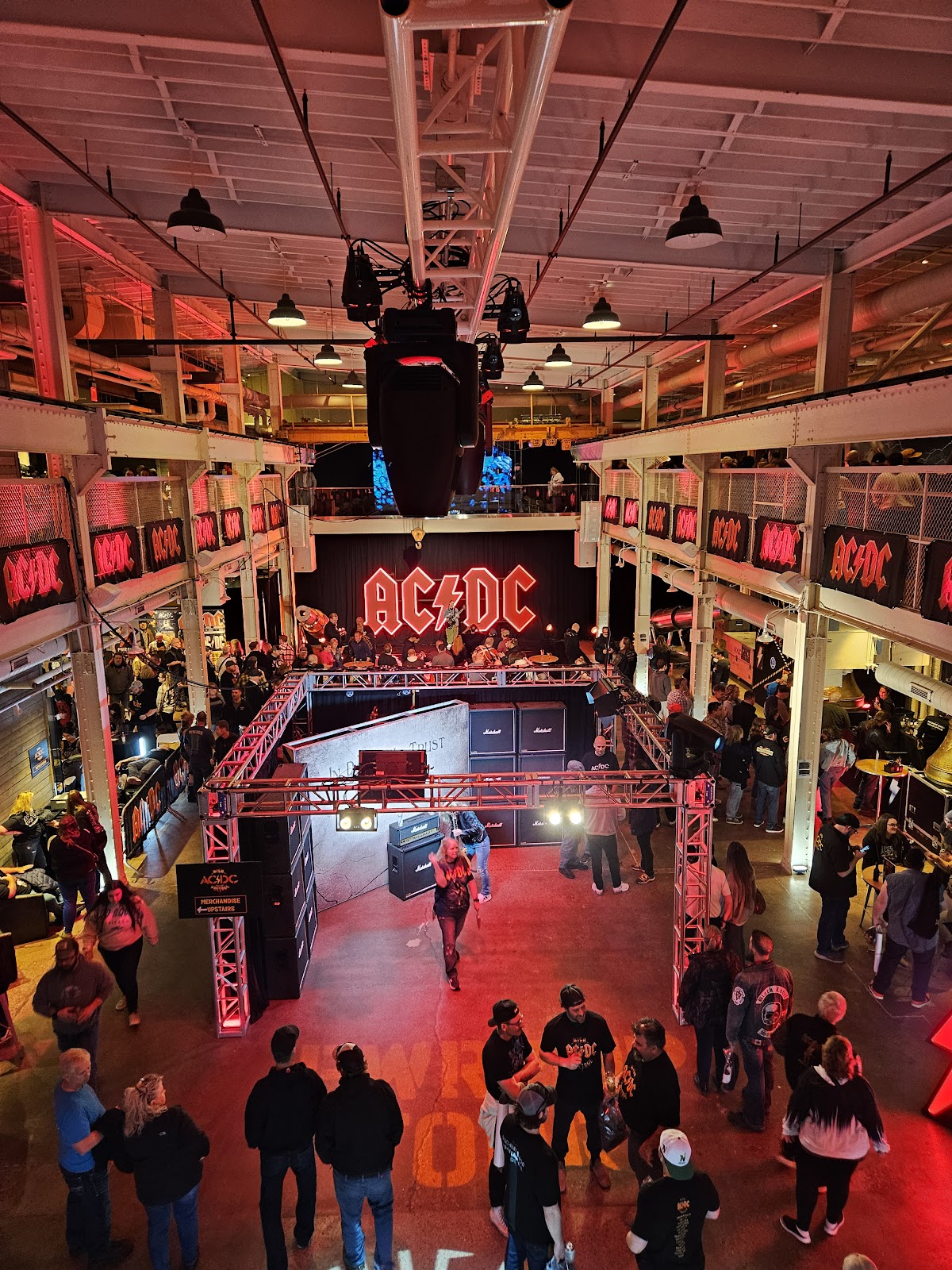
The Machine Shop, Minneapolis: Field Notes on a Converted Machine Works
A converted machine works in Minneapolis, transformed into a modern event space while keeping its industrial fabric.