The venues in this collection sit in the country west and north of Chicago, and they have more in common than their different names suggest: they are all large public institutions built on the same ground, in the same light, over the same original landscape. That original landscape is the most useful thing to understand, because every one of these places is either restoring it or planted on top of it. Before European settlement this was tallgrass prairie interspersed with oak savanna and oak woodland — not forest, but widely spaced fire-adapted trees standing over grass. Two consequences follow and both are visible in photographs. First, the soil.
Millennia of deep-rooted prairie grasses built a black topsoil among the richest agricultural soils anywhere, which is why planting here reaches a size and density that thin ground never allows: canopies close properly, hedges are solid rather than thin, and specimen trees are genuinely large. Second, the oaks. An open-grown bur or white oak — one that has had space around it all its life — develops a wide, low, spreading crown with clear trunk beneath, rather than the tall narrow shape a tree takes when it competes in a wood.
One of those is the best outdoor position on any site in this region: it shades a group of forty, it frames a ceremony without any structure at all, and its crown is broad enough to fill a wide frame. They are rarely the positions a venue suggests, so walk the grounds and find one yourself. Two canopy rules apply under any of them, without exception.
Light that has passed through leaves is genuinely green, so a face lit only by filtered canopy light reads sickly and no white balance fixes it, because the cast is in the light rather than in the file — position instead for open sky arriving from the side, which usually means a two-metre walk to the canopy edge rather than standing under the middle of the crown. And avoid dappled shade entirely: broken light puts hard bright patches on a face several stops above the surrounding skin, and those cannot be recovered. Full shade or full sun, never the edge between them.
Restored prairie is the environment photographers least expect and it rewards knowing about, because several of these institutions have substantial areas of it. Tallgrass prairie is not a meadow. By late summer big bluestem, Indian grass and switchgrass stand two metres or more, with compass plant and other forbs above them, so a person walking in disappears from the waist down and a wide frame becomes a wall of vegetation. Use the height deliberately: camera low so the grass rises into the frame around the subject, or a mown path shot along its length so the grass forms two walls with the couple between them.
And it is a low-sun environment only, because the grasses and seed heads are translucent — a low sun behind head-high grass turns the whole field into a glowing screen, which at several of these venues is the single best frame available, while the same field at midday is a flat green mass. Crucially, prairie runs on the opposite calendar to a display garden: it peaks from late July into October and is unimpressive in spring after the previous year's growth has been cut or burned. A September wedding at one of these places has a fading garden and a superb prairie; a June wedding has the reverse.
The ground itself is glacial and almost flat. The Lake Michigan lobe of the last ice sheet left low ridges of till separated by flatter lake plain, and the western suburbs sit on that morainic country while the land nearer the lake is flatter still. There is some relief on the moraines — enough to give a garden terraces and a park gentle shape — and it is worth walking to find, because a subject standing slightly above the camera separates from the background by geometry alone, with no aperture required.
Elsewhere the horizon is level in every direction, which makes any camera tilt immediately obvious: use a level outdoors here, not only indoors. Latitude is this region's quiet advantage. At about forty-two degrees north, civil twilight runs roughly thirty-one minutes in midsummer — among the longer dusks in this library — with a genuinely usable balance point of thirteen to sixteen minutes, which is generous enough for two positions if both are decided in advance. On sites with little light pollution the sky holds a clean gradient for longer still.
The midsummer noon sun reaches about seventy-one and a half degrees, meaningfully lower than the Gulf South's, which means the middle of a summer day here still has a little direction in it and open shade at midday works properly rather than merely tolerably. The midwinter noon sun sits near twenty-four and a half degrees and rakes everything from late morning to mid-afternoon, which on period architecture or on bare tree structure is the best light of the year. Humidity is continental-humid: July dewpoints around seventy, filling shadows by roughly two stops against a dry climate, softening shadow edges and keeping detail in eye sockets.
The costs are a pale washed sky, haze on any distance — which matters on sites measured in square kilometres — and a lens that fogs within seconds coming out of an air-conditioned building into July air, a recurring event on any day with repeated indoor-outdoor transitions.
One regional mechanism is worth knowing because it changes afternoons: on warm days the temperature difference between the land and Lake Michigan drives a lake breeze inland, and the boundary often arrives as a visible cloud line with a sharp wind shift behind it, which in the western suburbs can reach you in the late afternoon and turn a still evening breezy within twenty minutes.
It is not a hazard, but it is a reason not to assume a calm evening because the afternoon was calm — and at any venue whose best frames depend on flat water, it means taking the mirror frames when the surface is flat rather than saving them. Proximity to the lake also shifts the calendar at venues on the North Shore.
A very large deep lake is slow to warm and slow to cool, so in spring it holds the shore back and bud break, bloom and leaf-out run later than thirty or forty kilometres inland, sometimes by a week or more, while in autumn the same thermal mass keeps the shore warmer and delays the first frost. A couple booking early May for a particular flowering should ask the institution rather than assume a regional calendar, and a late-October date near the lake is more likely to be mild and still colourful than the same date inland. The genuine hazard across the region is spring and summer severe weather.
This is an active corridor for organised convection — supercells and occasionally derechos — which arrive fast, with real wind and hail rather than as a passing shower, and carry a tornado risk. Any outdoor ceremony between April and August needs a covered alternative that genuinely exists, is reachable in a few minutes, and has a known capacity; at a park or garden that means a specific building, and its number matters more than any assurance. At a tree collection there is an additional and obvious risk, which is that large trees in high wind drop limbs, so move indoors early rather than late.
Season by season: late May into June is the first good window, with gardens filling, the woodland understorey through its spring flowering, mild air and sunset after eight by late June — and it is also the wettest and most storm-prone part of the year. Late August into early October is the second and at several of these venues the better one, because the humidity drops out so long views resolve, temperatures are comfortable, the prairie reaches full height and sunset around six thirty puts the balance point at a civil hour.
Mid-October into early November extends it with colour, later here than a general Midwest calendar suggests: maples and ashes turn through the first half of October, and the oaks hold russet and bronze into November, with lake proximity delaying things further at the northern sites.
The half hour after a summer storm clears is the best light of the year anywhere in this group — washed air so long views open up, wet bark and stonework several tones darker and far more saturated than dry, wet paving reflecting the sky, planting and prairie grasses beaded with water, and a low sun coming under a broken ceiling, sometimes with visible shafts in the humid air beneath a canopy. If a cell goes through at six, wait twenty minutes rather than packing.
Winter is long, cold and short-dayed, with sunset before half past four in late December, snow cover in most years and temperatures well below freezing — which compresses the outdoor portion of a day into the early afternoon and makes a party in formal clothing outdoors a ten-minute proposition rather than an hour.
In exchange it gives the clearest air of the year, a low sun raking bark, stone and period detail all afternoon, formal plans and tree structure reading as geometry rather than as absence once the foliage is gone, and snow on a symmetrical mall or a spreading oak crown, which is as good as any of these places looks and is a frame almost nobody has. Two winter cautions, both logistical rather than photographic: system and lake-effect snow can make travel genuinely difficult, and the region's occasional ice events strand suppliers, so a January date deserves a contingency that assumes some guests cannot drive.
And at every one of these institutions, ask two questions months ahead in writing: which areas are bookable and permitted for portraits, and whether a vehicle or cart can reach them — because these are sites measured in hundreds or thousands of acres, a wedding party in formal clothing moves at about fifty metres a minute with stops, and two locations that look adjacent on a map can be a kilometre apart on foot.
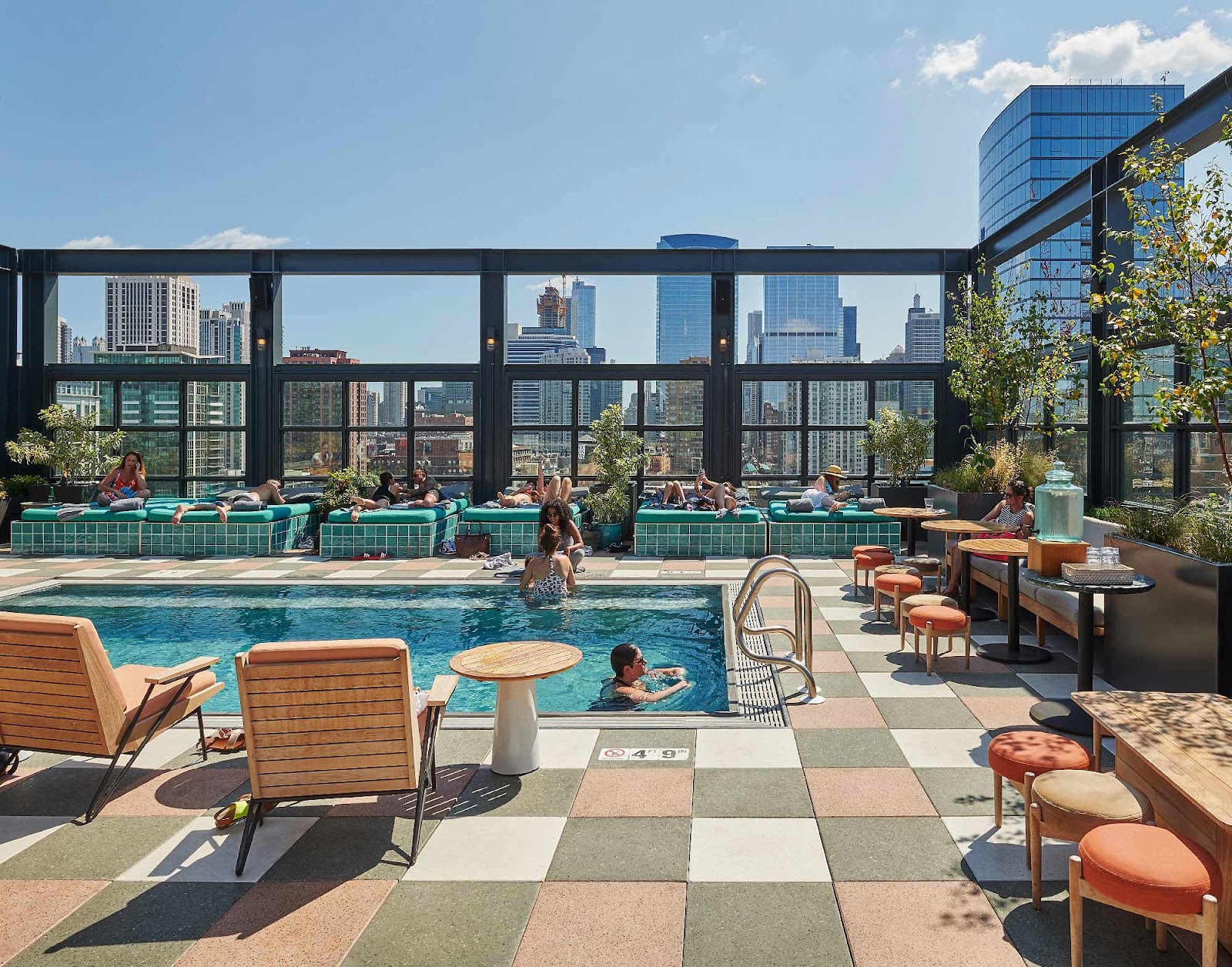
The Hoxton Chicago: Photographing a Wedding in Fulton Market
A hotel in Fulton Market on Chicago's West Side, with exposed brick interiors in a former meatpacking district.
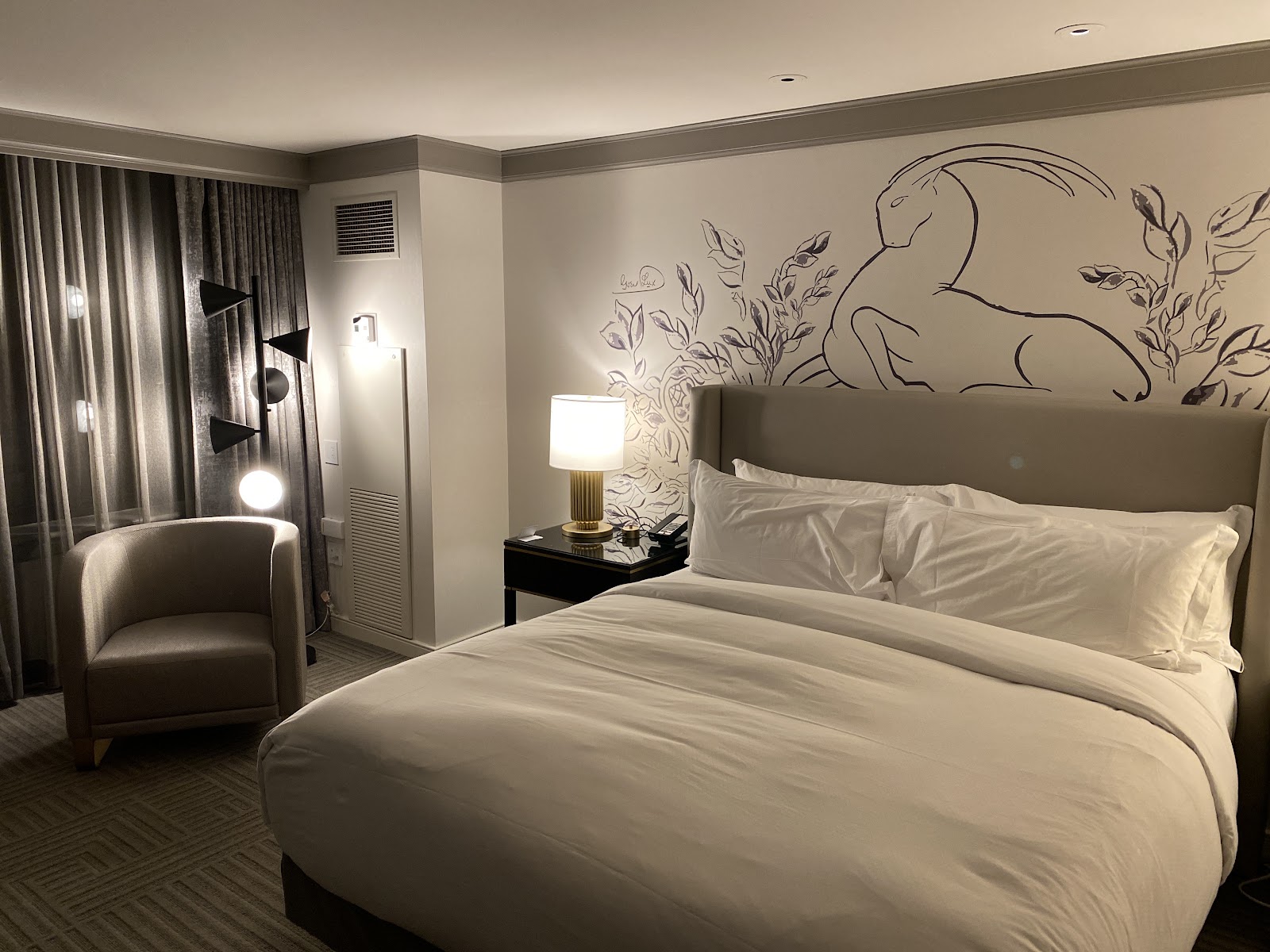
The Gwen: How the Carved Relief Frame Is Actually Made
A hotel on North Michigan Avenue in a 1920s building with a sculpted limestone facade and an upper terrace.
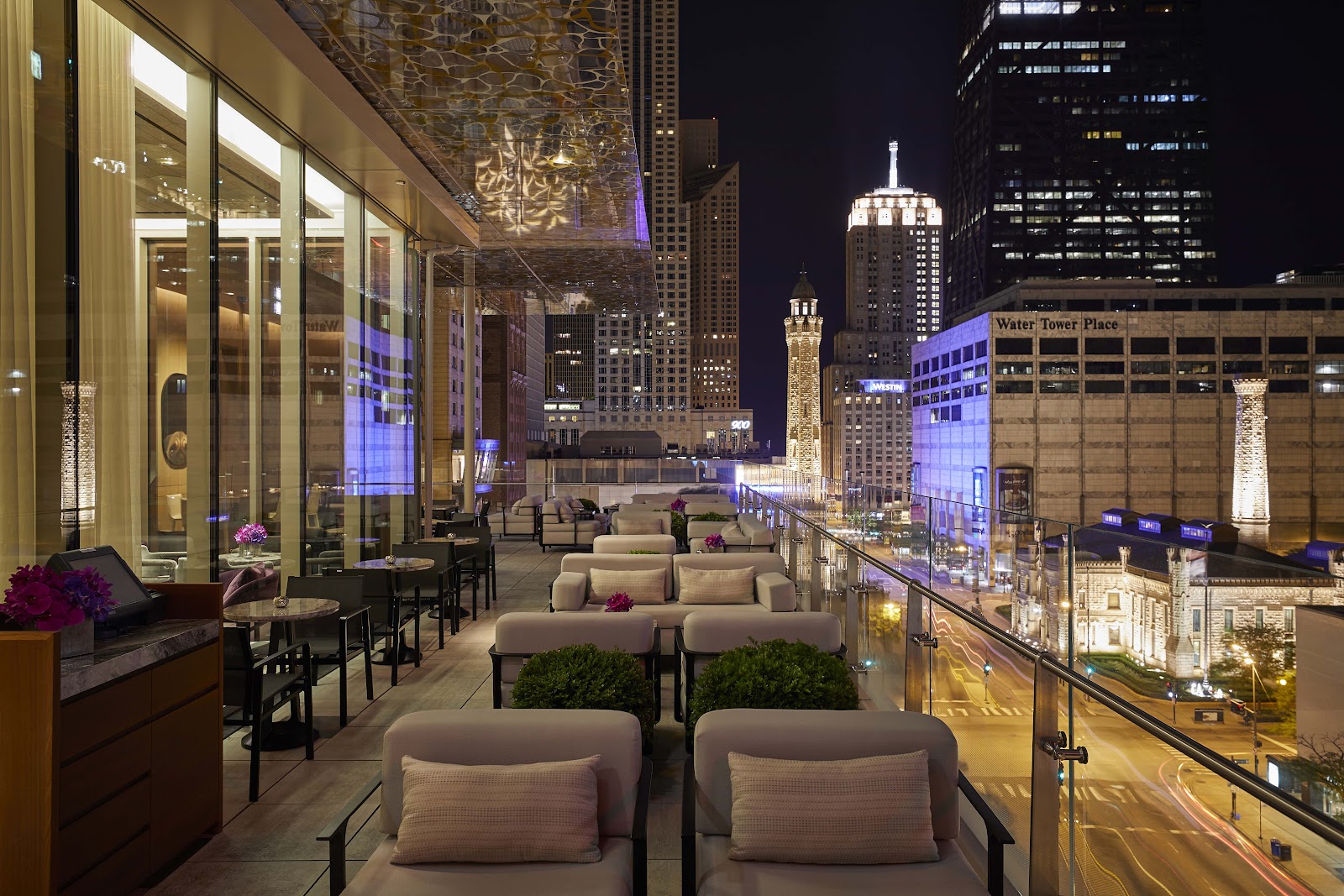
The Peninsula Chicago: Photographing Pale, Tonal Luxury
A luxury hotel a block from the Magnificent Mile, with pale tonal interiors, a terrace and high guest floors.
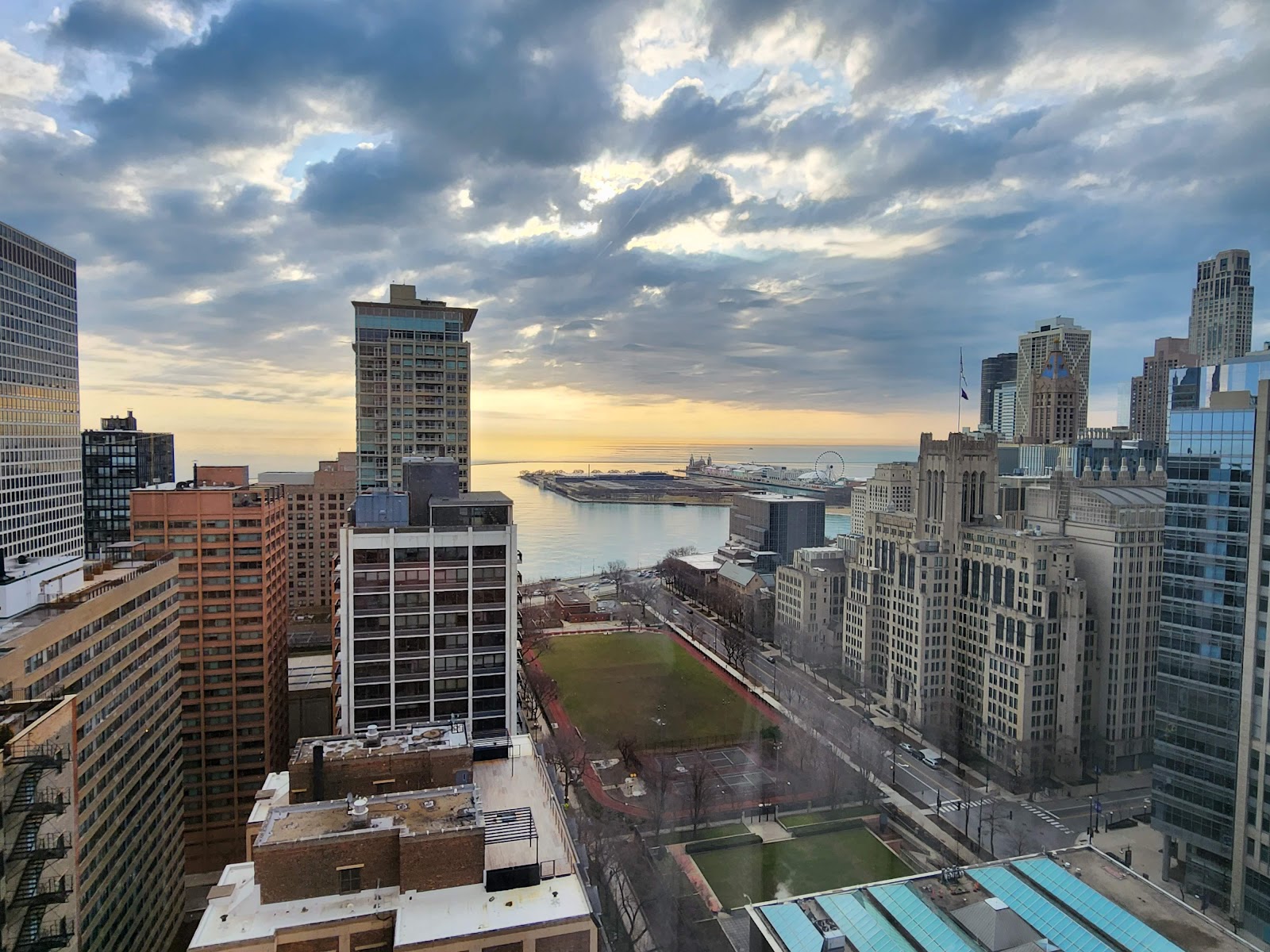
The Ritz-Carlton Chicago: Field Notes on a Sealed Ballroom
A hotel occupying upper floors above Michigan Avenue, with interior ballrooms and high-level guest rooms.
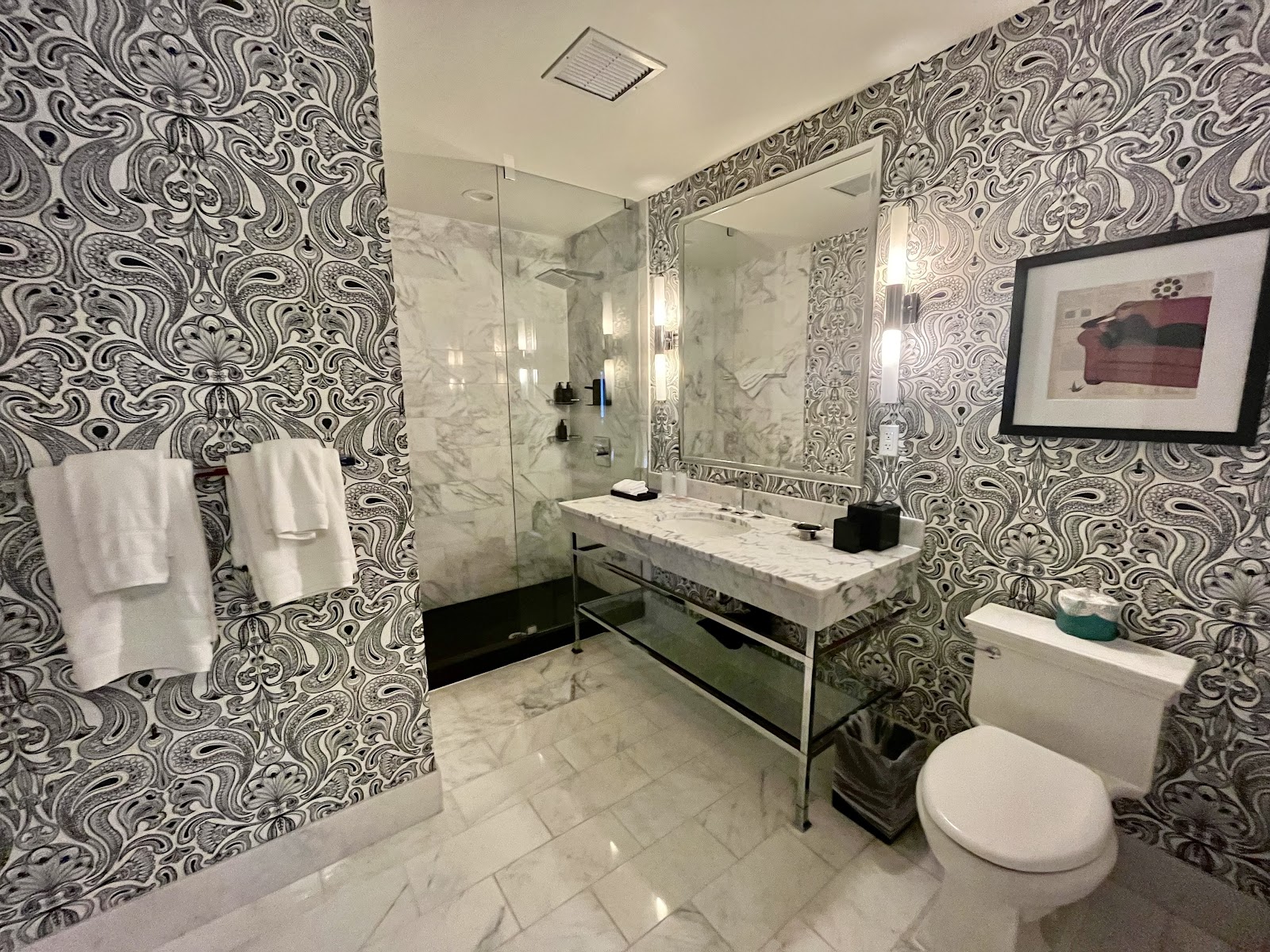
The Blackstone: Working a Building With Two Vocabularies
A 1910 Beaux-Arts hotel on South Michigan Avenue, with period public rooms and contemporary renovated interiors.
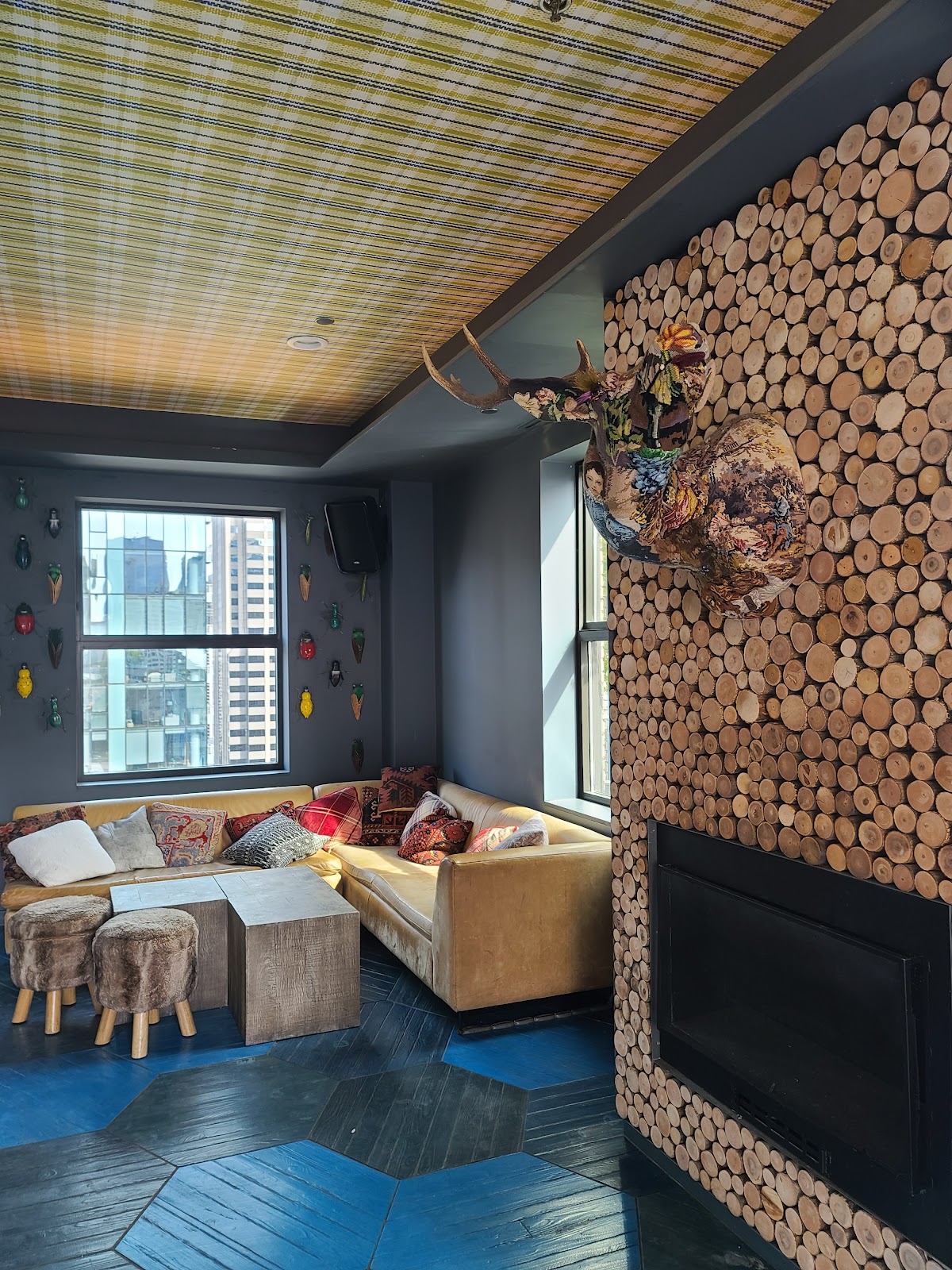
Virgin Hotels Chicago: A Venue of Small Rooms Rather Than Large Ones
A hotel in a 1928 Loop office building, with a series of smaller event spaces and a rooftop bar.
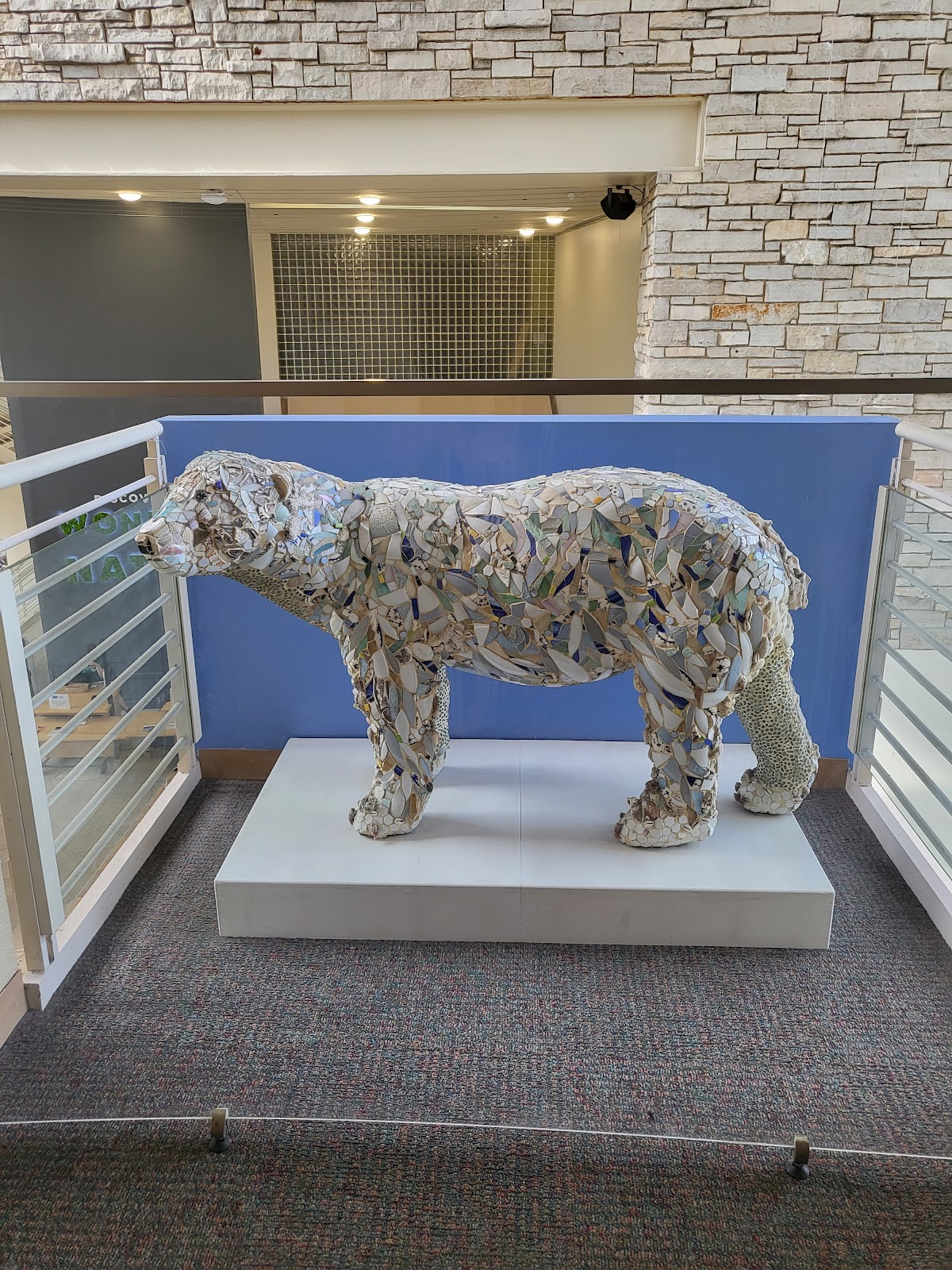
The Peggy Notebaert Nature Museum: Glass, Butterflies and Prairie
A contemporary nature museum in Lincoln Park, with a glass-roofed butterfly haven and restored prairie planting outside.
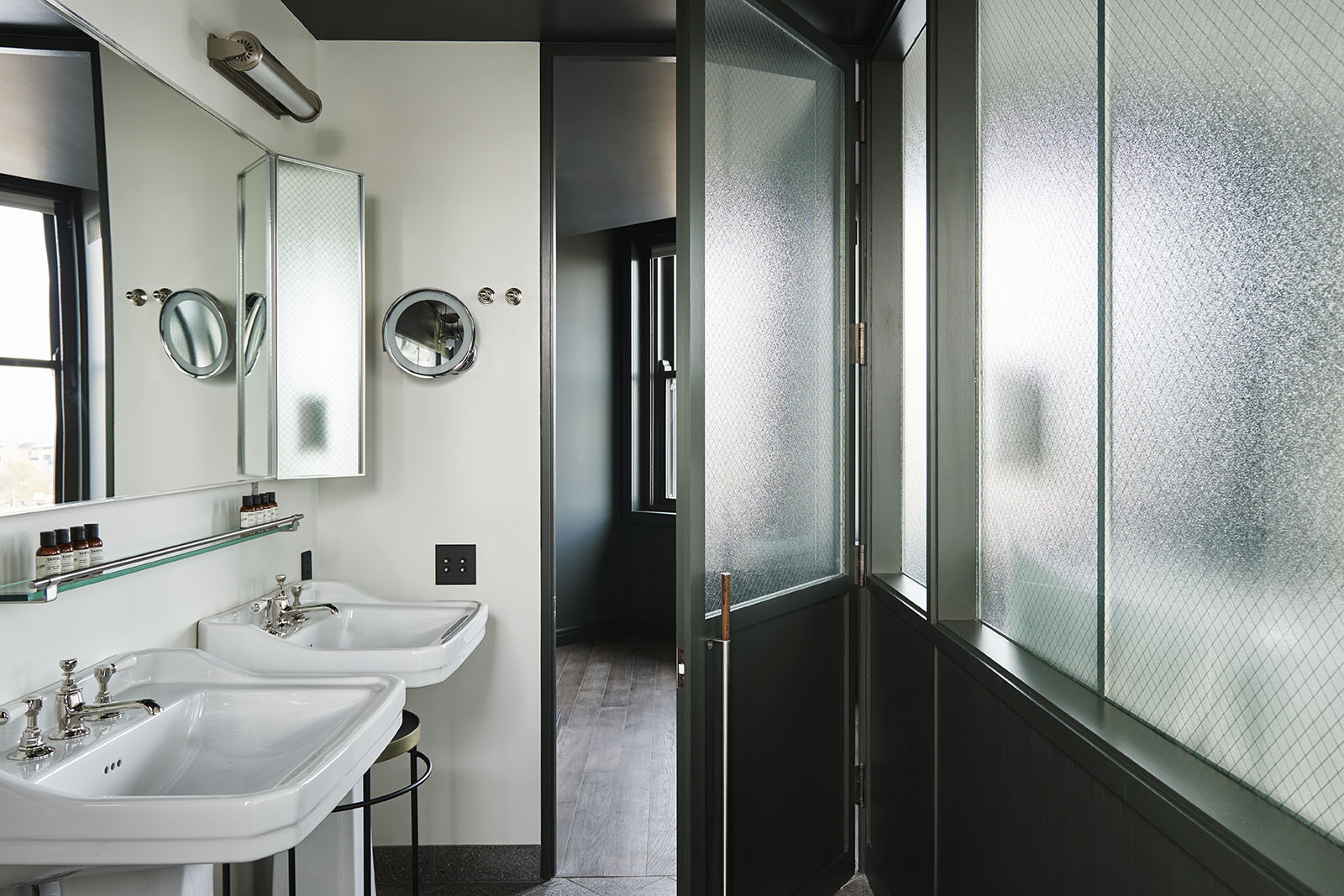
The Robey: How Light Moves Through a Narrow Tower
A 1929 Art Deco tower at the Wicker Park six-corners junction, with upper-floor rooms and a rooftop.
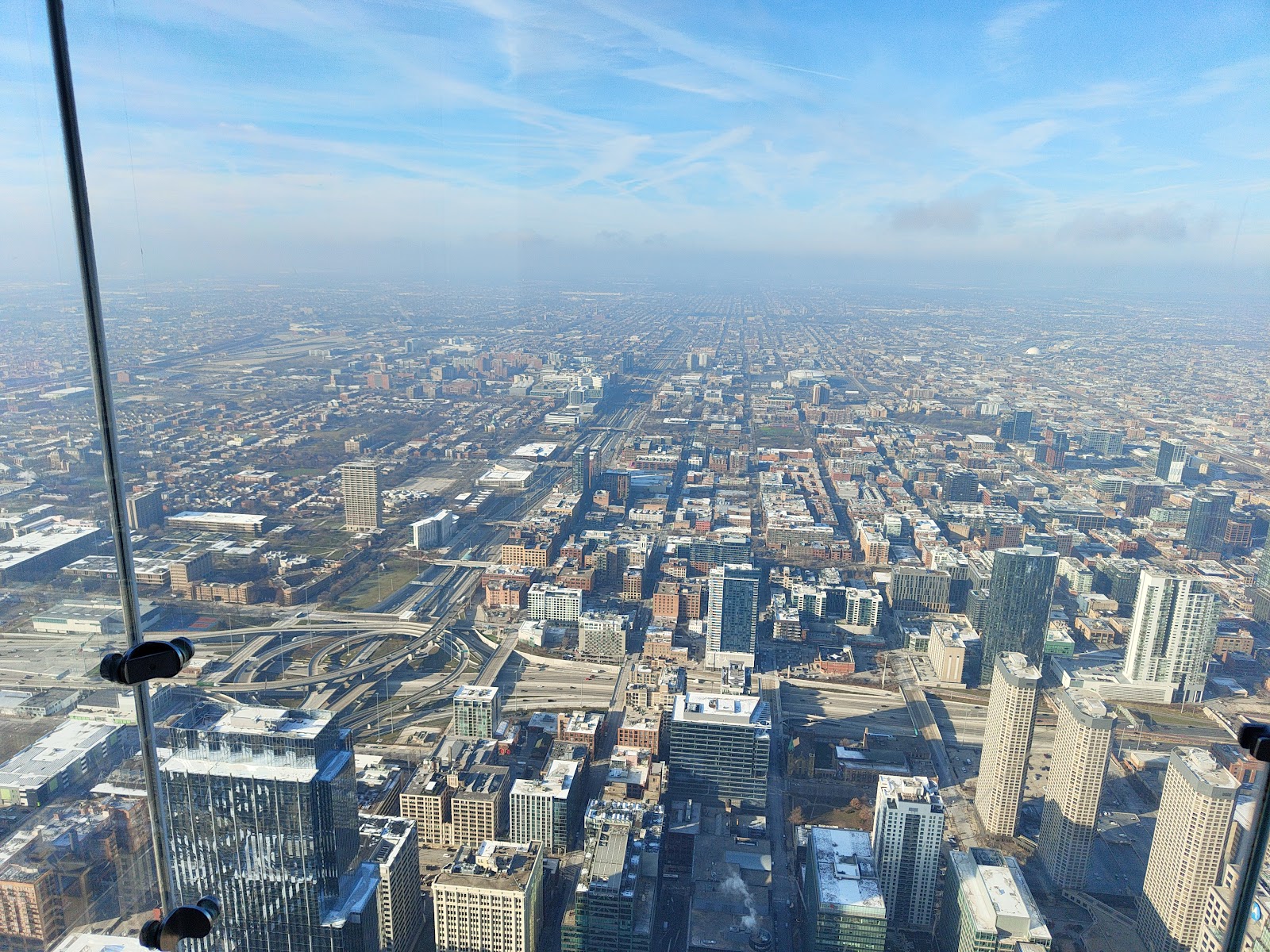
The Willis Tower Skydeck: Field Notes on Glass at 1,350 Feet
An enclosed observation deck on the 103rd floor of the Willis Tower, with glass on all sides and projecting glass ledges.
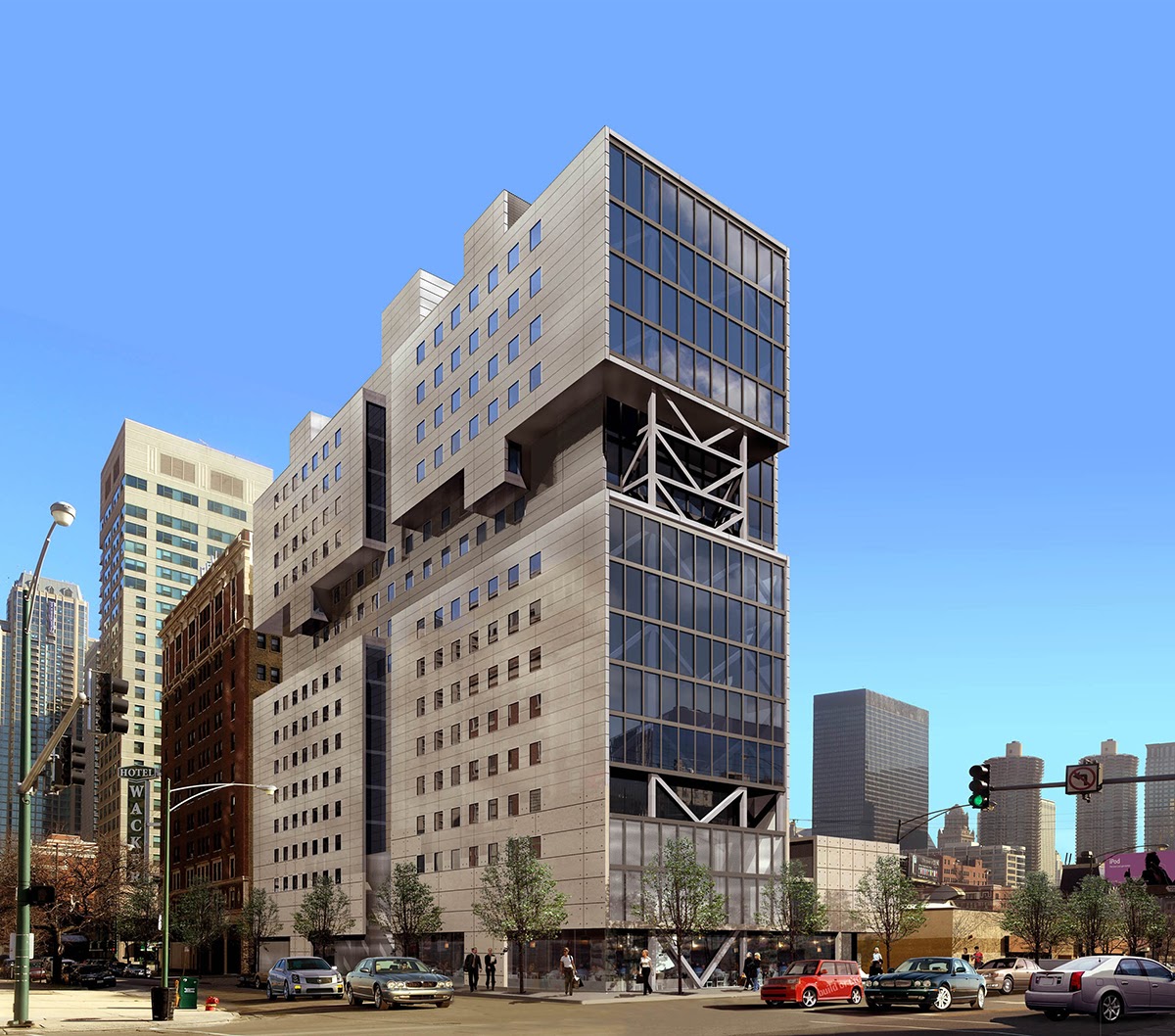
The Godfrey Chicago: What a Retractable Roof Actually Changes
A contemporary hotel in River North with a rooftop venue that can be enclosed or opened to the sky.