California is not a climate, it is about six of them, and the distance between two of them can be twenty minutes. A San Francisco garden in July is grey and fifty-eight degrees while a Napa hillside an hour north is ninety and cloudless. A Big Sur cliff-top is at its foggiest in high summer, when the cold-water upwelling that makes the fog is strongest. A Santa Cruz Mountains redwood grove sits five stops below the sky above it, while a Laguna bluff is so bright that every meter on the property reads wrong.
The venues below are grouped by state because each city here has only one or two, but they have almost nothing in common photographically.
What they do share is that the light is usually predictable, which changes the nature of the planning. In most of this guide a photographer plans for weather; in California, for much of the year, the question is not whether the sun will be out but where it will be — which makes the hour a decision rather than a hope. Two things recur. The marine layer is a working condition rather than bad weather: it collapses the brightness range, removes every dappling and squinting problem, and makes a grey morning the easiest light of the year.
And the coast's calendar is inverted — September and October are the clear warm months, not July and August. Each guide below names the shade, the hour, the exposure decision and the covered alternative, and is honest about fire season and access where those matter. We have not photographed at every venue here, and where we have not, we say so.
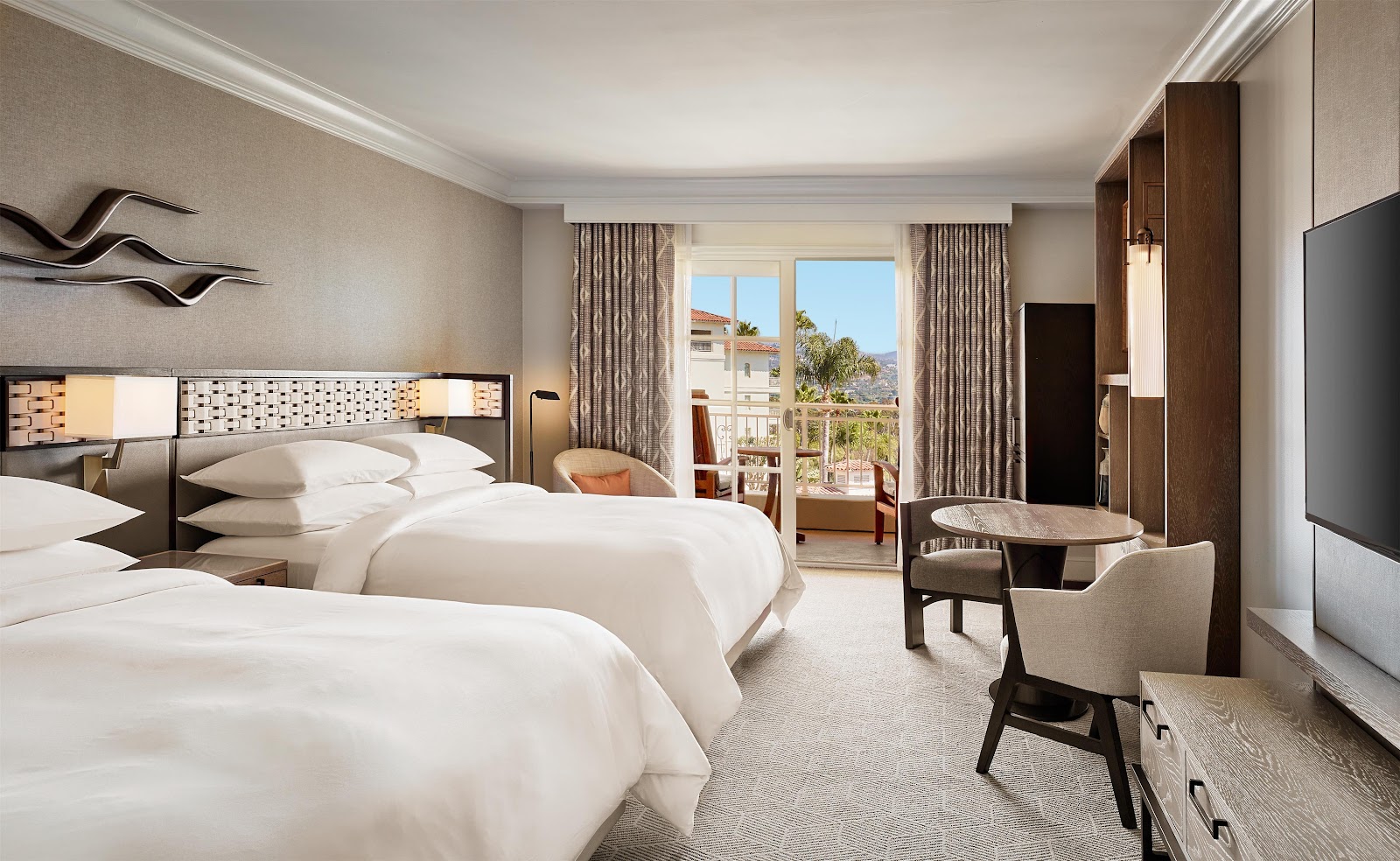
Park Hyatt Aviara, Carlsbad: The One Decision That Governs Everything
A large resort on a rise above a coastal lagoon in north San Diego County — and one decision that settles the whole day.
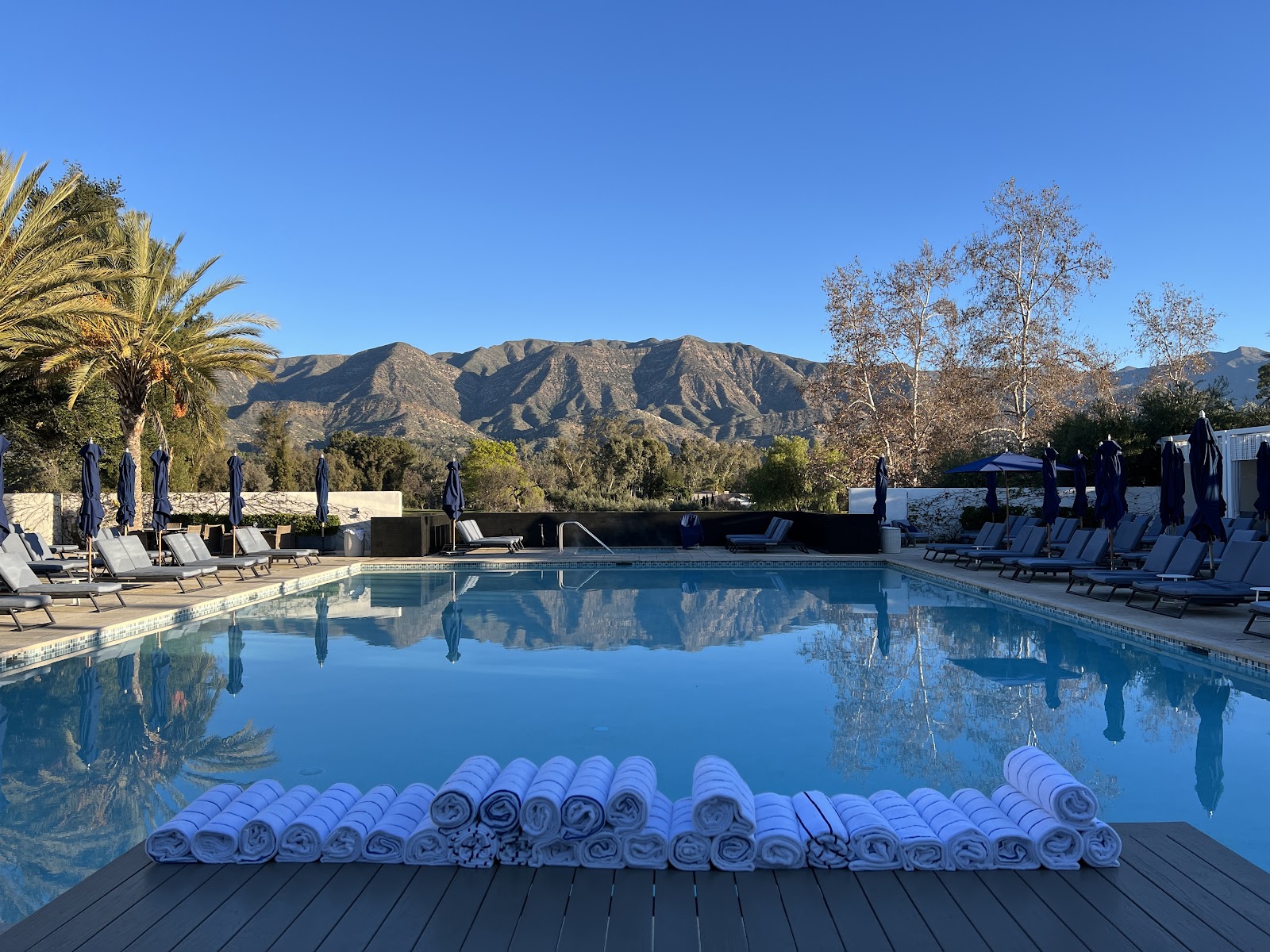
Ojai Valley Inn, Ojai: What It Suits and What It Does Not
A Spanish Colonial resort in the Ojai Valley — an east-west valley with mountain walls, which does specific things to the light.
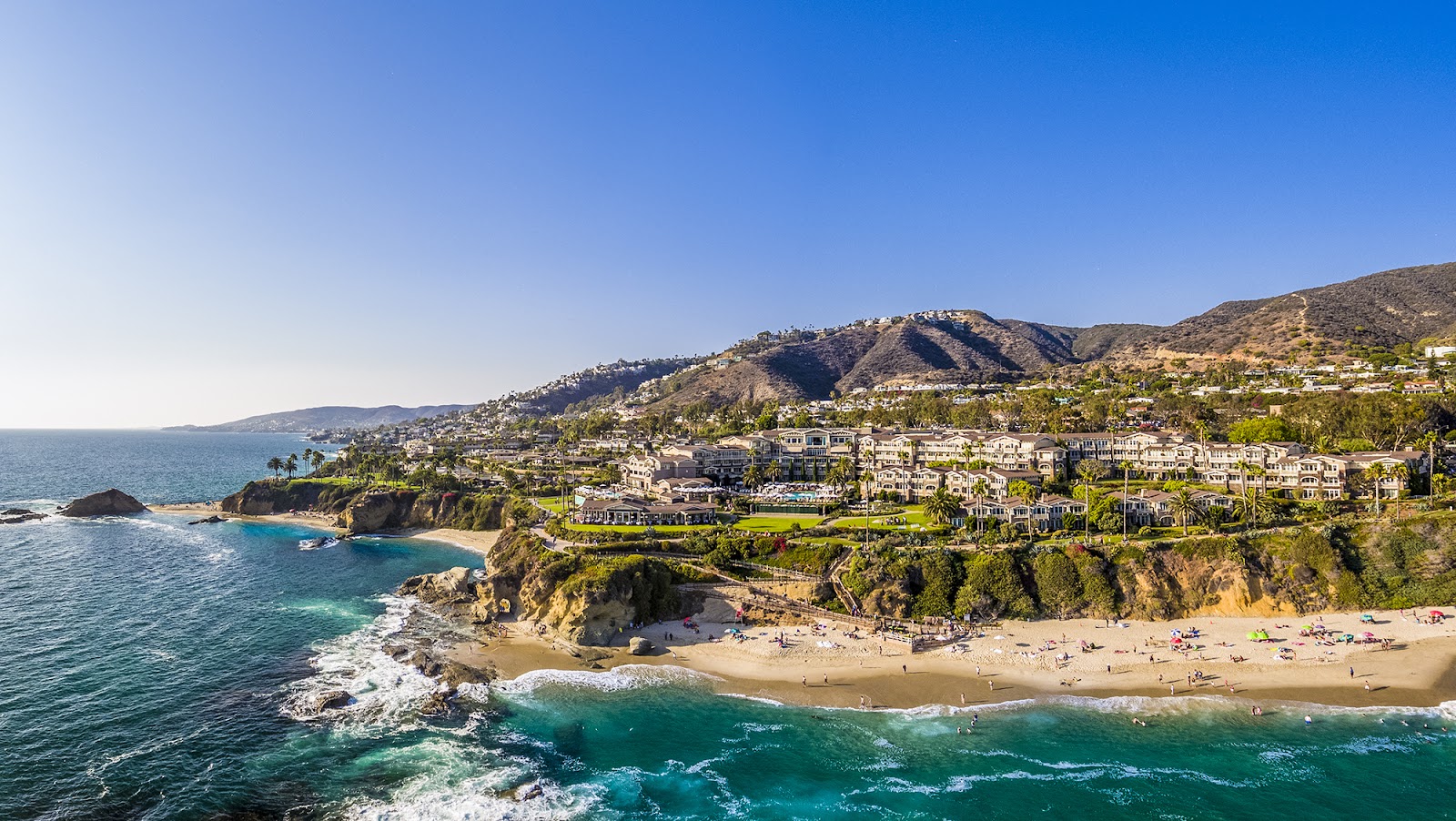
Montage Laguna Beach: The Light Through the Day
A bluff-top resort above a Laguna cove — read hour by hour, because the marine layer decides the first half of the day and the ocean decides the second.
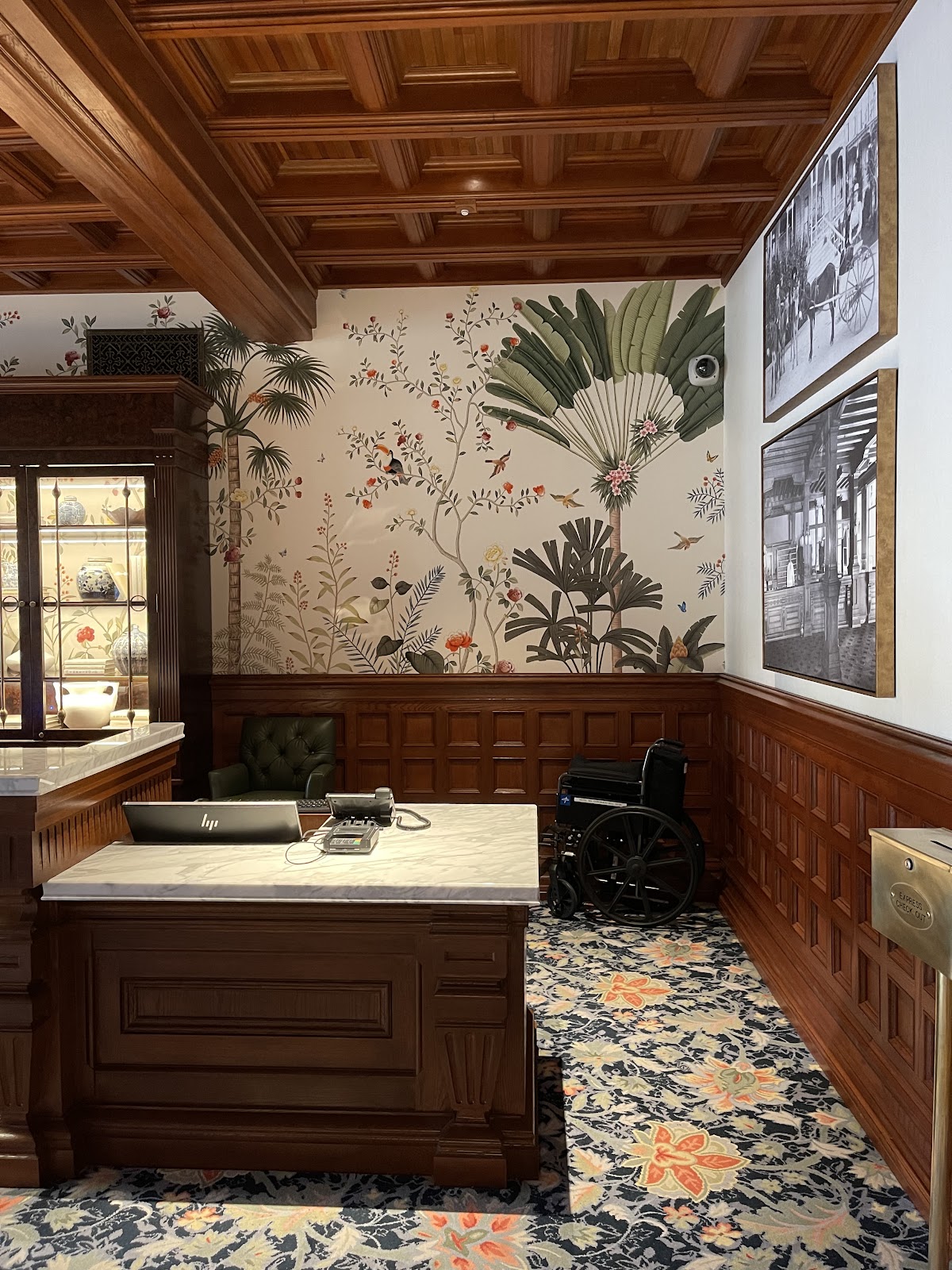
Hotel del Coronado, Coronado: Field Notes
A large Victorian timber hotel on a San Diego beach — white paint, red roofs and an ocean that sets behind it all.
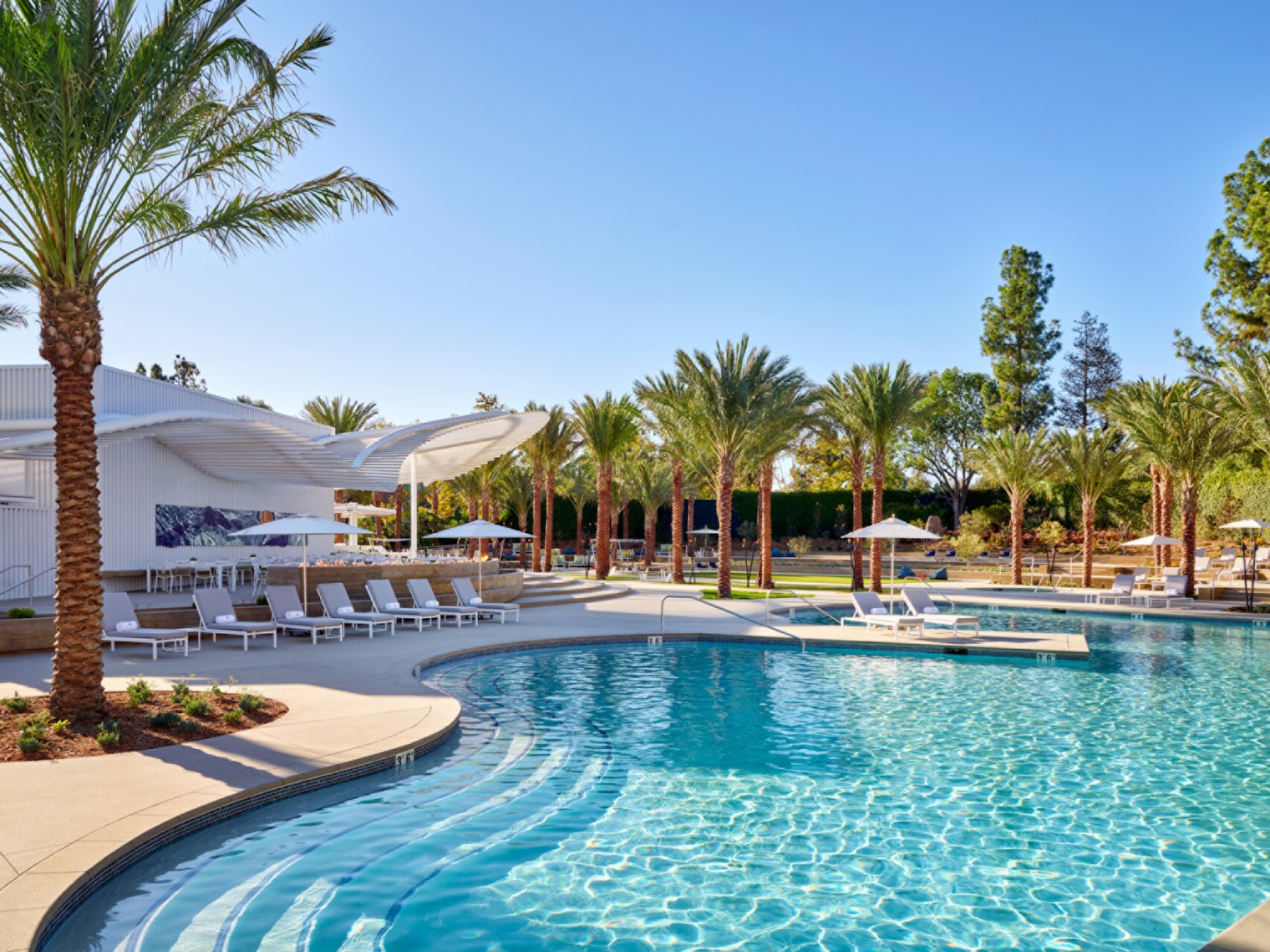
Four Seasons Westlake Village: The Problem, and Four Ways Out
A modern resort in the Conejo Valley — inland, hot and open, which is one problem with four solutions.
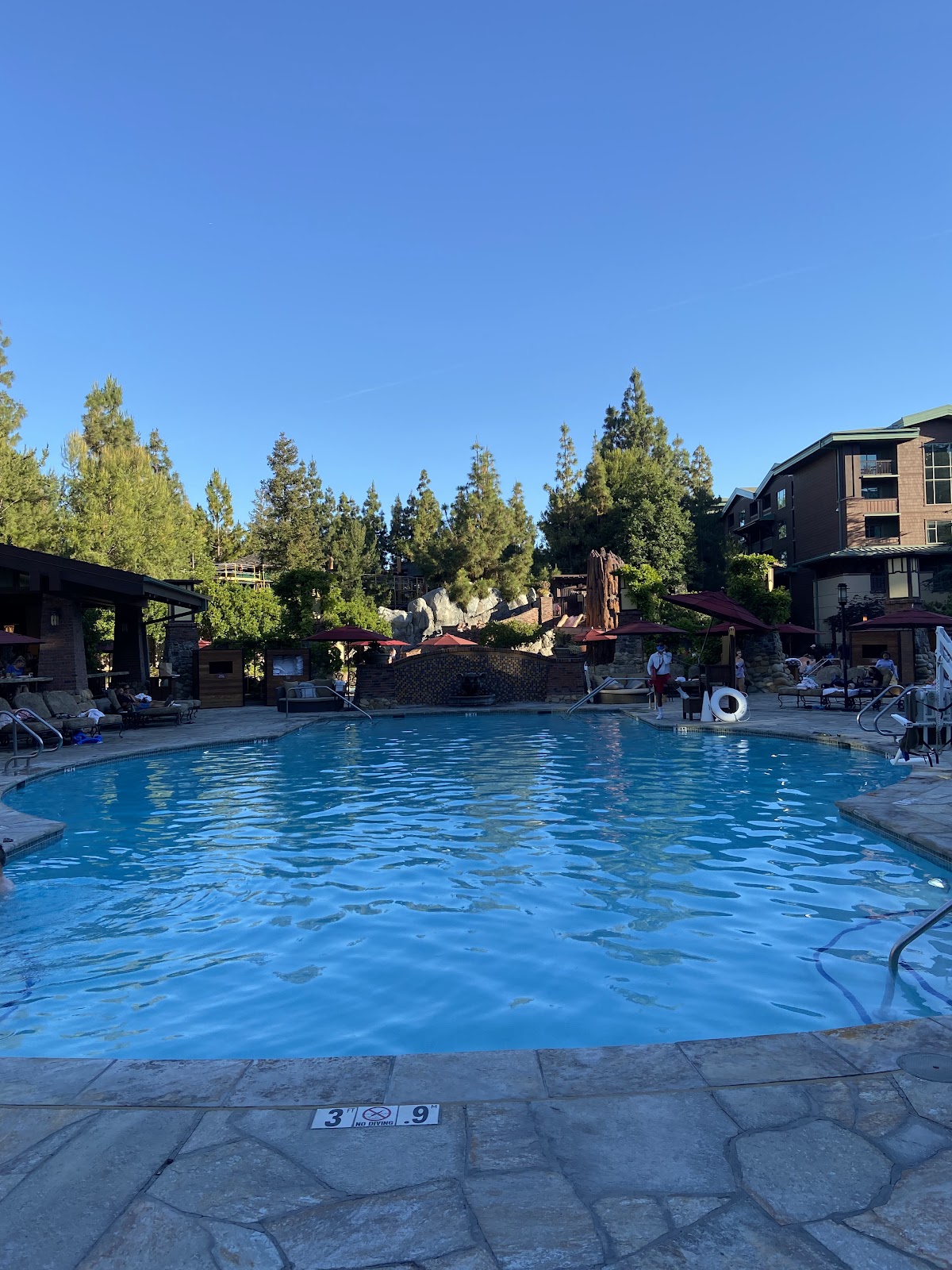
Disneyland Grand Californian, Anaheim: The Building’s Own Logic
A large Craftsman-revival hotel in Orange County — timber, art glass and low warm light, which is one consistent problem and one consistent gift.
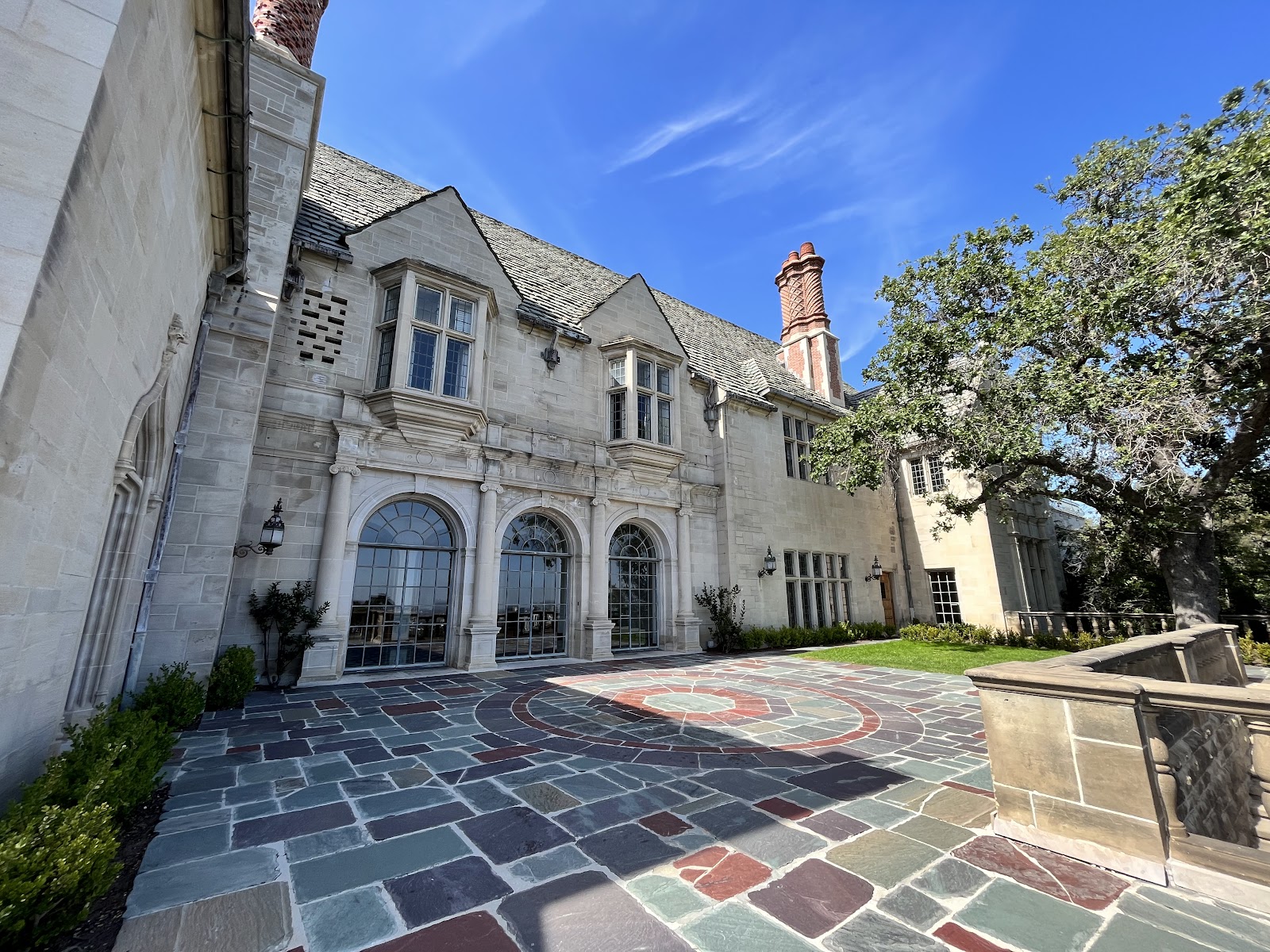
Greystone Mansion, Beverly Hills: A Walk Through the Site
A grey stone mansion on a terraced hillside above Los Angeles — cool stone in a warm city, which changes every exposure.
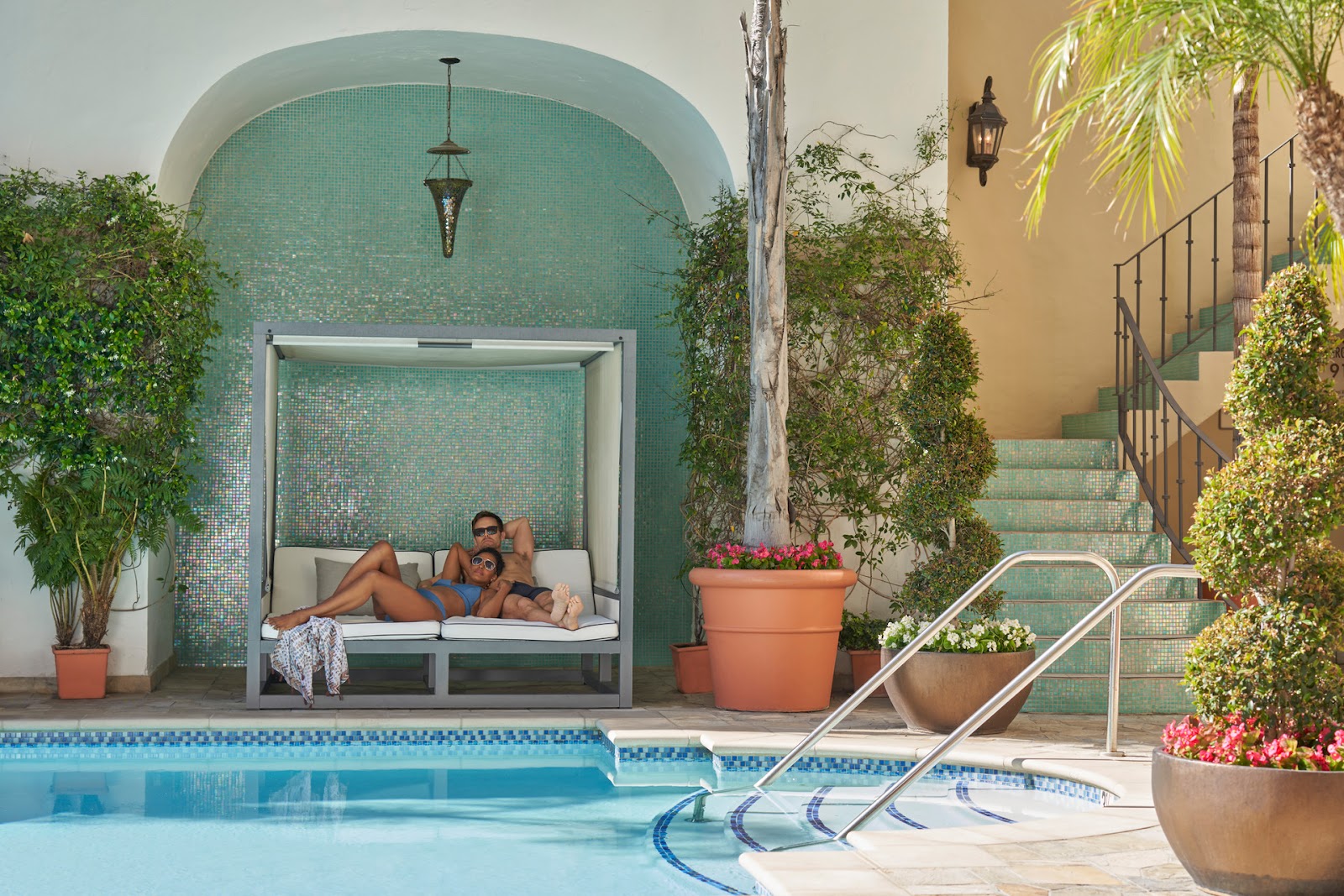
Beverly Wilshire, Beverly Hills: The Light Through the Day
A grand hotel on a Beverly Hills corner — read hour by hour, because in Los Angeles the hour decides more than the room does.
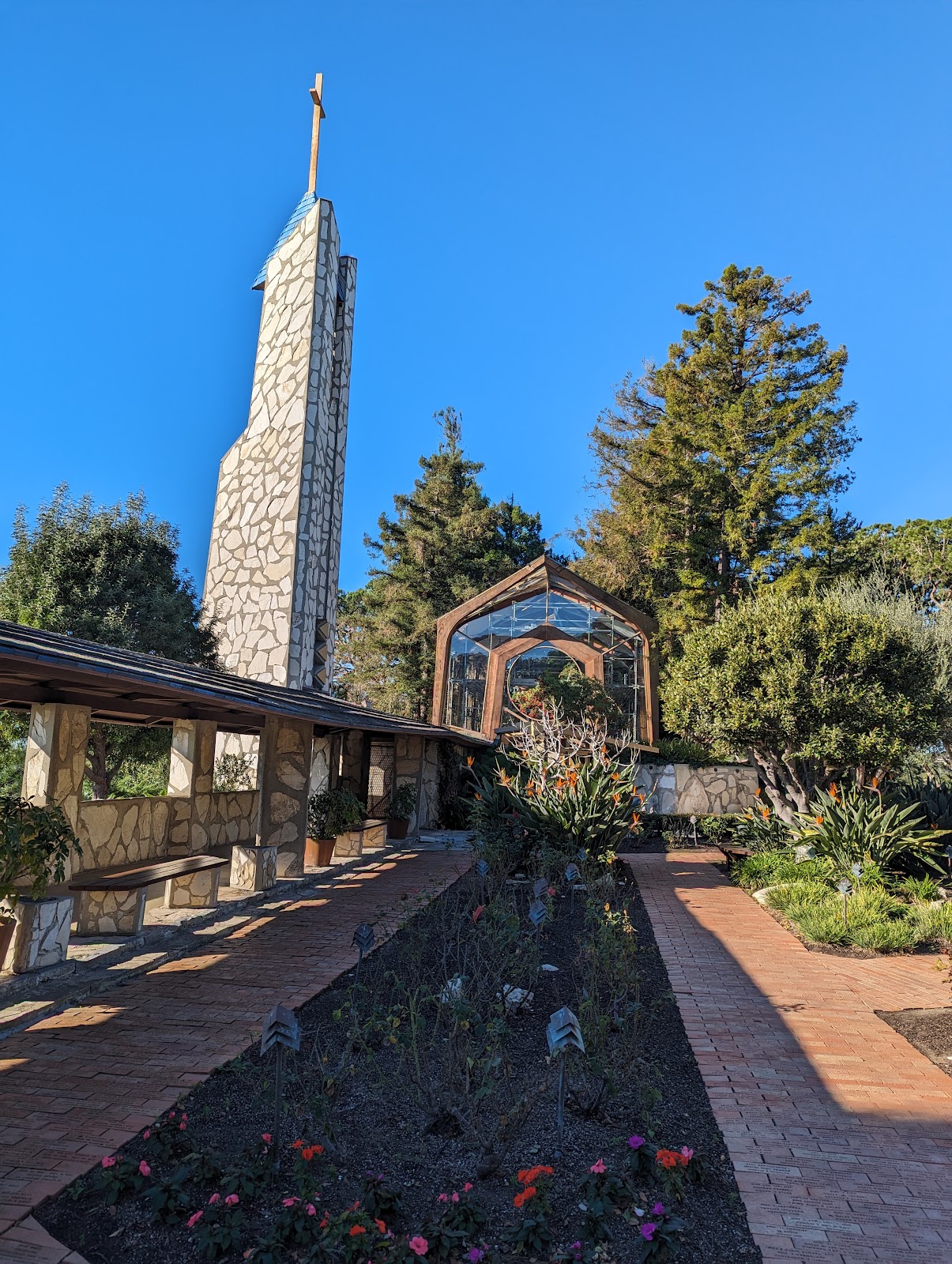
Wayfarers Chapel, Palos Verdes: One Frame, and How It Is Made
A glass chapel on the Palos Verdes bluffs — a building made entirely of light, and a site with an unusual present-day complication.
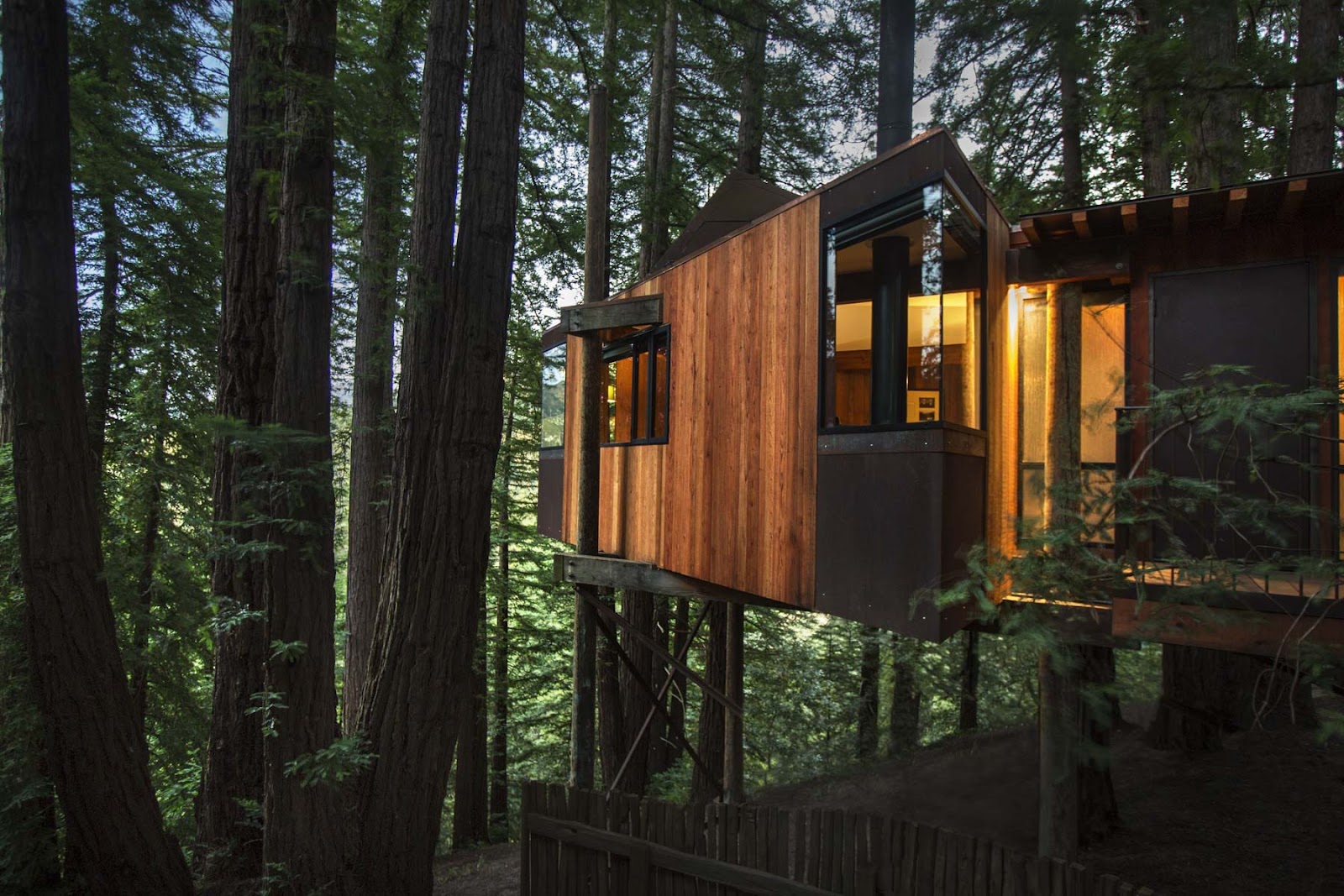
Post Ranch Inn, Big Sur: One Frame, and How It Is Made
A cliff-top property high above the Pacific in Big Sur, and the one frame it exists to give.