 Park Hyatt Aviara, Carlsbad: The One Decision That Governs Everything
Wayfarers Chapel, Palos Verdes: One Frame, and How It Is Made
A glass building has no walls to bounce and no ceiling to block. That changes every rule.
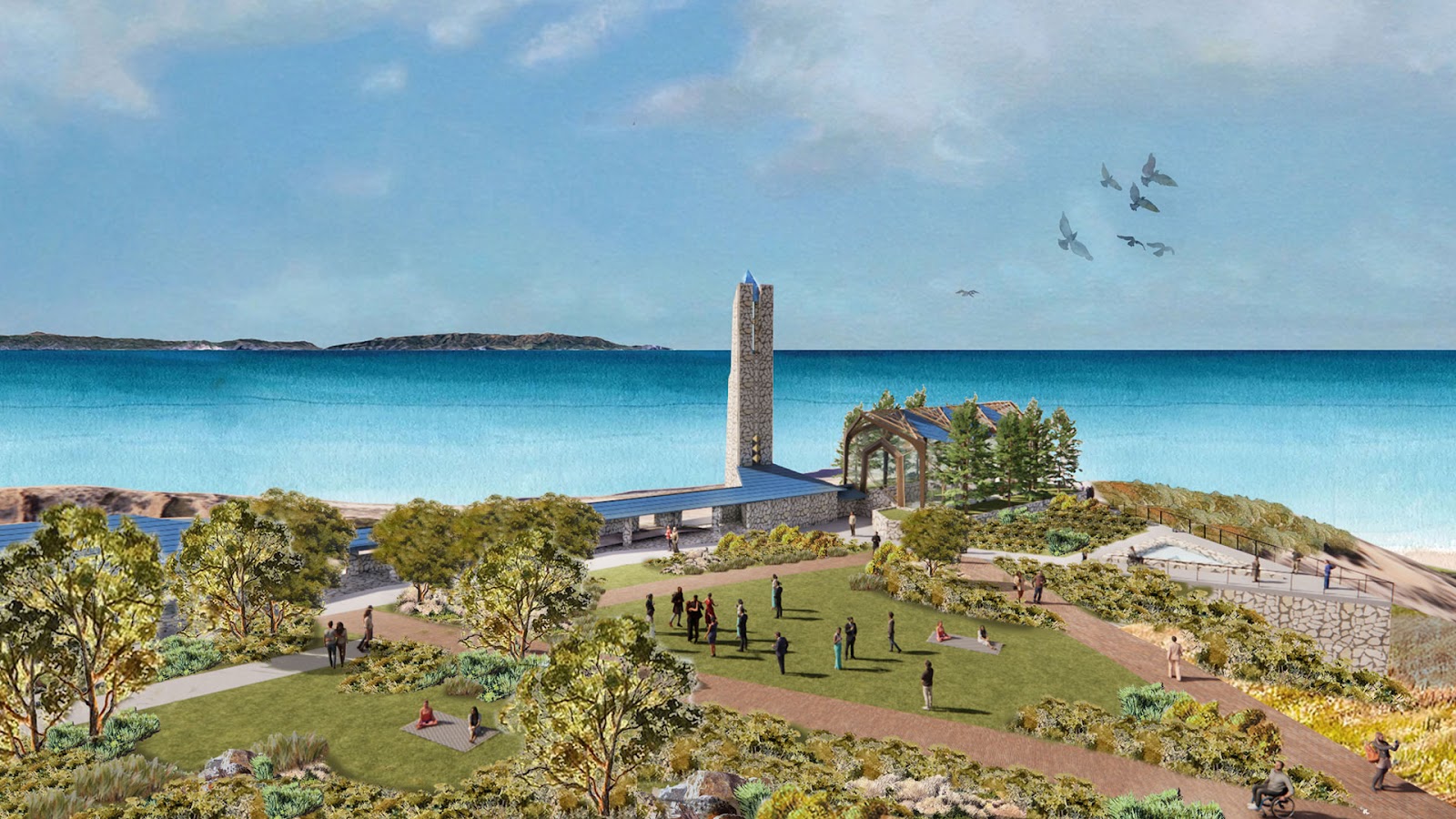
Before anything else, a note that matters more than any photographic advice. The chapel on this site was disassembled in 2024 because of ongoing land movement in this part of the Palos Verdes peninsula, with the intention of rebuilding it elsewhere on stable ground. Anyone planning a wedding here should treat its availability, its location and its timetable as open questions to be confirmed directly rather than assumed.
What follows is written about the building as designed, because the photographic problem a glass chapel presents is worth understanding wherever it stands — and because the design is unusual enough that ordinary church advice does not apply to it.
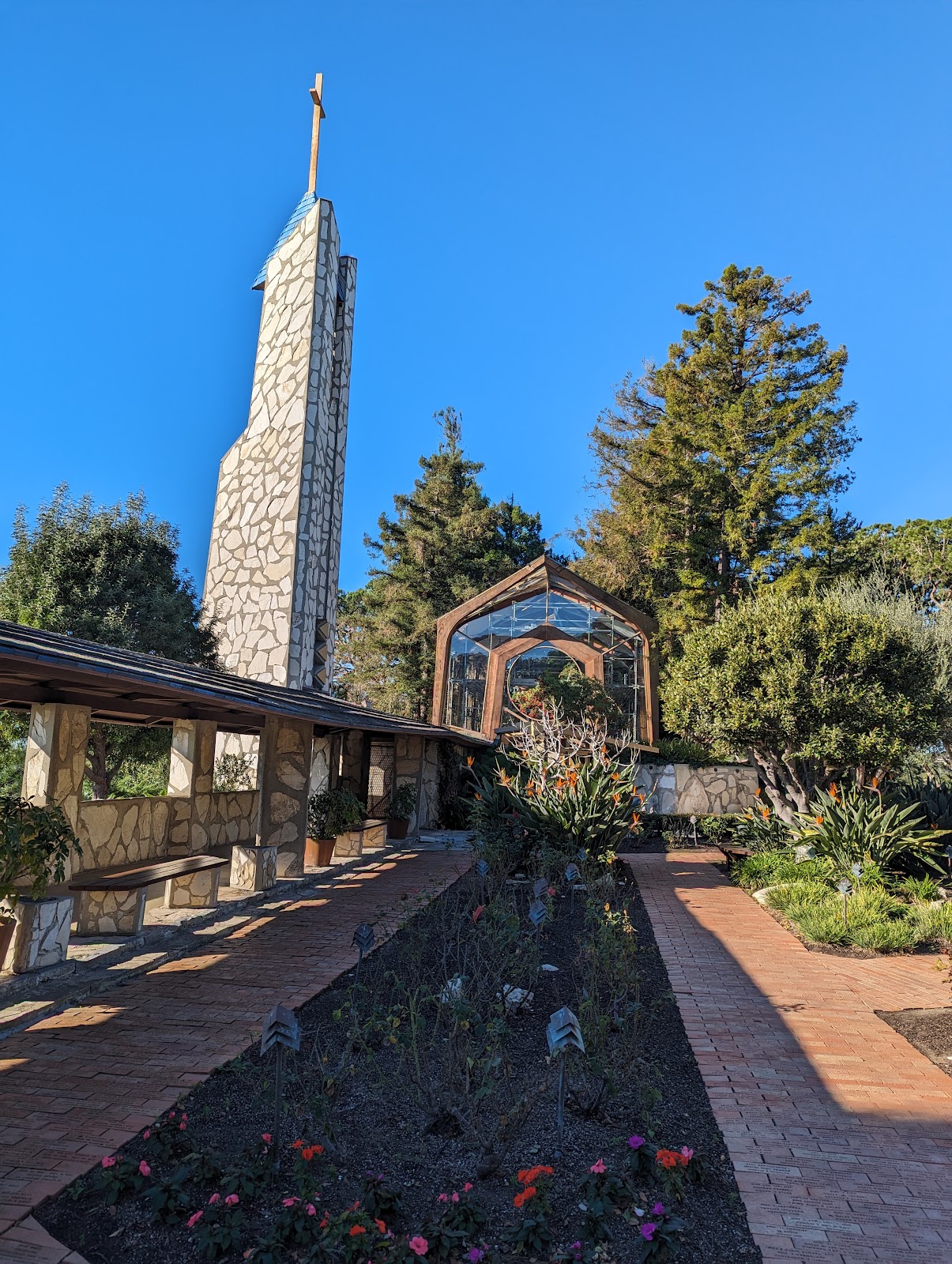
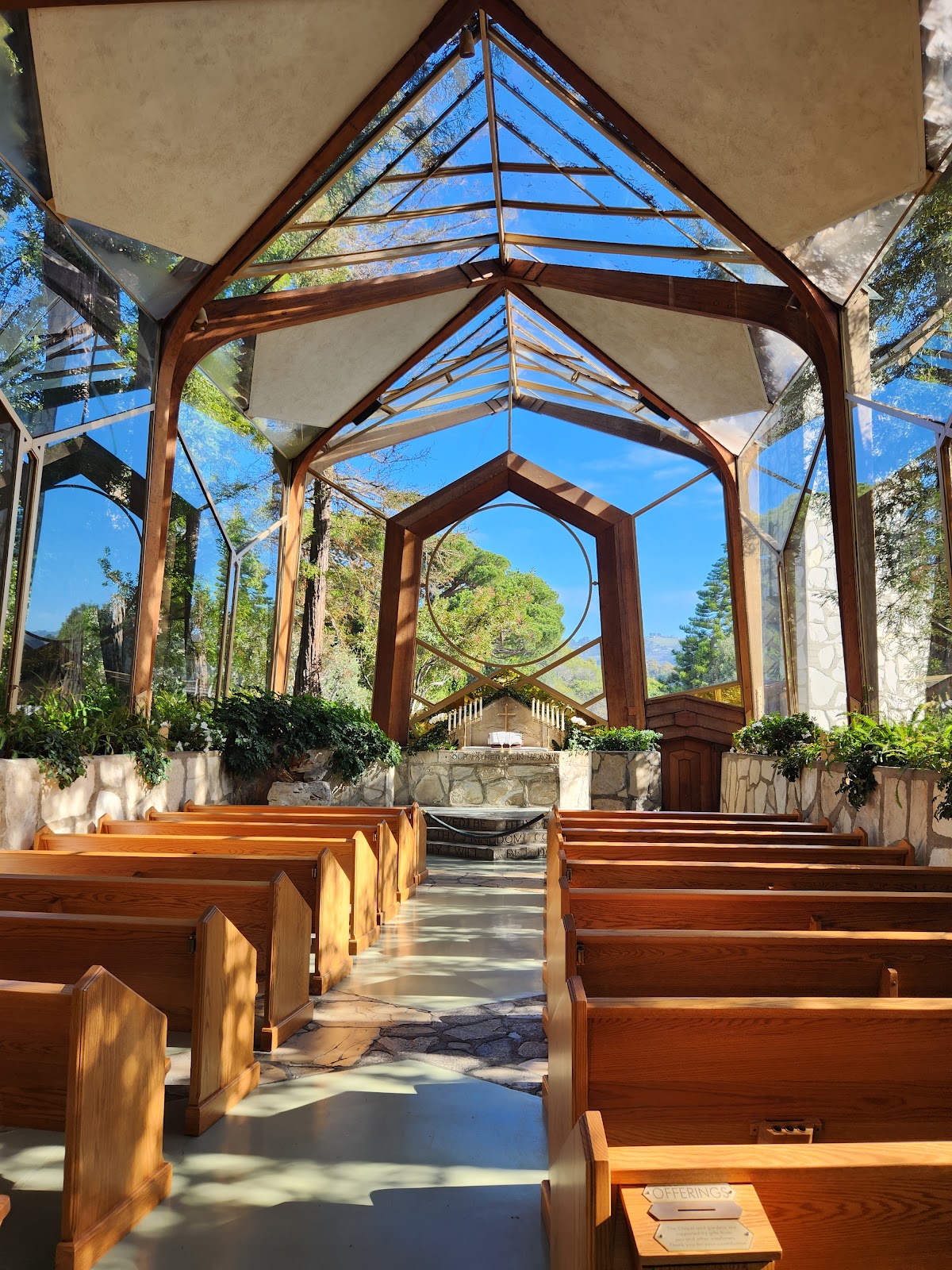
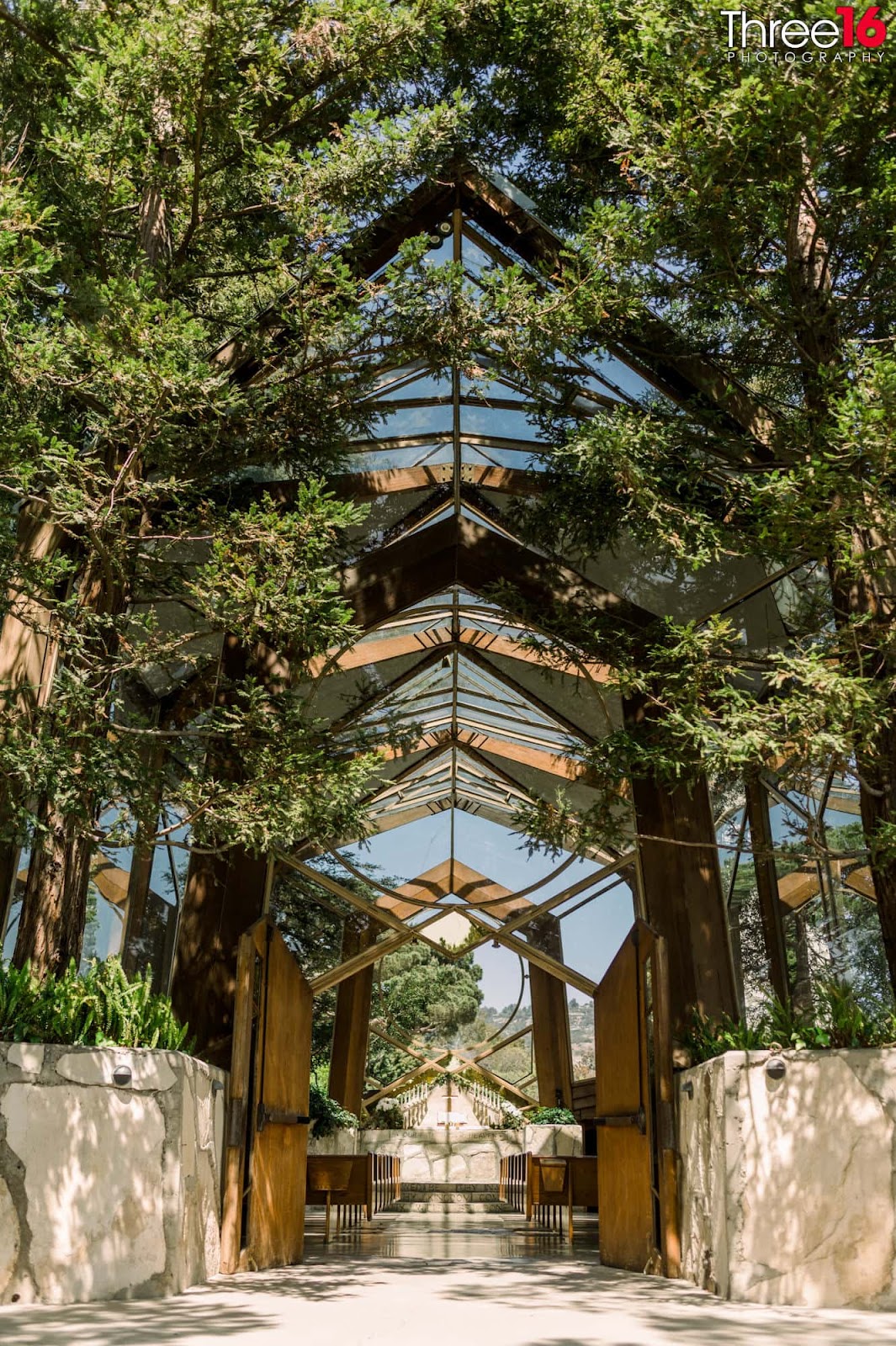
There is one frame such a building exists to give. A couple stands at the front of a chapel whose walls and roof are glass, with mature trees and the sky visible through the structure on every side, and the Pacific beyond. There is no interior in the usual sense: the light is the room.
It works because it inverts the normal relationship between a building and daylight. A conventional chapel admits light through openings in solid walls, which makes it directional and dramatic. A glass chapel admits it from every direction at once, which makes it soft, even and abundant — and which removes every tool that a dark interior gives a photographer for free.
We have not photographed a wedding at the Wayfarers Chapel; glass structures and bluff-top coastal sites behave consistently. Guest limits, what the current arrangements are, and what access and parking look like are questions for whoever now administers it.
Wayfarers Chapel at a glance
| Where | The Palos Verdes bluffs above the Pacific |
| Important | The chapel was disassembled in 2024 over land movement; confirm status |
| The frame | A couple inside a building made of glass, with trees and sky through it |
| Why it is hard | Light from every direction: no fall-off, no shadow, no separation |
| The fix | Build contrast rather than supply light |
How the frame is made
The first thing to understand is that the usual problem is absent and a different one has replaced it. In almost every wedding interior the difficulty is that there is not enough light. In a glass building there is a great deal of light and it arrives from everywhere, which means there is no shadow side to a face, no fall-off across the space, and nothing behind a subject that is darker than the subject.
So the work is building contrast rather than supplying light, and there are four ways to do it.
The first is to find the structure. A glass building still has a frame — mullions, beams, posts, the members that hold the glass — and those are solid and dark. Positioning a subject so a dark structural member falls behind them gives the separation the glass will not, and it is the most useful single observation in such a building.
The second is to use the trees. A glass chapel of this kind was designed to be enclosed by planting, so that the building’s walls look into foliage rather than into open sky — and mature trees outside the glass are the darkest thing available. A subject with dense canopy behind them, seen through glass, has the two or three stops of separation the room itself cannot provide.
That planting is also the reason the light inside is green. Light passing through a canopy and then through glass carries the colour of the leaves, and it mixes with unfiltered light from the open parts of the sky — which means a custom white balance set on a face in position is not a refinement here, it is the difference between plausible skin and skin with a green cast. Reset it when the position changes.
The third is to work with the direction that does exist. Light from every direction at once still has a bias — toward whichever part of the sky is brightest — and finding it takes one look at the catchlights in someone’s eyes. Turning a subject so that bias crosses the face rather than hitting it flat restores some modelling, and it costs nothing.
The fourth is to add a source, and the reason is the reverse of the usual one: not to light the face but to give it a shadow side. One light off the camera axis, set a stop or so above the ambient, re-establishes the modelling that omnidirectional light has erased. In a dark church a source supplies illumination; here it supplies structure.
The exposure needs its own note because a glass building fools every meter. The frame contains bright sky, bright foliage and, if the sun is out, direct sun on glass — and averaging those underexposes the faces substantially. Metering on skin, in manual, and accepting that parts of the frame will be bright is the whole discipline.
And the ceiling is not available. In any normal interior a flash can be bounced off a ceiling to produce soft overhead light; in a glass building there is nothing up there to bounce off, so the light aimed upward simply leaves. Everything has to be direct, or through a modifier, or bounced off something brought for the purpose.
What breaks it, and what the site gives outside
Direct sun through glass is the first thing that breaks the frame, and it breaks it in a specific and recognisable way. Sunlight passing through a structure of glass panels and structural members lands as hard-edged geometric shapes, which look extraordinary on a floor or a wall and are unusable on a face: a bright band across one eye and a dark one across the other cannot be corrected.
The answer is position rather than equipment. The patterns move as the sun does and they are predictable, so a position half a metre to one side is frequently clear when the obvious position is not. The test is the same one that applies under any tree: look at the face rather than at the floor, and any bright edge on skin means move.
Reflections are the second. Glass reflects, which means a camera pointed through it at a shallow angle picks up the interior, the photographer and whatever is behind them. A few degrees off perpendicular removes it, and finding that angle is the first thing to do from any position in such a building.
It also means that a frame shot from outside looking in contains both the interior and a reflection of the exterior, layered on top of each other. That can be a genuinely beautiful effect used deliberately and an incoherent mess accepted by accident, and which one it is depends on choosing the angle.
Heat is the third and it is a comfort problem more than a photographic one. A glass building in direct sun in summer is warm, and a full congregation makes it warmer — which matters for a party in formal clothes and for how long a ceremony comfortably runs.
The frame’s other difficulty is that a glass building is small and a wedding is not. Such a chapel seats a modest number, which means large weddings do not fit and the group photographs happen outside. That is a planning fact worth knowing early rather than discovering on the day, and it shifts the balance of the coverage toward the exterior.
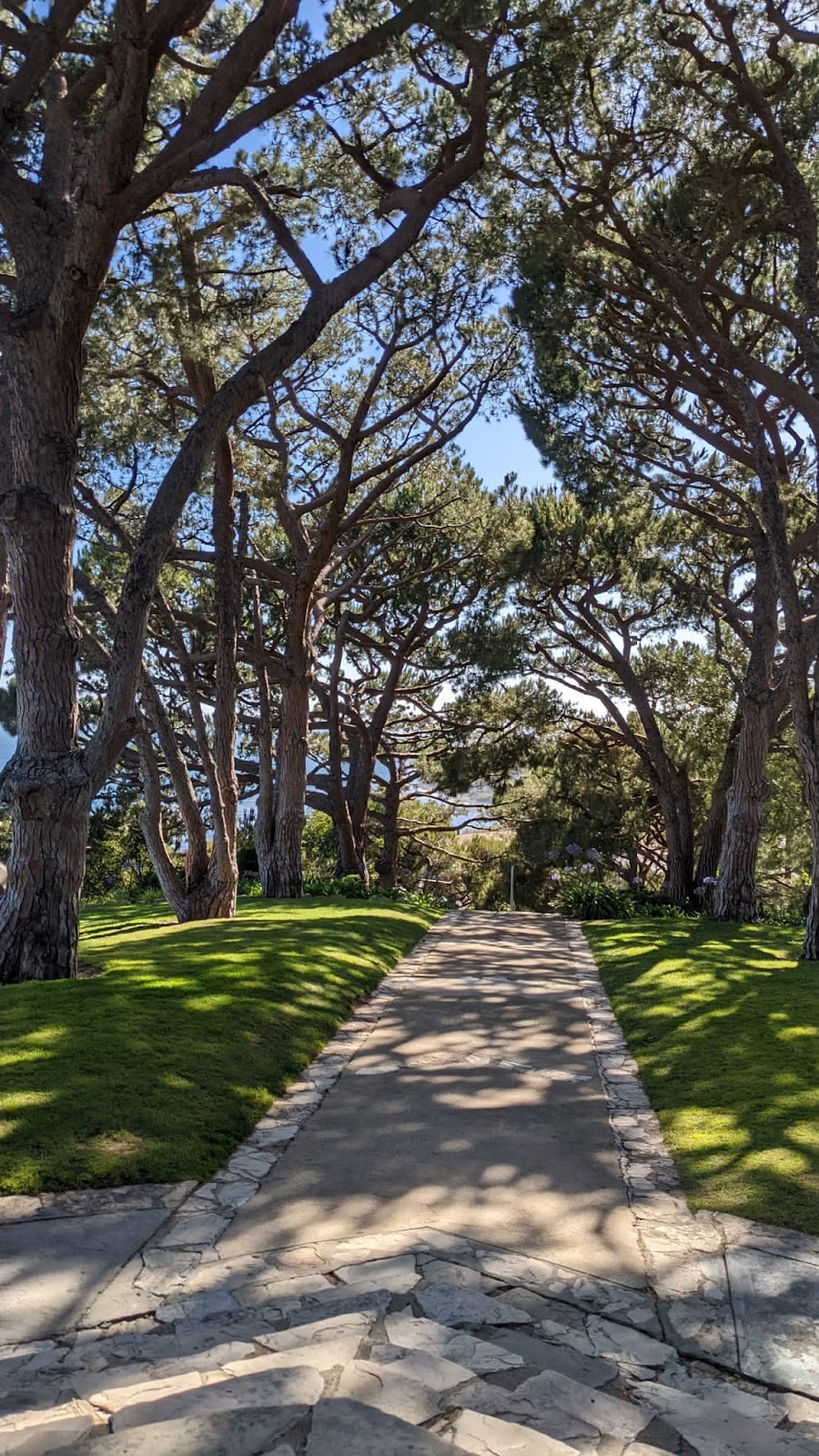
Outside, the site is a coastal bluff above the Pacific and it has its own character. The ocean is a large horizontal reflector, which throws light upward into faces standing above it and fills the shadows a high sun carves — helpful, at the cost of uplight under the chin, which something solid on one side corrects.
The bluff faces the ocean, which means the last hour is backlit: the sun over the water and behind the subject, giving rim light on hair and shoulders and a luminous sea. The exposure then goes on the sky with the faces lifted by a close warm-gelled source — metering on skin at that hour gives a white sky and throws away the reason for a west-facing bluff. Close matters because nothing out there bounces: a source at two metres needs roughly a quarter of the output it needs at four.
Wind is the constant outdoor fact on a coastal bluff. A lightstand is a liability, a held modifier is a sail and a veil is unpredictable — so a source in a hand or on a bracket is the configuration, and the lee of the planting or a structure is worth walking to.
The marine layer is the other coastal condition and on this stretch of coast it is a frequent morning presence through late spring and early summer, clearing in the afternoon. Under it the whole brightness range collapses, which for a glass building is genuinely useful: no geometric patterns on faces, no direct sun through the structure, and an even soft interior that behaves for once. A grey morning here is the easiest light the building receives.
And salt air is the practical note. It gets onto front elements and into equipment, which makes a cloth in a pocket and lens changes in shelter the whole of the answer.
- Build contrast, don’t supply light: structure, dark foliage, added shadow
- Custom white balance per position — glass plus canopy means green light
- Meter on skin in manual; bright sky and glass fool every meter
- No ceiling to bounce from: direct or modified only
- A few degrees off perpendicular removes glass reflections
The South Bay coast year
This part of the southern California coast has a mild, dry, marine-moderated climate with a small annual range, which makes the calendar flatter than anywhere further north in this guide — and the seasonal variation is more about cloud than about temperature.
The wet season runs roughly November through March and it is short and light by the standards of the rest of the state: rain comes in a small number of substantial storms rather than steadily. A covered alternative still matters, but the odds on any given winter date are considerably better here than in northern California.
Winter is also the clearest season, which for a coastal bluff is the important point. The air after a front has passed is the sharpest it gets all year, which means the long views along the coast and out to sea hold detail that a summer afternoon does not — and on a clear winter day the offshore islands are visible in a way they rarely are in July.
The December sun at this latitude reaches only about thirty-four degrees above the horizon, so the whole short day rakes across the water and the bluff rather than falling onto it. For a glass building that is decisive: a low sun enters from the side rather than from overhead, which means it travels through the structure horizontally and the geometric patterns land on the floor and the far wall rather than on faces. December is the easiest month inside the building.
Grey whales pass along this coast on their migration through the winter and early spring, close enough inshore to be seen from a bluff, which is a real presence rather than a detail.
Spring is mild and green, with the coastal slopes green only in the wet half of the year and wildflowers through spring. It is comfortable and reliable, and the marine layer has not yet reached its strength.
Late spring and early summer are the grey months on this coast, and they are the part of the year most couples do not expect. Cool water and warming air produce a persistent morning marine layer through May and June, which frequently does not clear until midday or later — and it is consistent enough that people here have names for it.
Photographically that is a gift rather than a problem, particularly in a glass building: no direct sun through the structure, no geometric patterns on faces, an even soft interior, and no squinting outside. A May morning here is the most technically straightforward condition of the year, and worth presenting to a couple as such rather than as weather.
High summer is warm, bright and reliable, with the layer usually burning off by late morning. It is the hardest light for a glass building, because a high sun overhead comes through the roof rather than the walls and lands directly on whoever is standing under it — which makes position, rather than technique, the whole of the answer.
September and October are the warmest and clearest months of the year here, and they are the best overall: long low light, warm water, minimal marine layer, and sharp air. If a date is movable, this is the answer.
Autumn colour is not a feature on a largely evergreen coast. What autumn brings instead is the year’s strongest light and, honestly stated, the dry season’s peak fire risk in southern California — where smoke rather than flame is the likelier photographic reality, turning the sun orange and flattening contrast in a way no white balance fully resolves. It cannot be planned for, only acknowledged.
More frames from Wayfarers Chapel
Wayfarers Chapel wedding photography: common questions
Is the chapel currently available?
It was disassembled in 2024 because of land movement on this part of the peninsula, with the intention of rebuilding elsewhere. Treat its status as a question to confirm directly.
What makes a glass building hard to photograph?
Light arrives from every direction, so there is no fall-off, no shadow side to a face, and nothing behind a subject darker than they are.
How do I fix that?
Build contrast rather than supply light: put dark structural members or dense foliage behind the subject, and add a source to create a shadow side.
Why does the light look green?
It passes through a canopy and then through glass, so it carries the colour of the leaves. Set a custom white balance on a face in position.
What about direct sun?
It lands as hard geometric shapes through the structure — beautiful on a floor, unusable on a face. Move half a metre rather than reaching for equipment.
Which month is easiest?
December inside, because a low sun comes through the walls rather than the roof. May and June are also easy, because of the morning marine layer.
More California venue guides
We are writing a photographer’s guide to every venue we would happily shoot in California. Here are three more, plus the full index:
- The Carneros Resort, Napa: The Light Through the Day
- The Meadowood, Napa: Field Notes, Problem and Solution
- The Silverado Resort, Napa: A Walk Through the Property
Planning a wedding at Wayfarers Chapel?
A building made of light. Tell us your date and we will confirm what is possible.