Wichita is a plains city and two conditions follow from that, both of which matter more than any individual venue. Wind is a constant rather than a risk: Kansas has among the highest average wind speeds in the country because there is no topography to slow the air, which means a veil is a held-or-removed decision rather than a hope, an unweighted light stand is a hazard, and any water on a site stops reflecting the moment a breeze arrives. The mirror frame here is an early-morning proposition or it does not exist.
And there is very little shade anywhere, because plains planting is scattered rather than closed — so the reliable midday shade comes from a building's own shadow, never from a tree.
What the plains give back is light and sky. With no hills to hide the sun and little haze to soften it, the sun stays visible almost all the way to the horizon, so the golden hour is genuinely long rather than a brief window before something blocks it. And an unobstructed horizon means the twenty minutes after sunset fill the entire frame with colour instead of showing it in gaps between buildings — which changes composition, because a couple placed small with a low horizon and dramatic cloud above is a frame no wooded venue can make.
The guides below are venue by venue: why bounce flash destroys a 1922 atmospheric ceiling, why mown fairway stripes need raking light to exist at all, and why a glass facade on open ground reflects sky rather than architecture.
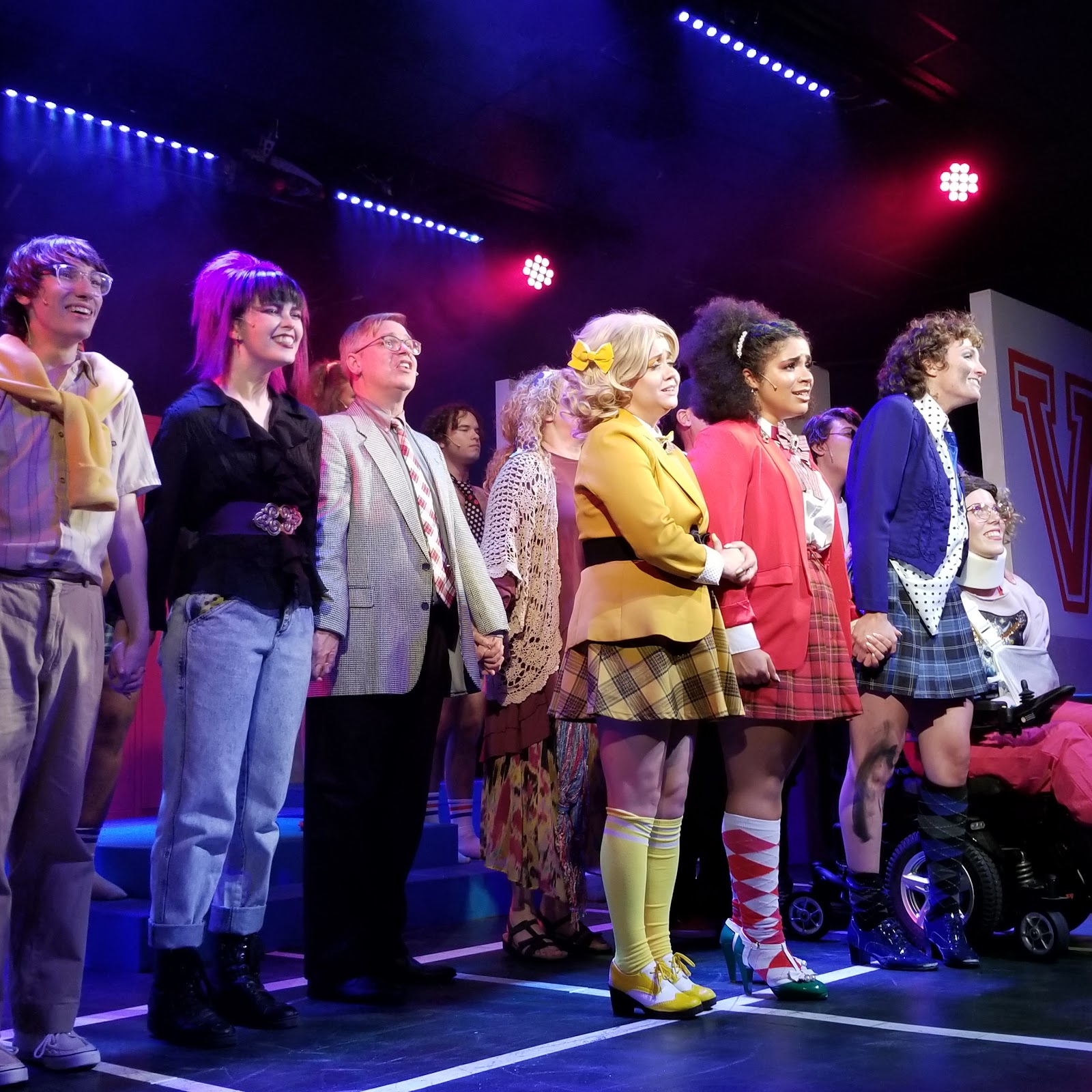
Roxy’s Downtown: Photographing a Small Stage Room
A small theatre and cabaret venue in downtown Wichita, Kansas, with a stage, tiered seating and brick interior.
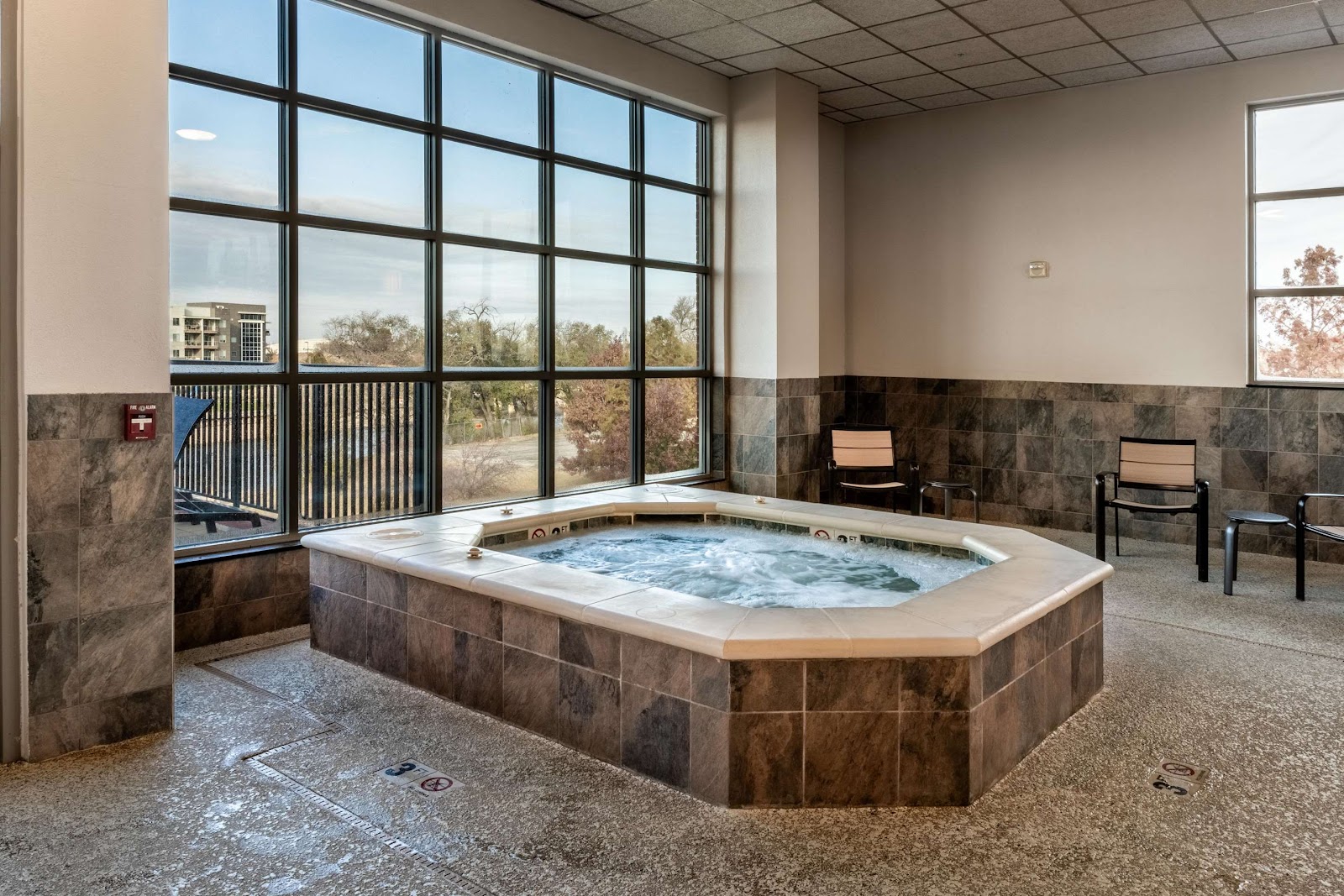
The Drury Plaza Broadview: One Decision About Which Way You Work
A 1920s hotel beside the Arkansas River in downtown Wichita, Kansas, with period ballroom space and river-facing rooms.
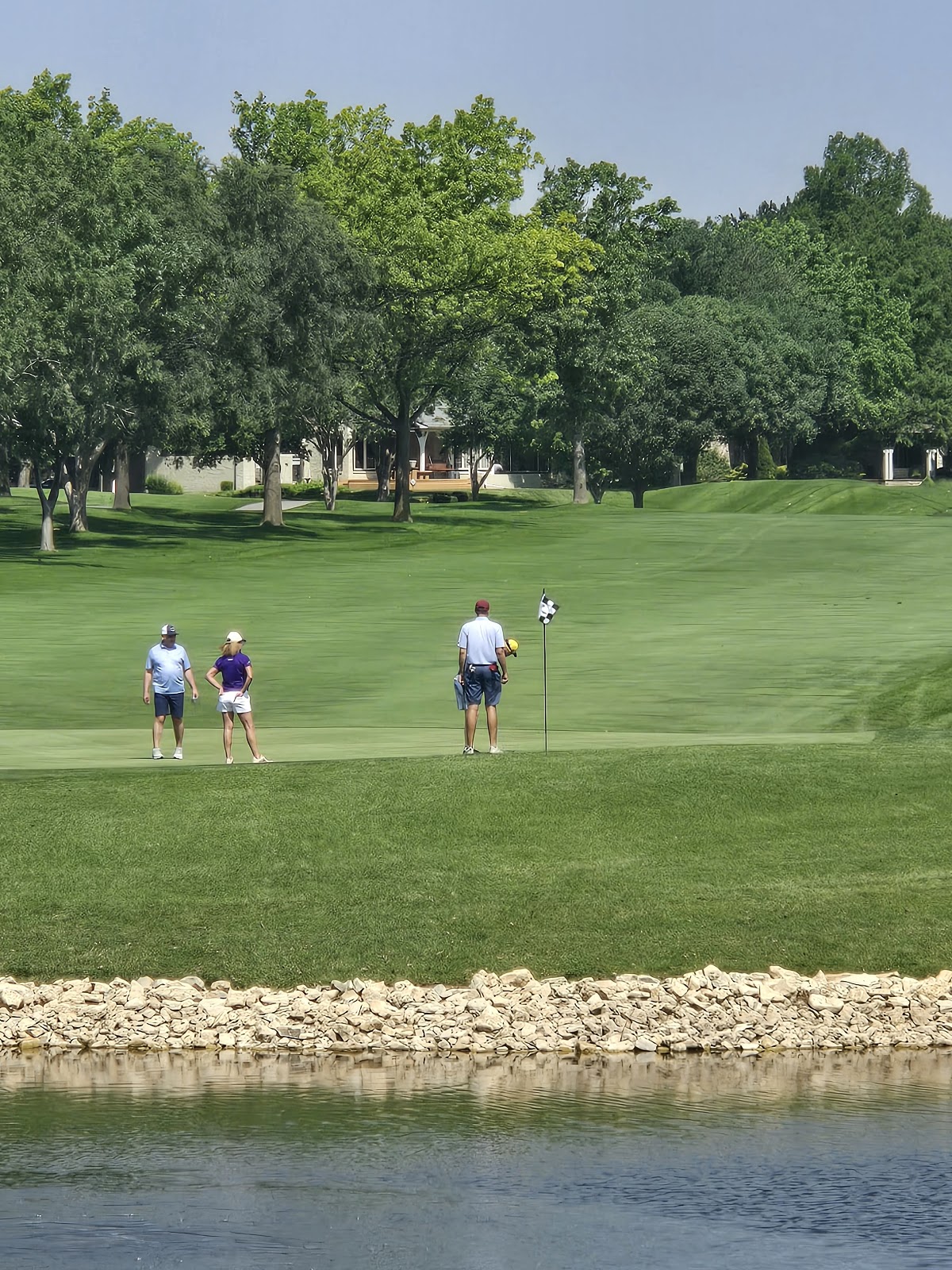
Reflection Ridge Golf Club: Reading Water on a Course Through the Day
A golf club in Wichita, Kansas, with water features across the course, a clubhouse and open plains sight lines.
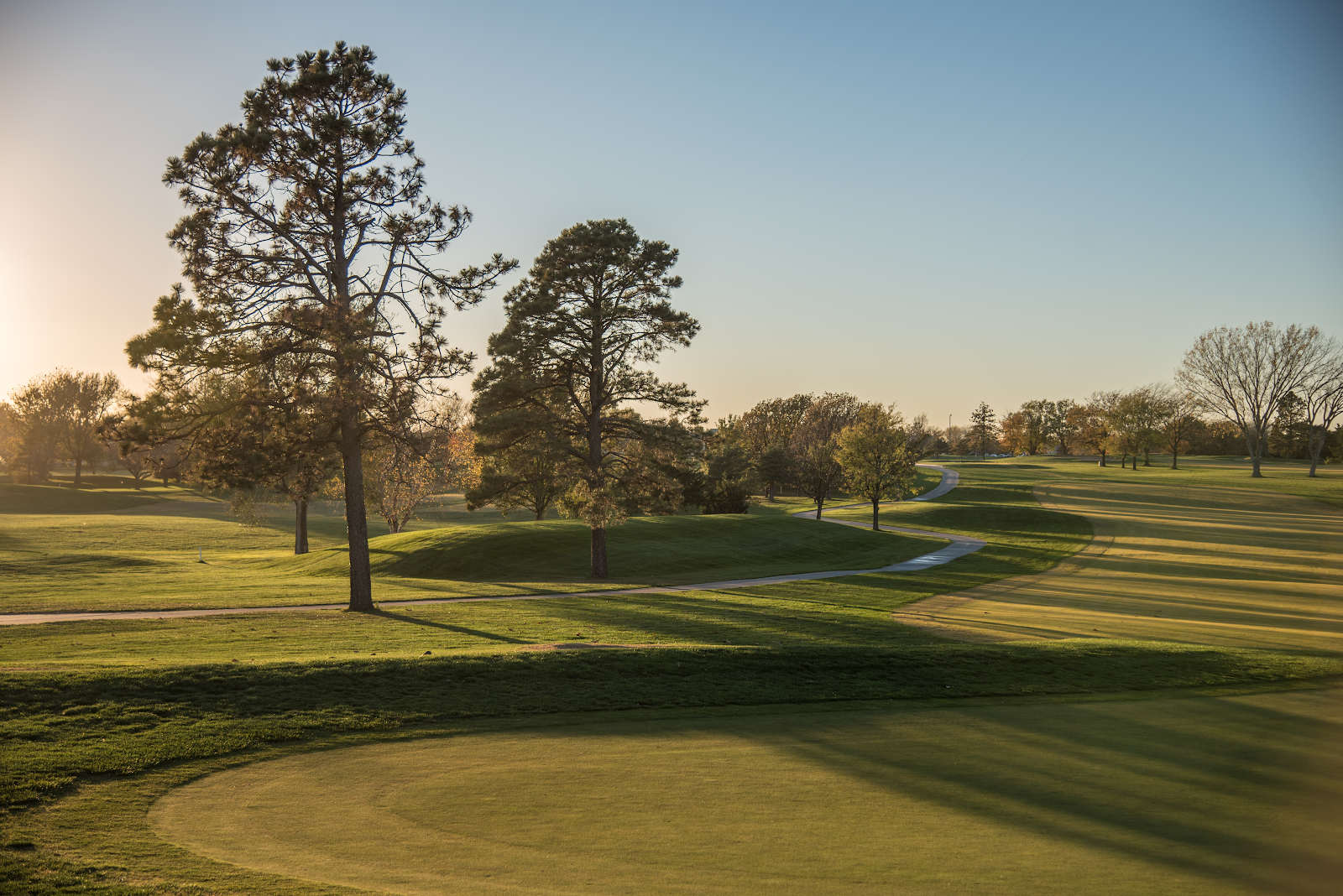
Crestview Country Club: How the Fairway Frame Is Actually Made
A country club outside Wichita, Kansas, with a golf course, clubhouse ballrooms and mature planting along the fairways.
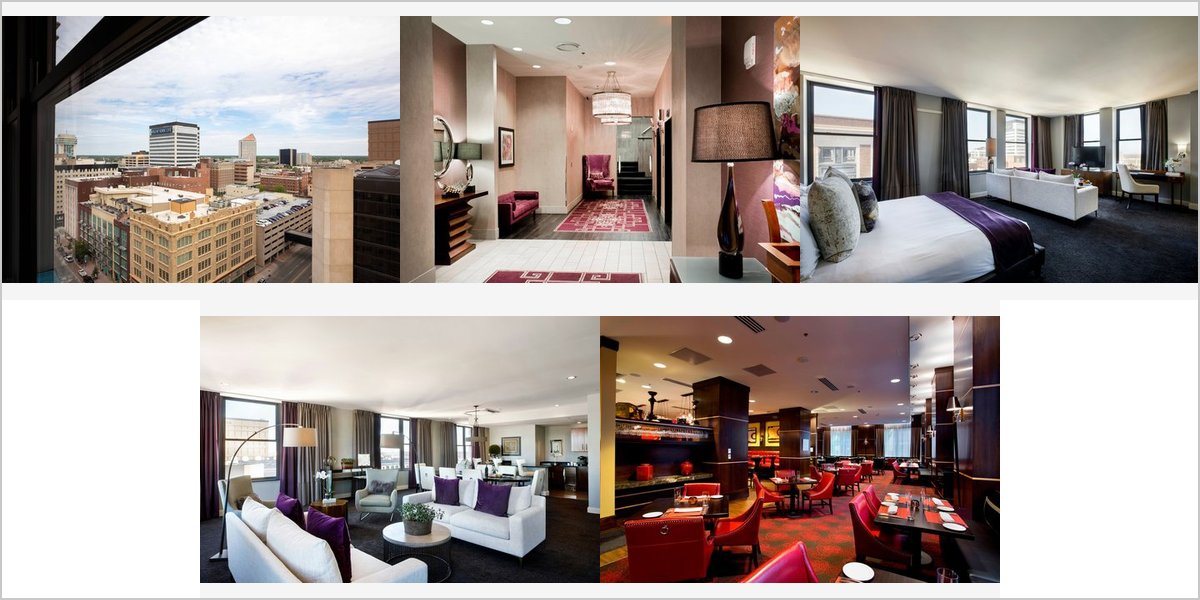
The Ambassador Hotel, Wichita: Four Ways Out of the Ornate-Ceiling Problem
A 1920s commercial building in downtown Wichita, Kansas, converted to a hotel, with high ceilings, ornate plasterwork and a ballroom.
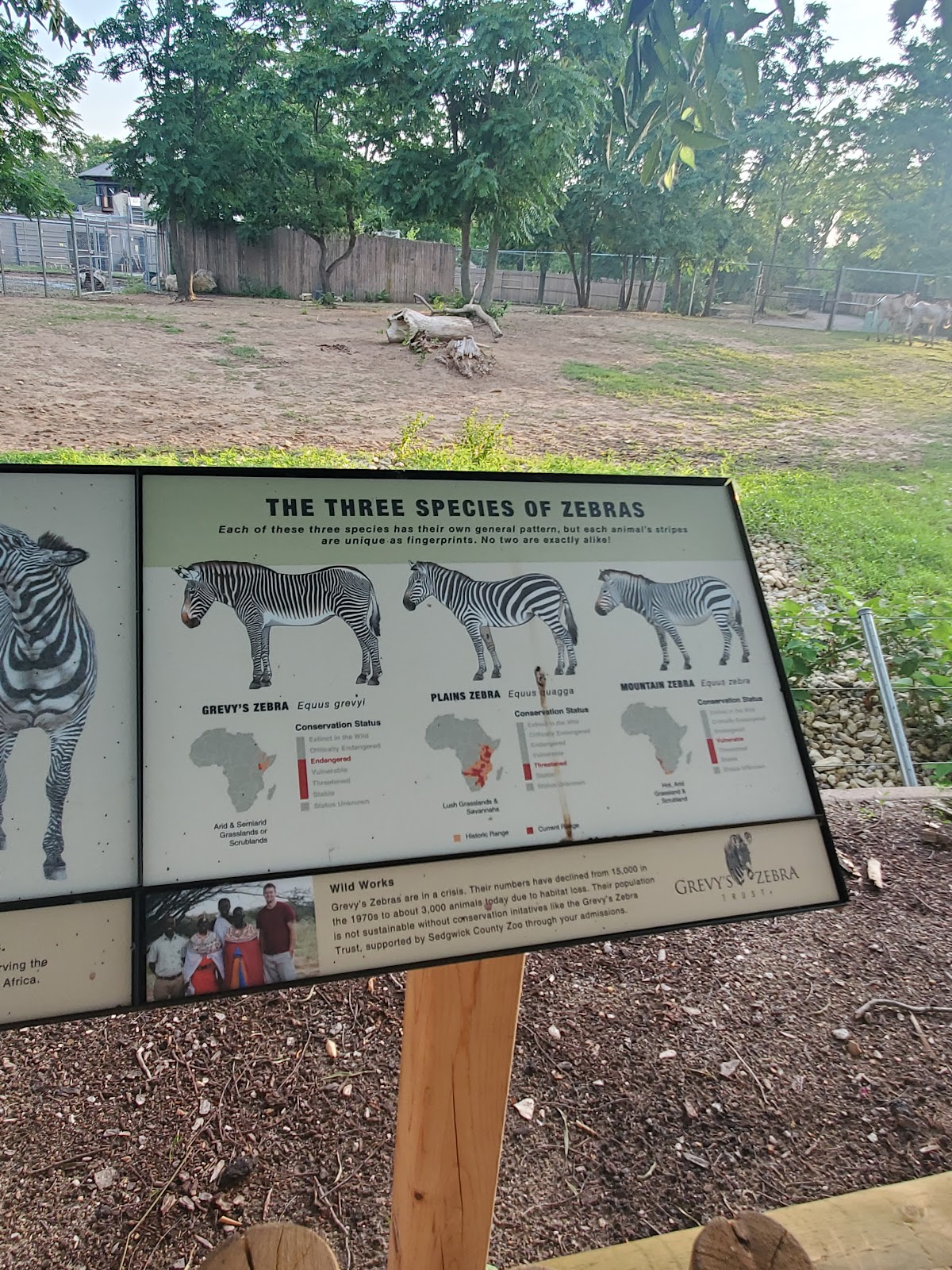
Sedgwick County Zoo: What a Plains Zoo Suits and What It Does Not
A large zoo on open ground outside Wichita, Kansas, with habitats, water features and planted areas across an extensive site.
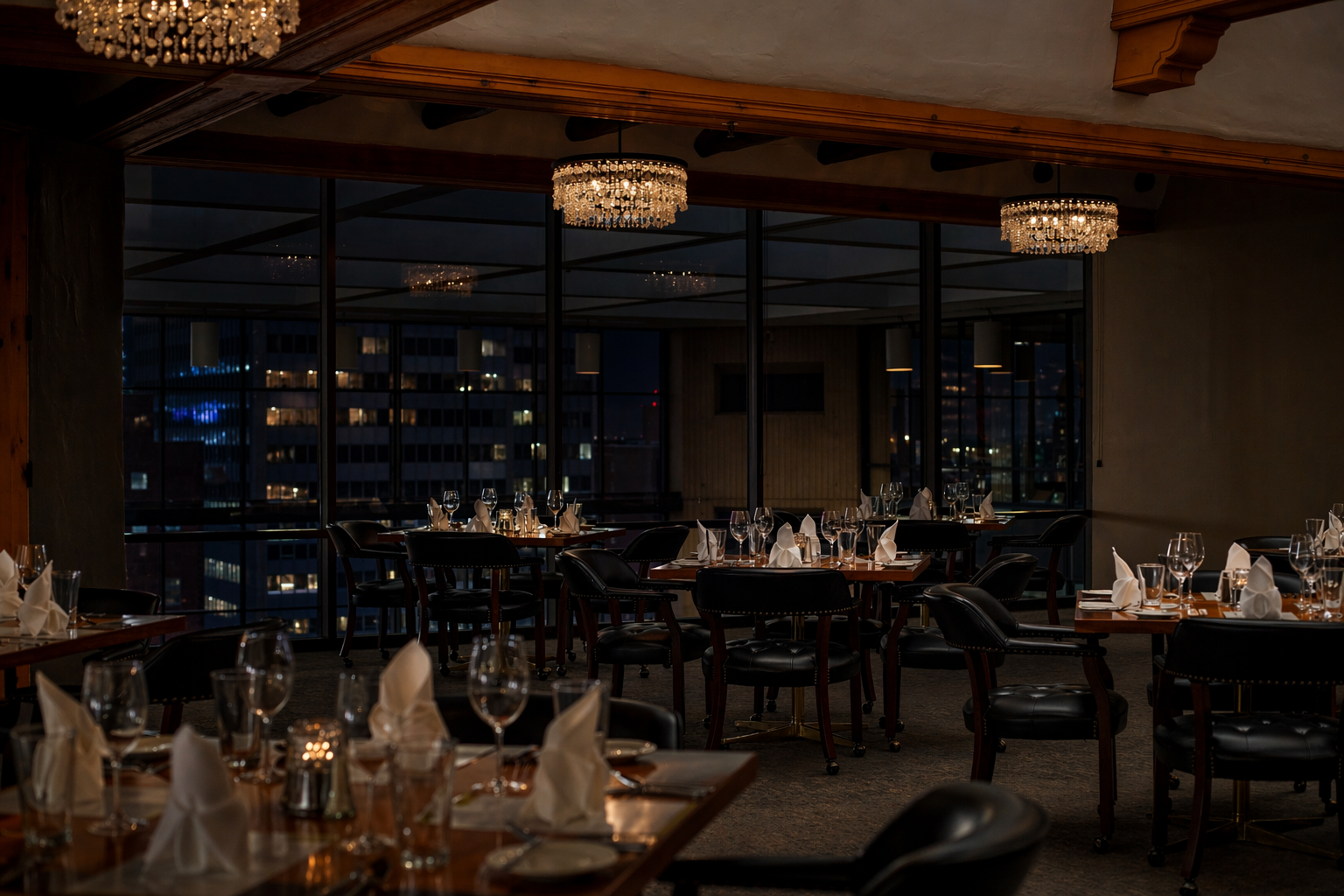
The Petroleum Club: Dark Panelling and a High Window
A private club on an upper floor of a downtown Wichita building, with wood-panelled rooms and windows over the city and plains beyond.
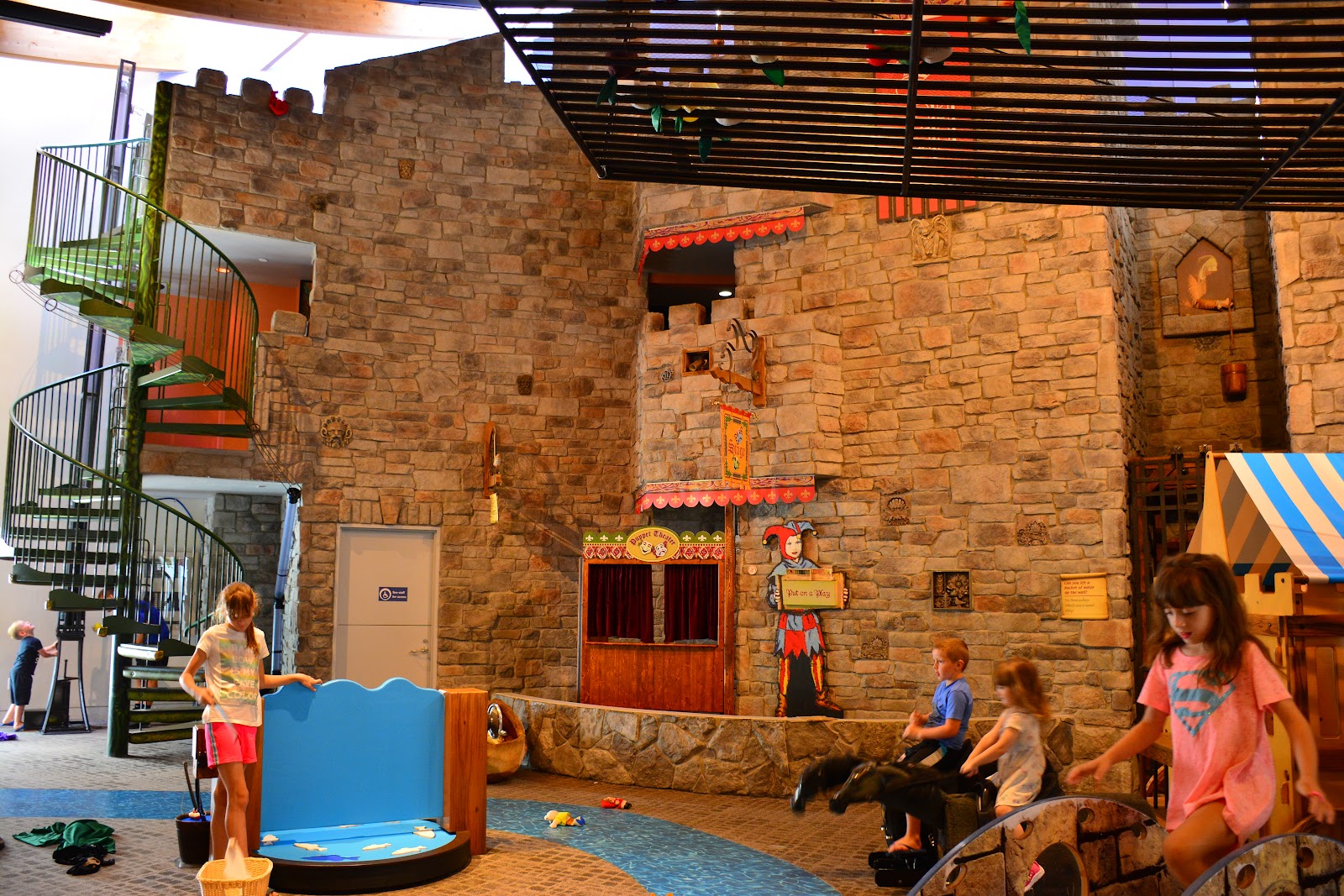
Exploration Place: Photographing Curved Architecture on a River
A science centre on the Arkansas River in Wichita, Kansas, with sculptural curved architecture, exhibit halls and riverside grounds.
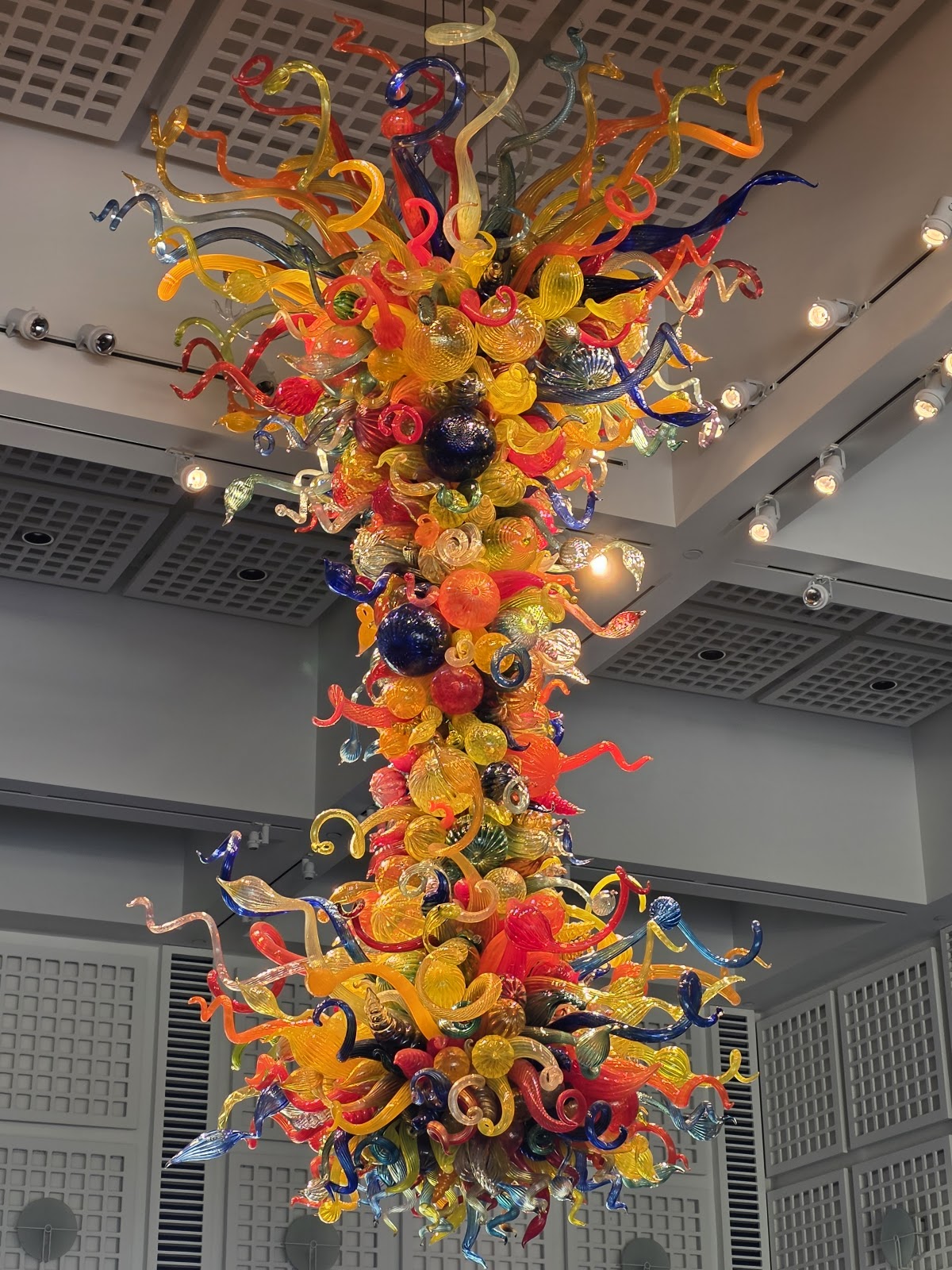
The Wichita Art Museum: Field Notes on Glass Under a Big Sky
An art museum beside the Arkansas River in Wichita, Kansas, with large glass façades, gallery spaces and planted grounds.
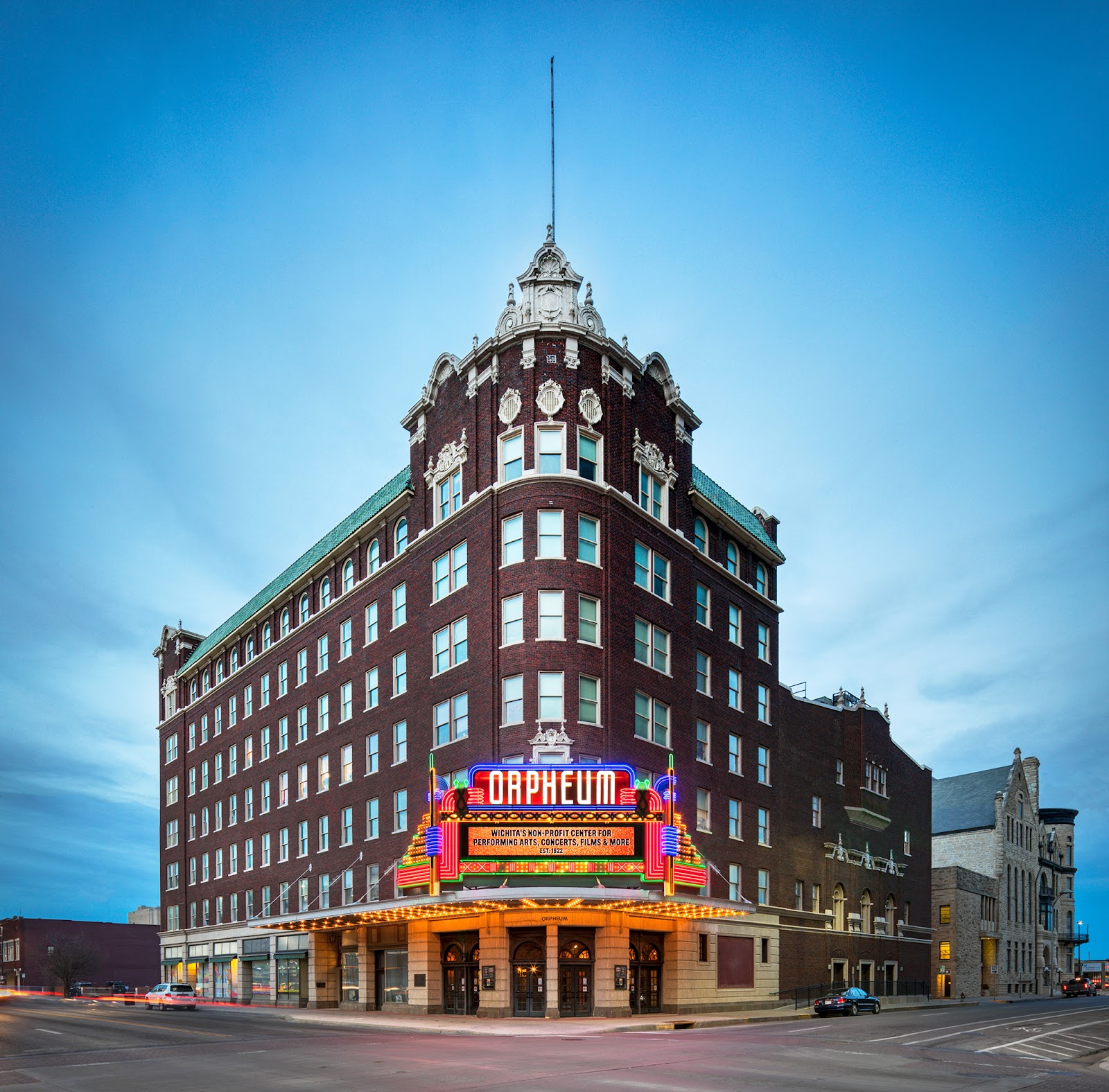
The Orpheum Theatre, Wichita: Photographing an Atmospheric Interior
A 1922 atmospheric movie palace in downtown Wichita, Kansas, with a painted sky ceiling, ornate plasterwork and a balconied auditorium.
- 1
- 2