St Paul is the first genuinely northern city in this series, and its winter changes the advice rather than merely making it colder. From December through February the sun stays low all day, which means the raking light that reveals rusticated sandstone, carved oak and civic stonework is available for the whole short afternoon instead of for ninety minutes at each end — so several of these venues photograph better in January than in July. Snow is the other factor and it is the best natural fill there is: a vast bright reflector that fills exactly the shadows dark Victorian materials refuse to fill.
It will also fool a meter by about two stops, so it wants deliberate overexposure and a check that the snow still holds texture rather than clipping to blank white.
The costs are practical and worth planning around rather than discovering. Short days mean an outdoor block belongs early in the afternoon, not at the end of it — a three o'clock December ceremony is close to the end of usable daylight. Cold limits how long anyone stands outside in formal clothes. And a camera carried from a heated interior into subzero air and back fogs badly coming in, so it needs acclimatising rather than cycling.
The guides below are venue by venue: why a glass-roofed courtyard is photographed from five floors up on the centre axis, why red sandstone puts its own colour onto every face near it, and why a row house has its darkest point in the middle of the plan.
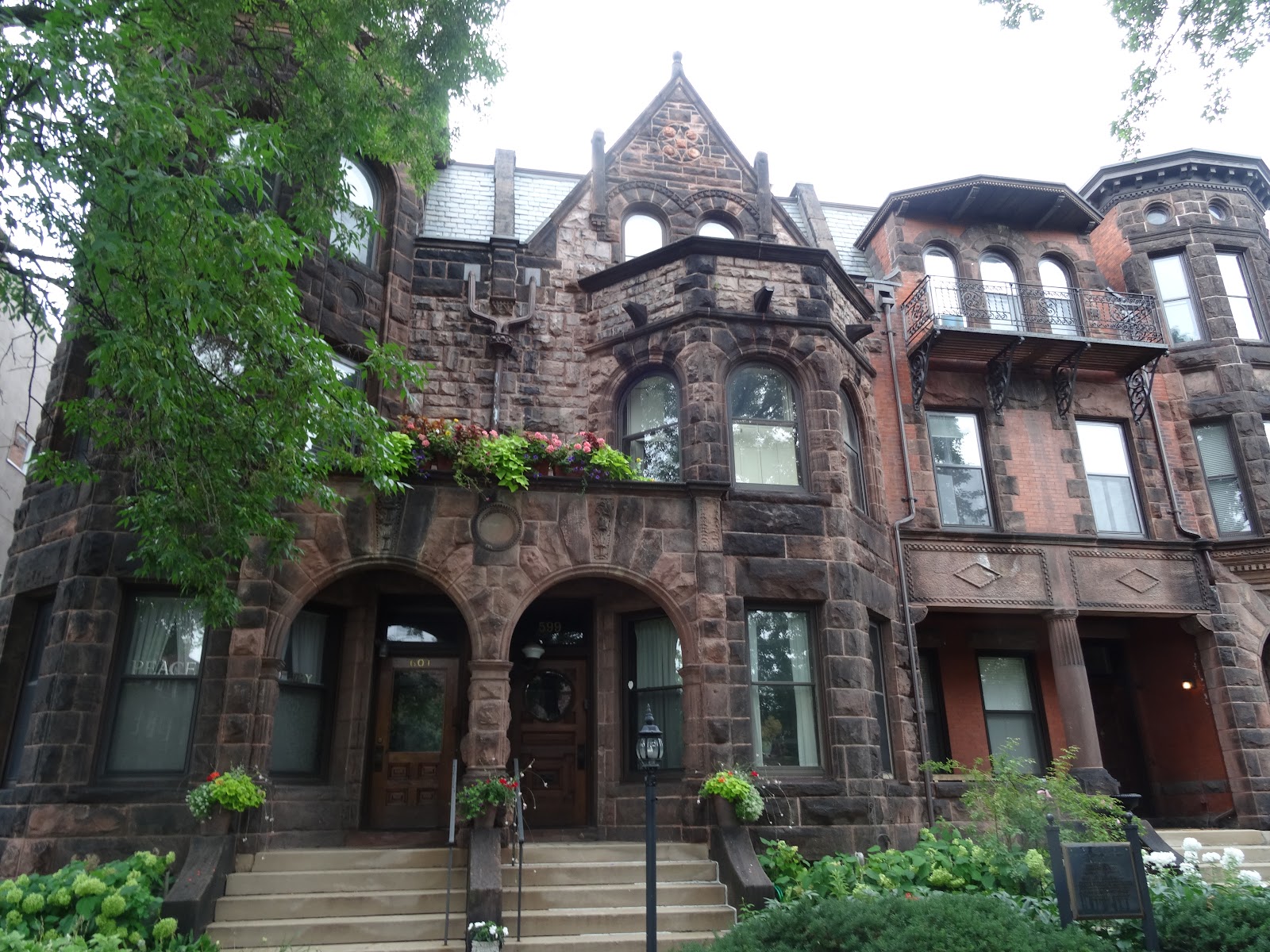
The F. Scott Fitzgerald House: Photographing a Narrow Row House
A brownstone row house on Summit Avenue in St Paul, Minnesota, with period interiors, stained glass and woodwork.
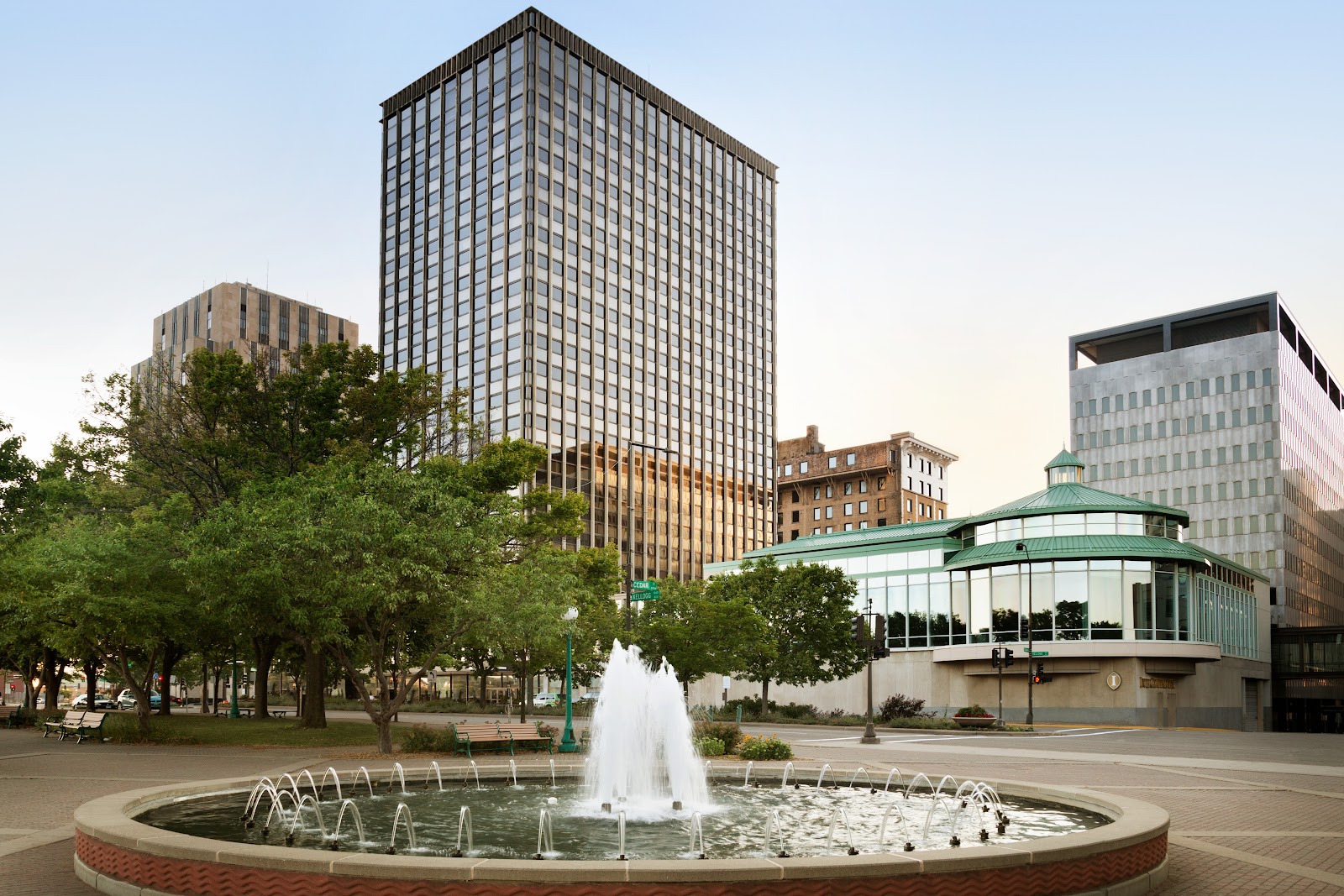
The InterContinental St. Paul: What a Modern Hotel Actually Buys
A modern full-service hotel in downtown St Paul, Minnesota, with ballroom space, guest floors and a downtown location.
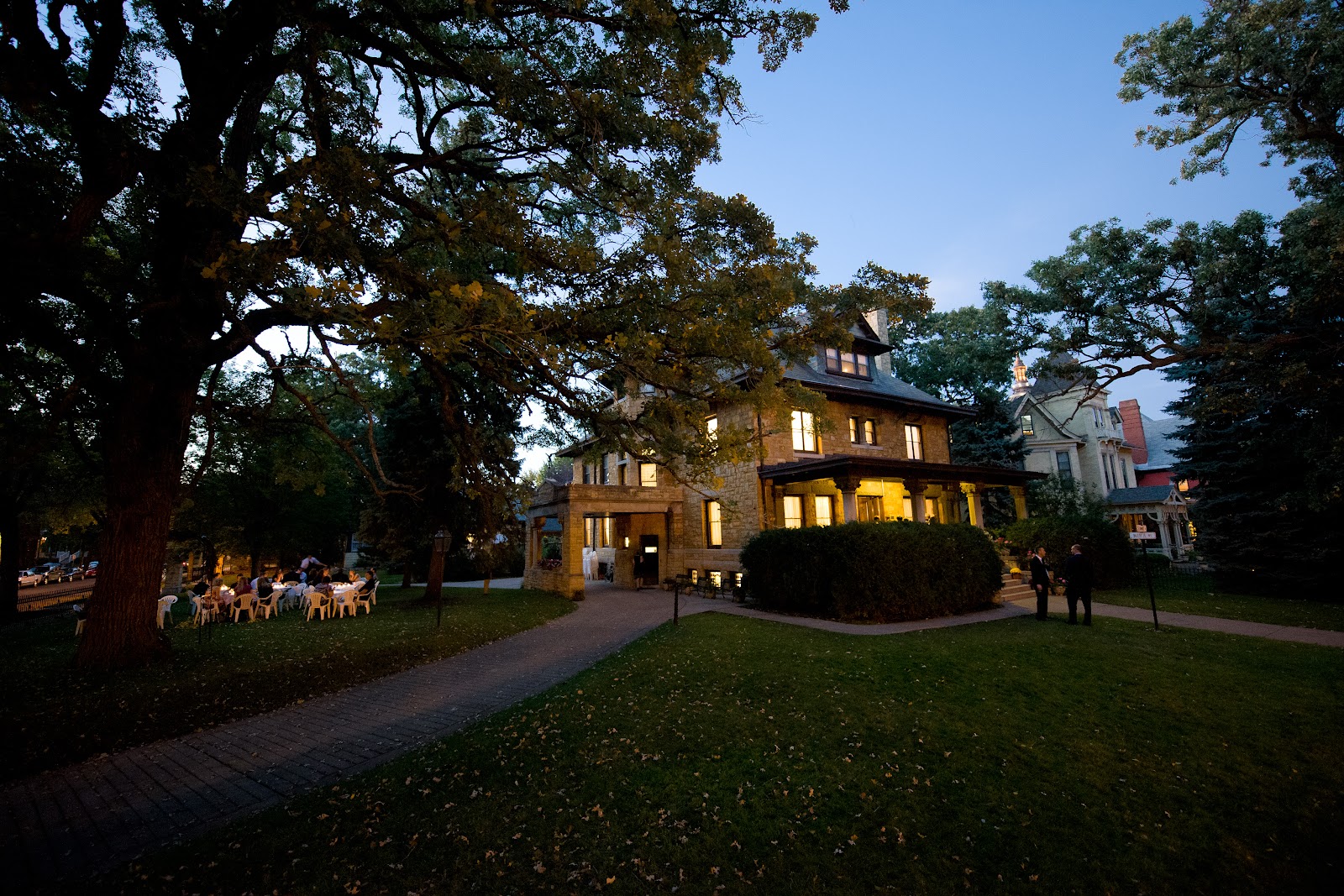
Summit Manor: Photographing a Summit Avenue Mansion and Its Grounds
A Victorian mansion on Summit Avenue in St Paul, Minnesota, with period interiors, a ballroom and grounds.
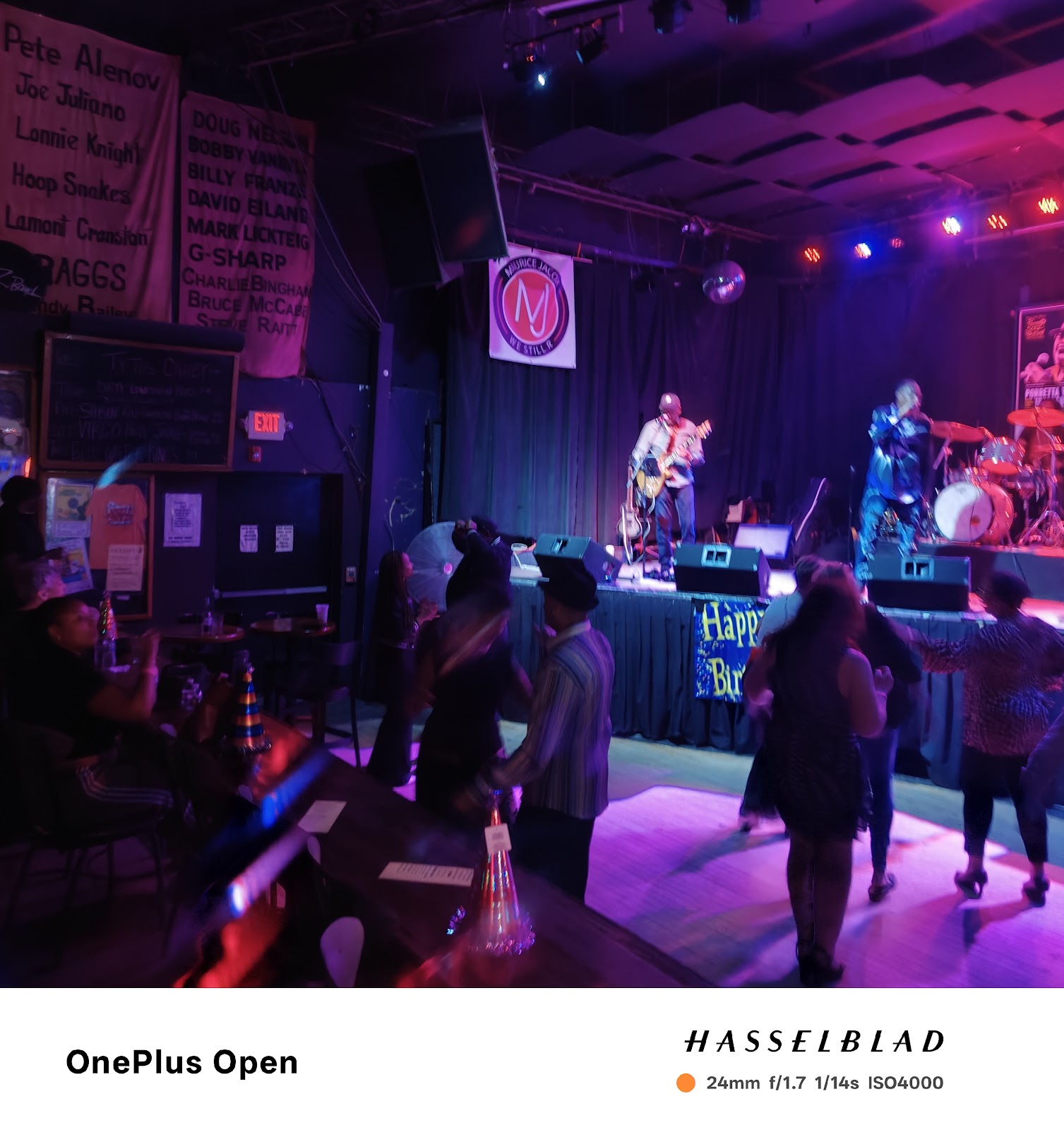
The Minnesota Club: Four Ways Out of the Dark-Interior Problem
A private club in a historic building in downtown St Paul, Minnesota, with panelled rooms, a dining room and event spaces.
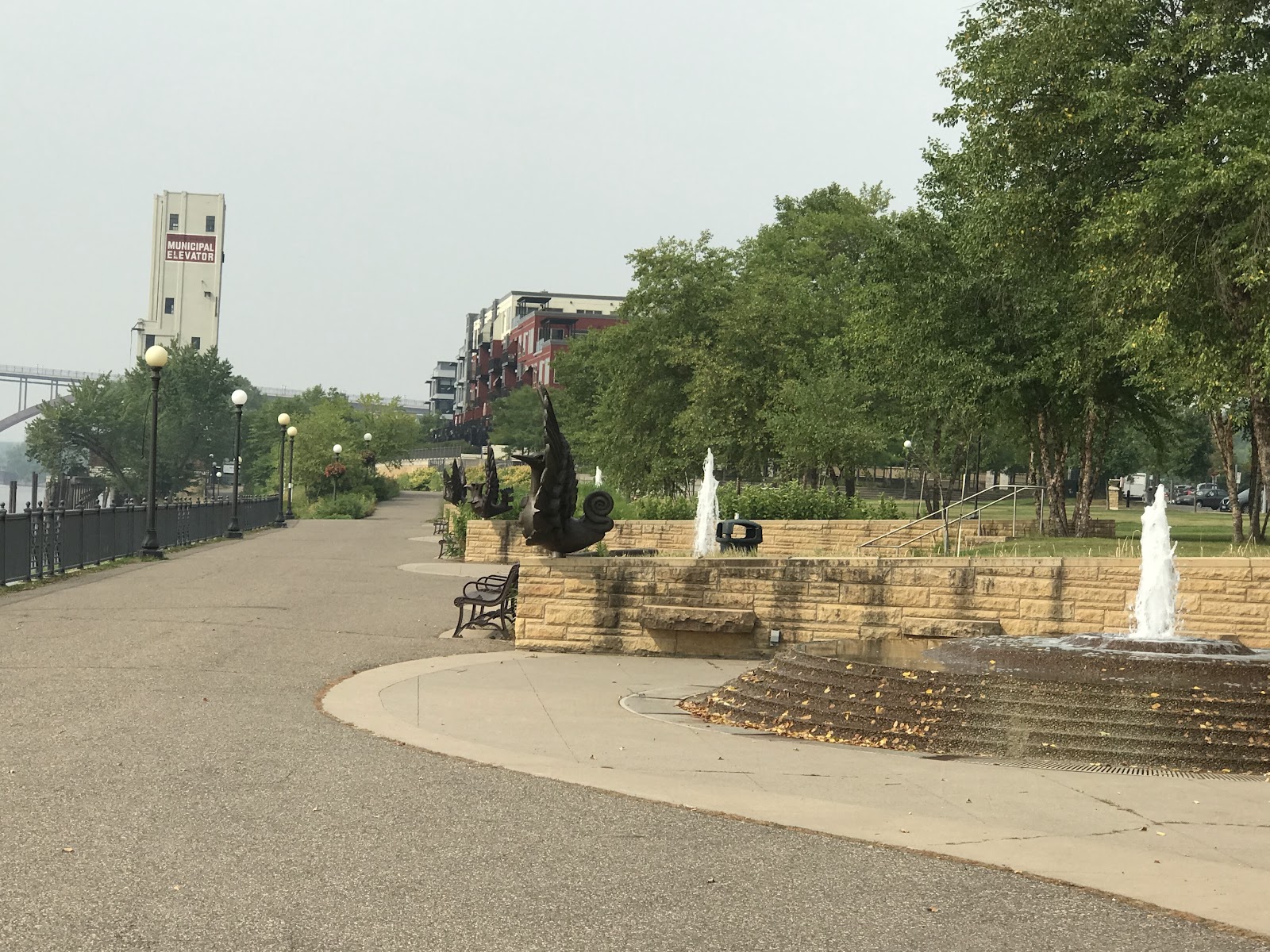
The Science Museum of Minnesota: Screen-Lit Halls and a River Terrace
A science museum built into the Mississippi bluff in downtown St Paul, with exhibit halls, terraces and views over the river.
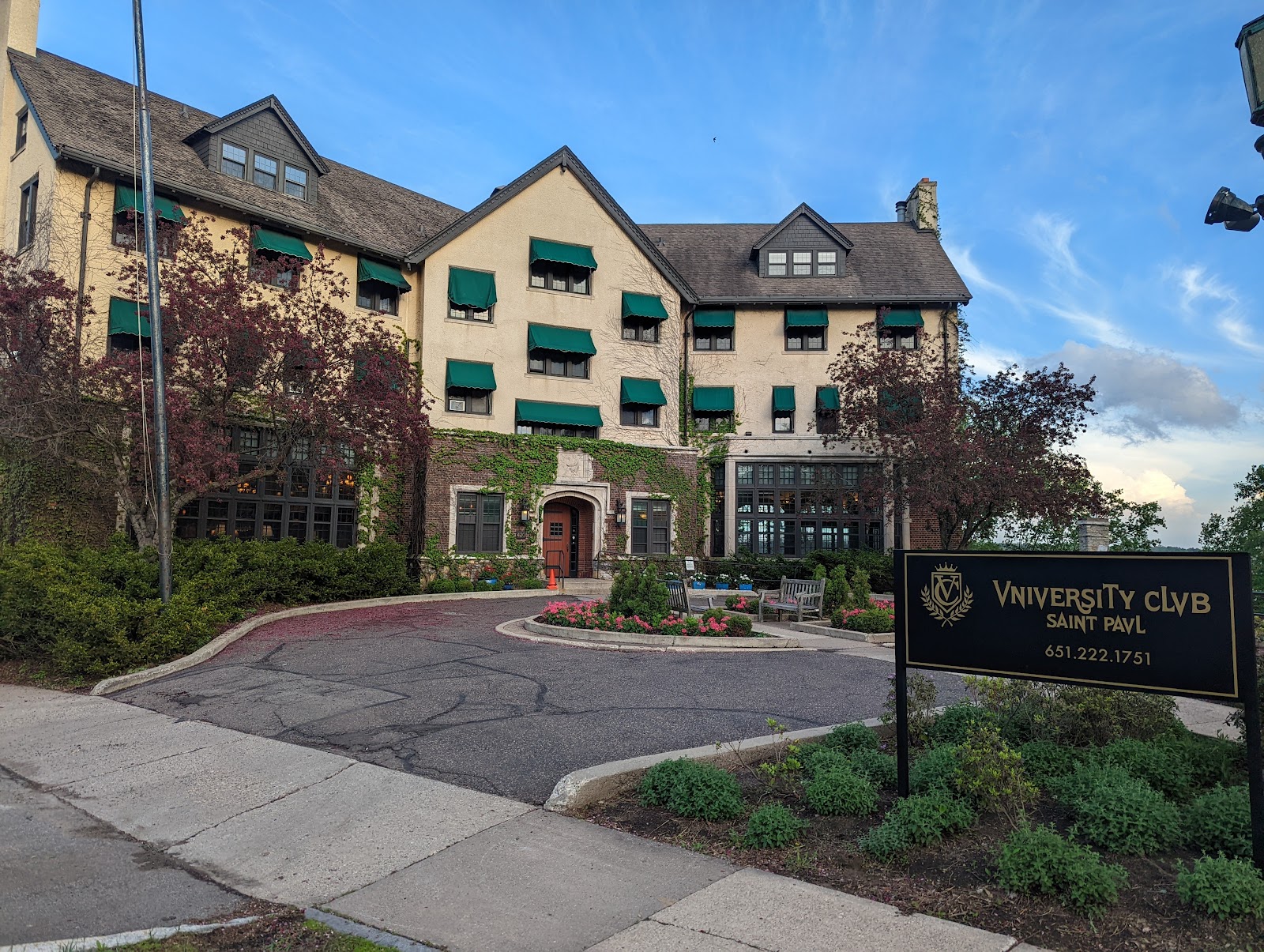
The University Club of St. Paul: A Panelled Club With a River View
A private club on the Summit Avenue bluff in St Paul, Minnesota, with wood-panelled rooms, ornate ceilings and a terrace over the river valley.
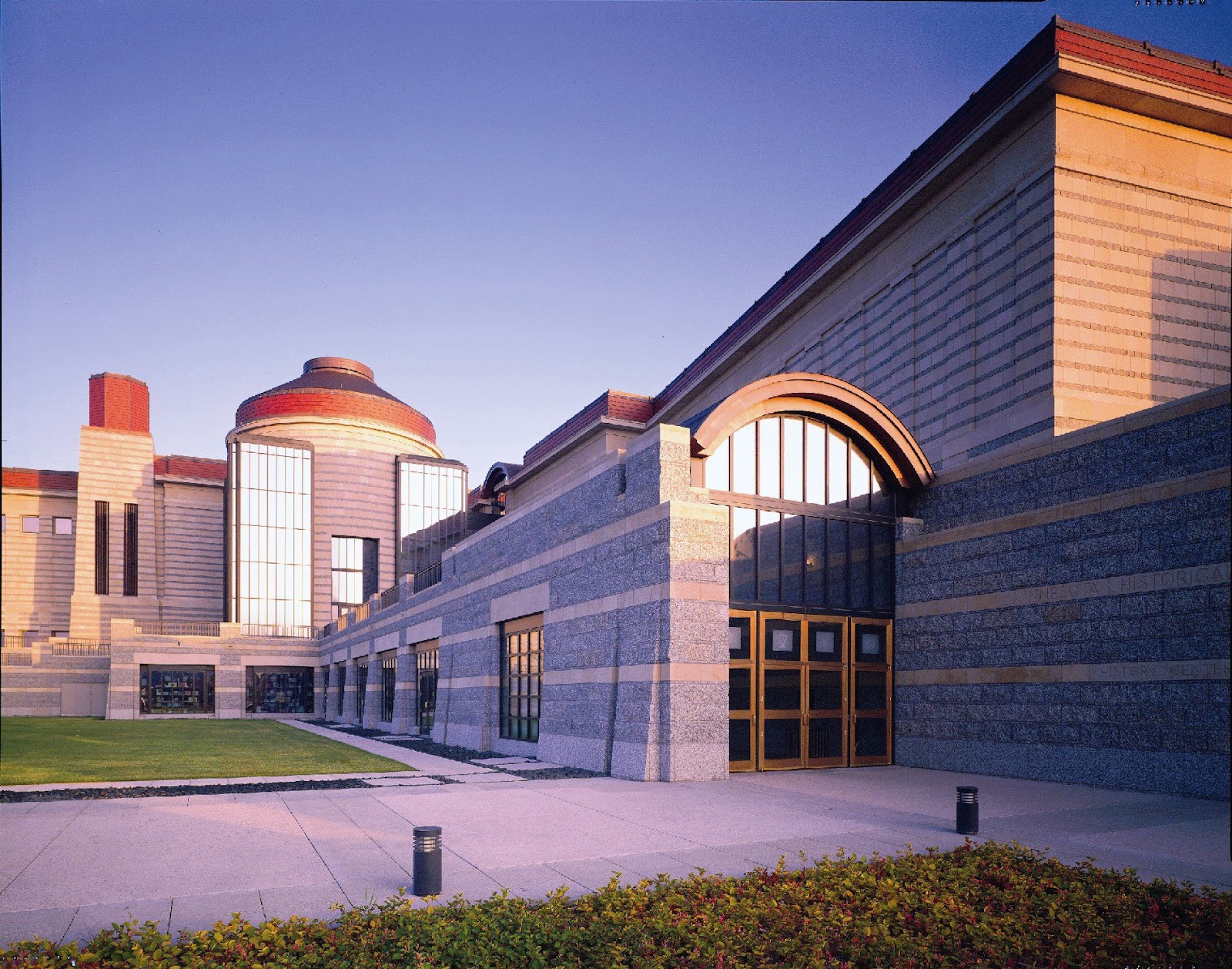
The Minnesota History Center: Photographing Stone, Glass and Conservation Light
A history museum near the Capitol in St Paul, Minnesota, combining heavy stone, glazed public spaces and conservation-lit galleries.
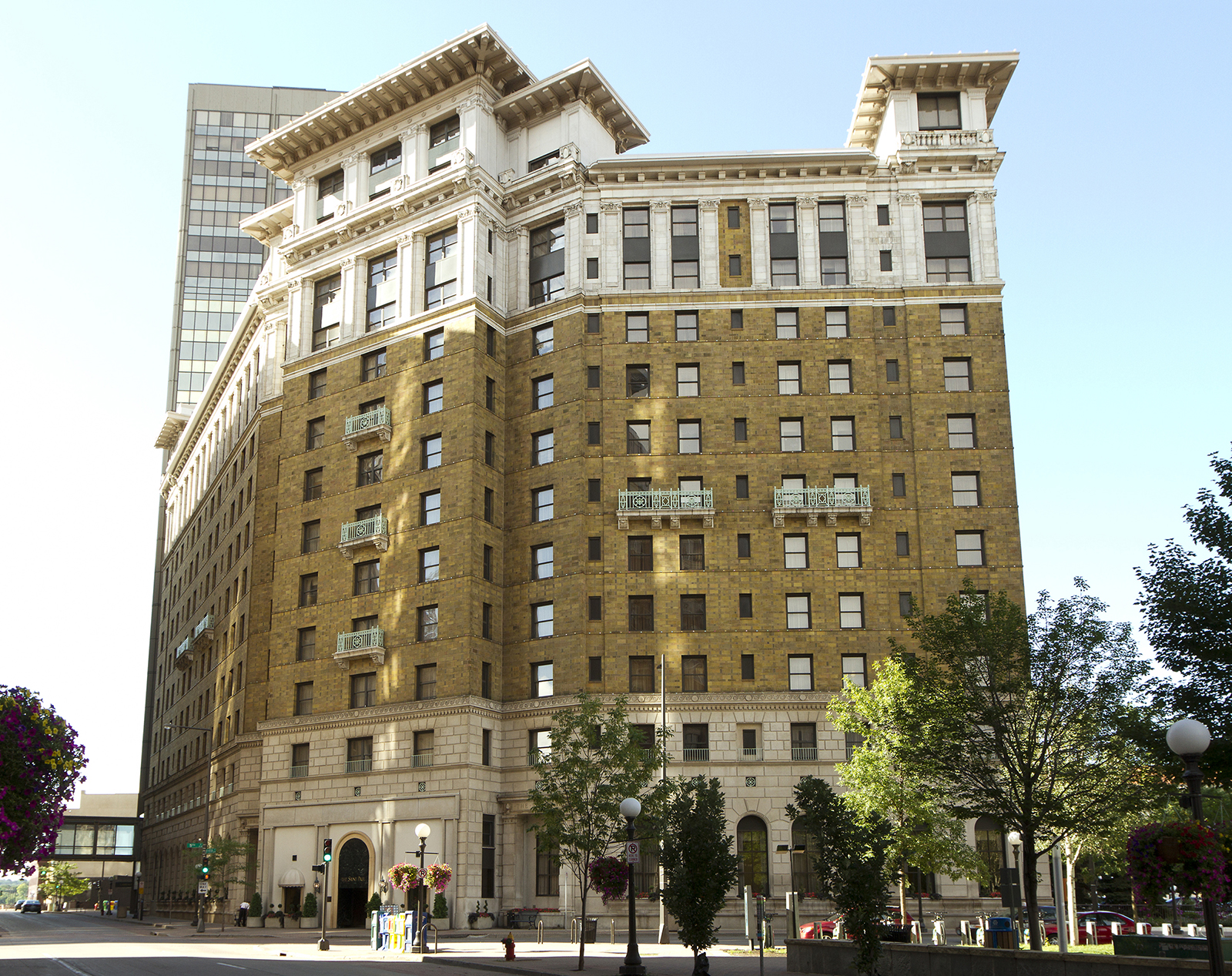
The Saint Paul Hotel: Reading a 1910 Grand Hotel Through the Day
A 1910 grand hotel facing Rice Park in downtown St Paul, with wood-panelled public rooms, chandeliers and guest floors above.
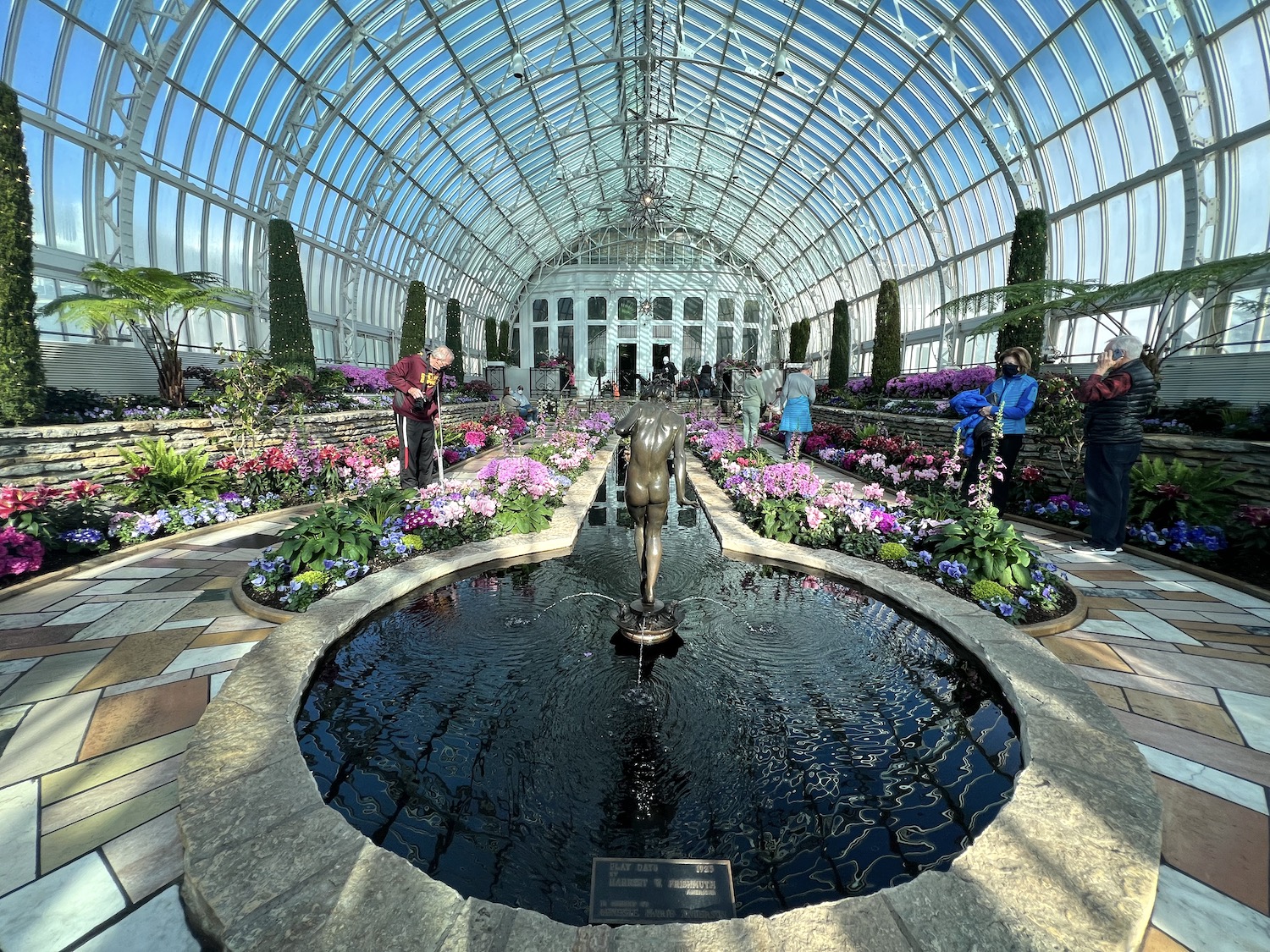
Como Park Conservatory: One Decision the Minnesota Calendar Makes for You
A Victorian-style glasshouse conservatory and gardens in Como Park, St Paul, Minnesota, with a zoo and Japanese garden nearby.
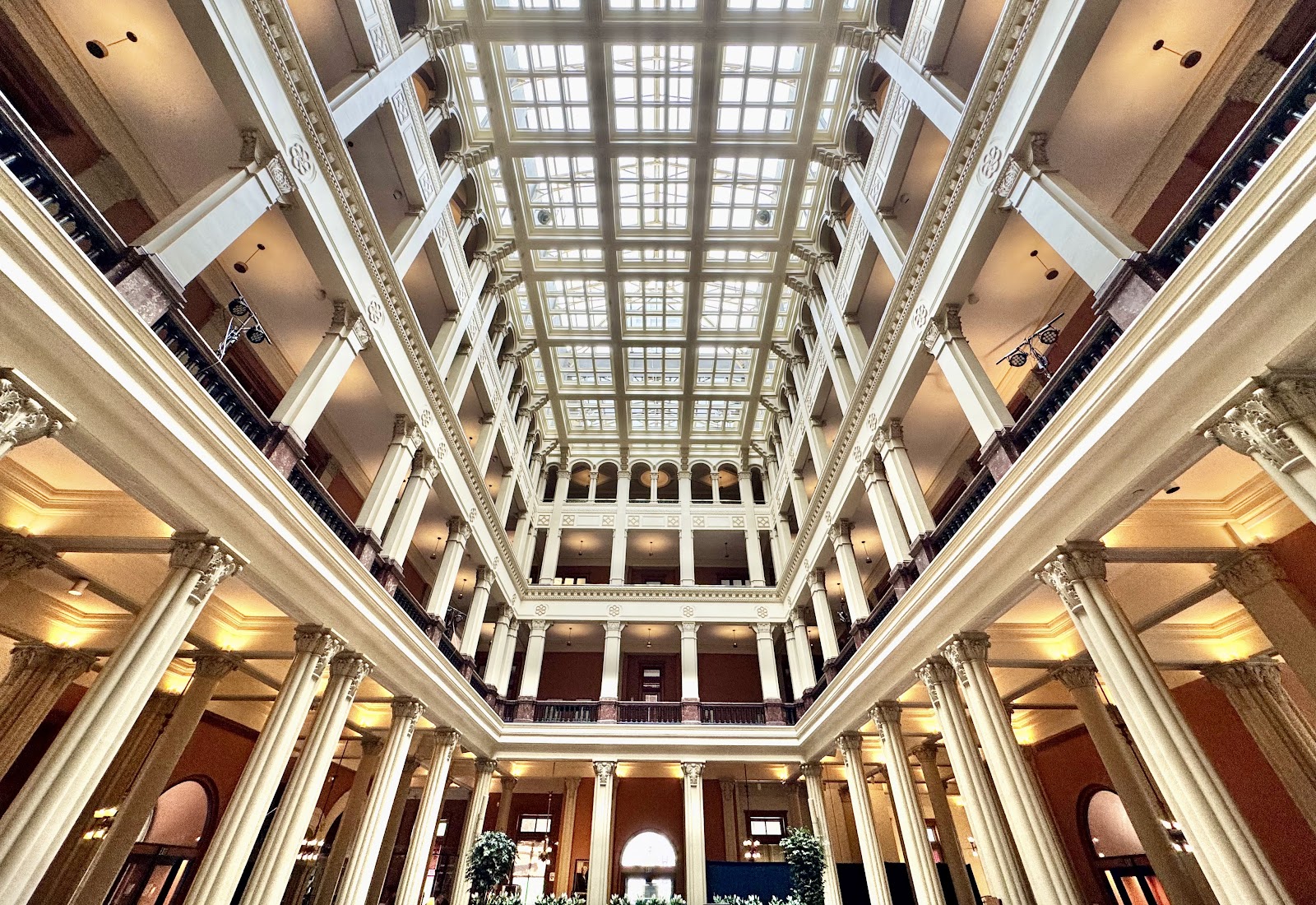
The Landmark Center: How the Indoor Courtyard Frame Is Made
A former federal courthouse of 1902 in downtown St Paul, with a glass-roofed indoor courtyard ringed by galleried floors.
- 1
- 2