 The Van Dusen Mansion, Minneapolis: A Walk Through House and Grounds
The Minnesota Club: Four Ways Out of the Dark-Interior Problem
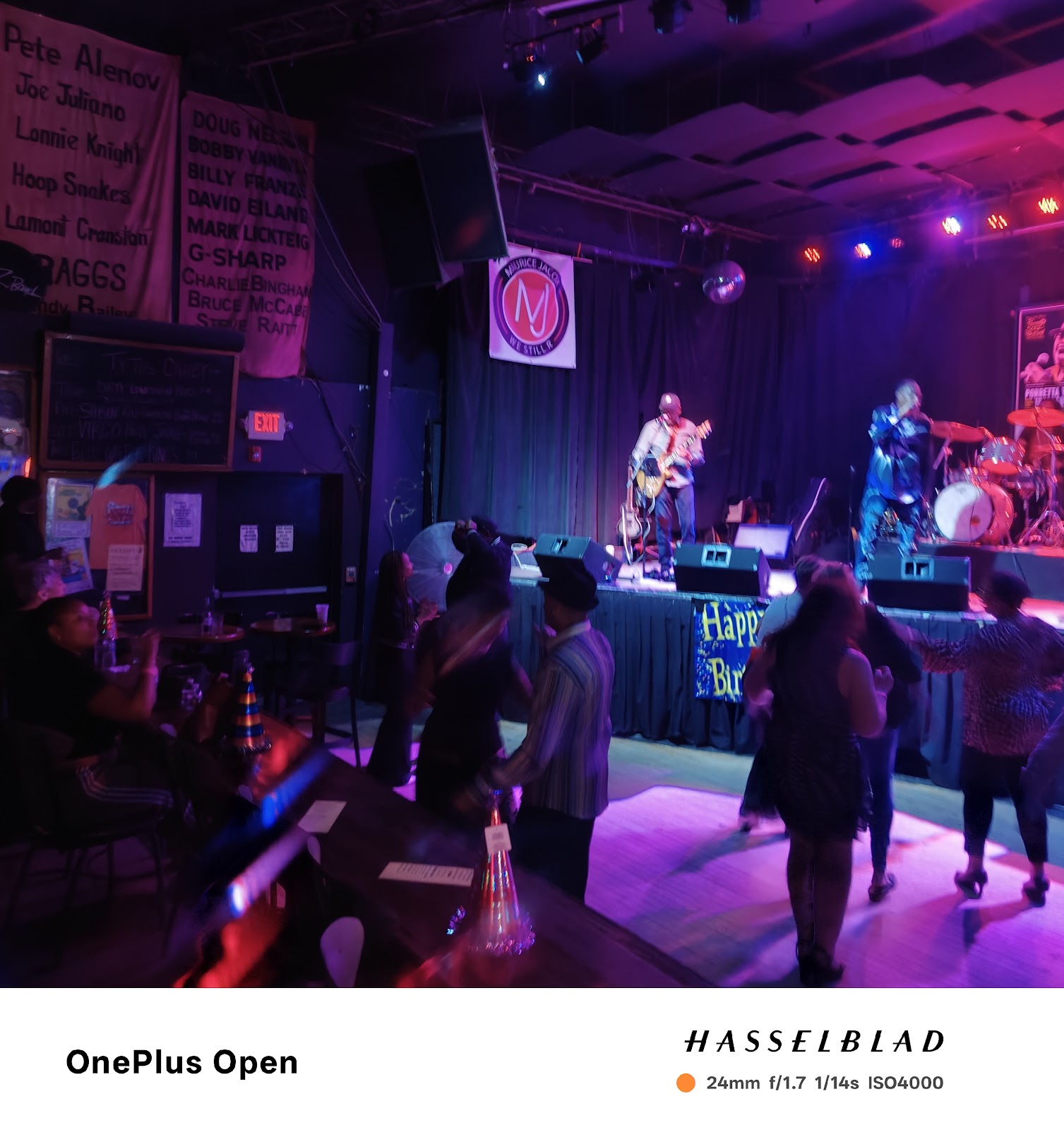
A dark club interior is the most predictable problem in this series, and it has four good answers.
The Minnesota Club occupies a historic building in downtown St Paul, a private club with panelled rooms, a dining room, event spaces and the lighting of a place designed for comfort rather than for visibility.
Club interiors of this kind are the most consistent photographic problem in this whole series, which is oddly reassuring: they are always dark, always warm, always absorbing, and the fall-off from any source is always steep. Panelling takes the light that lands on it rather than returning it, deep colours absorb what the panelling misses, and the fixtures are dim by design because nobody in a club wants to be brightly lit.
None of that is a fault and all of it is solvable. There are four distinct approaches, and they suit different frames rather than competing. We have not photographed a wedding at the Minnesota Club; panelled club interiors behave the same wherever they were built. Which rooms are allocated, whether members’ areas are off limits and whether light stands are permitted in shared spaces are questions for their events team — and access should be settled before anything else.
The Minnesota Club at a glance
| Where | Downtown St Paul, Minnesota |
| Character | A private club with panelled rooms and lighting built for comfort |
| The problem | Everything absorbs; bounce flash returns almost nothing |
| The compensation | Very low ambient means one light has enormous effect |
| Ask first | Access, members’ areas, and whether stands are permitted |
Why club interiors absorb everything
Three materials do it. Dark-stained panelling absorbs rather than reflects, which removes the free light distribution every pale room provides. Deep-coloured carpet and upholstery absorb what reaches the floor and the furniture. And heavy drapery absorbs at the windows, where any daylight would otherwise enter.
The measurable consequences are a low ambient, a steep fall-off, and bounce flash that returns almost nothing. A photographer used to pale hotels will aim a flash at the ceiling, see almost no effect, increase the power, and still get an underexposed room — which is the diagnostic symptom of a club.
There is a colour consequence as well. What little the panelling does bounce arrives strongly warm, and mixed with tungsten fittings and any cool daylight at a window it produces three sources that no single white balance serves. That has to be decided rather than averaged.
And there is a genuine compensation, which is the reason clubs photograph beautifully once understood: because the ambient is so low, one well-placed light has enormous relative effect. You do not need much power to place a couple three stops above a panelled room, so the kit needed is small and the results are deep, warm and enveloping in a way no bright room produces.
Ways one and two: light directly, and move to the window
The first approach is to abandon bounce entirely and light directly — a modifier you brought, pointed where you want light, at a power suited to a room that will not help distribute it. In practice a single source at roughly forty-five degrees at face height, gelled warm so it belongs in a tungsten-lit room, covers most of the coverage. A second behind the couple as a rim separates them from a dark surround and stops frames reading as faces floating in black.
Gelling matters more here than almost anywhere. An ungelled flash in a warm panelled room reads as a cold hole punched in the frame; a warm gel with white balance matched keeps skin correct and lets your light sit in the scene. That single accessory changes the look of a whole club gallery.
The second approach is positional and free: find the windows and work near them. With fall-off this steep, a metre of position is worth more than a stop of ISO, and a subject a metre from a window in a dark room has a large soft key with the room dropping away behind — which separates them from the background at no cost and needs nothing carried.
Heavy drapery is usually the obstacle, and asking for it to be opened fully is a reasonable request that transforms a room. Where the drape cannot move, the deep reveal of a period window acts as a snoot, restricting the light to a narrow cone so it falls off fast — which produces a naturally contained, dramatic pool of light.
- Abandon bounce; light directly with a warm-gelled source
- Add a low rim behind so faces do not float in black
- Work a metre from any window; position beats ISO here
- Ask for heavy drapery to be opened fully
- Let the wood read warm; correcting it to grey looks wrong
Ways three and four: use the darkness, or go up and out
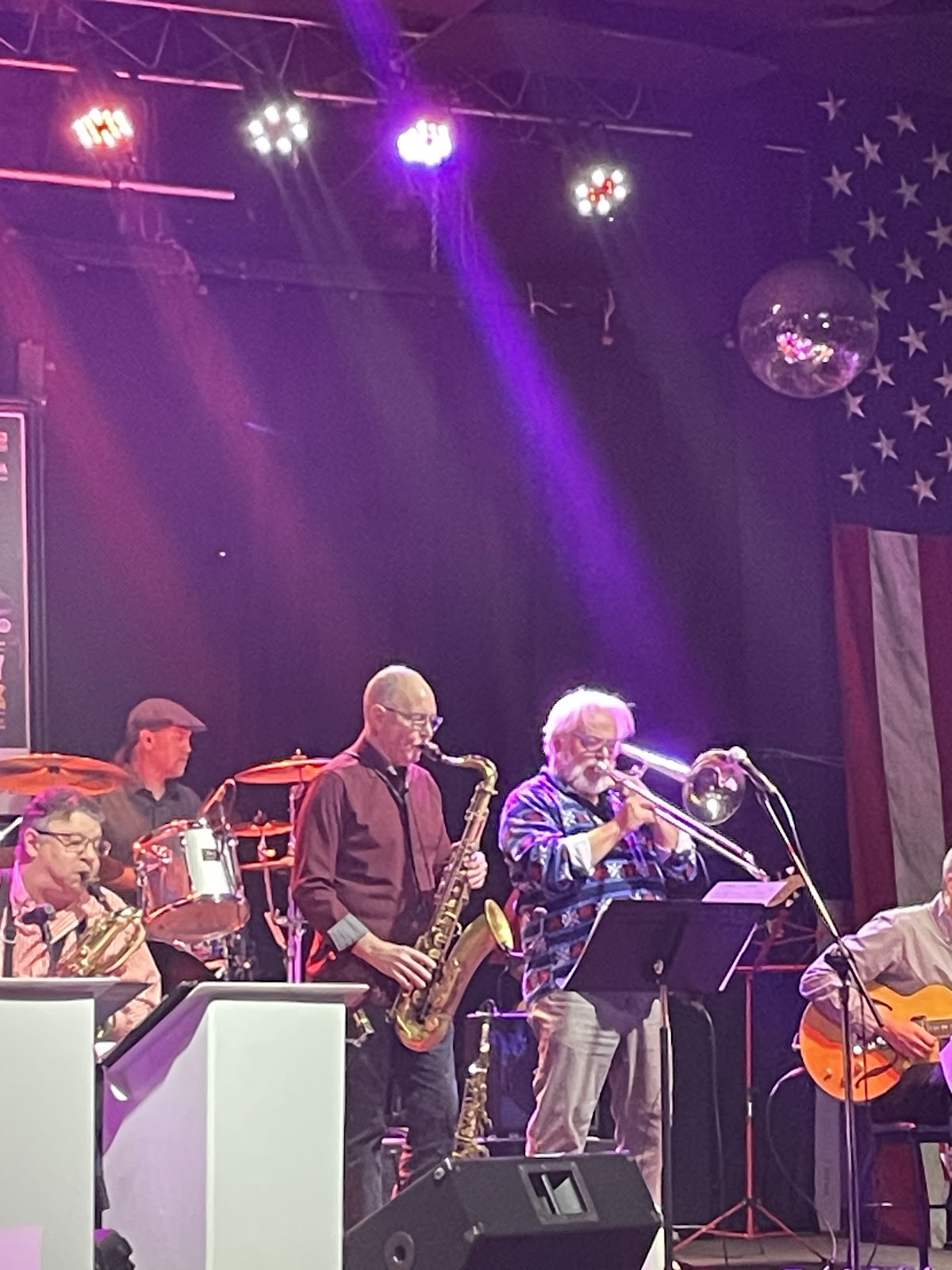
The third approach stops treating the darkness as a problem and uses it. A club interior lit by one controlled source, with everything beyond falling to black, is a deliberately dramatic frame that a bright room cannot produce — and it suits the material, because panelling, brass and old leather read richly in a small pool of warm light. Expose for the lit subject, let the rest go, and the photograph looks intentional rather than underexposed.
That is a decision worth agreeing with a couple in advance, because it produces a darker, more cinematic gallery than most people expect from the word ‘club’. Couples who like it love it; couples expecting bright and airy should be told plainly that this building will not do bright and airy without looking overpowered.
The fourth approach is to leave the panelling for the frames that need light. Club buildings stack their functions, so upper floors often have rooms with less drapery and more glass, and those are where the preparation coverage and the flattering portraits belong. Ask for the room with the largest window on the shaded side, switch off the overheads and move the lamps out — mixed tungsten and daylight is the commonest cause of inconsistent skin tone across a morning.
Movement between floors is a lift journey rather than a walk, so group everything that happens on a floor into one pass and ask whether a service lift is available. That is the highest-return question at any vertical venue and almost nobody asks it.
Outside, downtown St Paul gives period civic stone and, in winter, the best conditions of the year for it: the sun stays low all day so stonework is raked throughout a short afternoon, and snow is the best natural fill there is — filling exactly the shadows that dark materials refuse to fill. Snow will fool a meter by two stops, so overexpose deliberately, plan the outdoor block early because the days are short, keep it brief because of the cold, and acclimatise a camera rather than cycling it between subzero air and a heated club.
More frames from The Minnesota Club
The Minnesota Club wedding photography: common questions
Why does my flash seem to do nothing in a club?
Because you are bouncing it off dark panelling, which absorbs rather than returns light. Aiming at a timber ceiling sends almost nothing back. Light directly with your own modifier and expect steep fall-off — that is the diagnostic symptom of a club interior.
Is the darkness a disadvantage?
Not once understood. Because the ambient is so low, one well-placed light has enormous relative effect, so a modest kit goes a long way and the frames are deep and warm in a way no bright room produces.
Why gel the light?
Because an ungelled flash in a warm panelled room reads as a cold hole punched in the frame. A warm gel with white balance matched keeps skin correct and lets your light sit in the scene — it changes the look of a whole club gallery.
What is the free improvement?
Position, and asking for the drapery to be opened. With fall-off this steep a metre nearer a window is worth more than a stop of ISO, and heavy drapes are usually what is removing the daylight in the first place.
Can you shoot bright and airy here?
Not convincingly. The building will not do it without looking overpowered. It excels at deep, warm and cinematic instead, and that is worth agreeing with a couple in advance rather than discovering in the edit.
Where do the flattering portraits belong?
Upper floors, where there is usually less drapery and more glass. Ask for the room with the largest window on the shaded side, switch off the overheads and move the lamps out.
More Minnesota venue guides
We are writing a photographer’s guide to every venue we would happily shoot in Minnesota. Here are three more, plus the full index:
- The Minnesota History Center: Photographing Stone, Glass and Conservation Light
- The Saint Paul Hotel: Reading a 1910 Grand Hotel Through the Day
- The Science Museum of Minnesota: Screen-Lit Halls and a River Terrace
Planning a wedding at The Minnesota Club?
Clubs are always dark and always solvable. Tell us your date and we will bring a small kit and a warm gel.