 The Van Dusen Mansion, Minneapolis: A Walk Through House and Grounds
The Saint Paul Hotel: Reading a 1910 Grand Hotel Through the Day
Panelling absorbs, chandeliers sit overhead, and the only good daylight is upstairs. The day follows from that.
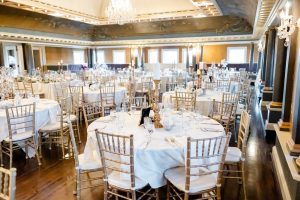
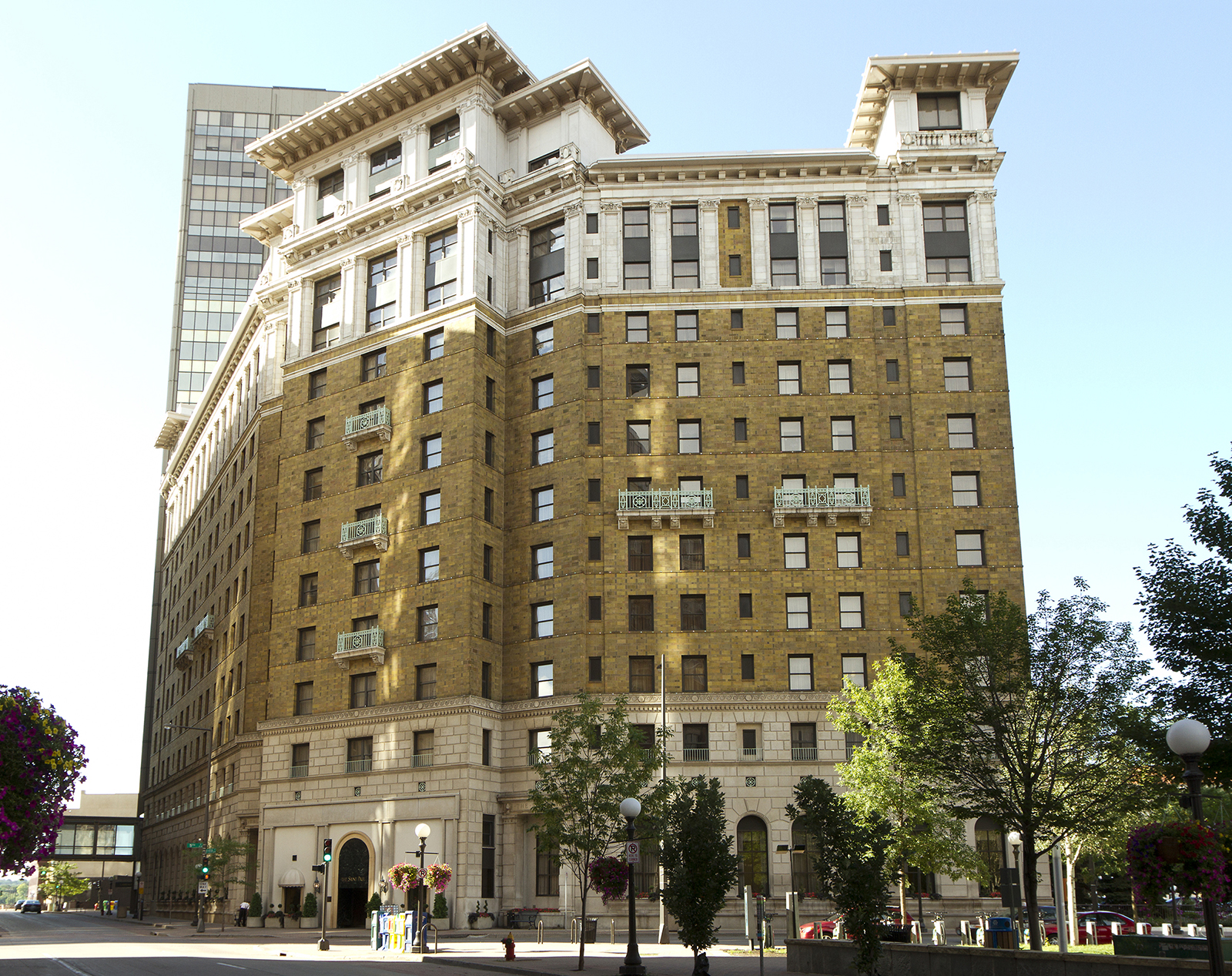
The Saint Paul Hotel opened in 1910 facing Rice Park in downtown St Paul, Minnesota, a grand hotel of its period with wood-panelled public rooms, chandeliers, patterned carpet and guest floors above.
Hotels of this generation have a consistent internal logic and it decides how a day should run. The ornament is downstairs: panelled rooms, ballrooms, a lobby, plasterwork, and very little daylight. The daylight is upstairs, in tall guest-room windows with nothing tall immediately opposite them. So the two things a photographer most wants are on different floors, and the day works best when that is planned for rather than discovered on the morning.
Three conditions follow — absorbing panelling, overhead chandelier light, and good but distant window light — and this walks the day through them in order. We have not photographed a wedding at the Saint Paul Hotel; 1910 grand hotels behave the same wherever they survive. Which rooms are allocated, which face Rice Park and which are on the shaded side are questions for their events team.
The Saint Paul Hotel at a glance
| Where | Facing Rice Park, downtown St Paul, Minnesota |
| Character | A 1910 grand hotel with panelled public rooms and chandeliers |
| The structure | Ornament downstairs with no daylight; daylight upstairs |
| The recurring problem | Panelling absorbs, so bounce flash barely works |
| Ask first | Which guest rooms are largest and on the shaded side |
Morning: upstairs, and the window that matters
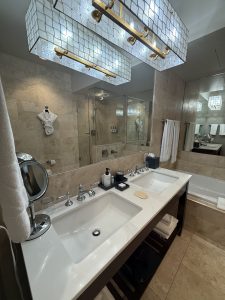
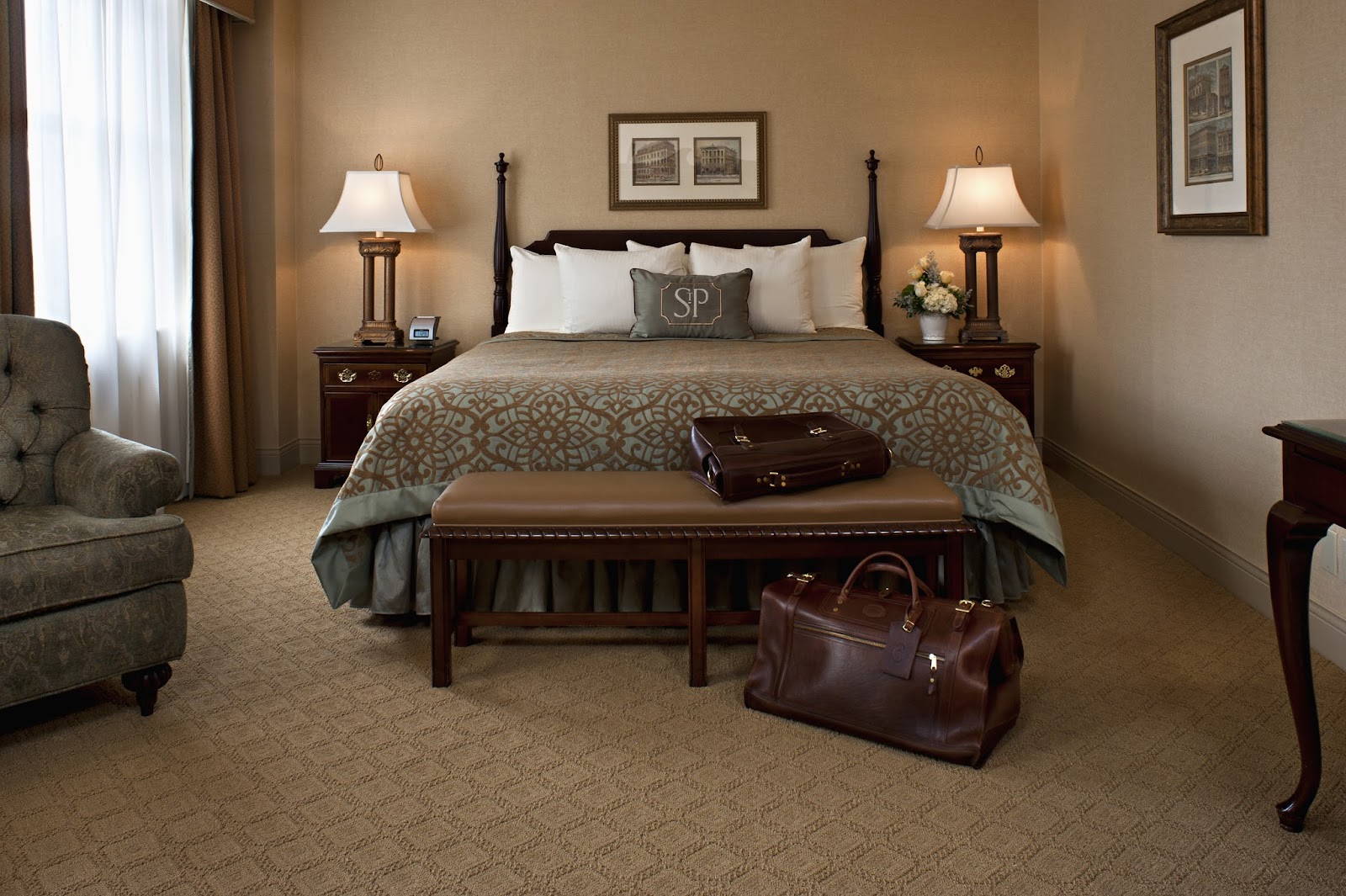
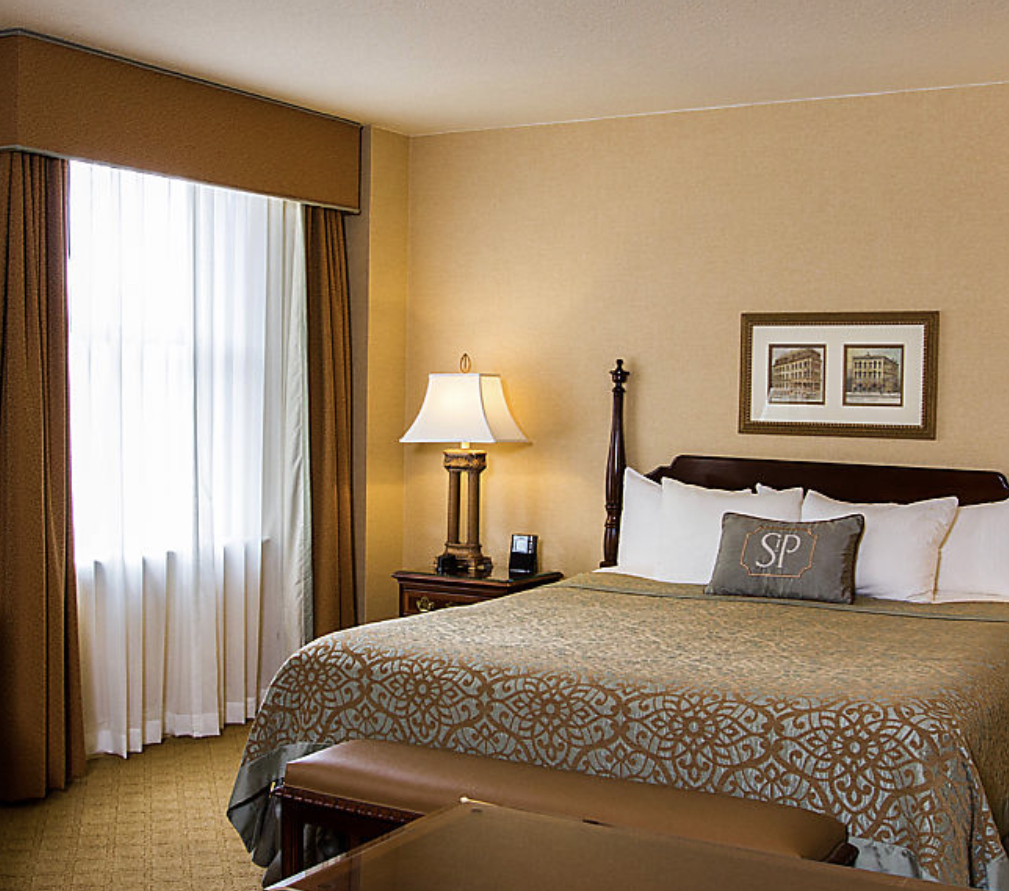
Guest floors in a 1910 hotel have tall windows because the building predates adequate electric lighting, and on an upper floor nothing tall is immediately opposite — so there is no shadowing and no colour bouncing in from a building across the street. What arrives is clean, strong and directional, and it is the best natural light in the building by a wide margin.
Place a subject a metre or two back and turned into the glass, and the fall-off does the separation for you: a broad soft key with the room dropping away behind. One window gives three setups for a change of stance — facing it, side-on, back to it — which is more variety than most lighting kits provide and needs nothing carried.
The request worth making at booking is the largest window on the shaded side of the building. It is free, nobody thinks to ask, and it is the difference between an easy morning and an hour spent working around a hot rectangle of direct sun. Rooms facing Rice Park have the additional advantage of an open aspect across the park rather than a street wall opposite.
Then two quick acts that matter disproportionately. Switch off every overhead light and move the lamps out of shot, because mixed tungsten and daylight in one room is the commonest cause of inconsistent skin tone across a preparation gallery. And if the sun is on the glass, draw a sheer curtain — direct sun through a window is a small hard source and a thin curtain converts it into a large soft one instantly.
Midday and afternoon: panelling, and what it takes away
Downstairs the defining material is dark wood panelling, and it behaves the way panelling always does: it absorbs the light that lands on it rather than returning it. The consequences are a low ambient, a steep fall-off from any source, and a flash aimed at a timber ceiling returning almost nothing. Bounce — the reflex move indoors — is close to useless, which catches out photographers used to pale hotels.
So light directly, with your own modifier pointed where you want light, and place people near whatever windows exist because a metre of position is worth more than a stop of ISO. The compensation is real: with the ambient this low, one well-placed source has enormous relative effect, and the frames are deep and warm in a way no pale room produces. A modest kit goes further here than in a bright venue.
Colour needs a decision. Warm panelling tints the little it bounces, tungsten fittings add their own cast, and any window is neutral to cool — three sources that no single white balance serves. Decide which owns the faces, normally your own light or the window, set for that, and let the wood read as warm wood. Panelling corrected to grey makes a 1910 room look wrong.
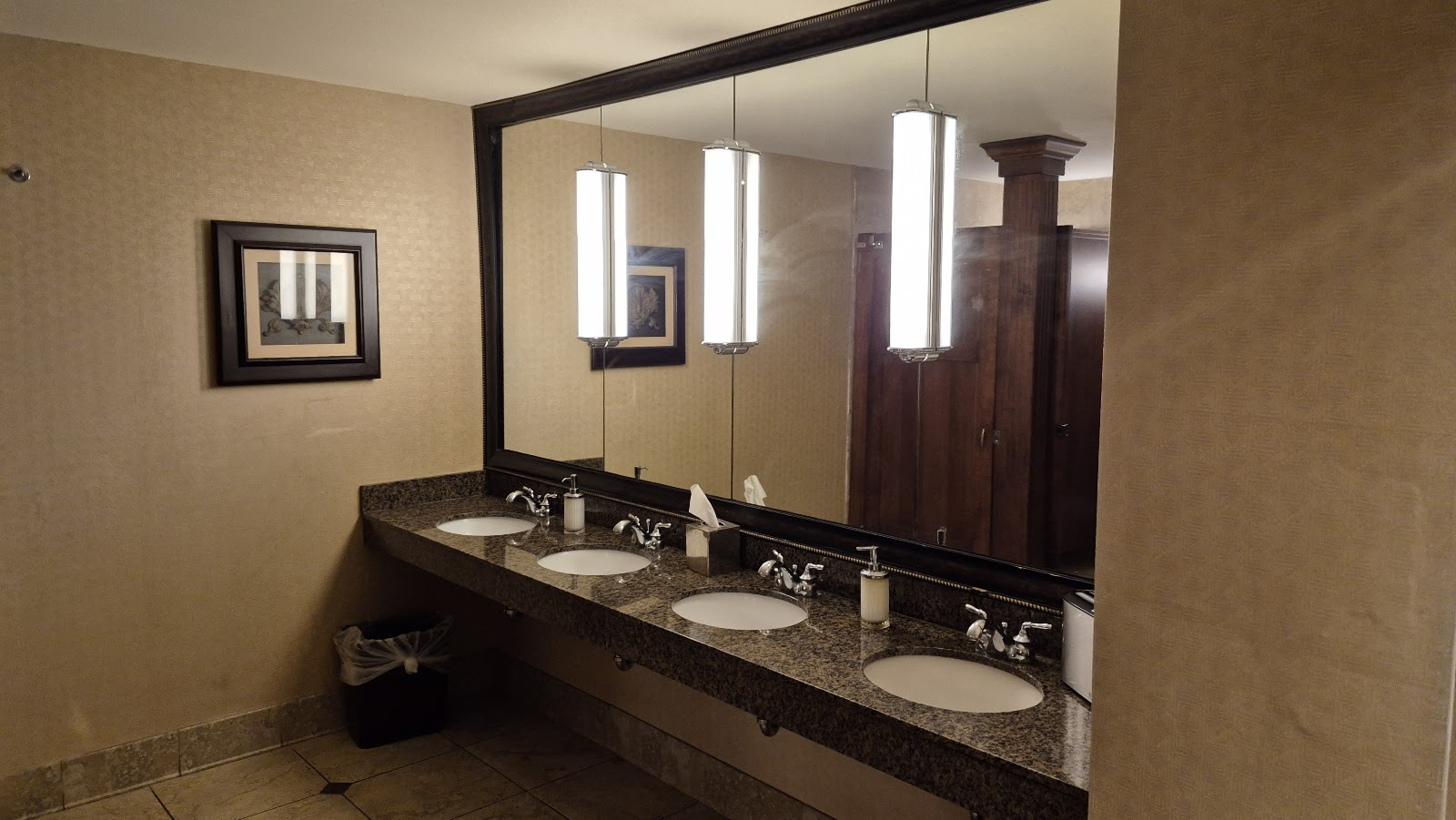
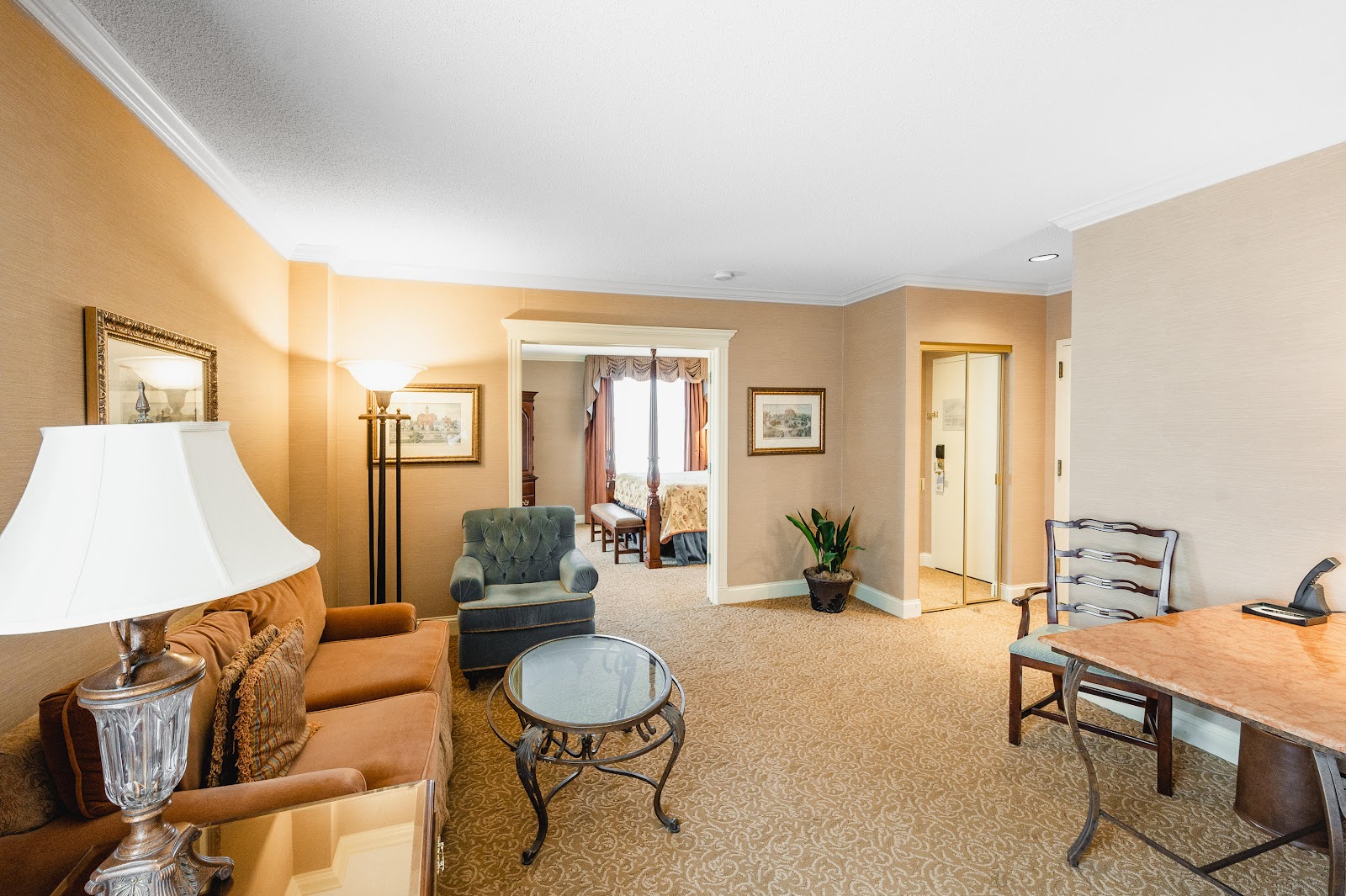
Patterned carpet is the other period feature and it is the one background element that consistently harms frames in hotels of this class. Busy carpet in a wide frame draws the eye and dates the image. Shoot tighter, drop the camera lower so less floor is in shot, or compose so a table, a dance floor or people occupy the lower frame.
- Request the largest shaded-side window, ideally facing Rice Park
- Overheads off, lamps out, sheer curtain if the sun is on the glass
- Light directly downstairs; panelling returns almost nothing
- Add a source at face height so chandeliers stop being the key
- Keep patterned carpet out of wide frames
Evening: chandeliers, the empty room and Rice Park
Chandelier light is warm, dim and comes from directly overhead, which shadows the eye sockets and drags every facial line downward. It looks beautiful in the room and poor on a person, which is the standard disconnect of grand interiors. One warm-gelled source at face height at roughly forty-five degrees converts the whole evening: faces get modelling and catchlights, and the chandeliers remain as glowing detail in the upper frame, which is where they belong. A second light behind the couple as a rim finishes the dance floor for the night.
Because the public rooms have little daylight, that setup holds for hours — there is no convergence moment to catch, no window to balance and no penalty for a delayed running order. The ballroom is therefore the block to move when the day slips, since everything with a clock attached is upstairs at a window or outside in the park.
The empty room is worth asking for. Set, lit, symmetrical and pristine before the doors open, a 1910 ballroom is in almost every gallery a couple keeps, and it exists only in those twenty minutes. A tripod and a couple of bracketed exposures gives a ceiling with full relief and a floor that still reads.
Rice Park directly outside is the outdoor register and it is unusually good: a formal square with mature trees, period civic buildings on every side, and a fountain. Because the buildings around it are substantial rather than tall, low sun reaches the square and rakes across the stone — and stone needs raking light, so the exteriors want the ends of the day.
Minnesota winter is a genuine factor and it cuts favourably here. The sun stays low all day in December, so the stonework around Rice Park is well lit throughout a short afternoon, and snow supplies the best natural fill there is — a huge bright reflector filling the shadows a low sun carves. It will fool a meter by two stops, so overexpose deliberately and check the snow holds texture. Plan the outdoor block early in the afternoon, keep it short because of the cold, and acclimatise a camera rather than cycling it between subzero air and a heated lobby.
More frames from The Saint Paul Hotel
The Saint Paul Hotel wedding photography: common questions
Where is the daylight in a 1910 hotel?
Upstairs. Guest floors have tall windows with nothing tall opposite, so the light is clean and directional. The ornate public rooms downstairs have little or no daylight, which is the opposite of what most people assume.
What should be requested at booking?
The largest window on the shaded side, ideally facing Rice Park for an open aspect. It costs nothing, nobody asks, and it is the difference between an easy morning and working around direct sun.
Why does bounce flash fail downstairs?
Because dark panelling absorbs the light that reaches it rather than returning it, so a flash aimed at a timber ceiling sends almost nothing back. Light directly, and place people near windows because the fall-off is steep.
Why do chandelier photographs look unflattering?
Because chandelier light is warm, dim and directly overhead, which shadows the eyes and pulls facial lines downward. Add one warm source at face height at about forty-five degrees and the chandeliers become background detail rather than the key.
What should be kept out of frame?
Patterned carpet. It draws the eye in a wide frame and dates the image. Shoot tighter, drop the camera lower, or compose so a table, the dance floor or people occupy the lower frame.
Is winter good or bad here?
Good for the architecture. The sun stays low all day so the stone around Rice Park is well lit throughout a short afternoon, and snow is the best natural fill there is. Overexpose by up to two stops, plan the outdoor block early, and keep it short.
More Minnesota venue guides
We are writing a photographer’s guide to every venue we would happily shoot in Minnesota. Here are three more, plus the full index:
- The Science Museum of Minnesota: Screen-Lit Halls and a River Terrace
- Summit Manor: Photographing a Summit Avenue Mansion and Its Grounds
- The University Club of St. Paul: A Panelled Club With a River View
Planning a wedding at The Saint Paul Hotel?
The light and the ornament are on different floors. Tell us your date and we will plan the day in that order.