New Hampshire runs from about forty-three degrees north to forty-five, which gives it a genuinely four-season year with long generous dusks — civil twilight here runs thirty-three to thirty-five minutes against a little over twenty in Florida — and days that swing from under nine hours at the winter solstice to over fifteen in June. But the fact that decides most photographs in this state is not latitude, it is topography. A venue's schedule is set by whether it sits on high ground or low.
A hilltop or an open valley floor with no ridge to the west gets the whole of the last ninety minutes and the whole of twilight. A notch or a narrow valley — Pinkham, Franconia, the Pemigewasset — loses the first and last hours entirely, because the sun has to clear a ridge in the morning and drops behind another long before the almanac says it sets. Planning a mountain wedding on published sunrise and sunset times produces a plan that does not match the day.
Three things recur at every venue on this page. First, the species decide the shade. Red spruce, balsam fir, white pine and hemlock block almost all direct light, which makes a conifer margin the best free separation available anywhere — a metre inside the edge gives soft directional light in front and three or four stops of near-black behind. Hardwood canopy gives soft even light with a green cast, fixed by standing at the edge rather than deep inside it. And white paper birch against dark conifer is the highest-contrast natural background in New England. Second, snow is the best natural fill that exists.
It lifts the shadow under a brow to within a stop of the highlight and fools a meter by about two stops, so open up deliberately; against near-black spruce it gives the widest brightness range in this guide. With a December noon sun at twenty-two or twenty-three degrees, the whole short day rakes rather than floods, which makes a clear February afternoon the easiest light of the year here — the reverse of what most people assume. Third, the autumn runs downhill and southward.
The high country and the far north turn from the third week of September, the middle mountains in the first week of October, central New Hampshire in the second, and the Merrimack valley and the seacoast in the second and third — with the palette shifting from the mountains' sugar-maple reds to the south's oak and hickory bronzes, which hold on the trees for longer. The window to avoid everywhere is mid-March to mid-April: mud season has no good version of itself outdoors, which is exactly when the state's barns, theatres and historic interiors earn their keep.
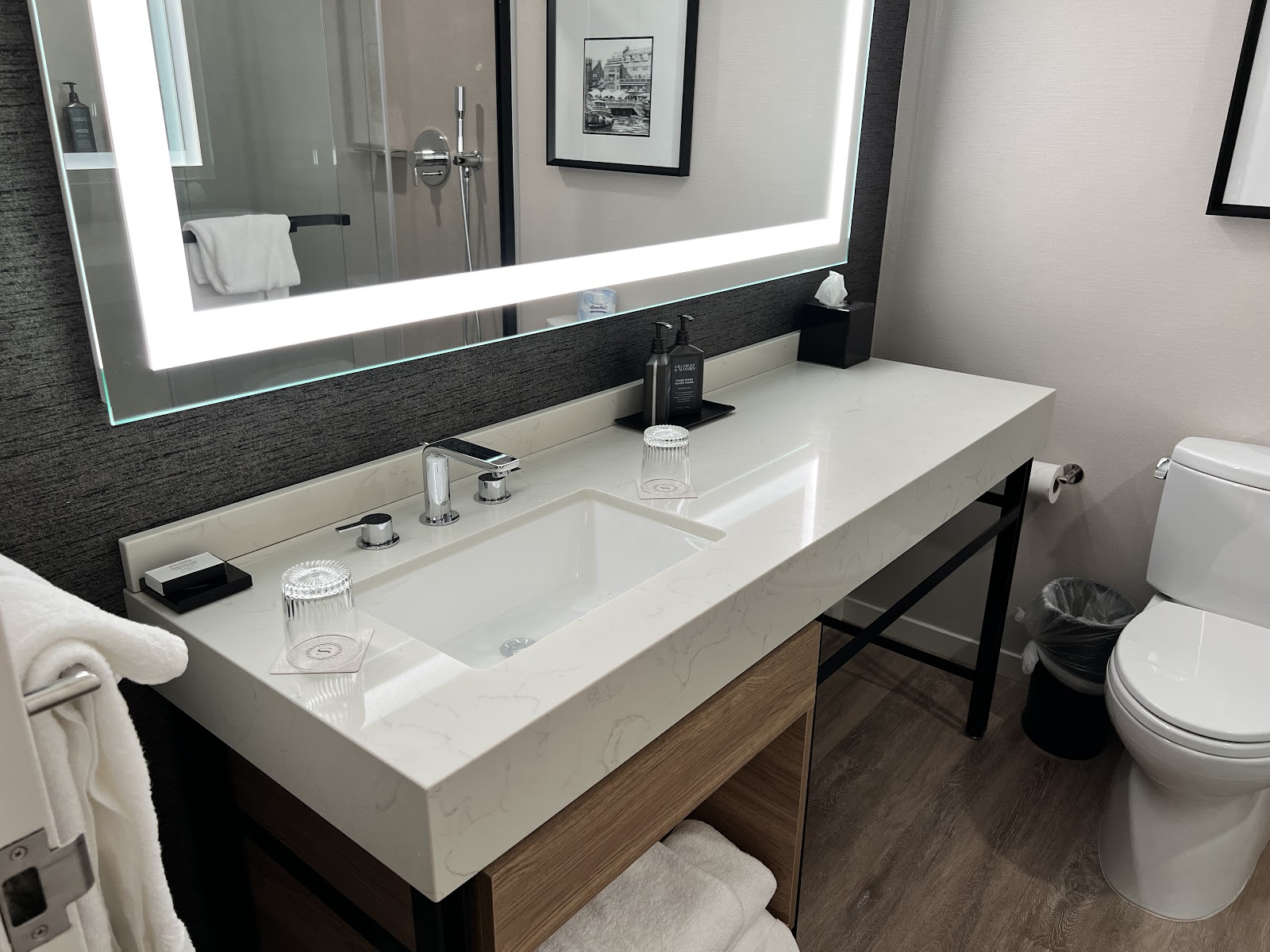
The Sheraton Portsmouth: What a Conventional Hotel Actually Buys You
A full-service hotel beside the Piscataqua River in Portsmouth, New Hampshire, with ballroom space and guest floors.
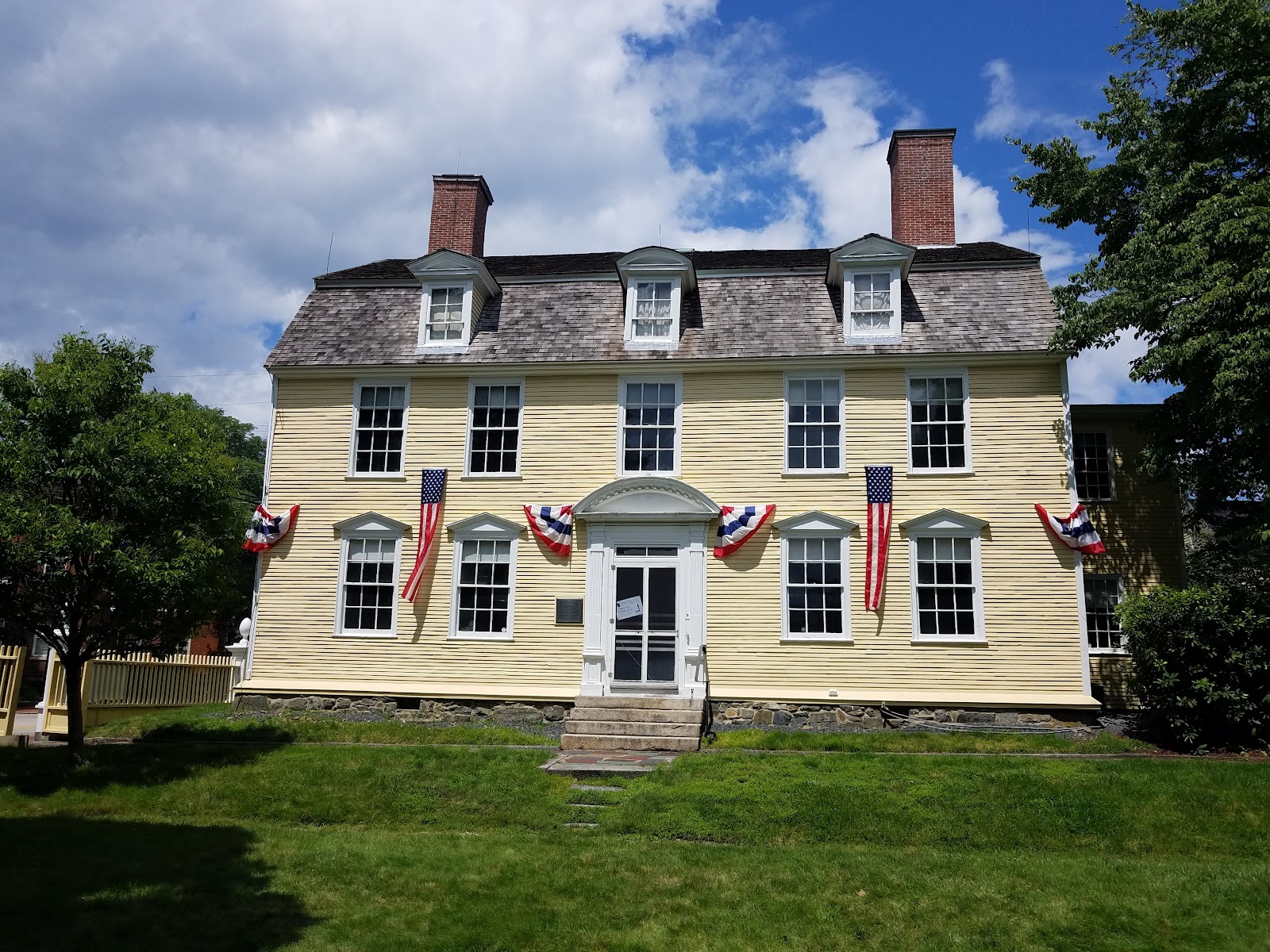
Discover Portsmouth Center: Field Notes on a Small Museum Venue
A history centre and small museum in a brick building in downtown Portsmouth, New Hampshire, with gallery rooms and a garden.
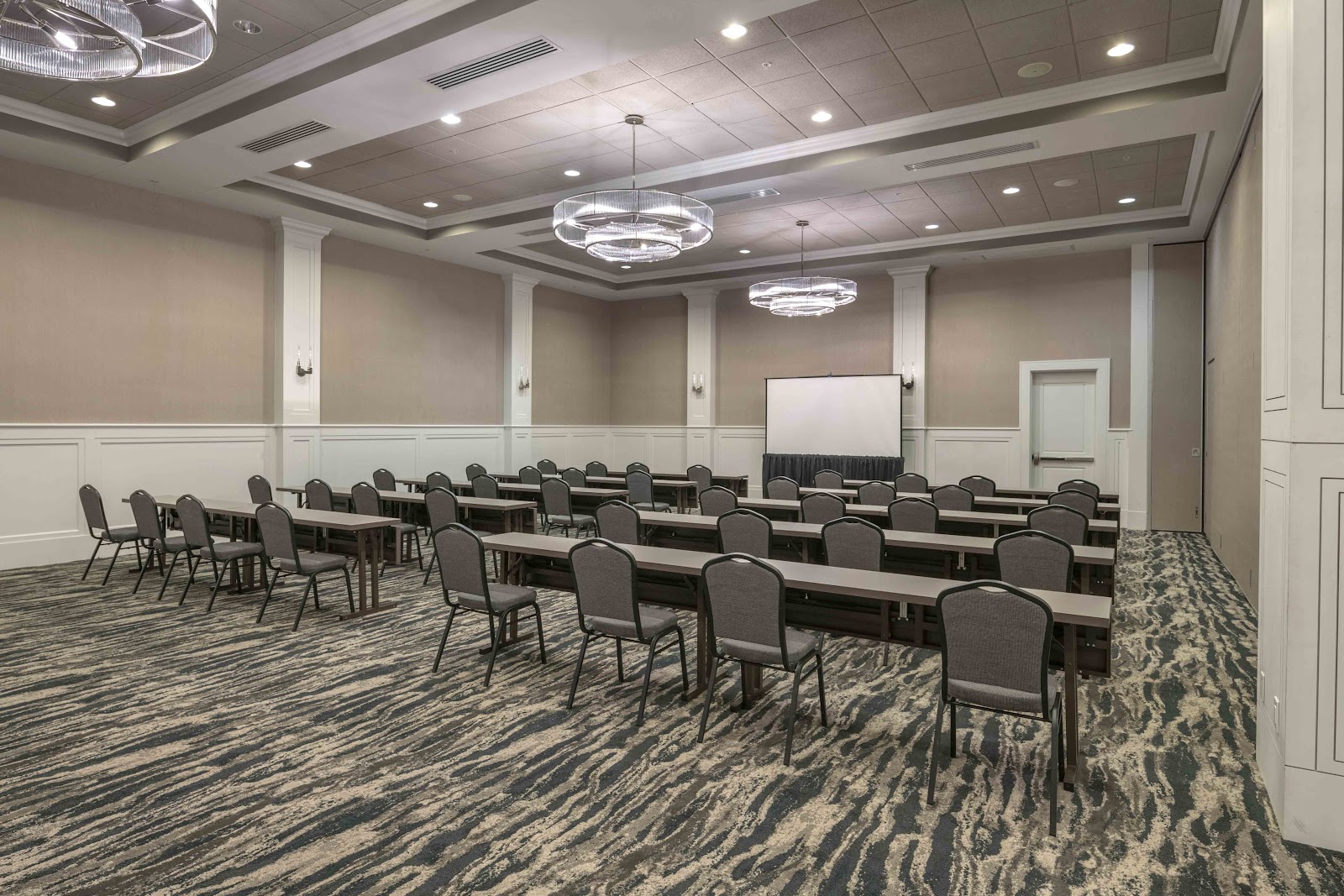
Portsmouth Harbor Events: What a Very Bright Room Actually Gives
A waterfront event space in Portsmouth, New Hampshire, with extensive glazing looking out over the harbour and the Piscataqua.
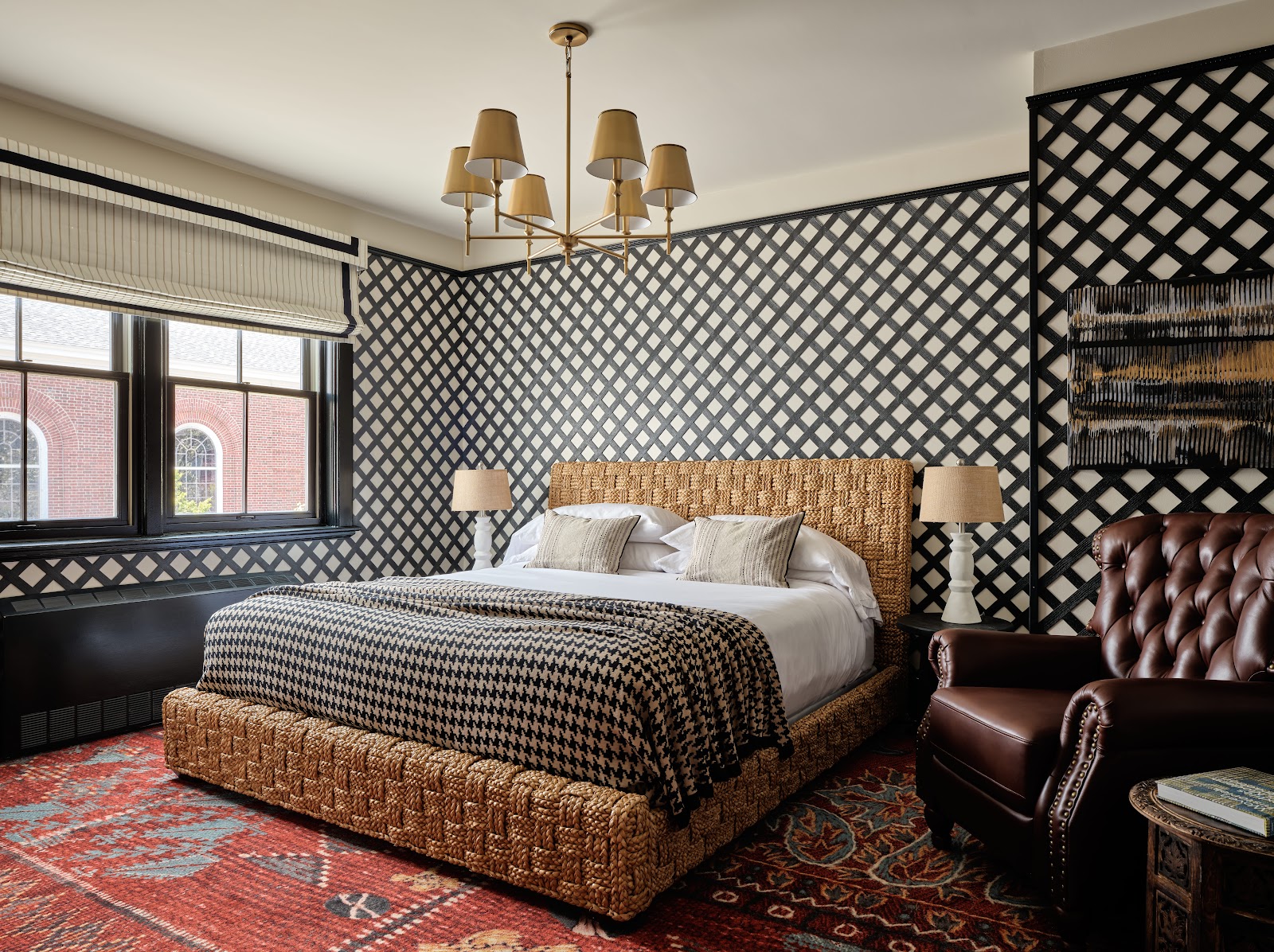
The Hotel Portsmouth: Working a Venue at Domestic Scale
A small hotel in a restored historic house in downtown Portsmouth, New Hampshire, at domestic rather than commercial scale.
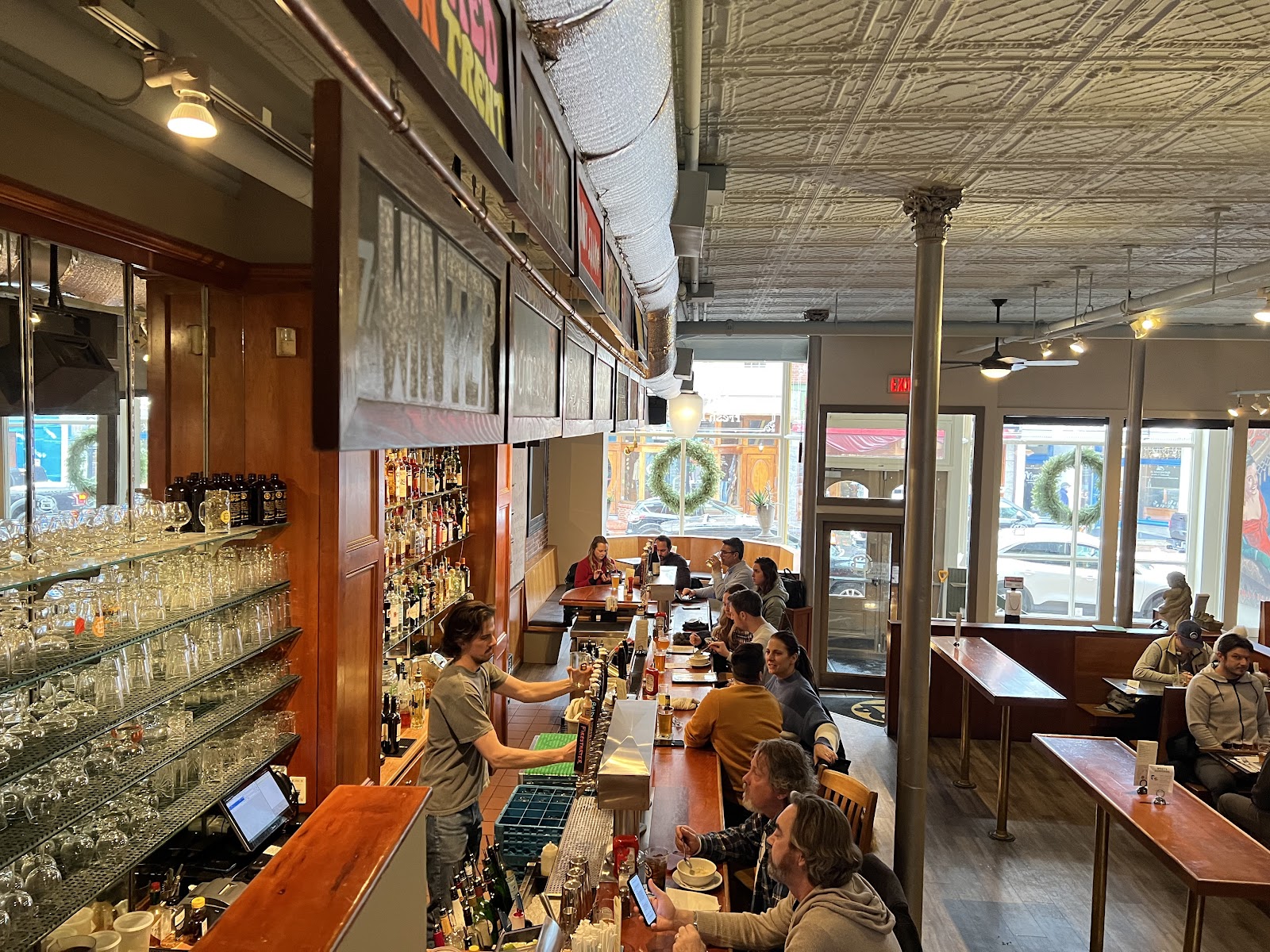
The Portsmouth Brewery: Reading a Brewpub Hour by Hour
A long-established brewpub in downtown Portsmouth, New Hampshire, with exposed brick, timber beams and visible brewing equipment.
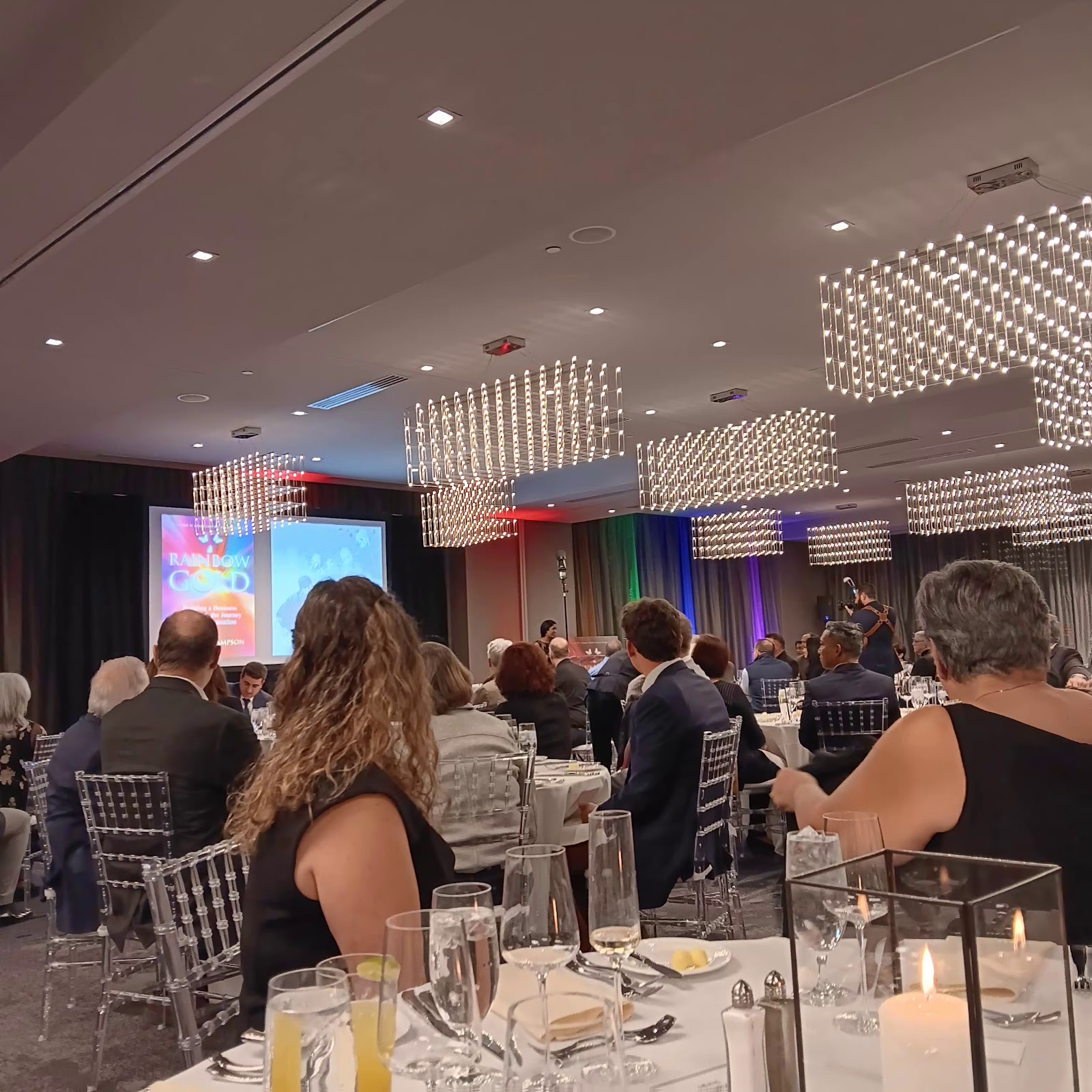
The AC Hotel Portsmouth: One Decision About Which Way You Face
A contemporary hotel in downtown Portsmouth, New Hampshire, beside the Piscataqua River and within the historic centre.
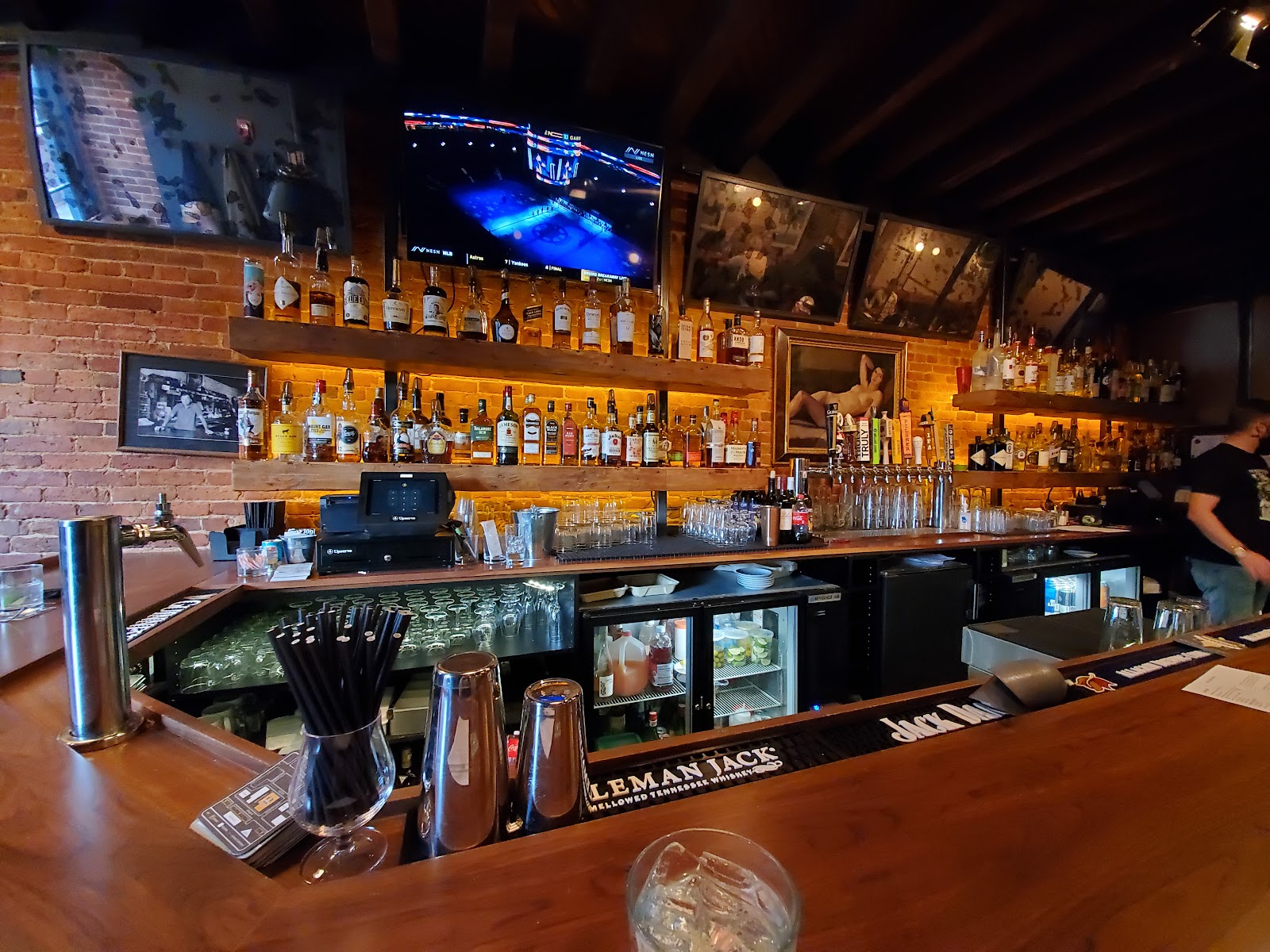
The Loft at The Press Room: Field Notes on a Small Upper Room
A brick-walled loft above a long-established music bar in downtown Portsmouth, New Hampshire.
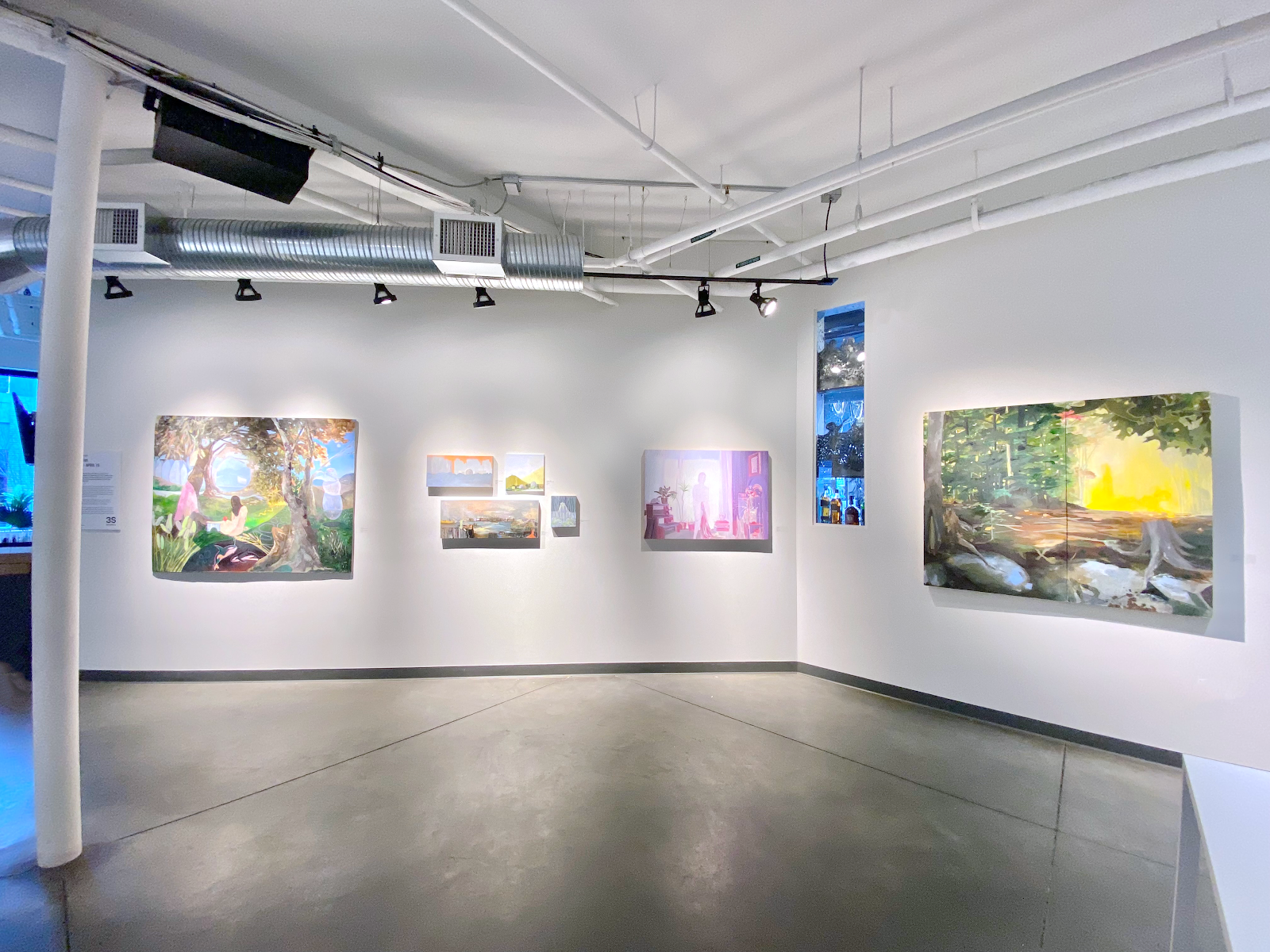
3S Artspace: Four Ways Out of the White-Box Problem
A contemporary arts venue in Portsmouth, New Hampshire, with a white gallery space, performance room and an outdoor yard.
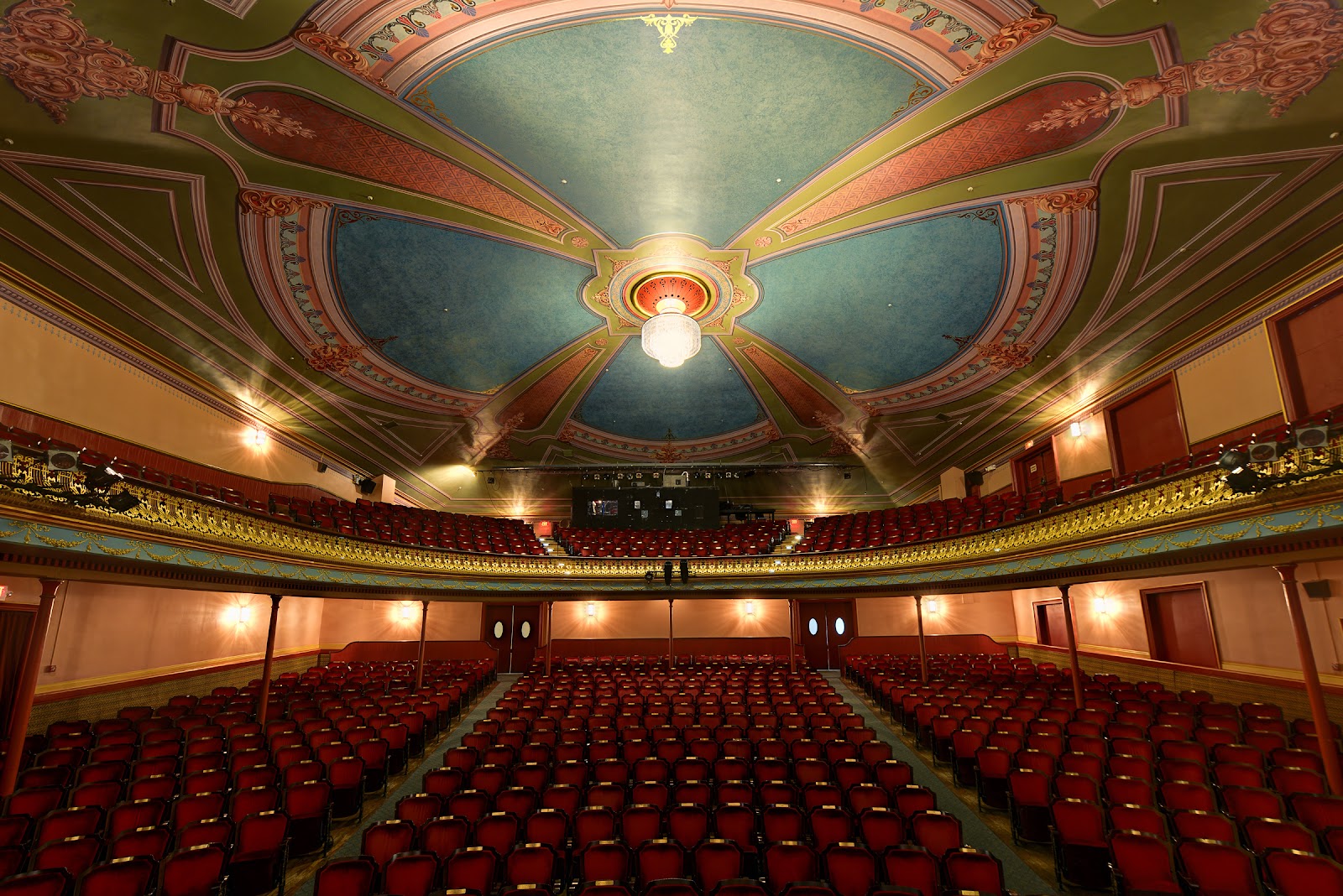
The Music Hall, Portsmouth: How the Lit-Stage Frame Is Made
An 1878 theatre in downtown Portsmouth, New Hampshire, with a proscenium stage, balcony and period auditorium.
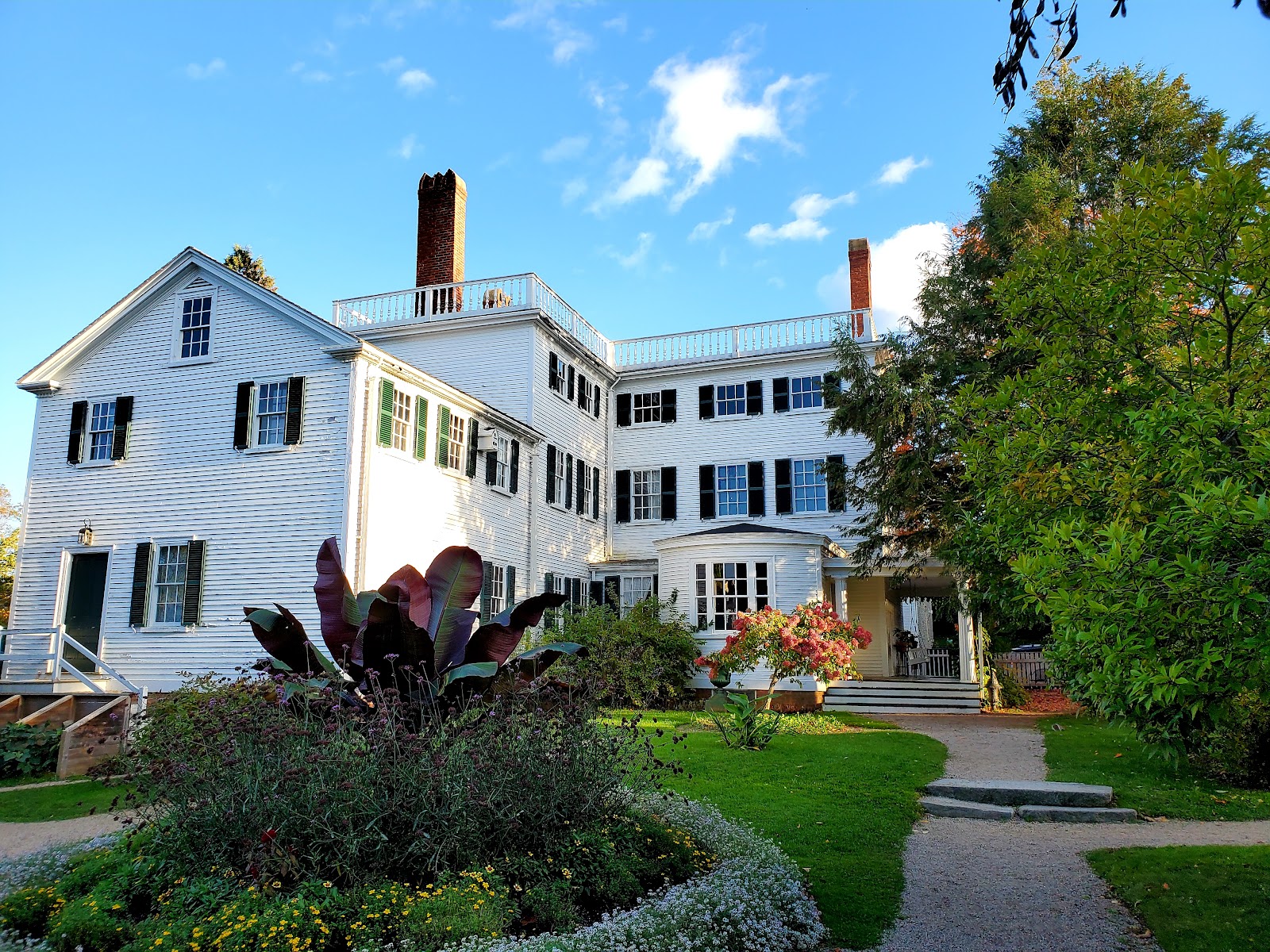
Strawbery Banke Museum: Photographing an Outdoor Museum of Houses
An outdoor museum of dozens of restored houses across ten acres in Portsmouth's historic waterfront district.