 The Sheraton Portsmouth: What a Conventional Hotel Actually Buys You
Discover Portsmouth Center: Field Notes on a Small Museum Venue
Plain gallery walls in a period house is two registers in one small building, and they do not blend.
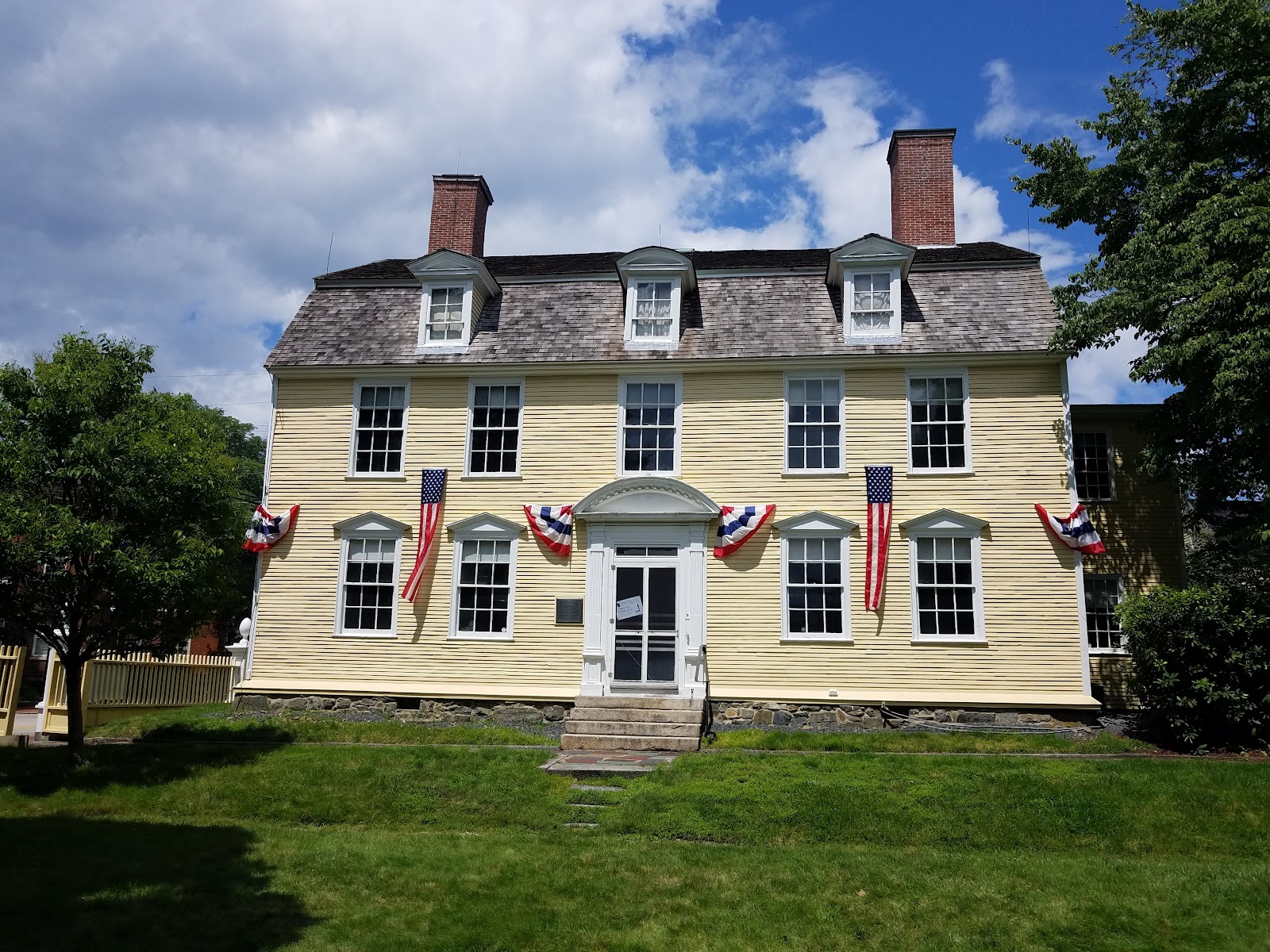
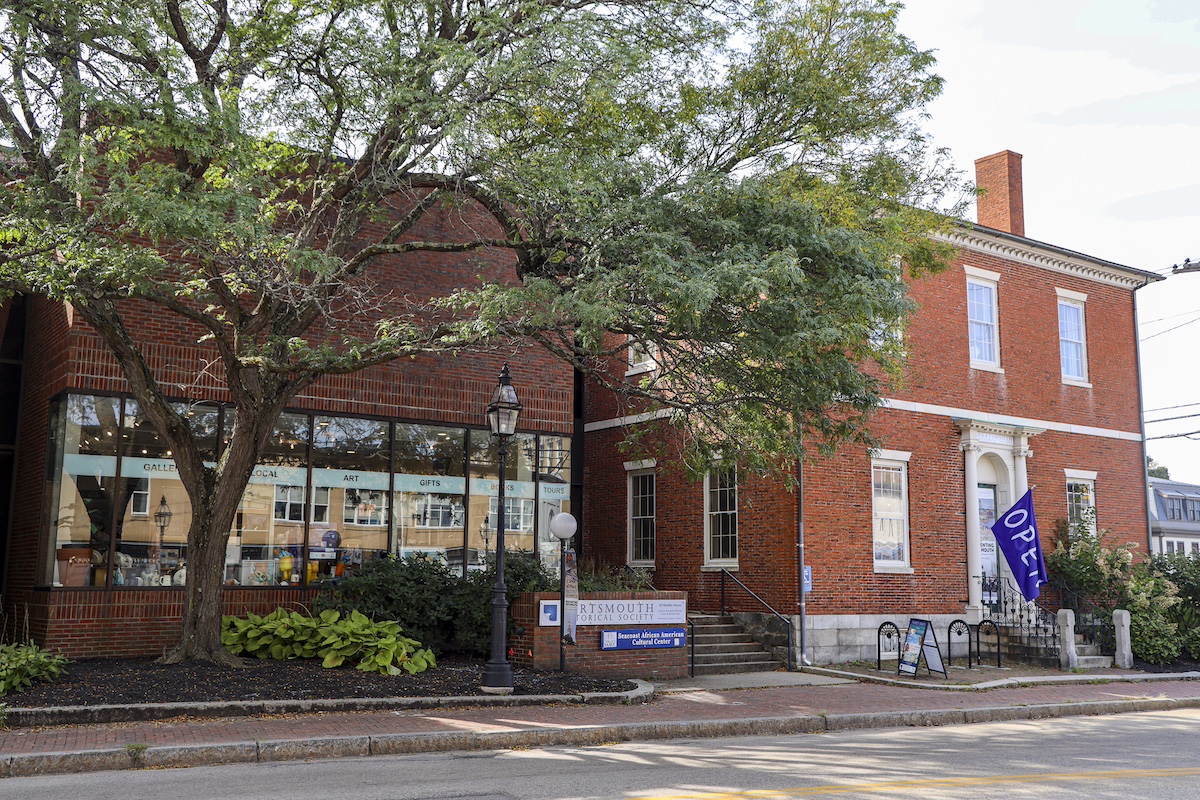
The Discover Portsmouth Center occupies a brick building in downtown Portsmouth, New Hampshire, operating as a history centre and small museum, with gallery-converted rooms, period fabric and a garden area on its grounds.
The photographic character comes from a common but under-discussed condition: a historic building whose interiors have been converted for display. That produces two registers in one small house. There is the period fabric that survives — brick, joinery, window reveals, stair detail, plaster — and there is the gallery conversion laid over it, which means plain painted walls, track lighting and the deliberate neutrality a display space needs.
Those two do not blend, and a set that alternates between them at random looks uncertain. These are field notes on handling that, plus the small-building constraints that come with it. We have not photographed a wedding at Discover Portsmouth; converted period interiors behave the same wherever they occur. Which rooms may be used, whether exhibitions are installed on your date and what may be attached to walls are questions for their team — and installed exhibitions change the answer substantially.
Discover Portsmouth Center at a glance
| Where | Downtown Portsmouth, New Hampshire |
| Character | Brick history centre with gallery-converted rooms and a garden |
| The condition | Period fabric underneath, gallery neutrality laid over it |
| The problem | Two registers in one small house, which do not blend |
| Ask first | Whether an exhibition is installed on your date |
Problem one: two registers, one building
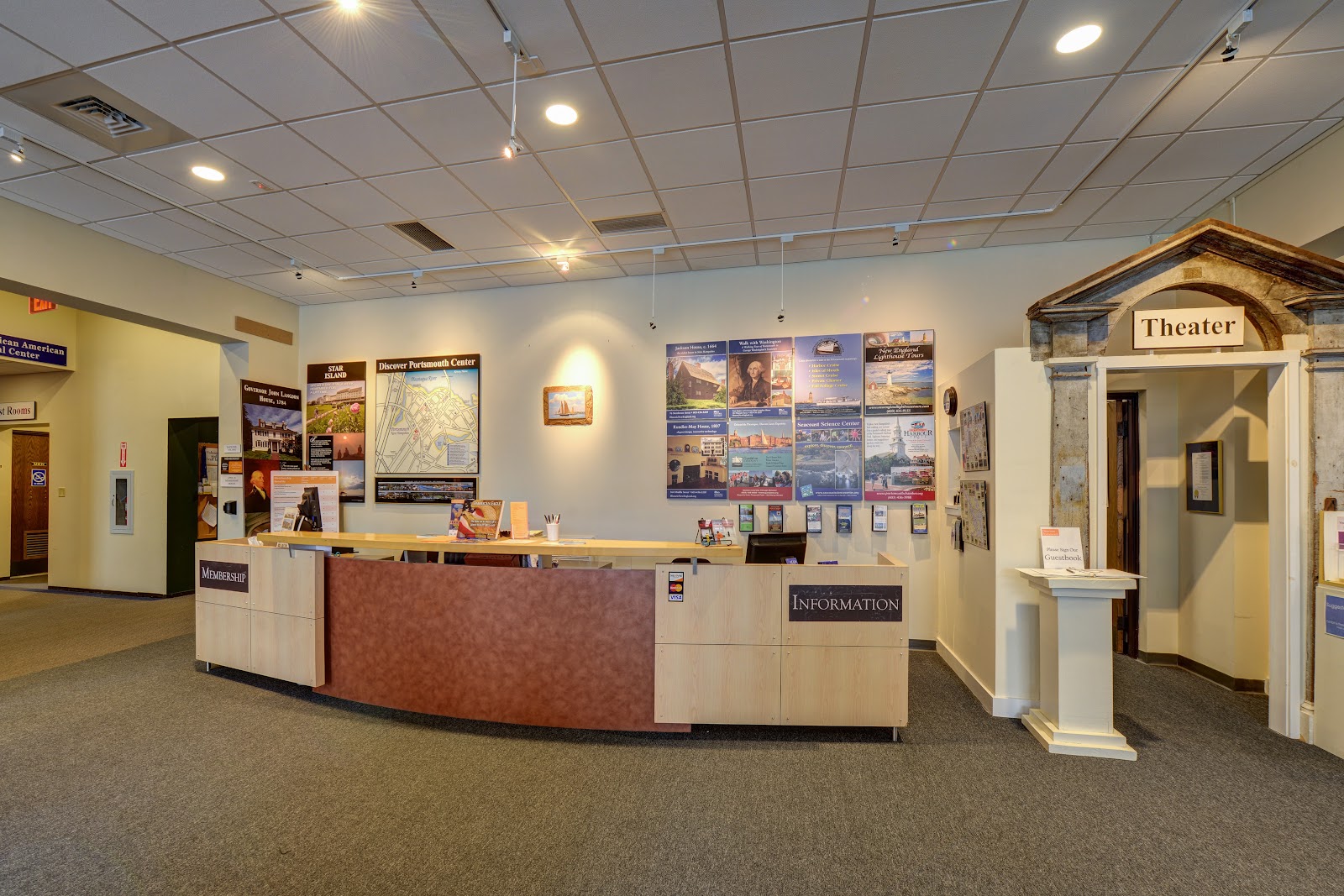
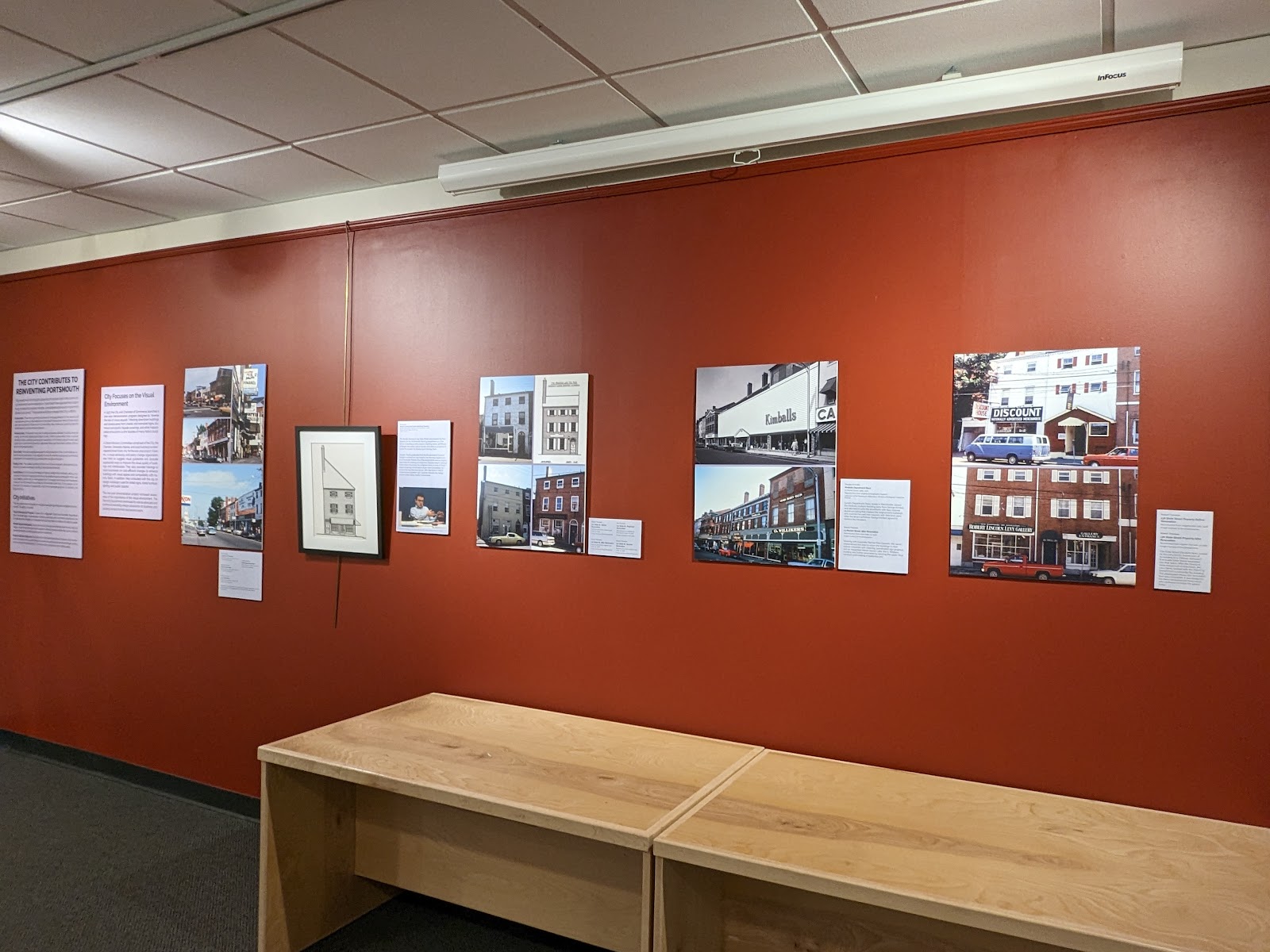
Period rooms and gallery rooms photograph differently in colour and in contrast. Period fabric is warm and textured — brick, timber, plaster and old glass all carry tone and surface, and they read well in directional light. Gallery conversions are cool and flat by design: plain painted walls, even track lighting, nothing to catch a shadow.
Put a warm textured frame next to a cool flat one in a sequence and both look wrong — the period one reads as orange, the gallery one as grey. That is not a fault in either image; it is the pairing, and a wedding gallery is consumed as a sequence rather than as single frames.
Grading cannot reconcile them, and trying produces the familiar failure: period rooms cooled into lifelessness and gallery rooms warmed into a strange amber. The resolution has to be editorial — decide which register leads, shoot most of the coverage there, and use the other deliberately as contrast rather than incidentally.
In a building like this the period fabric is usually the better spine, because it is what the building is and what nowhere else has. The gallery rooms then do what they are genuinely good at: detail frames, the dress, and anything that benefits from a clean uncluttered background — which is exactly the sort of image that sits comfortably as a deliberate change of pace.
Problem two: track lighting, and what to do with it
Gallery track lighting is designed to put light on walls, not on people, and that has two consequences. The beams are directional and narrow, so a face moving through a room passes in and out of hot spots; and the fittings are commonly a different colour temperature from any daylight coming in, which gives a mixed source in a small room.
The reliable response is the one every museum requires: bring a source, let it own the faces, and let the track lighting be background. Once your own light is rendering skin, the wall-washing beams become atmosphere rather than a problem, and a sequence stops shifting colour frame to frame.
There is a use for them though, and it is worth knowing. A narrow beam aimed at a wall makes a defined pool of light, and a couple placed at the edge of that pool gets a hard directional edge with the room falling dark around them. In a flat gallery space that is one of the few ways to get real contrast without carrying anything, and it looks intentional.
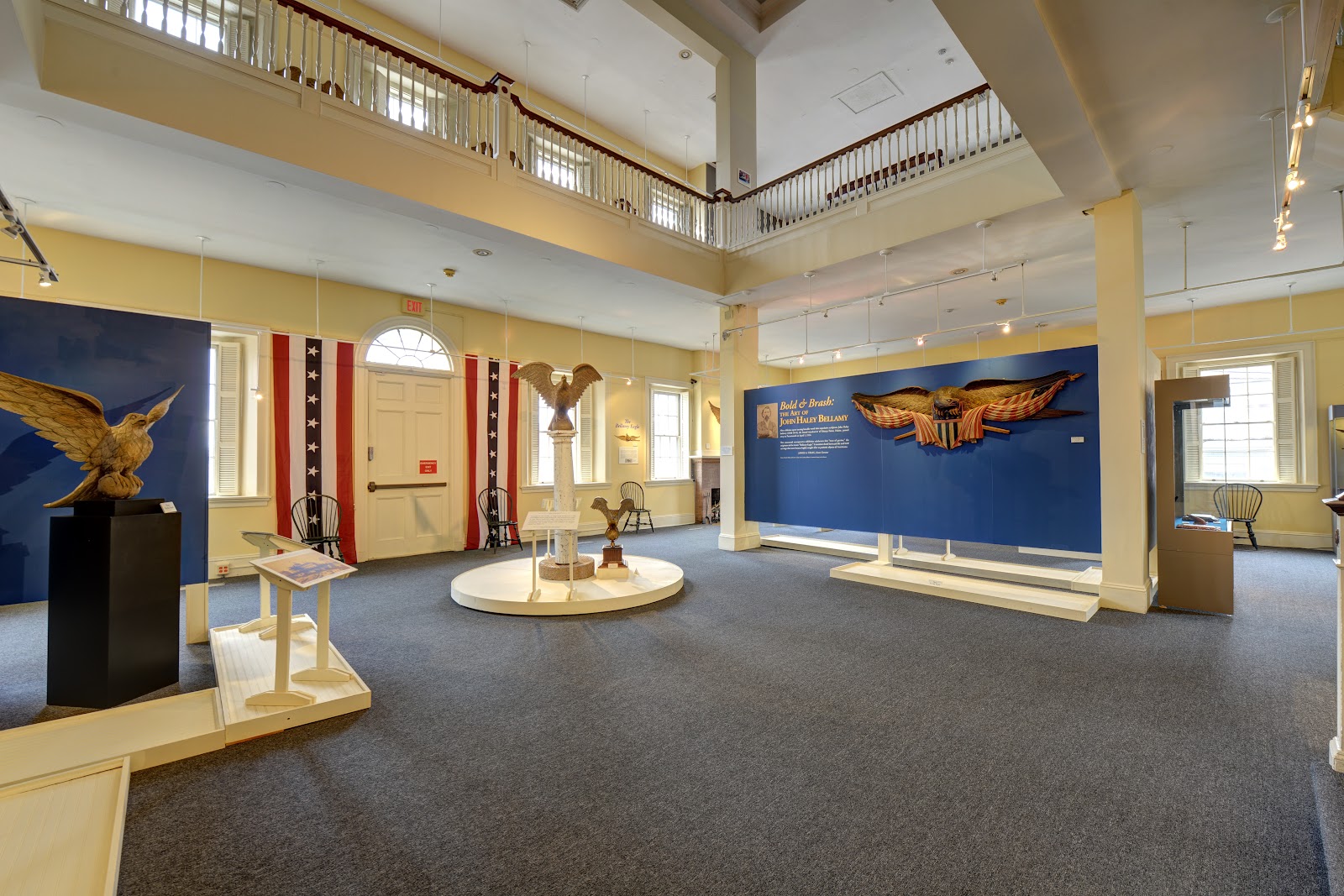
Where an exhibition is installed, it becomes a background with content — and content competes. Decide per frame: subordinate it with a long lens at a wide aperture, or commit and place the couple deliberately within the composition. Half-in is the failure, as it is with any assertive background. It is also worth confirming whether photographing displayed items in published images is permitted, since loans and copyright can apply.
- Pick period fabric as the spine; use gallery rooms deliberately for detail
- Bring a key and let it own the faces; track lighting becomes atmosphere
- Use a wall-washing beam as a defined pool and stand people at its edge
- Exhibitions are assertive backgrounds — commit or subordinate, never half
- Confirm whether displayed items may appear in published photographs
Problem three: it is a small building, and the town is the garden
The scale constraints are the familiar ones for a domestic-sized venue. Rooms are small, so the wall picks the focal length and a 28mm or 35mm covers anything with people in it, with the usual caution that wide lenses stretch whatever sits near the frame edge. Groups in an arc rather than a line, faces towards the centre.
Modifiers do not fit and do not need to. In a small room with pale gallery walls, a bare flash bounced off a wall turns the whole space into a source larger than anything that would come through the door — which makes this a venue for a very small kit. Just check what you are bouncing off: a dark period panel absorbs and tints, while a plain gallery wall is close to ideal.
Formal groups past about a dozen people need to be outside, and the building’s own frontage is the best option. Front steps arrange people at different heights automatically and a period doorway frames them, which solves the two hardest things about a group photograph at once.
Beyond that, downtown Portsmouth is the garden. Narrow streets of brick and painted clapboard behave like large soft boxes, with light from the strip of sky above bouncing between facing elevations — soft, even, and with a mid-toned building rather than a blown sky behind the subject. Because the centre is low-rise, low evening sun reaches street level and runs the length of a street, so street-level golden hour genuinely happens. Finding which streets run roughly east-west is the most useful ten minutes of preparation available.
The Piscataqua waterfront is a few minutes away and adds water, boats and an open horizon — worth checking the tide for, because high and low water look nothing alike. And the garden on the grounds is best treated as foreground rather than backdrop: something close to the lens with the couple and a brick elevation beyond gives depth in a frame that would otherwise be flat.
The shape of the day: gallery rooms and period interiors through the middle, since neither depends on the sun; the steps for groups; and an east-west street or the waterfront in the last ninety minutes, which is the only block with a clock attached.
More frames from Discover Portsmouth Center
Discover Portsmouth Center wedding photography: common questions
What is the main difficulty here?
Two registers in one building. Period fabric is warm and textured; gallery conversion is cool and flat by design. Placed next to each other in a sequence the first reads as orange and the second as grey, and grading cannot reconcile them.
How do you resolve that?
Editorially. Pick the period fabric as the spine of the set, since it is what the building is and what nowhere else has, and use the gallery rooms deliberately for detail frames and the dress — images that read as a change of pace rather than an inconsistency.
What do you do about gallery track lighting?
Bring your own key and let it own the faces, so the wall-washing beams become atmosphere rather than a colour problem. Or use one deliberately: a narrow beam makes a defined pool, and standing a couple at its edge gives real contrast in a flat room.
Does an installed exhibition matter?
Yes, in two ways. It becomes an assertive background that competes, so commit to it or subordinate it with a long lens — half-in fails. And it is worth confirming whether displayed items may appear in published photographs, since loans and copyright can apply.
What kit does a small museum venue need?
Very little. With small rooms and pale gallery walls, a bare flash bounced off a wall is a larger source than anything that would fit through the door. Just avoid bouncing off dark period panelling, which absorbs and tints.
Where do the group photographs go?
Outside, past about a dozen people — and the front steps are the best option, because steps sort out the heights automatically and a period doorway frames the group. Beyond that, the narrow streets of the old town do the work.
More New Hampshire venue guides
We are writing a photographer’s guide to every venue we would happily shoot in New Hampshire. Here are three more, plus the full index:
- The Hotel Portsmouth: Working a Venue at Domestic Scale
- The Loft at The Press Room: Field Notes on a Small Upper Room
- The Portsmouth Brewery: Reading a Brewpub Hour by Hour
Planning a wedding at Discover Portsmouth Center?
Two registers need one editorial decision. Tell us your date and whether an exhibition is installed, and we will make it.