 The Sheraton Portsmouth: What a Conventional Hotel Actually Buys You
The Portsmouth Brewery: Reading a Brewpub Hour by Hour
Brick absorbs, steel reflects, and tungsten ties them together. Knowing which is doing what decides every frame.
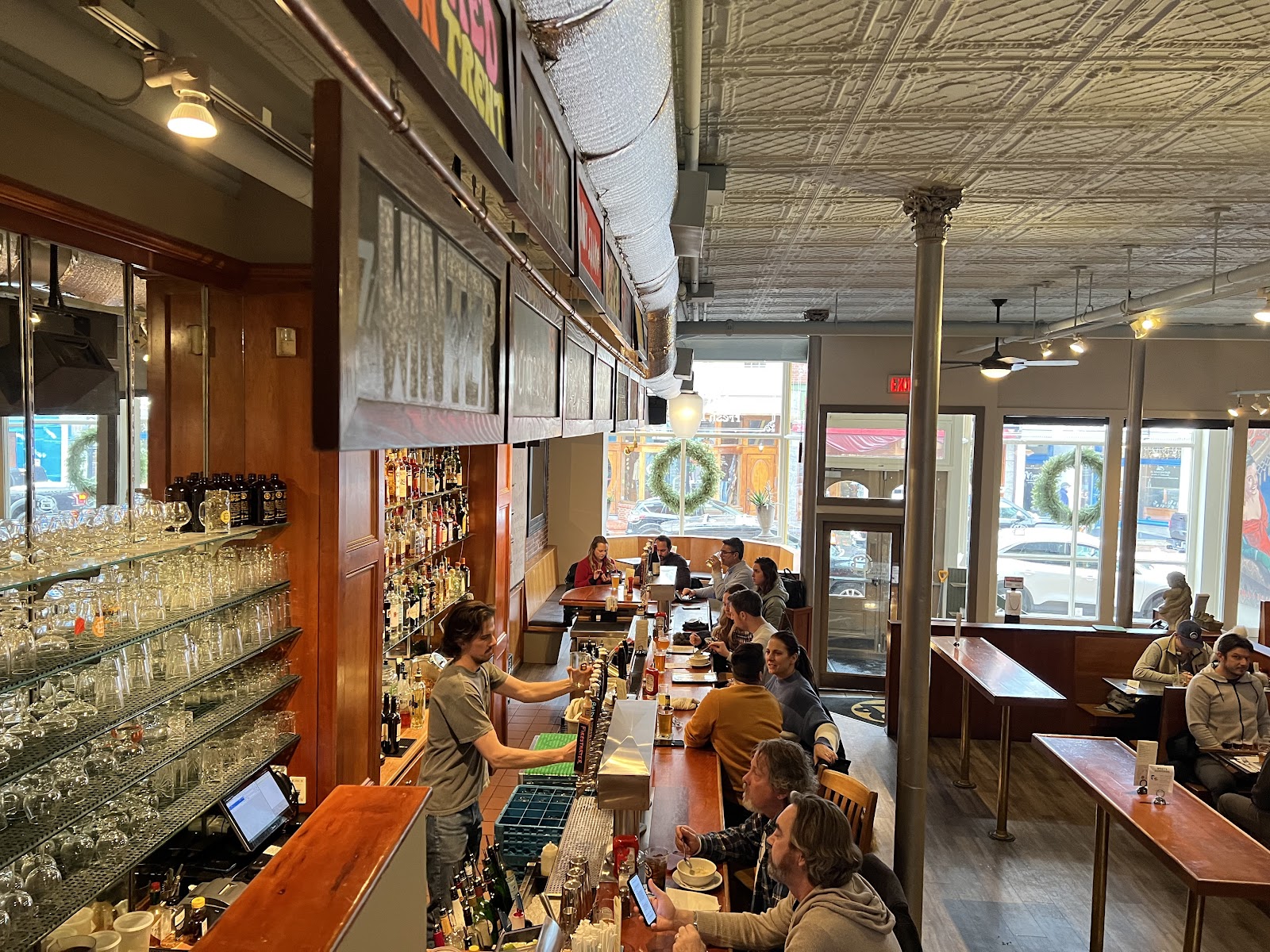
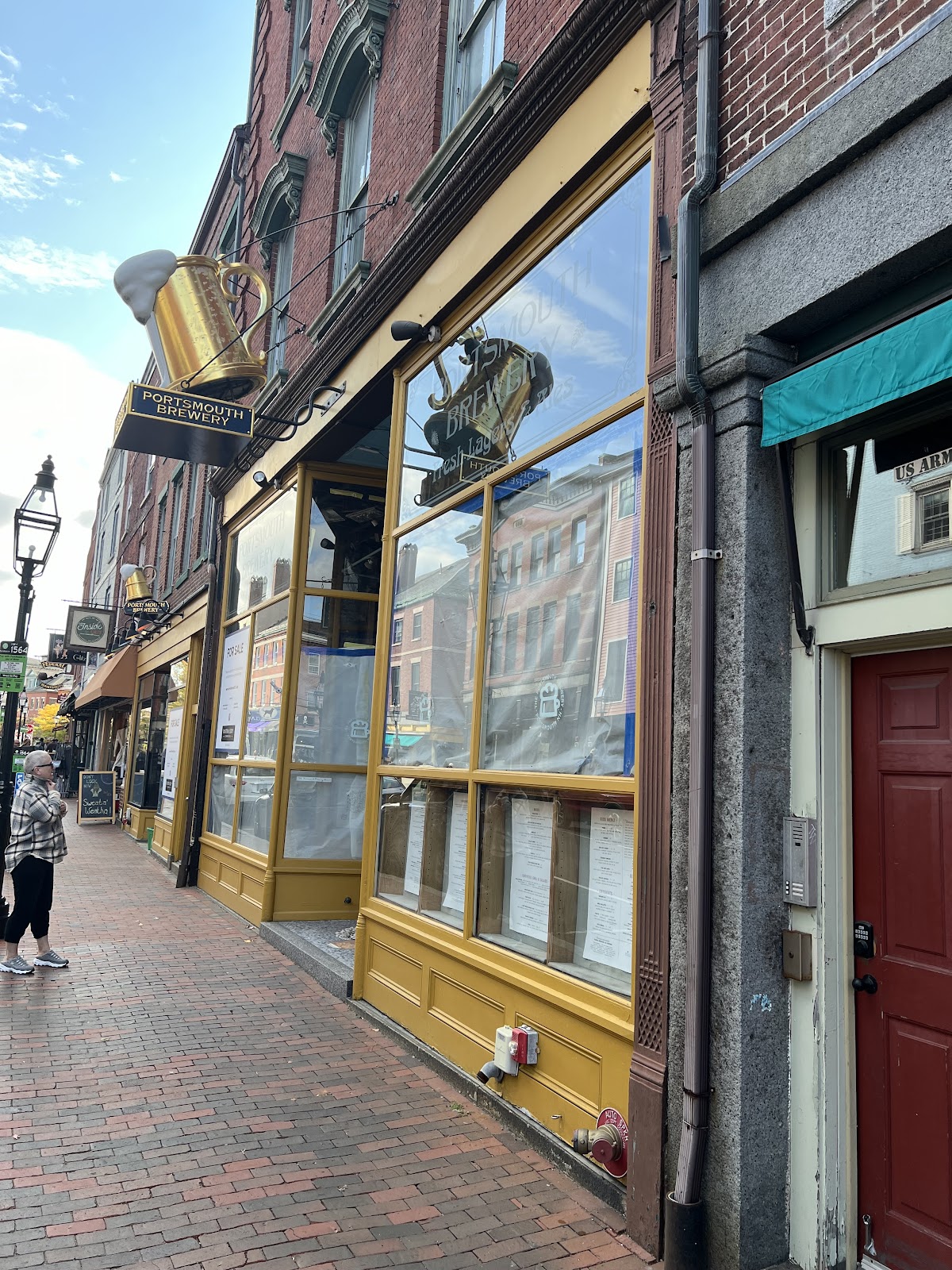
The Portsmouth Brewery occupies a building in downtown Portsmouth, New Hampshire, a brewpub of long standing with exposed brick, timber beams, visible brewing vessels and the low warm lighting that goes with the type.
A brewpub contains two materials that behave in opposite ways, and most of the photographic decisions here come from managing both at once. Brick absorbs light and reflects what it returns strongly warm. Polished stainless steel does the opposite — it reflects almost everything, specularly, which means it throws hard bright highlights and mirrors whatever is in front of it, including you and your lights. In a room containing both, a single lighting choice will suit one and fail the other.
So this follows the day through, with each condition in its place. We have not photographed a wedding at the Portsmouth Brewery; brick, polished vessels and tungsten fittings behave the same in every brewery. Which areas are available, whether the brewing floor can be used and whether the pub is open during the event are questions for their team.
The Portsmouth Brewery at a glance
| Where | Downtown Portsmouth, New Hampshire |
| Character | Long-established brewpub — brick, timber beams, brewing vessels |
| Brick | Absorbs light and returns it strongly warm |
| Steel | Reflects specularly and mirrors your lights straight back |
| Ask first | Whether the brewing floor is available, and if the pub stays open |
Daytime: window light, and the two materials
During daylight the pub has whatever windows it has, and in a downtown commercial building those are usually on one wall facing a street. That gives a single directional source with steep fall-off, which is good light — a subject a metre from the glass is well lit and the room three metres in is markedly darker, which separates them from the background at no cost.
Brick makes that light warm. A brick wall near a window returns a strongly orange bounce, so the fill on the shadow side of a face is warm while the key from the window is neutral or cool — a cross-cast that is subtle but real. Set a custom white balance in the room rather than trusting auto, and set it for the faces rather than for the brick.
Steel makes the same light difficult. A polished vessel beside a window is a mirror, so it shows the window as a hard bright rectangle, and it shows anything else bright in the room including you. The controls are angle and distance: shoot vessels obliquely rather than square on so the reflected cone misses the lens, and where a couple is placed near steel, keep them far enough from it that their reflection is not competing with them.
Used deliberately, the steel is an asset. A curved polished tank distorts and doubles whatever it reflects, and a couple reflected in a brewing vessel is a frame that exists only in this venue type. The difference between that and a mess is entirely whether it was intended.
The brewing floor, and how to photograph equipment
If the brewing floor is available it is the strongest location in the building, because industrial equipment gives something no decorated room does: scale, repetition and hard geometry. Tanks, pipework, valves and gantries are visually strong, and a couple placed among them reads as a deliberate contrast rather than as decoration.
The lighting rule for polished equipment is the one product photographers use: light the reflection, not the object. A curved steel surface does not show the light, it shows what the light is bouncing off — so a bare flash gives a small hard hot spot, while the same flash bounced off a large pale surface gives a broad soft gradient down the tank, which is what makes it read as metal. A big soft source, or a bounce off a wall, is what a brewery needs.
Keep your own position out of the reflection. On a curved vessel the reflected field is wide, so you can appear in a frame from an angle you would not expect. Check the tank, not just the faces, before committing.
Industrial floors also come with practical constraints worth confirming: wet floors, hoses, temperature, and whether a dress can reasonably be worn in a working area at all. Those are questions for the venue rather than assumptions, and the answers shape whether the brewing floor is a location or a background seen from a doorway.
- Set white balance for faces, not for brick; brick bounces strongly warm
- Shoot polished vessels obliquely so the reflected cone misses the lens
- Light the reflection, not the object — bounce for a soft gradient on steel
- Check the tank for your own reflection, not just the faces
- Confirm whether the brewing floor is wet, hot or off limits in a dress
Evening: tungsten, density and the street outside
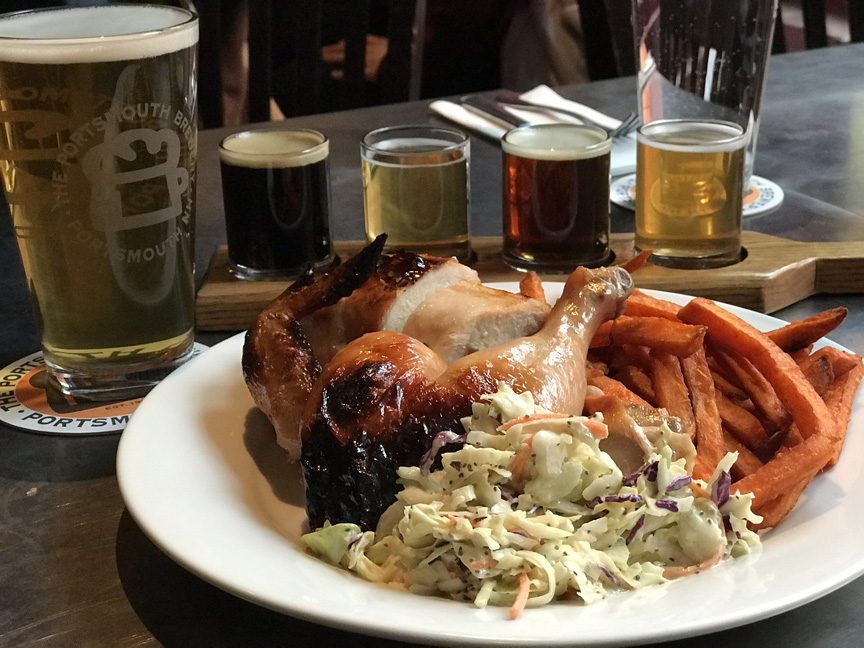
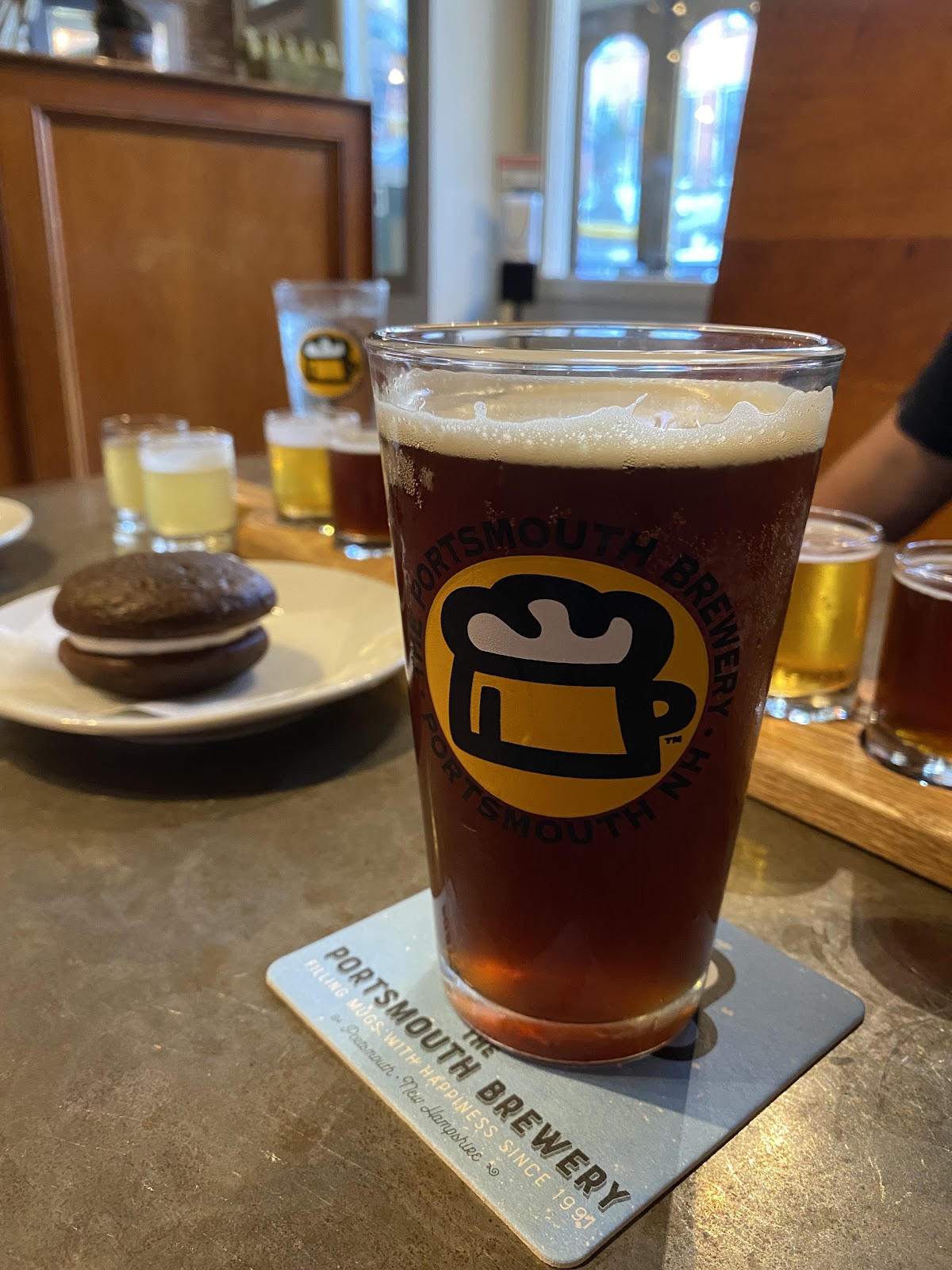
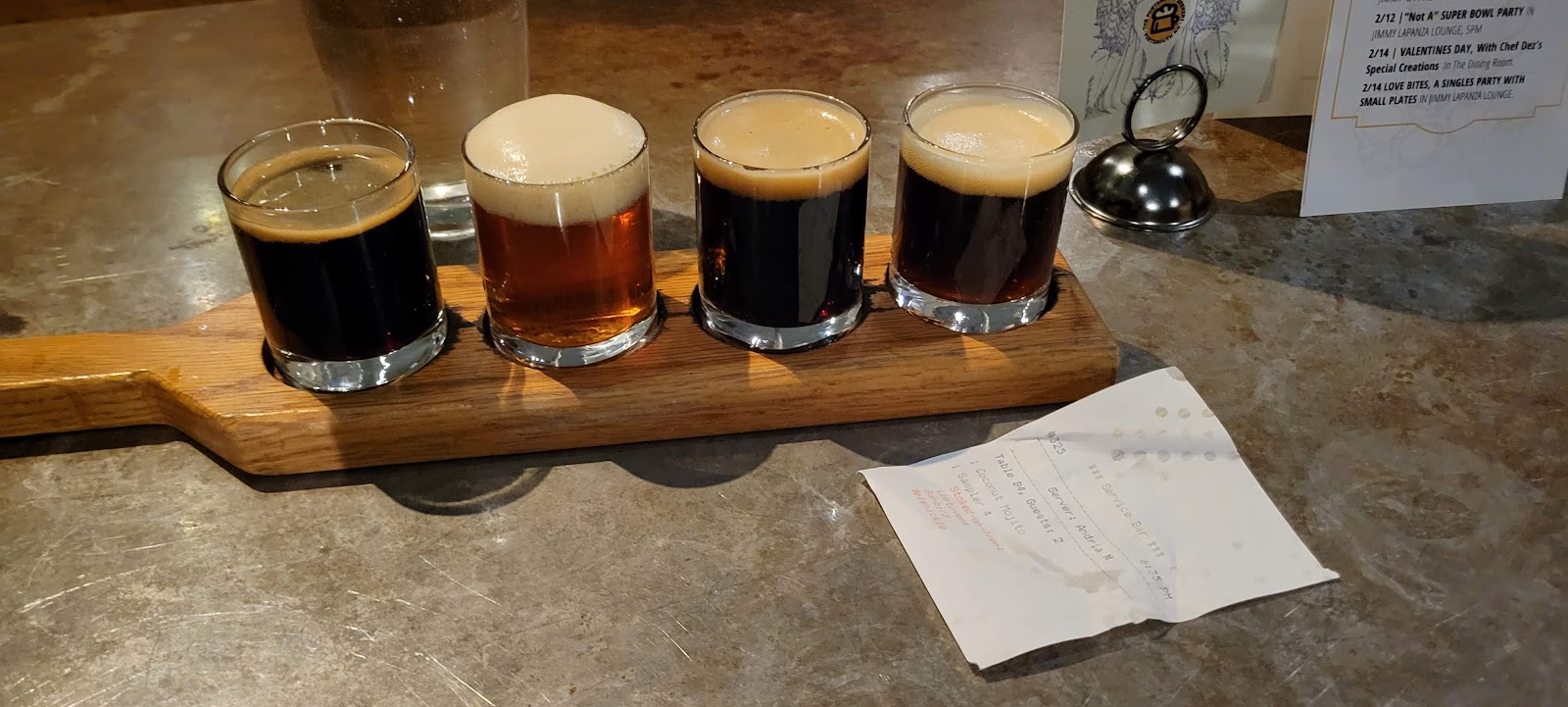
After dark a brewpub is a warm low-light room, and the working approach is the one that suits every venue of the type. The ambient is tungsten or tungsten-imitating, dim by design, and it flatters brick and timber. Fast lenses wide open with a raised ISO gives frames that look like the room actually looks, and the grain suits the venue — a clean flash-lit frame in a brewpub looks imported.
So split deliberately: ambient for the candid and atmospheric coverage, where warmth and grain are the point, and added light only for the moments that must be legible, which means speeches, the cake and any posed pairs. Switching consciously between the two rather than drifting is what separates a coherent set from a mixed bag.
Where light is added, bounce it. A pub interior has a normal ceiling height and usually pale or mid-toned surfaces somewhere, and a bare flash bounced off a wall turns the room into a soft source — better than any modifier that fits between tables, and it travels in a pocket. Just check what you are bouncing off: dark timber absorbs and tints, so a pale wall beats a beamed ceiling.
Density is the aesthetic. A frame packed with people, glassware, taps and brick reads correctly here in a way it never would in a ballroom, so fill the frame with faces rather than trying to show the whole room. And the loose end of the night in a pub is usually where the best unposed frames are — later than most photographers stay.
Outside, downtown Portsmouth is immediately there: narrow brick and clapboard streets that behave like soft boxes and shelter from wind, and because the centre is low-rise, low evening sun reaches street level and runs the length of a street. That is the block to schedule, since the interior is entirely time-independent and can absorb any delay.
More frames from The Portsmouth Brewery
The Portsmouth Brewery wedding photography: common questions
Why do my photographs here look too orange?
Because brick absorbs light and returns it strongly warm, so the fill on a shadow side is orange while a window key is neutral. Set a custom white balance in the room, for the faces rather than for the brick, and keep it for the whole block.
How do you photograph polished brewing tanks?
Light the reflection, not the object. A curved steel surface shows what the light bounces off, so a bare flash gives a hard hot spot while a bounce off a large pale surface gives a broad soft gradient down the tank — which is what makes it read as metal.
What is the trap with steel?
Your own reflection. On a curved vessel the reflected field is wide, so you can appear in a frame from an angle you would not expect. Shoot obliquely, and check the tank rather than only the faces before committing.
Is high ISO acceptable here?
More than acceptable — it suits the room. A warm slightly grainy frame in a brewpub looks like what it is, whereas a clean flash-lit frame looks imported. Use ambient for candids and added light only where legibility matters.
Where should added light be bounced?
Off a pale wall rather than a beamed ceiling. Dark timber absorbs and tints, which removes the advantage. A bare flash on a pale surface turns the room into a soft source, better than any modifier that fits between tables.
Can the brewing floor actually be used?
Worth asking rather than assuming. Wet floors, hoses and temperature all matter when someone is in a dress, and the answer decides whether it is a location or a background seen from a doorway.
More New Hampshire venue guides
We are writing a photographer’s guide to every venue we would happily shoot in New Hampshire. Here are three more, plus the full index:
- The Sheraton Portsmouth: What a Conventional Hotel Actually Buys You
- Strawbery Banke Museum: Photographing an Outdoor Museum of Houses
- The Music Hall, Portsmouth: How the Lit-Stage Frame Is Made
Planning a wedding at The Portsmouth Brewery?
Brick absorbs, steel reflects, and each needs a different light. Tell us your date and whether the brewing floor is open.