 The Please Touch Museum, Philadelphia: What It Suits and What It Does Not
The Warwick Hotel, Philadelphia: Field Notes on an All-In-One Venue
When nobody travels, everything happens in one building — which is an advantage and a constraint at once.
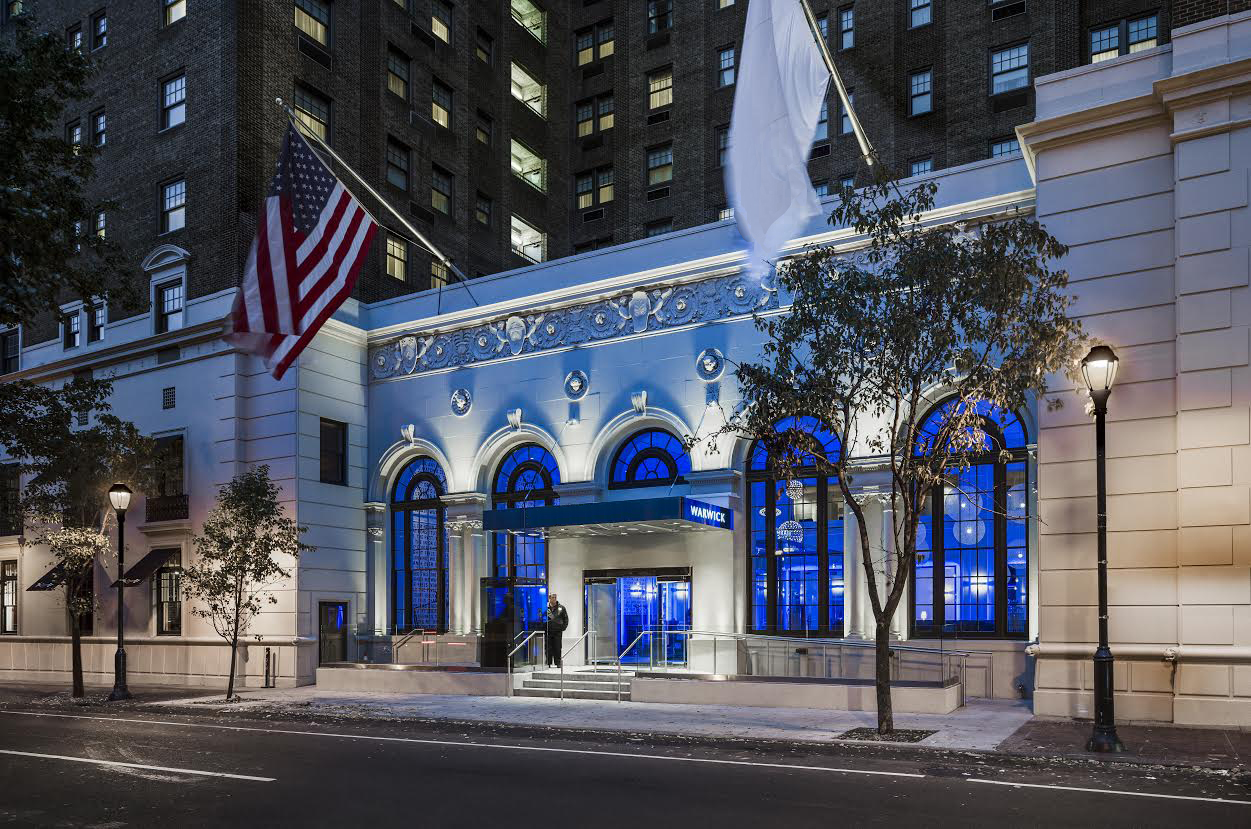
The Warwick offers event space and accommodation together, which its own description calls an all-encompassing venue that minimises travel and maximises time spent celebrating.
That is accurate and it has a photographic consequence worth planning for. When guests, the couple and the ceremony are all in one building, the day never leaves it unless somebody decides to — and because the interior of a hotel does not change from mid-morning to midnight, a day that never leaves the building will be photographed entirely in constant light. That produces a coherent gallery and a slightly monotonous one, and the fix is a deliberate excursion rather than an opportunistic one.
These are field notes: the conditions you will meet in a building like this, and what each one needs. We have not photographed a wedding at the Warwick; historic city hotels behave consistently. Which rooms are included, whether the ballroom lighting is adjustable, and what may be attached to period fabric are the questions for their team.
The Warwick Hotel at a glance
| Where | Rittenhouse, Philadelphia, Pennsylvania |
| Character | A historic hotel with event space and guest rooms in one building |
| The advantage | Nobody travels, and nothing is ever far away |
| The risk | A day photographed entirely in constant light |
| Ask first | Rooms included, ballroom lighting control, fixings to period fabric |
What you meet, and what each one needs
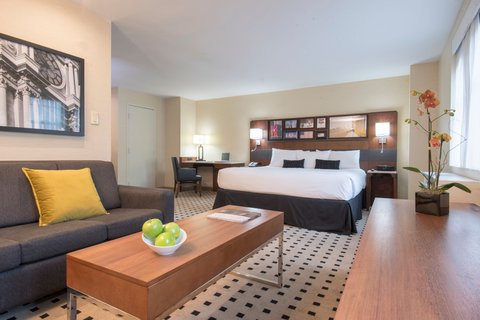
Guest rooms are the first condition and the best portrait light in the building. Windows are domestic in scale but generous relative to the floor area, the walls are close enough to bounce, and the ceilings are low enough that a flash aimed upward returns something usable — a combination no public room offers.
Three moves set a room up and they never change. Largest window on the shaded side. Every overhead fitting switched off so the room has one colour of light rather than three. Lamps moved out of frame rather than composed around. Mixed sources are the commonest single reason preparation coverage looks worse than the room did.
In a historic building the windows may be taller than modern ones, which sends light further into a room and higher up a standing figure — worth seeking out specifically, and it matters more in a dark-surfaced room than in a bright one.
Period public rooms are the second condition and they are light-hungry. Timber, patterned carpet, deep paint and heavy textiles absorb rather than return light, and usable room light is mostly bounced — so a panelled room with the same windows as a pale one is two stops darker. Bounce flash returns a fraction of what it would in a white room, and what does come back arrives warm. Test with one frame on arrival.
Ornament is the third condition and it needs the opposite of what a modernised period hotel provides. Plasterwork, cornices and joinery are three-dimensional, so they read only when light crosses them at an angle and casts small shadows; under even downward lighting they flatten into a pale field. One source placed to graze a surface rather than face it brings the detail back, and it is a one-light problem.
Warm bounce is the fourth and it is the colour problem: timber, brass and warm paint reflect strongly warm, and the cast arrives on the shadow side of a face from several directions. Bounced and localised, so global white balance cannot separate it — one gelled source as the authority on faces, with white balance set to it, is the answer.
A grand stair, where the hotel has one, is the fifth and it solves the group problem that tall hotels handle badly: steps make rows automatically, so thirty people arrange themselves with everybody visible in a way a flat ballroom floor never allows.
The all-in-one risk, and the deliberate excursion
The risk in an all-in-one venue is not technical, it is editorial. A gallery made entirely inside one building under unchanging light will be consistent and it will lack the contrast that makes a set of photographs feel like a day rather than an afternoon. There will be no change of light, no change of scale and no sense of a place beyond the walls.
The fix is to schedule a short deliberate excursion rather than to hope for one. Twenty minutes outside, placed in the last ninety minutes of daylight, changes the whole shape of a gallery — and at a hotel in a walkable district that costs almost nothing, because nobody has to travel and the couple can be back before they are missed.
Rittenhouse and the surrounding blocks are unusually good material for that, and the reason is the street plan. Philadelphia’s Center City is a strict grid oriented close to the compass, which means the east-west streets take low sun straight down their length while the north-south ones do not. That is plannable from a map rather than discovered on foot, which makes a twenty-minute excursion genuinely efficient: walk to a cross street that faces the sun, work it, walk back.
Red brick is the material and it is the friendly one, bouncing warm and flattering skin where pale stone and modern surfaces bounce cool and can grey it. Brick also shows its texture only when light runs along it, so the position worth finding is always where the light is raking rather than facing.
White marble steps front many Philadelphia rowhouses and they act as low reflectors, bouncing light up into a face to fill the shadow overhead sun creates — a frame that is located and lit at the same time, which is rare at street level anywhere.
A leafy square, where there is one nearby, gives the second register: mature canopy for midday shade, with dapple as the hazard — hot spots several stops above the surrounding shadow, shifting with any breeze — and green bounce that needs a custom white balance set on a face in position.
Cobbles in the older quarters are strong texture in raking light and a genuine trip hazard in heels, which is worth mentioning before leading anyone across them.
And the one timed frame is the dusk crossing at a window or in the lobby: roughly twenty minutes after sunset, when the street falls to about the brightness of the interior lighting and one exposure holds the lit room, the couple and the city beyond.
- Guest room: tallest shaded window, overheads off, lamps out of frame
- Test bounce once; period surfaces return almost nothing
- Graze the ornament with one source or it flattens to a pale field
- Schedule a twenty-minute excursion; do not hope for one
- Use the grid: walk to a cross street that faces the sun, work it, walk back
The evening, and Philadelphia's year
The ballroom is the evening and it is a known quantity: a high ceiling with no usable bounce, warm decorative fittings, overhead sources and a house scheme dimmed low for a reception. That gives low ambient, warm colour and steep fall-off — and the fall-off is the free separation the daytime interiors refuse to provide.
Expose for the room so it still reads as the warm dim ballroom it is; add one warm-gelled source at face height, off the camera axis, for anything that must be legible; set white balance to the gel and hold it for the whole block. Decorative fittings at a wide aperture become warm points behind a subject, which is what a period ballroom does beautifully — provided a bright fitting is not sitting immediately beside a head.
Ask whether the ballroom lighting can be dimmed to pools rather than set evenly. It usually can, and the difference is larger than any equipment choice.
Window glass after dark becomes a mirror, so lights go off the camera axis and frames go oblique rather than square. In a period hotel with tall windows, a lit room doubled in dark glass with the street beyond is frequently a better frame than the direct one.
Philadelphia’s four seasons change the excursion rather than the building. Summer is humid with afternoon thunderstorms common rather than rare — which for an all-in-one hotel is almost entirely an advantage, since the day continues without a decision, and which means the excursion needs a wet version: doorways, awnings and covered steps, which are the best positions anyway.
Autumn in a leafy square in late October is a genuine asset and a short window. Winter days are short, with sunset in the middle of the afternoon in December, which means the excursion has to be early — and at a venue where nobody has to travel, moving it early is easy in a way it would not be elsewhere.
Snow is the winter compensation and it is the best natural fill there is, lifting exactly the shadows a low sun carves while fooling a meter by about two stops. Snow on red brick darkens the brick and makes its texture read more strongly than in dry weather.
Humidity and cold both fog a lens, in opposite directions, and both take many minutes to clear. A heated dry period interior and cold outside air is the worst combination, so let equipment come towards the temperature of where it is going before it gets there — and at a hotel that means putting a body near a door twenty minutes before the excursion rather than carrying it out cold.
More frames from The Warwick Hotel
The Warwick Hotel wedding photography: common questions
What is the risk of an all-in-one venue?
Editorial rather than technical. A gallery made entirely inside one building under unchanging light is consistent and lacks the contrast that makes a set feel like a day rather than an afternoon.
What is the fix?
A scheduled twenty-minute excursion in the last ninety minutes of daylight, rather than an opportunistic one. At a walkable hotel it costs almost nothing, because nobody has to travel.
What makes Philadelphia efficient for that?
The grid. Center City is oriented close to the compass, so the east-west streets take low sun down their whole length — which means the excursion can be planned from a map.
Where is the best portrait light in the hotel?
A guest room, and in a historic building the tallest window on the shaded side. Close walls bounce and low ceilings return a flash, which no public room does.
Why does the period ornament look flat?
Because even downward lighting gives three-dimensional plasterwork nothing to cast a shadow with. One source placed to graze a surface brings the detail back.
What is the Philadelphia street trick?
White marble rowhouse steps. They act as low reflectors, filling the shadow overhead sun creates — a frame that is located and lit at the same time.
More Pennsylvania venue guides
We are writing a photographer’s guide to every venue we would happily shoot in Pennsylvania. Here are three more, plus the full index:
- The Academy of Natural Sciences, Philadelphia: How the Light Moves
- The Adventure Aquarium: Four Ways Out of the Blue Light Problem
- The Barnes Foundation, Philadelphia: One Frame and How It Is Made
Planning a wedding at The Warwick Hotel?
Twenty minutes outside changes the whole gallery. Tell us your date and we will book them.