 The Please Touch Museum, Philadelphia: What It Suits and What It Does Not
The Four Seasons Philadelphia: A Walk Up Through a High-Rise Hotel
A hotel at the top of a tower is a different venue from a hotel at the bottom of one.
The Four Seasons Philadelphia’s grand ballroom is said to be an absolute stunner, as its own description has it — and the hotel occupies the upper part of a tower, which is the fact that actually shapes the day.
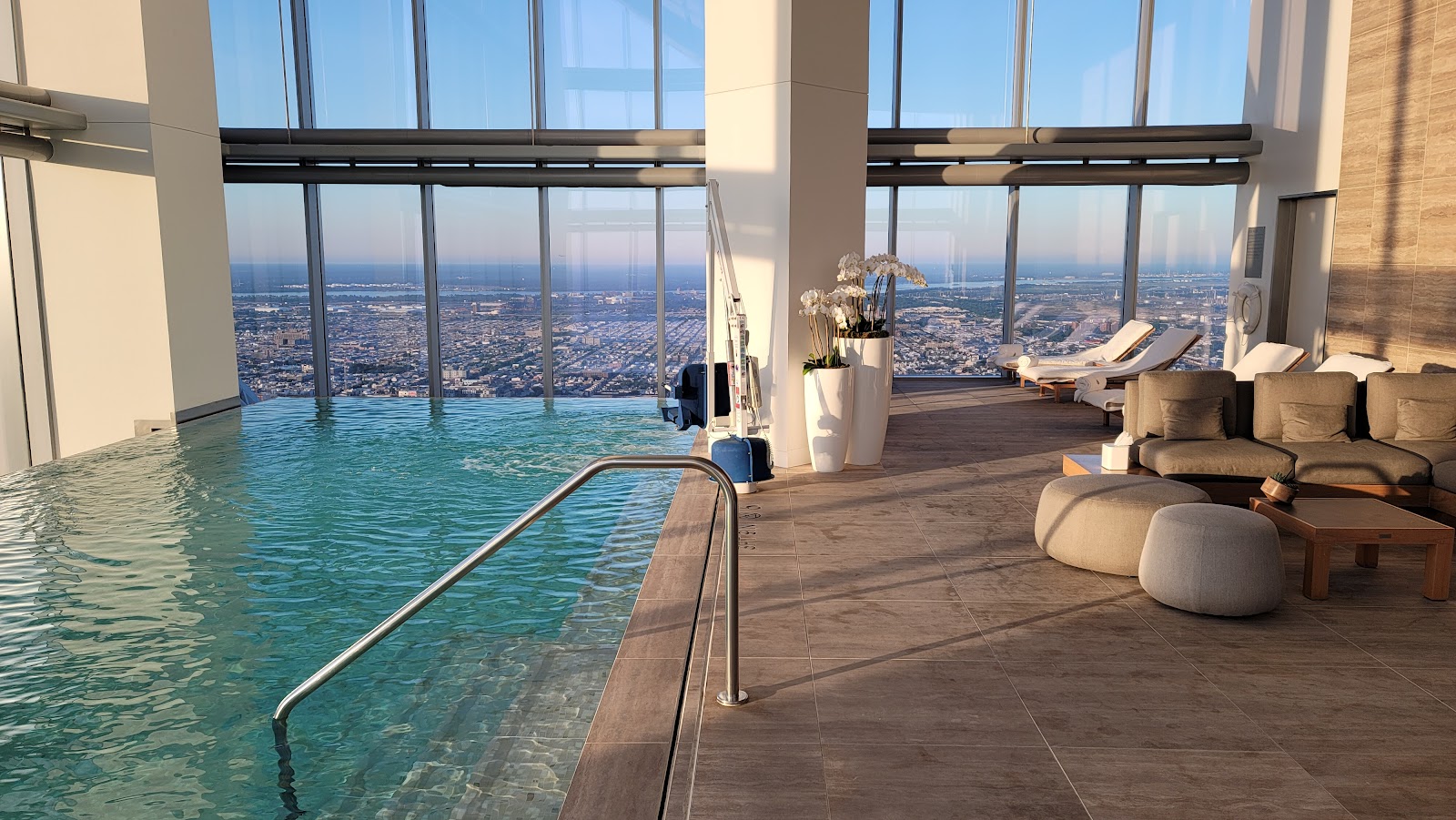
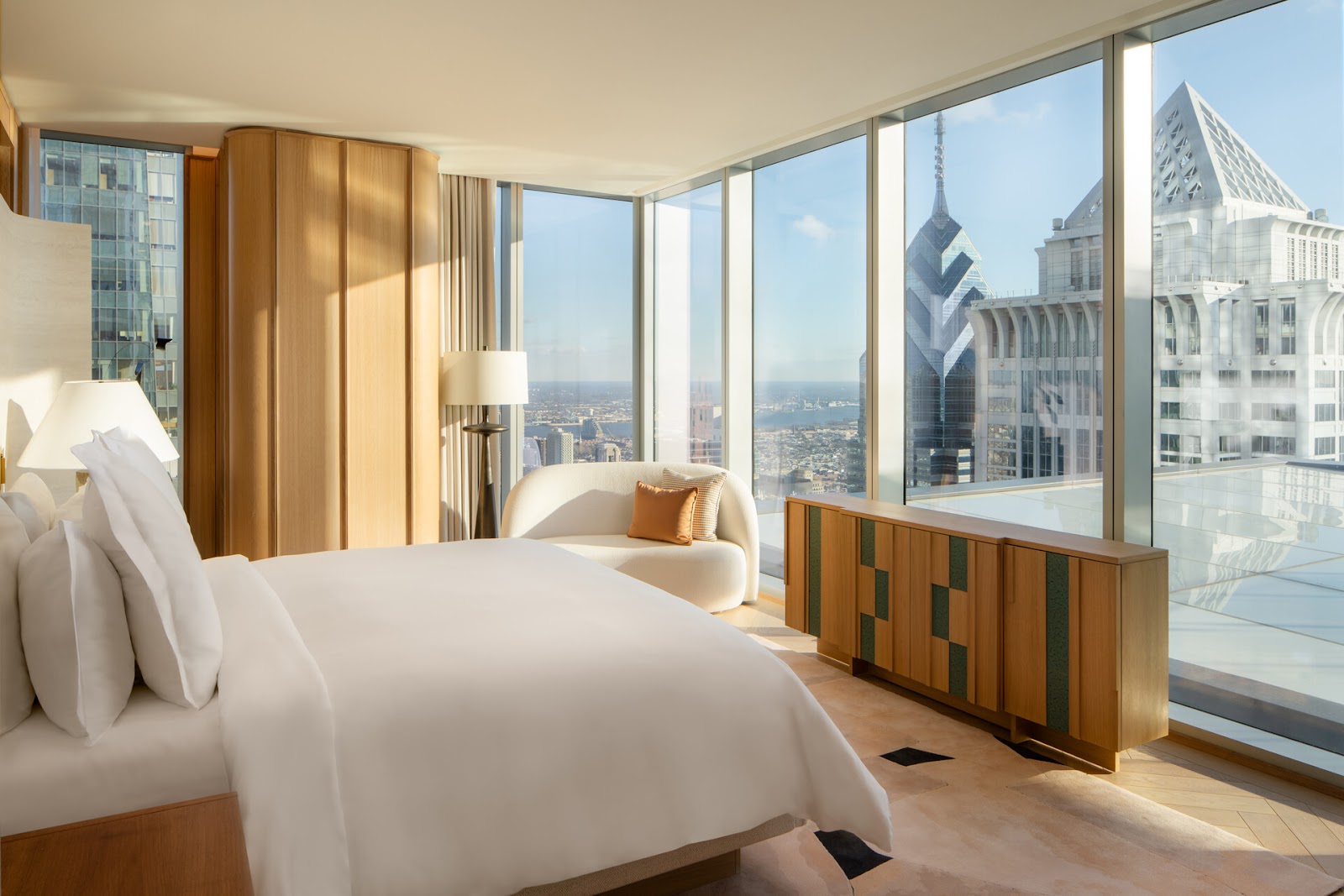
A high-rise hotel is not a grand hotel with a lift. Height changes three things at once, and all three are photographic. Sunlight arrives earlier and lasts longer, because the surrounding roofline is far below. The view becomes a background rather than a location, because a city seen from above reads as layered geometry rather than as a street. And the windows become the dominant light source in every room, because a floor high in a tower has glazing on more than one side and nothing outside it to block the sky.
So this is a walk up through the building, because the character changes with altitude. We have not photographed a wedding here; high-rise luxury hotels behave consistently. Which floors and rooms are included, whether the ballroom lighting is adjustable, and which elevations the main glazing faces are the questions for their team.
The Four Seasons Philadelphia at a glance
| Where | High in a tower, Philadelphia, Pennsylvania |
| Character | A luxury hotel on the upper floors of a tower, with a grand ballroom |
| What height changes | Earlier light, a layered view, and windows as the dominant source |
| The reason to book it | The crossing frame from a height, which street level cannot give |
| Ask first | Floors and rooms included, ballroom lighting, glazing orientation |
The guest floors: windows as the main event
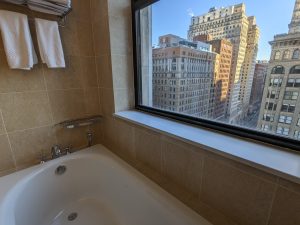
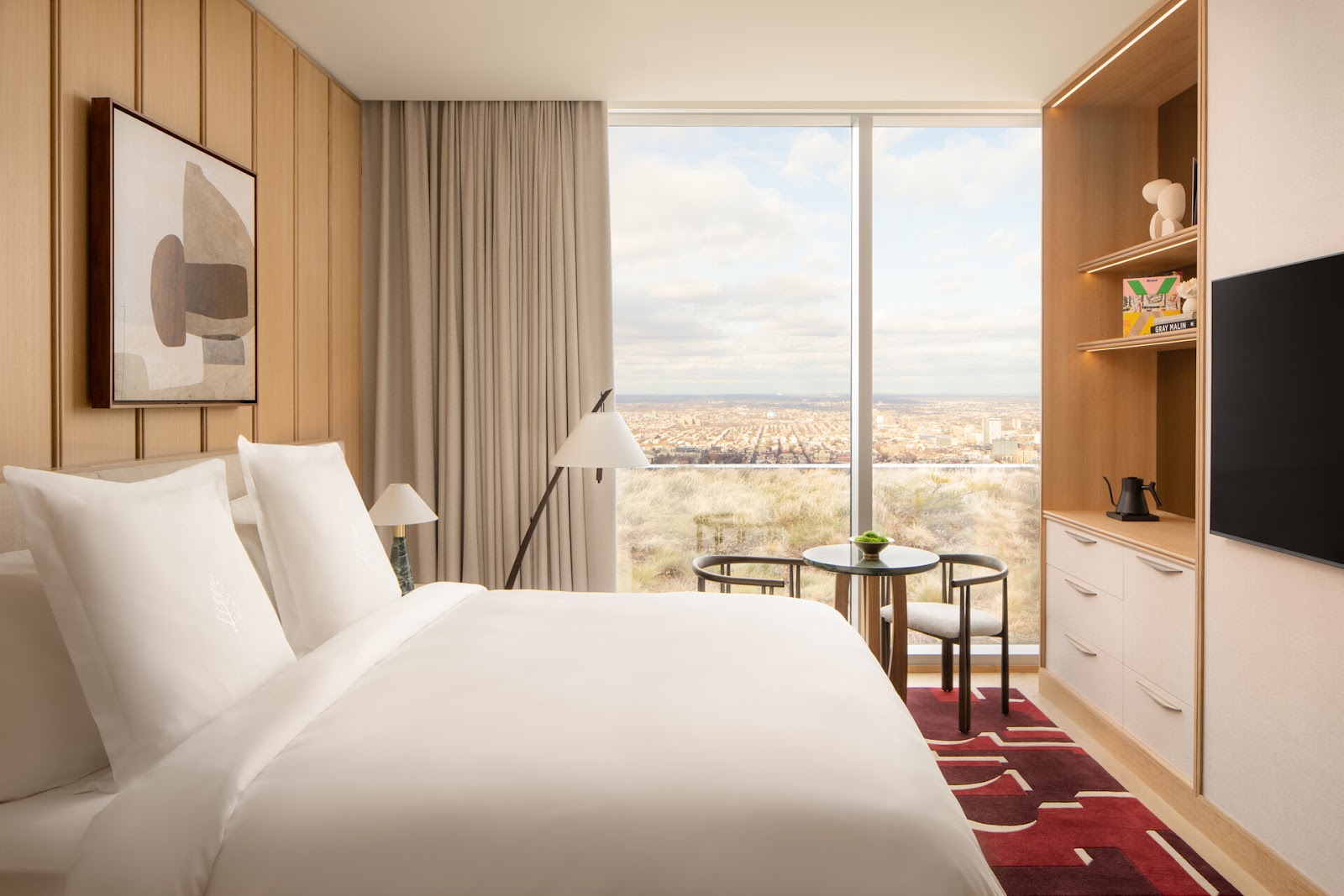
Guest rooms are the best portrait light in any hotel, and high in a tower they are better than usual for a specific reason: there is nothing outside the window to block the sky. At street level a hotel room’s light is partly shaded by the building opposite; forty floors up the whole sky reaches the glass, which raises the level and softens it.
The setup is the usual three moves, with one addition. Ask for the largest window on the shaded side. Switch off every overhead fitting so the room has one colour of light rather than three. Move the lamps out of frame. And check the glass is clean, because at height a window that has not been washed recently shows as haze and flare in a way a ground-floor window does not.
Position is two metres back from the glass rather than pressed against it. Pressed against a window a subject is lit from a very oblique angle with the far side of the face falling away; two metres back the same window covers them evenly, soft and still clearly directional, with enough level that the room behind still reads.
Turning the subject gives three setups without moving anything: facing the window, side-on, and back to it.
The view is the complication and it needs a decision rather than a discovery. In daylight the city outside is four to six stops brighter than the room, so either let the window blow to a white shape — legitimate if chosen, and a clean background — or light the couple to match the view, which needs real power because you are competing with daylight, or wait for the crossing.
Height also brings a specific hazard: a room high in a tower may have glazing on two elevations, which means one sunlit and one shaded at the same time, and a hard patch of sun crossing the room diagonally. That is not a problem if it is understood — work the shaded side, use the sunlit patch as a bright background element, and never straddle the line.
One more thing height gives, easy to overlook: the corridor windows. In many tall hotels the lift lobby or the end of a corridor has a window with the best view on the floor and no furniture in front of it, which makes it a better portrait position than any guest room. It takes thirty seconds to check.
The public floors, the ballroom, and the crossing
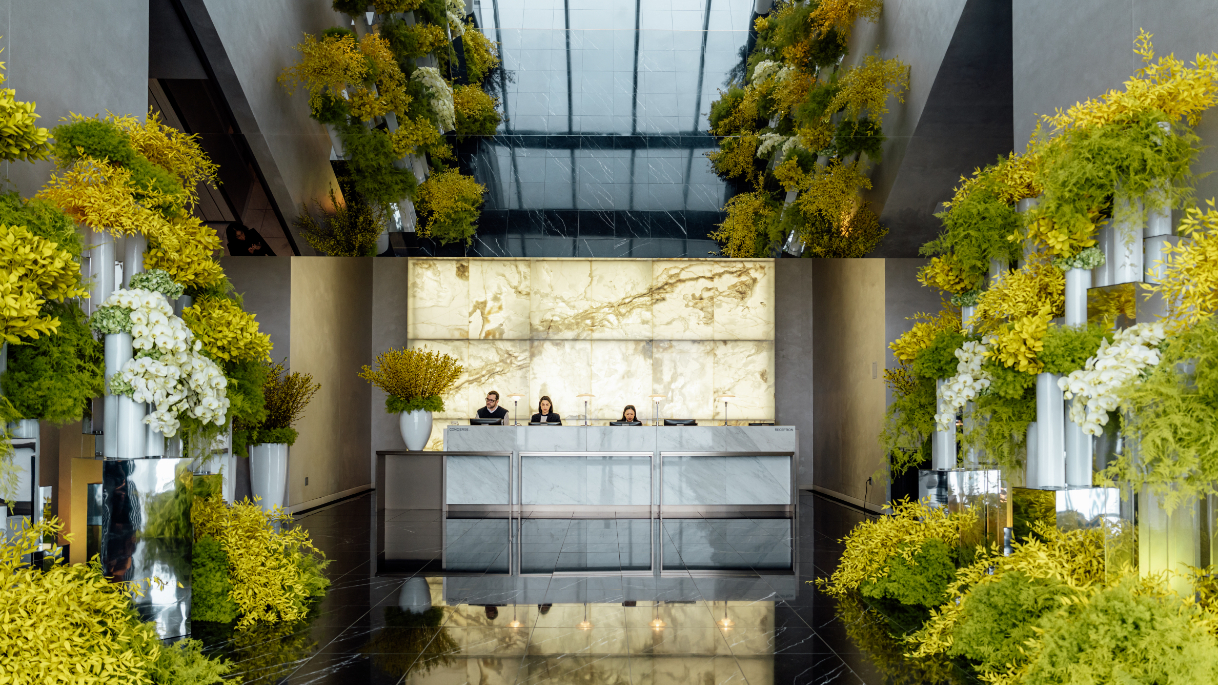
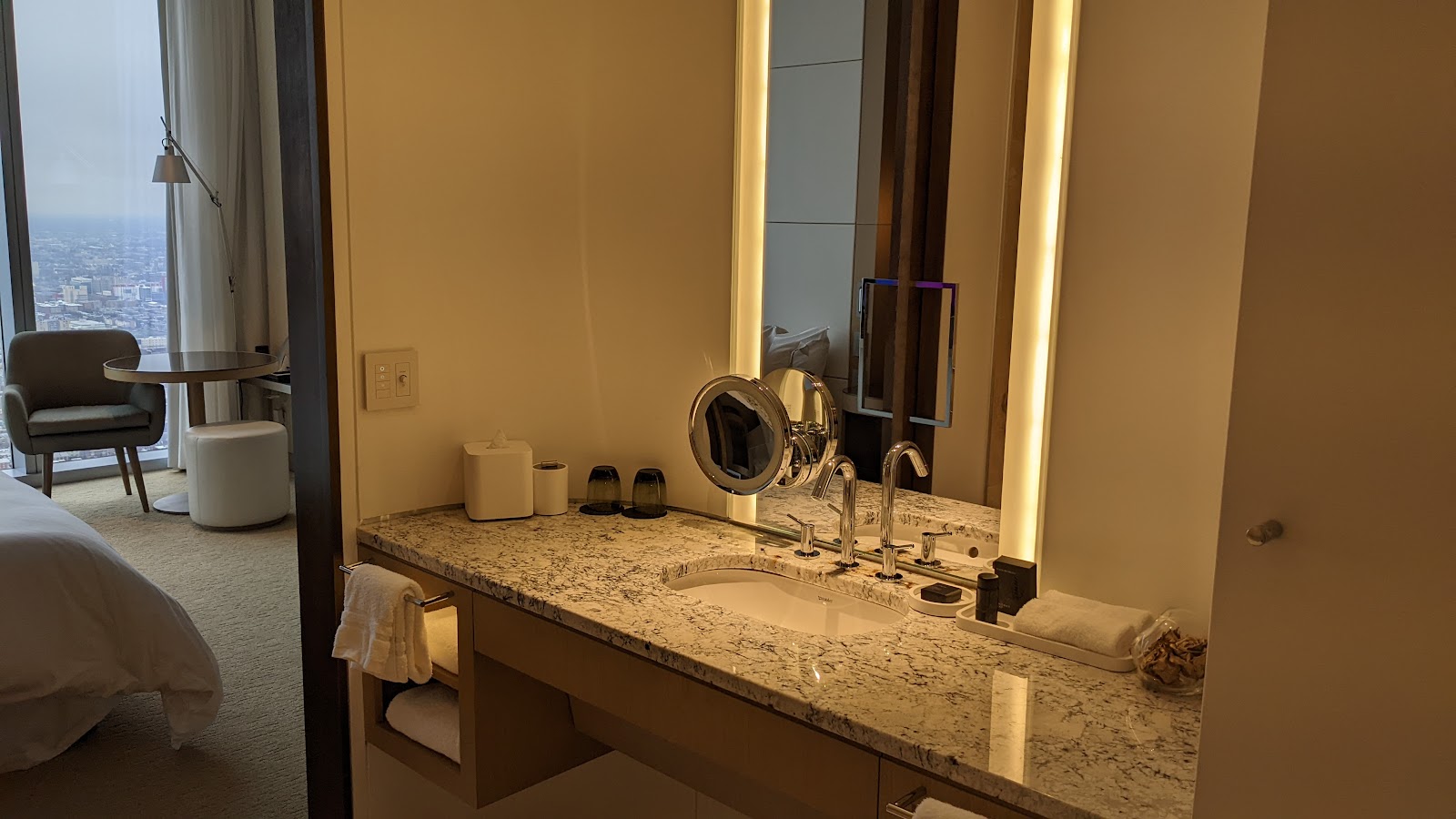
Public floors present the luxury problem, which is two problems disguised as qualities. Light is deliberately even, because unevenness reads as cheap; surfaces are pale and uncluttered, because that reads as calm and expensive. Even light erases the gradient across a face that the eye reads as shape; pale surfaces erase the tonal difference between subject and background.
One directional source fixes the first and it does not need to be strong: off the camera axis at face height, set close to the ambient level rather than above it, restoring a shadow side without making the frame look lit. Half a stop in one direction does more than two stops overall.
For the second, four tools stack: depth, a wide aperture, placement against the darkest element in the room, and negative fill — something dark on the shadow side of a face, which subtracts bounced light and deepens the gradient. In a pale room, subtracting beats adding, and it costs nothing.
The ballroom is the evening. Expect a high ceiling with no usable bounce, warm decorative fittings, overhead sources and a house scheme dimmed low — and steep fall-off, which is the free separation the daytime interiors refuse to provide. Expose for the room so it stays warm and dim, add one warm-gelled source at face height where legibility matters, set white balance to the gel and hold it for the block, and let decorative fittings become warm points behind a subject at a wide aperture.
Ask whether the ballroom lighting can be dimmed to pools rather than set evenly. It usually can, and the difference exceeds any equipment decision.
The crossing is the frame the building exists to give and from a height it is exceptional. For roughly fifteen to thirty minutes after sunset the city below falls to about the brightness of the interior lighting, tower windows begin to read, and one exposure holds the lit room, the couple and a layered city with a coloured sky above it. At street level that frame shows a street; from a height it shows a city.
It is an appointment rather than an opportunity: sunset time, add fifteen minutes, be in position with the couple already there, bracket as the sky falls. And go long — compression stacks the roofscape, the tower cluster and the horizon into bands behind the couple, where a wide lens reduces all of it to a strip at the bottom of a large sky. A view is almost always a long-lens frame.
After the crossing the glass inverts and becomes a mirror, and high in a tower that is total rather than partial: whole walls reflect the room and the city disappears. Lights go off-axis, frames go oblique, and a glazed corner reflects from both sides at once — check the corners before guests arrive.
- Check the glass is clean; at height, haze and flare are a real risk
- Two metres back from the window, not pressed against it
- Check the corridor windows — often the best view on the floor
- In a pale public room, subtract with negative fill rather than adding light
- Sunset plus fifteen, long lens, couple already in position
Down at street level, and Philadelphia's year
The ground is the counterweight and it is worth the lift journey, because a gallery made entirely at altitude has no sense of scale. Philadelphia makes a short excursion efficient: Center City is a strict grid oriented close to the compass, so the east-west streets take low sun straight down their length while the north-south ones do not — plannable from a map rather than discovered on foot.
Red brick is the city’s material and the friendly one, bouncing warm and flattering skin where pale stone and modern glass bounce cool and can grey a face. Brick shows its texture only when light runs along it, so the position worth finding is always where the light is raking. White marble rowhouse steps act as low reflectors, filling the shadow overhead sun creates — a located frame that is also a lit one.
Looking up from street level at the tower the hotel occupies is the one frame that connects the two halves of the day, and it is easy to miss: a couple small at the base of a very tall building, shot wide for once, reads as a photograph about the city rather than about the building.
Philadelphia’s four seasons change a high-rise venue more than they change a low one, because so much depends on the sky. Summer is humid, which softens distant detail and makes the view hazier than it looks to the eye — and afternoon thunderstorms are common rather than rare, which from a height is spectacular rather than inconvenient: a storm cell crossing a city below, seen from inside a lit room, is a frame very few weddings have.
Autumn gives the clearest air of the year and therefore the sharpest view frames. Winter days are short, with sunset in the middle of the afternoon in December, which moves the crossing to the late afternoon — possibly before or during the ceremony rather than after — but cold clear air also gives the deepest and longest-lasting sky colour, so the crossing itself is better than in summer.
Snow from a height is a frame street level cannot produce: a city under snow seen from above, with a warm lit interior in front of it, is worth planning for rather than hoping for. And snow outdoors is the best natural fill there is, while fooling a meter by about two stops.
One equipment note: a heated interior and cold outside air fog a lens in both directions, and at height the crossing will not wait. Get a body to ambient temperature well before the window, and remember that a fogged lens against a bright city view produces bloom that is worse than in an ordinary room.
More frames from The Four Seasons Philadelphia
The Four Seasons Philadelphia wedding photography: common questions
What does height change?
Three things: sunlight arrives earlier and lasts longer, the view becomes layered geometry rather than a street, and windows become the dominant source because nothing outside blocks the sky.
Why is a high guest room better than a low one?
Because there is nothing outside the window to shade it. At street level the building opposite blocks part of the sky; forty floors up the whole sky reaches the glass.
What is easy to forget at height?
Clean glass. A window that has not been washed shows as haze and flare in a way a ground-floor window does not — and the crossing will not wait while you discover it.
Where is the best view on a floor?
Often the corridor or lift lobby window: the best outlook with no furniture in front of it. It takes thirty seconds to check and it is frequently better than any guest room.
Wide or long lens for the view?
Long. Compression stacks roofscape, towers and horizon into bands behind the couple; a wide lens reduces all of it to a strip at the bottom of a big sky.
Is a summer storm a problem?
From a height it is an asset. A storm cell crossing a city below, seen from inside a lit room, is a frame very few weddings have.
More Pennsylvania venue guides
We are writing a photographer’s guide to every venue we would happily shoot in Pennsylvania. Here are three more, plus the full index:
- The Franklin Institute, Philadelphia: Field Notes for a Wedding Photographer
- The Logan Hotel, Philadelphia: How the Light Moves
- The National Constitution Center, Philadelphia: The One Decision That Governs Everything
Planning a wedding at The Four Seasons Philadelphia?
The crossing from a height is the whole reason. Tell us your date and we will time it.