 The Please Touch Museum, Philadelphia: What It Suits and What It Does Not
The Simeone Museum, Philadelphia: A Walk Through a Vehicle Collection
Polished paint and chrome reflect everything. That single fact governs every frame in the building.
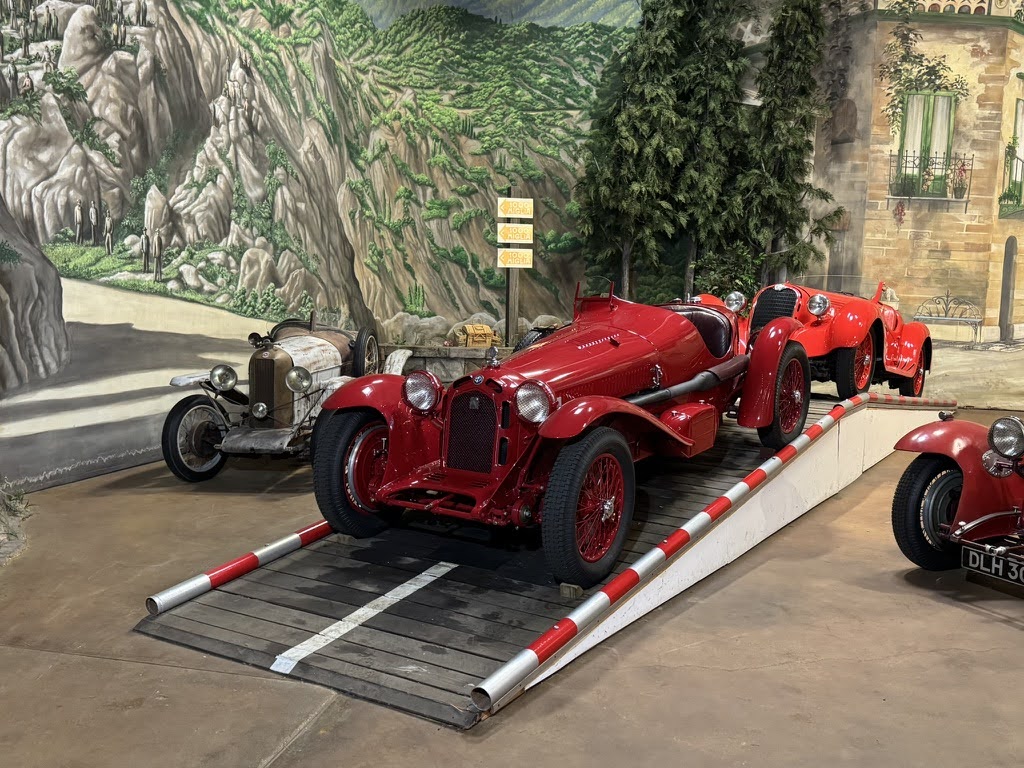
The Simeone Museum’s layout contributes to a fluid event flow, as its own description has it, keeping guests engaged throughout a celebration.
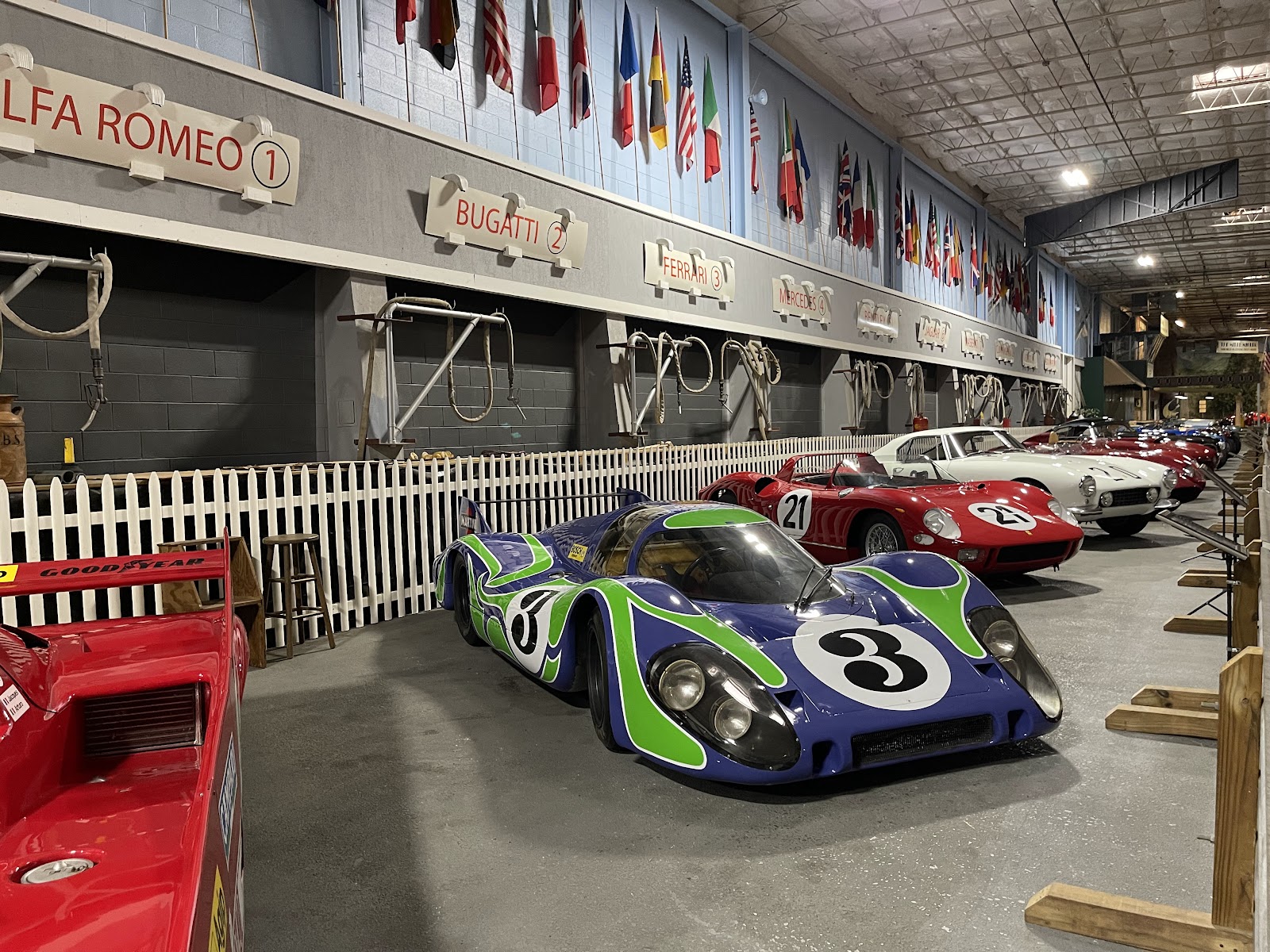
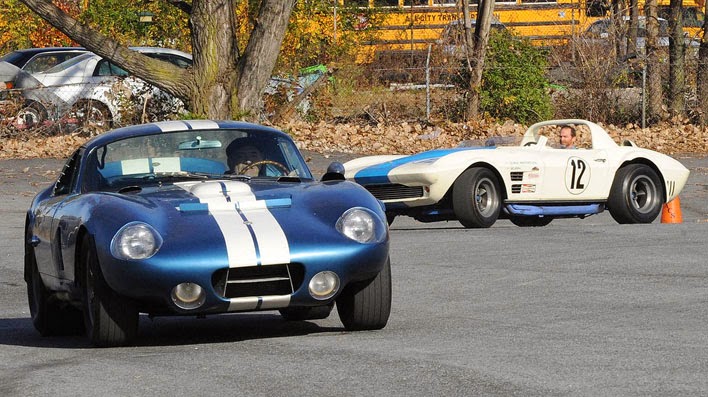
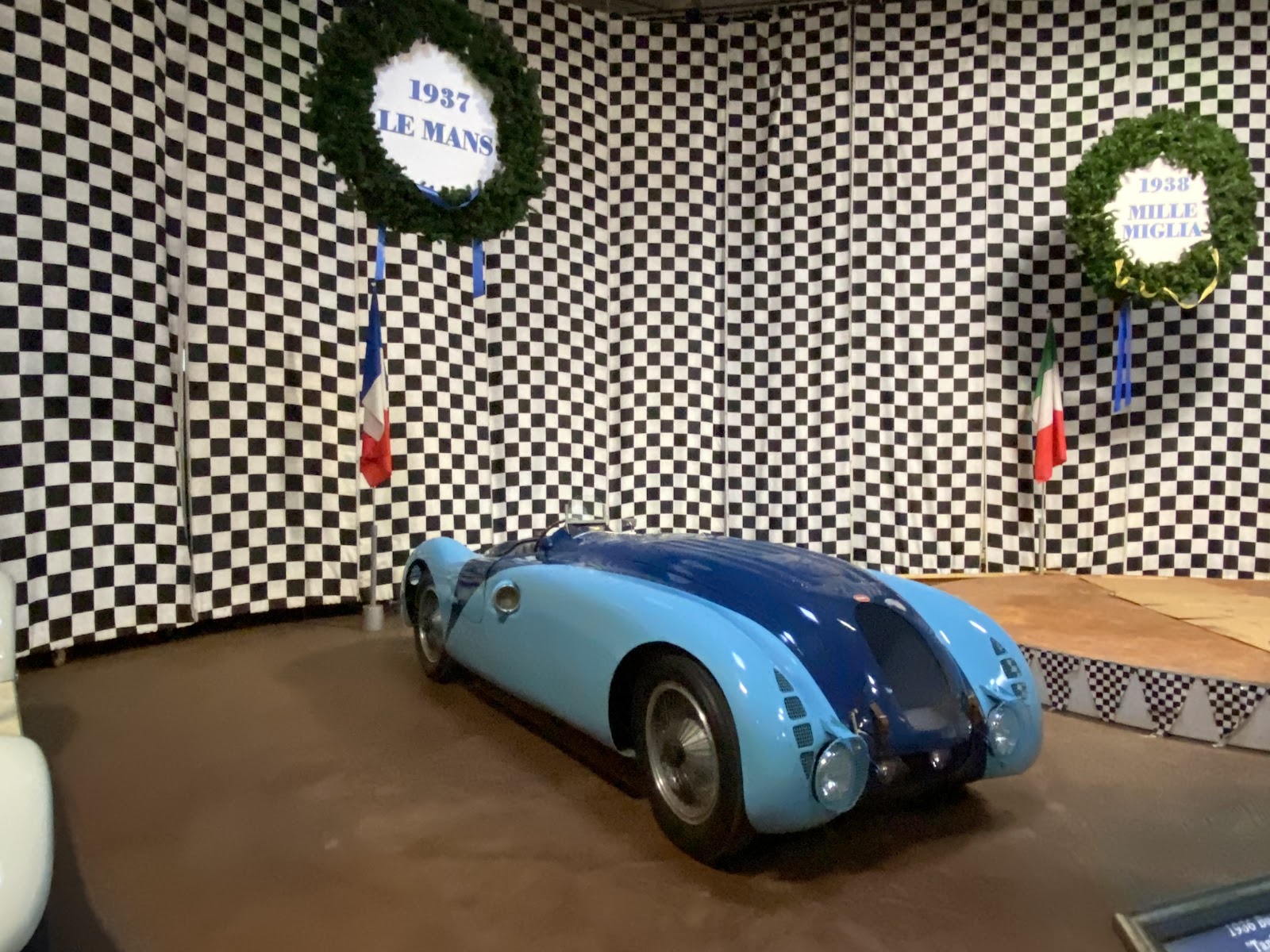
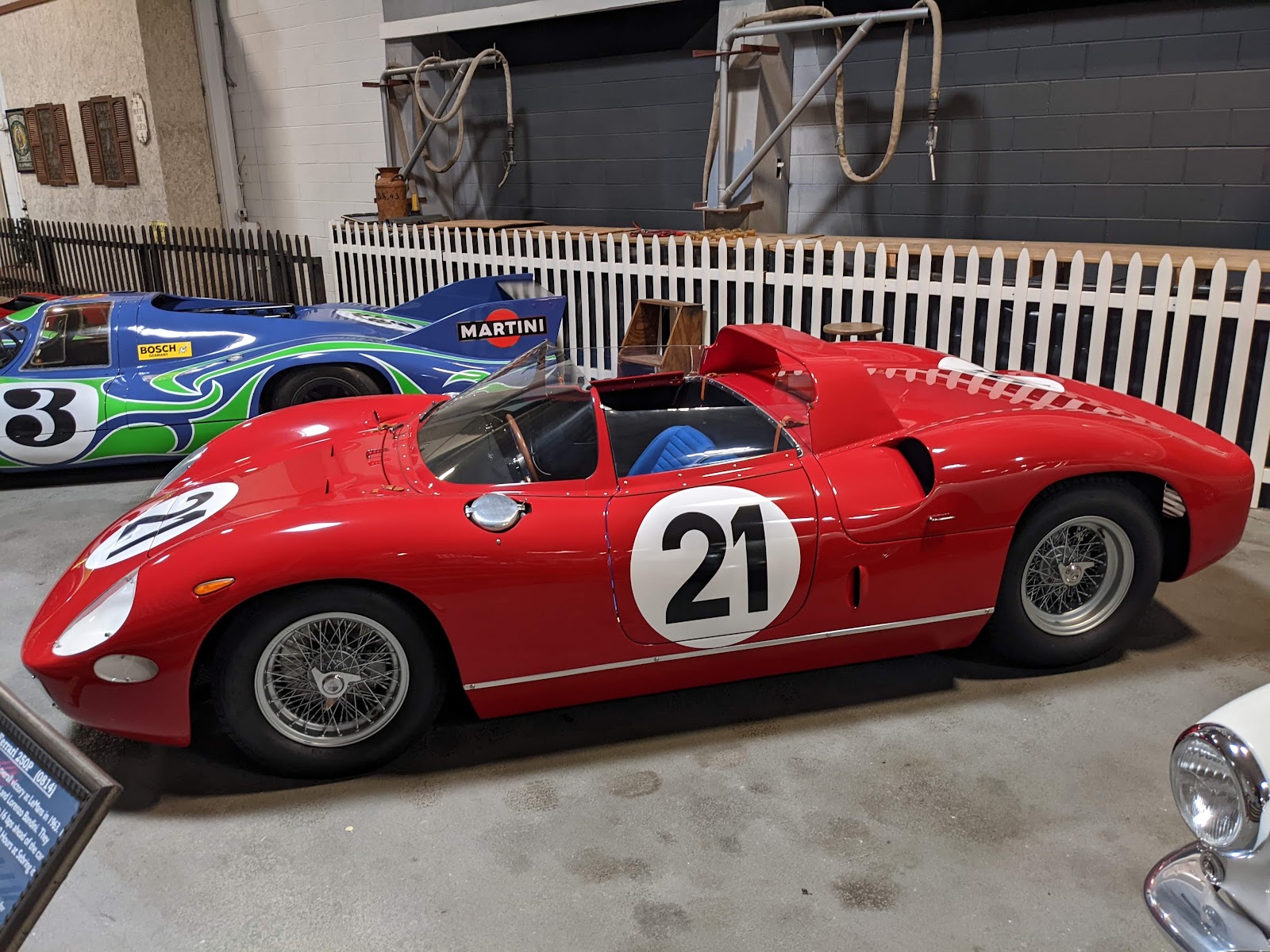
That layout is the practical asset and the collection is the photographic one — and a collection of vehicles is a genuinely unusual environment to work in, because of one property nothing else in this series shares. Polished paintwork and chrome are mirrors. Not partly reflective like stone or glossy paint, but properly specular: they return an image of whatever is around them, which means every light, every window, every pale wall and every photographer appears in them. Almost everything that is different about photographing here follows from that.
This is a walk through the building, because a collection is arranged as a route rather than as rooms. We have not photographed a wedding at the Simeone; vehicle collections behave consistently. Which areas a booking includes, how close guests may stand to exhibits, whether anything may be touched or leaned on, and whether the house lighting is adjustable are the questions for their team — the second and third matter more here than at almost any venue, because the exhibits are both valuable and fragile in ways a building is not.
The Simeone Museum at a glance
| Where | Philadelphia, Pennsylvania |
| Character | A vehicle collection museum with a layout built for event flow |
| The governing fact | Polished paint and chrome are mirrors, not surfaces |
| The consequence | Every light, window and photographer appears in the exhibits |
| Ask first | Areas included, proximity rules, what may be touched, lighting control |
Into the collection: working with mirrors
The first thing to understand about a specular surface is that it does not have a brightness of its own — it shows whatever it is pointed at. A black car in a dark hall photographs as a shape with highlights; the same car under a bank of lights photographs as a set of bright bars on a dark ground. Changing the exposure does not change that; changing what is around the car does.
The practical consequence is that a photographer’s position relative to a vehicle is not a compositional choice but a technical one. Standing so that a window, a light or a pale wall is behind the camera puts that object into the paintwork; moving two metres to one side removes it. The way to work is to look at the surface rather than through the viewfinder first, find where the reflection is clean, and put the camera there.
Your own lights obey the same rule and it is stricter. A softbox aimed anywhere near a polished panel appears in it as a bright rectangle, which is either a deliberate highlight that describes the shape of the bodywork or an obvious intrusion. On a vehicle those are the only two options, and the difference is entirely where the source is placed relative to the curve.
The useful technique is to light the people and let the cars take care of themselves. One source, off the camera axis at face height, angled so that its reflection falls on a part of the bodywork away from the frame’s centre of interest, keeps the faces consistent without putting a rectangle in the middle of a bonnet. It is fiddlier than lighting in an ordinary room and it becomes quick once the habit of checking the panel is established.
Chrome is the extreme case and it is unforgiving: a chromed bumper or grille will show the whole room compressed into a curve, including the photographer. That is sometimes the best frame available — a couple reflected in a curve of chrome is genuinely distinctive and nothing else produces it — and it is never an accident worth keeping.
Colour is the second condition. Vehicle paint is frequently saturated, and a large expanse of strong colour close to a face throws that colour onto skin in the same way a coloured wall does. Because the cast is localised, global white balance cannot separate it — so a custom white balance set on a face in position, or one gelled source owning the faces, is the answer.
And the third condition is that an exhibit hall is usually dark with dark surfaces and a high ceiling, which removes bounce entirely and gives steep fall-off. The fall-off is free separation; the darkness means every source has to be direct and modified, with enough power for the real distance.
The vehicles as subjects, and the flow
Vehicles behave as content rather than as background, because mechanical detail and scale take the eye the way a face does. So each frame needs a decision: commit, placing the couple in relation to a car so both read as subjects; or exclude, going long and tight so the collection becomes tone behind them. Half-in — a car partly cropped, partly sharp — fails every time, and in a hall full of them the temptation to let one drift into the edge of a frame is constant.
Committing works best when the relationship is deliberate. A couple standing beside a single vehicle, framed so that the car’s line leads towards them, reads as a photograph about both; a couple standing in front of a row of six reads as a photograph about a car park. Fewer is better, and choosing the two or three vehicles that will be used is worth doing on arrival rather than in the moment.
Low angles suit vehicles for the same reason they suit architecture: dropping close to the floor exaggerates a car’s height and mass, puts the bodywork’s curve against the ceiling structure, and makes the couple read as scale. It also brings the floor into play, and a polished or sealed hall floor is itself partly reflective, which can double a vehicle and a couple together.
The layout designed for flow is a genuine advantage and worth exploiting rather than merely accepting. A building that moves guests deliberately means predictable circulation, fewer people wandering through frames, and a known point at which everybody is in one place — which is exactly when the group photograph should happen. Ask how the flow is designed and build the coverage onto it.
It also means the group photograph needs a decided position, because a hall full of exhibits has few places thirty people can stand without being against something valuable. That is a question for the venue rather than a judgement to make on the day.
Proximity rules deserve their own emphasis. At a collection of this kind, how close guests may stand, whether anything may be leaned on or touched, and whether a dress may brush a panel are real questions with real answers, and they are better established in advance than negotiated in front of guests. Assume nothing may be touched and plan accordingly.
The single most valuable request, as at any exhibit venue, is whether the house lighting can be dimmed or altered in the spaces a wedding uses. On specular surfaces that matters more than usual: fewer, better-placed lights produce cleaner reflections as well as better faces, so a hall with most lighting down and two areas lit is dramatically better than one lit throughout.
- Look at the panel before looking through the viewfinder
- Light the people and let the cars take care of themselves
- Commit to one or two vehicles; a row of six reads as a car park
- Get low: it exaggerates mass and makes the couple read as scale
- Assume nothing may be touched, and settle proximity rules in advance
Outside, and Philadelphia's year
A collection museum has little or no daylight, which means everything that needs to be flattering happens either in whatever glazed public space exists or outdoors. Establish on arrival whether there is any window or glazed entrance; if there is, it is the best light in the building by a wide margin and worth using for preparation and portraits.
Otherwise the portrait coverage belongs outside, and Philadelphia makes that efficient. Center City is a strict grid oriented close to the compass, which means the east-west streets take low sun straight down their length while the north-south ones do not — plannable from a map rather than discovered on foot, which matters when a portrait block has twenty minutes in it.
Red brick is the city’s material and the friendly one, bouncing warm and flattering skin where pale stone and modern glass bounce cool and can grey a face. Brick shows its texture only when light runs along it, so the position worth finding is always where the light is raking. White marble rowhouse steps act as low reflectors, filling the shadow overhead sun creates.
Alleys and service sides are the most dependable positions in any district, giving directional light from walls on both sides, a contained background and shelter — and at an industrial-feeling venue they are a coherent extension of the interior rather than a change of subject.
Philadelphia’s four seasons change the outdoor half. Summer is humid with afternoon thunderstorms common rather than rare, which for an enclosed hall is almost entirely an advantage — the day continues without a decision — and the light after a cell passes, with wet paving returning reflections, is frequently the best of the day.
Autumn gives the clearest air and the best street light of the year. Winter days are short, with sunset in the middle of the afternoon in December, which puts the outdoor block early or nowhere — and at a venue with no daylight of its own, that means the interior carries more of the gallery in December than in June.
Snow is the compensation outdoors and it is the best natural fill there is, while fooling a meter by about two stops.
One equipment note that matters more here than elsewhere: a cold camera carried into a warm exhibit hall fogs comprehensively, and a fogged lens in front of specular paintwork produces flare and haze that is worse than in an ordinary room, because every highlight blooms. Let kit come towards the temperature of where it is going before it gets there, and give it longer than feels necessary.
More frames from The Simeone Museum
The Simeone Museum wedding photography: common questions
What is the governing fact here?
Polished paint and chrome are mirrors. They show whatever is around them, so every light, window, pale wall and photographer appears in the exhibits.
How does that change how you work?
Position becomes technical rather than compositional. Look at the panel first, find where the reflection is clean, and put the camera there — moving two metres removes an intrusion.
Where should your own light go?
Angled so its reflection falls on bodywork away from the frame’s centre of interest. Light the people and let the cars take care of themselves; a softbox near a panel appears as a bright rectangle.
How many vehicles should be in a frame?
One or two. A couple beside a single car with its line leading towards them is a photograph about both; a couple in front of a row of six is a photograph about a car park.
Why get low?
It exaggerates a car’s height and mass, puts the bodywork’s curve against the ceiling structure, and makes the couple read as scale — and a sealed floor can double both.
What has to be settled in advance?
Proximity rules — how close guests may stand, whether anything may be touched or leaned on, whether a dress may brush a panel. Assume nothing may be touched and plan from there.
More Pennsylvania venue guides
We are writing a photographer’s guide to every venue we would happily shoot in Pennsylvania. Here are three more, plus the full index:
- The Union League of Philadelphia: Photographing a Historic Private Club
- The Warwick Hotel, Philadelphia: Field Notes on an All-In-One Venue
- The Academy of Natural Sciences, Philadelphia: How the Light Moves
Planning a wedding at The Simeone Museum?
Settle the proximity rules, then work the reflections. Tell us your date.