Cape Cod is a glacial peninsula — terminal moraine and outwash left by the last ice sheet, with sand and kettle ponds instead of bedrock — and its venues share a material and a set of conditions that are specific to this coast. The material is shingle.
A seaside hotel or house of the late nineteenth or early twentieth century here is clad in cedar shingle, which weathers to a soft silver-grey with a great deal of small-scale variation in it, and that variation is the whole photographic point: raked almost horizontally by a low sun, every shingle edge throws its own shadow and a facade reads as a textured surface, while in flat light or in shade the same facade is a flat grey plane.
So shingle is a raking-light material, more than brick and more than stone, and establishing which elevation faces which way — and therefore whether the good light on it is morning or evening — is the most useful thing to know about any building on this coast. White trim picks out warm against the grey, and the long low horizontal lines of a shingle-style building are its other strength: when texture is unavailable, photograph its shape and the rhythm of its openings rather than its surface.
Deep verandahs are the second shared asset and they are the best portrait light available at any hour on this coast, for reasons of geometry: a roofed verandah facing the water removes the overhead portion of the sky and leaves light arriving horizontally from a very large bright area — the sea and the sky in front — with the boards bouncing a little back up underneath. Soft, directional, filled from below, and available in any weather.
Work about a metre inside the line of the posts with the subject facing out, and step the positions out rather than estimating, because falloff from a verandah edge is roughly a stop per step. Photograph along a verandah as well as across it, because a long run of posts and rail gives a receding rhythm with a built-in vanishing point. The third is the tide. Cape Cod's ranges are moderate rather than extreme, but the ground shelves very gently in many places, which means low water uncovers a broad plain of rippled wet sand that simply is not there at high tide.
Flat wet sand is a mirror and it is the best photographic surface on this coast — a couple reflected in it with a low sun behind them, camera at ground level, is the frame these shores exist for. From standing height it is only a shiny grey sheet; from twenty centimetres it doubles everything above it, so lie down. And the ripples are a second gift, because low raking light across them picks out every ridge so the surface becomes a field of fine parallel texture, different with every tide. Check the published table for the date and plan any beach session around low water rather than the clock.
Three regional conditions shape a wedding here. Fog is the first and the most underestimated. The water off this coast stays cold well into summer, and warm air moving over it produces sea fog with great frequency — most often in late spring and early summer, often arriving with little warning and sometimes persisting for days. For a photographer it is an asset: fog is a diffuser the size of the sky, giving no shadows, a collapsed contrast range, saturated colour and skin that needs almost no work, and a low shingle building with white trim emerging from luminous white is a superb subject.
Two technical notes — fog frames come back flat and need contrast added rather than removed, so expose slightly to the right and build it afterwards; and fog is bright, so a meter will underexpose it, meaning half a stop to a stop of compensation and a look at the histogram. What fog costs is the view, and at a venue whose appeal is an ocean horizon that has to be said honestly: a foggy day removes the sea, and it is common enough in June to be worth mentioning. The second condition is that the surrounding water moderates and delays the seasons at both ends.
Spring is cool and late here, so leaf-out and flowering run behind the mainland and an early-May date may find the garden not yet arrived; autumn is warm and long, with the first frost considerably later than inland and colour arriving in late October rather than early, so a late-October date will probably be milder and more colourful than expected. The signature summer flower is the mophead hydrangea, which the sandy acidic soil turns a strong blue, flowering through July and August in quantity — and a bank of blue hydrangea against silver-grey shingle is the Cape Cod frame, available for about six weeks.
Beach grass on the dunes is the other planting worth using: tall, fine and translucent, backlighting into a glowing screen at a low sun angle, and usually protected as dune stabilisation, so photograph it and do not walk into it. Beach roses flower along the edges through early summer, with bayberry and scrub oak behind. The third condition is that this is a hurricane coast, and it needs stating plainly.
The season runs June through November and peaks in late August and September, and the outer Cape is genuinely exposed — a tropical system tracking up this coast brings sustained wind, surge and rain, and a named storm offshore a week out disrupts travel, accommodation and suppliers whether or not it makes landfall nearby. The Cape also has one road on and off it for practical purposes, which turns a travel disruption into a real problem, so a late-August or September date deserves a genuine contingency and a conversation about insurance.
In the colder months the equivalent hazard is the nor'easter, which brings wind and heavy wet snow to this coast. Two practical notes follow from being on an exposed shore: salt air is corrosive and a breezy day puts a fine saline mist on lenses, bodies and contacts, so wipe everything down the same evening rather than the next week and change lenses with your back to the wind, low down, or not at all, because sand in a zoom barrel is a repair rather than a clean.
And a sea breeze builds on most warm afternoons, which makes a veil on a beach a two-person job and a lightstand a hazard, with the lee side of any building as the calm ground. Season by season, at about forty-one and three-quarter degrees north civil twilight runs roughly thirty-one minutes in midsummer with a usable balance point of thirteen to sixteen — among the longer dusks in this library. The midsummer noon sun reaches about seventy-two degrees, low enough that even a clear midday has direction in it, and the midwinter noon sun sits near twenty-five degrees and rakes shingle from late morning to mid-afternoon.
July and August are the season: warm rather than hot, the hydrangeas out, long evenings with sunset after eight in late June, and the fog risk easing as summer goes on — and they are also the busiest and most expensive weeks on the Cape by a wide margin, with beaches that are not private.
Late September into mid-October is the strongest window and the one to recommend: the crowds go after the summer holidays, the air clears markedly, temperatures remain comfortable because the ocean is still warm, sunset lands around six so the balance point falls at a civil hour, and — importantly for a shingle building — a lower sun tracking further south keeps raking light on an east-facing elevation later into the morning and gives the whole day more direction.
Winter is long, cold and short-dayed, with the Cape genuinely quiet: the balance point falls before five, during cocktails and therefore a named timeline item, and any outdoor session is minutes rather than an hour on an exposed bluff. In exchange, the clearest air of the year, an empty beach, a low sun raking shingle all afternoon, and interiors entirely unaffected by the season — with a January date dramatically easier and cheaper to book.
And the compensation in any season is the half hour after a storm or shower clears, which on this coast is the best light of the year: washed air so the horizon and the offshore bars resolve, wet sand at its most mirror-like regardless of the tide, shingle and white trim several tones darker and far more saturated, and a low sun under a broken ceiling onto the building. Wet shingle is a considerably better material than dry shingle.
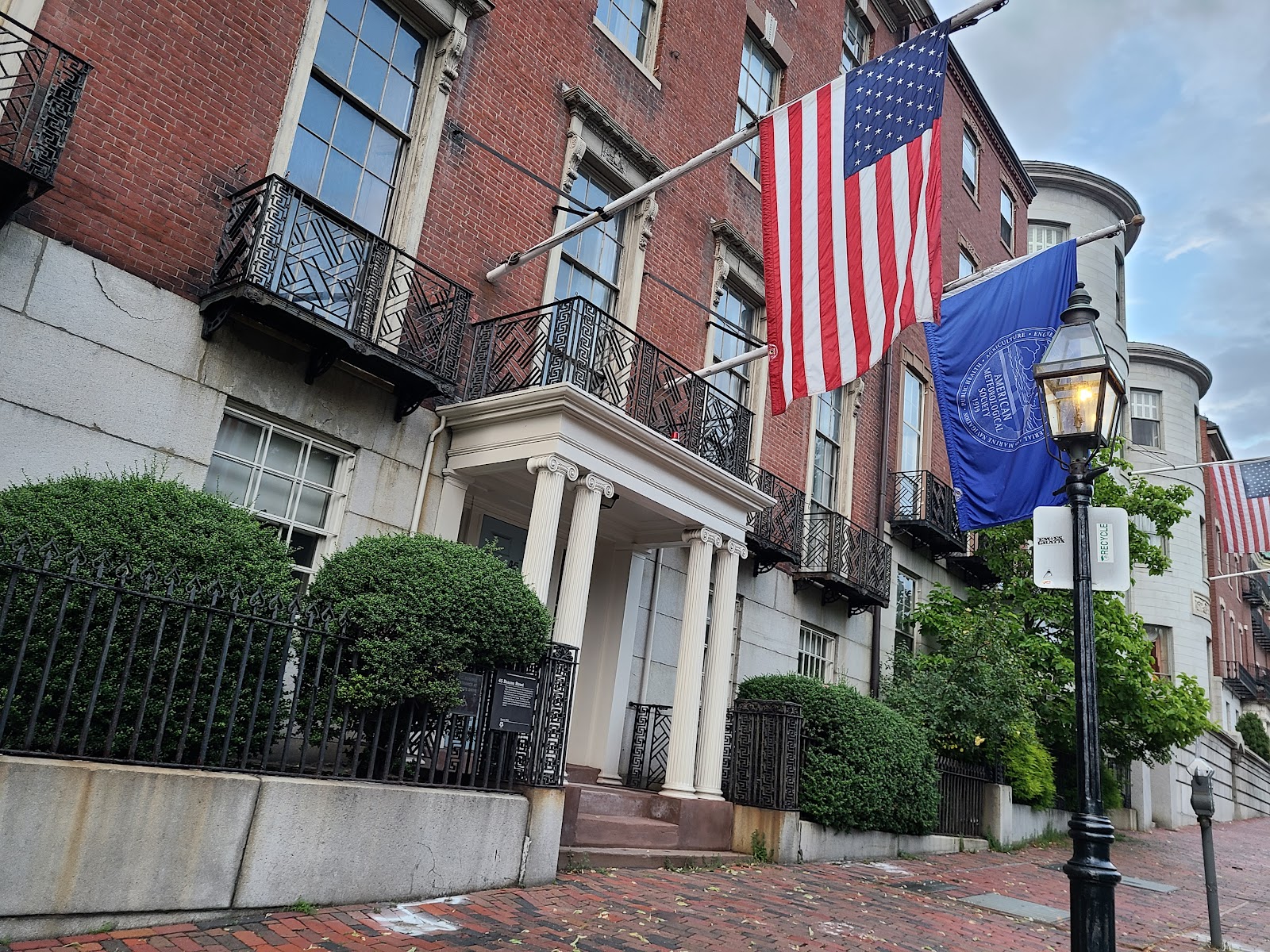
The Somerset Club on Beacon Street: Is It Right for You?
One of the oldest private clubs in America, in a granite bowfront townhouse at 42 Beacon Street overlooking Boston Common. Discreet, domestic and deeply traditional.
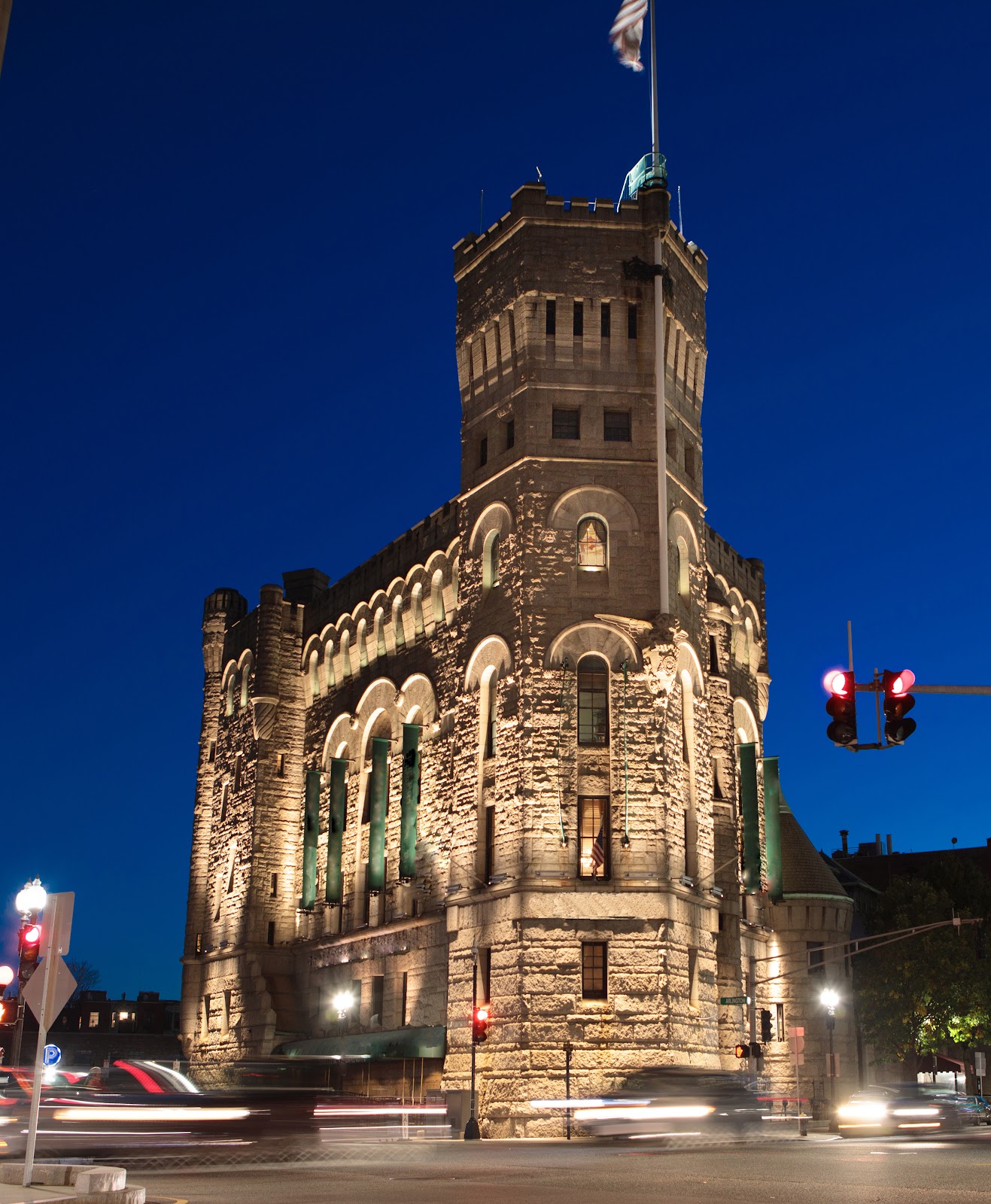
The Castle at Park Plaza: Lighting a Brick Armory
The former First Corps of Cadets Armory of 1897 in Park Square, a brick and timber hall with a turreted exterior. A big, dark, warm-toned room.
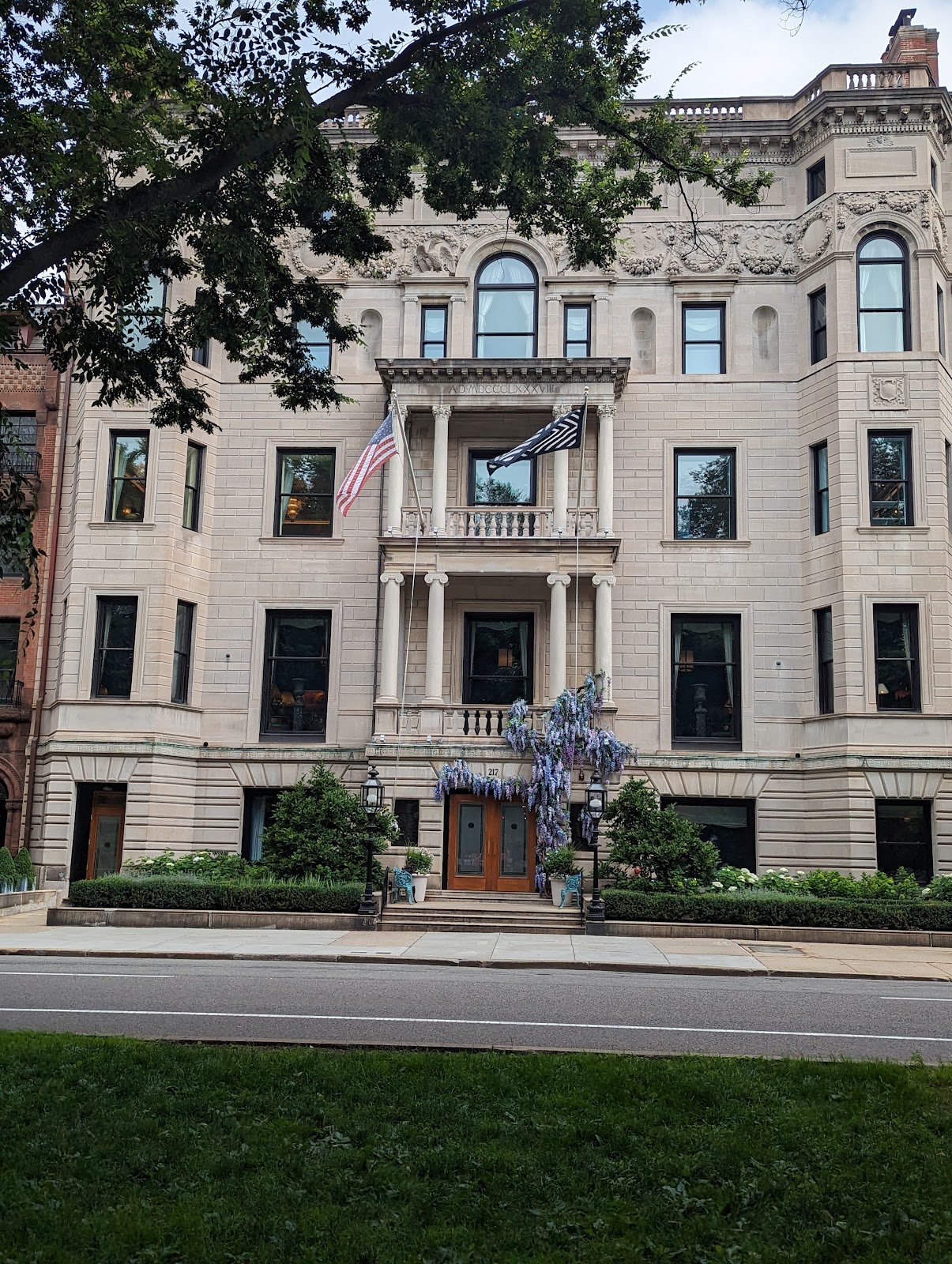
The Algonquin Club on Commonwealth Avenue: Questions Answered
An 1888 McKim, Mead & White clubhouse on Commonwealth Avenue, with a grand staircase, high-ceilinged reception rooms and the avenue's tree-lined mall at the door.
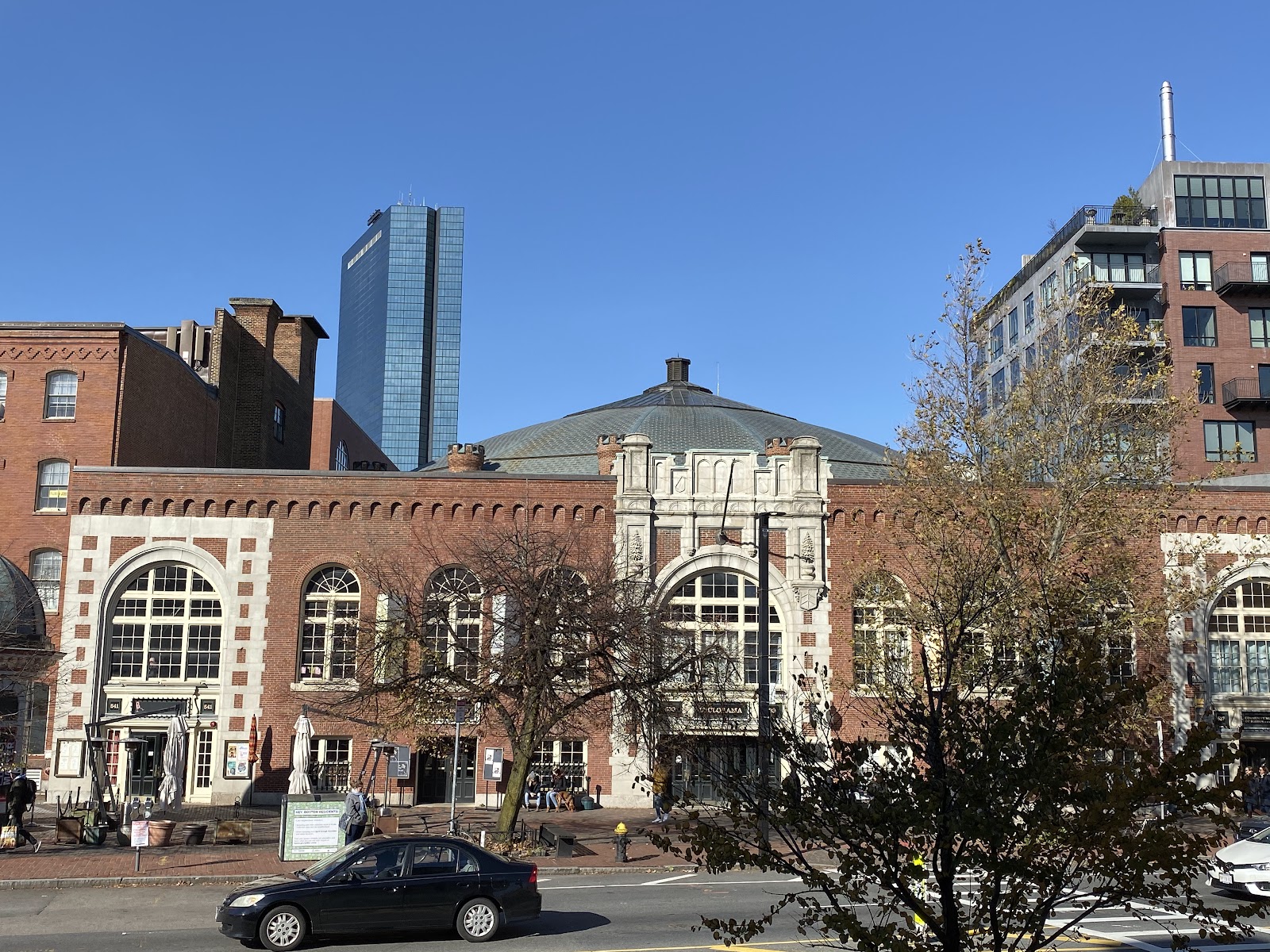
The Cyclorama: Field Notes on a Domed Room
Built in 1884 to house a cyclorama painting of the Battle of Gettysburg, now a vast domed event room in Boston's South End with a central oculus.
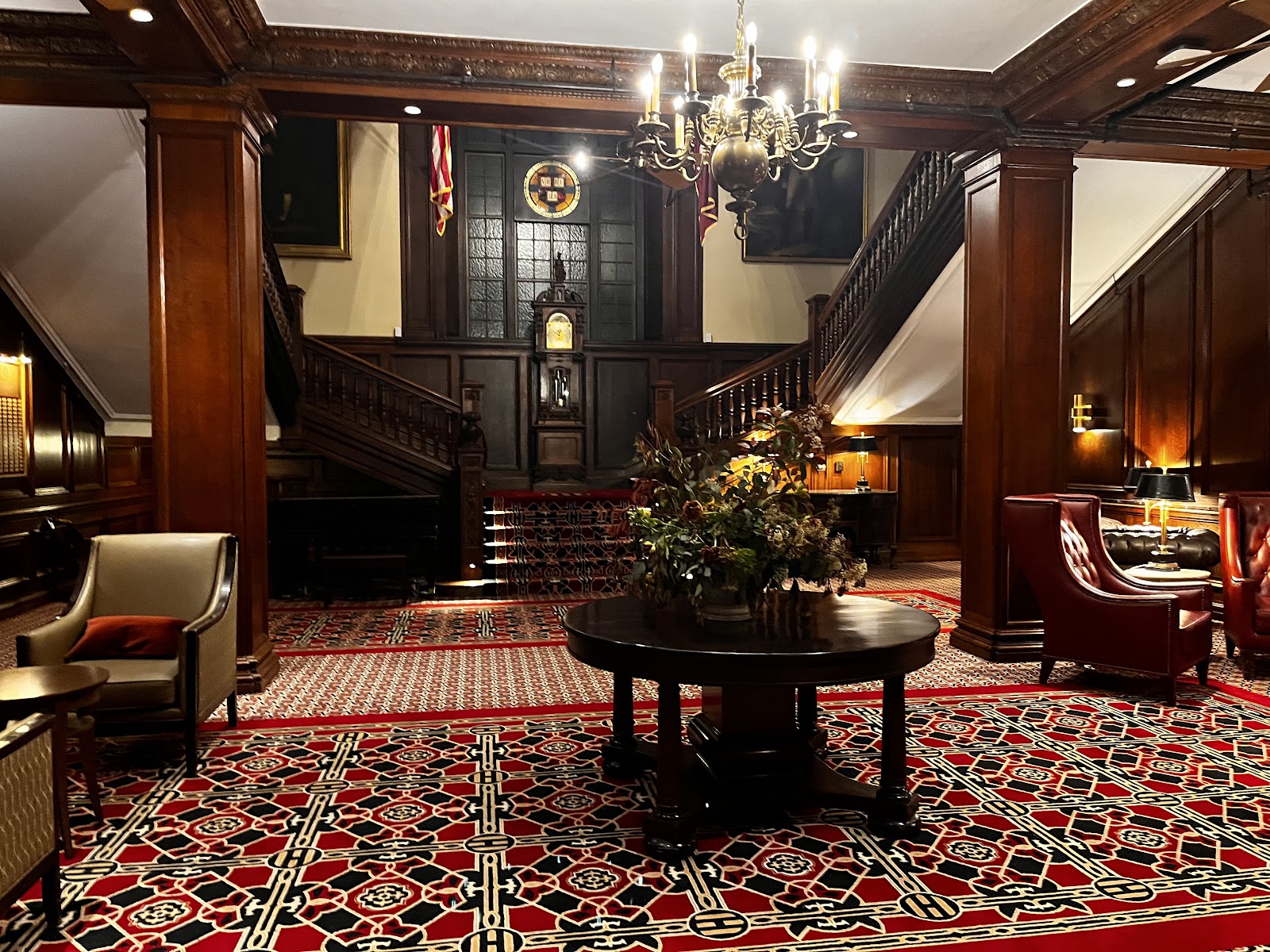
The Harvard Club of Boston: A Season-by-Season Guide
A private club in Back Bay with panelled function rooms, oil portraits and traditional finishes. An indoor venue whose photographs still change completely with the season.
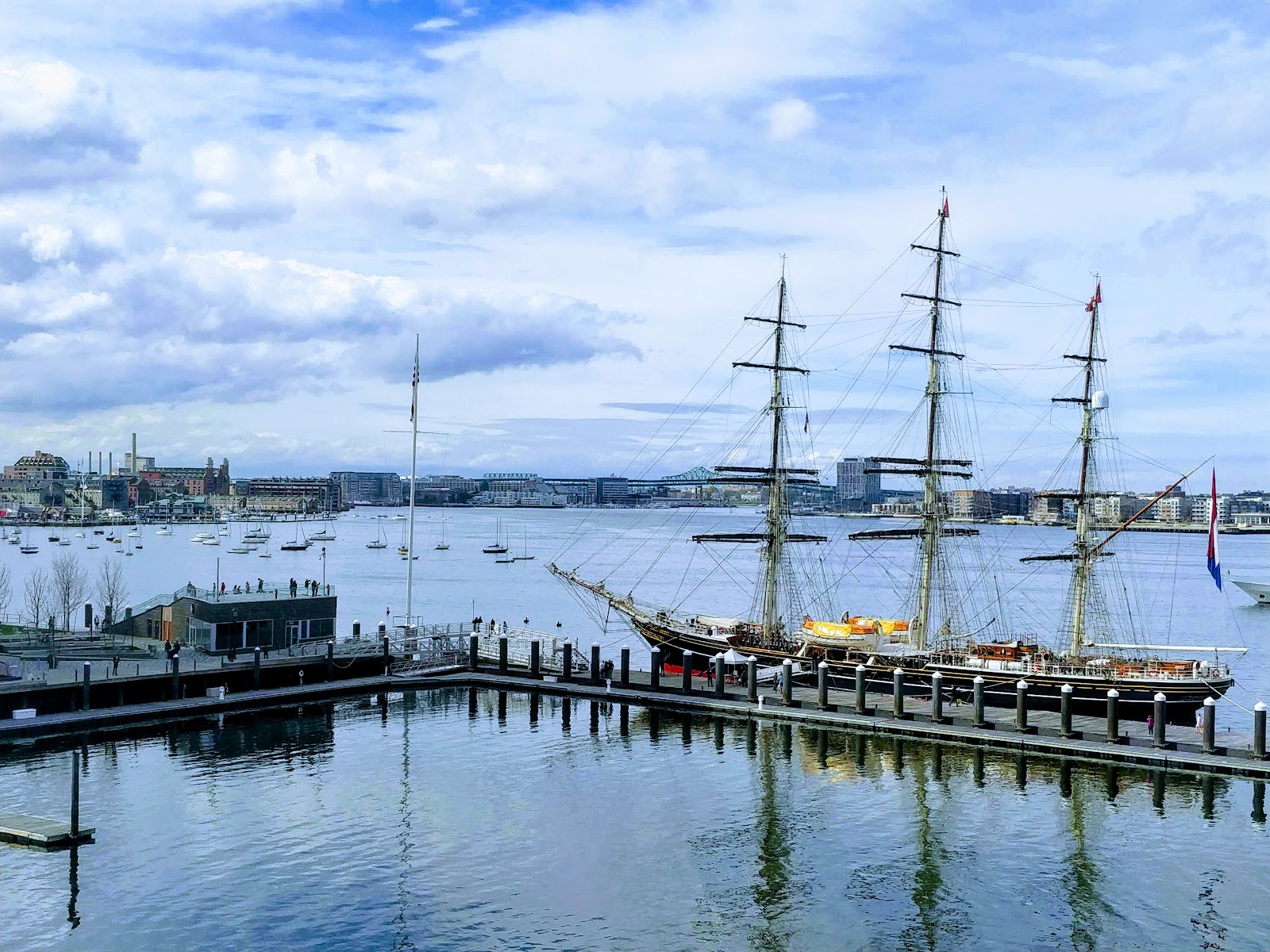
The ICA Boston: Harbour Light and How to Time It
A 2006 Diller Scofidio + Renfro building on the Seaport waterfront, cantilevered over the harbour with full-height glass and a grandstand facing the water.
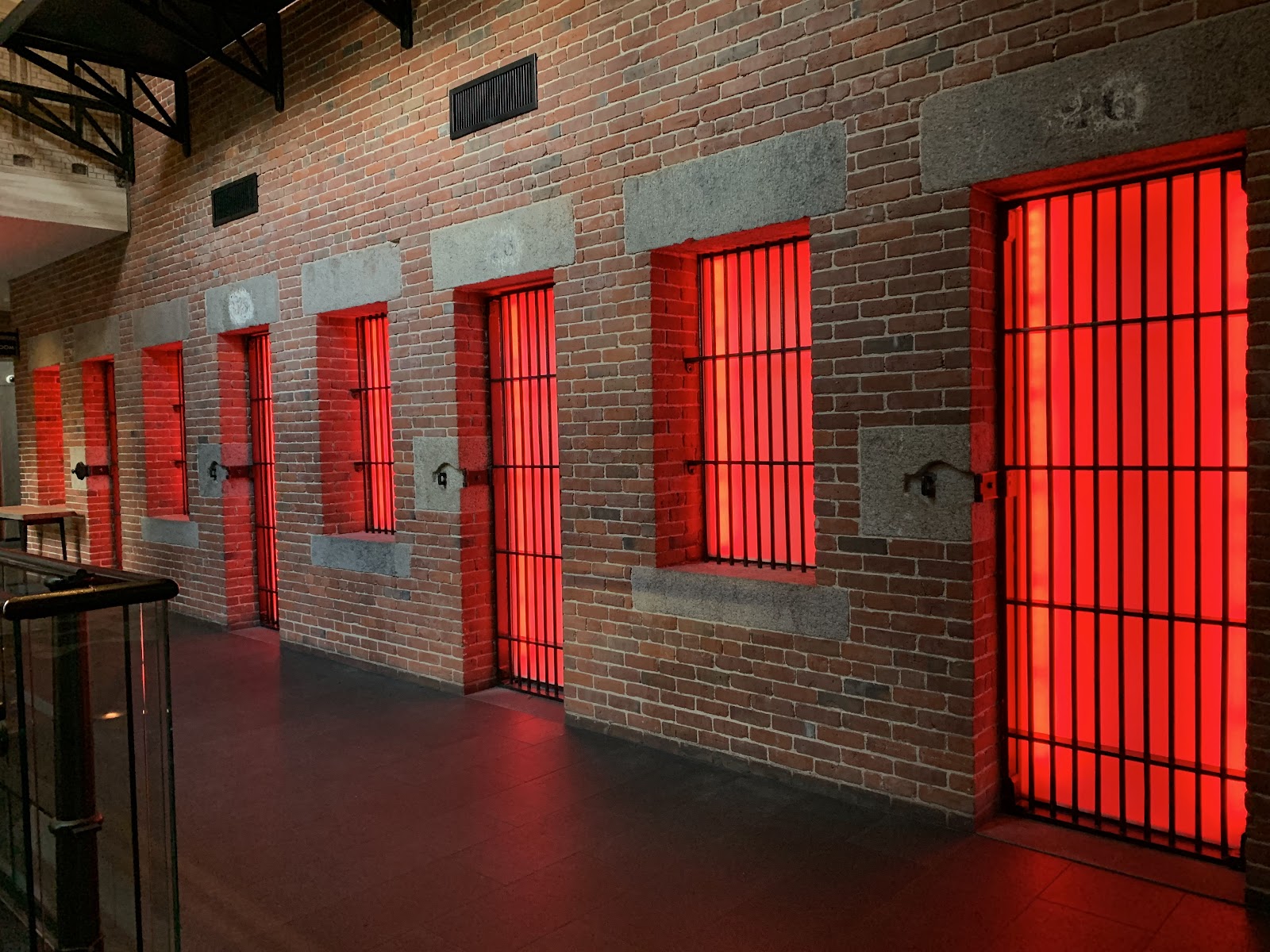
The Liberty Hotel: Who This Venue Suits
The former Charles Street Jail, built 1851 and converted in 2007, with a ninety-foot granite atrium and catwalks. Dramatic, hard-edged and not for everyone.
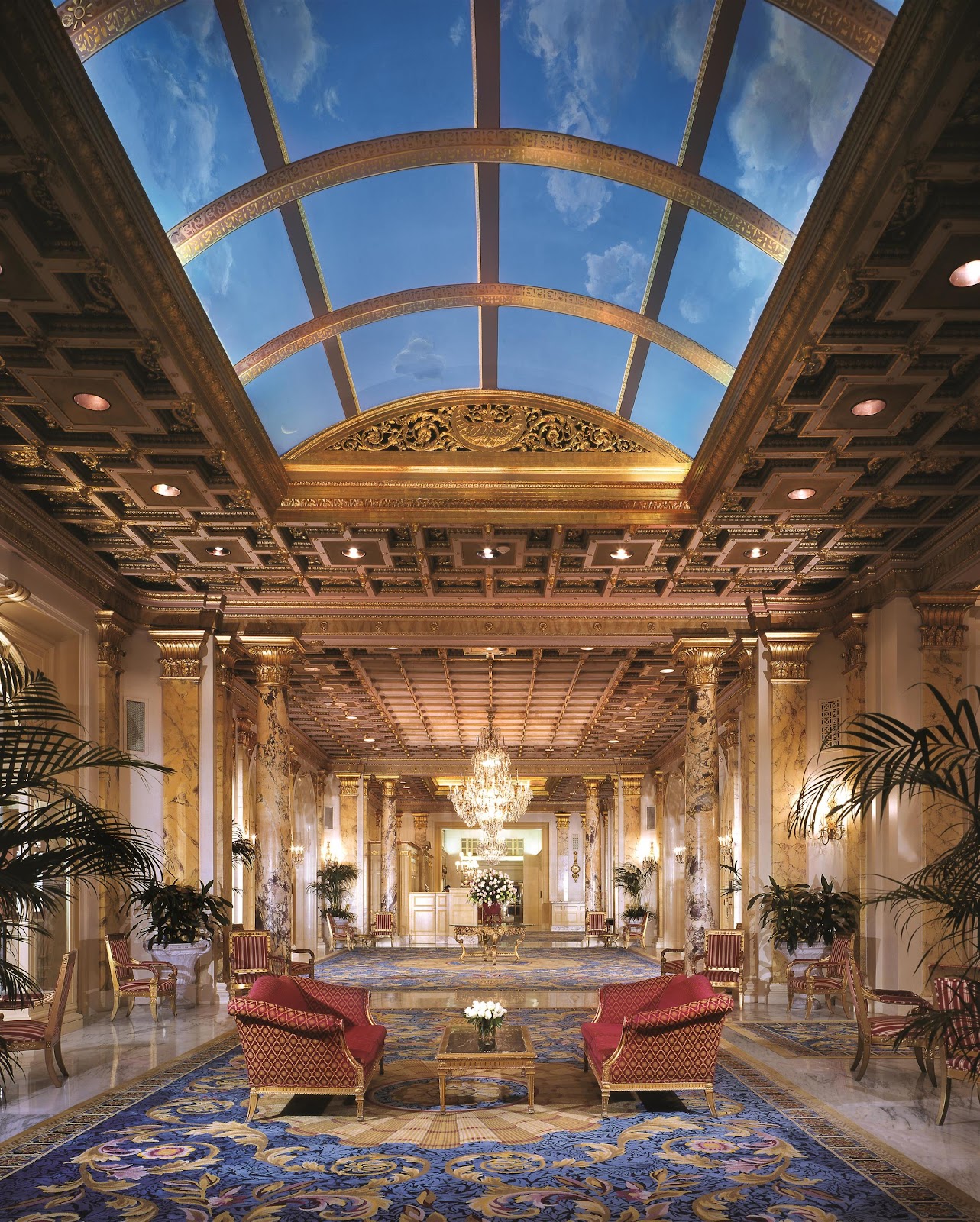
Fairmont Copley Plaza: The Technical Side of a Grand Ballroom
Opened 1912 on Copley Square, a Henry Janeway Hardenbergh grand hotel with gilded ballrooms, a trompe-l'oeil lobby ceiling and no daylight where it counts.
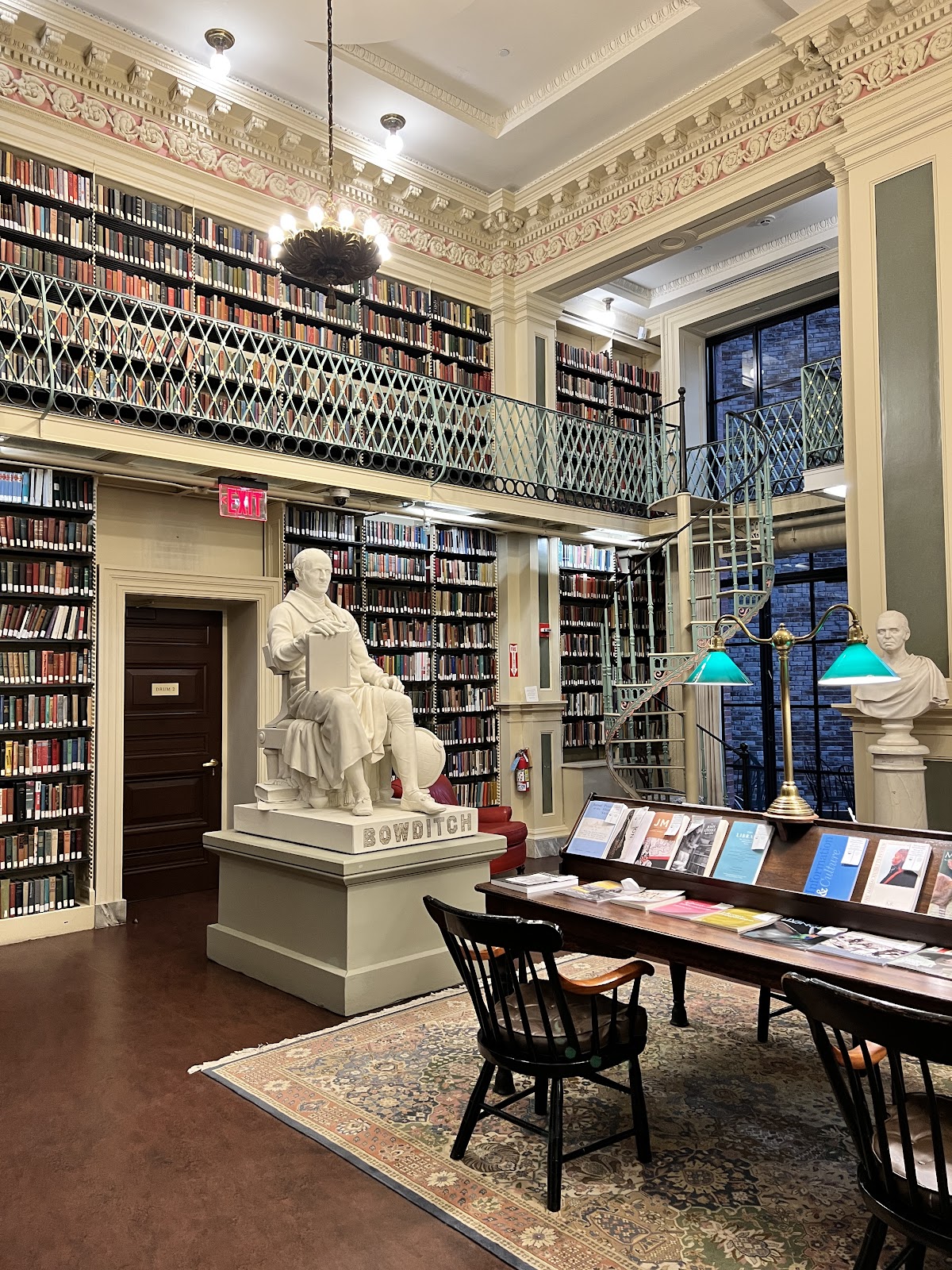
The Boston Athenaeum: Planning the Shot List
Founded in 1807, one of the oldest independent libraries in the United States, in an 1849 building on Beacon Street beside the State House. Books, busts and balconies.
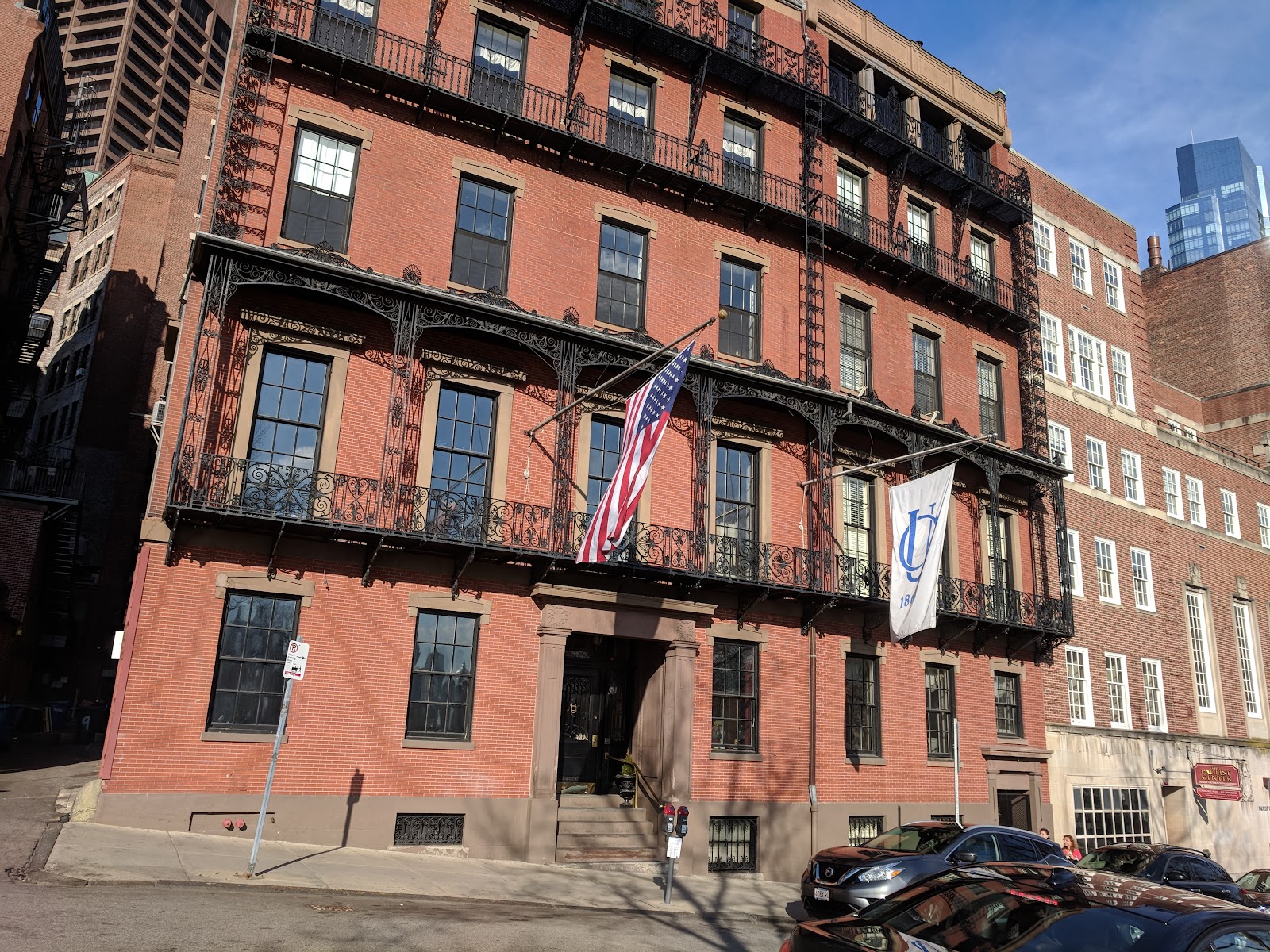
The Union Club of Boston: A Walk-Through for Photographs
A private club since 1863 in two joined Beacon Hill townhouses on Park Street, looking across to Boston Common. Domestic scale, period rooms, tall windows.