Maryland is a small state with an unusual amount of variety in it, and most of the variety comes from water. The Chesapeake divides it almost in two, the Potomac forms its southern edge, and the Patapsco, the Severn, the Patuxent and a dozen other rivers cut down toward the Bay from a rolling piedmont. The practical consequence for a photographer is that a great many Maryland venues sit in river valleys, and a river valley behaves differently from open country in two ways that both matter and that both catch people out. The first is the evening.
A valley with wooded sides loses the sun before the horizon does: on the valley floor the effective sunset can be fifteen to twenty-five minutes earlier than a printed sunset time, and the last direct light leaves the low ground while the upper slopes are still lit. That is invisible until it happens, and a photographer working from a schedule will find the golden hour finished early and will have spent it walking. Go and look at the western skyline from the position you intend to use, judge the height of the trees and the slope above the horizon, and bring the whole evening forward.
The compensation is genuinely good: because the upper slopes stay lit after the floor is in shade, the wooded valley sides glow warm above a shaded foreground for about a quarter of an hour, and a couple in cool shade with a gold hillside behind them is a light a flat site simply cannot produce. The second valley effect is cold-air drainage. On a still clear night, cold air is heavier and flows downhill, pooling on the valley floor — so the low ground runs colder than the slopes and, in the right conditions, holds mist along the river at dawn.
River mist in a wooded Maryland valley at first light is the best photograph these settings offer, and it happens most reliably in autumn, after a mild day and a clear still night. It takes a very early start and in October it is worth one.
The state's other recurring condition is its material, and it is a friendly one. Maryland builds in brick — colonial, federal, Victorian and industrial — and brick is the most forgiving surface a photographer can be given: warm, matte, finely textured, holding its colour in shade rather than going blue the way limestone does, and taking low raking light extremely well. Light it from the side rather than the front, because frontal light flattens the bond pattern while raking light makes every joint register, and older Maryland brickwork is full of irregularity worth registering. On an overcast day brick still reads warm when everything else has gone grey.
Where there is stone or industrial masonry instead — and the state has a real industrial history, with colonial ironworks and mill sites strung along its rivers — the same rule applies more strongly: masonry reads as material in low side light and as grey nothing under a frontal sun. Industrial remains need a further word of honesty. Where they survive they are usually fragmentary — earthworks, stone, changes in ground level, remnants in the woods — rather than picturesque ruins, and they should not be sold as the latter.
They work as texture and as fact rather than as locations for portraits, and nobody should be climbing on them, because unstabilised masonry and archaeological remains are both fragile and hazardous. The mid-Atlantic climate sets the year and it is a humid one. July dewpoints around seventy-two fill shadows by roughly two stops against a dry climate, which softens shadow edges and keeps detail in eye sockets so that open shade in the middle of a summer day is genuinely workable rather than hopeless — and in a wooded valley the effect is stronger still, because the trees add moisture and the air is stiller than on open ground.
The costs are a pale washed sky in wide frames, haze softening any distance, and a lens that fogs within seconds coming out of an air-conditioned interior into July air, which on a day moving repeatedly between cooled rooms and a humid garden is a recurring event rather than a one-off. Keep the camera warm rather than cool. Still humid air in a valley bottom also means mosquitoes near water at dusk in summer, which affects how long anybody is content to stand anywhere and photographs as discomfort.
At about thirty-nine degrees north, the state gives a midsummer noon sun near seventy-four and a half degrees, a midwinter noon sun near twenty-seven and a half, and civil twilight of about twenty-nine minutes in midsummer with a usable balance point of twelve to fifteen — minus whatever the valley takes.
Season by season, late September into early November is the strongest window: the humidity drops out so valleys and long views resolve, temperatures are comfortable in formal clothing, sunset around six still leaves a civil-hour dusk even after a valley's shadow, and the hardwoods turn through the whole range, with tulip poplar going yellow early and oak holding russet late, which extends the window at both ends.
Late April into May is the other good window, with dogwood and redbud in the understorey, mild air and saturated fresh green — but it is the wetter half of the year, and in a valley that means soft ground, so establish which paths are paved before routing a party across them.
Summer is workable with the middle of the day given to canopy and interiors, and the half hour after a thunderstorm clears is the best light of the year: washed air, wet brick and stone several tones darker and far more saturated than dry, wet paths reflecting the sky, planting at full colour, and a low sun coming under a broken ceiling onto a lit hillside. Two hazards need contingencies rather than alarm.
Remnants of tropical systems reach this part of the coast in September and October and bring sustained rain and wind rather than a passing shower, which in a river valley is a flooding consideration on low ground; nor'easters do the same in the colder months from the other direction. And the state's occasional winter ice events are travel problems for guests and suppliers rather than photographic ones.
Winter itself is short and quietly good at any historic Maryland property, because interiors do not depend on the season and one good window works in February exactly as in June: sunset before half past four, minus the valley, effectively ends the outdoor day in mid-afternoon, so plan the exterior work there and give the evening to the rooms. In exchange it brings the clearest air of the year, a low sun raking brick and masonry all afternoon, bare trees that reveal the shape of a valley and any earthworks in it, and — on a cold day with a river running — genuine mist on the water.
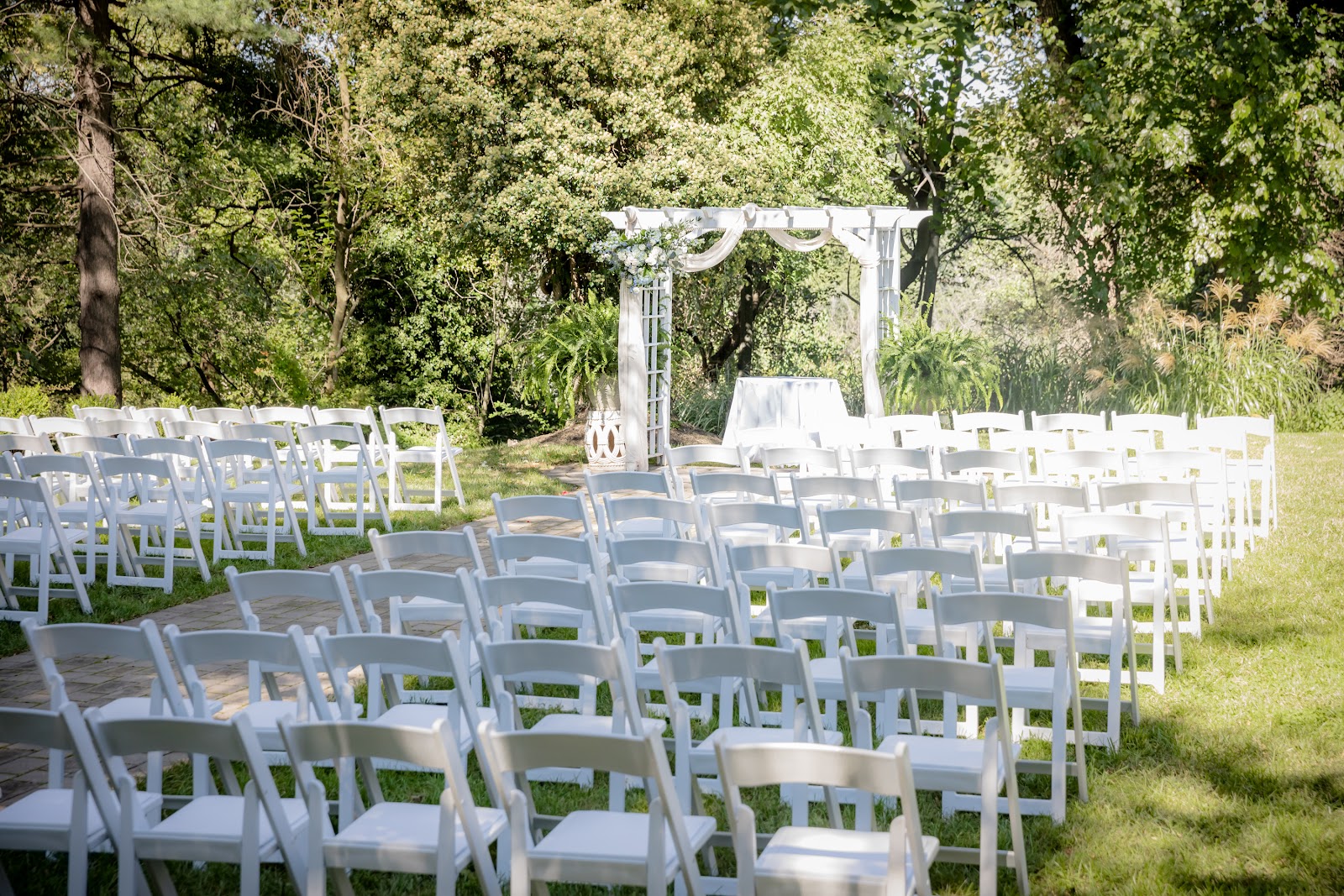
Overhills Mansion: Who This Venue Suits, and Who It Doesn’t
A late nineteenth-century mansion on wooded grounds in Catonsville, west of Baltimore, run as a dedicated wedding and event venue.
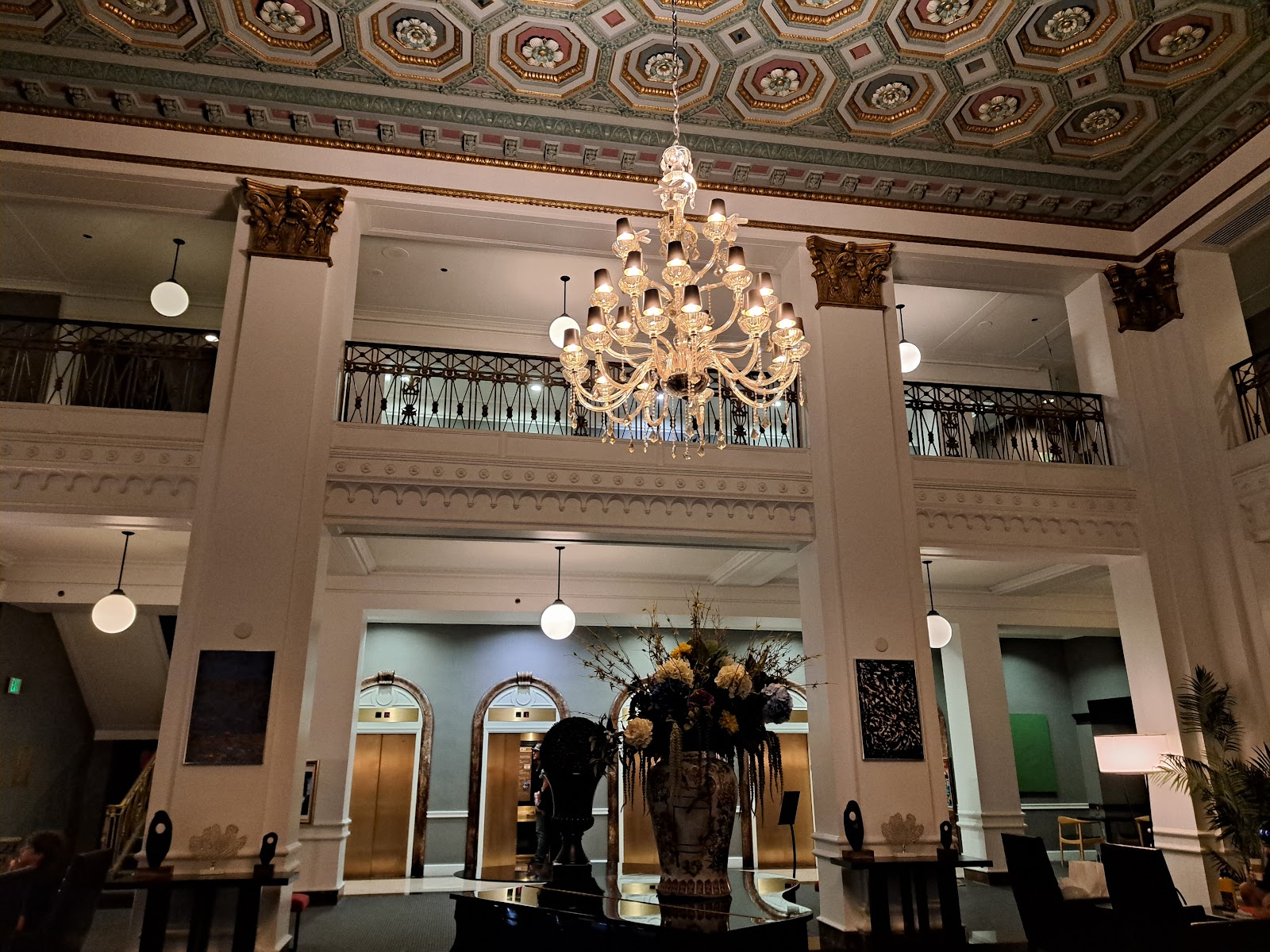
The Lord Baltimore Hotel: Lighting a 1928 Art Deco Ballroom
Opened 1928, a 22-storey Art Deco tower in downtown Baltimore, with a restored ballroom and period detailing throughout the public rooms.
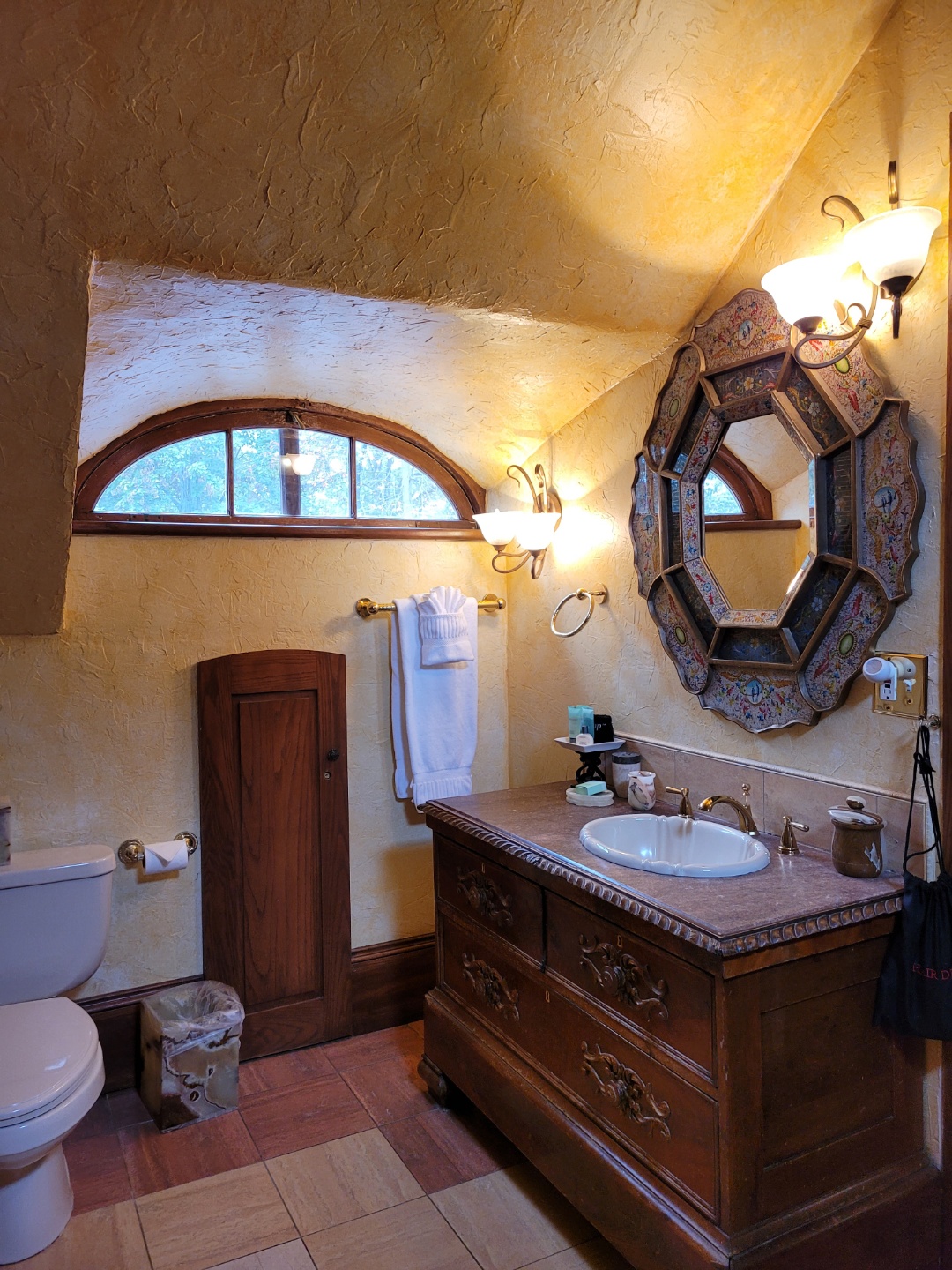
Gramercy Mansion: Field Notes on a Country Estate
A Tudor-style mansion on around 45 wooded acres in Stevenson, north-west of Baltimore, with gardens, a pool terrace and an organic farm.
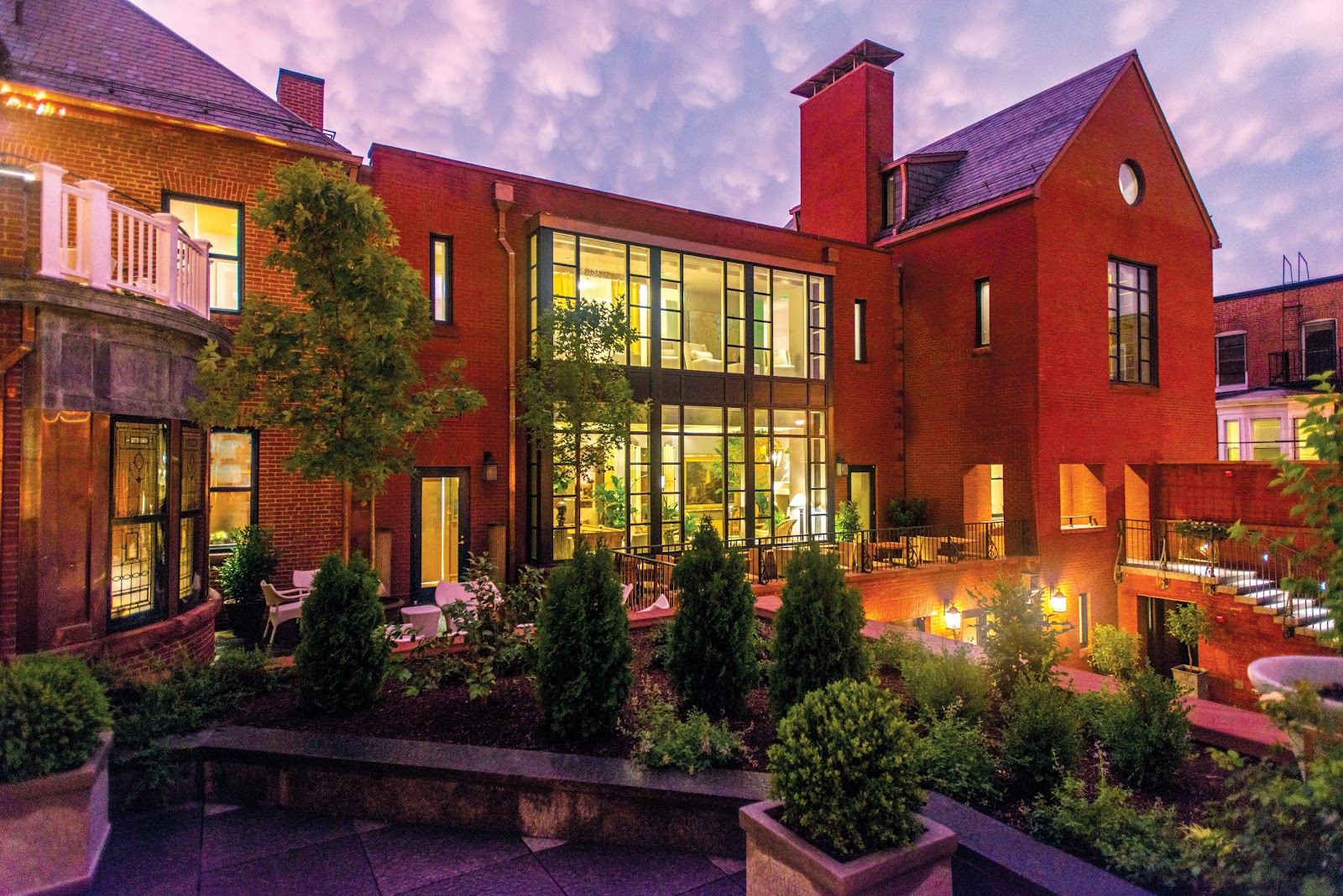
The Ivy Hotel: Reading the Light in a Small Mansion Hotel
An 1889 Mount Vernon mansion, now a small luxury hotel with a conservatory and walled courtyard garden. Intimate scale, real daylight, and a garden that rain cannot spoil.
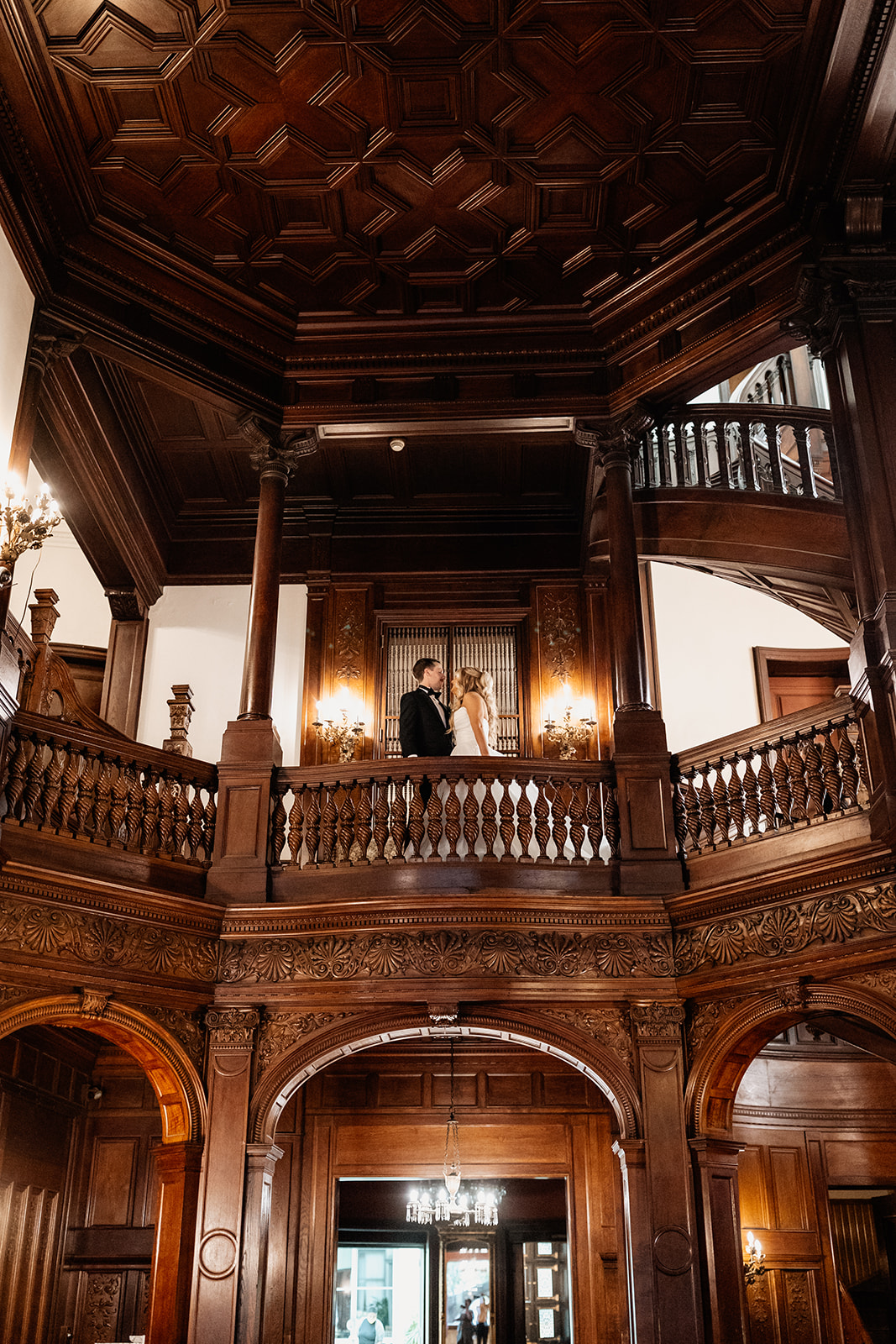
The Engineers Club: Building the Shot List at the Garrett Mansion
A private club occupying a historic mansion on Mount Vernon Place, with marble entrance hall, panelled rooms and a substantial staircase overlooking the square.
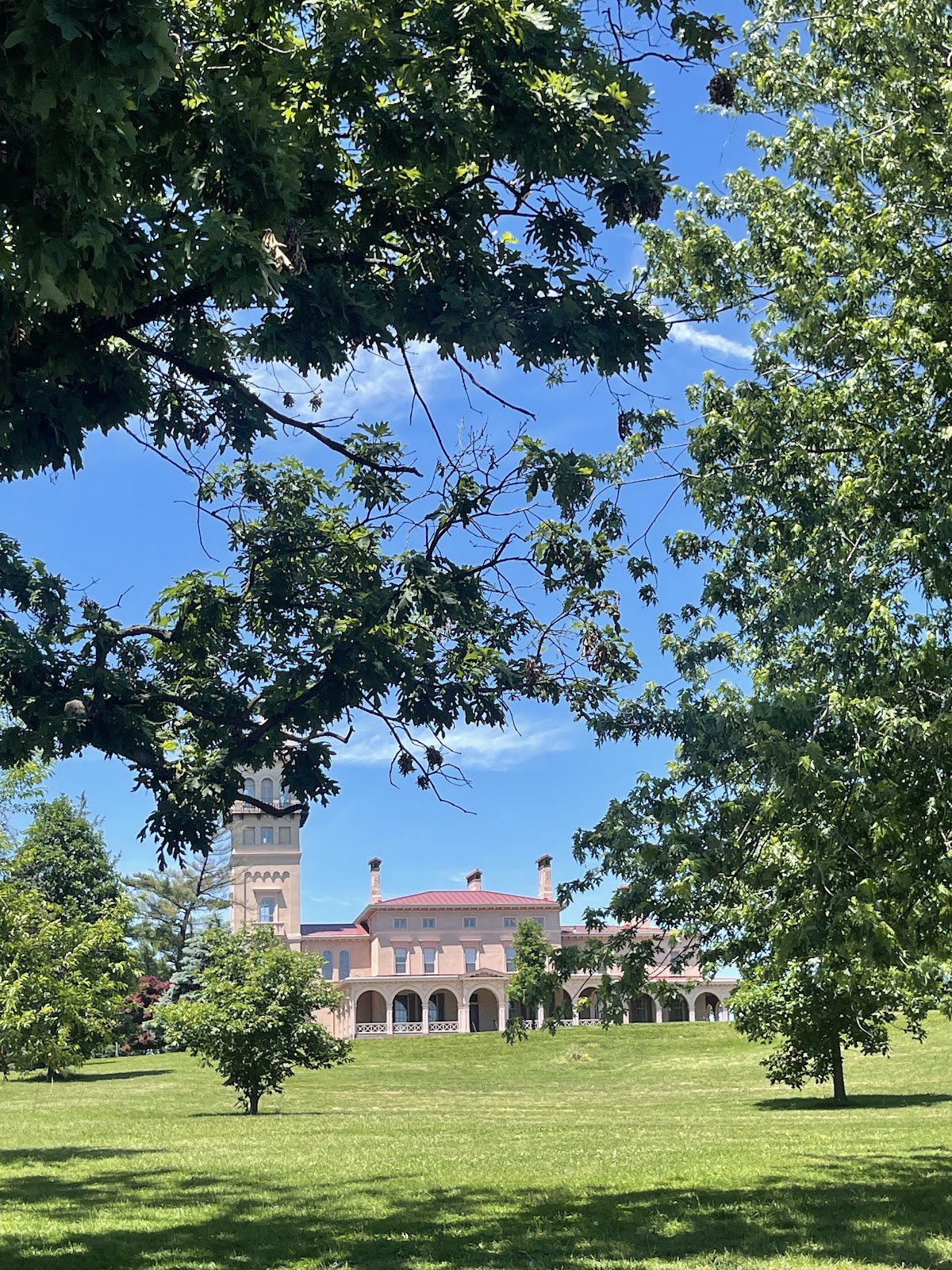
Clifton Mansion: A Photographer Answers the Real Questions
Johns Hopkins' summer villa, remodelled in the 1850s into an Italianate house with a tall campanile tower, set in Baltimore's Clifton Park.
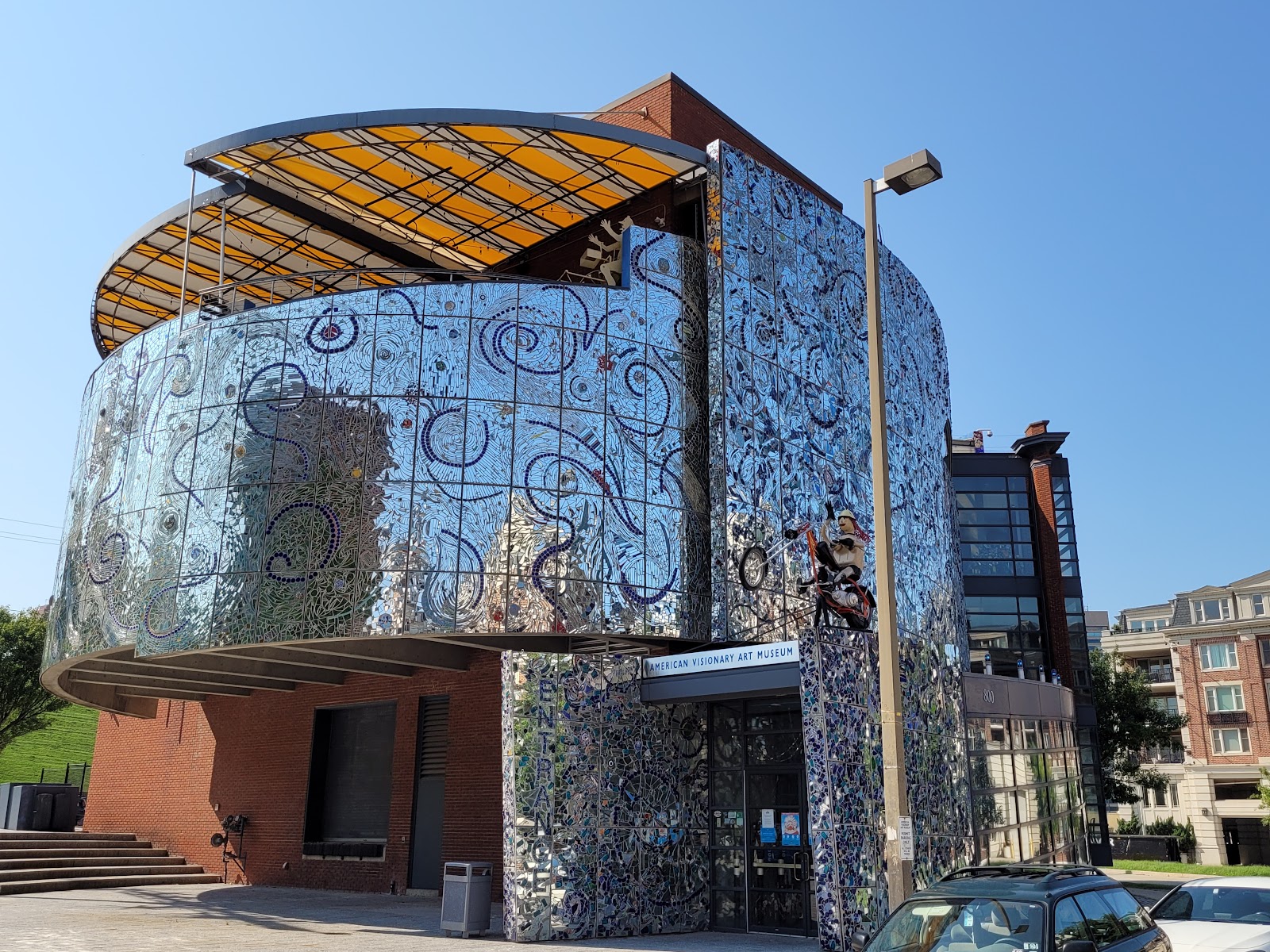
The American Visionary Art Museum: Who This Venue Suits
Founded 1995 at the foot of Federal Hill on the Inner Harbor, covered in mirror mosaic with a sculpture barn and giant whirligig. Joyful, chaotic and entirely un-neutral.
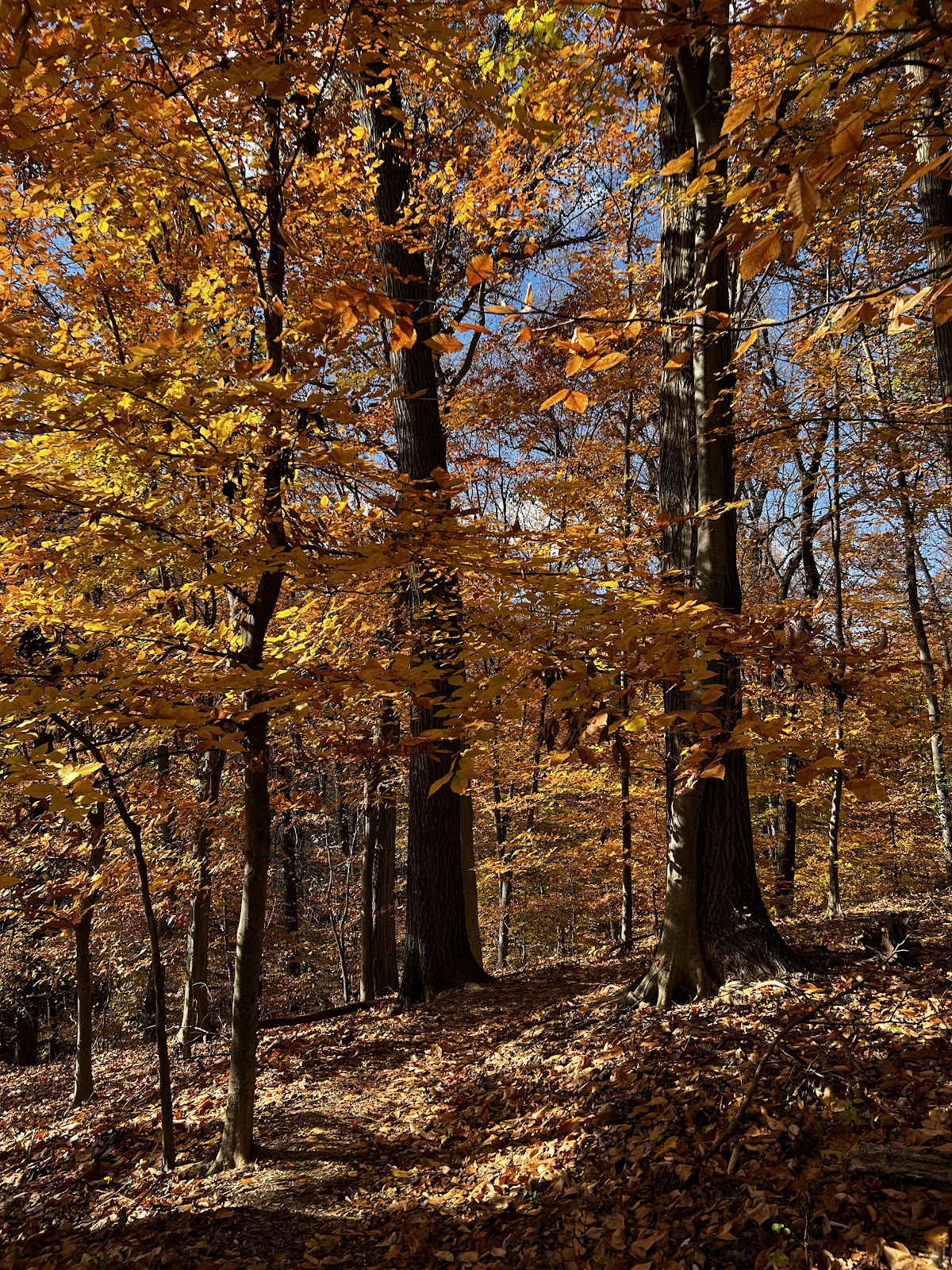
Cylburn Arboretum: A Season-by-Season Photography Guide
Around 200 acres of arboretum and formal gardens in north Baltimore, centred on an 1880s stone mansion. Mature specimen trees and long open lawns.
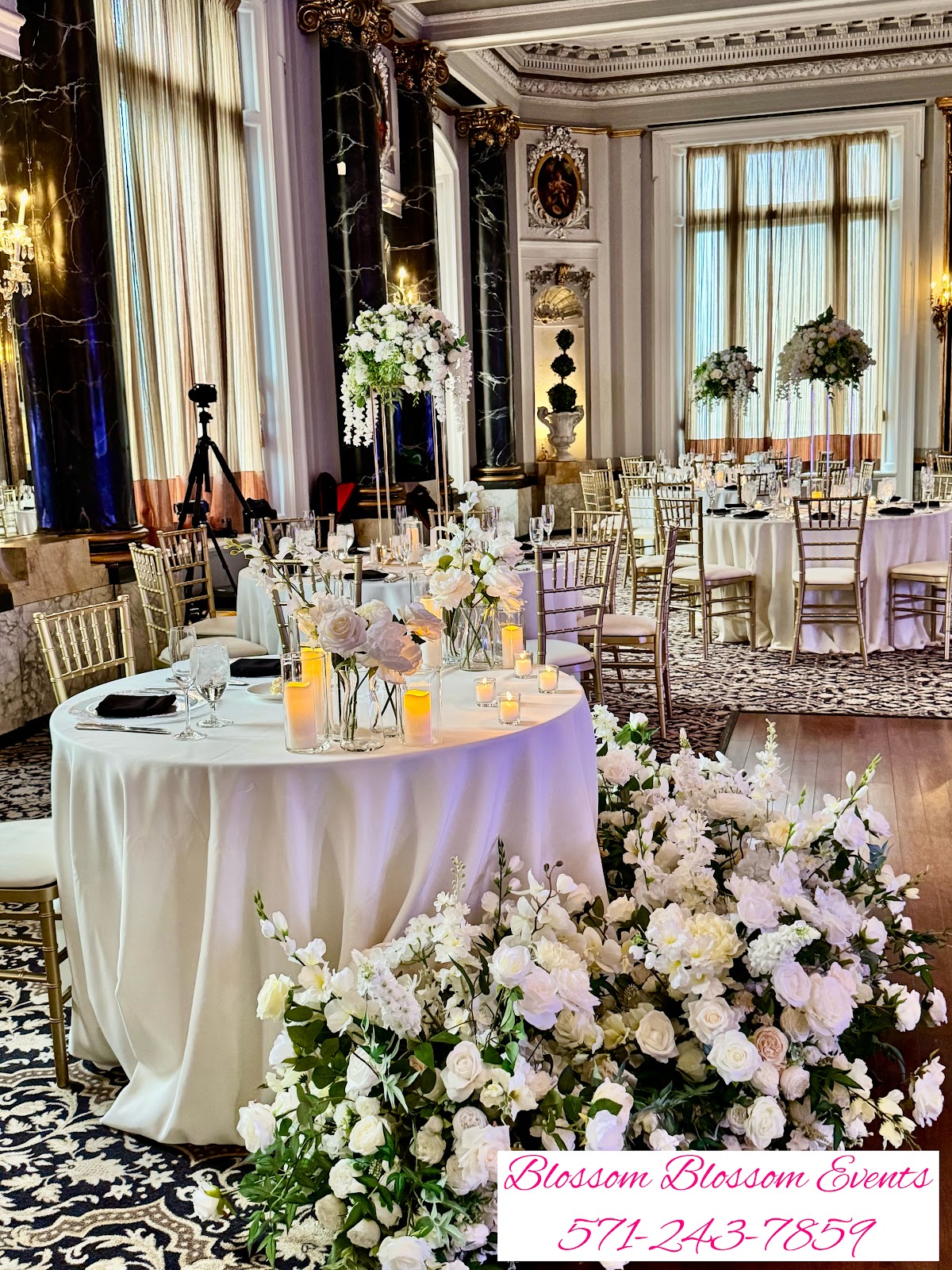
The Belvedere: The Technical Side of a 1903 Grand Hotel
Opened 1903 in Mount Vernon, a Beaux-Arts grand hotel with ornate ballrooms, a famous mirrored room and a thirteenth-floor rooftop over Baltimore.
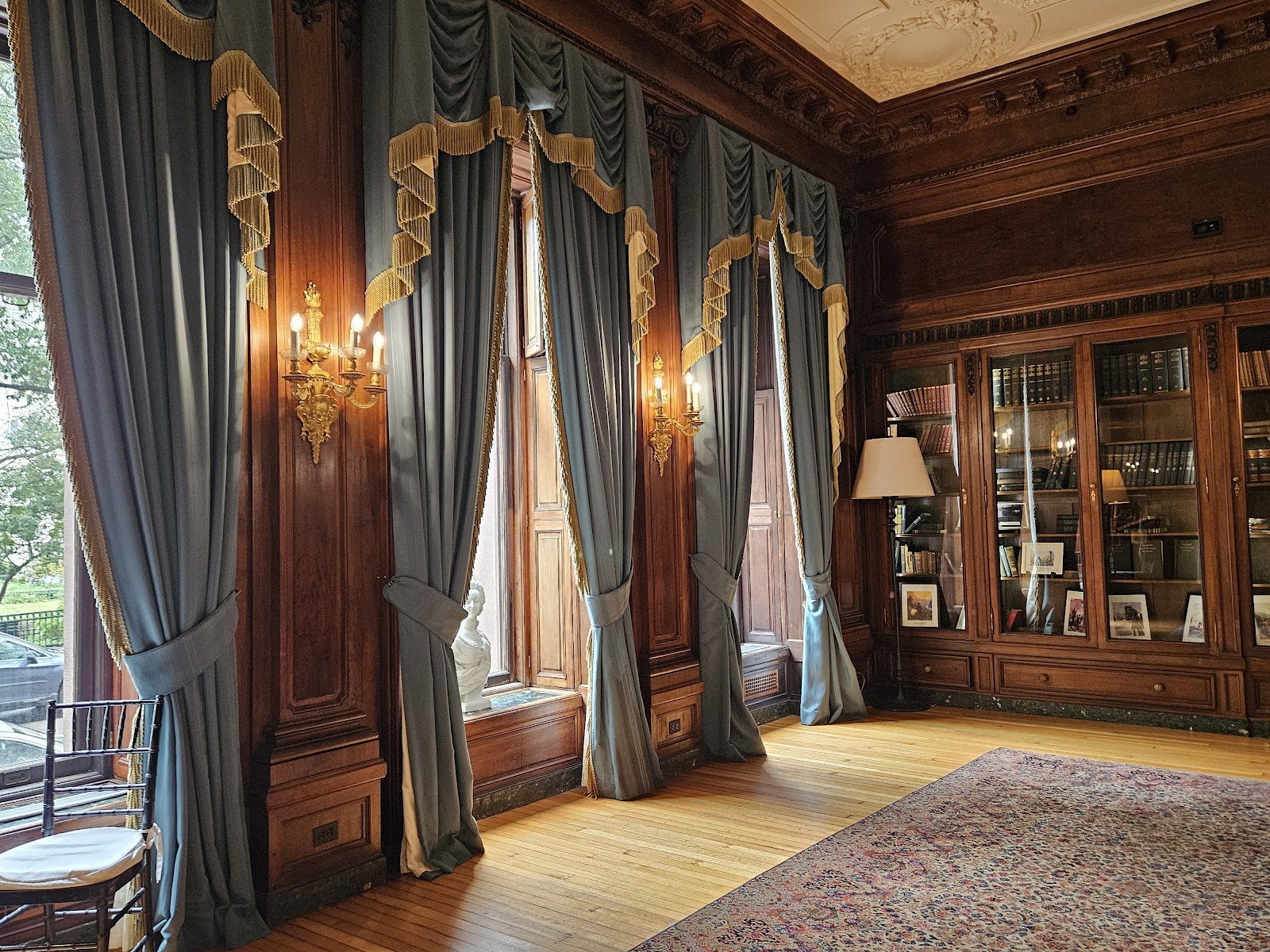
The Garrett-Jacobs Mansion: A Walk-Through of a Gilded Age House
Four joined townhouses on Mount Vernon Place remodelled by Stanford White for Mary Garrett — Tiffany glass, carved woodwork and Baltimore's largest Gilded Age interior.