Alaska is the one place in this guide where the light itself is different, and the reason is geometry rather than weather. At sixty-one degrees north the midsummer noon sun reaches only about fifty degrees above the horizon; at sixty-four it reaches forty-nine; in the equinoxes it is under thirty and in midwinter it is barely five. The hard overhead sun that flattens faces and blacks out eye sockets at noon in the lower forty-eight simply does not occur here.
The light rakes rather than falls, all day, for most of the year — which means there is no midday to avoid, the position matters more than the clock, and a small window lights a whole room because the light enters almost horizontally. It also means the warm hour is not an hour: in June the low light lasts two or three hours and the usable light runs until near midnight, so a portrait session at ten in the evening is better lit than one at two in the afternoon.
Two other things run through the guides below. The calendar starts weeks earlier than anywhere else: the tundra turns red in late August, birch goes gold before September, the first snow appears on the peaks — locally called termination dust — and by early September the nights are dark enough for aurora while the days are still long enough to work in. That fortnight, roughly the last week of August through mid-September, is the answer for almost every venue here.
And the second is honesty about the constraints, because they are real: rain is the default on the southeast coast, Denali is hidden most days, boat and air access can be stopped by weather, mudflats and glacial rivers are genuinely dangerous ground, mosquitoes in June are serious rather than annoying, and a January ceremony in the interior is a matter of minutes rather than an hour. Each guide names the shade, the hour, the exposure decision and the covered alternative, and says plainly what the odds are. We have not photographed at every venue here, and where we have not, we say so.
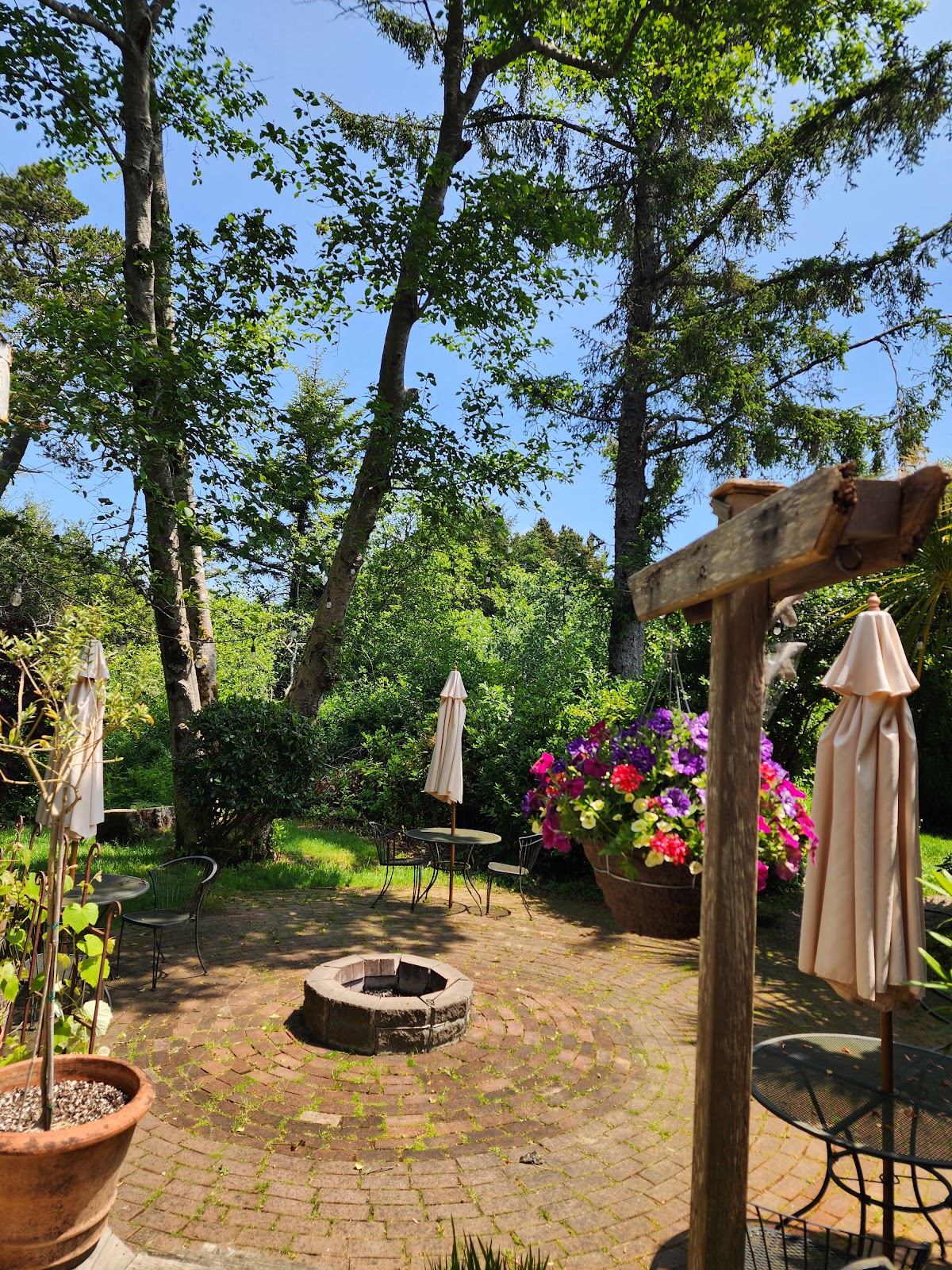
Salmonberry Inn, Anchorage: One Frame, and How It Is Made
A small inn in Anchorage, and the one frame a northern latitude gives that a southern one cannot.
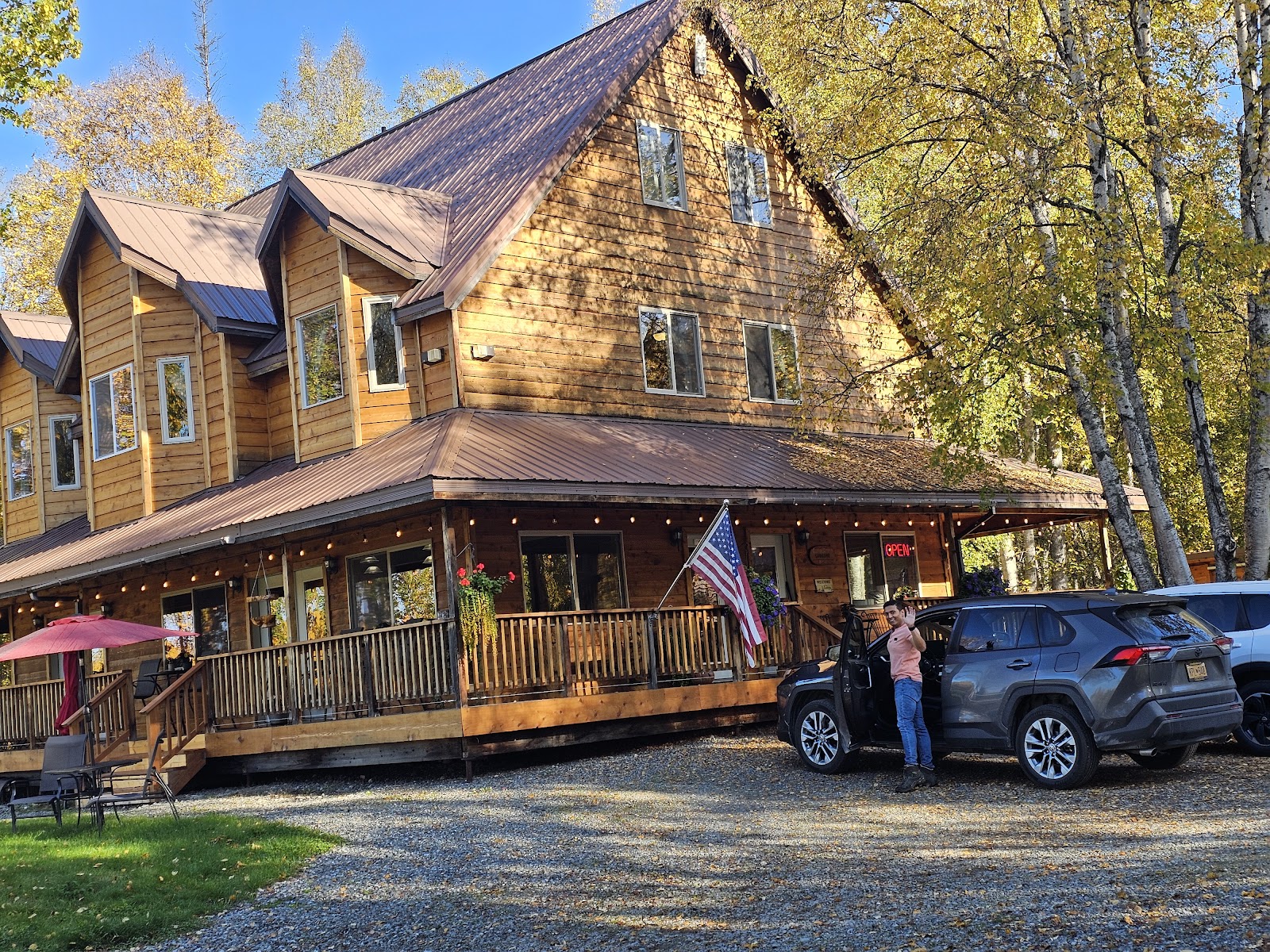
Susitna River Lodge, Talkeetna: What It Suits and What It Does Not
A lodge on the Susitna — a braided glacial river, which is a very different subject from a clear one.
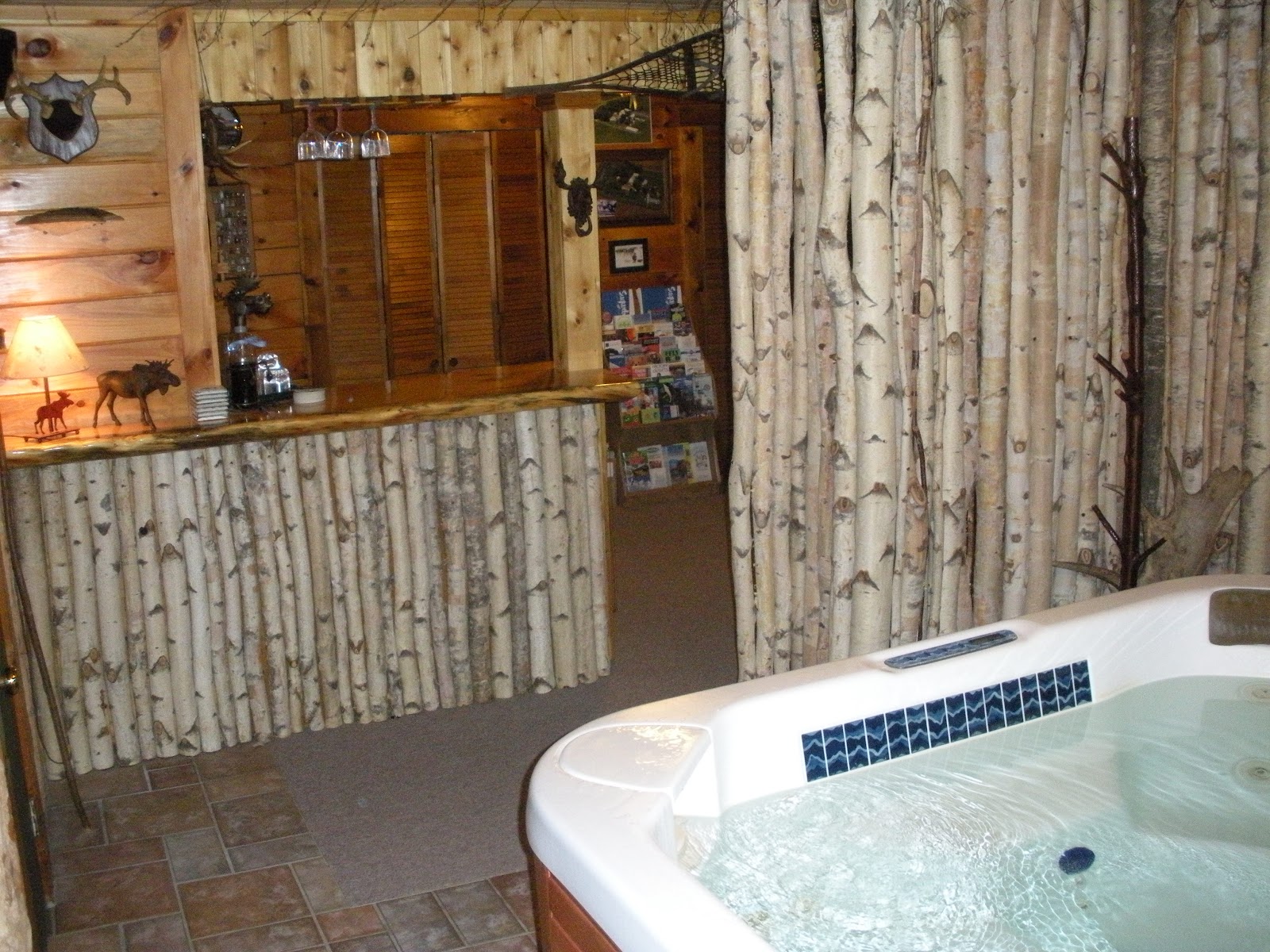
Moose Meadow Lodge, Willow: What It Suits and What It Does Not
A lodge beside a boreal meadow in southcentral Alaska — open ground ringed by spruce, with soft footing and a big sky.
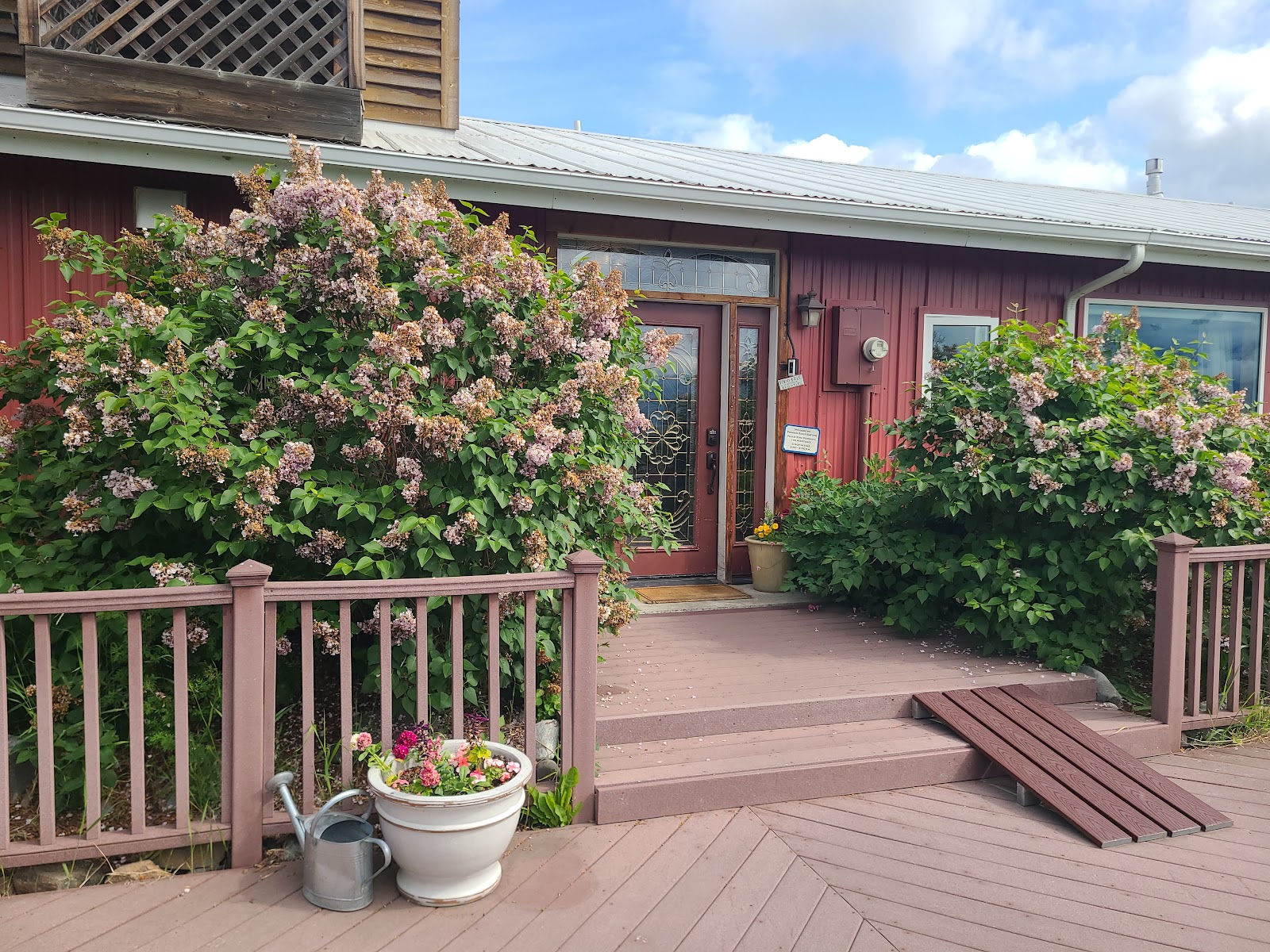
Pioneer Ridge Estate, Wasilla: The Problem, and Four Ways Out
A hillside property above the Mat-Su valley — an enormous view, with a good deal of ordinary country in front of it.
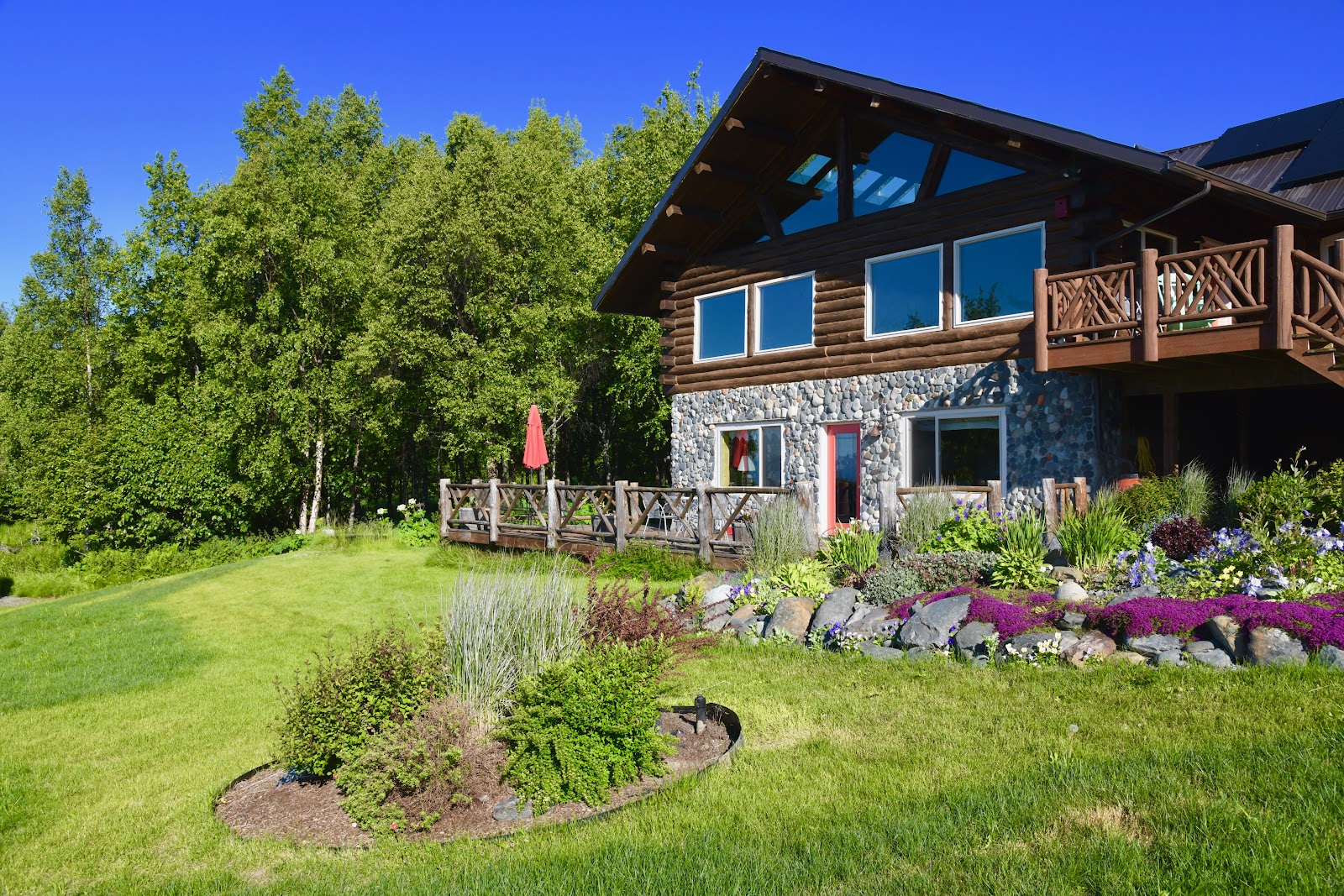
Blueberry Lodge, Homer: Field Notes
A lodge on the bluff above Kachemak Bay at Homer — looking south across water at mountains and hanging glaciers.
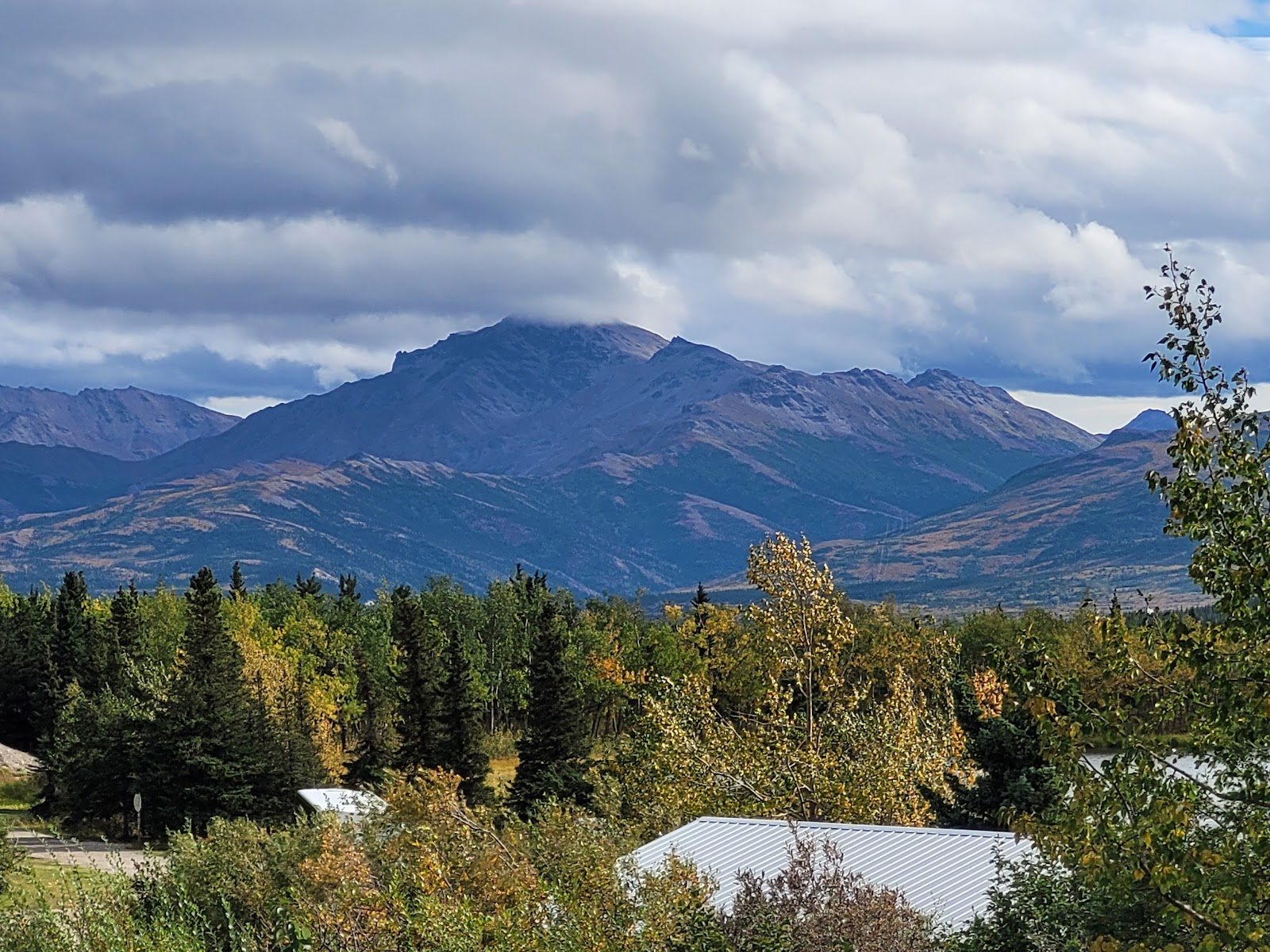
Black Diamond Resort, Healy: The One Decision That Governs Everything
A venue on the open ground near the Denali park entrance — where the biggest decision is whether to bet on the mountain.
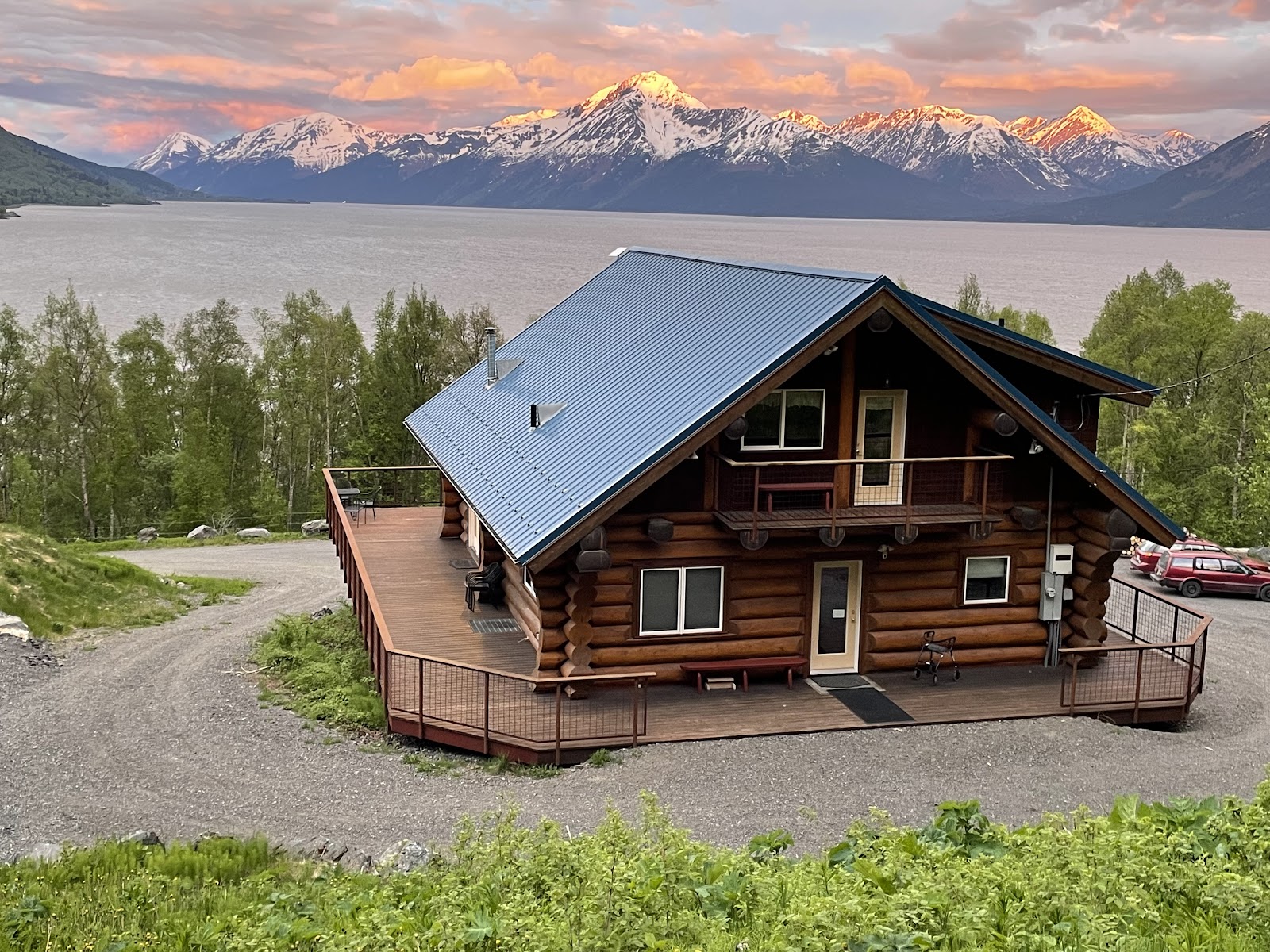
Alaska Wedding Chapel, Seward: One Frame, and How It Is Made
A small chapel at Seward, and the one frame a small dark room gives better than a cathedral.
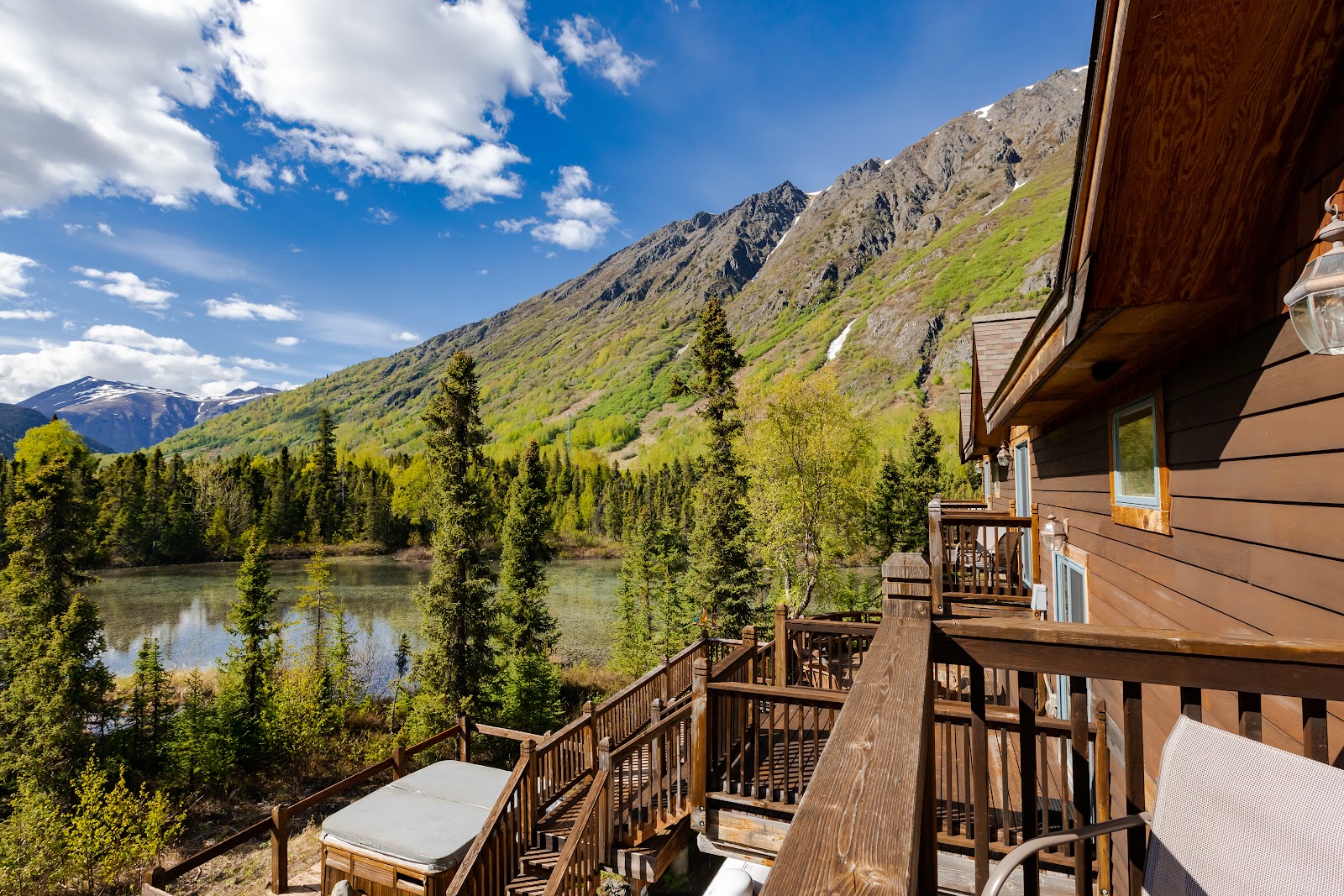
Inn at Tern Lake, Cooper Landing: A Walk Through the Site
A lake and wetland in the Kenai Mountains — shallow, sheltered and full of birds, which makes it a different subject from a deep lake.
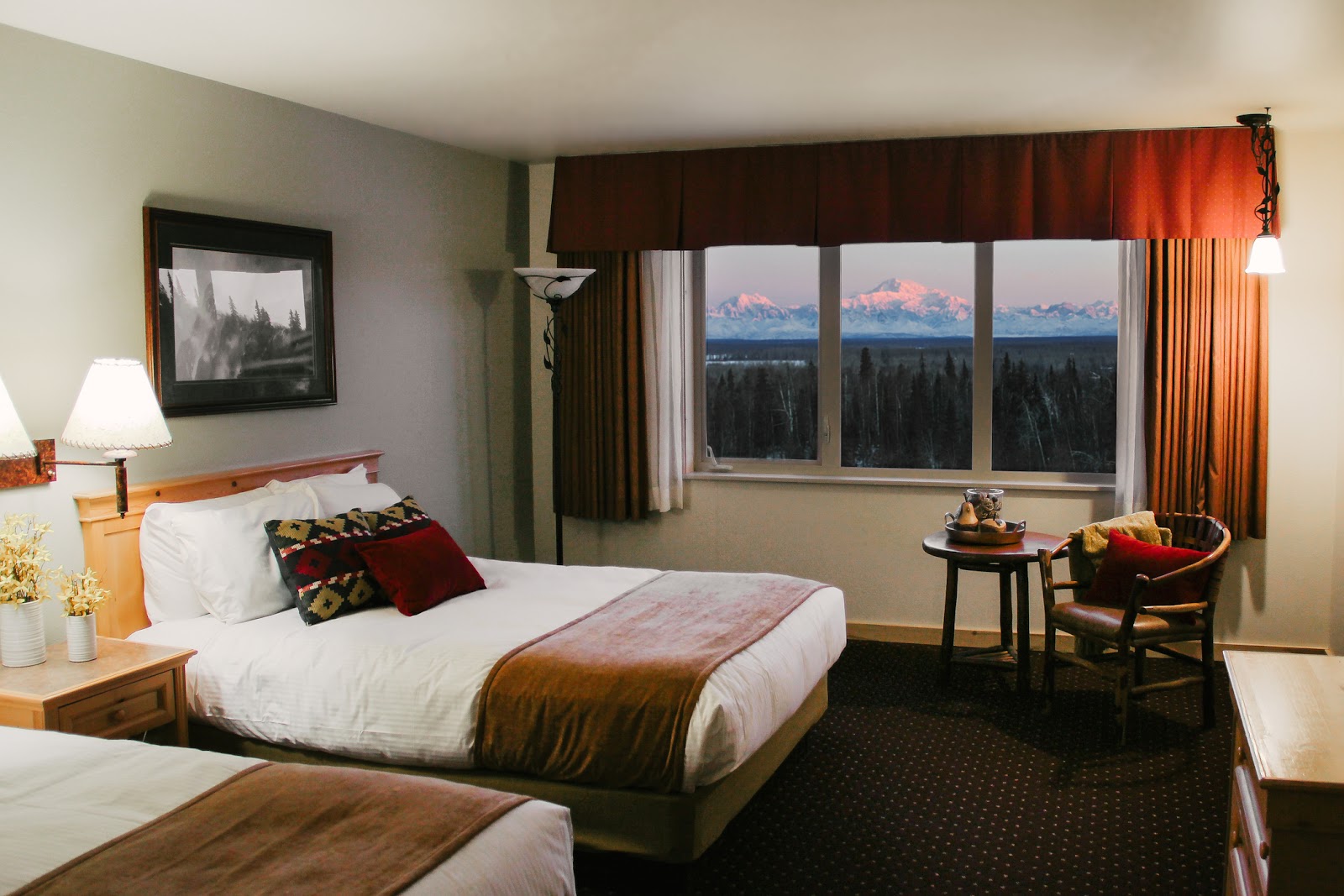
Hearthside Lodge, Talkeetna: The Building’s Own Logic
A timber lodge at Talkeetna — built for an Alaskan winter, which is exactly why it photographs well.
Settlers Bay Lodge, Wasilla: Field Notes
A lodge above a tidal arm of Cook Inlet — where the water can rise and fall by ten metres and the flats are not walkable.