 Salmonberry Inn, Anchorage: One Frame, and How It Is Made
Hearthside Lodge, Talkeetna: The Building’s Own Logic
A building made for forty below is dark, heavy and deeply glazed. All three are gifts.
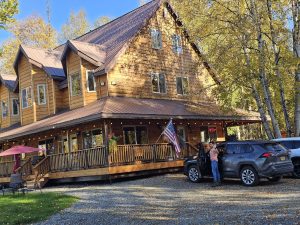
An Alaskan lodge has an internal logic that comes from the climate it was built for, and every element of it turns out to be photographically useful.
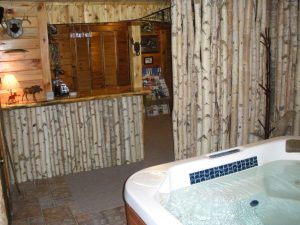
It is built of heavy timber because timber is what is here and because mass holds heat. Timber absorbs light rather than reflecting it, which means the ambient inside is a stop or two below what the eye estimates and the background behind any subject drops away steeply. That is free separation, and it is the single most valuable property of the building.
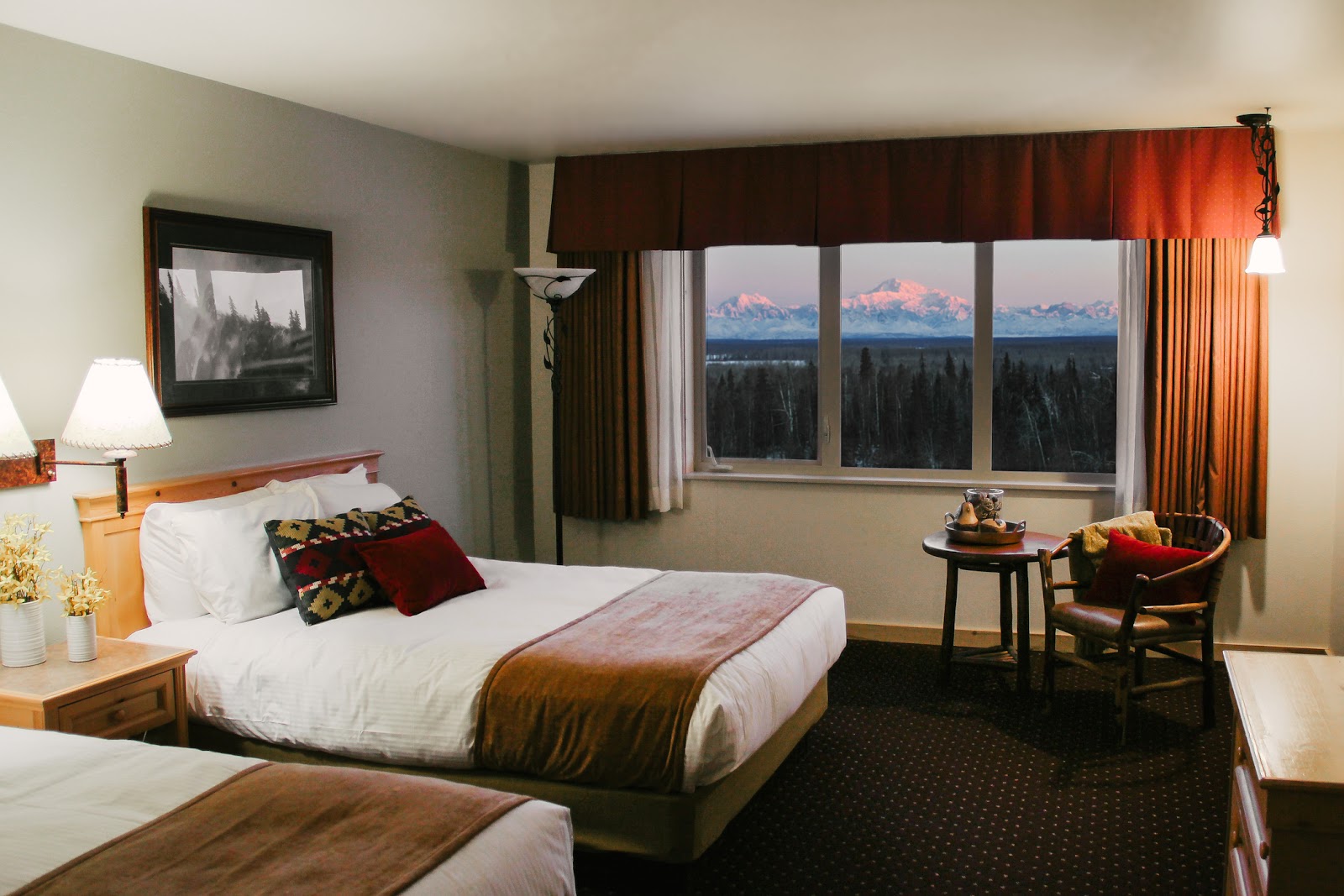
The windows are deep-set, because a wall built for forty below is thick, and they are generous where they face the view because the view is the reason people come. A deep reveal restricts the light and gives a sharper fall-off across a face than a thin-walled building does — which makes the window position here better than the same window in a modern house.
It has a hearth, because a building at this latitude needs one. A fire is a source, and it is strongly warm — considerably warmer than daylight and warmer than most artificial lighting — which means a subject lit partly by a window and partly by a fire has two colours on one face, and that needs deciding rather than averaging.
And it has a low ceiling relative to its footprint, because heat rises and a tall room is a cold room. A low ceiling is a usable bounce surface if it is pale, and in a timber lodge it usually is not — which means the ceiling absorbs rather than returns, and added light has to be direct or modified.
The fifth element is what the building faces. Talkeetna sits at the confluence of rivers with the Alaska Range to the north, and on a clear day Denali is on the skyline — but only on a clear day, and those are a minority.
We have not photographed a wedding at the Hearthside Lodge; Alaskan timber lodges behave consistently. Which spaces are included, whether the fireplaces are usable, whether the lighting can be dimmed, the covered alternative, and what the road and flight access is like on the date are questions for their team.
Hearthside Lodge at a glance
| Where | A timber lodge at Talkeetna, with the Alaska Range to the north |
| The timber | Absorbs, so the ambient is low and the background drops away for free |
| The windows | Deep-set in thick walls, which sharpens the fall-off across a face |
| The hearth | A strongly warm source — decide the white balance rather than average it |
| Ask first | Spaces included, working fireplaces, lighting control, access on the date |
Inside: the timber, the window and the fire
The first thing to do in a timber lodge is measure rather than estimate, because the eye adapts and the wood gives nothing back. A room lined in dark timber reads as comfortable and well lit and is frequently two stops below what a pale room of the same apparent brightness would be — which means the settings that worked at the last venue are wrong here.
The second is to use the absorption, because it is the gift. A subject lit by a window with timber three metres behind them has a background two or three stops down with no lighting decision involved — and the frames that follow are low-key by nature: a lit face, a dark surround, very little in between.
That is a strong and deliberate look rather than a compromise, and the instinct to lift the room until it is legible is what produces the characteristic bad picture of an Alaskan lodge: flat, uniformly orange, and with none of the depth that makes the room worth photographing.
The metering discipline follows: manual, metered on skin, with the timber allowed to go dark. A meter looking at a large area of dark wood tries to lift it toward mid-grey, which overexposes a face by two stops or more, and the correct frame has a great deal of near-black in it because that is the building.
The window is the best light in the lodge and the technique is precise. A metre from the glass, turned about forty-five degrees to it, gives a lit side, a shadowed side and a gradient between — real modelling — and the deep reveal restricts the light so the fall-off across the face is sharper than it would be in a thin-walled building. Standing within the reveal itself is more directional than standing beside it.
The latitude improves it further and this is worth stating because it is the opposite of the intuition. Because the sun is low all year at around sixty-two degrees north — about fifty degrees at midsummer noon and far less the rest of the year — light enters a window almost horizontally and travels three or four metres into a room rather than one. An Alaskan lodge is better lit relative to its window size than the same room in Arizona, and it is better lit in winter than in summer.
Two free rules. Turn the room lights off, because warm bulbs against cool daylight put two colours on one face and no white balance renders both. And set a custom white balance on a face in position, because a window facing snow or a river delivers markedly cool light while one facing a sunlit timber wall delivers warm.
The fire is the third element and it needs a decision rather than an average. There are three honest resolutions: set the balance for the window light, which renders the fire as a warm glow and is usually right because a fire is meant to look warm; set it for the fire, which renders the window light blue and works when the fire is dominant; or move the subject so only one of them reaches their face.
What does not work is averaging, which leaves skin between two colours and looks like neither.
A fire is also dimmer than it appears to an adapted eye, and it flickers — which means it works as a background accent and an atmospheric element rather than as the light on a face, unless the whole frame is intended as a very dark one.
Where added light is needed, it must be close and gelled warm. Nothing in a timber lodge bounces, so the light reaching a face is only the light aimed at it, falling off with the square of distance: a source at two metres needs roughly a quarter of the output of the same source at four. And the gel keeps it from reading cooler than the room, which the eye catches immediately.
Aiming a flash at a timber ceiling returns almost nothing and colours what it does return. Direct through a modifier, or bounced off something brought for the purpose, is the working approach.
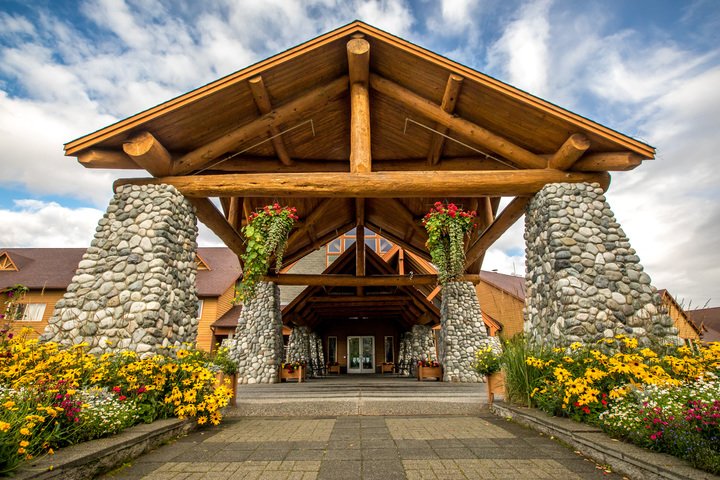
Outside: the mountain that hides, and a very long day
Outside, the logic is the landscape’s and the governing fact is that Denali is visible on a minority of days.
That is worth stating plainly to a couple, because the mountain is the reason many people choose this area and the odds are not good. The Alaska Range generates its own weather, and the highest peak in North America spends most of its time in cloud — which means a wedding here should be planned as though the mountain will not appear, with its appearance treated as a gift.
When it does appear, the frame needs a genuinely long lens. Denali is a long way from Talkeetna, which means a wide lens renders it as a small pale triangle on the horizon above a great deal of forest — and the scale, which is the whole subject, is entirely lost. Compression is what makes it read as the enormous thing it is.
The interior air is exceptionally clean and dry, which means that compression holds detail at a great distance: snow structure, ridgelines and shadow on the flanks all survive in a way they would not in humid country. That is the reason the frame is possible at all.
The exposure goes on the mountain rather than on skin, with the faces lifted by a close warm-gelled source — because metering on faces gives a white sky and a washed-out peak. And the best light on it is early and late, when the low sun rakes the snow and puts relief into the whole range rather than flattening it.
The rivers are the other landscape element and at a confluence they are the more reliable one. Glacial rivers here are braided and grey with rock flour, which means they read as woven channels of pale grey across dark gravel bars — a graphic subject seen from above or along, and one that is available whether or not the mountain shows.
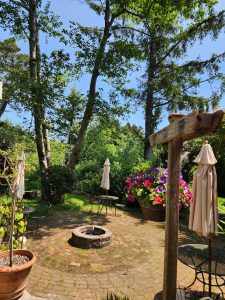
The forest is the shade. This is spruce and birch country: white and black spruce, narrow and spire-shaped on cold ground, with paper birch, aspen and cottonwood. Spruce blocks almost everything, which makes the canopy edge the most reliable outdoor position on the property — soft directional light in front, near-darkness behind, three or four stops of free separation.
Birch is the counterpart: bright white bark makes a stand a pale background of vertical lines, and the meter will underexpose because the bark is bright. White birch against near-black spruce is the northern signature and it is everywhere here.
The light itself needs no management at this latitude in the way it does further south. The sun never gets high enough to flatten a face, which means there is no hour to avoid and the position matters rather than the clock.
And the day is enormous in summer. Because the sun’s path is shallow, the low warm light lasts two or three hours rather than forty minutes, and in June the usable light runs from about three in the morning until near midnight — which means a portrait session at ten in the evening is entirely reasonable and better lit than one at two in the afternoon.
That has a specific use here: the mountain is most likely to be clear early in the morning, before the day’s convection builds cloud around the range. A dawn frame at four in the morning in June is an odd request and it is the best chance of Denali anyone will get.
Mosquitoes are the summer constraint and in interior spruce forest they are serious rather than annoying, worst in June and early July and less bad on open breezy ground.
And access is worth asking about. Talkeetna is on the road system but flightseeing and glacier landings operate from here, which means a wedding can include an aircraft — and that is a separate logistical conversation with the operator rather than with the lodge.
- Measure the ambient — timber rooms are two stops below what they look
- Meter on skin and let the timber go black; that near-black is the building
- A metre from a deep-reveal window at forty-five degrees, room lights off
- Balance for the window or for the fire, never the average
- Plan as though Denali will not appear, and get up early if it might
The Talkeetna year
This is the transition between southcentral and the interior, which means a continental-leaning climate with a very large annual range and the enormous daylight swing that defines Alaska.
Midwinter gives about five hours of daylight with the sun reaching only about four degrees above the horizon, which means the whole short day is an extended twilight — soft, raking and strongly blue and pink toned. Against snow, spruce and the Alaska Range that is among the most distinctive light in this guide.
Winter is the best season for the lodge interior, for the reason above: a low sun enters a deep-set window almost horizontally and reaches three or four metres into the room rather than one, which widens the usable band beside the glass considerably. A timber lodge is better lit in January than in June.
Snow adds to it. A snow-covered exterior reflects light up into every window and measurably brightens a dim timber room, sometimes by a stop — and outdoors snow is the best natural fill available, lifting every shadow and throwing light upward into faces. Snow against near-black spruce is the widest brightness range in this guide: expose for the snow and let the conifer go black, overexposing deliberately relative to the meter, which snow fools by about two stops.
Winter is also the season the fire frame belongs to. A hearth in a timber room in January reads as the reason the building is the shape it is; the same fire in July reads as decoration.
And winter is aurora season, from roughly September to April on clear nights. Talkeetna has dark skies and sits at a good latitude for the auroral oval, which makes northern lights over spruce and the Alaska Range a genuine possibility — tripod, wide fast lens, a few seconds to half a minute, and a party willing to step outside in serious cold. It cannot be promised, only planned for.
The costs are cold that drains batteries fast, a camera that fogs badly when carried into a heated lodge, a very short day, and road conditions. Spares in an inside pocket and bodies bagged until they warm.
Break-up in April and May is the least attractive time of year: dirty patchy snow, mud, bare trees and rivers running high and grey. Early May here is not spring in any recognisable sense.
June is when it turns and it turns fast. The green arrives within a fortnight, the days are enormous, and the flightseeing season is in full swing. The costs are mosquitoes and the cloud that hides the mountain.
July is the warmest month, and fireweed gives the strongest colour of the Alaskan summer — tall magenta spires across cleared ground in quantity, a genuine foreground rather than a detail.
Late August into September is the best season overall and it is not close. Birch and aspen turn a clean intense gold in late August at this latitude, weeks before foliage anywhere in the lower forty-eight; the tundra above the treeline turns red and orange; the first snow appears on the range; the air reaches its clearest of the year, which improves the odds on the mountain; and by early September the nights are dark enough for aurora while the days are still long.
Gold birch against near-black spruce, red tundra, fresh snow on the Alaska Range and aurora after dark, with the clearest air of the year for the mountain frame, is the strongest combination available here — and the window is roughly the last week of August through the middle of September.
October brings the rain and the dark, and by November the area is in winter.
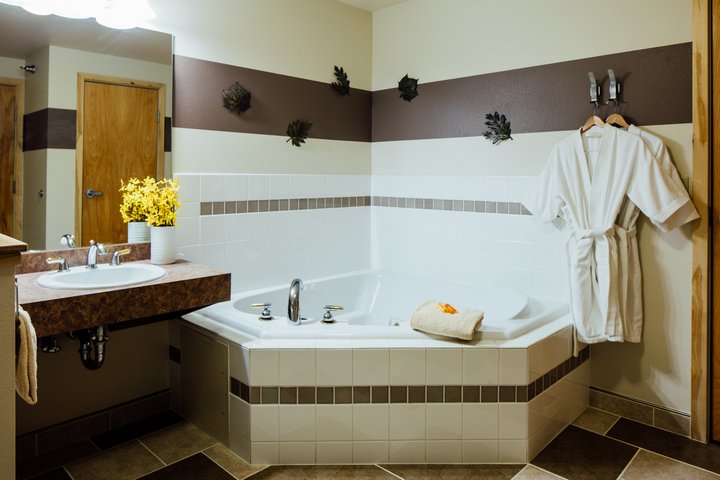
More frames from Hearthside Lodge
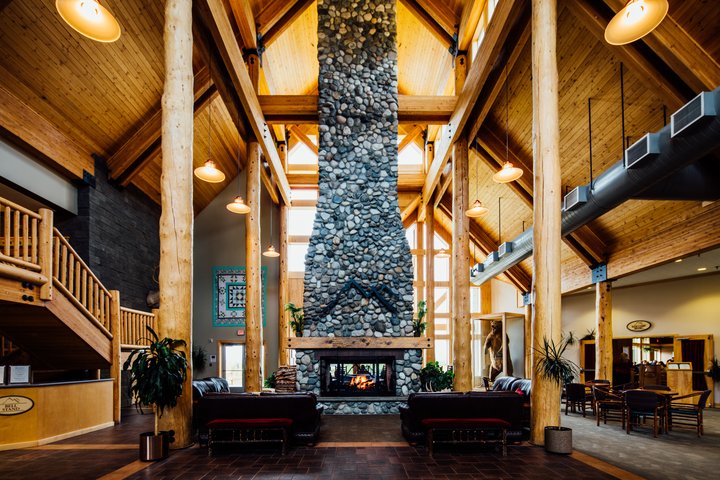
Hearthside Lodge wedding photography: common questions
Why does timber help?
It absorbs rather than reflects, so the background behind a subject drops away two or three stops with no lighting decision at all.
What does the deep window reveal do?
It restricts the light, which sharpens the fall-off across a face. Standing within the reveal is more directional than standing beside it.
How do I handle the fire?
Set the white balance for the window light and let the fire read as a warm glow, or set it for the fire. Never average the two.
Is the lodge better lit in winter?
Yes, significantly. A low sun enters a deep window almost horizontally and reaches three or four metres into the room rather than one.
What are the odds on seeing Denali?
Not good — the range makes its own weather and the mountain is in cloud most days. Plan as though it will not appear, and try early morning.
When is the site at its best?
Late August into mid-September: gold birch, red tundra, fresh snow on the range, the clearest air of the year, and aurora after dark.
More Alaska venue guides
We are writing a photographer’s guide to every venue we would happily shoot in Alaska. Here are three more, plus the full index:
- Inn at Tern Lake, Cooper Landing: A Walk Through the Site
- Kenai Fjords Lodge, Seward: The One Decision That Governs Everything
- Kenai Princess Lodge, Cooper Landing: The Light Through the Day
Planning a wedding at Hearthside Lodge?
A building that does the work. Tell us your date and we will use it.