 Salmonberry Inn, Anchorage: One Frame, and How It Is Made
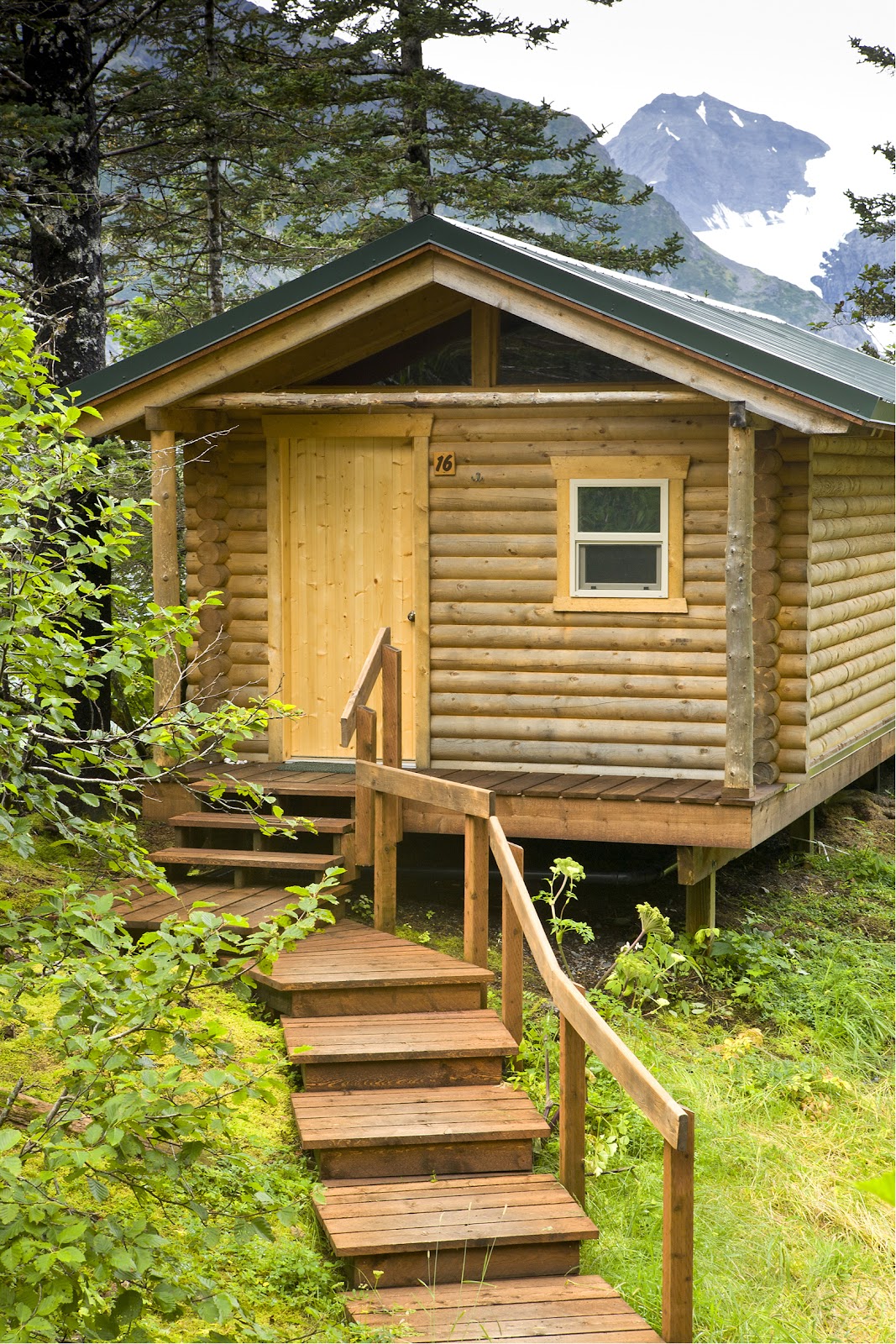
Kenai Fjords Lodge, Seward: The One Decision That Governs Everything
On the water or on the land. One gives ice and scale; the other gives shelter and shade.
At a lodge on a Kenai fjord there is one decision that governs the photographic day, and it is whether the wedding happens on the water or on the land.
That sounds like a detail and it is not, because the two are entirely different environments with opposite rules.
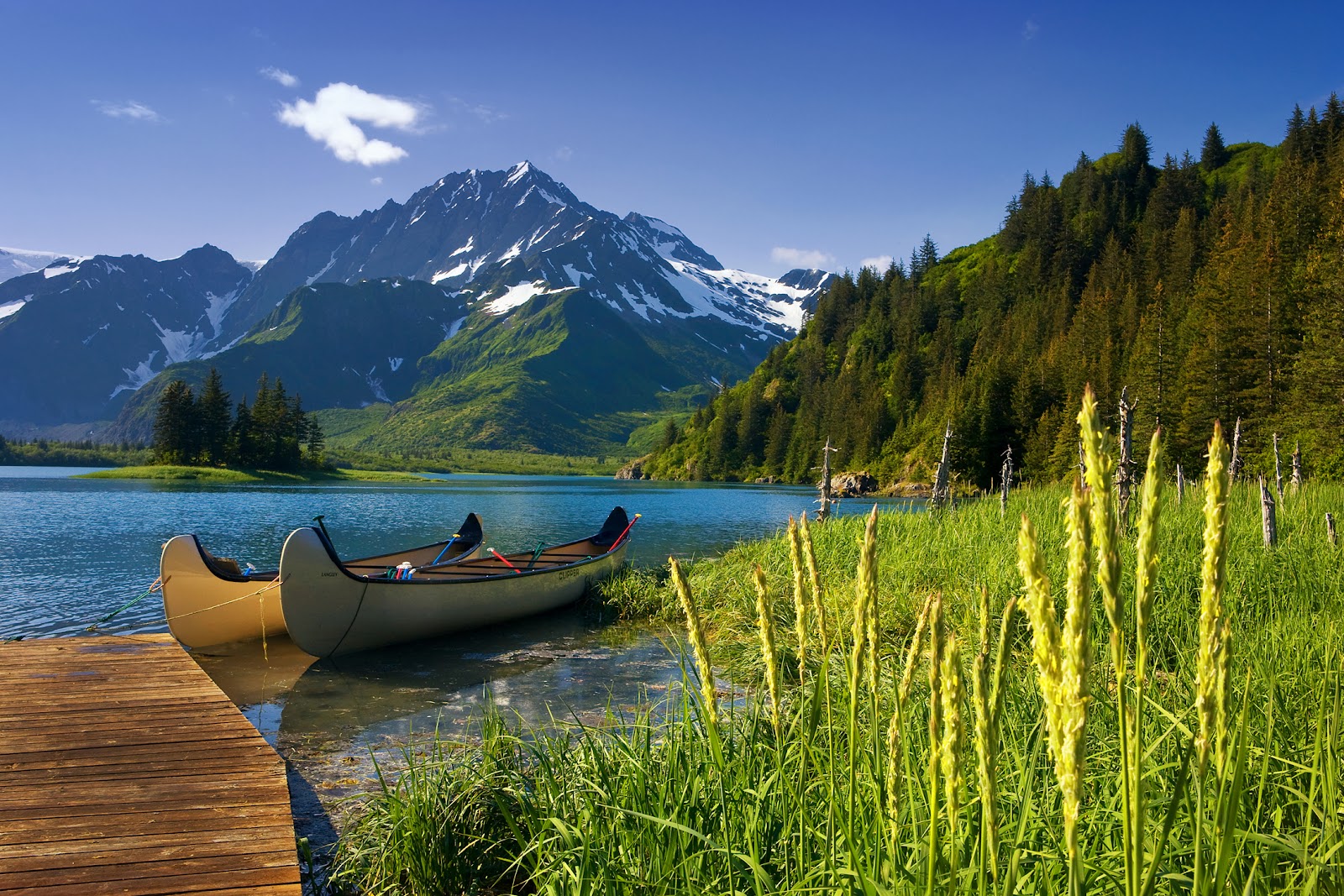
The water gives scale. A fjord is a drowned glacial valley — steep walls dropping straight into deep water, with glaciers at the heads of the inlets and mountains above — which means a boat position gives frames with a vertical dimension that nothing on land can match. It also gives ice, seabirds, sea otters and, in season, whales.
What the water takes is control. A boat moves, so the horizon moves and the camera cannot be set up. The light comes from wherever it comes from and cannot be positioned. Spray and salt reach everything. And the schedule belongs to the vessel rather than to the light.
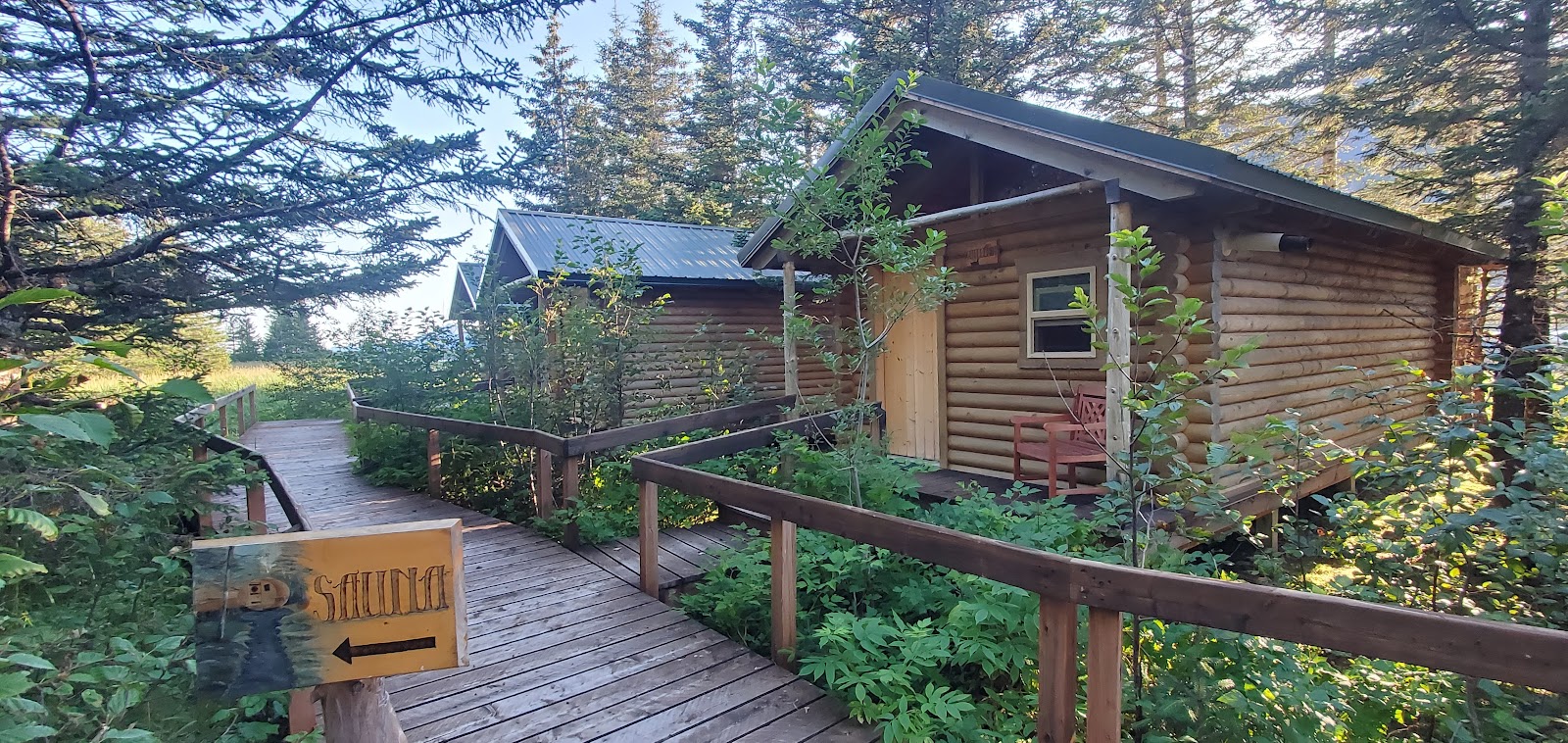
The land gives shelter, shade and stability. A lodge on a fjord shore has rainforest behind it, which supplies the canopy edge that is the most reliable portrait position in Alaska; a building that works in weather; and ground that does not move under a tripod.
What the land takes is the scale. From a shore, the fjord wall above is foreshortened and the glacier is distant — which is a good picture and not the one the place exists for.
So the decision shapes the day, and for most weddings the honest answer is a sequence rather than a choice: the ceremony and the reception on land where the shelter and the space are, and a deliberate trip onto the water for the frames only the water gives.
We have not photographed a wedding at the Kenai Fjords Lodge; fjord lodges on this coast behave consistently. How access works and on what schedule, guest limits, the covered alternative, whether boat time is available and when, and what the bear and wildlife guidance is are questions for their team.
Kenai Fjords Lodge at a glance
| Where | A lodge on a Kenai fjord near Seward, southcentral Alaska |
| The decision | On the water or on the land — two different environments |
| The water | Scale, ice and wildlife; no stability and no control |
| The land | Shelter, shade and a rainforest canopy edge; less scale |
| Ask first | Access and schedule, guest limits, boat time, covered alternative |
If it is on the water
Working from a boat in a fjord is the most rewarding and the least controllable situation in this guide, and it needs a different set of habits from anything on land.
Stability is the first problem and it has one answer: shutter speed. A moving deck means camera shake from the vessel as well as from the hands, and the honest solution is a faster shutter than the light suggests — a stop or two faster than would be needed on land, with the sensitivity raised to pay for it. A tripod on a moving boat is worse than useless.
The horizon is the second and it is the error that ruins most boat frames. Water gives an absolute level reference, so a horizon a degree off is glaringly obvious — and on a moving vessel the horizon is never where it was a second ago. The habit is to shoot more frames than feels necessary and to check level constantly, because there is no fixing a horizon in a frame where the couple are also at the edge.
The light is the third and it cannot be positioned. In a fjord the walls are steep enough that the sun may be blocked entirely for much of the day depending on the inlet’s orientation, which means the water is often in even shade with the tops of the walls lit — and that is the fjord’s characteristic condition rather than a problem.
That interval frame is the one to plan for: a couple on deck in soft even light, with brilliantly lit rock or snow above and behind them. It is made by exposing for the lit wall and lifting the faces with a close warm-gelled source rather than by underexposing the rock to match them. Close matters because nothing over water bounces enough to lift a backlit face: a source at two metres needs roughly a quarter of the output it needs at four.
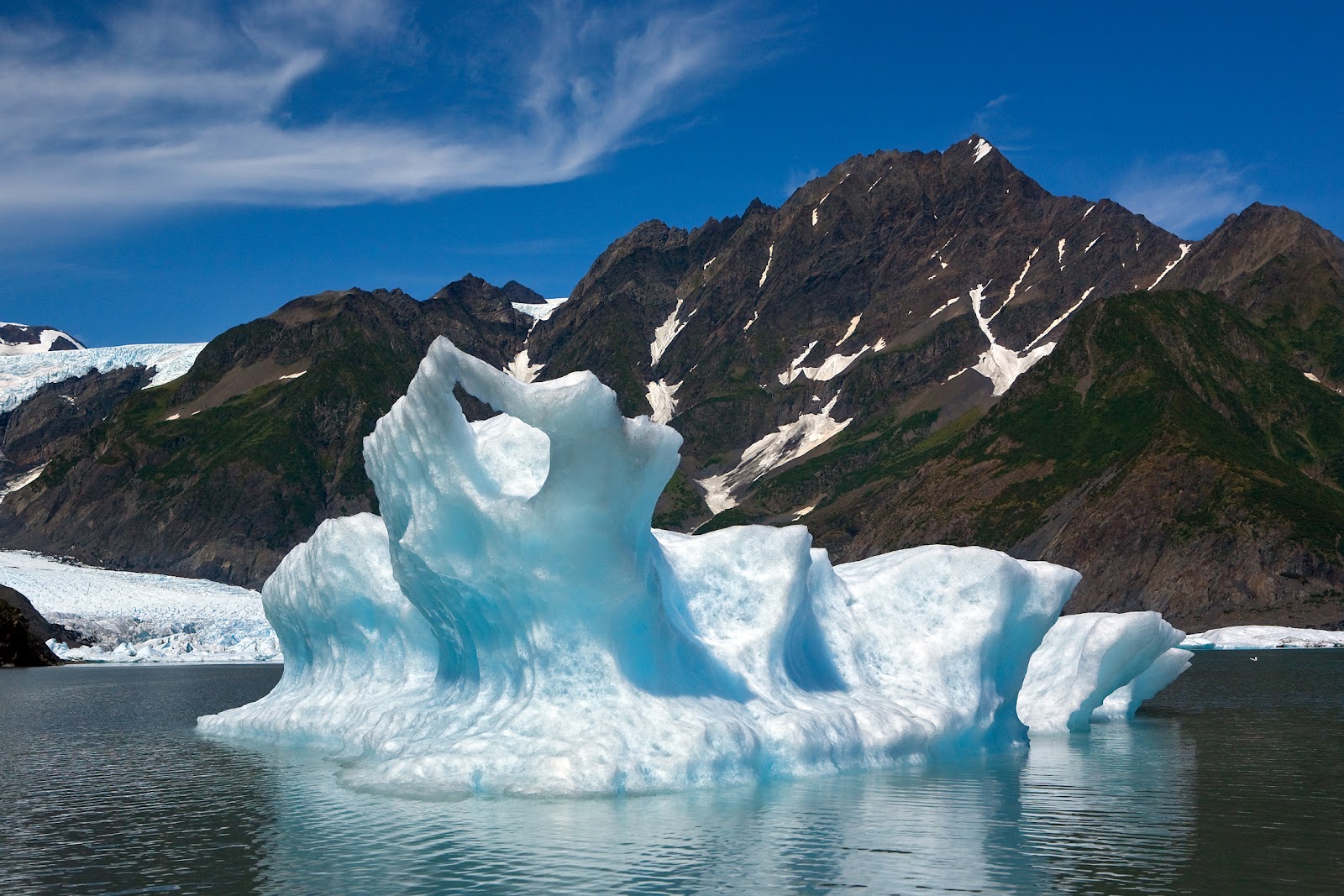
Ice is the fjord’s signature subject and its exposure needs stating. Glacier ice is blue because ice absorbs the red end of the spectrum and scatters the blue, and the denser the ice the stronger the blue — which means it only reads if it is exposed correctly. A stop over and the blue clips to white, and no adjustment afterwards recovers it. Meter on the ice, let the faces be lifted separately, and set the white balance for the faces rather than trying to neutralise the ice.
Scale is the hardest thing to convey and a fjord wall defeats most attempts. A frame with a couple large and the wall behind them gives no sense of it; the only honest approach is to include something of known size small in the frame — a figure, a boat, a bird — with the wall rising out of the top of the picture.
So the answer is usually two frames: one close, with the water and the wall compressed behind the couple on a longer lens, and one wide enough that the scale reads with them small in it. Both are worth making.
Salt and spray are the practical constraint and they are unforgiving. A front element picks up salt within minutes on an open deck, which means a cloth in a pocket, lens changes only under shelter, and ideally one body with one lens out rather than swapping. Sealed equipment matters more here than anywhere in this guide.
And the schedule belongs to the vessel. A boat trip has a departure and a return, and the light at the far end of it is whatever it is — which means the trip is placed by the tide, the sea state and the operator rather than by the golden hour. At this latitude that matters less than it would further south, because the light is good for hours rather than minutes.
Wildlife is the last of it and it is a genuine presence rather than a possibility: sea otters, seabird colonies, sea lions and, in summer, whales. A long lens kept in reach is worth more here than at any venue in this guide, and a frame with a wedding party and a whale in it is not a fantasy on this coast.
If it is on the land
The land gives back everything the water removes, and for the ceremony and the reception it is almost always the right place.
The rainforest behind a fjord lodge is the site’s most valuable feature. Sitka spruce and western hemlock, mossed from root to crown, block almost everything — which means the canopy edge is the most reliable portrait position in Alaska: a metre or two inside at the margin of an opening gives soft directional light in front and near-darkness behind, three or four stops of free separation and no equipment.
The metering correction is the standard one and it is pronounced here: a meter looking at dark mossed conifer overexposes a face by a couple of stops while the bright water a few paces away fools it hard the other way. Manual, metered on skin, reset at every transition.
Moss is what needs the white balance. Everything in a coastal Alaskan rainforest is green — trunks, branches, ground, fallen timber — which means the forest bounces green onto anything in it, and a custom white balance set on a face is the difference between plausible skin and skin with a visible cast. A daylight preset renders it badly.
Rain is the default in this climate and on land it is an asset rather than a problem. Wet moss glows, spruce darkens, every surface holds water, the creeks run, and the light is soft and even with no dappling anywhere. A grey wet day is the condition this landscape was made in, and it should be presented to a couple that way.
The shore is the transitional ground and it changes with the tide. A fjord has a significant tidal range, which means the beach is broad at low water and narrow or absent at high — exposing rock, gravel, kelp and tidepools, or covering them. Both are usable, both are different, and it is knowable in advance.
The water’s colour is worth knowing: fjord water carrying glacial silt is grey-green rather than blue, which means it does not brighten a frame the way clear water does and it fills nearby faces with a cool grey-tinged light. It is also a large horizontal reflector, throwing light upward into faces standing above it, at the cost of uplight under the chin — which something solid on one side corrects.
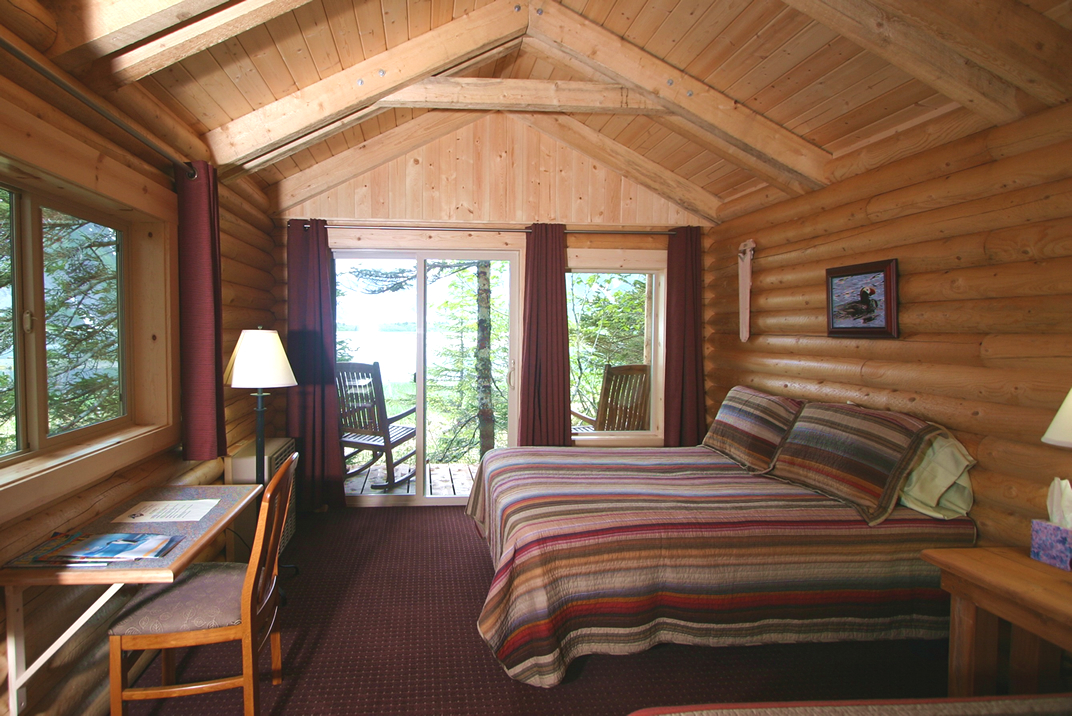
The buildings are the weather-independent part and a lodge in this climate is timber, which absorbs — so the ambient indoors is a stop or two below what the eye estimates and the background behind a subject drops away for free. A subject a metre from a window turned about forty-five degrees to it gets horizontal light with steep fall-off, room lights off, custom white balance set on a face.
The latitude helps indoors: because the sun is low all year, it enters a window almost horizontally and travels much further into a room than it would further south, which means an Alaskan lodge is well lit relative to its window size.
And the land gives the long evening properly. At around sixty degrees north the sun’s path is shallow, which means the low warm light lasts two or three hours rather than forty minutes and in June runs until near eleven at night. On land that can be used deliberately — a portrait session at nine or ten in the evening, which on a boat would depend on the operator’s schedule.
The practical constraints of the land are the ordinary remote ones. Access may be by boat or aircraft, which limits the guest list and the equipment; power may be generator or limited, which means battery sources; and the bear question is real rather than formal in this country, which means the lodge’s guidance is followed rather than judged.
And the covered alternative matters more here than at most venues, because in this climate rain is the likeliest condition on any date. Its capacity is the question that decides the guest list.
- On the water: faster shutter than the light suggests, and check level constantly
- Meter on the ice, not on skin — a stop over and the blue goes white
- Two frames at any fjord wall: one compressed and close, one that shows the scale
- On land, the mossed canopy edge is the most reliable position in Alaska
- Custom white balance in the forest; the moss bounces green onto everything
The Kenai fjord year
This coast has a maritime Alaskan climate: wet, cool, with a narrow temperature range and an enormous swing in daylight.
Midwinter gives about six hours of daylight with the sun reaching only about six degrees above the horizon, which in a steep fjord means it may not reach the water at all for weeks. The light that does arrive is soft, raking and blue-toned, and against snow, dark water and mossed spruce it is genuinely beautiful.
The honest winter fact is access. Boat and air access on this coast in winter depends on weather and sea state, which makes a winter wedding at a fjord lodge a considerably larger logistical proposition than a summer one. That is a question for the lodge rather than a guess.
Snow is the winter asset: the best natural fill available, lifting every shadow and throwing light upward into faces. Snow against near-black mossed conifer is the widest brightness range in this guide — expose for the snow and let the trees go black, overexposing deliberately relative to the meter, which snow fools by about two stops.
Winter is aurora season in principle, and the cloud cover that defines this climate makes clear nights uncommon. It is a possibility rather than a plan.
Break-up in April and May is less severe on this coast than in the interior because the maritime climate keeps the winters mild — but it is still the least attractive part of the year, with patchy snow, bare alder and cold water. May is when it begins to turn.
June is when the season opens properly. The green arrives fast under twenty hours of daylight, the days are enormous, boat access is at its easiest, and the seabird colonies are at their fullest. Mosquitoes are less of a problem on this coast than in the interior.
July and August are the warmest months and the height of the season. Whales are in these waters in summer, salmon are running in the creeks, and the bears and eagles that follow them are a genuine presence. It is also the busiest time on the water, which matters if a boat trip is part of the plan.
The great summer asset is the length of the day: on a clear evening the low warm light lasts two or three hours and runs until near eleven, which means a portrait session at nine is entirely reasonable and better lit than one at two.
Late August into September is the best season overall. Alder and cottonwood turn gold, the undergrowth reddens, the alpine tundra above the fjord walls turns red and orange, the first snow appears on the peaks, and the nights lengthen enough for the possibility of aurora while the days are still long.
Gold deciduous colour against near-black mossed conifer, red tundra above it, fresh snow on the peaks and blue glacier ice in the same frame is the strongest combination this coast produces. The window is roughly the last week of August through the middle of September.
The autumn caveat is weather, and on this coast it is the risk that matters: September brings the first of the season’s storms, which affects boat access and can remove the water half of the site entirely. It cannot be planned for, only acknowledged — which is another argument for treating the land as the primary venue and the water as the excursion.
October brings the heaviest rain and the shortening days, and by November the season has closed.
More frames from Kenai Fjords Lodge
Kenai Fjords Lodge wedding photography: common questions
What is the governing decision?
Whether the wedding happens on the water or on the land. The water gives scale and ice; the land gives shelter, shade and stability.
What changes on a boat?
Everything about the technique. A faster shutter than the light suggests, constant checking of level, no tripod, and salt on everything.
How is glacier ice exposed?
Meter on the ice so the brightest part holds texture. A stop over and the blue clips to white, and no adjustment recovers it.
What is the best position on land?
The mossed canopy edge — a metre or two inside a spruce or hemlock stand at the margin of an opening. Three or four stops of free separation.
Why a custom white balance in the forest?
Everything is mossed, so the forest bounces green onto anything in it. A daylight preset renders skin with a visible cast.
When is the site at its best?
Late August into mid-September — gold alder against dark conifer, red tundra, fresh snow and blue ice. September storms are the risk.
More Alaska venue guides
We are writing a photographer’s guide to every venue we would happily shoot in Alaska. Here are three more, plus the full index:
- Kenai Princess Lodge, Cooper Landing: The Light Through the Day
- Moose Meadow Lodge, Willow: What It Suits and What It Does Not
- Pioneer Ridge Estate, Wasilla: The Problem, and Four Ways Out
Planning a wedding at Kenai Fjords Lodge?
Water or land — and usually both, in order. Tell us your date.