 Salmonberry Inn, Anchorage: One Frame, and How It Is Made
Moose Meadow Lodge, Willow: What It Suits and What It Does Not
A boreal meadow is often bog. That sets the footing, the season and the insects.
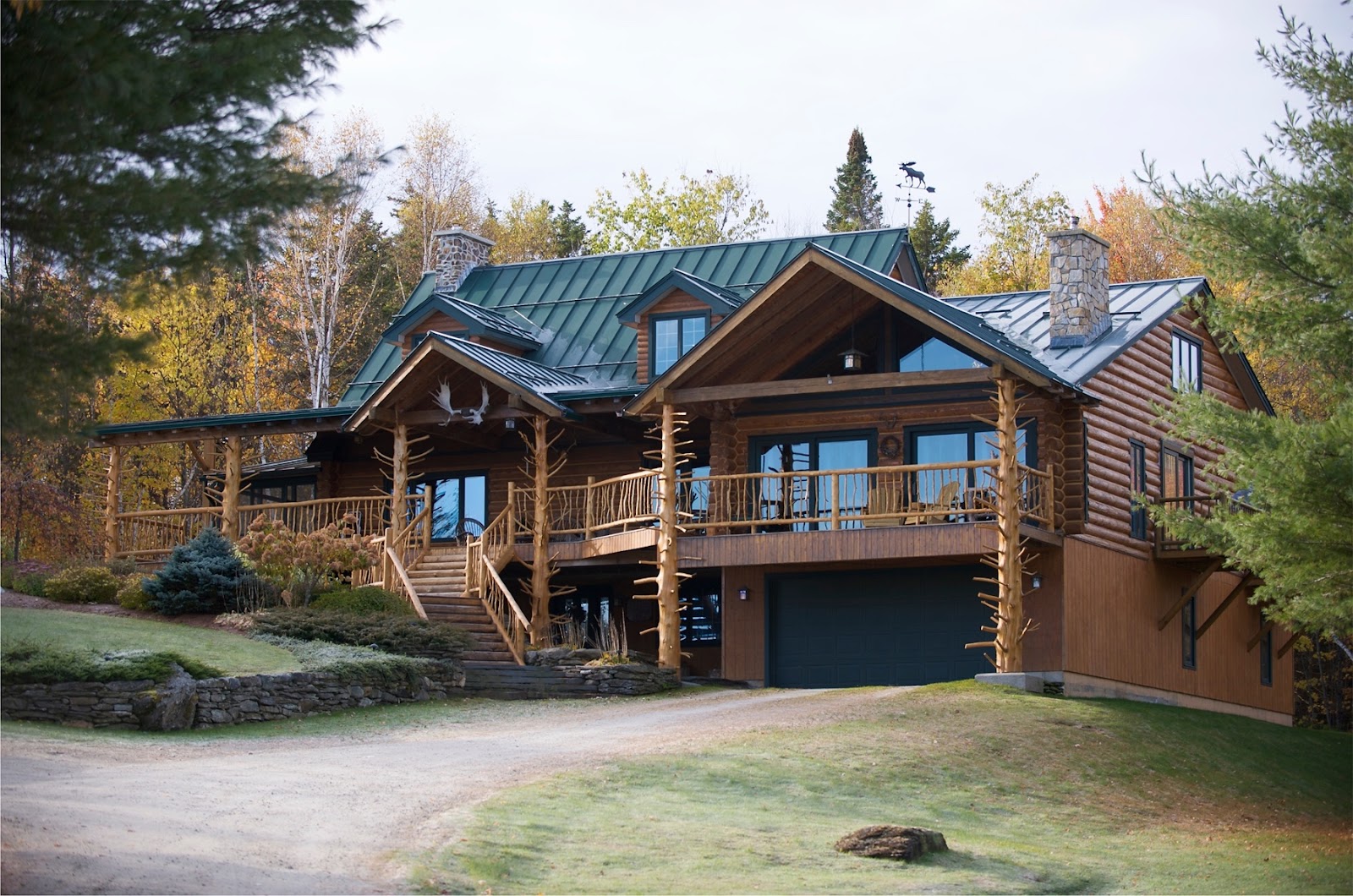
A lodge beside a boreal meadow is a particular proposition and the honest way to describe it is by what that ground suits and what it does not.
The governing fact is what the meadow actually is. Open ground in southcentral Alaska surrounded by spruce is frequently muskeg — a waterlogged peat bog with a surface of sphagnum moss, low shrubs, sedge and scattered stunted trees. It looks like a meadow from a distance and it is not one underfoot.
That has three consequences. The footing is soft and wet for much of the year, which decides where a party can stand and what they can wear. The insects are worse here than on drier ground, because standing water is where they breed. And the vegetation is low and fine-textured rather than grassy, which changes what it looks like in a frame.
It also has a real advantage: muskeg is open. In a landscape where most ground is dense spruce forest, an open meadow is where the sky is, where the light is, and where a view of the mountains exists at all — which is why a lodge is sited beside one.
The fourth element is the light, and it is the compensation that runs through every Alaskan venue. At around sixty-two degrees north the sun reaches only about fifty degrees above the horizon at midsummer noon and far less the rest of the year, which means it rakes rather than falls at every hour. There is no midday to avoid.
We have not photographed a wedding at the Moose Meadow Lodge; boreal meadow lodges behave consistently. Which spaces are included, what the ground is like on the date and where the boardwalks or dry routes run, the covered alternative, what power is available, and what the moose and bear guidance is are questions for their team — and the ground condition in particular is worth asking about directly.
Moose Meadow Lodge at a glance
| Where | A boreal meadow at Willow, southcentral Alaska |
| The ground | Frequently muskeg — waterlogged peat, soft underfoot most of the year |
| Suits | Open sky, mountain views, autumn colour, and winter above all |
| Does not suit | Formal shoes in summer, insect-averse guests, or lush green expectations |
| Ask first | Ground condition on the date, dry routes, covered alternative, wildlife |
What it suits
It suits open sky, which in boreal Alaska is scarcer than it sounds. Most of this landscape is closed spruce forest with no view out and no sky in the frame — and a meadow is the one place where the horizon exists, where clouds are visible, and where a mountain can appear behind a couple.
That openness is the reason to use the site and it should be used deliberately. A low camera with the meadow’s fine-textured surface across the bottom of the frame and the sky filling the top gives a composition that a forest site cannot, and in a landscape this flat the sky is frequently the most interesting thing in the picture.
It suits mountain views for the same reason. Where the Talkeetna or Alaska Range is visible from the meadow, a longer lens compresses the ridges into layers and brings them forward as a presence behind the couple — where a wide lens reduces them to a pale band above a great deal of low ground. The clean cool air here means that compression holds detail well.
The exposure for that frame goes on the range rather than on skin, with the faces lifted by a close warm-gelled source, because metering on faces gives a white sky and a washed-out mountain. Close matters because open muskeg bounces very little — sphagnum and low shrub are dark and absorbent rather than pale and reflective, which is unlike a grass meadow: a source at two metres needs roughly a quarter of the output it needs at four.
That absorbency is worth knowing because it reverses an expectation. A grass field throws light upward into faces; a peat bog largely does not, which means the shadows under eyes and chins are deeper here than on a pale meadow and an added source earns its place more readily.
It suits autumn colour more than almost any ground in this guide. Muskeg vegetation — dwarf birch, blueberry, crowberry, bog cranberry, sedge — turns red, crimson and orange in late August, and because it is a continuous low mat rather than scattered trees, an entire meadow becomes a field of colour.
That is the tundra effect at low elevation, it happens weeks before foliage anywhere in the lower forty-eight, and it is spectacular. A red meadow ringed by near-black spruce with gold birch among it is the strongest frame this site produces, and it exists for a fortnight.
It suits winter above everything, and that deserves stating clearly because it is the answer to the site’s central problem. Frozen muskeg is firm ground: a meadow that is impassable in July is a level walkable surface in February, and under snow it becomes a clean white plane rather than a brown mat.
Snow is also the best natural fill available outdoors, lifting every shadow and throwing light upward into faces — which is exactly what the absorbent summer surface fails to do. Snow against near-black spruce is the widest brightness range in this guide: expose for the snow and let the conifer go black, overexposing deliberately relative to the meter, which snow fools by about two stops.
And it suits aurora. An open meadow with dark skies is the ideal foreground for northern lights, because the sky fills the frame and the spruce ring gives a horizon with shape in it. From roughly September to April on clear nights this is one of the best aurora sites in this guide — tripod, wide fast lens, a few seconds to half a minute, and a party willing to stand outside in the cold.
What it does not suit
It does not suit formal shoes on summer ground, and that is the honest limitation. Muskeg in June and July is wet — not muddy in the ordinary sense but spongy and waterlogged, with standing water between the hummocks — which means walking out into a meadow is not something a wedding party does in anything they mind ruining.
The practical answer is to establish where the dry routes are. Most sites of this kind have boardwalks, gravel paths or higher ground that is usable, and the difference between knowing them and not is the difference between a party that can be photographed in the meadow and one that stands at its edge. That is a question for the lodge rather than a discovery.
It also means the group photographs happen on firm ground rather than in the open — which is worth planning, because the frame with a hundred people in the middle of a meadow may not be available.
It does not suit insect-averse guests in early summer. Standing water is where mosquitoes breed, which makes muskeg the worst possible ground for them in interior and southcentral Alaska — and June and early July are their peak. A ceremony on a bog in late June without any provision for them is uncomfortable in a way that shows in the photographs.
The honest mitigations are the date and the position: open breezy ground is better than sheltered edge, and late August is far better than late June. Both are scheduling decisions rather than technical ones, and both are worth raising in planning.
It does not suit an expectation of lush green. A boreal meadow is not a pasture: the vegetation is low, fine, olive and brown-toned rather than bright green, with stunted black spruce scattered through it. In summer it reads as a subtle, muted, slightly austere landscape rather than a verdant one.
That is worth showing a couple in advance, because the difference between what a temperate meadow looks like and what muskeg looks like is considerable — and a couple expecting the former will be surprised. Photographed on its own terms it is a beautiful landscape; photographed as a failed English meadow it is not.
Two further limitations. There is very little shade in the open, and the spruce that rings the meadow is the shade — which means the middle of the day belongs to the edge rather than the centre. The canopy edge is the reliable position: a metre or two inside a stand at the margin of the opening gives soft directional light in front and near-darkness behind, three or four stops of free separation.
The metering trap is the standard one: dark spruce makes a meter overexpose a face by a couple of stops, and a bright open meadow or snow fools it the other way. Manual, metered on skin, reset at every transition.
And wind on open ground is the practical constraint: a lightstand is a liability and a held modifier is a sail, so handheld or bracketed sources are the working configuration.
Moose are the last and they are the reason for the name. A boreal meadow with willow around it is prime moose habitat, and a moose is a genuinely dangerous animal at close range — more people are injured by moose in Alaska than by bears. Whatever the lodge’s guidance is should be followed rather than negotiated, and a long lens from a distance is the only approach worth taking.
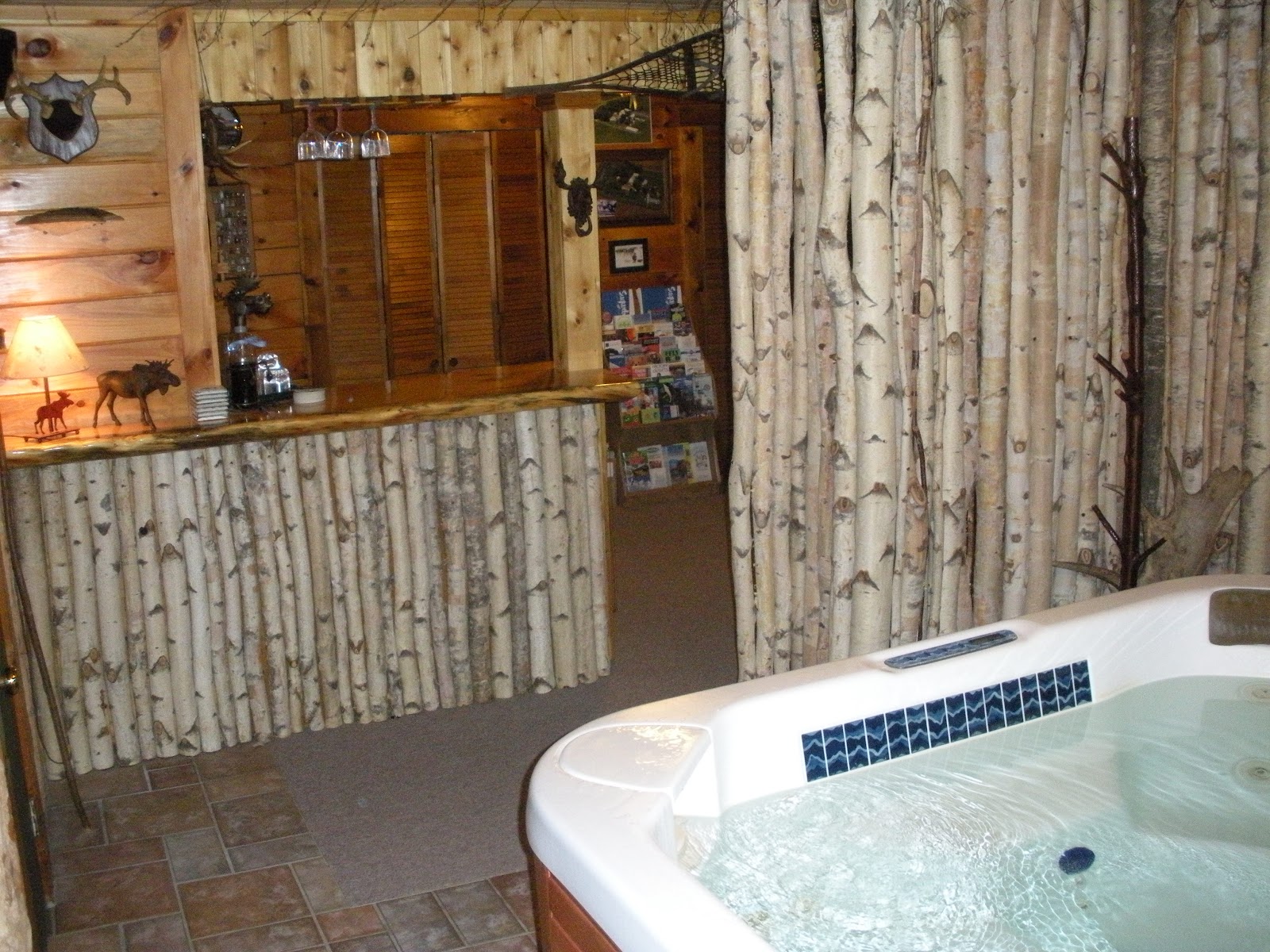
Indoors, a lodge in this climate is timber and it absorbs, which means the ambient is a stop or two below what the eye estimates and the background drops away for free. A subject a metre from a window turned about forty-five degrees to it gets horizontal light with steep fall-off — room lights off, custom white balance on a face — and because the sun is low all year, that light travels much further into the room than it would further south.
- Suits open sky, mountain views, late-August colour and winter above all
- Does not suit formal shoes in summer, insect-averse guests or lush expectations
- Muskeg absorbs rather than bounces — added light earns its place here
- Ask where the dry routes are; it decides where the party can stand
- Frozen muskeg is firm ground. Winter solves the site’s central problem
The boreal meadow year
This area has a southcentral Alaskan climate leaning continental, with the enormous daylight swing that defines the state and a ground condition that changes the site completely between seasons.
Midwinter gives about five hours of daylight with the sun reaching only about four degrees above the horizon, which means the whole short day is an extended twilight — soft, raking and strongly blue and pink toned. Over a snow-covered meadow ringed with black spruce that is among the most beautiful light in this guide.
Winter is the best season here and it is not close, for two reasons. The ground is frozen and firm, which makes the meadow fully usable for the first time in the year — a level walkable surface rather than a bog. And snow turns it into a clean white plane that reflects light upward into every face, which is exactly the fill the absorbent summer surface does not provide.
Snow against near-black spruce is the widest brightness range in this guide: expose for the snow and let the conifer go black, overexposing deliberately relative to the meter, which snow fools by about two stops.
Winter is also prime aurora season, from roughly September to April on clear nights, and an open meadow with dark skies and a spruce horizon is close to the ideal foreground. This is one of the best aurora sites in this guide.
The costs are cold that drains batteries fast, a camera that fogs when brought into a heated lodge, a short day, and access that depends on conditions. Spares in an inside pocket and bodies bagged until they warm.
Break-up in April and May is the worst time of year at a muskeg site, and it deserves stating plainly. Frozen ground thaws from the top down over impermeable peat, which means the meadow becomes standing water with rotten snow on it — impassable, unattractive and cold. Early May here is not spring in any recognisable sense, and for this particular ground it is the one date to avoid outright.
June is when it turns green, and it turns fast under twenty hours of daylight. The meadow fills in, the days are enormous, and the low warm light lasts two or three hours rather than forty minutes — running until near eleven at night, which means a portrait session at ten is entirely reasonable and better lit than one at two.
The costs of June and early July are the ground, which is at its wettest after break-up, and the mosquitoes, which on a bog are at their worst. Those two together make early summer the hardest part of the usable year here.
July is the warmest month and the driest by local standards, which helps the footing, and fireweed gives the strongest colour of the Alaskan summer — tall magenta spires around the meadow’s margins in quantity, a genuine foreground rather than a detail.
Late August into September is the best summer-season window and it is excellent. The muskeg vegetation turns red, crimson and orange across the whole meadow; birch turns gold; the insects have gone; the ground is at its firmest of the unfrozen year; the first snow appears on the mountains; and the nights are dark enough for aurora while the days are still long.
A red meadow ringed by black spruce, with gold birch among it and fresh snow on the range beyond, is the strongest frame this site produces — and it comes with the best ground conditions and no mosquitoes, which makes late August the obvious answer for anyone who does not want a winter wedding.
The window is roughly the last week of August through the middle of September. October brings the rain, the dark and the freeze-up, and by November the meadow is firm again and the winter season has begun.
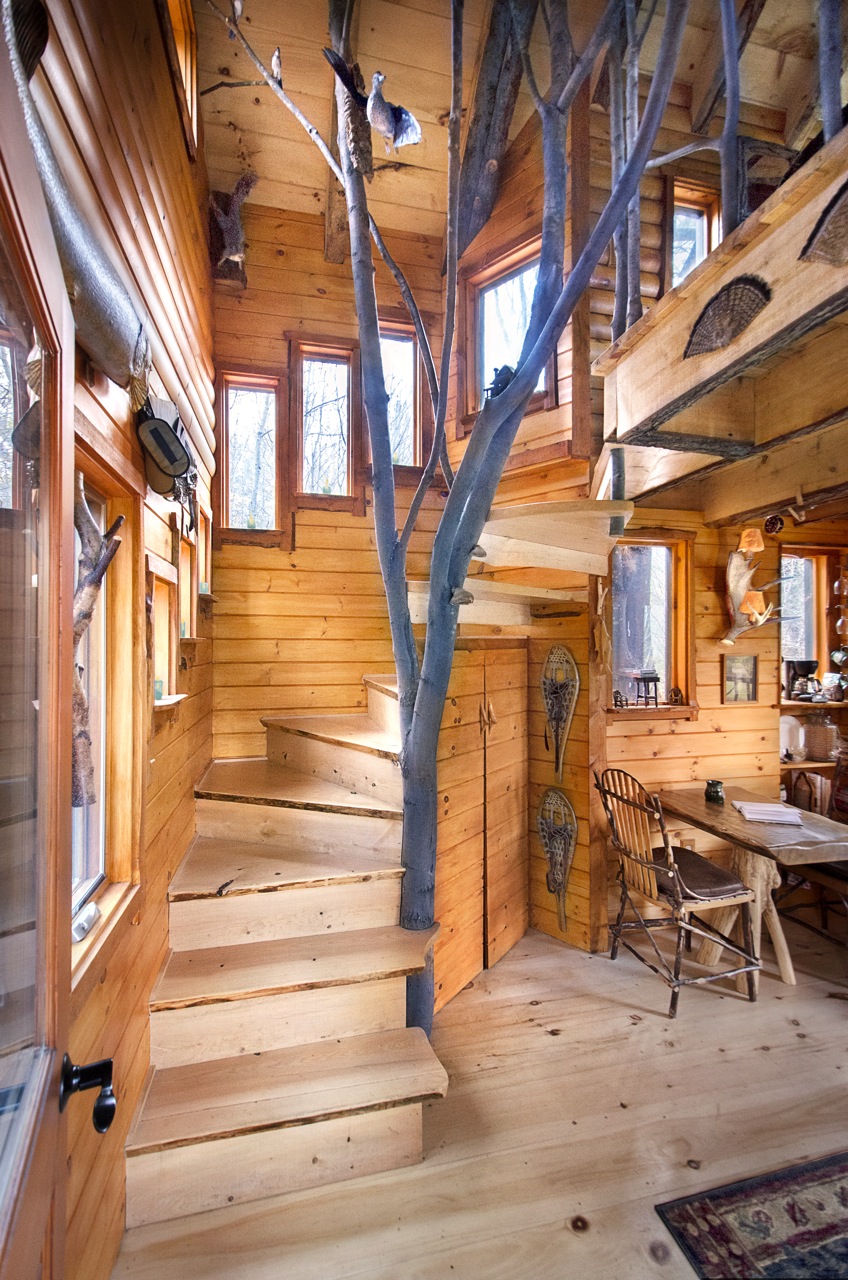
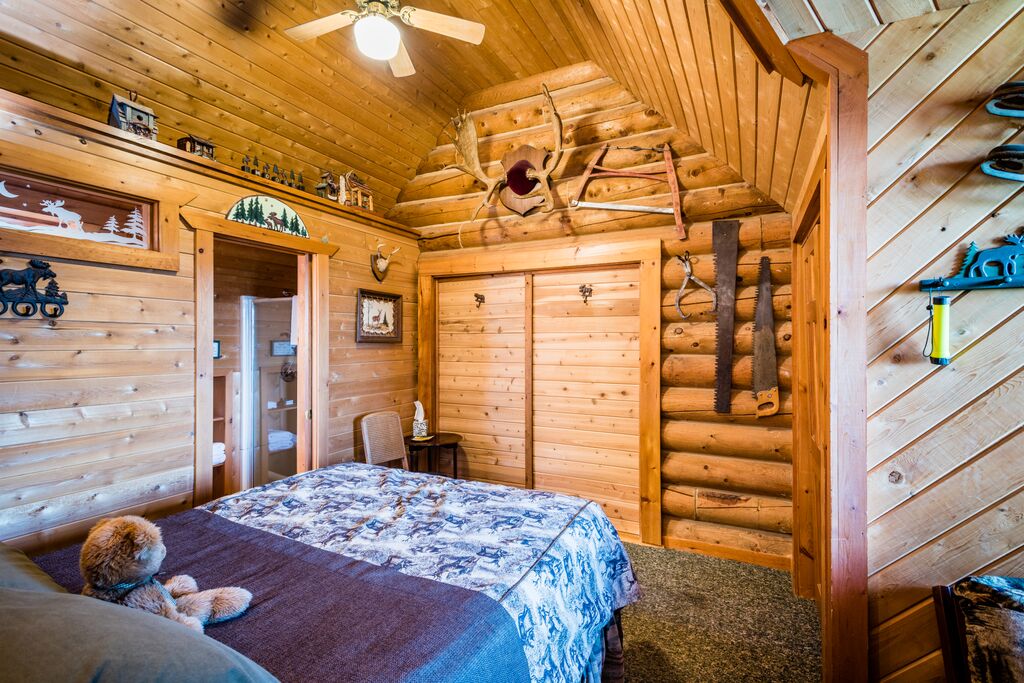
More frames from Moose Meadow Lodge
Moose Meadow Lodge wedding photography: common questions
What is muskeg?
Waterlogged peat bog with a surface of sphagnum moss, low shrubs and sedge. It looks like a meadow from a distance and is soft and wet underfoot.
What does that mean practically?
Formal shoes and open muskeg do not mix in summer. Ask where the boardwalks or dry routes run — it decides where the party can stand.
Why does added light matter more here?
Peat and low shrub absorb rather than reflect, so unlike a grass meadow the ground does not throw light up into faces.
When are the insects worst?
June and early July, and a bog is the worst ground for them. Open breezy positions and a late-August date are the real mitigations.
Why is winter the best season?
Frozen muskeg is firm walkable ground, and snow turns it into a clean white plane that reflects light up into every face.
When is the site at its best without snow?
Late August into mid-September — the whole meadow turns red and crimson, the insects have gone, and the ground is at its firmest.
More Alaska venue guides
We are writing a photographer’s guide to every venue we would happily shoot in Alaska. Here are three more, plus the full index:
- Pioneer Ridge Estate, Wasilla: The Problem, and Four Ways Out
- Rustic Rose Ranch, Palmer: Field Notes
- Salmonberry Inn, Anchorage: One Frame, and How It Is Made
Planning a wedding at Moose Meadow Lodge?
Honest ground and a very big sky. Tell us your date and we will ask about the footing.