 Salmonberry Inn, Anchorage: One Frame, and How It Is Made
Rustic Rose Ranch, Palmer: Field Notes
Twenty hours of light makes things grow absurdly. And this valley has a wind with a name.
These are field notes on a farm in the Matanuska valley, and the first note is about what the light does to plants rather than to faces.
This valley is farmed because of the daylight. At around sixty-one degrees north the growing season is short — about a hundred days — but each of those days has up to twenty hours of usable light, which means a plant here photosynthesises for nearly twice as long each day as one in Iowa. The result is growth rates and final sizes that are genuinely remarkable, and the valley is known for record-breaking vegetables for exactly this reason.
The photographic consequence is that a northern farm in late summer is denser and more abundant than its short season suggests, and that abundance is worth using as foreground rather than treating as background. Oversized crops, tall flowering rows and heavy growth in August are specific to this place.
The second note is the mountain. Pioneer Peak rises abruptly from the valley floor to the south, and its scale relative to the flat farmland is the thing that makes a frame here unmistakable. It is close and steep, which means a longer lens brings it forward as a wall behind the couple, and a wide lens reduces it to a band above a lot of field — which is the standard mistake at any mountain-view site.
The third note is the wind, and this valley has a specific one. Strong downslope winds funnel out of the Matanuska valley and across the farmland, and they are locally named and locally notorious — which makes them a planning fact rather than a curiosity.
And the fourth is the light itself. At this latitude the sun reaches only about fifty degrees above the horizon at midsummer noon and far less the rest of the year, which means it rakes rather than falls. There is no hour of the day at which the sun is high enough to flatten a face.
We have not photographed a wedding at the Rustic Rose Ranch; Matanuska valley farms behave consistently. Which buildings and areas are included, the covered alternative, what power is available at the field positions, what the farm will be doing on the date, and whether the site is exposed to the valley wind are questions for their team.
Rustic Rose Ranch at a glance
| Where | Farmland in the Matanuska valley at Palmer, southcentral Alaska |
| The daylight | Up to twenty hours a day — growth nothing further south matches |
| The mountain | Pioneer Peak, close and steep, needs a longer lens |
| The wind | Strong downslope valley winds, locally named and genuinely notorious |
| Ask first | Areas included, covered alternative, field power, farm work, wind exposure |
The fields and the mountain: problems and solutions
The open ground is the farm’s main surface and the problem with it is the ordinary one: nothing overhead. What is unusual here is that it matters far less than it would further south.
At this latitude the sun never gets high enough to produce the vertical shadows, dark eye sockets and hard chin lines that make an open field unusable at noon in the lower forty-eight. A face in open sun at one in the afternoon in Palmer is lit from a direction — modelled rather than flattened — which means the field is workable at any hour.
What the field does do is bounce. Pale dry grass, stubble or bare soil throws light upward into faces, which fills the shadows the sun makes — useful, at the cost of uplight under the chin. The diagnosis is to look at the chin in the first frame, and something solid on one side corrects it.
In low raking light — which here is most of the day — cleared ground has texture in every blade and furrow, and any planted row, fence line or track becomes a graphic element that leads into a frame or cuts across it depending on where the camera stands. Two steps either way is the difference.
The crops are the farm’s specific asset and they are worth composing with deliberately. A row of tall growth at head height gives the same thing an orchard gives further south: a corridor to stand in, with structure on both sides and a canopy of leaves overhead — which in late summer at this latitude can be considerably taller than a photographer expects.
Getting low is the most effective single move in any planted field. A camera at the level of the crop puts growth in the foreground as well as behind the subject, which layers a frame that would otherwise be a person standing in a field — and it hides the ground, which at a working farm is frequently the untidy part.
The mountain is the second element and the exposure decision for it is the important one. Pioneer Peak in sun against a shaded field, or a lit field against a shaded mountain, spans more range than one exposure holds — so the ambient goes on the mountain and the faces are lifted by a close warm-gelled source.
Metering on faces produces a white sky and a flat washed peak, which is the standard failure at every mountain-view venue. Close matters because a field bounces some light but not enough to lift a backlit face: a source at two metres needs roughly a quarter of the output it needs at four.
The lens is the other half. The peak is close enough and steep enough that compression makes it monumental, which is the frame the valley gives — and the air here is clean and cool, which means the detail holds. A wide lens is only right when the subject is the flatness of the farmland rather than the mountain.
The mountain also controls the timing. A steep peak to the south and ridges on both sides mean the valley floor loses the sun before a table says, and gains it later — which brings the evening forward and produces the interval frame: the field in soft even shade while the peak above is still brilliantly lit, for twenty or thirty minutes. That is the best frame of the day and it is made by exposing for the lit rock and lifting the faces.
The wind is the constraint that governs the equipment. Downslope valley winds here are strong and they build through the day, which means a lightstand is a liability rather than a tool, a held modifier is a sail, and a veil is genuinely unpredictable — so handheld or bracketed sources are the working configuration, planned from the start rather than discovered at six in the evening.
The lee of a barn or a dense stand of spruce is real shelter and it is worth walking to. And a wind that strong is a comfort matter as well: a party in formal clothes on open ground in a Matanuska wind is uncomfortable in a way that shows.
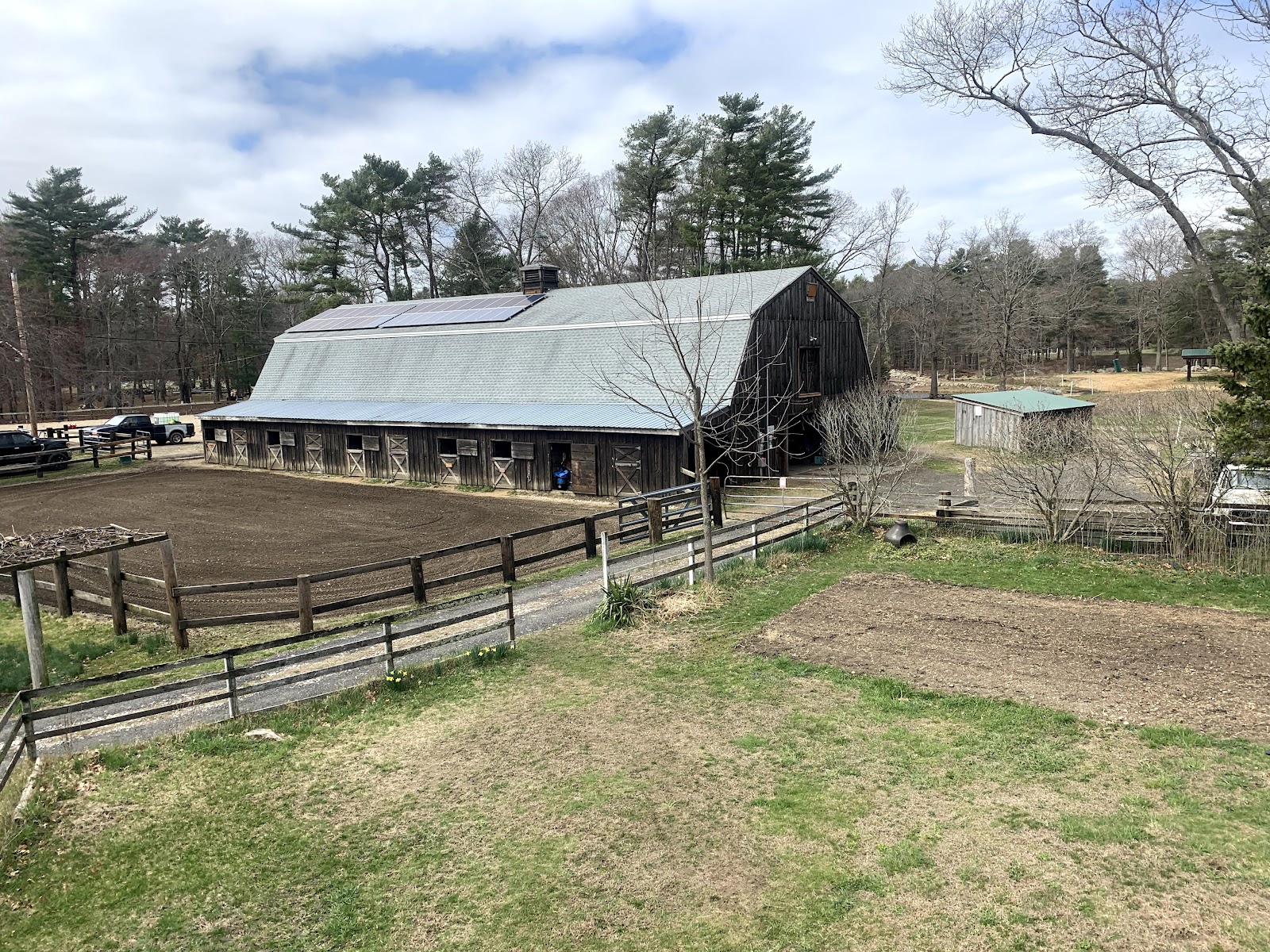
The buildings, the forest, and the very long day
The farm buildings are the reliable shade and the reliable weather answer, and they behave the way farm buildings do everywhere.
A barn or shed with a large opening gives a dark interior with one big door, which produces horizontal light and steep fall-off: a subject two or three metres inside is lit from one side with nothing behind them. Unpainted timber absorbs almost everything, which means the interior is a stop or two darker than it looks and the background is free.
The latitude improves it. Because the sun is low all year, light comes through a big door almost horizontally and reaches much further into a building than it would further south — which makes an Alaskan barn better lit, relative to its opening, than one in Kansas.
A porch, overhang or covered loading area is the other version: a solid roof restricting light to a horizontal band, bouncing off the ground to fill, and incapable of dappling. Two or three metres in from the open edge is the working position and it works at any hour in any weather.
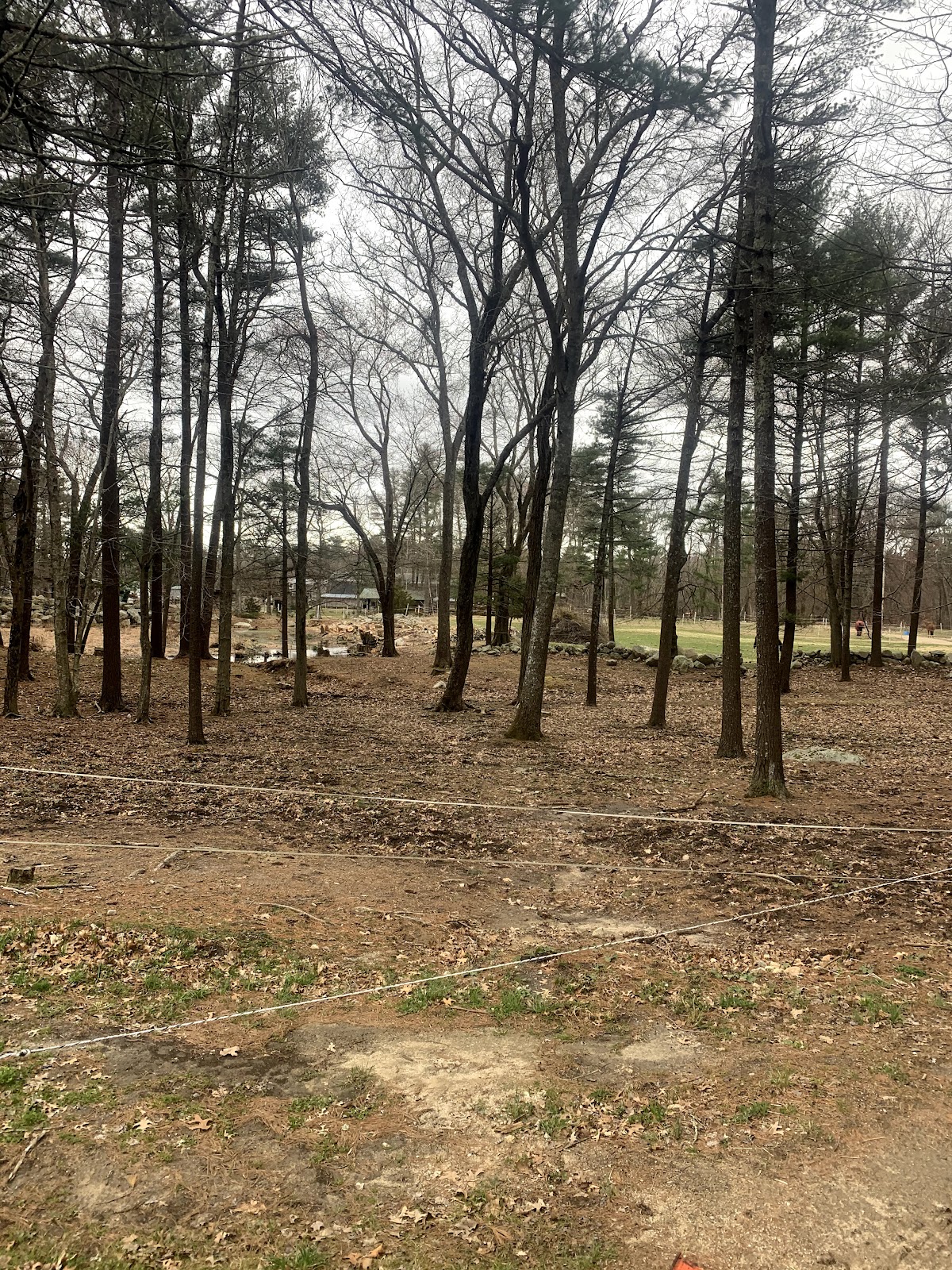
The forest edges are the other shade. This is spruce and birch country — white and black spruce with paper birch, aspen and cottonwood — and spruce blocks almost everything, which makes the canopy edge the most reliable outdoor position on the property: soft directional light in front, near-darkness behind, and three or four stops of free separation.
The metering trap is the standard one: dark spruce makes a meter overexpose a face by a couple of stops, while a bright field a few paces away fools it hard the other way. Manual, metered on skin, reset at every transition.
Birch is the counterpart. Paper birch has bright white bark, which makes a birch stand a pale background of vertical lines rather than a dark one — and the meter will underexpose because the bark is bright. White birch against near-black spruce in one frame is the northern signature, and in the Mat-Su valley it is everywhere.
The very long day is the site’s greatest practical asset and the thing most worth building a schedule around. Because the sun’s path is shallow, the low warm light that lasts forty minutes further south lasts two or three hours here, and in June the usable light runs from about four in the morning until near midnight.
That means a portrait session at ten in the evening is entirely reasonable and will be better lit than one at two in the afternoon, and there is no need to compress the day. It also means the reception happens in daylight, which is a different picture from the same reception in the dark — worth planning for rather than being surprised by.
The corollary is that there is no night sky and no aurora in June and July, because it never gets dark enough.
The practical realities of a working farm apply throughout. Ground is worked earth and can be soft, dusty or muddy depending on the week; equipment, fencing and irrigation are present and are either composed out or accepted as what the place is; and what the farm will actually be doing on the date is a question for them rather than a surprise.
Accepting the working elements is more honest and usually better. A wedding photographed among a real Alaskan farm in August — oversized crops, machinery, a barn, Pioneer Peak behind it — looks unlike anything else in this guide, and it is worth more than a tidied version of the same ground.
Power is the last question and at a field position it is real: whether anything usable exists, or whether the plan is battery sources only. Worth resolving in advance.
- There is no bad hour — the sun never gets high enough to flatten a face
- Get low in the crops; it layers the frame and hides the untidy ground
- Longer lens for Pioneer Peak; expose for the mountain and lift the faces
- Plan handheld sources from the start — this valley’s wind is notorious
- The good light runs to eleven at night; do not compress the day
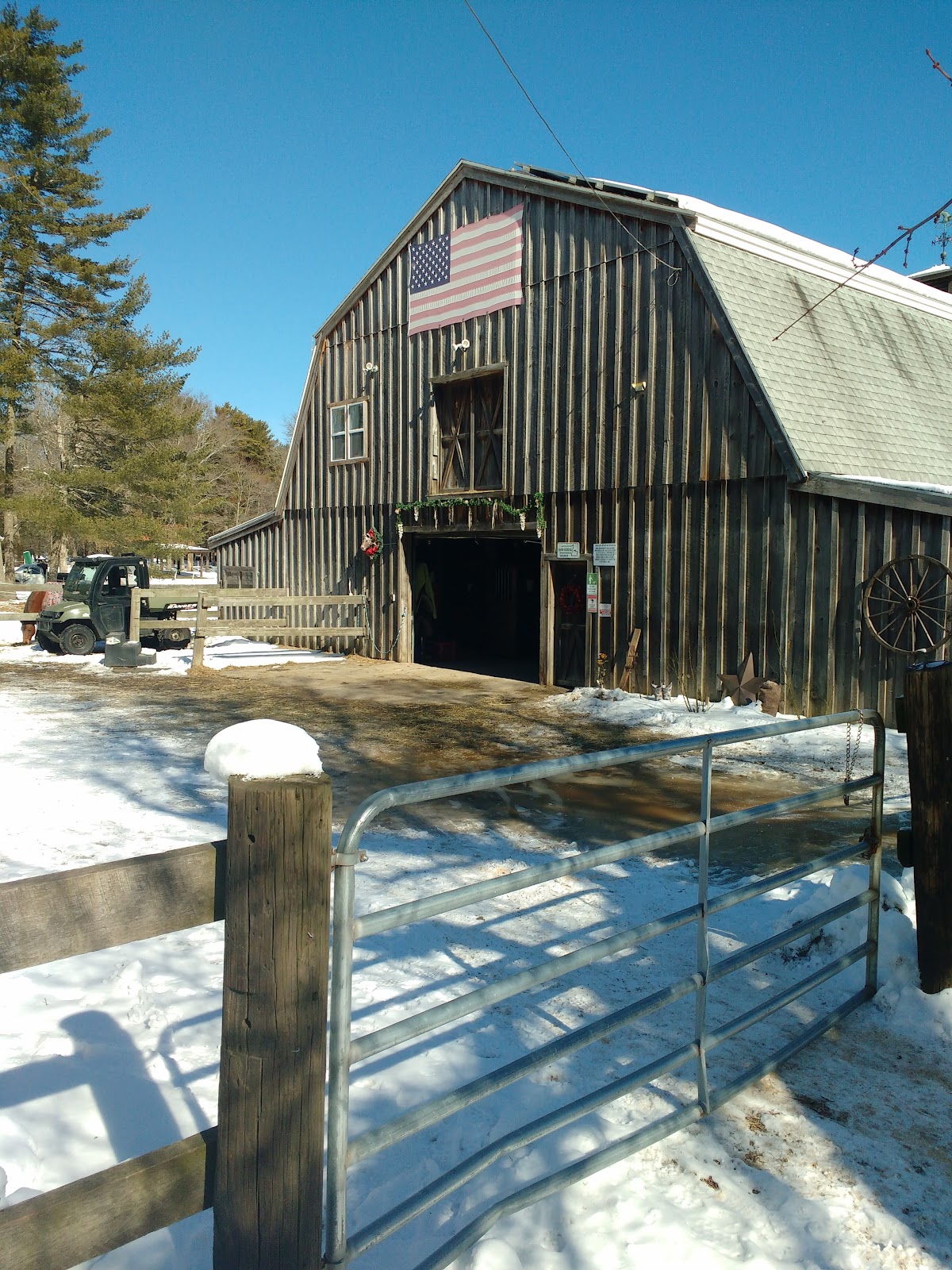
The Matanuska valley year
The Mat-Su valley has a continental-leaning southcentral climate: drier and sunnier than the coast, colder in winter, and with the enormous daylight swing that defines Alaska.
Midwinter gives about five and a half hours of daylight with the sun reaching only about five degrees above the horizon, which means the whole short day is an extended twilight — soft, raking and blue-toned. Against snow and spruce with Pioneer Peak above, that is among the most beautiful light in this guide.
Snow is the winter asset and this valley gets a good deal of it: the best natural fill available outdoors, lifting every shadow and throwing light upward into faces. Snow against near-black spruce is the widest brightness range in this guide — expose for the snow and let the conifer go black, overexposing deliberately relative to the meter, which snow fools by about two stops.
A snow-covered field with Pioneer Peak behind it, raked by a low winter sun, is the cleanest frame the site produces — everything untidy is covered, the ground is a single plane, and the mountain is at its most legible.
Winter is aurora season from roughly September to April on clear nights, and the Mat-Su valley has genuinely dark skies away from Anchorage. A frame with northern lights over a snow-covered field and a mountain is available nowhere else in this guide — tripod, wide fast lens, a few seconds to half a minute, and a party willing to stand still in the cold.
The costs are cold that drains batteries fast, a camera that fogs when carried into a heated building, a short day, and the valley wind, which in winter adds serious chill. Spares in an inside pocket and bodies bagged until they warm.
Break-up in April and May is the least attractive time of year and at a farm it is worse than most: dirty patchy snow, mud, bare trees, and fields that are worked earth rather than anything green. Early May here is not spring in any recognisable sense.
June is when it turns and it turns faster here than almost anywhere. Under twenty hours of daylight the green arrives within a fortnight and then keeps going — the growth rate through June and July is the valley’s defining characteristic, and a field photographed in mid-June and again in mid-July is a different place.
Mosquitoes arrive with the green and are a genuine consideration in June and early July, less so on open breezy ground than in sheltered woodland.
July is the warmest month, and fireweed gives the strongest colour of the Alaskan summer: tall magenta spires along field edges and cleared ground in quantity, a real foreground rather than a detail. There is a local saying that when fireweed blooms to the top of its spike, six weeks remain until snow, and it is roughly true.
August is the farm’s month and the best one for a wedding that wants the place to look like itself. The crops are at their most absurd, the harvest is under way, the days are still long, and the first colour is beginning in the birch.
Late August into September is the best season overall. Birch and cottonwood turn gold; the alpine tundra on Pioneer Peak and the ridges turns red and orange; the first snow appears on the peak, locally called termination dust; and by early September the nights are dark enough for aurora while the days are still long enough to work in.
Gold birch, red tundra, a harvested field and fresh snow on Pioneer Peak, with northern lights after dark, is the strongest combination this site produces — and the window is roughly the last week of August through the middle of September.
October brings the rain and the dark, and by November the valley is in winter.
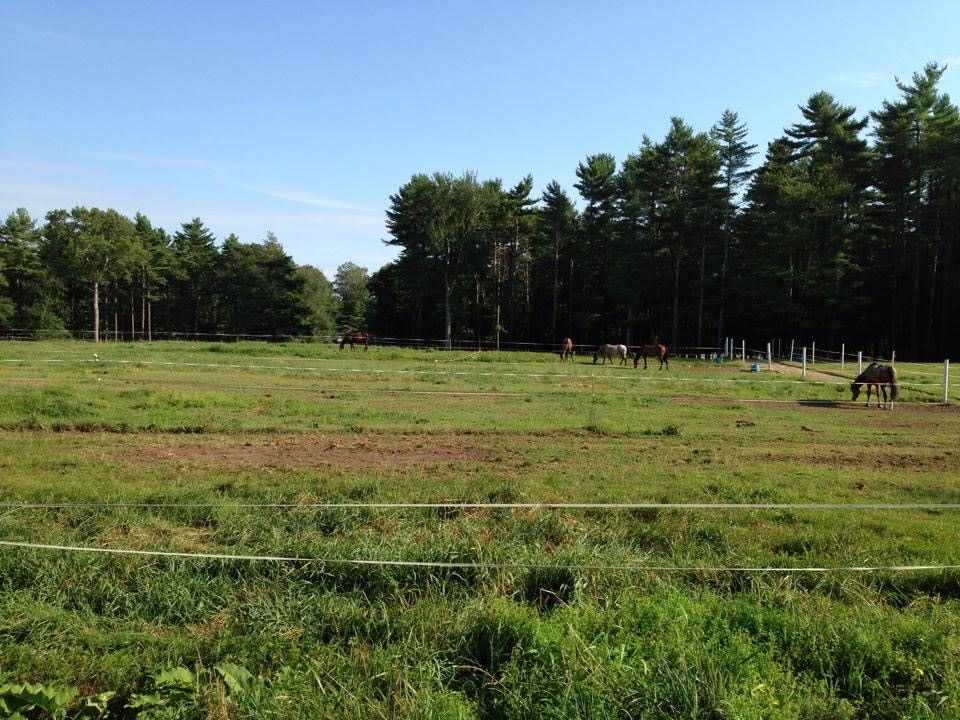
More frames from Rustic Rose Ranch
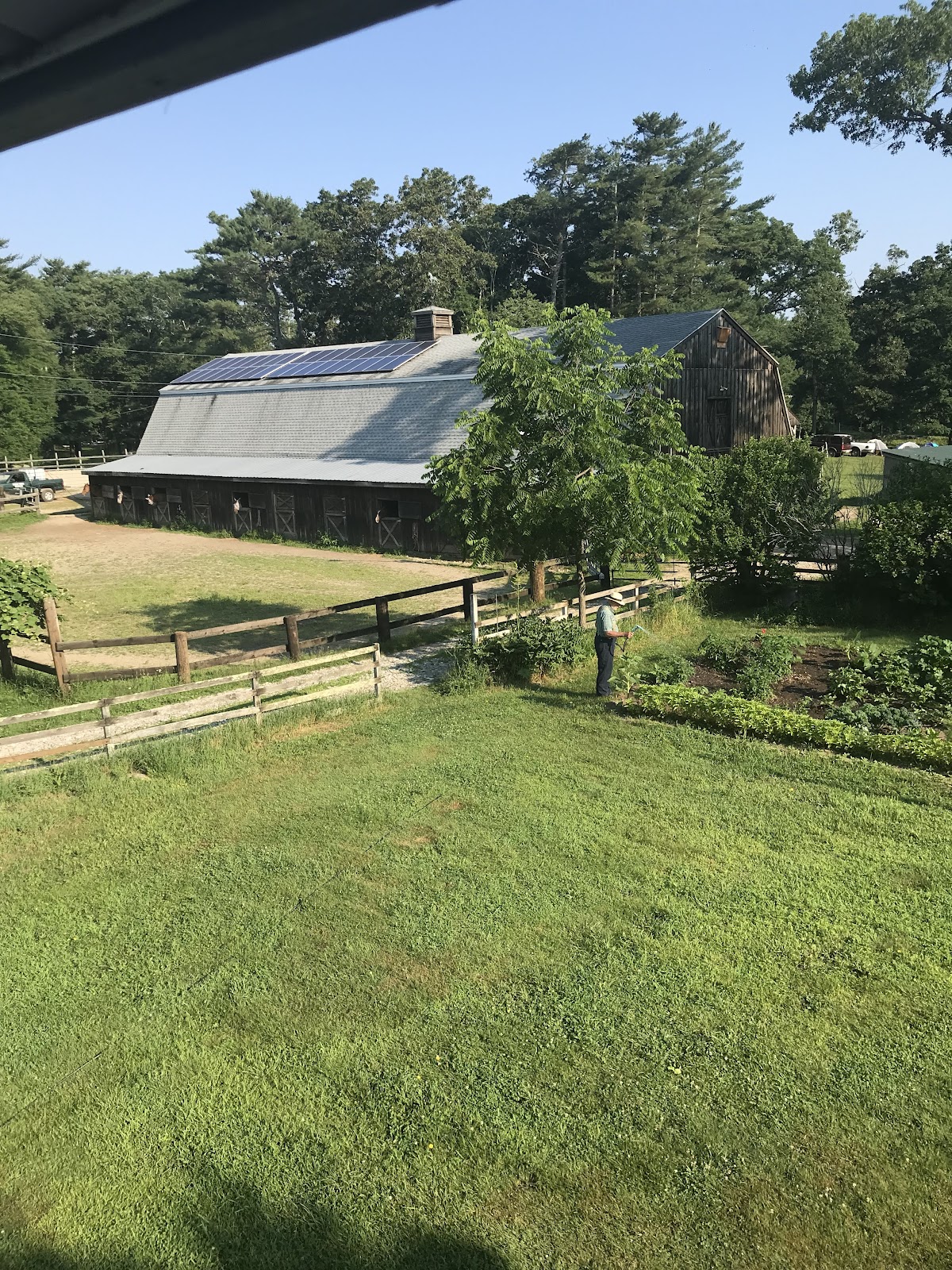
Rustic Rose Ranch wedding photography: common questions
Why is the growth so extraordinary here?
Up to twenty hours of daylight a day. The season is short but each day is nearly twice as long as one in Iowa, which is why the valley is known for record vegetables.
Is midday light a problem?
No. At sixty-one degrees north the sun never gets high enough to flatten a face, so the field is workable at any hour.
How should Pioneer Peak be photographed?
On a longer lens, exposed for the mountain with the faces lifted by a close warm-gelled source. A wide lens reduces it to a band above a field.
What about the wind?
This valley has strong named downslope winds. Plan handheld sources from the start, and use the lee of a barn or a spruce stand.
When is the good light?
From about seven in the evening until eleven in June. The sun’s shallow path means it lasts hours rather than forty minutes.
When is the site at its best?
Late August into mid-September — a harvested field, gold birch, red tundra and termination dust on Pioneer Peak, with aurora after dark.
More Alaska venue guides
We are writing a photographer’s guide to every venue we would happily shoot in Alaska. Here are three more, plus the full index:
- Salmonberry Inn, Anchorage: One Frame, and How It Is Made
- Settlers Bay Lodge, Wasilla: Field Notes
- Snowgoose Restaurant, Juneau: The Building’s Own Logic
Planning a wedding at Rustic Rose Ranch?
A farm the daylight built. Tell us your date and we will use the long evening.