 Salmonberry Inn, Anchorage: One Frame, and How It Is Made
Bear Creek Winery, Ketchikan: What It Suits and What It Does Not
This is one of the wettest inhabited places in the United States. Plan for rain, not around it.
A venue in the southeast Alaskan rainforest is a specific proposition and the honest way to describe it is to start with the single governing fact: it rains here more than almost anywhere else in the country.
Ketchikan receives on the order of several thousand millimetres of rain a year — many times what most of the venues in this guide see — spread across most of the calendar rather than concentrated in a season. Overcast is the default condition, sunshine is the exception, and a dry day is good fortune rather than a reasonable expectation.
That is not a warning. It is the basis of a plan, and a plan built on it works far better than one built on hoping for sun. Because the second fact is that rainforest light is technically excellent: soft, even, saturated, with no dappling anywhere, no squinting, no clipped highlights and no hour of the day that has to be avoided.
The third fact is the latitude. At around fifty-five degrees north the sun reaches only about fifty-eight degrees above the horizon at midsummer noon and far less the rest of the year, which means it rakes rather than falls — so even on the rare clear day, the midday problem that dominates every southern venue in this guide does not occur.
And the fourth is the forest itself: Sitka spruce and western hemlock, mossed from root to crown, with alder and devil’s club in the understorey. It is the densest, darkest and greenest woodland in this guide.
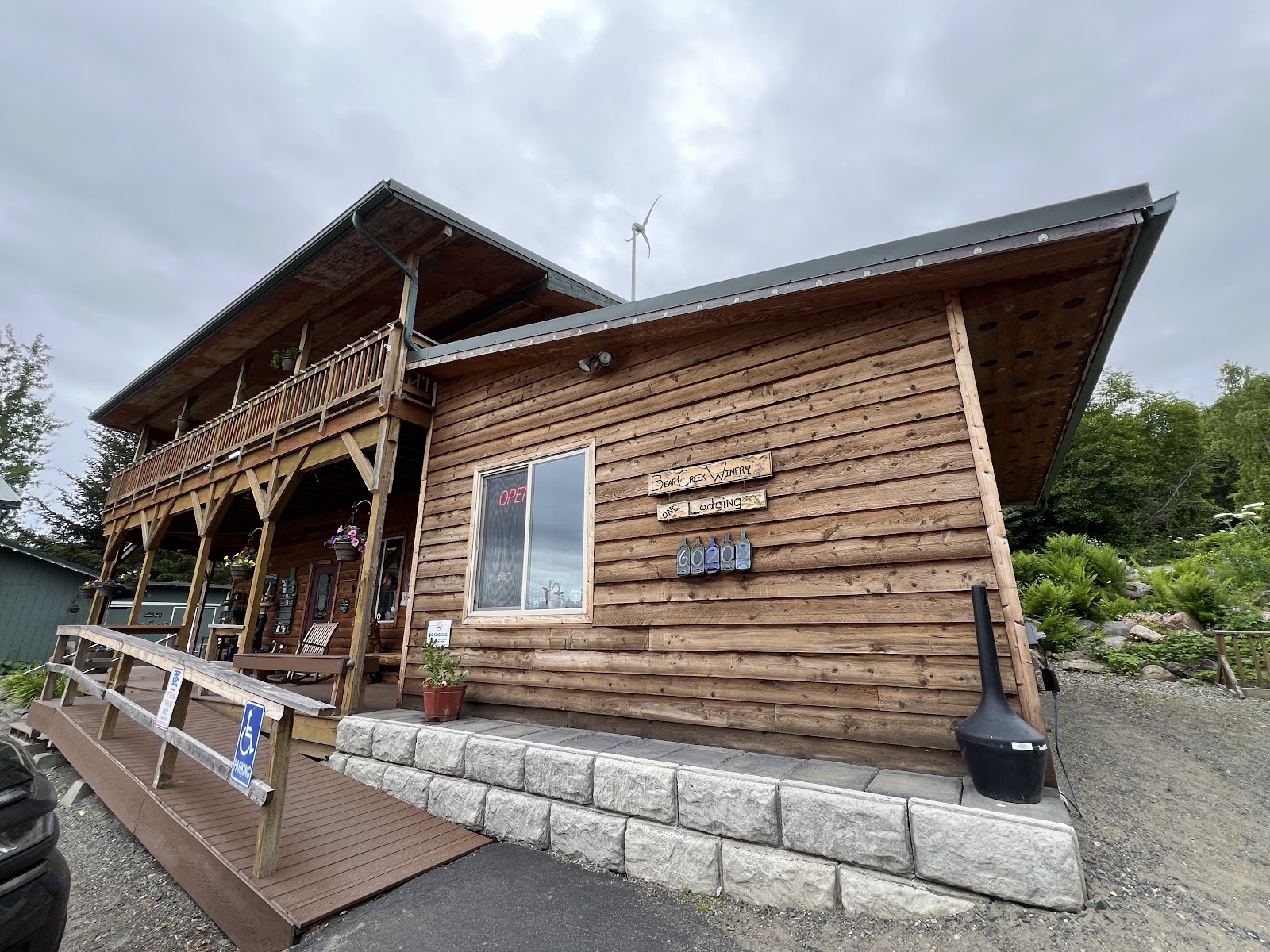
We have not photographed a wedding at Bear Creek Winery; southeast Alaskan rainforest venues behave consistently. Which spaces are included, the covered alternative and its capacity, what the guest limit is, what power is available, and what the bear guidance is are questions for their team — and the covered alternative is the most important of those by a distance.
Bear Creek Winery at a glance
| Where | Temperate rainforest at Ketchikan, southeast Alaska |
| The fact | Several thousand millimetres of rain a year — overcast is the default |
| Suits | Soft even light, saturated green, intimate coverage and rain frames |
| Does not suit | Bright sunlit expectations, large open groups, or a view-dependent plan |
| Ask first | Covered alternative and capacity, guest limits, power, bear guidance |
What it suits
It suits soft even light, and it supplies more of it than any venue in this guide. Under a rainforest overcast the whole brightness range collapses: greens saturate rather than glaring, faces need nothing added, groups can stand anywhere, and there is no dappling because there is no directional light to make it.
That removes every scheduling constraint a sunny venue imposes. A ceremony at one in the afternoon works exactly as well as one at six, which at a site where the weather decides the running order anyway is a genuine freedom.
The handling is consistent and it is three things. Build the contrast the light will not supply, which here means dark conifer behind a subject — Sitka spruce and hemlock absorb almost everything, giving three or four stops of separation for nothing, and the metering correction is simply to meter on skin because dark conifer makes a meter overexpose a face by a couple of stops.
Set a custom white balance on a face in position rather than a preset, because rainforest light is cool and green at once — cool from an overcast sky, green from moss on every surface. A daylight preset renders skin grey-green, and it is the most visible error available at this kind of venue.
And add one subtle source just off the camera axis at about half a stop above the ambient, which restores the modelling flat light removes without making the frame look lit.
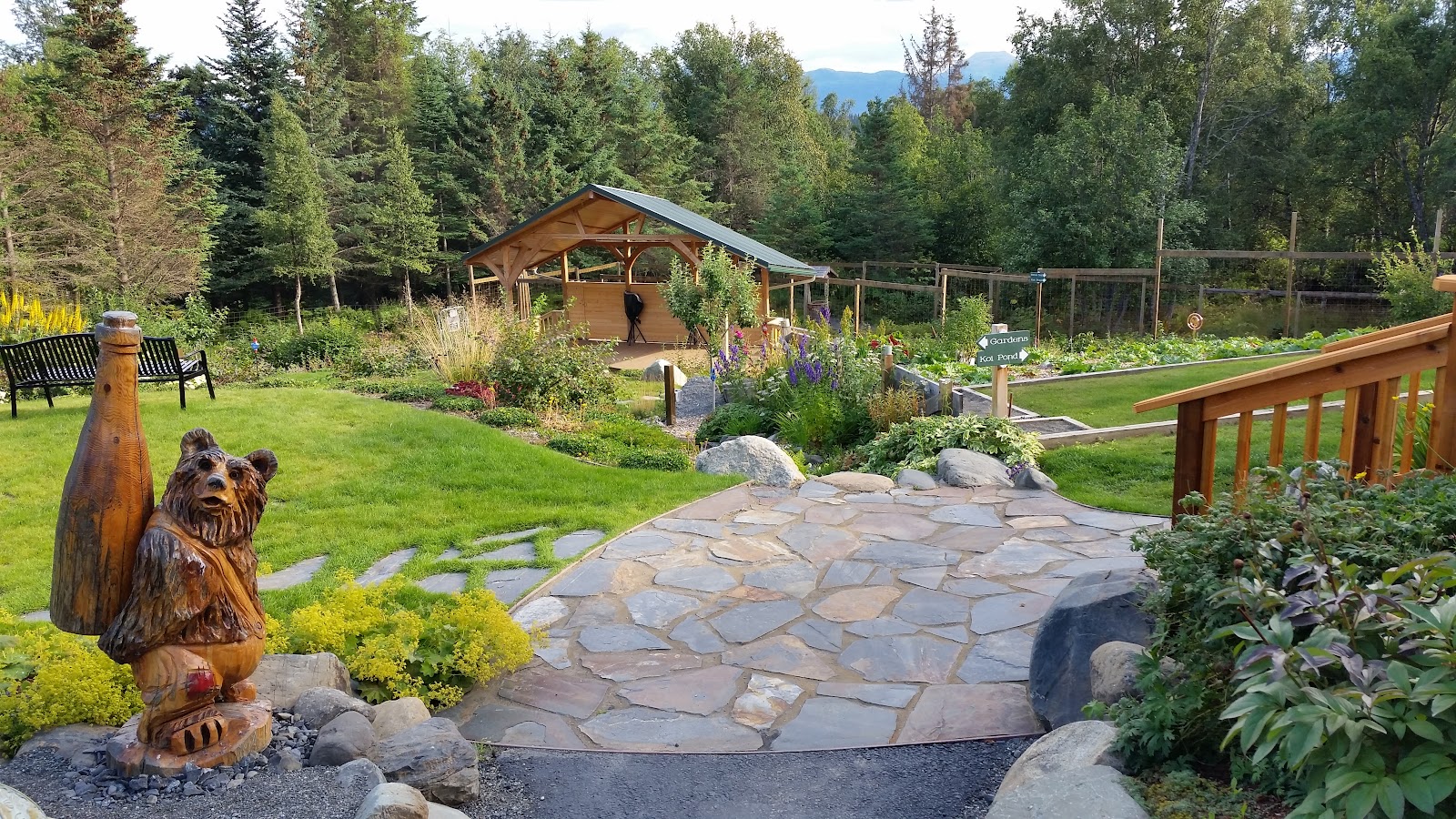
It suits saturated green, which is the thing this landscape does better than anywhere. Moss covers trunks, branches, ground and fallen timber, which means the forest is green from top to bottom rather than green at the canopy — and under soft wet light that green is at full saturation rather than washed out by contrast.
It suits rain frames, which is worth saying plainly because most guides treat rain as a failure. Wet rainforest is spectacular: water on every leaf, moss glowing, the creek running, mist between the trunks, and a couple under an umbrella in the middle of it. Those are pictures that could not be made anywhere else in this guide, and a couple who understand that in advance get a set of photographs rather than a salvage operation.
It suits intimate coverage. A dense rainforest site has no long views and no large open ground, which pushes the work toward conversational distance — faces, hands, details, the forest close in. That is where a wedding’s interest actually is, and this landscape rewards it.
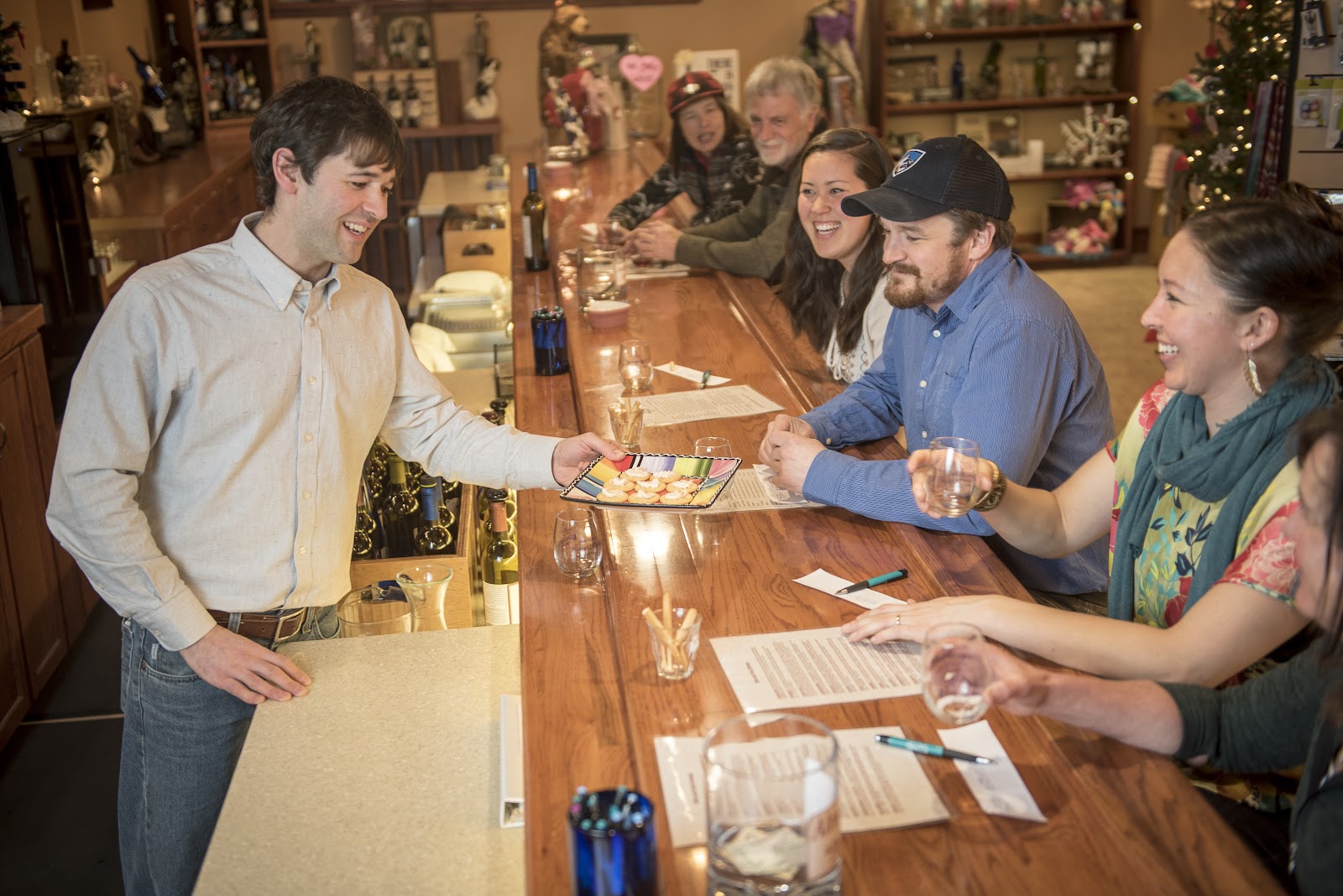
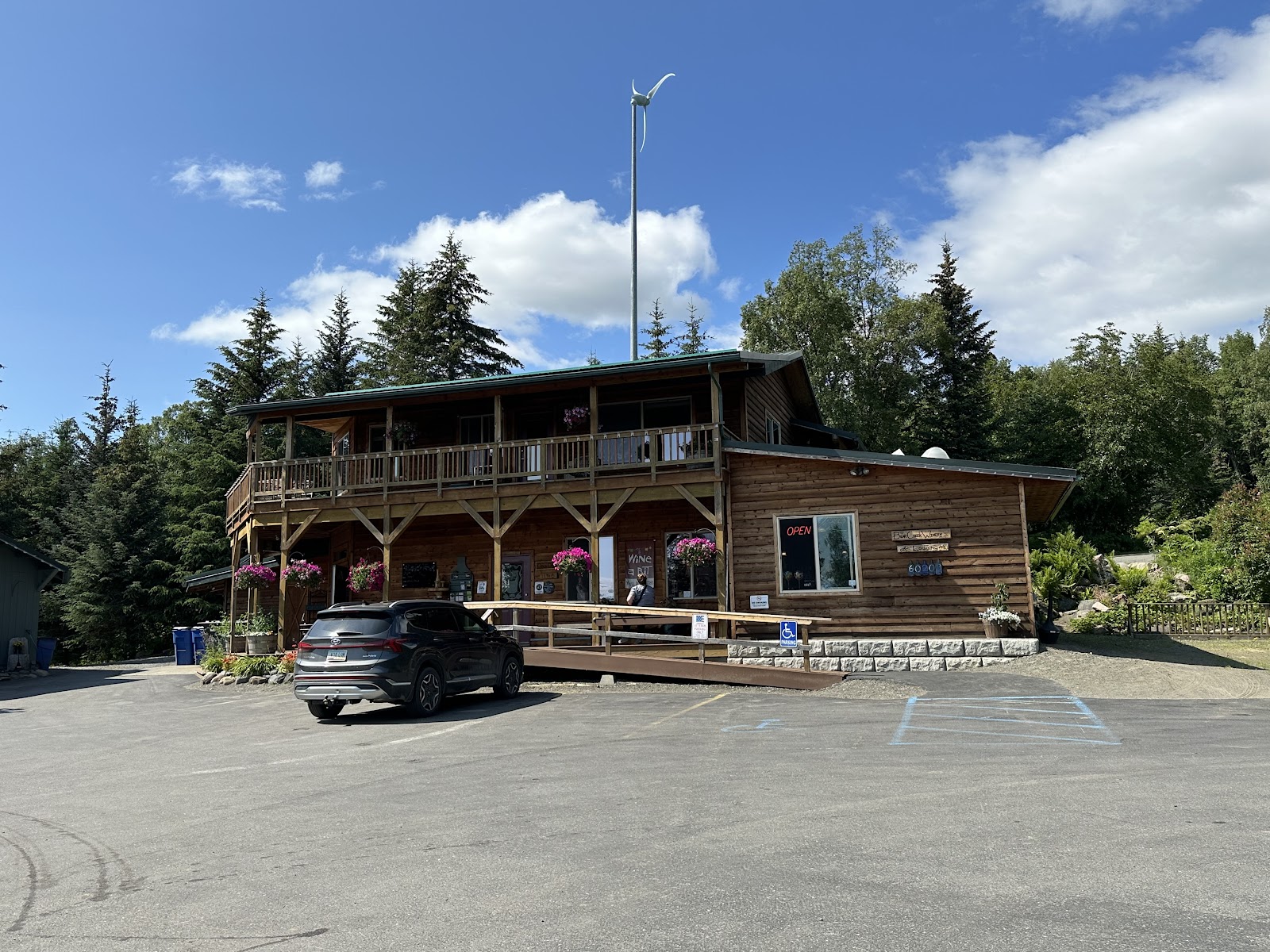
It suits the built spaces more than a drier venue would. A winery building in this climate is weatherproof timber, and the tasting room, cellar or barrel space is both the covered alternative and the best low-light room on the property: dark, with one or two openings, which gives steeply falling light and free separation. One warm-gelled source at about a stop above the ambient keeps the character of the room rather than flattening it.
And it suits the late Alaskan evening. At this latitude the sun’s path is shallow, which means the low warm light on a clear day lasts two or three hours rather than forty minutes, and in June the usable light runs until near eleven at night. That is a real freedom on the days the weather allows it.
What it does not suit
It does not suit a couple who expect sunlit photographs, and that is the honest limitation. The odds on any given date are against sun, and a plan that depends on it will more often than not be disappointed.
The right conversation to have in advance is not about the forecast but about the aesthetic: a set of pictures made in soft wet green light is coherent, atmospheric and specific to this place, and it is what the date will most likely give. A couple who want bright blue skies and hard shadows has chosen the wrong latitude, and saying so early is more useful than hoping.
It does not suit large open groups. A rainforest site has little level clearing, and the canopy that gives such good light for two people gives a dark uneven background for forty. Where a large group frame is needed, the answer is the largest even-light position available — full overcast is ideal, which here it usually is — and the position chosen for the light before the background.
The other constraint on groups is the covered alternative’s capacity. At a venue where rain is the default, whether the indoor space can seat the whole guest list for a ceremony as well as a reception is the question that decides the guest list, and it has a definite answer.
It does not suit a view-dependent plan. Dense rainforest on steep ground has no long sightlines, and the cloud ceiling frequently sits below whatever high ground exists — so a couple who booked expecting mountains or water in the frame may get neither. What exists instead is the forest itself, close in, which is a different and equally strong subject.
Two further limitations worth naming. The understorey is difficult ground: devil’s club, alder thickets, fallen timber, mud and standing water, which means the usable positions are on paths and clearings rather than anywhere in the forest, and a party in formal shoes moves slowly and gets wet. That is worth raising in advance.
And the light levels are genuinely low. A mossed rainforest under heavy overcast is several stops darker than an open site on the same day, and inside a dense stand it is darker still — which means fast lenses matter, high sensitivity is unavoidable, and a tripod is worth having for anything static. This is the one venue in this guide where the available light is a real constraint rather than a preference.
The technical implications follow. Where added light is used it must be close, because nothing in a mossed forest bounces: the light reaching a face is only the light aimed at it, falling off with the square of distance, so a source at two metres needs roughly a quarter of the output it needs at four. And it must be gelled and the white balance set to the gel, because an ungelled source in green-filtered light produces a face that reads as cut out and pasted in.
The bear question belongs in a planning conversation rather than a footnote. Southeast Alaska is black and brown bear country and a salmon creek in a rainforest is bear habitat — which means the venue’s guidance is followed rather than judged, and it may constrain where a party can go and when.
And the practical note for equipment in this climate is that everything gets wet. Rain covers, a cloth in a pocket, lens changes under shelter, and sealed bodies are not refinements here; they are the difference between working through a day and stopping halfway.
- Plan for rain rather than around it — the odds are against sun
- Custom white balance on a face: rainforest light is cool and green at once
- Dark conifer behind a subject is three or four stops of free separation
- Light levels are genuinely low — fast lenses, and a tripod for anything static
- Ask the covered alternative’s capacity; it decides the guest list
The southeast Alaskan year
Southeast Alaska has a maritime climate with a narrow temperature range and an enormous amount of precipitation, which makes the seasons here more about light and less about weather than anywhere else in this guide.
Midwinter gives about seven hours of daylight with the sun reaching only about seven degrees above the horizon, which means the whole short day is an extended twilight — soft, blue-toned and entirely raking. In a rainforest that is very dark, and a winter wedding here is an indoor proposition with brief outdoor excursions rather than an outdoor event.
Snow falls at sea level in this climate but does not lie as reliably as in the interior, and it is wet snow rather than dry. Where it does lie, snow on mossed spruce is one of the more beautiful conditions in this guide — and snow against near-black conifer is the widest brightness range available, so expose for the snow and let the trees go black, overexposing deliberately relative to the meter, which snow fools by about two stops.
Winter is aurora season in principle, and southeast Alaska does see the northern lights — but the cloud cover that defines this climate makes clear nights far rarer here than in the interior. It is a possibility rather than a plan.
Spring comes earlier here than anywhere else in Alaska, because the maritime climate keeps the winters mild. By April the forest is greening and the alder is leafing, and May is genuinely spring rather than break-up — which makes southeast Alaska the one part of the state where a May wedding is a reasonable proposition.
Late spring and early summer are the greenest and most luminous time in a rainforest: new growth on spruce tips, fresh alder leaves, moss at its most vivid, and the days lengthening fast. Mosquitoes are less of a problem here than in the interior, which is a real advantage.
July and August are the warmest months and the driest by local standards, which still means rain on most days. What they give is the long evening: on a clear day the low warm light lasts two or three hours and runs until near eleven, and a portrait session at nine is entirely reasonable.
This is also salmon season, and in southeast Alaska that is a genuine feature of the landscape rather than a detail: salmon running in the creeks, and the bears and eagles that follow them. It is worth keeping a long lens in reach, and it is the reason the bear guidance matters most in late summer.
Late August into September is the best season overall, as it is everywhere in Alaska. Alder and cottonwood turn gold, the undergrowth reddens, the first snow appears on the peaks, and the nights lengthen enough for the possibility of aurora while the days are still long.
In a rainforest, autumn colour works differently from a temperate wood: the conifer is unchanged and evergreen, which means the gold comes in patches against a near-black ground rather than as a continuous canopy. That contrast is stronger than a temperate autumn rather than weaker, because the background is darker than anything a temperate wood provides.
October brings the heaviest rain of the year and the shortening days, and by November the season has closed. The honest summary is that the light improves steadily from March to September and the rain never really stops — which makes late August the single best date to aim for and a soft wet day the one to plan for at any time.
More frames from Bear Creek Winery
Bear Creek Winery wedding photography: common questions
How much does it rain here?
On the order of several thousand millimetres a year, spread through most of the calendar. Overcast is the default and sun is the exception.
Is that bad for the photographs?
No. Rainforest light is soft, even and saturated, with no dappling, no squinting and no hour to avoid. It removes every scheduling constraint.
What is the commonest technical error?
Leaving the white balance on a daylight preset. Rainforest light is cool and green at once, and it renders skin grey-green.
Is the light level a problem?
It is the one venue in this guide where it genuinely is. Fast lenses matter, high sensitivity is unavoidable, and a tripod is worth having.
What does it not suit?
A couple expecting sunlit photographs, a large open group, or a plan that depends on a view. The forest close in is the subject.
When is the best date?
Late August into mid-September — gold alder against near-black conifer, first snow on the peaks, and still-long days. And plan for rain regardless.
More Alaska venue guides
We are writing a photographer’s guide to every venue we would happily shoot in Alaska. Here are three more, plus the full index:
- Black Diamond Resort, Healy: The One Decision That Governs Everything
- Blueberry Lodge, Homer: Field Notes
- Eagle Crest Lodge, Eagle River: The Problem, and Four Ways Out
Planning a wedding at Bear Creek Winery?
Plan for rain and the day gets easier. Tell us your date.