 Salmonberry Inn, Anchorage: One Frame, and How It Is Made
Eagle Crest Lodge, Eagle River: The Problem, and Four Ways Out
The sun sets here hours before the sunset table says. Read the ridge, not the app.
The problem in a steep Chugach valley is that the sunset table is wrong, and it is wrong by a margin large enough to ruin a plan.
The mechanism is geometry combined with latitude. A ridge rising a few thousand feet above a valley floor blocks the sun while it is still well above the true horizon — and at around sixty-one degrees north the sun’s path is so shallow that those last degrees take a very long time to travel. The two effects multiply rather than add.
The practical result is that a valley floor here can lose the sun two hours or more before the published sunset, and gain it two hours or more after the published sunrise. In a narrow valley in midwinter the sun may not clear the ridgeline at all for weeks.
That produces three related difficulties. A schedule built on a sunset time will put the portraits in flat shade rather than warm light. The good light, when it arrives, arrives and leaves faster than expected because the ridge cuts it off abruptly. And the shade that fills the valley for most of the day is considerably darker than the bright sky above it suggests, which catches exposures out.
The fourth element is the landscape: the Chugach is steep, close and mostly rock and tundra above a boreal valley floor of spruce, birch and cottonwood, with a fast river through it.
There are four ways out. We have not photographed a wedding at the Eagle Crest Lodge; lodges in steep Chugach valleys behave consistently. Which spaces are included, the covered alternative, what access there is up the valley, and what the bear guidance is are questions for their team — and the last is a real matter in this valley rather than a formality.
Eagle Crest Lodge at a glance
| Where | A steep-sided Chugach valley at Eagle River, near Anchorage |
| The problem | The valley loses the sun hours before the published sunset |
| Way one | Read the ridge rather than the table |
| Way two | Plan for the interval. Way three: use the deep even shade |
| Way four | Go up, or use the building — both escape the valley floor |
Ways one and two: reading the ridge, and the interval
The first way out is to stop reading a table and read the ground, and it takes thirty seconds.
Standing on the site and looking west, the point where the sun will meet the ridgeline is visible — and the angle from there to the horizontal, roughly estimated, tells you how much earlier than the published time the valley will go into shade. In a steep Chugach valley that estimate is usually startling, and it is the single most useful piece of information available on the day.
The same applies in the morning: the eastern ridge holds the sun back, which means the valley floor has soft even shade for the first hours regardless of what the sky is doing. That is good light rather than an absence of light, and it is the easiest condition of the day for anything that wants gentleness.
What follows from reading the ridge is that the schedule can be built correctly. If the valley goes into shade at seven rather than nine, the portraits belong at six — and knowing that in planning rather than discovering it at half past seven is the difference between warm light and flat shade.
The second way out is to plan for the interval, because it is the valley’s best frame and it is brief.
When the floor has gone into shade and the ridges above are still lit, a couple stands in soft even light with brilliantly lit rock and tundra above and behind them. In the Chugach that contrast is dramatic, because the slopes are close and steep enough to fill a frame — and the alpine ground catches the last light long after the valley has lost it.
That frame is made by exposing for the lit slope and lifting the faces with a close warm-gelled source, not by underexposing the mountain to match them. Metering on faces gives a grey slope and throws away the light. Close matters because a valley floor bounces very little: a source at two metres needs roughly a quarter of the output of the same source at four.
The gel matters because the light on the ridge at that hour is strongly warm while the faces are in cool shade — which means an ungelled source produces faces that read colder than the frame around them, and the eye catches it immediately.
The lens is the other half of the frame. The Chugach slopes are close, which means a longer lens keeps them monumental and filling the frame behind the couple, where a wide lens reduces them to a band above a lot of valley floor. The air here is clean and cool, so the compression holds detail.
And the interval is short: the lit band on the slope rises visibly as the sun drops, which means there is a window of perhaps twenty minutes in which the lit ground is high enough to be dramatic and still large enough to matter. Being in position before it starts is the whole of the technique.
What follows the interval is the long Alaskan twilight, which at this latitude lasts for hours rather than minutes — so the day does not end when the valley loses the sun. It simply changes to a soft, even, cool-toned condition that is usable for a long time, and in June runs until near eleven at night.
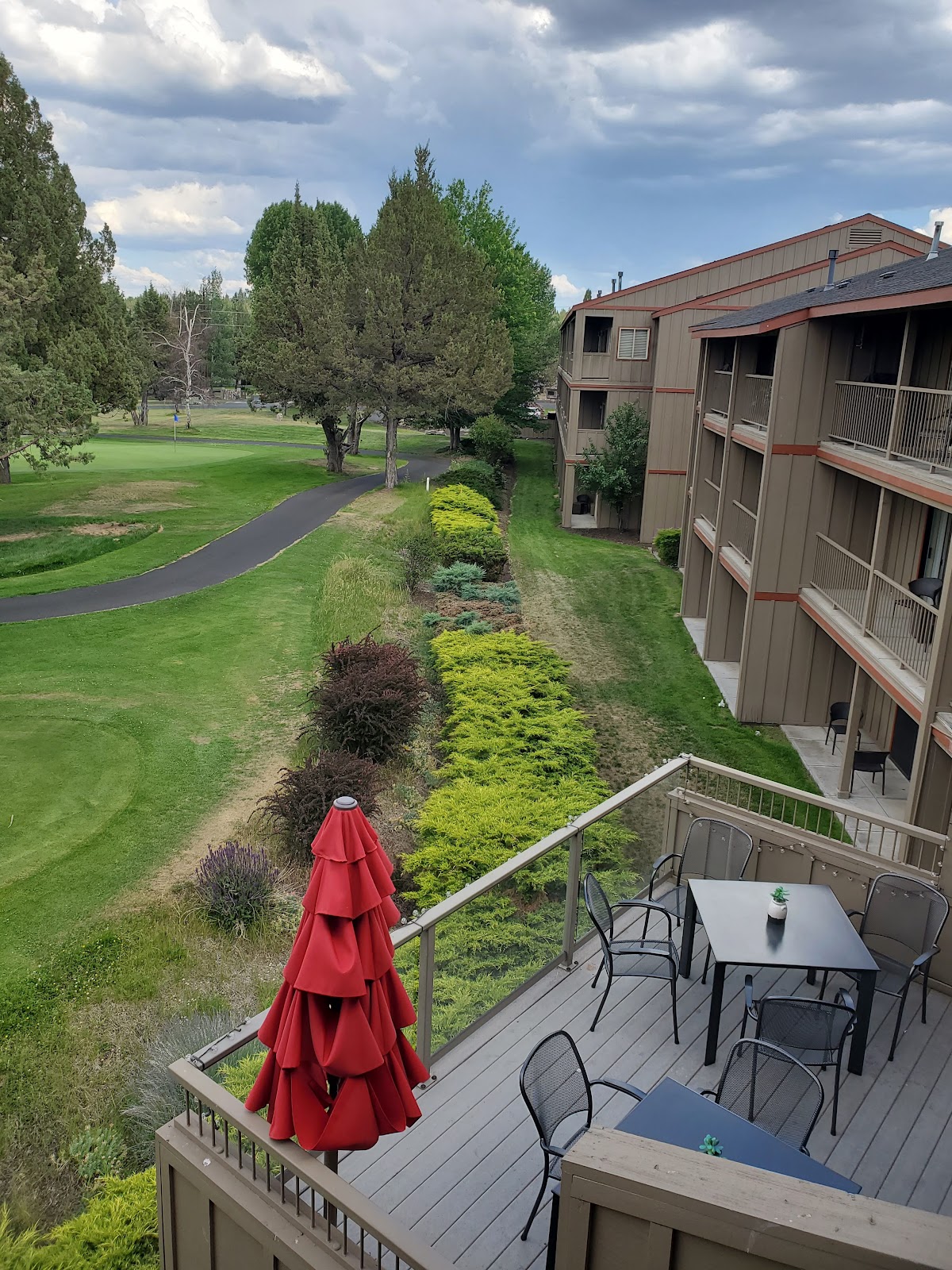
Ways three and four: the deep shade, and getting out of the valley
The third way out is to use the valley’s shade properly, because for most of the day it is what there is.
Valley shade is not flat. It is lit by the strip of sky overhead and by whatever slopes are catching light further up, which means it arrives from above and from one side — and a subject positioned to face the lit part of the valley gets directional soft light with the shaded side behind them.
That is the best free frame on the floor and finding it is a matter of looking up rather than around: whichever slope is lit is the source, and the position is facing it.
The exposure trap is the one that comes with all deep shade under a bright sky. A meter looking at a frame containing both the shaded floor and the bright sky or lit slopes averages them, which underexposes the faces — so metering on skin, in manual, and exposing brighter than the camera suggests is the rule.
The colour trap is the other one and it matters more here than in most places. Shade lit by a strip of blue sky is markedly cool, and shade lit by a sunlit tundra slope is warm — which means two positions a few metres apart can need white balances a long way apart. A custom setting on a face in each position is thirty seconds that changes every frame after it.
The forest is the other shade and it behaves the way boreal forest does. Spruce blocks almost everything, which makes the canopy edge the most reliable position on the property: a metre or two inside at the margin of an opening gives soft directional light in front and near-darkness behind, three or four stops of free separation. Birch and cottonwood transmit rather than block, which gives soft green-tinged light beneath them and needs a custom white balance.
White birch against near-black spruce in one frame is the northern signature and the valley has it everywhere.
The fourth way out is to leave the valley floor, and there are two versions.
Going up is the first. A position on the valley side rather than the bottom of it gains the sun both earlier and later — sometimes by an hour or more at each end — which means a portrait session on a slope can be in warm light while the lodge below is already in shade. Whether that is possible is a question of access and of a wedding party’s willingness to walk, and it is worth asking about rather than assuming.
It also changes the frame entirely: from the floor a valley is a corridor, and from the side it is a landscape with depth. The Chugach from a slope position gives layered ridges that a longer lens compresses into a genuine mountain frame.
Using the building is the second and it is the reliable one. A lodge in this climate is timber and it absorbs, which means the ambient indoors is a stop or two below what the eye estimates and the background behind a subject drops away for free. A subject a metre from a window turned about forty-five degrees to it gets horizontal light with steep fall-off, room lights off, custom white balance set on a face.
The latitude and the valley combine to help here more than anywhere. Because the sun is low and the valley light arrives mostly from a strip of sky, the light entering a window is soft and horizontal for the whole day — which means a lodge interior in a Chugach valley has consistently good window light rather than a narrow band of it.
Any porch, overhang or covered deck is the other building position and the reliable rain answer: a solid roof restricting light to a horizontal band, bouncing off the decking to fill, and incapable of dappling. Two or three metres in from the open edge, at any hour in any weather.
The bear question belongs in a planning conversation rather than a footnote. Eagle River valley is genuine bear country and a river valley with salmon is bear habitat — which means the lodge’s guidance about where a party can go and when is followed rather than judged.
- Look west and estimate where the sun meets the ridge; the table is wrong
- Be in position before the interval starts — it lasts about twenty minutes
- Expose for the lit slope and lift the faces close and gelled
- Valley shade is directional: face whichever slope is lit
- Going up the side gains an hour at each end of the day
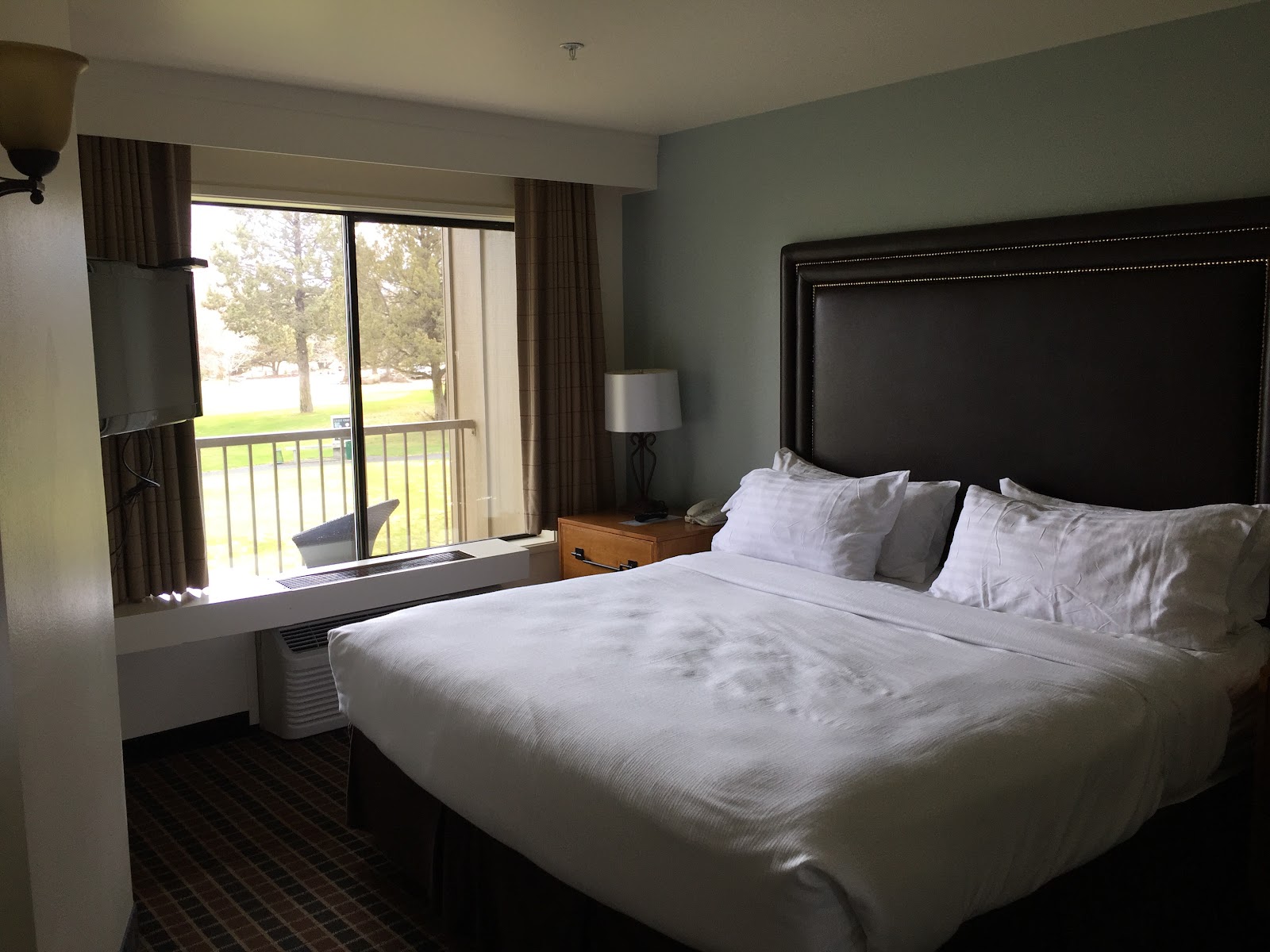
The Chugach valley year
A steep valley near Anchorage has a southcentral Alaskan climate with the terrain amplifying every seasonal effect.
Midwinter gives about five and a half hours of daylight with the sun reaching only about five degrees above the horizon — which in a narrow Chugach valley means the floor may receive no direct sun at all for several weeks. That sounds like a loss and it is the easiest light of the year: entirely soft, entirely even, no dappling anywhere, and workable for the whole short day.
The compensation above is that the ridges are still catching light, which means the interval condition — shaded floor, lit slope — is available for most of a winter day rather than for twenty minutes. On the light alone, midwinter is the best time in a steep valley.
Snow is the winter asset and the Chugach gets a great deal: the best natural fill available, lifting every shadow and throwing light upward into faces. Snow against near-black spruce is the widest brightness range in this guide — expose for the snow and let the conifer go black, overexposing deliberately relative to the meter, which snow fools by about two stops.
Winter is aurora season from roughly September to April on clear nights, and a valley away from Anchorage’s lights has genuinely dark skies. Northern lights over a snow-covered valley with ridges above is available nowhere else in this guide — tripod, wide fast lens, a few seconds to half a minute, and a party willing to stand still in the cold.
The costs are cold that drains batteries fast, a camera that fogs when brought into a heated lodge, a short day, and access that depends on conditions. Spares in an inside pocket and bodies bagged until they warm.
Break-up in April and May is the least attractive time of year: dirty patchy snow, mud, bare trees and a river running high and grey with melt. Early May here is not spring in any recognisable sense.
June is when it turns and it turns fast. The green arrives within a fortnight, the days are enormous, and the valley is at its most luminous. The costs are mosquitoes, which in a wooded river valley in June and early July are a genuine consideration, and cloud.
The great asset of June and July is the length of the day, which partly solves the valley’s central problem: even though the floor loses the sun early, the twilight that follows lasts for hours and runs until near eleven at night. A portrait session at nine in soft even light is entirely reasonable and it needs nothing added.
July is the warmest month, and fireweed gives the strongest colour of the Alaskan summer — tall magenta spires along the valley’s cleared ground in quantity, a genuine foreground rather than a detail.
Late August into September is the best season overall and in a steep valley it is dramatic. The alpine tundra on the Chugach slopes turns red and orange several weeks before foliage anywhere in the lower forty-eight, birch and cottonwood on the floor turn gold, the first snow appears on the ridges, and the nights are dark enough for aurora while the days are still long.
The interval frame in September — a couple in soft valley shade with a red and orange tundra slope lit above them and fresh snow on the ridge — is the single strongest frame this site produces. The window is roughly the last week of August through the middle of September, and the light arrives at a civilised hour rather than at ten at night.
October brings the rain and the dark, and by November the valley is in winter.
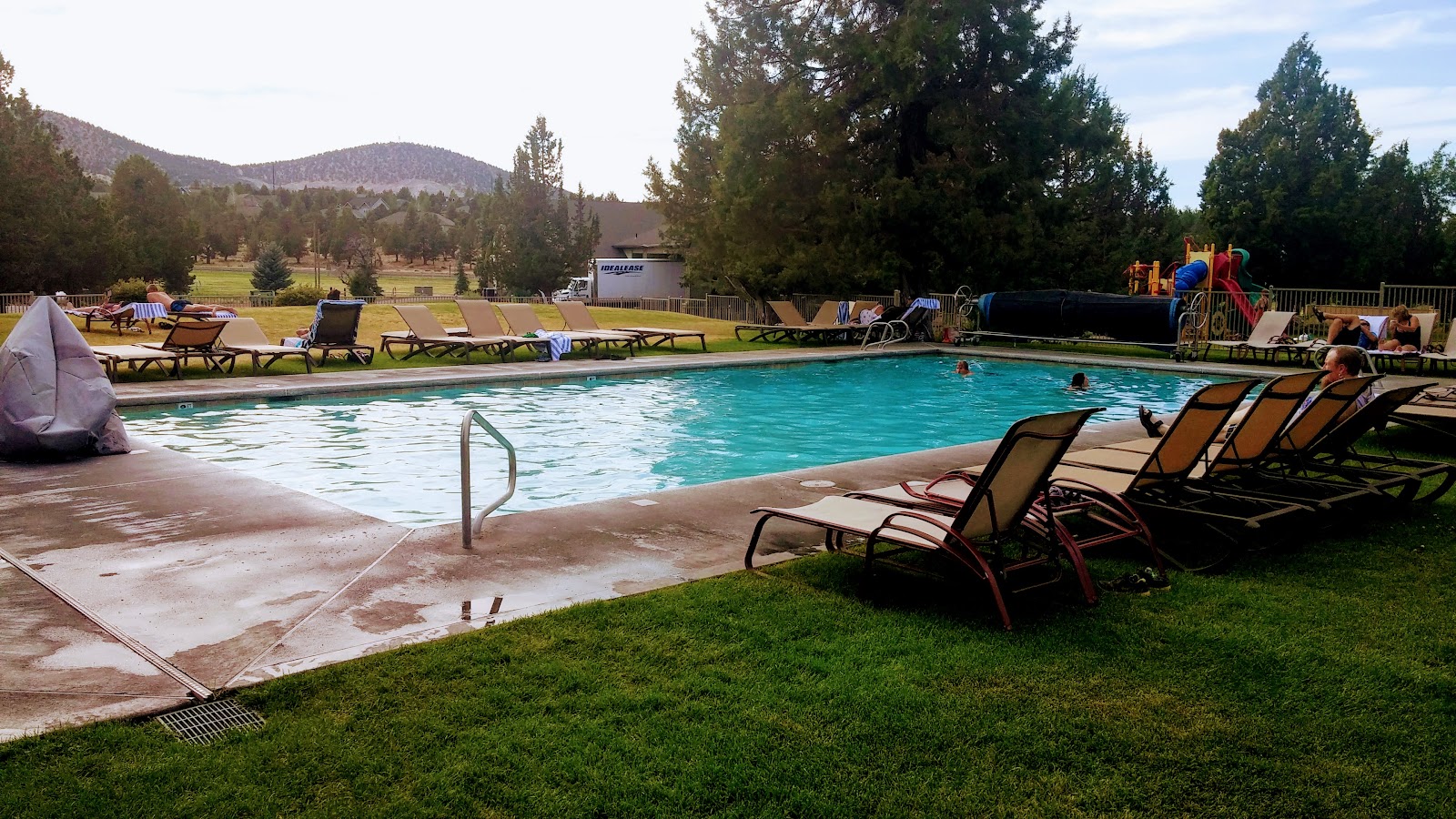
More frames from Eagle Crest Lodge
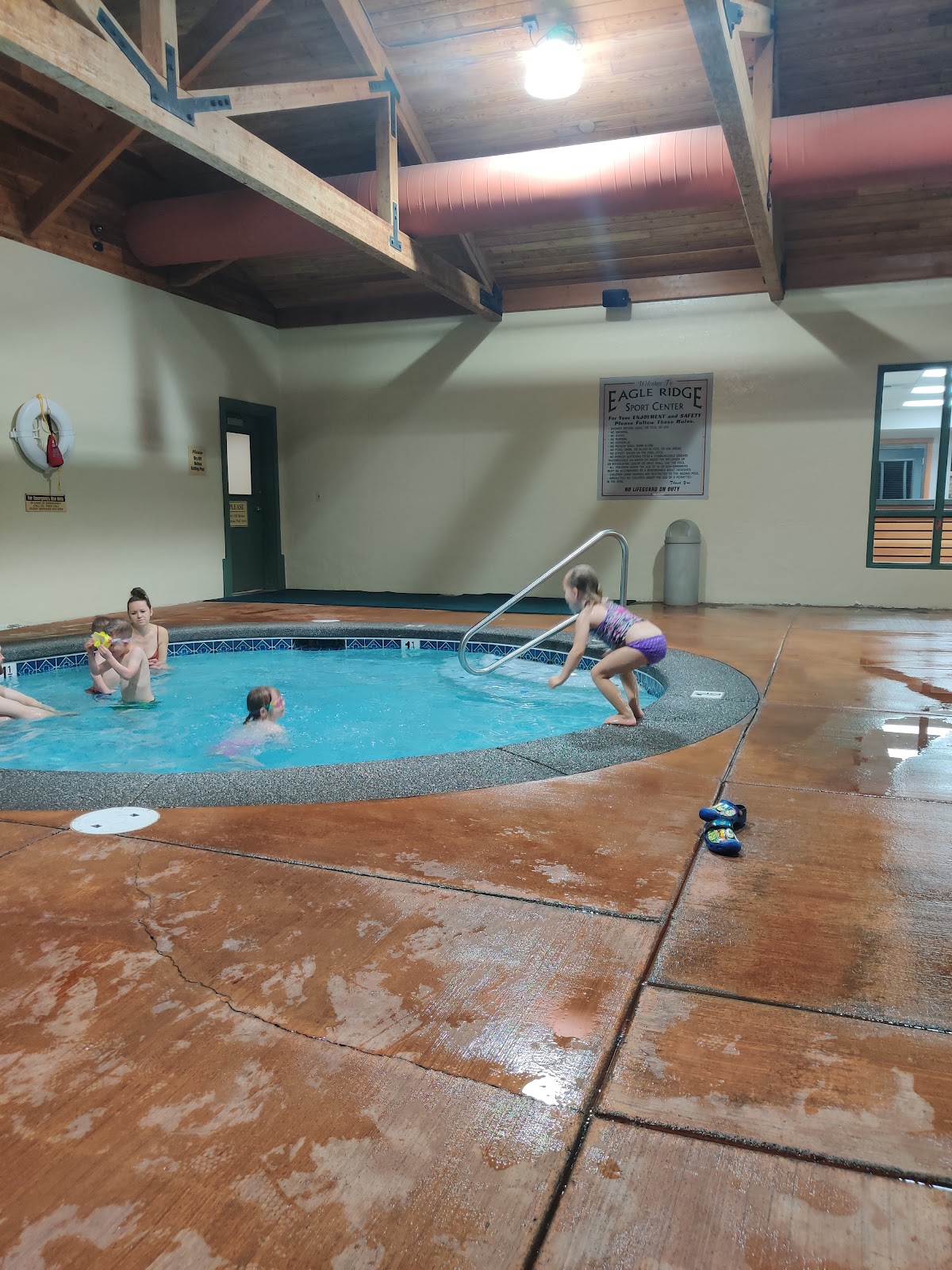
Eagle Crest Lodge wedding photography: common questions
Why is the sunset time wrong here?
A steep ridge blocks the sun while it is still well above the true horizon, and at sixty-one degrees north the sun’s shallow path makes those last degrees take a long time.
How much earlier does the valley lose the sun?
Frequently two hours or more than the published time, and in a narrow valley in midwinter the sun may not clear the ridge at all for weeks.
What is the interval frame?
The valley floor in soft shade with the ridges above still lit. Expose for the lit slope and lift the faces with a close warm-gelled source.
Is valley shade flat?
No. It comes from the strip of sky above and from whatever slope is catching light, so a subject facing the lit slope is lit directionally.
Why reset the white balance so often?
Shade lit by blue sky is markedly cool and shade lit by a sunlit tundra slope is warm, and those positions can be metres apart.
When is the site at its best?
Late August into mid-September, with red tundra lit above a shaded valley floor — and midwinter, when the interval condition lasts all day.
More Alaska venue guides
We are writing a photographer’s guide to every venue we would happily shoot in Alaska. Here are three more, plus the full index:
- Glacier View Lodge, Glacier View: One Frame, and How It Is Made
- Hearthside Lodge, Talkeetna: The Building’s Own Logic
- Inn at Tern Lake, Cooper Landing: A Walk Through the Site
Planning a wedding at Eagle Crest Lodge?
Read the ridge, not the table. Tell us your date and we will plan the hour.