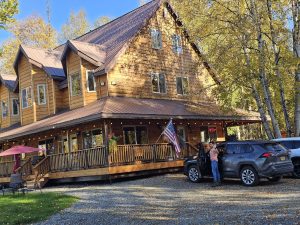
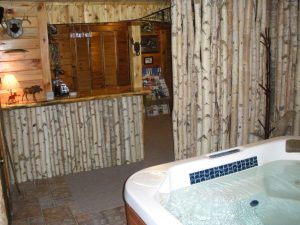
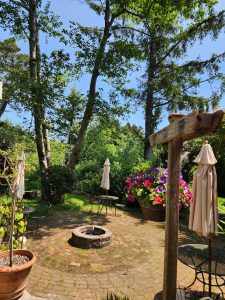
 Salmonberry Inn, Anchorage: One Frame, and How It Is Made
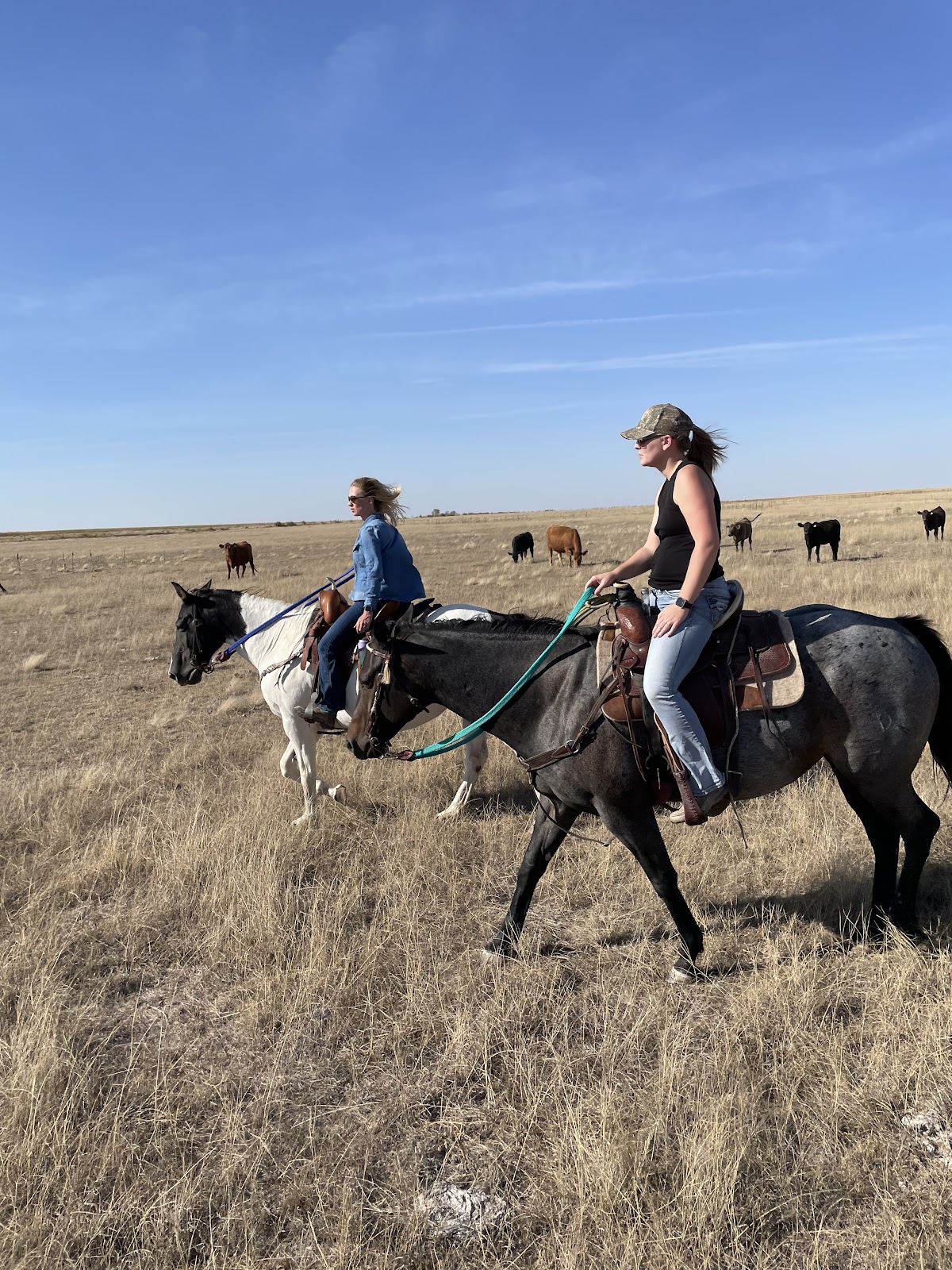
ZJ Ranch, Delta Junction: The Light Through the Day
Twenty hours of daylight in June, four in December. Nothing else in this guide comes close.
A ranch in interior Alaska has a day whose shape is governed by the most extreme daylight range in this guide, and reading it properly is most of the job.
At around sixty-four degrees north the numbers are unlike anywhere else. In late June there are roughly twenty-one hours between sunrise and sunset, and the hours in between never fully darken — civil twilight fills the gap, so it is workable light for effectively the whole twenty-four. In late December there are about four hours of daylight, and the sun reaches barely three degrees above the horizon.
The consequence for a summer wedding is liberating and it is worth building a running order around rather than treating as a curiosity. Because the sun’s path is so shallow, the low warm light that lasts forty minutes in the lower forty-eight lasts for hours here — and there is no point in the day at which the sun is high enough to flatten a face. The midday problem that dominates every other venue in this guide simply does not exist.
The second fact is that this is the interior rather than the coast, which means a continental climate: dry, clear, and with an annual temperature range that is among the largest anywhere. Summers reach the seventies and eighties Fahrenheit; winters go far below zero. That matters for planning more than for light.
And the dryness matters for the light. Interior Alaska has exceptionally clear air, which means distant mountains hold detail in a way they do not in humid country — and the Alaska Range to the south of this area is a genuine background rather than a pale suggestion.
The third element is the landscape: taiga and cleared farmland. Interior Alaska’s forest is black and white spruce with paper birch and aspen, growing slowly on cold ground — and the cleared agricultural land around Delta Junction gives the open ground that a ranch needs.
We have not photographed a wedding at the ZJ Ranch; interior Alaskan ranch properties behave consistently. Which buildings and areas are included, the covered alternative, what power is available at the outdoor positions, and what the road access is like on the date are questions for their team.
ZJ Ranch at a glance
| Where | Cleared farmland in interior Alaska at Delta Junction, around 64° north |
| Summer | About twenty-one hours of daylight and no bad hour in any of them |
| Winter | About four hours, with the sun barely three degrees up |
| The air | Continental and exceptionally clear — distant ranges hold detail |
| Ask first | Areas included, covered alternative, power outdoors, road access |
The long day: morning, midday and the hours that follow
The summer morning here starts absurdly early and it is worth knowing rather than ignoring. Sunrise in late June is before three in the morning, which means that by seven — a time most photographers would call early — the sun has been up for four hours and the light is already well established.
What that gives is a genuinely usable early morning: soft, low, cool-toned light across open ground with nobody about and mist on any water. It is the quietest light of the day and almost nobody uses it.
Midday is the fact that most needs restating, because it is the opposite of every other venue in this guide. At sixty-four degrees north the sun at midsummer noon reaches only about forty-nine degrees above the horizon — which means it rakes across a field rather than falling into it, faces are modelled rather than flattened, eye sockets stay lit, and there is no hard line under any chin.
So the usual instruction to avoid the middle of the day does not apply at all. The light at one in the afternoon here is roughly what a photographer in Georgia would call late afternoon light, and it is available for hours in either direction.
The practical instruction that follows is that the position matters and the hour does not. Instead of planning around a narrow window, the work is choosing where to stand — because the light will be good whenever the schedule allows.
Open ground is the ranch’s main surface and it behaves the way cleared land does. Pale dry grass or stubble is a reflector, which throws light upward into faces and fills the shadows that a higher sun would carve — useful, at the cost of uplight under the chin, which something solid on one side corrects. The diagnosis is to look at the chin in the first frame.
In low raking light — which is most of the day here — cleared ground has texture in every blade and every furrow, and any line in it becomes a graphic element that leads into a frame or cuts across it depending on where the camera stands. Two steps either way is the difference.
The shade is the taiga at the edges, and interior spruce behaves differently from coastal spruce. Black and white spruce in this climate grow slowly, narrow and spire-like on cold shallow ground, which means the canopy is thin and the crowns are small — so a spruce stand here gives less full shade than a coastal one and dapples more.
What it gives instead is a superb dark background: a mass of near-black spire-shaped conifer, three or four stops below a lit subject, with a distinctive silhouette that reads as the interior and nowhere else. The metering correction is the standard one — meter on skin, in manual, because dark spruce makes a meter overexpose a face by a couple of stops.
Birch and aspen are the deciduous element and they do the opposite. Paper birch has bright white bark and aspen has pale grey-green, which makes a stand of either a bright background of vertical lines rather than a dark one — and the meter will underexpose because the bark is bright.
White birch against near-black spruce in one frame is the northern signature and it is stronger in the interior than anywhere, because the spruce is darker and the birch is cleaner.
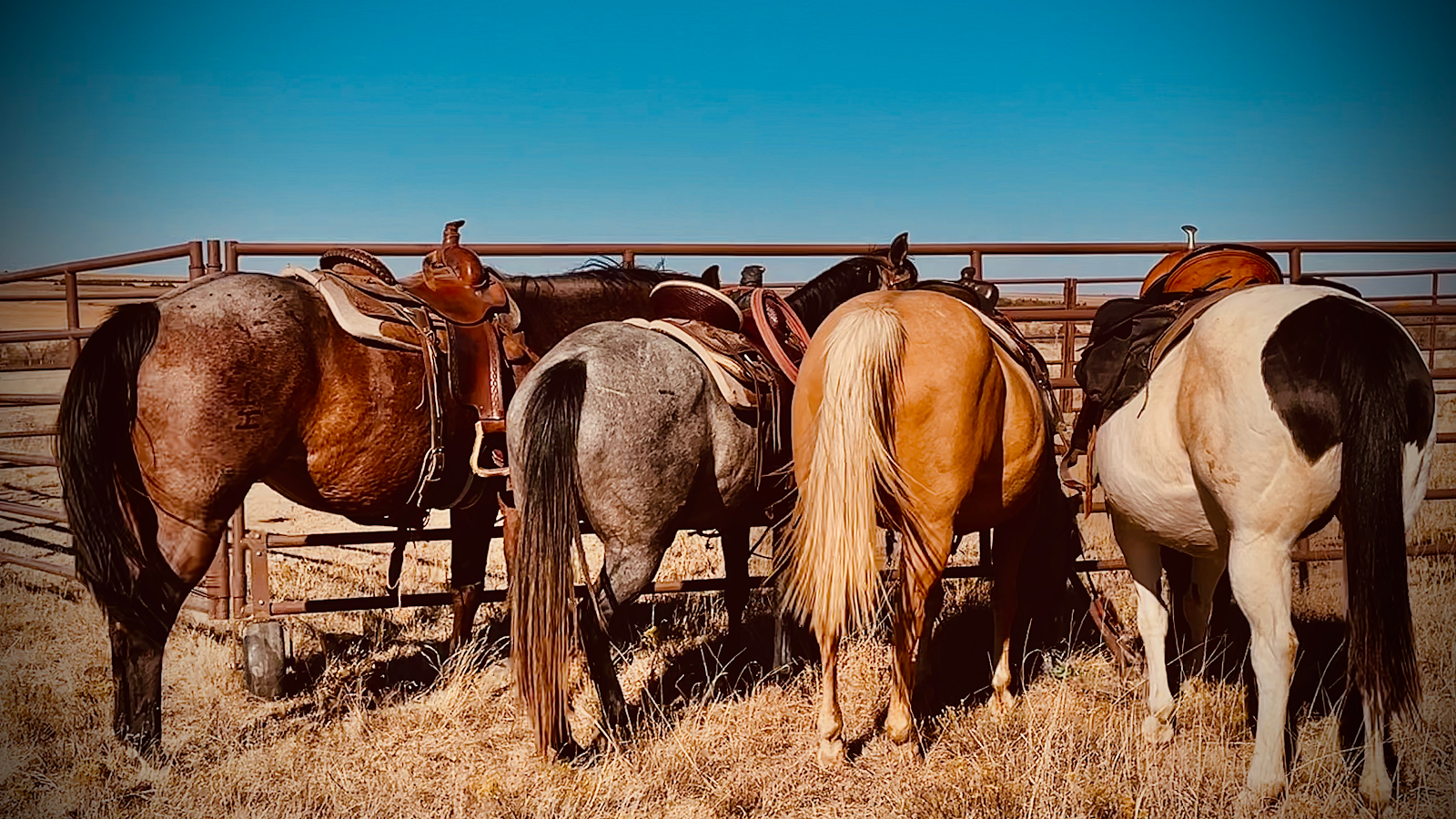
The buildings are the reliable shade and the reliable weather answer. A ranch building with a large opening does what such buildings do everywhere: a dark interior with one big door gives horizontal light and steep fall-off, so a subject two or three metres inside is lit from one side with nothing behind them. And because the sun is low, that light reaches much further into the building than it would further south.
The evening that does not end, and the range beyond
The evening here is not an event, it is a state that lasts several hours, and that is the single most useful thing to tell a couple planning a summer wedding in interior Alaska.
Because the sun’s path is so shallow, it takes hours to approach the horizon — which means the warm low light that a southern photographer would call the golden hour lasts from roughly seven in the evening until eleven, and the twilight that follows never fully becomes night. There is no rush and no narrow window.
The practical consequence is that a portrait session can be placed anywhere in that range, and a session at ten in the evening is entirely reasonable and will be beautifully lit. It also means the reception is happening in daylight, which changes what those frames look like: a first dance at nine with light still coming through the windows is a different picture from the same dance in the dark.
That is worth planning for rather than being surprised by. If a couple want a dark-room first dance in June at this latitude, the room has to be made dark — and if they do not mind, the daylight version is available and unusual.
The corollary is that there is no night sky and no aurora in June and July, because it never gets dark enough. Those belong to the other two-thirds of the year.
The Alaska Range is the site’s principal wide subject and the clear interior air is what makes it work. Distant peaks in humid country reduce to a pale grey band; here they hold structure, snow detail and edge definition at a great distance — which means a longer lens compresses them into layers and brings them forward as a genuine presence behind a couple.
A wide lens does the opposite and loses them entirely, which is the standard mistake at any mountain-view site. And the exposure goes on the range rather than on skin, with the faces lifted by a close warm-gelled source — because metering on faces gives a white sky and a washed-out range. Close matters because open ground bounces some light but not enough to lift a backlit face: a source at two metres needs roughly a quarter of the output it needs at four.
Wind on open interior ground is the practical constraint. Cleared farmland has nothing to slow it, which means a lightstand is a liability and a held modifier is a sail — so handheld or bracketed is the working configuration, and the lee of a building is worth walking to.
Mosquitoes are the other summer constraint and in interior Alaska they are a serious consideration rather than an annoyance. They are at their worst in June and early July, they are worse near water and in the forest than on open ground and in a breeze, and a ceremony in the taiga in late June without any provision for them is uncomfortable in a way that shows in the photographs.
That is worth raising with a couple in planning, because the honest mitigation — open breezy ground rather than sheltered forest, and a later date — is a scheduling decision rather than a technical one.
Indoors, a ranch building in this climate is timber and it absorbs, which means the ambient is a stop or two below what the eye estimates and the background behind a subject drops away for free. A subject a metre from a window turned about forty-five degrees to it gets horizontal light with steep fall-off, room lights off, and a custom white balance set on a face.
And the latitude helps indoors more than anywhere: because the sun is low all year, it enters a window almost horizontally and travels three or four metres into a room rather than one. An interior Alaskan building is well lit relative to its window size, and in winter it is better lit than in summer.
- There is no bad hour in summer — the sun never gets high enough
- The good warm light lasts from seven until eleven, not for forty minutes
- Interior spruce dapples more than coastal but gives a better dark background
- Longer lens for the Alaska Range; the clear air holds the detail
- Plan for mosquitoes: open breezy ground beats sheltered forest in June
The interior Alaskan year
This is the most extreme year in this guide by a wide margin, and every planning conversation should start with it.
Midwinter gives about four hours of daylight, with the sun reaching barely three degrees above the horizon — which means the whole short day is an extended sunrise-sunset, entirely soft, entirely raking and strongly blue and pink toned. Against snow and spruce that is the most distinctive light anywhere in this guide, and it is genuinely beautiful rather than merely dim.
The honest winter fact is the cold. Interior Alaska in January routinely reaches thirty or forty degrees below zero Fahrenheit, which is a different order of consideration from anywhere else here. At those temperatures batteries fail quickly, lubricants stiffen, breath freezes on a viewfinder, and exposed skin is at risk in minutes — which makes an outdoor ceremony a matter of a few minutes rather than an hour, and a welfare judgement rather than a preference.
It also makes a cold camera fog severely when brought into a heated building, which means bodies bagged until they warm and batteries kept in an inside pocket. Those are not refinements at forty below; they are the difference between working and not.
What winter gives in return is remarkable. Snow is the best natural fill available, and interior snow is dry and crystalline rather than wet, which makes it exceptionally reflective — it lifts every shadow and throws light upward into faces. Snow against near-black spruce is the widest brightness range in this guide: expose for the snow and let the conifer go black, overexposing deliberately relative to the meter, which snow fools by about two stops.
And the aurora here is as good as anywhere on earth. Interior Alaska sits under the auroral oval, which means the northern lights are frequent rather than occasional from September to April, and the clear dry air and long dark nights make the conditions ideal. A frame with aurora over snow and spruce is the most distinctive picture available in this guide — tripod, wide fast lens, a few seconds to half a minute, and a party willing to stand outside briefly in serious cold.
Ice fog is the winter condition worth knowing about: at extreme low temperatures, water vapour freezes in the air and produces a dense freezing fog that removes visibility entirely. It cannot be planned for, only acknowledged.
Break-up in April and May is the least attractive part of the year and it deserves stating plainly: dirty patchy snow, mud, bare trees, and roads that suffer. Early May in the interior is not spring in any recognisable sense.
June is when it turns and it turns faster here than anywhere. Under twenty-one hours of daylight the green arrives within a fortnight, and the growing conditions are extraordinary — the long day compensates for the short season, which is why the Delta Junction area is farmed at all. Mosquitoes arrive with the green.
July is the warmest month, drier and clearer than the coast, and fireweed gives the strongest colour of the summer: tall magenta spires across cleared ground in quantity, a genuine foreground rather than a detail.
Late August into early September is the best season overall. Birch and aspen turn a clean intense gold in late August at this latitude — weeks before foliage anywhere in the lower forty-eight — and against near-black spruce in the clear interior air that is the strongest colour contrast in this guide. The first snow appears on the Alaska Range, and by early September the nights are dark enough for aurora while the days are still long.
Gold birch, black spruce, snow on the range and northern lights on one date is the single best combination available here, and the window is short: roughly the last week of August through the middle of September. It is the only answer worth giving a couple with a movable date.
More frames from ZJ Ranch
ZJ Ranch wedding photography: common questions
How long is a summer day here?
About twenty-one hours between sunrise and sunset in late June, and it never fully darkens in between. Effectively the whole day is workable.
Is there a bad hour?
No. At sixty-four degrees north the midsummer noon sun reaches only about forty-nine degrees, so it rakes rather than falls at every hour.
When is the warm light?
From about seven in the evening until eleven. The sun’s shallow path means it lasts hours rather than forty minutes.
What about winter?
About four hours of daylight, the sun barely three degrees up, and temperatures routinely thirty or forty below zero Fahrenheit — a welfare matter first.
Is the aurora reliable?
Interior Alaska sits under the auroral oval, so it is frequent from September to April on clear nights. It still cannot be promised.
When is the site at its best?
Late August into mid-September: gold birch against black spruce in exceptionally clear air, snow on the Alaska Range, and aurora after dark.
More Alaska venue guides
We are writing a photographer’s guide to every venue we would happily shoot in Alaska. Here are three more, plus the full index:
- The Alaskan Garden, Palmer: Field Notes, Problem and Solution
- The Aurora Ice Museum, Fairbanks: One Frame, and How It Is Made
- The Chena Hot Springs Resort, Fairbanks: The One Decision That Governs Everything
Planning a wedding at ZJ Ranch?
The longest days and the shortest, in one place. Tell us your date.