Three things govern photographs in North Dakota and the first is the rock, in the west of the state. The Little Missouri badlands expose soft sedimentary layers in horizontal bands of genuinely different colours: grey-blue bentonite clay, tan and buff sandstone, black seams of lignite coal, and — most distinctively — red scoria, which is clay baked hard where a coal seam burned underground. The result is a landscape striped in blue-grey, tan, black and brick red, and it is unlike anything else in this library.
The red is everywhere once you notice it, because scoria is used locally for road surfacing, which is why the roads in the west of the state are red. Those bands read only in raking light. Under a high midday sun a butte flattens into a pale washed mass with the colour drained out of it; at low sun the bands separate, because raking light emphasises the small ledges where softer layers have eroded back from harder ones, and the reds saturate. So the badlands are an ends-of-the-day subject emphatically, and midday belongs indoors or in the deep shade of a gully.
One practical warning goes with them: bentonite clay becomes genuinely slick when wet and stays greasy for a day or more after rain — not merely soft but treacherous on a slope, which matters for anyone in wedding shoes. Vegetation is sparse enough that every species counts. Rocky Mountain juniper grows on north-facing slopes and is near-black in a photograph, which makes it the best natural separation available against pale rock. Cottonwood grows along the rivers and nowhere else, because it needs the water table, giving the bottoms the only substantial trees for miles and the only clear yellow in October.
And mixed-grass prairie — little bluestem above all — turns russet in autumn and holds that colour all winter, because the dead growth stands until spring. That gives this landscape warm ground colour for five or six months rather than two weeks.
The second is the wind, which is the normal state of the air rather than an occasional event. North Dakota is among the windiest states in the country and open badlands, prairie and the Red River Valley offer almost nothing to interrupt the flow. Practically that means a modifier never goes on an unweighted stand anywhere outdoors, hand-held with a braced assistant is the only reliable method, and a five-hundredth of a second is the default for anything with hair or fabric in it.
A veil will be moving, and the only fix is positional — read the direction and rotate the couple so it carries across or away from the camera rather than into their faces. Used deliberately the wind is also the best frame the state offers: mixed-grass prairie moves as travelling waves, and at a thirtieth of a second on a tripod that blurs into flowing bands while a still subject stays sharp. Against banded badlands or a line of earth domes that is a genuinely distinctive photograph. The third is the latitude, and the numbers are the most extreme in this library.
North Dakota runs from about forty-six degrees north to the forty-ninth parallel, which gives a midsummer day of sixteen hours or more and a midwinter one of barely eight, with civil twilight running thirty-eight to forty-one minutes — the longest figures here, and a generous working dusk where three or four setups fit comfortably rather than one being rushed. In June it lands near ten in the evening, well after dinner; in December around half past four, comfortably before a reception.
The midsummer noon sun reaches only about sixty-four to sixty-six degrees, meaningfully lower than the seventy-five to eighty-three of the southern venues, which means even midday light retains real angle and faces are modelled rather than flattened. That is an under-appreciated northern advantage and it makes the middle of a summer day workable here in a way it is not further south. In December the same latitude reverses completely: a noon sun of seventeen to twenty degrees rakes everything all day, so a clear winter day has continuously excellent light for its whole short duration — every hour is golden hour. Three closing notes.
Winter is severe and worth stating plainly: this is among the coldest inhabited parts of the lower forty-eight, with temperatures reaching twenty or thirty below, genuine blizzards, and a seasonal economy in which much of the west of the state simply closes. Establishing what will actually be open on a date outside summer is a real question rather than a formality.
Late September into early October is the best window across the state — yellow cottonwoods, russet prairie, the clearest air of the year, the heat broken — and it is also when the seasonal towns begin to shut, which is a trade to resolve with the venue rather than hope about. And the night sky is exceptional: the northern plains are among the darkest inhabited regions in the continental United States, with very little population and no nearby cities, so the Milky Way is plainly visible on any clear moonless night and the aurora borealis is a genuine possibility several times a year, most likely near the equinoxes.
A date near a new moon is worth more than any equipment.
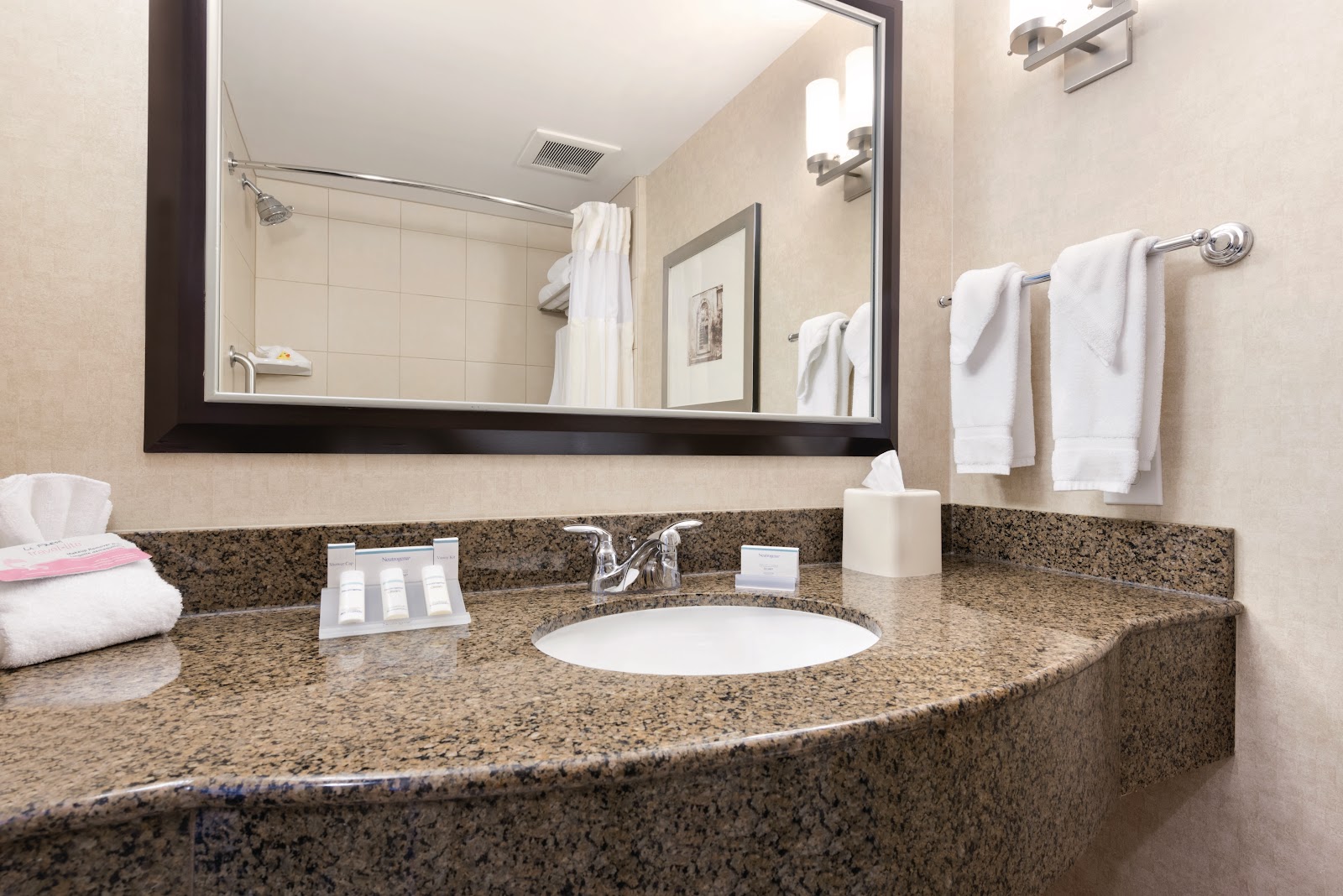
The Hilton Garden Inn Fargo: Field Notes on a Standardised Hotel
A mid-scale chain hotel in Fargo, North Dakota, with function space, guest floors and a suburban or arterial location.
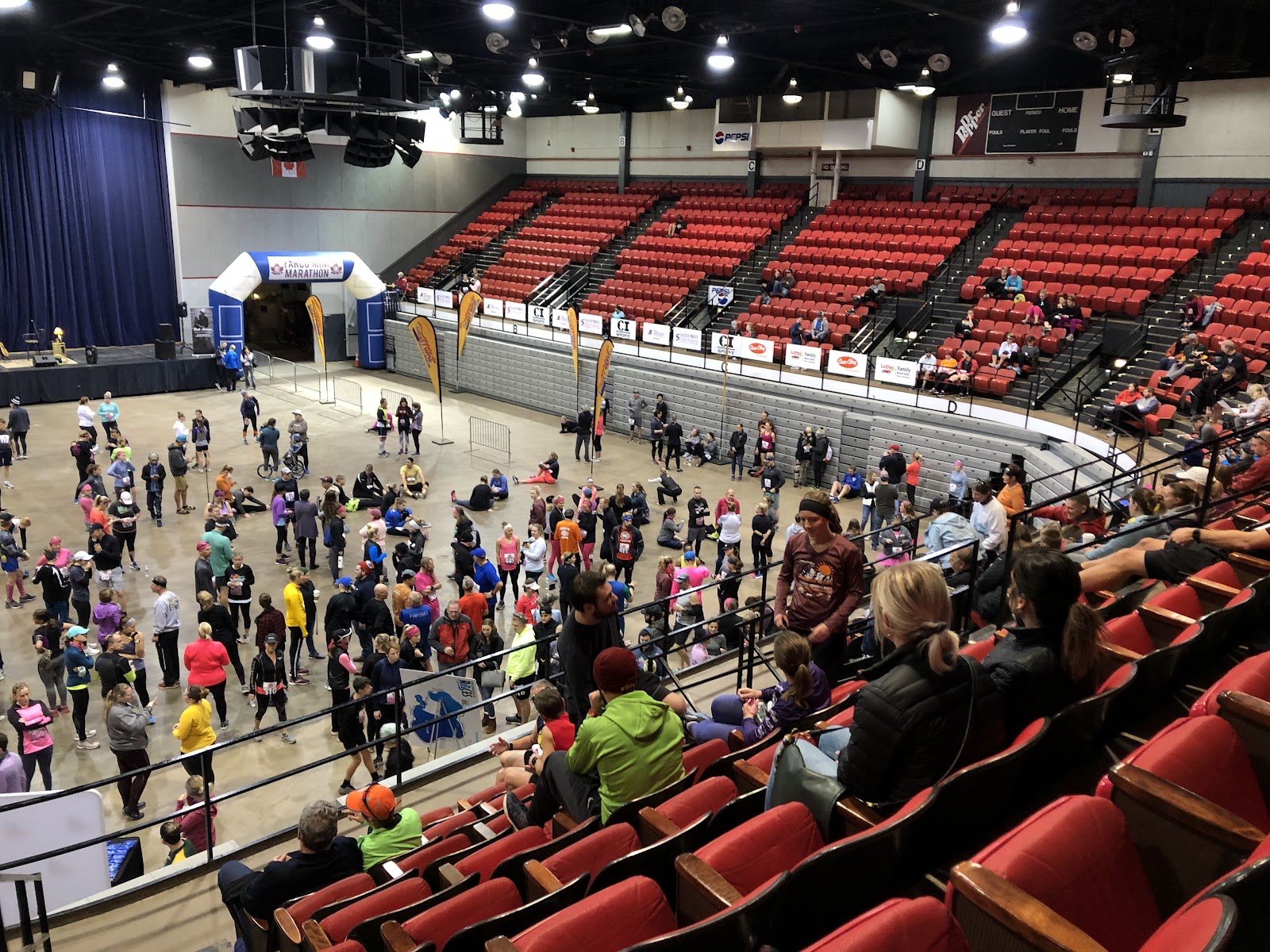
The Fargo Civic Center: Reading a Municipal Hall Through the Day
A municipal events hall in downtown Fargo, North Dakota, with a large main room, meeting spaces and a central location.
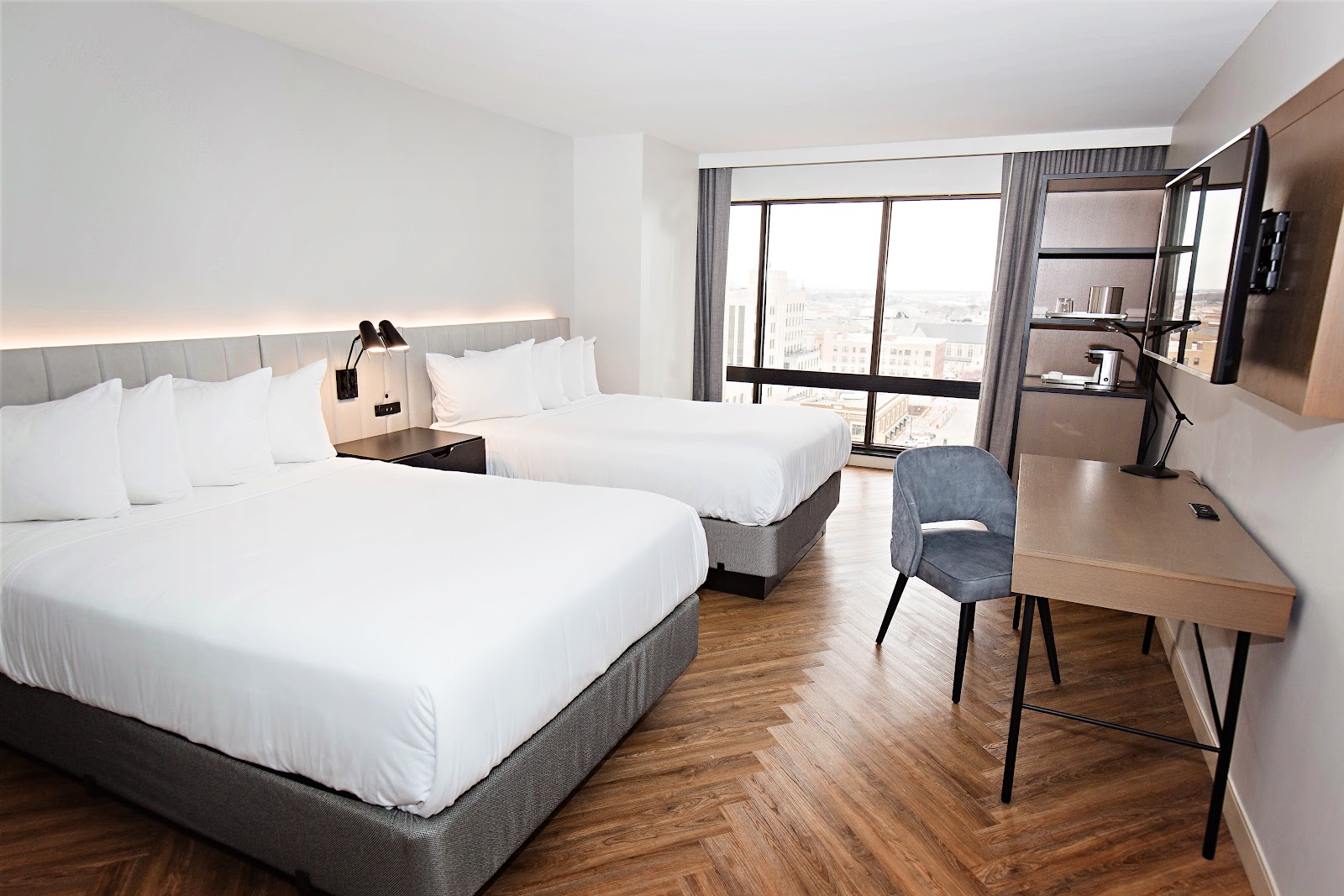
The Radisson Blu Fargo: How the High Window Frame Is Made
A tall full-service hotel in downtown Fargo, North Dakota, with ballroom space, guest floors and views across the plains.
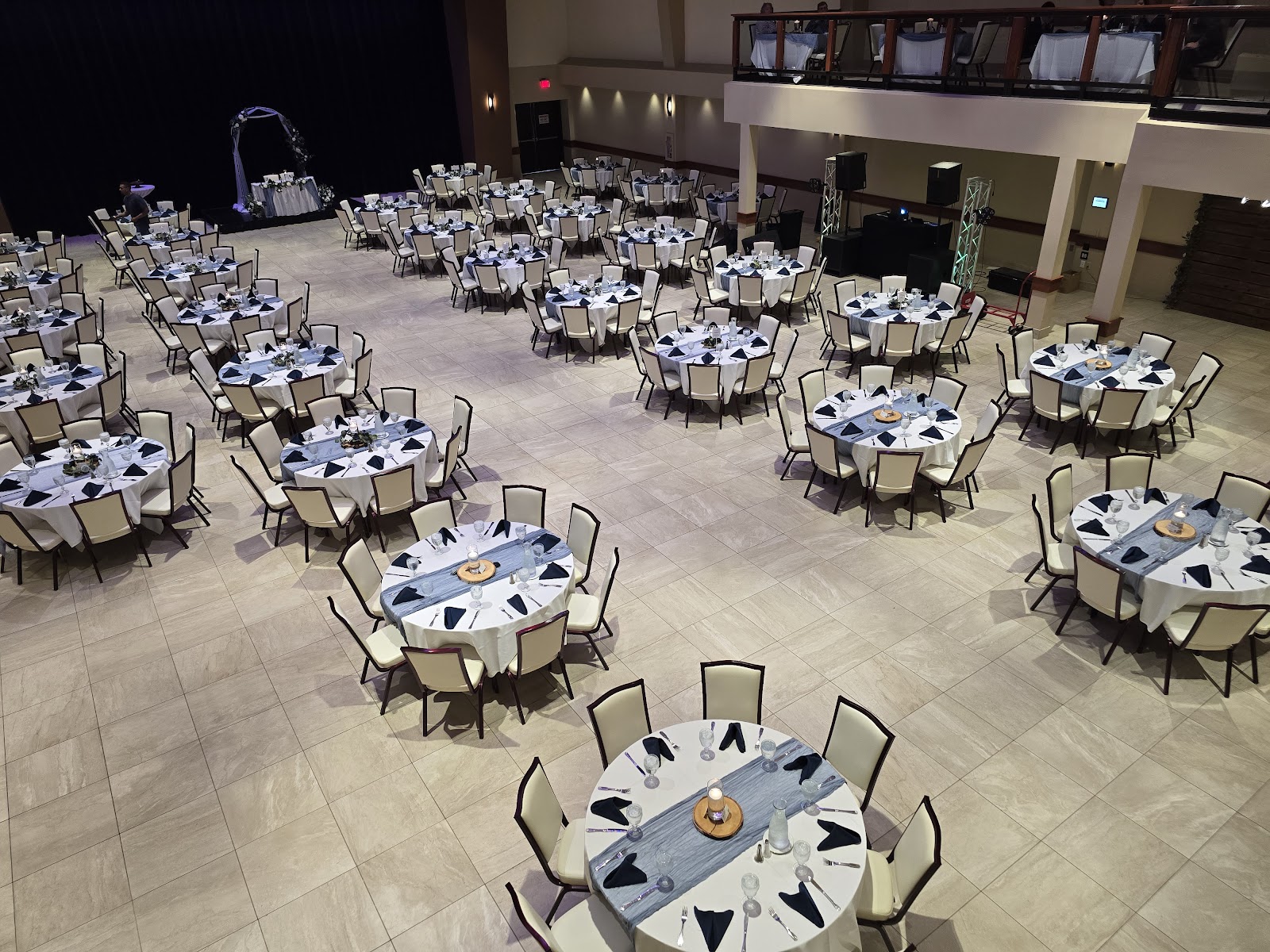
The Avalon Events Center: What a Purpose-Built Room Gets Right
A purpose-built events centre in Fargo, North Dakota, with ballroom space, preparation rooms and level parking.

Lindenwood Park: Four Ways Out of the No-Building Problem
A large park along the Red River in Fargo, North Dakota, with mature trees, open ground and river frontage.
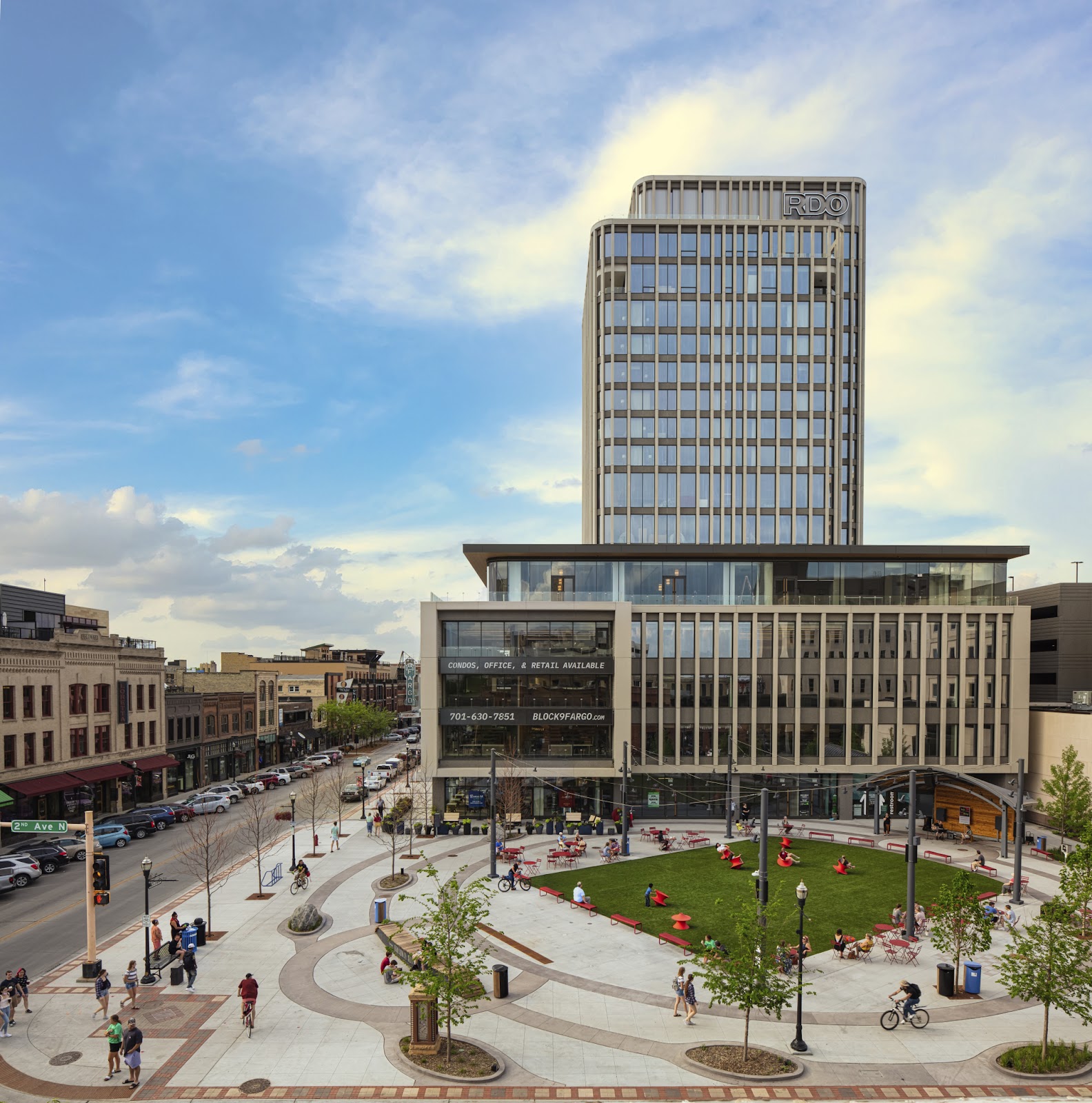
The Jasper Hotel: Photographing a New Hotel in an Old Downtown
A contemporary hotel in downtown Fargo, North Dakota, with event space, guest floors and a historic street grid outside.
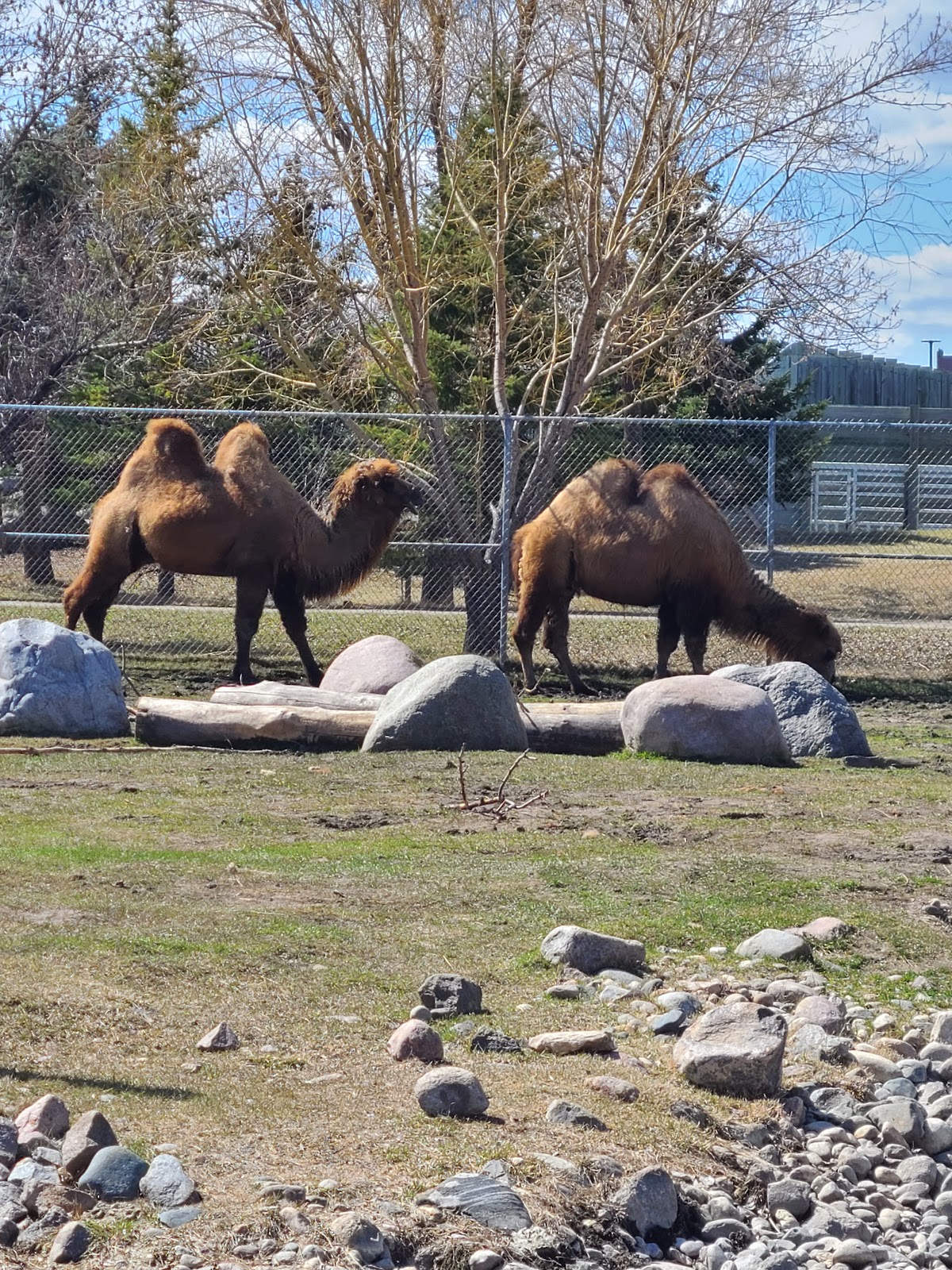
The Red River Zoo: What a Northern Zoo Suits and When
A zoo in Fargo, North Dakota, with cold-climate species, planted grounds and buildings across the site.
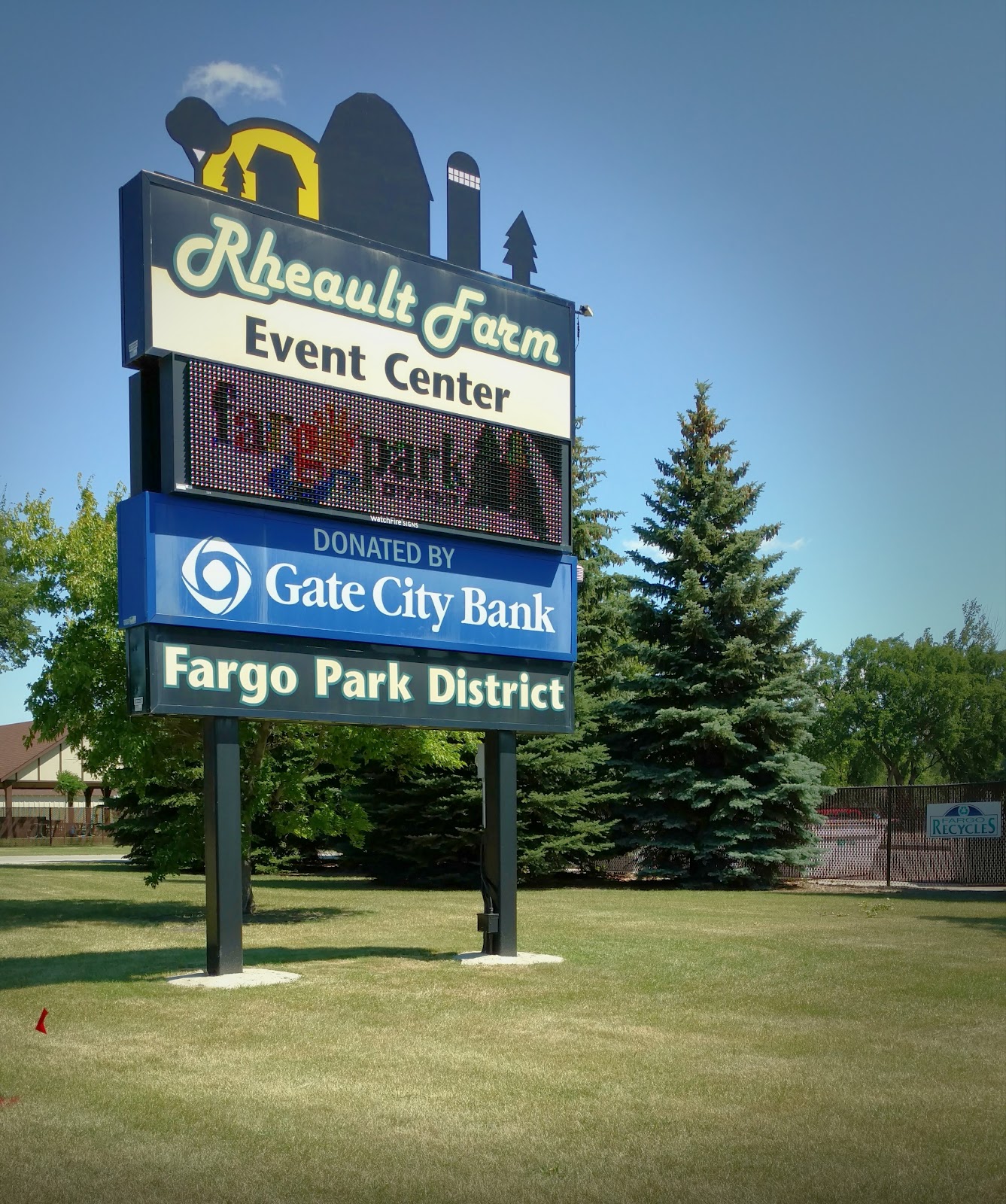
Rheault Farm: Field Notes on a Preserved Prairie Farmstead
A preserved farmstead within Fargo, North Dakota, with a barn, farmhouse and open ground around them.
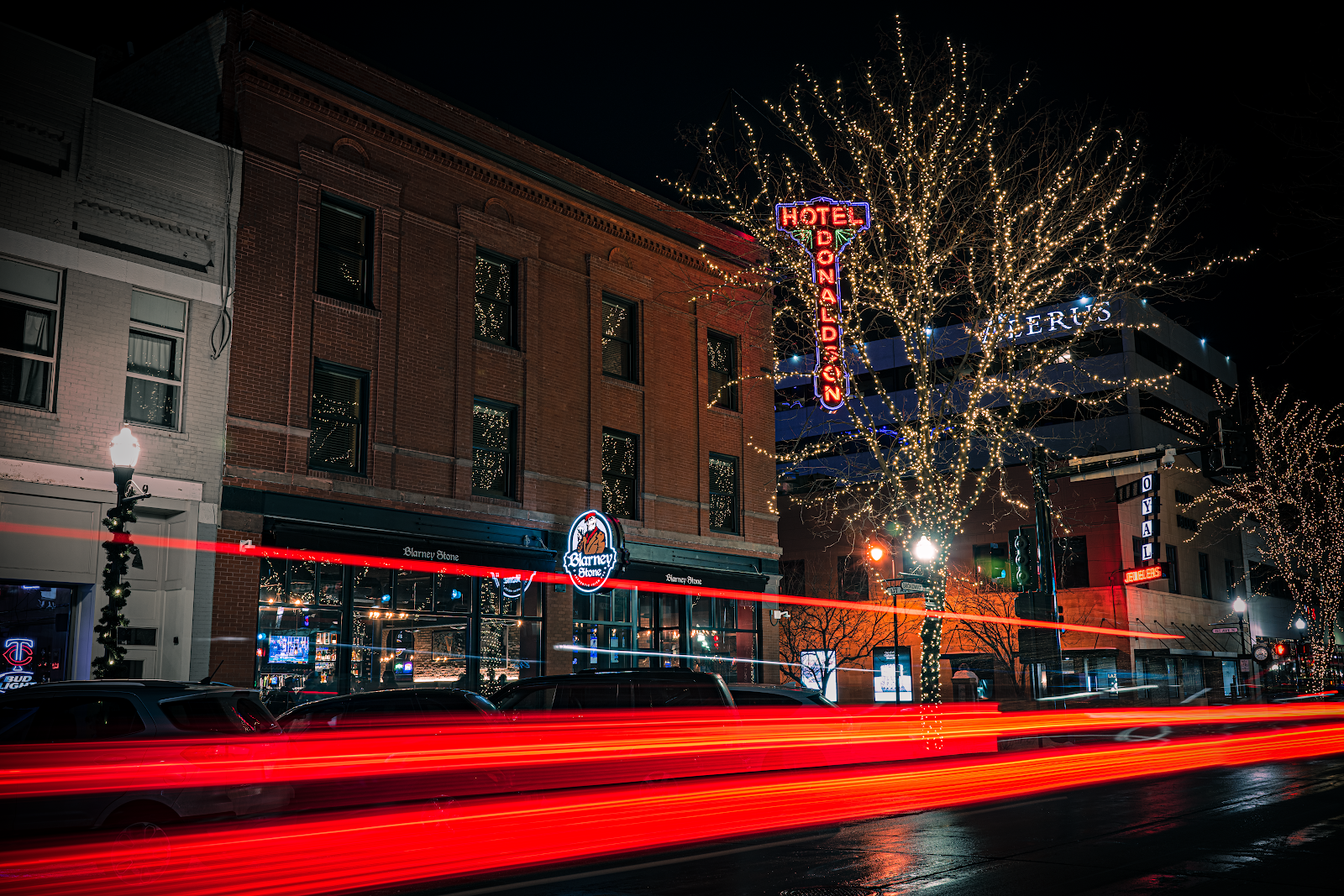
The Hotel Donaldson: Contemporary Art in an 1890s Building
A small 1890s hotel in downtown Fargo, North Dakota, with contemporary artworks throughout and a rooftop terrace.
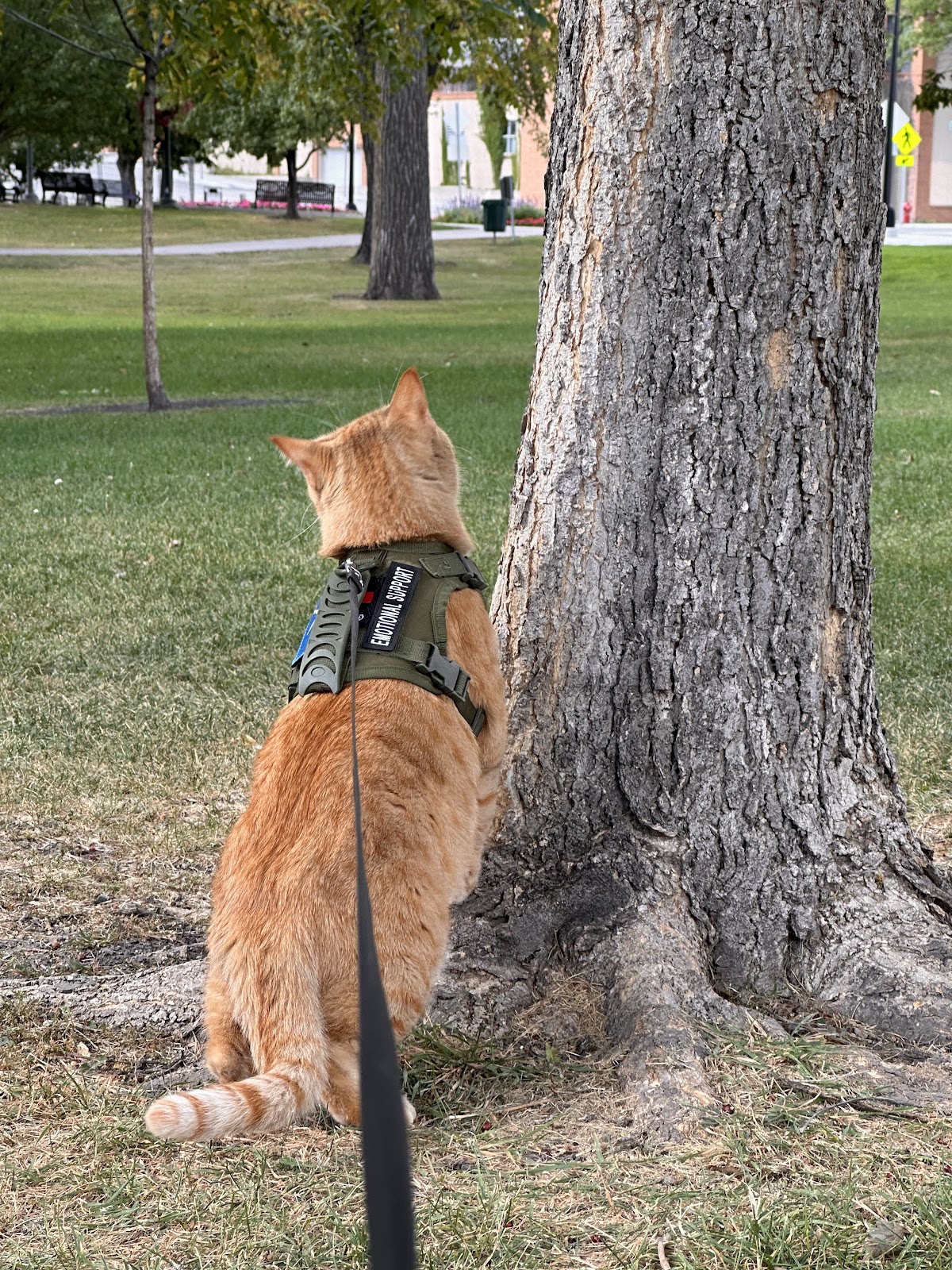
Island Park: Reading a Mature City Park Through the Day
A mature city park beside the Red River in Fargo, North Dakota, with large old trees, open lawns and river frontage.