 The Hilton Garden Inn Fargo: Field Notes on a Standardised Hotel
The Avalon Events Center: What a Purpose-Built Room Gets Right
A building designed for events removes every logistical problem and leaves exactly one photographic one.
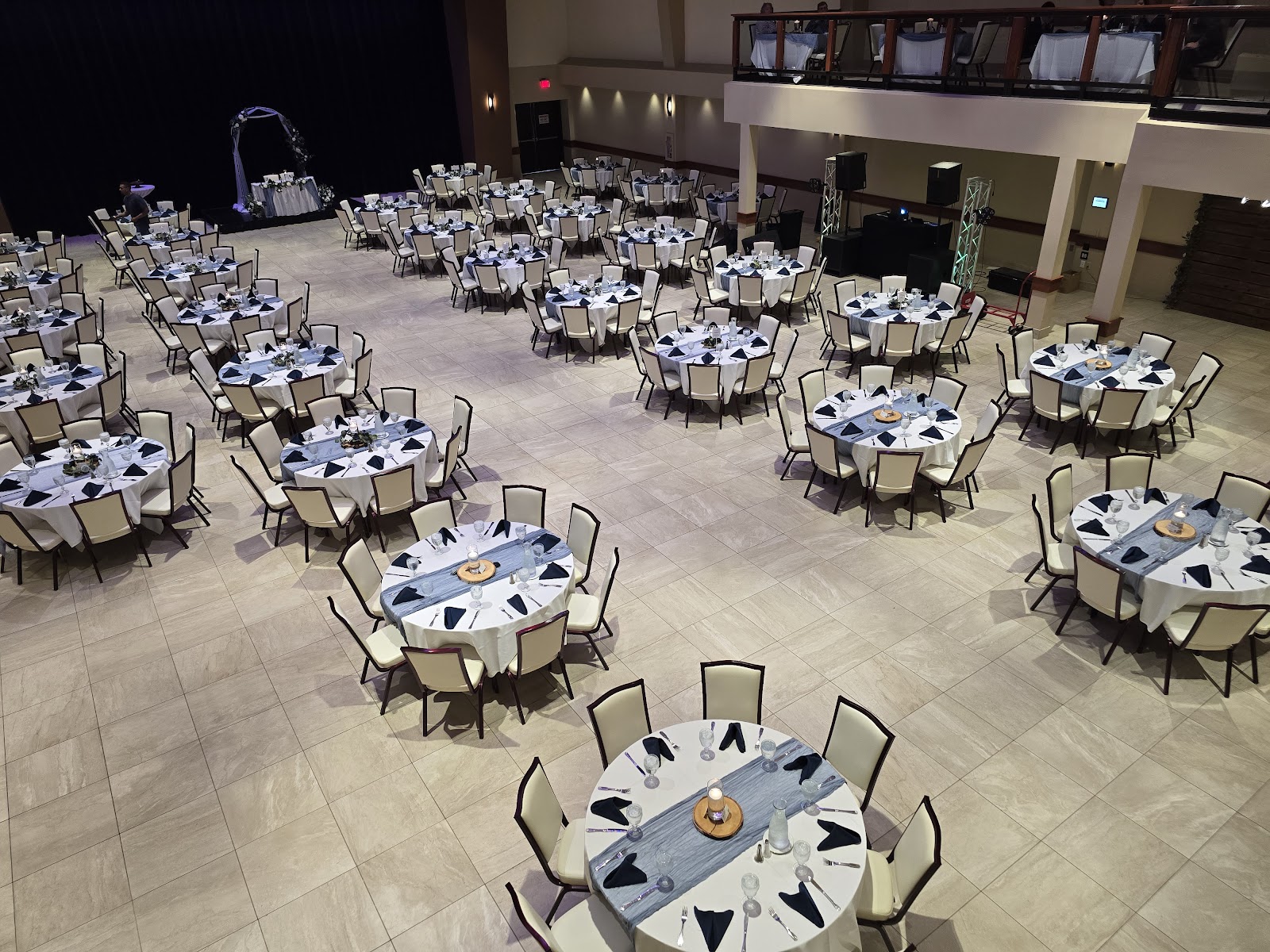
The Avalon Events Center is a purpose-built events venue in Fargo, North Dakota, with ballroom space, preparation rooms, level access and the servicing that a building designed for the job provides.
Purpose-built venues deserve a fair hearing, because photographers tend to prefer converted buildings and then quietly rely on everything a purpose-built one does properly. Power is where it is needed. The preparation room has a real window because someone thought about it. The floors are level, which makes a forty-person group a five-minute exercise rather than a negotiation with a slope. The cover is actually covered. Load-in is short. And the staff run weddings every weekend.
None of that appears in a photograph and all of it changes how many photographs get made. What the building does not have is character, and that is the one photographic problem it presents. This follows that logic. We have not photographed a wedding at the Avalon; purpose-built event rooms behave the same everywhere. Which rooms are allocated and which way the preparation room faces are the useful questions for their team.
The Avalon Events Center at a glance
| Where | Fargo, North Dakota |
| Character | A purpose-built events centre with ballroom and preparation space |
| What it gets right | Power, level floors, real cover, short load-in, experienced staff |
| The one problem | No patina — nothing supplies texture, colour or incident |
| Ask first | Which way the preparation room window faces |
What the design gets right, and how to exploit it
The preparation room is usually the best-designed space in a purpose-built venue, because whoever planned it knew what happens there — which typically means a large window, pale walls, mirrors and room to move. That is close to ideal for a dress, hair and detail work, and it needs nothing carried: a subject a metre back from the glass, turned into it, with a pale wall on the shadow side doing the fill.
Two things still need doing. Switch off the overhead lighting and move the lamps out, because mixed tungsten and daylight is the commonest cause of skin tone drifting across a morning. And ask which way the window faces — away from the sun gives soft directional light all day, into the sun gives a hard patch that needs a sheer curtain across the glass.
Level ground is the underrated advantage. Arranging a large group on a sloping lawn is a slow negotiation; on level ground with a clear background it is quick, and the back rows are visible without anyone standing on anything. Purpose-built venues simply win here.
And the cover is real. At a converted venue the wet-weather plan is often a compromise; here it is a designed space with a roof and power. On the northern plains, where severe convective storms build fast in summer and winter removes outdoor options entirely, that is worth a great deal — a venue whose coverage is unaffected by weather is exactly what a Fargo wedding needs.
The one problem, and the four tools that fix it
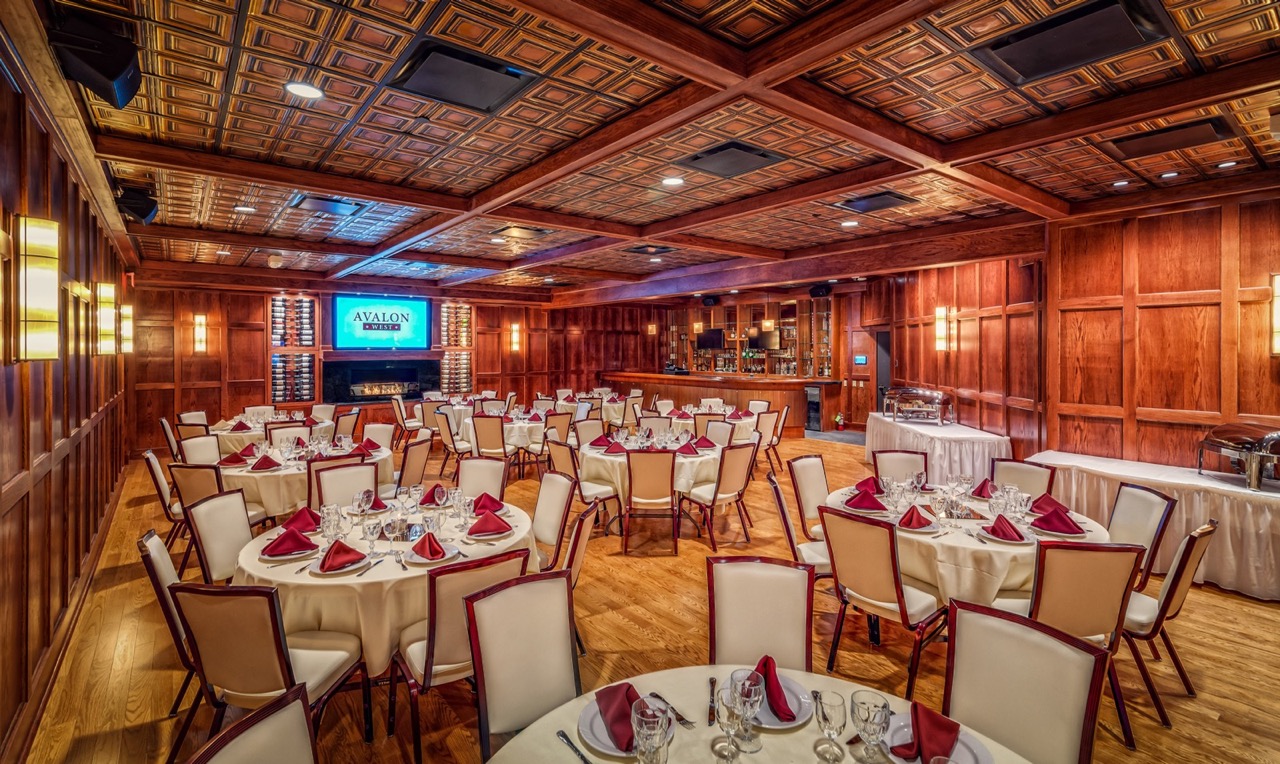
A new building has no patina. Walls are flat and evenly painted, floors are uniform, the palette is deliberately neutral so any colour scheme works in it, and the lighting is even so nothing casts an awkward shadow. That means nothing in the frame supplies texture, incident or character — and frames come out technically perfect and visually inert.
Four tools fix it and all have to be brought deliberately. Directional light is the first: even ambient gives no modelling, so one source from the side creates a shadow side on a face and an edge where there was none. In a neutral room that single change is the difference between a snapshot and a portrait.
Negative fill is the second and it is free. Something dark on the shadow side of a subject — a panel, a jacket, an open doorway into an unlit room — subtracts light where the room insists on adding it, manufacturing contrast the venue will not provide. Subtracting is more effective than adding here and almost nobody does it.
Colour is the third, and a neutral venue is the best possible surface for it. Gelled light renders accurately on neutral walls rather than muddying, so a warm key on the couple against a cool wash behind gives colour separation where tonal separation is impossible.
And precision is the fourth. In a spare room a crooked line or an ambiguous near-symmetry is glaring, because there is nothing else in the frame to distract from it. Level deliberately and either centre on an axis or offset clearly.
- Ask which way the preparation window faces; request the shaded side
- Use pale walls as free fill by putting the shadow side towards them
- Bring directional light; even ambient will not model a face
- Use negative fill — subtracting beats adding in a neutral room
- Gels render accurately on neutral walls; use colour for separation
The styling, the evening, and a Dakota year
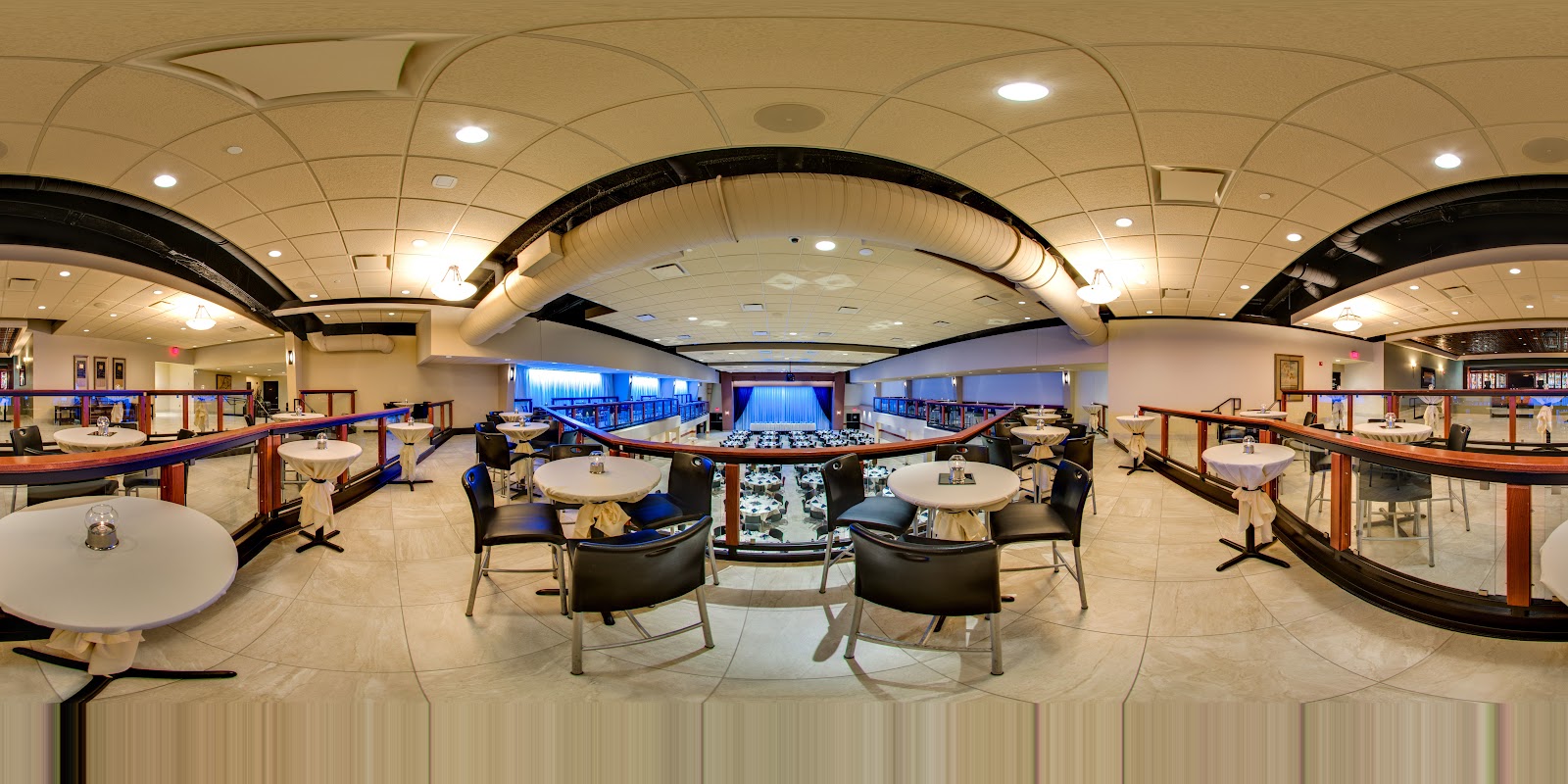
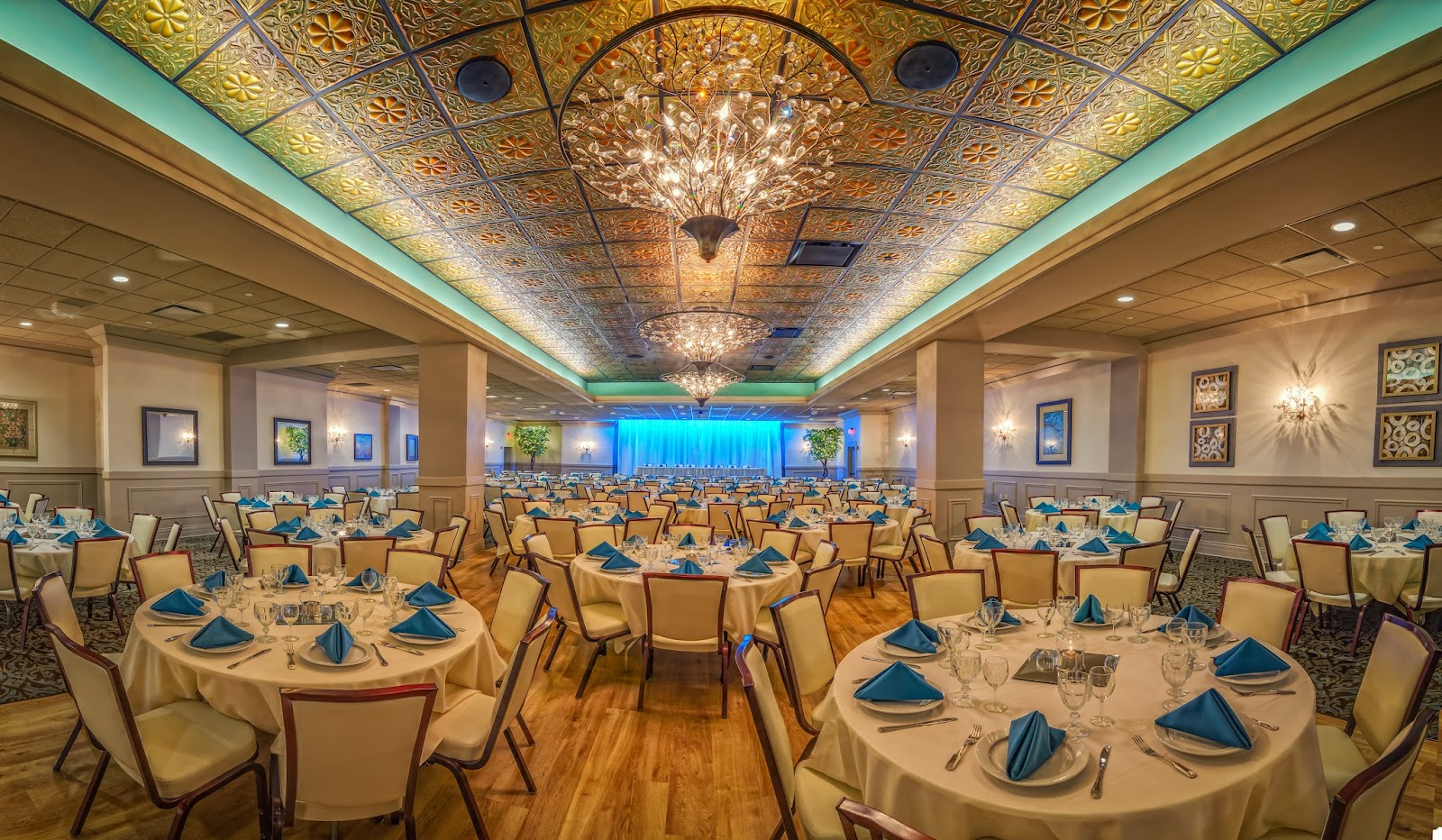
In a blank room the couple’s styling is the only visual content, and it should be treated as the set rather than as decoration. Whatever has been brought — lighting design, drapes, florals, a feature wall — is what the room is, and it deserves photographing properly while pristine. That means the twenty minutes before guests enter, ideally from a tripod with a couple of bracketed exposures since nothing is moving.
House lighting will be warm, dim and overhead, which shadows the eye sockets and flatters nobody. One warm-gelled source at face height at about forty-five degrees fixes it and leaves the fittings as detail; a second behind as a rim finishes the dance floor. Because the ambient never changes, that setup holds all evening, which makes the interior the block that absorbs any delay.
Coloured uplighting is near-universal and needs the same treatment as any narrow-band source: let it be background, and let your own key own the faces so skin is neutral. And keep patterned carpet out of wide frames, because it draws the eye and dates an image.
Outdoors, the plains conditions apply in full. Wind is a constant rather than an occasional event, so a veil is a held-or-removed decision and any stand needs real weight. There is very little natural shade on purpose-built grounds, so the building’s own shadow is the dependable midday option. The compensations are a genuinely long golden hour, because nothing intercepts the sun near the horizon, and an unobstructed sky that fills the frame with colour for twenty minutes after sunset.
And the seasonal point is worth making plainly: in Fargo the indoor reliability is the venue’s strongest argument for perhaps half the year. Winter days are very short and severely cold, so the outdoor block belongs early in the afternoon and lasts minutes; snow is the best natural fill available and fools a meter by about two stops; and a camera moved between a heated hall and deep cold fogs badly coming in, so acclimatise rather than cycling it.
More frames from The Avalon Events Center

The Avalon Events Center wedding photography: common questions
What do purpose-built venues get right?
The things that fail elsewhere — power where it is needed, a preparation room with a real window, level floors that make a large group quick, cover that is actually covered, short load-in, and staff who do this weekly.
What is the one photographic problem?
No patina. Flat evenly painted walls and a deliberately neutral palette mean nothing supplies texture, colour or incident, so frames come out technically perfect and visually inert unless the photographer brings all of it.
What fixes a neutral room?
Four things: directional light for modelling, negative fill to manufacture contrast, gels — which render accurately on neutral walls — and precision, because near-symmetry is glaring when nothing else is in the frame.
What is the free fix?
Negative fill. Something dark on the shadow side subtracts light where the room insists on adding it. Subtracting is more effective than adding in an evenly lit neutral space, and almost nobody does it.
What should the styling be treated as?
The set. In a blank room it is the only visual content, so photograph it pristine in the twenty minutes before guests enter — ideally from a tripod with bracketed exposures, since nothing is moving.
Why does indoor reliability matter so much here?
Because Fargo removes outdoor options for a substantial part of the year, and severe summer storms build fast. A venue whose coverage is unaffected by weather is exactly what this climate needs.
More Fargo, ND venue guides
We are writing a photographer’s guide to every venue we would happily shoot in Fargo, ND. Here are three more, plus the full index:
- The Fargo Air Museum: One Decision About the Aircraft
- The Fargo Civic Center: Reading a Municipal Hall Through the Day
- The Fargo Theatre: How the Marquee Frame Is Actually Made
All Fargo, ND Wedding Venues →
Planning a wedding at The Avalon Events Center?
Purpose-built solves the logistics and leaves the character to us. Tell us which way the preparation room faces.