 Choctaw Hall: What a Gazebo Ceremony Does to the Photographs
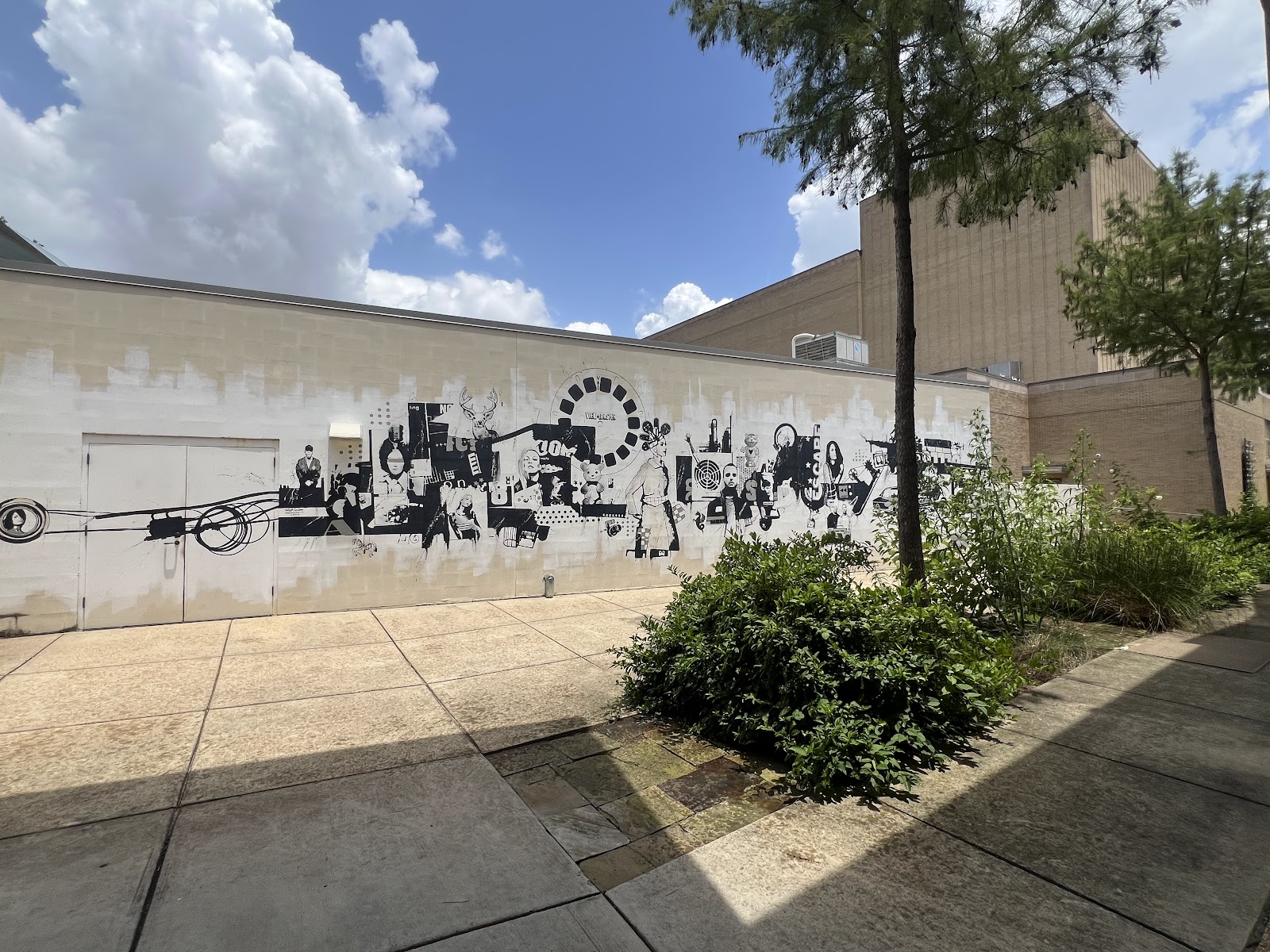
The Mississippi Museum of Art, Jackson: How the Light Moves
In a museum the daylight is everywhere except the galleries. That inversion runs the whole day.
The Mississippi Museum of Art in Jackson offers galleries, event space and an outdoor garden on a single site, which means a whole wedding day can happen without anybody travelling — the practical advantage the venue itself emphasises.
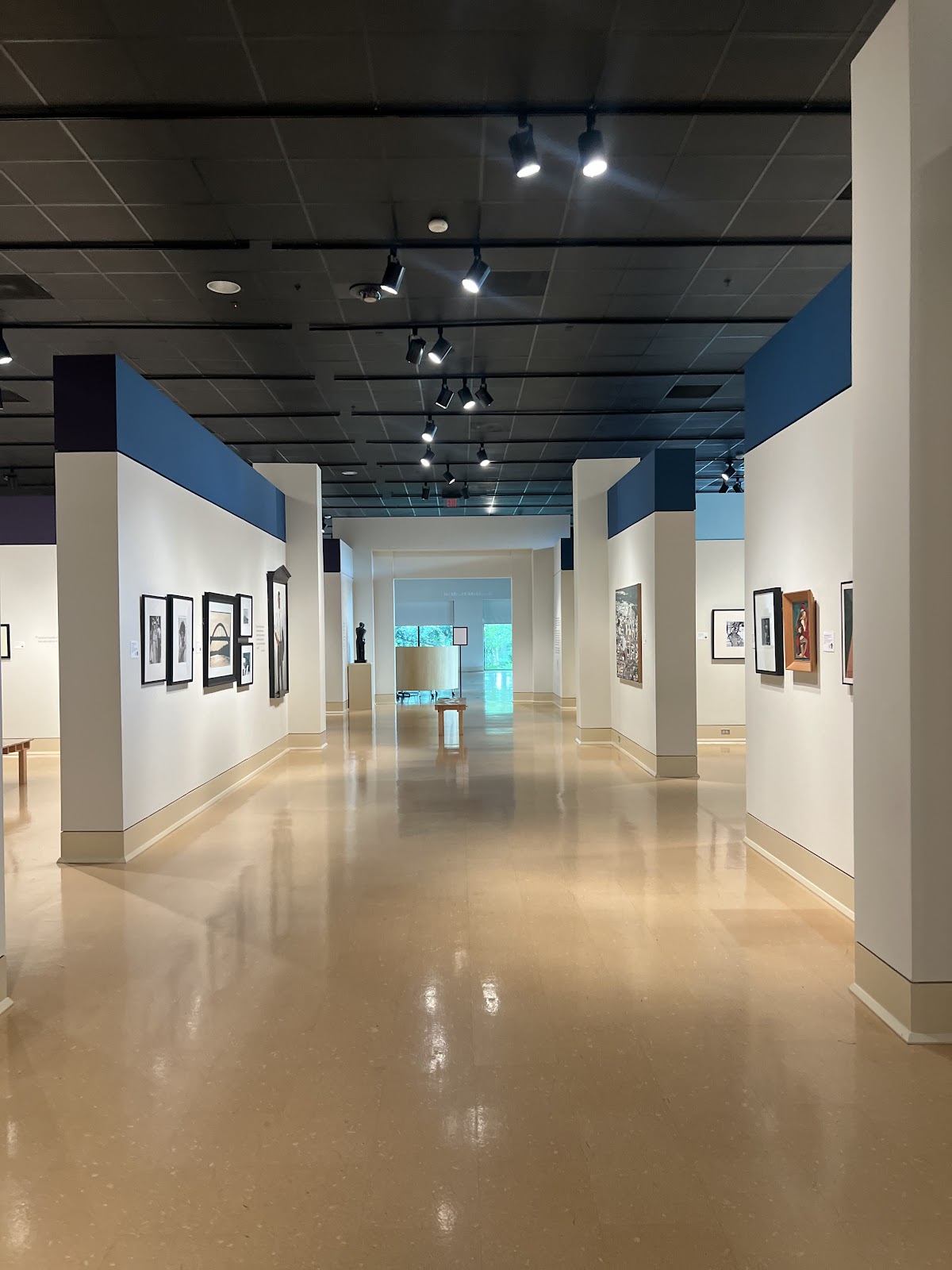
The photographic logic of a museum is inverted relative to most venues and the day should be planned around that inversion. Galleries are dim by requirement, because light permanently damages what is in them; public spaces — lobbies, atria, circulation, event rooms — hold nothing light-sensitive and are therefore often the most generously daylit rooms in the building. So the best-lit spaces are the ones nobody comes to see, and the visually richest spaces are the ones that are hardest to work in.
This is written as a day. We have not photographed a wedding at the museum; art museums behave consistently. Whether photography is permitted in galleries at all, whether stands and flash are allowed, and which spaces a wedding booking includes are the first questions — and the answers improve the plan rather than restricting it.
The Mississippi Museum of Art at a glance
| Where | Jackson, Mississippi |
| Character | An art museum with galleries, event space and an outdoor garden |
| The inversion | Galleries are dim by requirement; public spaces are the daylit ones |
| The advantage | Ceremony, portraits and reception on one site, weatherproof |
| Ask first | Gallery photography, stands and flash, which spaces are included |
Daytime: the public spaces, and why the galleries are hard
Start in the public architecture, because in daylight hours that is where the good light is. A museum lobby or atrium is usually generously glazed, tall, and finished in pale surfaces — which gives a very large soft source, high ambient and a room where a subject two metres back from the glass is lit better than any portable kit could manage at that scale.
The variable is which elevation the glazing is on. A shaded side gives that soft directional light all day with no hotspots in it; a sunlit side gives hard patches and, through structural glazing bars, a grid of hard shadow that looks good on a wall and is unusable on a face. One walk on arrival settles which is which, and it is the single most useful five minutes of the day.
Galleries, by contrast, are a triple problem and level is the least of it. Conservation caps the light, so the ambient is two or three stops below comfortable. Display lighting comes from track fittings in the ceiling aimed down at works, so it arrives from directly above — darkening eye sockets, drawing a hard line from the nose, leaving the chin unlit. And museum fittings are frequently narrow-spectrum LED chosen for low ultraviolet output rather than colour rendering, which renders skin sallow or plum-toned even at technically correct white balance, and no adjustment recovers a wavelength that was never emitted.
Gallery walls are often mid-tone or dark and ceilings high, so bounce returns nothing. Every source has to be direct and modified, which is worth knowing before the first frame.
Where any added light is permitted, keep it small: a gridded source at low power on the couple alone, spilling onto nothing, exposed about a stop under a correct reading for the room. A dim gallery with a small pool of light reads as atmospheric; the same gallery flooded reads as a lit room with pictures in it, and it is also the version most likely to breach the rules.
Artworks behind people need the standard decision — commit to one work deliberately, or subordinate everything with a long lens at a wide aperture so the wall becomes a soft field of colour. Half-in fails. And a large saturated canvas throws its own colour across a nearby face, which is another reason to let your own source own the skin.
Late afternoon and the garden
From about two hours before sunset the garden becomes the reason to be here, and at a museum in this climate the outdoor space is the single most valuable asset for anything that needs to be flattering. Outdoors there is no conservation constraint, no spectrum problem and — once the sun is low — no direction problem either.
A museum garden is usually designed rather than grown: structured planting, paved or gravel walks, lawn, and often sculpture. That gives clean geometry and predictable tones, and it photographs best either along an axis, which reinforces the design, or from a low camera on the lawn, which drops the horizon and lets planting and building occupy the upper frame.
Sculpture, where there is any, is worth two notes. Large works cast hard-edged dependable shadows, which on open ground is often the only reliable shade — and standing a couple two metres inside that shadow line facing out gives a soft directional key with a dark background for free. And metal or polished works throw their own colour and specular highlights onto nearby skin, which is worth noticing before it appears in an edit.
Mature trees are the Mississippi summer resource. Continuous deep shade under canopy is what makes the middle of a July afternoon workable at all, and locating the largest area of it is the most useful preparation on the site. Dapple is the corresponding hazard — hot spots several stops above the shadow, moving with any breeze, impossible to correct — so full shade, open light, or wait for the sun to drop below the canopy.
Dense planting also bounces green onto nearby skin, unflattering in a way warm bounce from brick is not. Set a custom white balance on a face in the position you are using, and use any pale paving or gravel as a surface to put a neutral tone back into the shadows.
The last ninety minutes are the window the whole schedule should protect. Low sun comes in under the canopy rather than through it, backlighting foliage so it glows, raking along paving and the building, and lighting faces from the side — which is the best condition the site will offer all day and the hardest to recover if the plan runs late.
- Find which elevation the glazing is on in the first five minutes
- Galleries: small gridded source on the couple only, a stop under the room
- Assume no bounce in galleries — dark walls, high ceilings, nothing returns
- Use a sculpture’s shadow line as free shade with a dark background
- Protect the last ninety minutes outside; nothing indoors competes with it
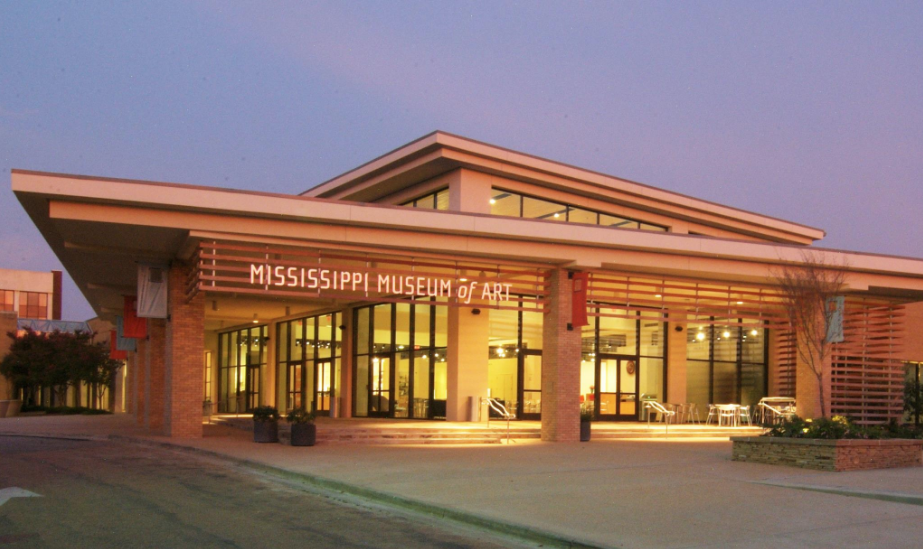
After dark, and a Mississippi summer
Once the sky has gone, the museum’s glazing inverts. The lit interior becomes brighter than the outside, so glazed walls reflect the room instead of showing the garden, and wide frames that worked in the afternoon become cluttered. Lights move off the camera axis, frames go oblique to the glass, and a reflection becomes usable material rather than a defect — provided no stand is in it.
The crossing is the frame to schedule rather than hope for: roughly twenty minutes after sunset the garden falls to about the brightness of the interior lighting, and one exposure holds the lit room, the couple and the planting beyond. Take the sunset time, add fifteen minutes, and be in position with the couple already there.
Outdoors after dark a garden has no ambient of its own, so anything out there is entirely a lighting exercise — one source on the couple, with the lit building as background. A long exposure with warm windows behind is the frame most often missed, because by then everyone has moved inside.
Mississippi summer conditions govern the outdoor half of the day. Heat and humidity make long blocks genuinely difficult in formal clothes, so trips should be short and purposeful; insects arrive at dusk near planting, which is exactly when the best light does, and a couple is better warned than surprised.
Fogging is the climate’s specific equipment risk. A camera chilled by a strongly air-conditioned museum fogs comprehensively the moment it reaches warm damp air and can take many minutes to clear — long enough to lose an arrival or a first look. Warm the kit towards outside temperature twenty minutes before it is needed outside rather than reacting at the door.
Afternoon thunderstorms are routine rather than exceptional in the season, and this is where a museum earns its place: the day continues indoors with a real room and real capacity, so a storm changes the location rather than the plan. The light once a cell passes — a dark sky, saturated planting, wet paving returning reflections, low sun underneath — is frequently the best of the day, and worth going back out for even after the schedule has closed.
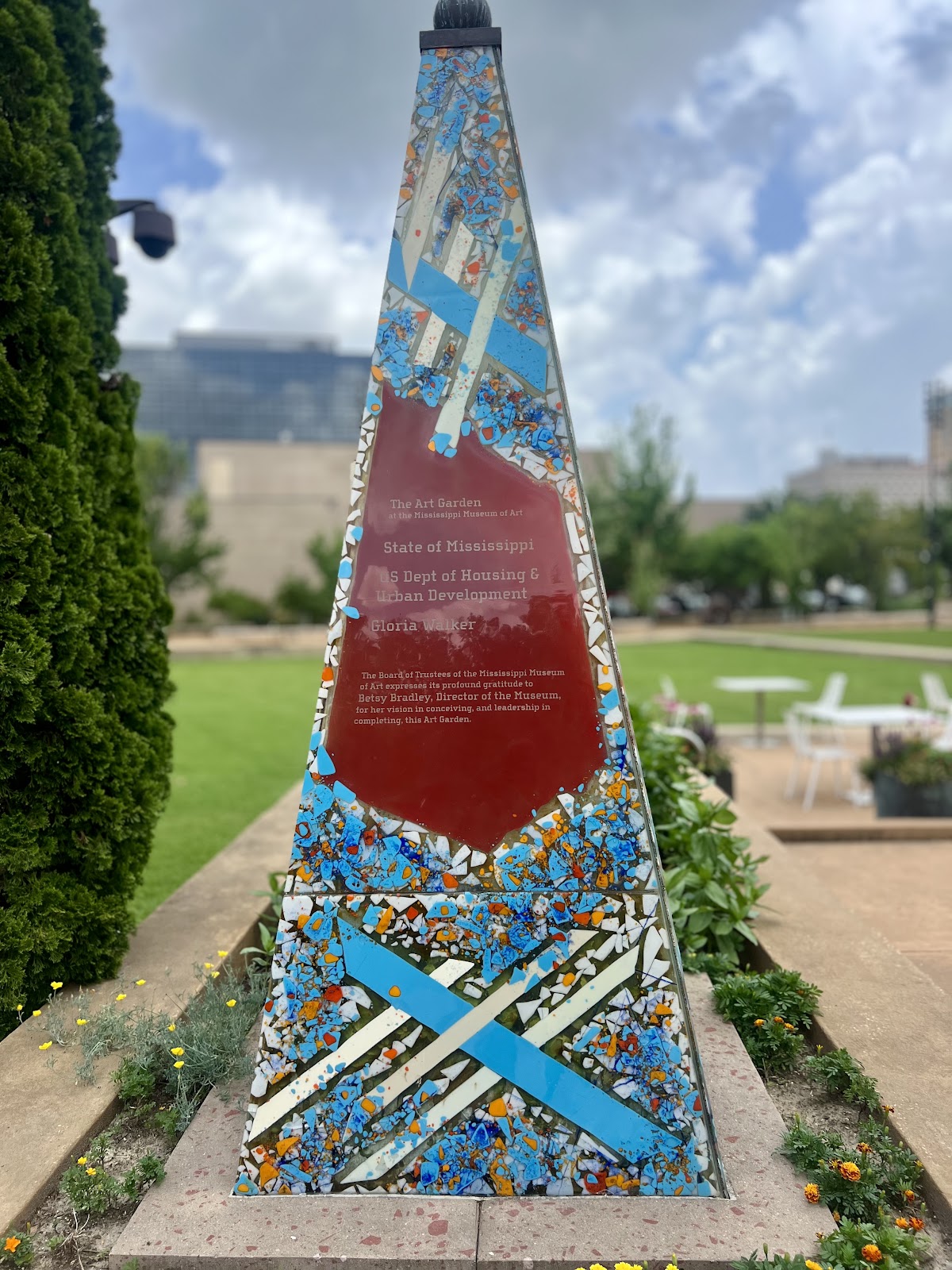
More frames from The Mississippi Museum of Art
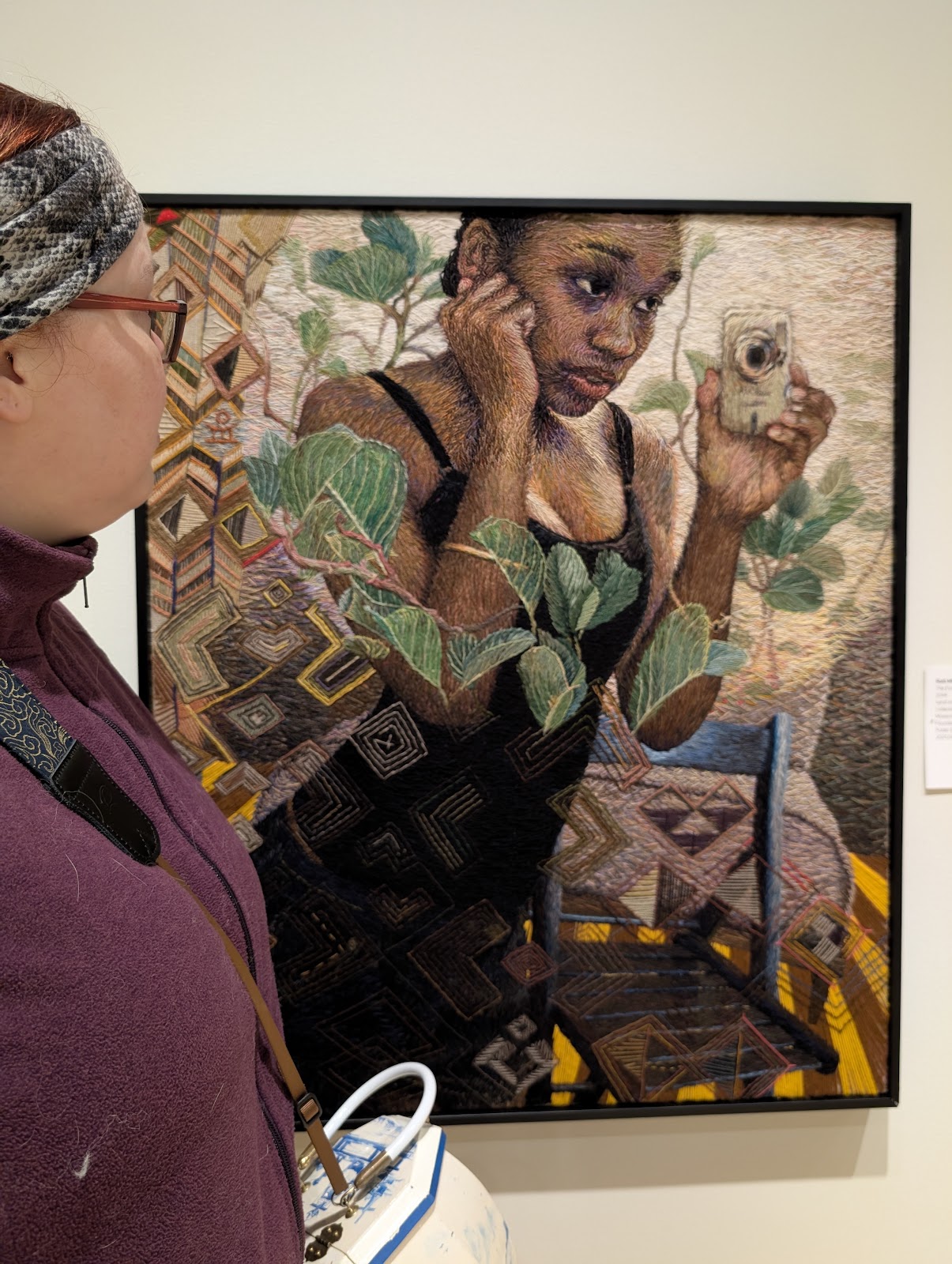
The Mississippi Museum of Art wedding photography: common questions
Where is the good light in a museum?
The public spaces. Lobbies, atria and event rooms hold nothing light-sensitive, so they are generously daylit — often the best-lit rooms in the building, and the ones nobody comes to see.
Why are galleries so difficult?
Three reasons at once: conservation caps the light level, display fittings aim down from the ceiling so eyes go dark, and narrow-spectrum LEDs render skin badly even at correct white balance. No adjustment recovers a missing wavelength.
How should a gallery be lit, if it is allowed at all?
Small and controlled: a gridded source on the couple alone, spilling onto nothing, about a stop under a correct reading for the room. Flooding a gallery reads as a lit room and is also most likely to breach the rules.
What about artworks in the background?
Commit to one work deliberately or subordinate everything with a long lens at a wide aperture. Half-in fails. A large saturated canvas also throws its colour onto nearby skin, so let your own source own the faces.
What is the best outdoor trick in a museum garden?
A sculpture’s shadow. Large works cast hard-edged dependable shade, and standing a couple two metres inside that line facing out gives a soft directional key with a dark background for nothing.
What is the one timed frame?
Sunset plus about fifteen minutes, when the garden falls to interior brightness and one exposure holds the lit room, the couple and the planting beyond. After that the glazing becomes a mirror.
More Jackson, MS venue guides
We are writing a photographer’s guide to every venue we would happily shoot in Jackson, MS. Here are three more, plus the full index:
- The Oaks House, Jackson: One Frame and How It Is Made
- The Old Capitol Museum, Jackson: Four Ways Out of the Landmark Problem
- The Westin Jackson: A Walk Through a Contemporary Hotel
All Jackson, MS Wedding Venues →
Planning a wedding at The Mississippi Museum of Art?
Ask about the galleries early; the answer sharpens the plan. Tell us your date.