 Choctaw Hall: What a Gazebo Ceremony Does to the Photographs
The Old Capitol Museum, Jackson: Four Ways Out of the Landmark Problem
A restored landmark gives you the best architecture in the city and the least freedom to work in it.
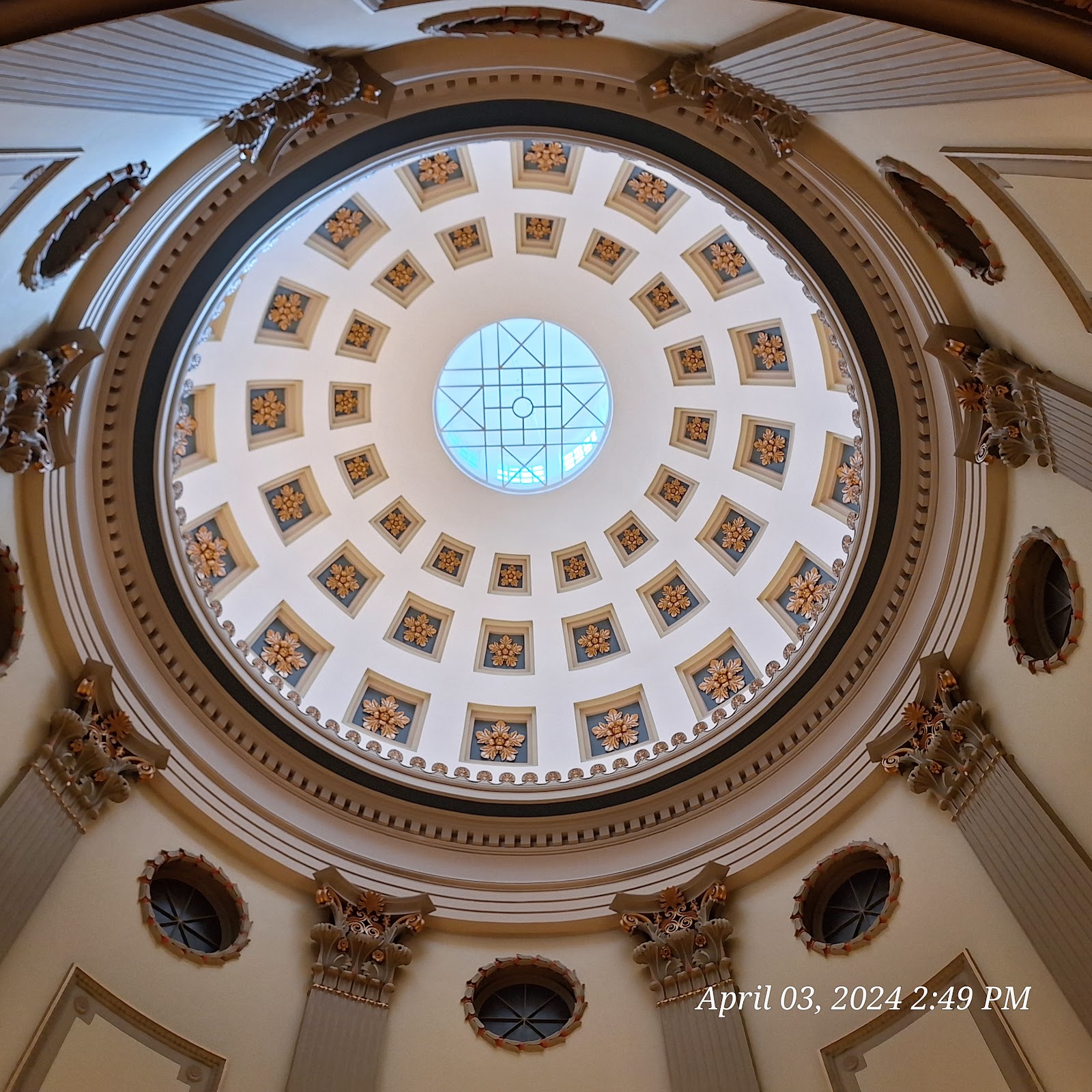
The Old Capitol Museum in Jackson is a restored former state capitol, and its appeal is exactly what its own description suggests: intricate detail and carefully restored spaces, conserved to a standard that ordinary venues never reach.
That standard is also the problem. A landmark building of this kind is protected fabric held by an institution, which means the freedoms a photographer takes for granted elsewhere are absent: fixings are prohibited, stands and tripods may be restricted, flash may be limited, routes may be controlled, and rooms may be off limits or available only at certain times. The architecture is magnificent and the working conditions are the tightest of any venue type.
So this is written as the problem and four ways out of it. We have not photographed a wedding at the Old Capitol; restored landmark interiors behave consistently. What is permitted is decided by the institution rather than negotiated on the day, and it should be in writing before a schedule is drafted.
The Old Capitol Museum at a glance
| Where | Jackson, Mississippi |
| Character | A restored former state capitol, now a museum |
| The gift | Architecture and detail at a standard ordinary venues never reach |
| The problem | Protected fabric — no fixings, restricted stands, controlled access |
| Ask first | Everything, in writing: rooms, stands, flash, routes, timings |
Why landmark interiors are difficult
The difficulty is not that the rooms are dark or plain — they are usually neither. It is that four separate freedoms are missing at once, and each removes a tool most photographers rely on without noticing.
The first is fixings. Nothing may be taped, clamped, pinned or hung on protected fabric, which rules out the small conveniences that make lighting fast: a flash gaffered to a cornice, a modifier clamped to a railing, a cable run along a skirting. Everything has to be free-standing and self-supporting, which takes more weight, more space and more time.
The second is floor space. Stands and tripods may be restricted outright, and where they are permitted there may be limits on where they can go — away from walls, out of circulation routes, off historic floors. That turns a two-light setup into a one-light setup, which is not a disaster but is a decision to make in advance rather than on the spot.
The third is height. Grand civic interiors have tall ceilings, so bounce flash returns almost nothing and the reflex indoor move is unavailable. Combined with the first two constraints, this is the real squeeze: no bounce, limited stands, nothing to attach to.
The fourth is control of the space. A museum has visitors, opening hours, security and conservation staff, and a wedding is a guest in a working institution rather than a client in a hired hall. That means timings are firm, routes may be prescribed, and improvising a location because it looks good is not available.
None of that makes the venue a poor choice. It makes it a venue that rewards planning to an unusual degree and punishes arriving with a general intention.
Four ways out
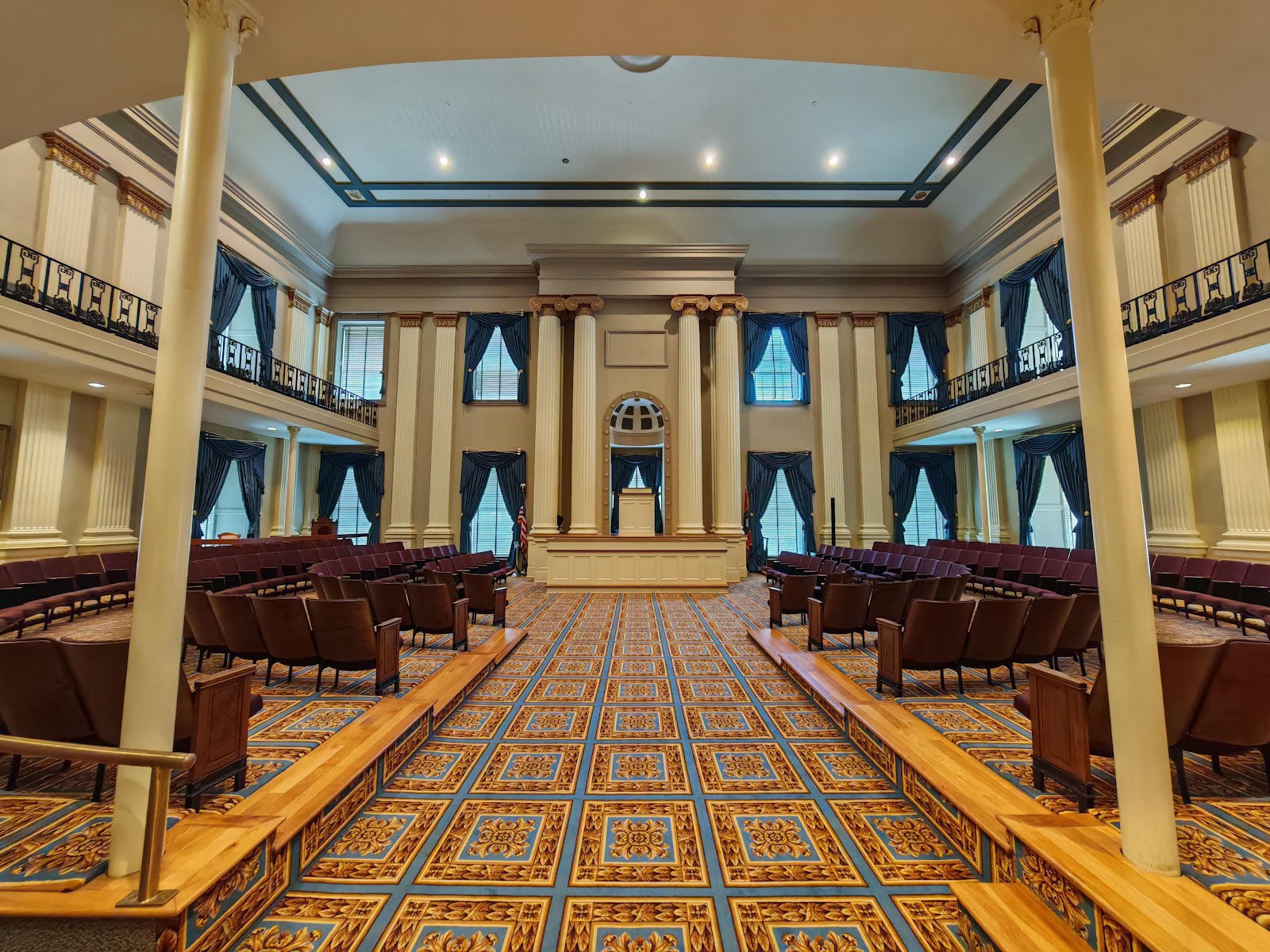
The first way out is to make the architecture the subject and the couple the scale. A grand civic interior is at its best photographed as a room that happens to contain two people — a wide, level, symmetrical frame with the couple small in the depth. That kind of frame needs no fixings, no stands and often no added light at all, because it is exposed for the ambient. It is also the frame nobody else can take anywhere else in the city, which makes it the one most worth the effort.
The second is to work with one light and to place it precisely. A single free-standing source, off the camera axis at face height, set to graze ornament rather than face it, does more in a room like this than three lights placed carelessly. Grazing is the specific technique that matters: plasterwork, mouldings, columns and panelled doors are three-dimensional, and light crossing them casts the small shadows that make them read. Even light, which is what the house scheme provides, flattens all of it.
The third is to use the windows, which in a building of this period are usually tall, generous and the best light in the room. A subject two metres inside a tall window on the shaded side has a broad soft key with steep natural fall-off — architectural lighting that needs no permission, no stand and no cable. Learning which elevation the shaded windows are on, and at what hour, is the single most valuable preparation for a landmark interior.
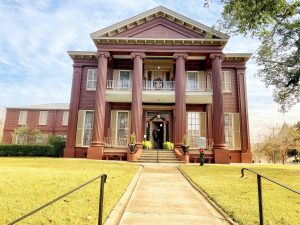
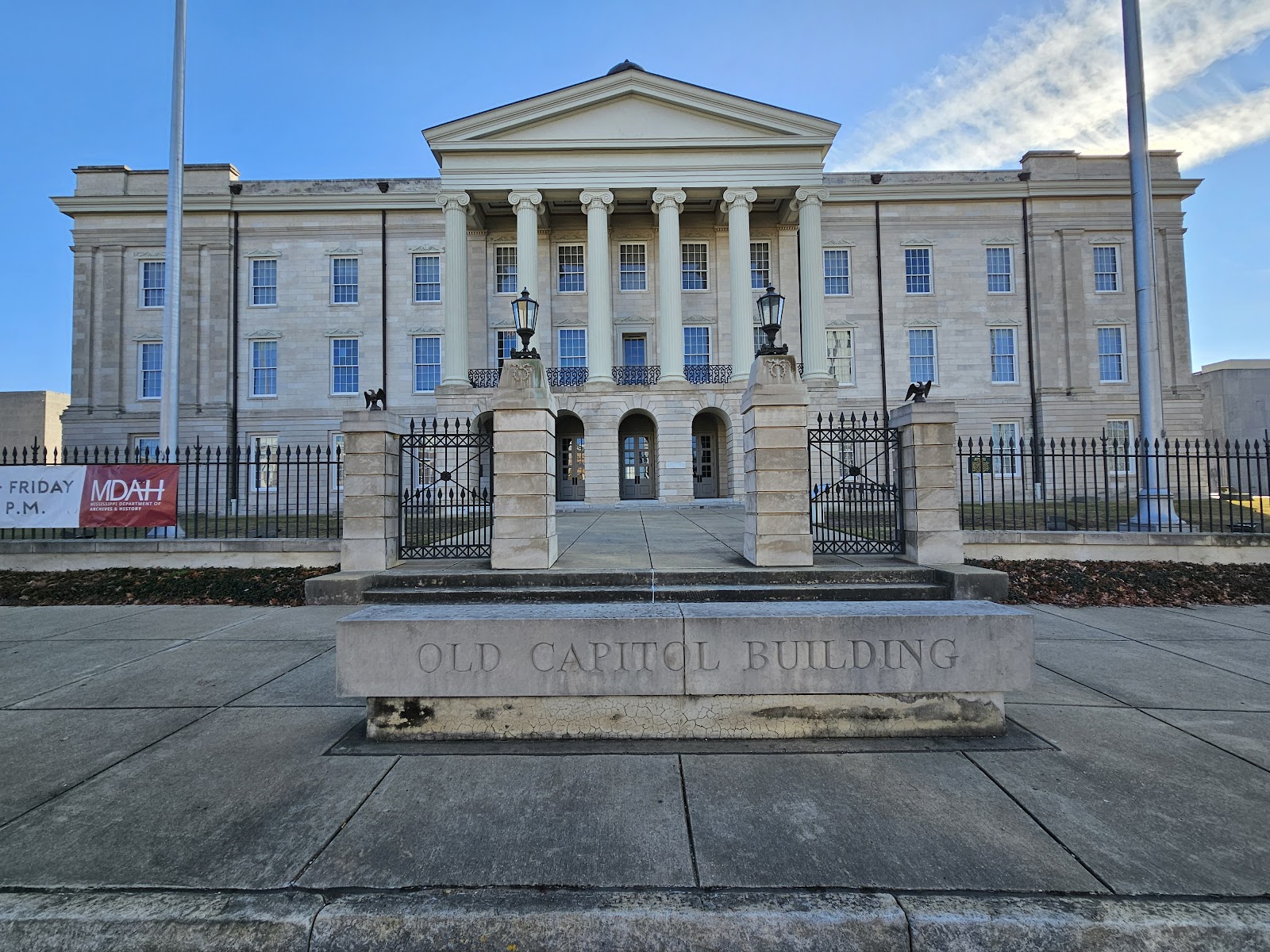
The fourth is to take the exterior seriously rather than as an afterthought. A former capitol is a civic building with a designed facade — columns, a portico, steps, symmetry, probably a dome or a pediment — and all of it reads best in raking light, which means the last ninety minutes. Steps in particular are the most useful architectural feature any civic building has: they give elevation, tiers for a group, a natural centre line and a background of stone. Almost every large group photograph at a building like this belongs on its steps.
And the exterior has none of the four problems. No fixings rule, no stand restriction, no height limit, no controlled routes — which is why, at a landmark venue, an honest plan puts a substantial share of the coverage outside.
- Shoot the room with the couple as scale — no kit, and nobody else has that frame
- One free-standing source, placed to graze ornament rather than face it
- Tall shaded windows are architectural lighting that needs no permission
- Put the group on the steps; civic steps are the best group position there is
- Plan a real share of the coverage outdoors, where none of the limits apply
Detail, timing, and a Mississippi summer
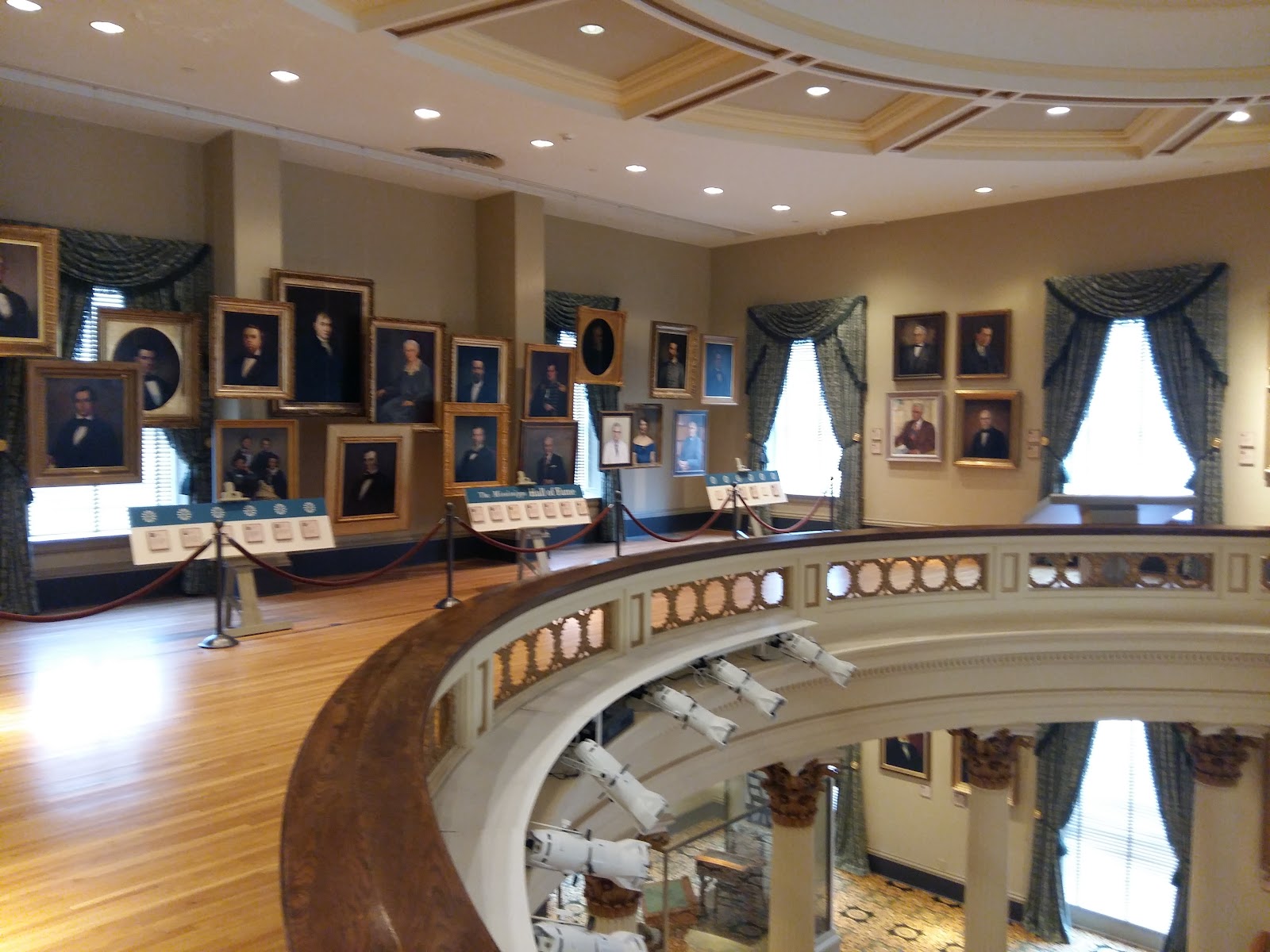
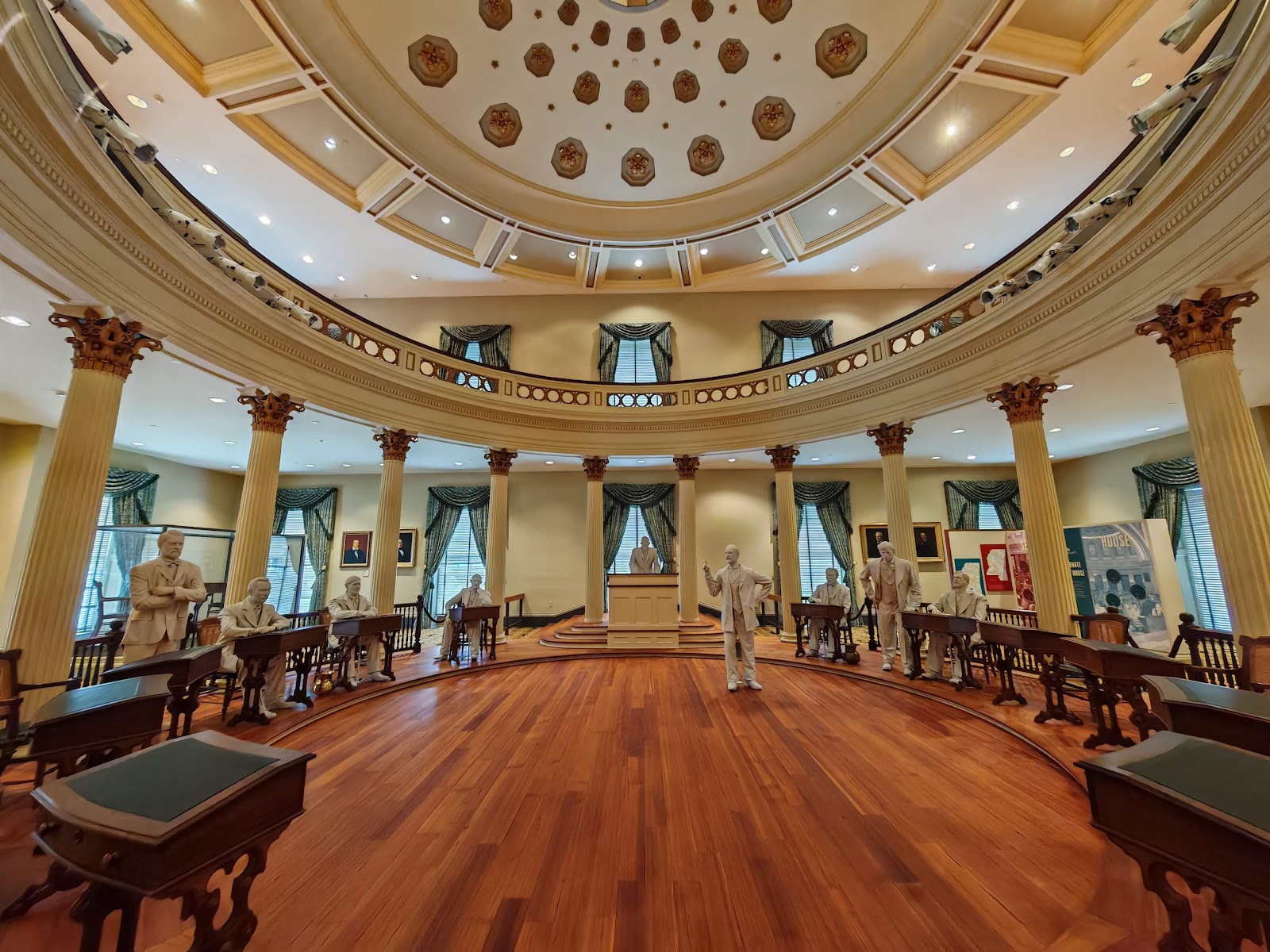
Restored interiors reward close work in a way that ordinary venues do not, and it is worth building it into the plan rather than treating it as filler. Conserved joinery, original glass, brass fittings, stone stairs worn by use, paint layers and plaster detail are all subjects in their own right, and they photograph well on a fast lens at a raised ISO by whatever light is there — no permissions, no setup, and they establish the character of the place more convincingly than a wide frame does.
Symmetry and axis need precision here, because civic architecture is built on them. A frame down an axis or centred on a symmetrical elevation collapses if the camera is slightly off centre or a degree out of level — the near-miss is the only failure available, since a clearly off-axis frame reads as intentional and a two-degree error reads as carelessness. Use the electronic level, and take the extra thirty seconds.
Timings are firm at an institution, so the schedule should be built around them rather than optimistically across them. Establish when access starts, when it ends, whether visitors will be present, and whether any room has a different window from the rest. A landmark that says access ends at six has ended access at six.
Mississippi conditions govern the outdoor half of the day, and they are not gentle. Heat and humidity make long blocks genuinely difficult in formal clothes, so outdoor trips should be short and purposeful; the building’s own shadow is the reliable midday shade, and a portico is better still — a roof overhead and an open side make it a large directional source at architectural scale.
Fogging is the climate’s specific equipment risk and it is the reverse of the cold-weather problem: kit chilled inside a strongly air-conditioned museum fogs comprehensively on reaching warm damp air and takes many minutes to clear. Warm it towards outside temperature before it is needed outdoors rather than reacting at the door.
Afternoon thunderstorms are routine rather than exceptional, which is an argument for a substantial building — the day continues indoors without a decision. And the light once a cell passes is frequently the best of the day: a dark sky, low sun underneath, and wet stone steps returning reflections of a columned facade. That is worth going back out for, and at a building like this it is the establishing frame of the whole gallery.
More frames from The Old Capitol Museum
The Old Capitol Museum wedding photography: common questions
What makes a landmark interior hard?
Four freedoms are missing at once: no fixings to protected fabric, restricted stands and tripods, ceilings too high to bounce from, and controlled access and routes. Each removes a tool most photographers use without noticing.
What is the best frame in a grand civic room?
The room itself, with the couple small in the depth — wide, level and symmetrical, exposed for the ambient. It needs no kit, no permissions, and nobody else in the city can take it.
How do you light a room like this with one source?
Place it precisely and make it graze rather than face the ornament. Light crossing plasterwork and mouldings casts the small shadows that make them read; even light flattens all of it.
Where is the natural light?
Tall windows, which a building of this period has in quantity. A subject two metres inside a shaded one has a broad soft key with steep fall-off — and it needs no permission, stand or cable.
Where should group photographs happen?
On the steps. Civic steps give elevation, tiers for arranging people, a natural centre line and a stone background, and they are outside all the interior restrictions.
Why does precision matter here?
Because civic architecture is built on symmetry and axis, and a near-miss is the only failure available. A clearly off-axis frame reads as intentional; a two-degree error reads as carelessness.
More Jackson, MS venue guides
We are writing a photographer’s guide to every venue we would happily shoot in Jackson, MS. Here are three more, plus the full index:
- The Westin Jackson: A Walk Through a Contemporary Hotel
- The Capital Club, Jackson: Photographing a Club Above the City
- The Country Club of Jackson: What It Suits and What It Does Not
All Jackson, MS Wedding Venues →
Planning a wedding at The Old Capitol Museum?
A landmark needs its permissions in writing and its outdoor share planned. Tell us your date.