 Choctaw Hall: What a Gazebo Ceremony Does to the Photographs

The Oaks House, Jackson: One Frame and How It Is Made
Mature oaks are the venue. One frame uses them properly, and it depends entirely on the hour.
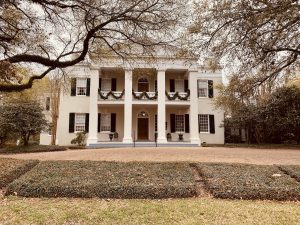
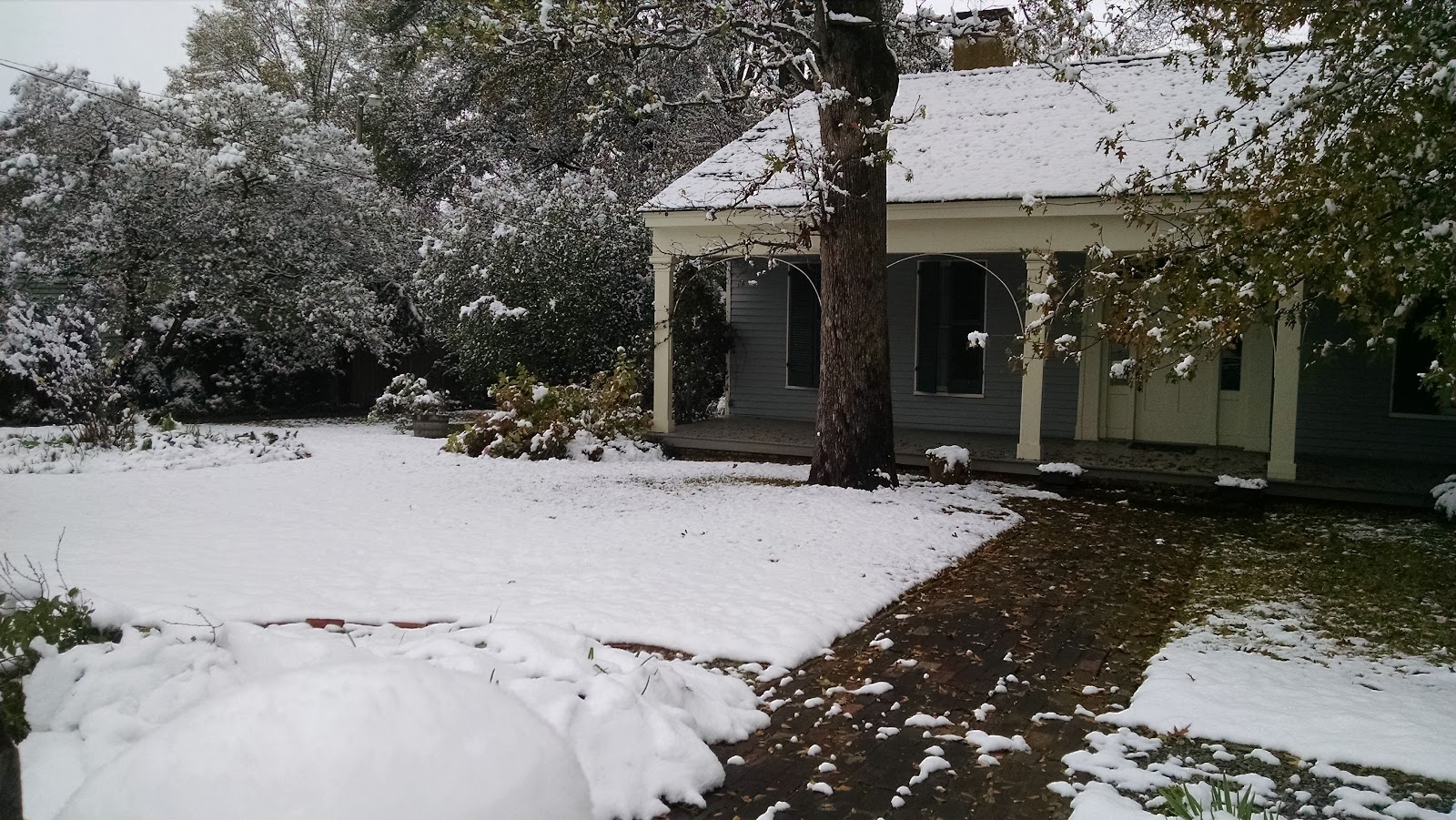
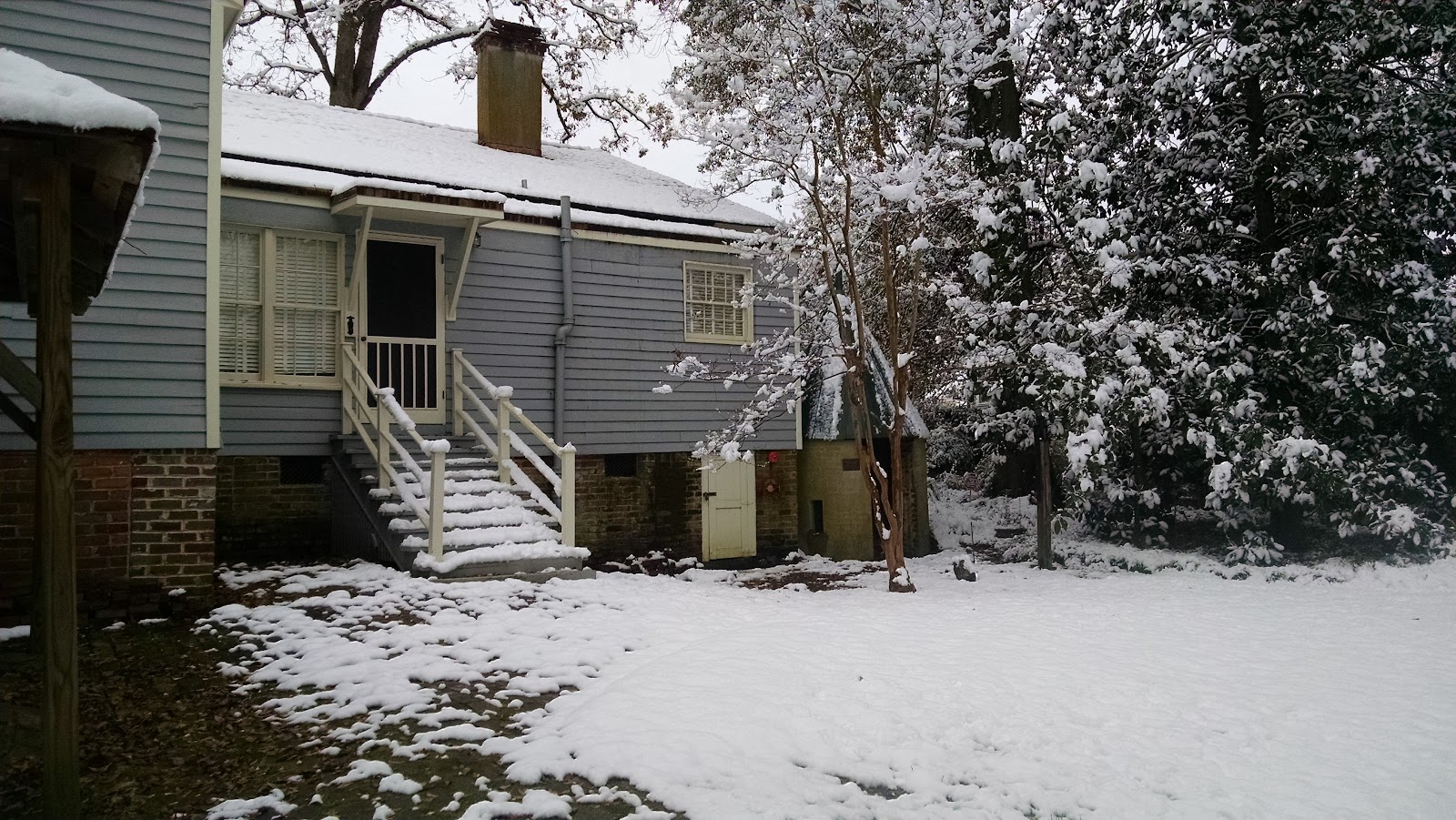
The Oaks House in Jackson offers an outdoor ceremony space set against mature greenery and historic structures, and it is the trees rather than the building that make the site what it is.
One frame defines it. Camera low, looking up and out from beneath a mature oak: the trunk and lower limbs framing the top and one side of the picture, the couple standing in a pool of light in the middle distance, and the darker canopy closing the frame on every side. It is the frame a grove of old trees exists to give, it is available nowhere that does not have them, and it depends on one thing only — the sun being low enough to come in underneath the branches rather than down through them.
So this is written as one frame and the conditions it needs. We have not photographed a wedding at the Oaks House; mature canopy behaves the same wherever it grows. What the guest limit is, whether the interior is available and what the rain fallback actually holds are the questions for their team — the last matters more at a garden venue than anywhere else.
The Oaks House at a glance
| Where | Jackson, Mississippi |
| Character | A historic house with an outdoor ceremony space among mature oaks |
| The frame | Low camera, looking out from under the canopy, couple in a pool of light |
| It needs | The sun below the branches — the last ninety minutes |
| Ask first | Guest limit, interior availability, and what the rain fallback holds |
The frame, and the hour that makes it
Mature trees do two entirely different things depending on where the sun is, and the distinction is the whole of working here. When the sun is high, it comes down through the leaves, which produces dapple: hot spots several stops brighter than the surrounding shadow, scattered across faces and clothing, shifting with every breath of wind. Dapple cannot be corrected, cannot be predicted and cannot be posed around, and a face photographed in it is simply lost.
When the sun is low, it comes in underneath the canopy instead, which produces the opposite condition. The leaves overhead now block the sky rather than fragmenting the sun, so the light arrives horizontally, in shafts, landing as discrete pools on the ground. Foliage that was a flat dark mass becomes backlit and glowing. A couple standing in one of those pools is lit from the side, separated from a darker background, and framed by the trunks — lit and composed at once, with nothing carried.
So the frame is a last-ninety-minutes frame and not a mid-afternoon one, and the whole schedule should be arranged to protect that window rather than to fill it if there is time. In practical terms it means taking the sunset time for the date, working backwards ninety minutes, and treating that as the portrait block regardless of what else wants the same hour.
The low camera is the second condition. Dropping close to the ground does three things at once: it puts the trunk and lower limbs into the top of the frame as a natural border, it pushes the horizon down so the pools of light on the ground lead towards the couple, and it makes the trees look their actual height rather than a shrub-level version of themselves. Standing at eye level under a large oak wastes the only thing a large oak gives you.
The third condition is the pool itself, and it needs finding rather than assuming. Shafts of low light through a canopy land in specific places that move steadily as the sun drops, which means the position that is lit at six is dark at six-twenty. The practical method is to walk the grove with the couple, find the pool, and work it quickly — rather than posing first and hoping the light arrives where they are standing.
What else the canopy does
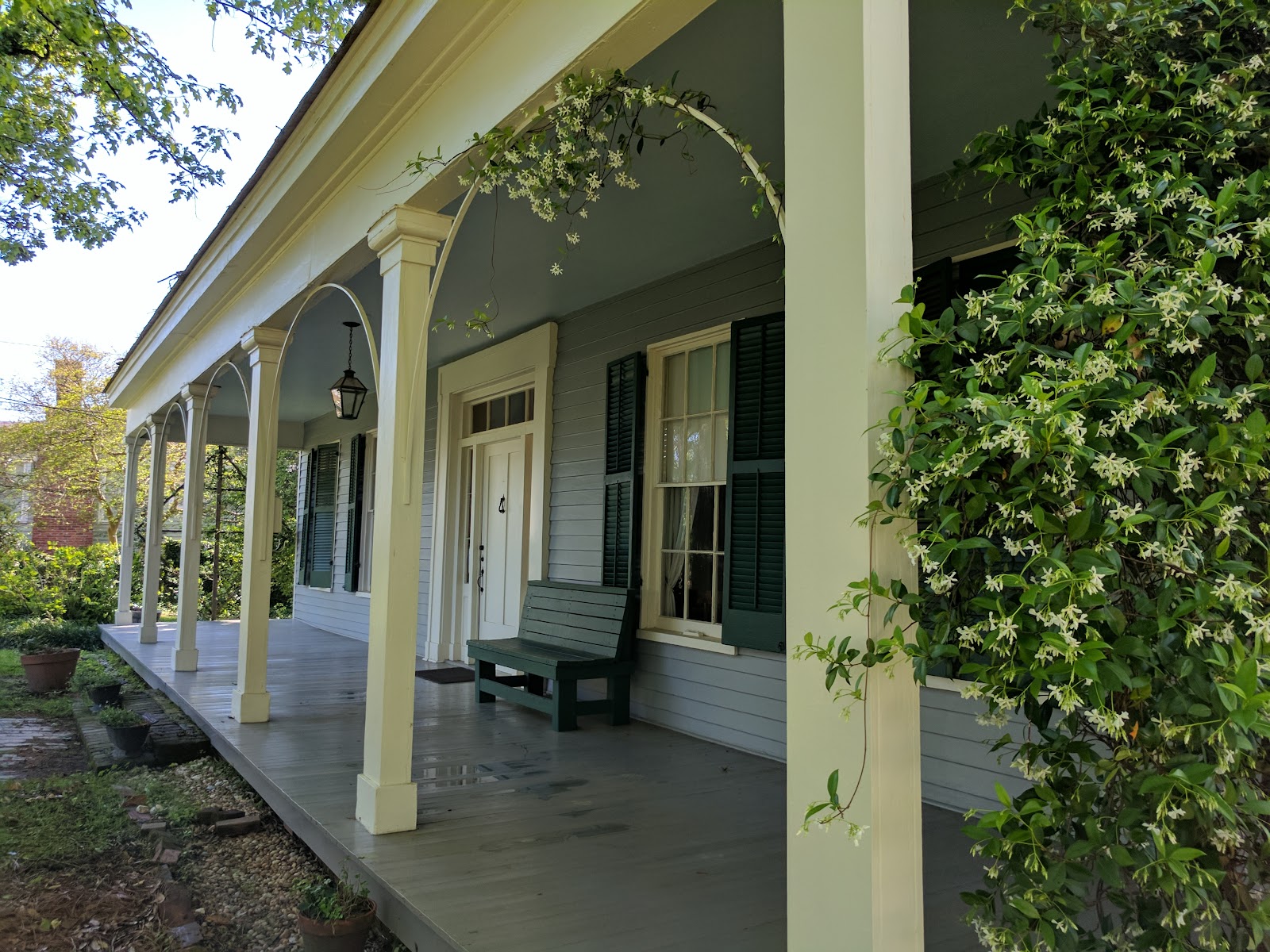
Through the middle of the day the same trees become the most valuable thing on the site for the opposite reason. Continuous deep shade under mature canopy is soft, cool and directional towards any opening, and in a Mississippi summer it is not an aesthetic preference — it is the reason a July afternoon in formal clothes is possible at all. Locating the largest area of unbroken shade should be the first thing done on arrival, and it becomes the default position for anything that has to happen before the light drops.
Green bounce is the cost of all that foliage. Dense leaves reflect green onto any nearby skin, and it is unflattering in a way that warm bounce off brick never is. Auto white balance will not fix it because the cast is localised rather than global, so set a custom white balance on a face in the position you are actually using, and look for a pale path, gravel or a light wall nearby to bounce a neutral tone back into the shadows.
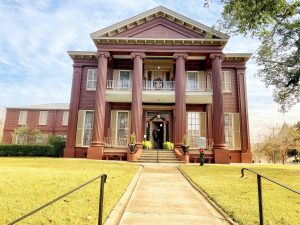
Group photographs need a decided position rather than an improvised one, because a grove is an awkward place to line people up: trunks interrupt rows, the ground is uneven, and the light is patchy. The one position that will take the largest group — often the front of the house, a set of steps or the open lawn edge — should be identified before it is needed and used early, while the light is still even.
The house and any historic structures are the counterweight to all the green, and they matter compositionally. A frame that is entirely foliage has no scale and no anchor; the same frame with a corner of a building, a set of steps or a gate in it becomes located. Low evening sun raking along a historic elevation also shows its texture in a way midday light does not, so the building is worth photographing in the same window as the trees rather than earlier.
After sunset the grove goes dark faster than open ground does, because the canopy blocks what is left of the sky. That means the usable outdoor time ends earlier here than at a venue on open lawn — worth ten minutes in the schedule rather than a surprise at the end of the block.
- Never photograph a face in dapple — full shade, open light, or wait
- Take sunset, count back ninety minutes, and protect that block
- Get low: trunks as a border, pools leading in, trees at full height
- Find the pool with the couple; it moves every twenty minutes
- Set white balance on a face among foliage; green bounce is local, not global
The house, the practicalities and a Mississippi summer
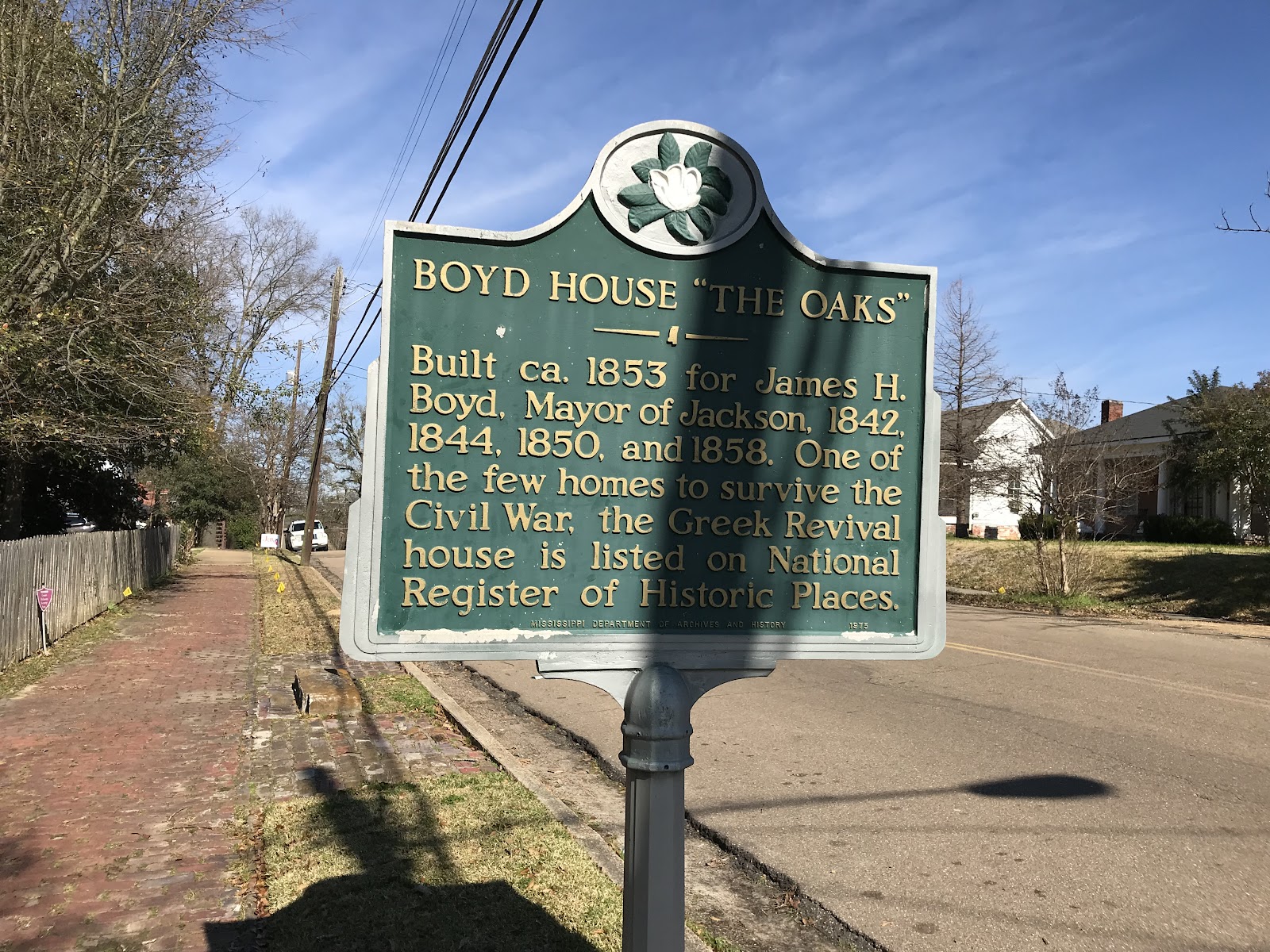
If the interior is available it will behave like any small historic house: modest windows giving one directional source per room with steep fall-off, close walls that bounce properly so a flash aimed at a pale ceiling is genuinely useful, and very little working distance — which means the wide frame and the portrait frame are two different photographs rather than one. Photographing through a doorway from an adjoining room is the reliable way to buy back the distance the walls took.
Heat and humidity are the Mississippi constraints and they bear harder on a garden venue than on a hotel. Long outdoor blocks in formal clothes are genuinely difficult, so trips should be short and purposeful; insects arrive at dusk, which is exactly when the frame that defines this venue becomes available, and it is better to tell a couple in advance than to discover it together at the worst moment.
Fogging is the specific equipment risk of this climate and it is the reverse of the cold-weather problem. A camera chilled in an air-conditioned room or car will fog comprehensively the moment it reaches warm damp air, and it can take many minutes to clear — long enough to lose a ceremony start. Let the kit warm towards outside temperature before it is needed, which means thinking twenty minutes ahead rather than at the door.
Afternoon thunderstorms are routine rather than exceptional in a Mississippi summer, and at a venue whose main asset is a grove of trees that is the question to settle first. Ask what the fallback is, how many people it takes, and by what time the call is made — and take seriously that standing under large trees is not where anyone should be in a thunderstorm, which makes the decision time a safety matter rather than only a logistical one.
What the weather gives back is real. A grove after rain is transformed: bark goes dark and textured, foliage is saturated, the ground holds reflections, and low sun coming in under a departing cloud bank throws shafts through wet air that are visible in a way dry air never shows. That is the best version of this venue, it only happens after rain, and it is worth going back out for once the sky has cleared.
More frames from The Oaks House
The Oaks House wedding photography: common questions
What is the defining frame here?
Low camera under a mature oak, looking out: trunk and limbs framing the top and side, the couple in a pool of light in the middle distance, darker canopy closing the frame on every side.
Why does the hour matter so much?
Because the same trees do opposite things. High sun comes down through leaves and makes dapple, which is unusable on a face. Low sun comes in underneath, arriving horizontally as pools on the ground with foliage backlit above.
How do you find the pool of light?
Walk the grove with the couple and work it quickly. Shafts land in specific places that move steadily as the sun drops, so a position lit at six is dark at six-twenty. Posing first and hoping is the wrong order.
Why get the camera low?
It puts the trunk and limbs into the frame as a border, drops the horizon so the lit pools lead towards the couple, and shows the trees at their real height. Eye level under a big oak wastes the tree.
What is the cost of dense foliage?
Green bounce onto nearby skin, which auto white balance cannot fix because the cast is local rather than global. Set a custom white balance on a face in position and use pale paving or gravel to bounce a neutral tone back.
What makes the rain plan a safety question here?
Standing under large trees in a thunderstorm is not where anyone should be, and afternoon storms are routine in a Mississippi summer. So the fallback and its decision time need agreeing in advance, not improvising.
More Jackson, MS venue guides
We are writing a photographer’s guide to every venue we would happily shoot in Jackson, MS. Here are three more, plus the full index:
- The Old Capitol Museum, Jackson: Four Ways Out of the Landmark Problem
- The Westin Jackson: A Walk Through a Contemporary Hotel
- The Capital Club, Jackson: Photographing a Club Above the City
All Jackson, MS Wedding Venues →
Planning a wedding at The Oaks House?
One frame, one hour, one fallback plan. Tell us your date and we will arrange all three.