 The Hilton Garden Inn Fargo: Field Notes on a Standardised Hotel
The Fargo Air Museum: One Decision About the Aircraft
An aeroplane is the most assertive background in this series. Half-including one is the only wrong answer.
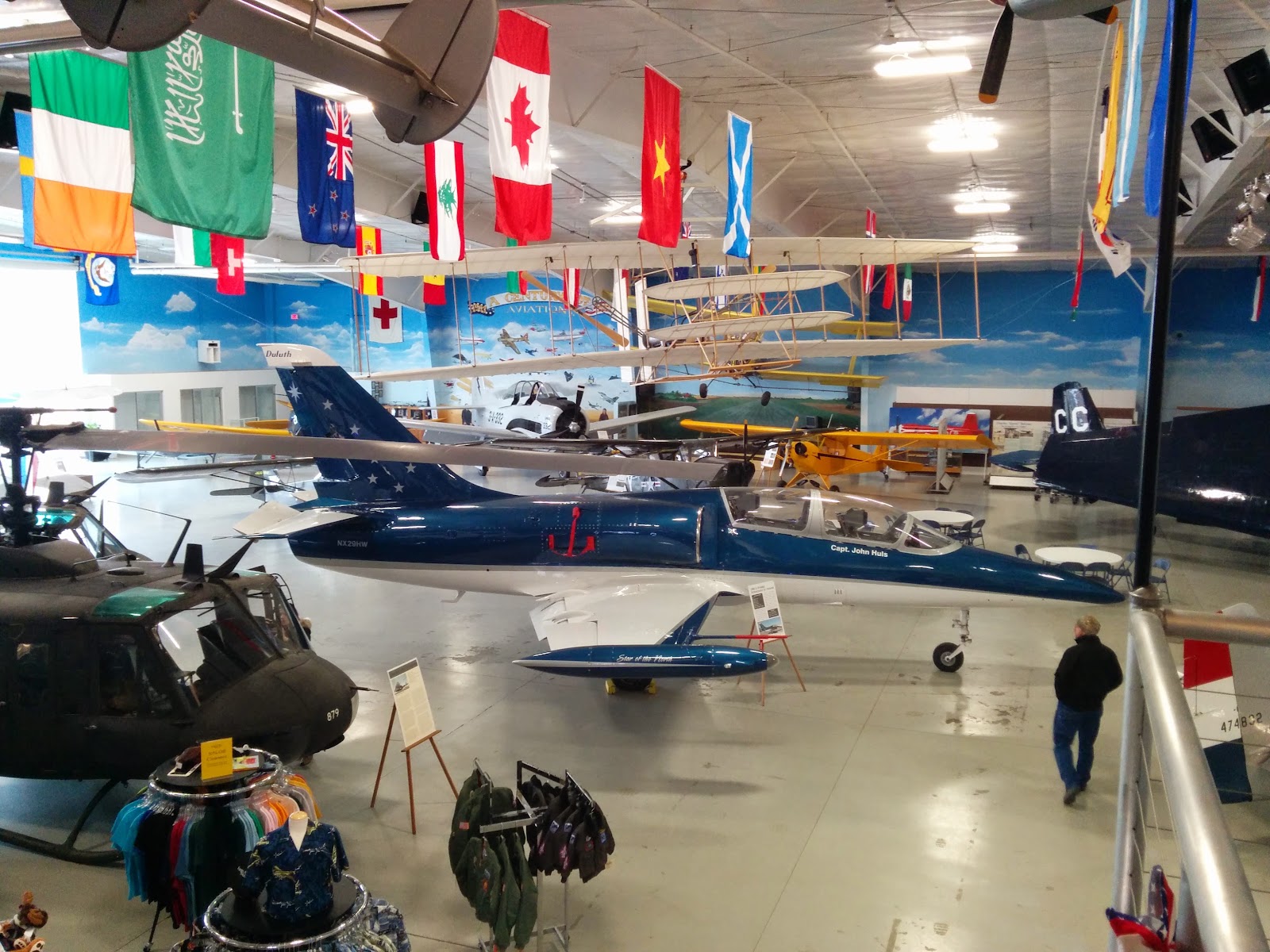
The Fargo Air Museum occupies hangar space in Fargo, North Dakota, displaying aircraft at full scale in volumes built to hold them.
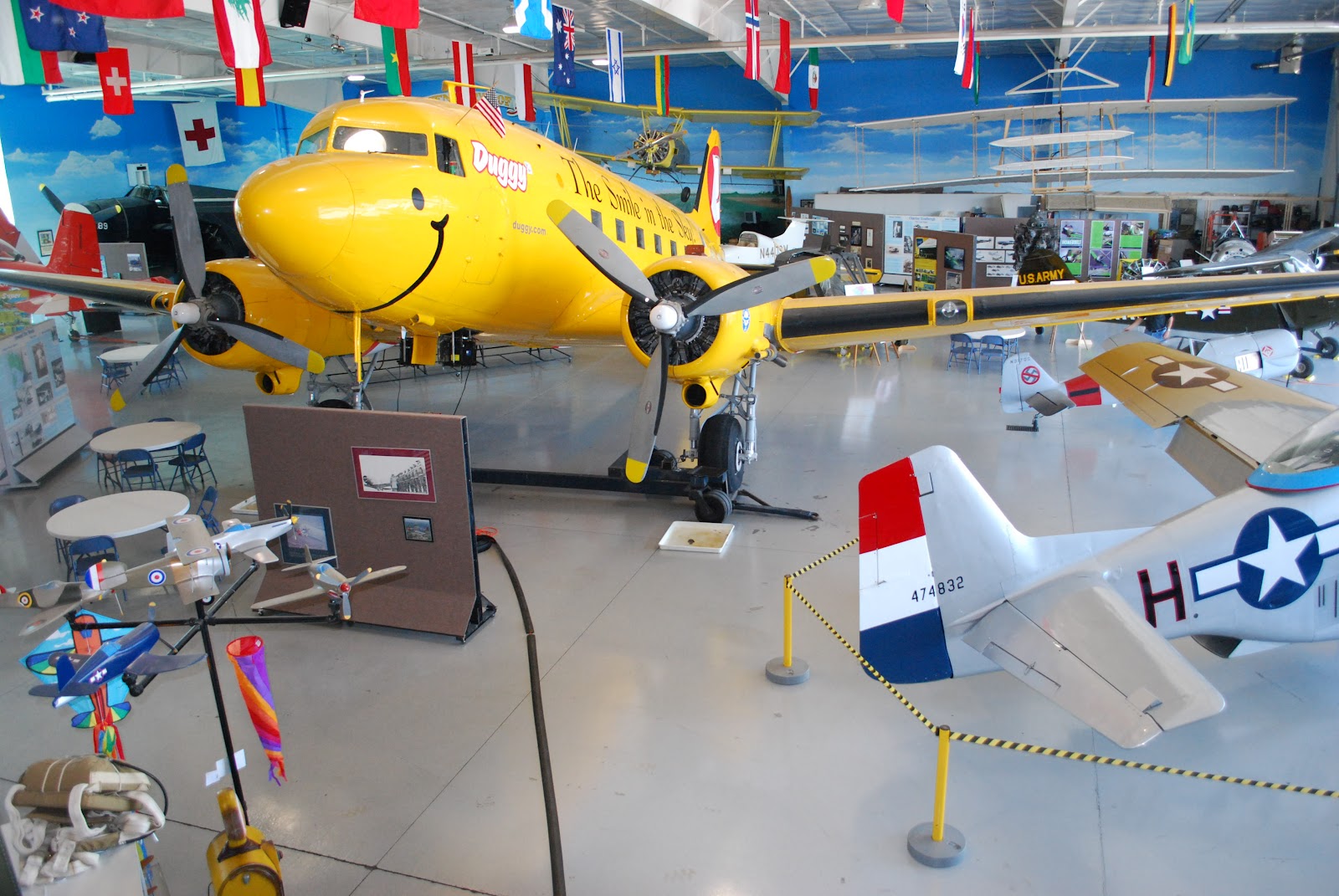
The decision here is simple to state and consistently got wrong: are the aircraft in the photograph or not? An aeroplane is the most visually assertive background in this whole series — large, polished, complex, brightly lit and instantly recognisable — and it wins against two people in formal clothes at any medium distance. That is not a fault; it is what aircraft are.
So each frame either commits to the aircraft as a co-subject or excludes it deliberately, and the failure mode is the middle: a wing entering the corner of an otherwise ordinary portrait, which reads as an accident. This is about that fork. We have not photographed a wedding at the Fargo Air Museum; hangars and displayed aircraft behave the same wherever they are. Which spaces are available and how close you may work to the aircraft are questions for their events team.
The Fargo Air Museum at a glance
| Where | Fargo, North Dakota |
| Character | An aviation museum with aircraft displayed in hangar-scale space |
| The fork | Commit to the aircraft or exclude them — never half |
| Why | An aeroplane is large, polished, complex and instantly recognisable |
| Ask first | How close you may work to the aircraft |
Committing to the aircraft
If the aeroplane is in the frame, it should be unmistakably in the frame. Go wide, place the couple small and deliberately within the composition rather than centrally in front of the aircraft, and expose for the machine so its surfaces and lines read. Two people beneath a wing or beside a nose, with the whole form legible, is a striking photograph and it is the one the venue exists to give.
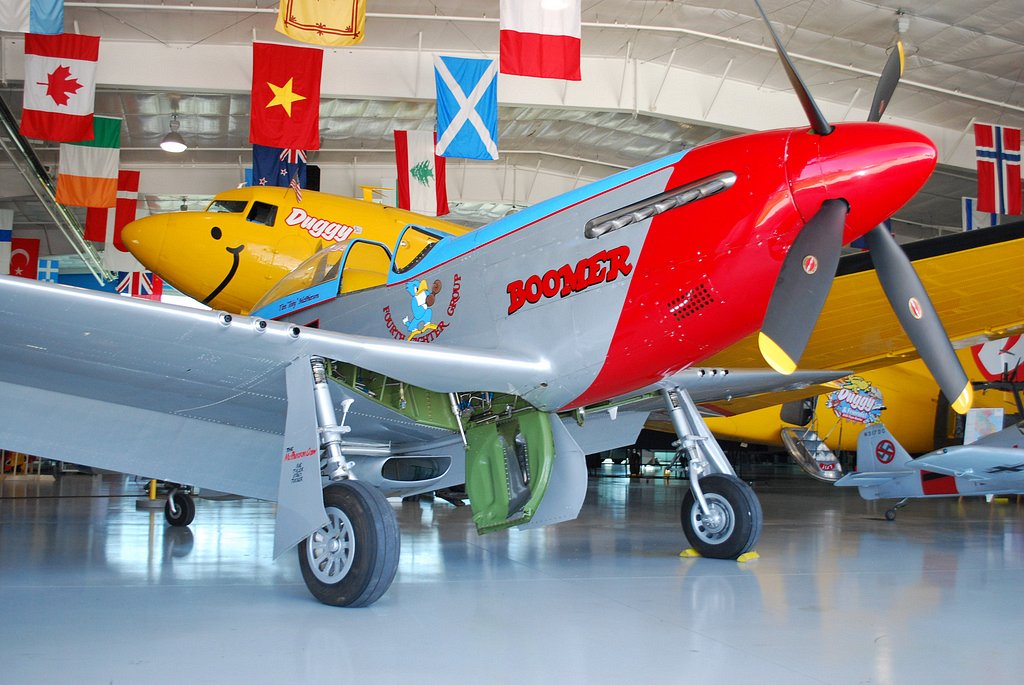
Polished aluminium is the technical part and it behaves like any specular surface: it does not show the light, it shows what the light bounces off. A bare flash on a fuselage gives a small hard hot spot; the same flash bounced off a large pale surface gives a broad soft gradient down the metal, which is what makes it read as metal rather than as a bright blob. Light the reflection, not the object.
It also shows you. A curved fuselage reflects a wide field, so the photographer and the lights can appear in a frame from an angle you would not expect. Check the aircraft rather than only the faces before committing to a position.
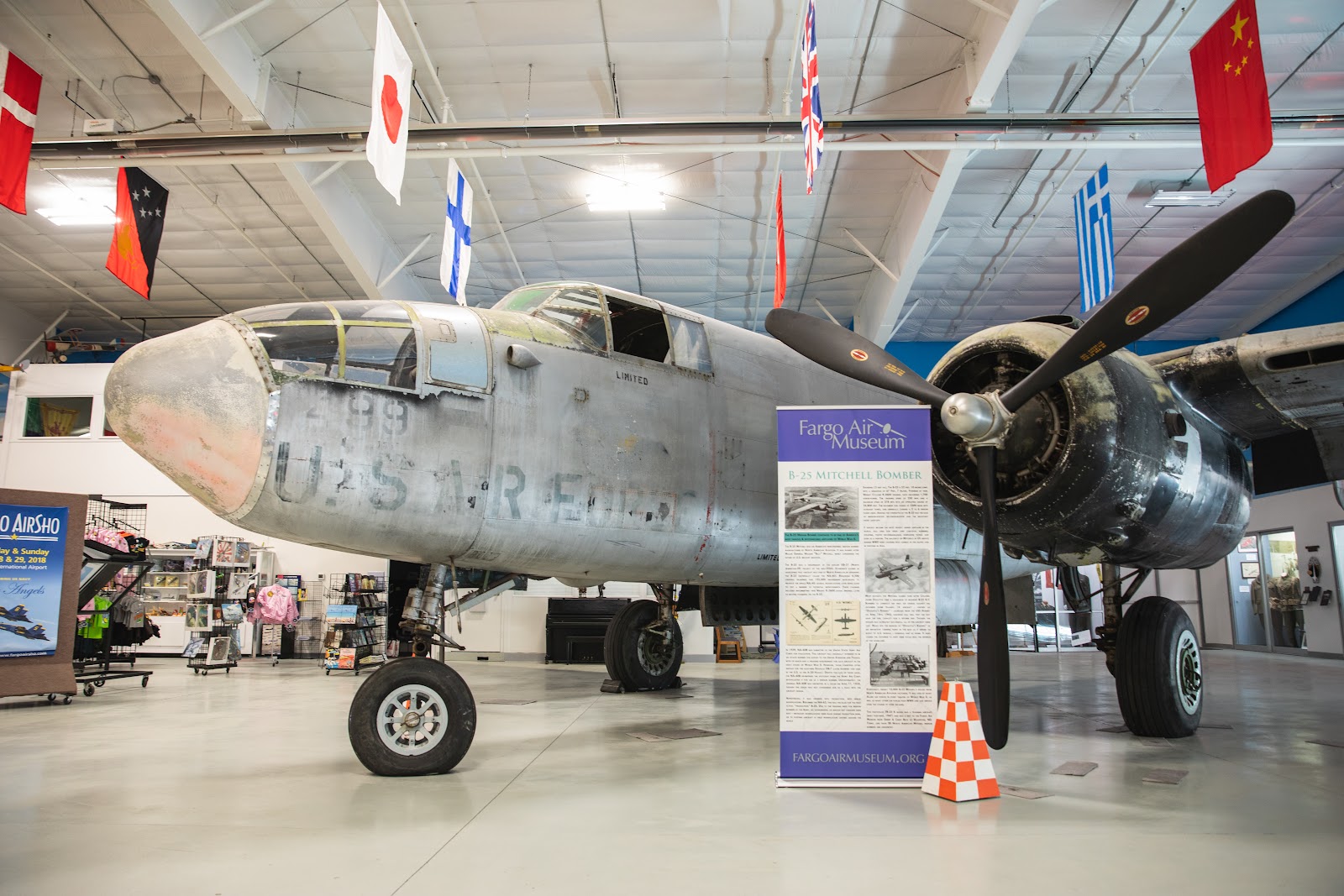
Riveted panels and painted markings are texture and they need raking light to read. A source running along a fuselage lifts every rivet line and panel joint; a source pointed at it flattens the whole side into a grey field. So the light belongs off to one side when the machine is the subject.
Aircraft are also mostly grey, silver and olive, which is a restrained palette — so anything coloured in the frame becomes disproportionately loud. A bouquet or a dress against bare metal is the composition, and placing it deliberately is more effective here than it would be in a decorated room.
Excluding them
The other half of the day needs frames without aircraft, because a gallery made entirely of machinery is relentless. A hangar has plain areas too — structural walls, doorways, a clear section of floor, the glazing at the ends — and those are where the quiet frames live.
Hangar doors are the most useful feature. A large opening is an enormous soft source, and a couple standing a few metres inside a partly open hangar door has a huge directional key with the dark interior behind them. That is close to the best light available in any industrial building, it is free, and it excludes the aircraft entirely if you position for it.
Where the aircraft cannot be excluded by position, exclude them by depth: a long lens at a wide aperture with the couple well in front turns a fuselage into a soft field of tone. Present in the frame, not legible as an aeroplane — which is a different and perfectly valid choice from committing to it.
The volume is the other consideration. A hangar is large enough that ordinary lighting disappears into it, so do not try to light the space. Light the people, let the hangar fall away, and where you want the scale, expose for the ambient and place the couple small with the structure above them.
- Commit wide with the couple small, or exclude by position or depth
- Light the reflection on polished metal, never the metal directly
- Check the fuselage for your own reflection before committing
- A partly open hangar door is the best light in the building
- Anything coloured is loud against grey aircraft — place it deliberately
The hangar, and a Dakota winter
Hangar lighting is industrial: high-bay fittings, often mixed in colour and sometimes with a visible flicker cycle that can band a frame at certain shutter speeds. Where that happens, changing the shutter slightly resolves it — and it is worth checking on the back of the camera early rather than discovering a banded sequence afterwards.
The floor is usually painted concrete, which is a mid-tone and forgiving, and the structure overhead is steel trusses that read as strong repetition. Both reward precise framing: in a spare industrial volume a crooked horizontal is obvious with nothing else to distract from it, so level deliberately.
Because the interior has no meaningful daylight beyond the door openings, it is largely time-independent and entirely weatherproof, which makes it the block that absorbs delay. In a North Dakota winter that is worth a great deal: a venue whose coverage is unaffected by weather is exactly what a January wedding needs.
The outdoor half is constrained by the climate more than at any venue so far. Days are very short, so any daylight block belongs early in the afternoon rather than at the end of it. Cold limits outdoor time to minutes rather than tens of minutes, and that is a safety consideration in formal clothes as much as a comfort one. Snow is the best natural fill there is and will fool a meter by about two stops, so overexpose deliberately and check it holds texture rather than clipping.
And condensation is a real operational problem here rather than an inconvenience: a camera carried from a heated hangar into deep cold and back fogs comprehensively coming in, and in severe cold it can take a long time to clear. Acclimatise deliberately, keep one body outside rather than cycling it, and expect batteries to lose capacity quickly in the cold — carry more than you think you need, kept warm.
More frames from The Fargo Air Museum
The Fargo Air Museum wedding photography: common questions
What is the decision at an air museum?
Whether the aircraft are in the frame. They are the most assertive background in this series and they win against two people at medium distance, so each frame either commits to them or excludes them. The failure is a wing entering a corner by accident.
How do you photograph polished aluminium?
Light the reflection, not the object. A bare flash gives a hard hot spot; the same flash bounced off a large pale surface gives a broad soft gradient down the metal, which is what makes it read as metal.
What is the trap with a fuselage?
It reflects a wide field, so you and your lights can appear from an angle you would not expect. Check the aircraft rather than only the faces before committing to a position.
Where is the best light in a hangar?
A partly open hangar door. A large opening is an enormous soft source, and a couple a few metres inside has a huge directional key with the dark interior behind — free, and it excludes the aircraft if you position for it.
Is there a technical problem with hangar lighting?
Sometimes. High-bay fittings can have a flicker cycle that bands a frame at certain shutter speeds. Check early on the back of the camera and change the shutter slightly if it appears, rather than discovering a banded sequence later.
What does a Dakota winter demand?
Short decisive outdoor blocks early in the afternoon, deliberate overexposure for snow, and acclimatising the camera rather than cycling it between a heated hangar and deep cold. Batteries also lose capacity fast — carry more, kept warm.
More Fargo, ND venue guides
We are writing a photographer’s guide to every venue we would happily shoot in Fargo, ND. Here are three more, plus the full index:
- The Fargo Civic Center: Reading a Municipal Hall Through the Day
- The Fargo Theatre: How the Marquee Frame Is Actually Made
- The Hilton Garden Inn Fargo: Field Notes on a Standardised Hotel
All Fargo, ND Wedding Venues →
Planning a wedding at The Fargo Air Museum?
Aircraft are in the frame or out of it, never half. Tell us your date and we will decide which frames belong to the machines.