 The Hilton Garden Inn Fargo: Field Notes on a Standardised Hotel
The Red River Zoo: What a Northern Zoo Suits and When
Fencing is the usual zoo constraint. On the northern plains the season is the bigger one.
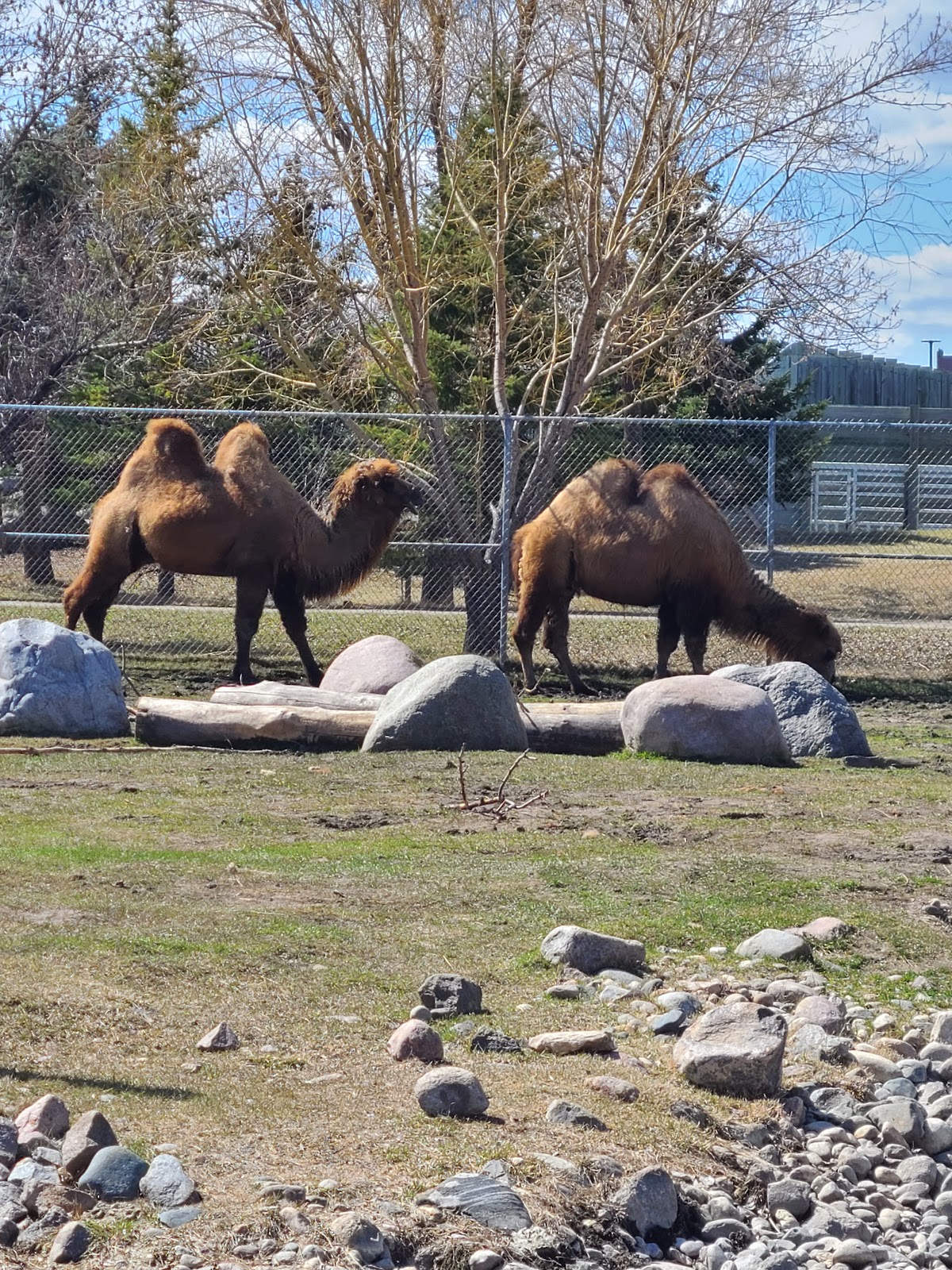
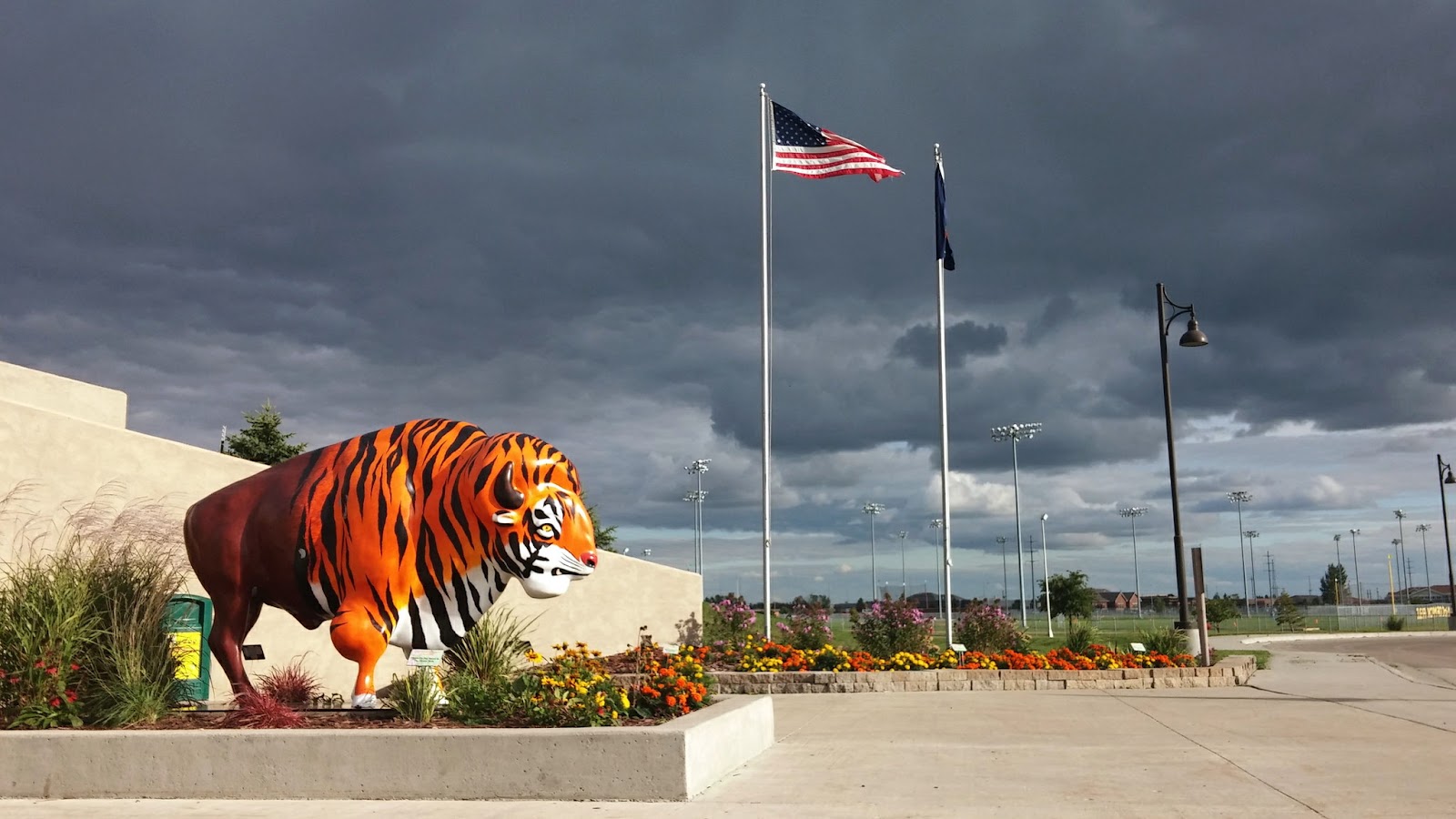
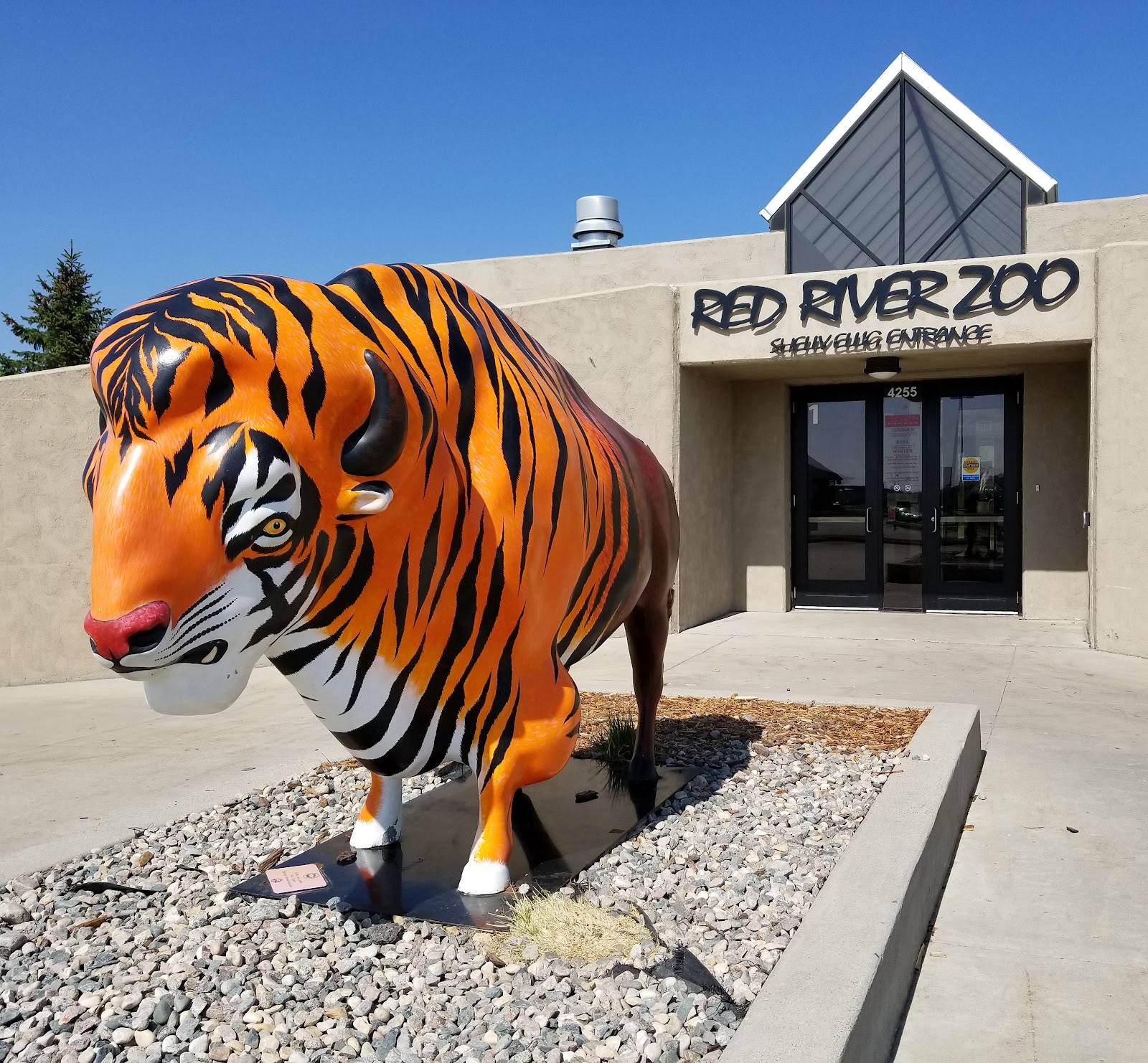
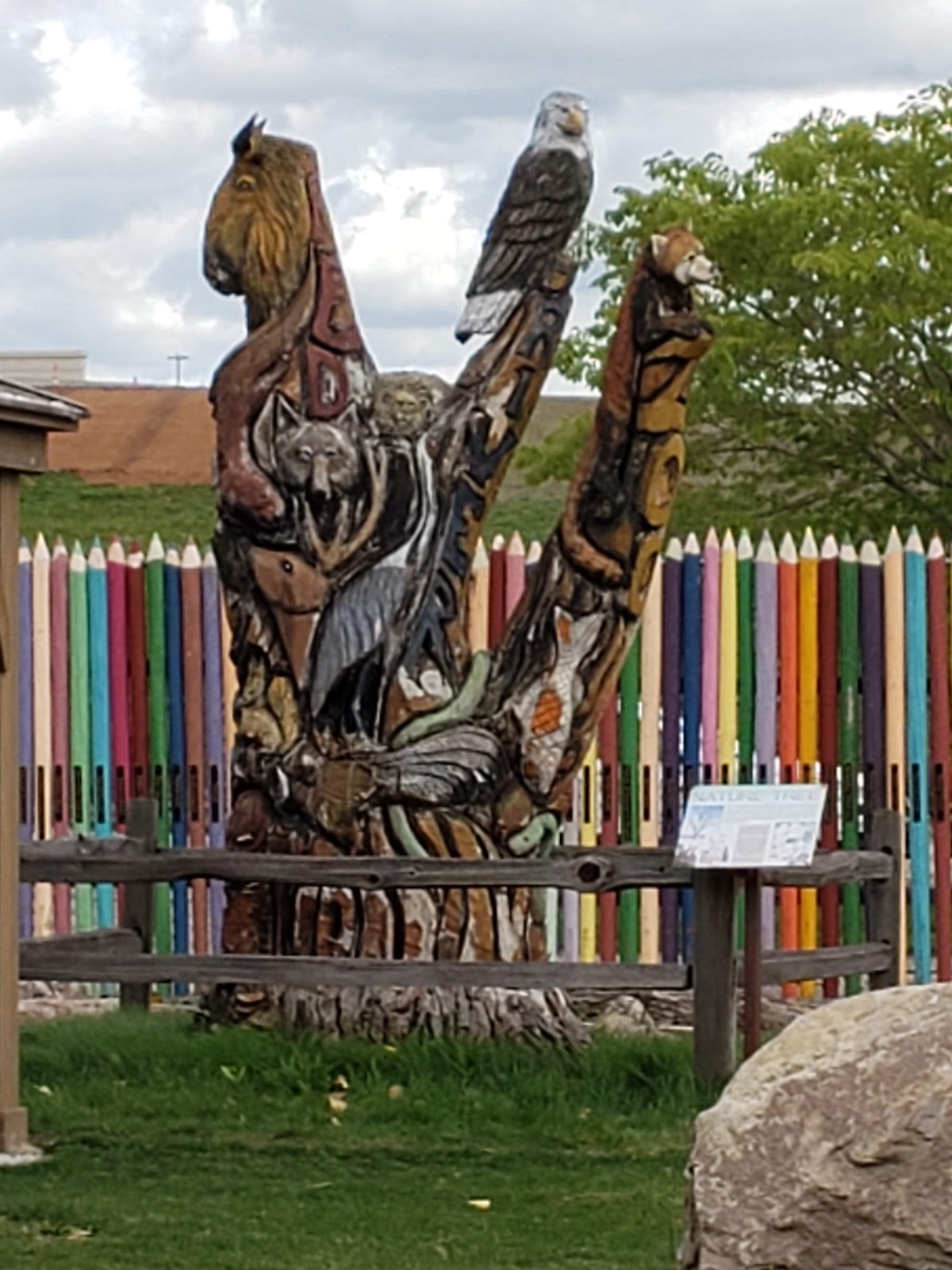
The Red River Zoo occupies a site in Fargo, North Dakota, with cold-climate species, planted areas and buildings distributed across the grounds.
Zoos carry a consistent photographic liability — mesh, railings, glass, signage and service infrastructure, none of it movable and all of it reading badly — and it is entirely manageable with one tool. But a northern zoo adds a second constraint that matters more: the outdoor season is short. For a substantial part of the year the grounds are under snow or bare, the planting is dormant, and standing outdoors in formal clothes is a matter of minutes rather than tens of minutes.
That makes this a venue where the date decides more than the technique. This is an honest account of what it suits and when. We have not photographed a wedding at the Red River Zoo; enclosure fencing and northern planting behave the same wherever they occur. Which areas host events, whether the grounds can be private and what indoor space exists are questions for their team — and the third matters most in this climate.
The Red River Zoo at a glance
| Where | Fargo, North Dakota |
| Character | A zoo with cold-climate species, planted grounds and buildings |
| The usual constraint | Mesh, railings, glass and signage throughout |
| The bigger one | A short outdoor season on the northern plains |
| Ask first | What indoor space exists, and whether the grounds can be private |
The fencing, and the one tool that handles it
Mesh, bars, railings and safety barriers are in every frame at any zoo, and the tool is optical rather than compositional: a long lens at a wide aperture, with the couple several metres in front of any barrier, turns mesh into an unreadable soft band. It is present in the frame but not legible as fencing, and it works consistently.
The corollary is that a wide lens near an enclosure is a mistake. Wide angles keep background detail sharp and include far more of it, so a wide frame near a barrier will contain a visible fence, a sign, a bin and a service door. If a frame seems to require a wide lens near an enclosure, it needs a different location instead.
Habitats are also backgrounds with content, and content competes — an animal visible behind a couple draws the eye every time, because movement and faces are what human vision prioritises. That is either the point of the frame, in which case commit and let the animal be a co-subject, or it is a distraction, in which case move. Half-committed is the failure.
Glass viewing panels behave like any architectural glazing: they reflect whatever is bright behind the camera, they are usually scratched, and they tint. Press a rubber hood flat against the panel and shoot perpendicular for a view-only frame; for frames including people, keep any light well off the camera axis and check the reflection deliberately.
Who this venue suits
A zoo is a venue where the match between site and brief needs settling in the first conversation rather than discovered on the day, because the constraints are structural rather than incidental. Fencing cannot be removed, visitors cannot always be excluded, and the season is not negotiable. Where a couple actively wants what the site gives, it gives something no other venue can; where they want something adjacent to it, the friction shows in every frame.
Within its season, the venue serves a clear set of briefs:
- Couples who genuinely want the animals in the photographs rather than merely nearby
- Late-spring through early-autumn dates, which is the workable window here
- Larger guest counts, since zoo grounds are extensive and absorb numbers
- Anyone wanting a gallery that looks unlike every other wedding gallery
- Couples happy for the photographer to work almost entirely on a long lens
Who should look elsewhere
The opposite list is equally useful, and none of it is a criticism of the place. A zoo is built to keep animals well and to let the public see them, and every constraint here follows from doing those two things properly. The point is only that some perfectly reasonable wedding briefs are in tension with them.
And several reasonable intentions run into the constraints:
- Anyone whose gallery must contain no fencing, mesh or railings anywhere
- Winter and early-spring dates, when the grounds are dormant and the cold limits everything
- Briefs needing architectural character, since zoo buildings are functional
- Couples who cannot tolerate visitors in frame, unless the grounds are private
- Anyone relying on a substantial indoor fallback, which a zoo may not have
The season, the light and the plains conditions
The season is the constraint to settle first, and it is worth being direct with a couple about it. A northern zoo in late spring or summer has full planting, long days and a genuinely long golden hour because nothing on the plains intercepts the sun near the horizon. The same site in April or October has bare ground, dormant planting and a cold that limits an outdoor block to a few minutes. In January it is not an outdoor venue at all.
Within the season, the light follows the open-ground pattern. Zoo grounds are open because habitats need light and visitors need sight lines, so there is very little continuous shade — and the scattered trees that exist give dapple, which is several stops across a face, moving with any breeze, and correctable only by moving people. The reliable shade is a building’s shadow: large, hard-edged and dependable, and two metres inside that line facing out gives a soft key with a dark surround.
Wind is the plains constant and it applies here as everywhere in the region: a veil is a held-or-removed decision, any stand needs real weight, and any water feature stops reflecting the moment a breeze arrives. On open zoo ground there is nothing to shelter behind but the buildings.
The compensation is the sky and the long evening. An unobstructed horizon means the twenty minutes after sunset fill the frame with colour rather than showing it in gaps, and low raking light in the last ninety minutes puts mesh in shadow while lighting the couple — which reduces how much the fencing reads and makes the same frame that fails at midday work at seven.
Indoor habitat buildings are the weather and midday answer where they exist, with the usual conditions: dim, often strongly coloured, and glazed panels that reflect your lights straight back. Shoot those obliquely, keep sources well off the camera axis, and treat the dimness as an opportunity — a small light has large relative effect in a dark space. And cold-climate species are frequently most active in cooler weather, which is a genuine point in favour of a shoulder-season date if the animals matter to the couple.
The practical shape of a day here, then, is a short list of decided positions rather than a wander. Walk the grounds in advance, pick the three or four places where a long lens has clean depth in front of a soft barrier, note where the shade sits at the ceremony hour, and identify the indoor room that will absorb a storm. That preparation is what turns a difficult site into a distinctive gallery, and it cannot be improvised with guests waiting.
More frames from The Red River Zoo
The Red River Zoo wedding photography: common questions
How do you keep fencing out of frame?
A long lens at a wide aperture with the couple several metres in front of the barrier, which turns mesh into an unreadable soft band. A wide lens near an enclosure keeps background detail sharp and will include a fence, a sign and a service door.
What is the bigger constraint here?
The season. A northern zoo in summer has full planting, long days and a long golden hour; the same site in April or October has bare ground and a cold that limits an outdoor block to minutes. In January it is not an outdoor venue at all.
Where is the shade?
A building’s shadow. Zoo grounds are open because habitats need light, and the scattered trees give dapple — several stops across a face, shifting with the breeze. A large building throws a hard-edged dependable shadow instead.
Does the evening help with the fencing?
Yes. Low raking light in the last ninety minutes puts mesh in shadow while lighting the couple, which reduces how much the barrier reads — so the same frame that fails at midday often works at seven.
How should glass viewing panels be handled?
Press a rubber hood flat and shoot perpendicular for view-only frames. For frames with people, keep any light well off the camera axis and check the reflection — the panels are usually scratched and they tint as well.
Is a shoulder-season date ever better?
For the animals, sometimes. Cold-climate species are frequently most active in cooler weather, so if the animals matter to the couple a shoulder date has a genuine advantage — at the cost of dormant planting and a very short outdoor block.
More Fargo, ND venue guides
We are writing a photographer’s guide to every venue we would happily shoot in Fargo, ND. Here are three more, plus the full index:
- The Avalon Events Center: What a Purpose-Built Room Gets Right
- The Fargo Air Museum: One Decision About the Aircraft
- The Fargo Civic Center: Reading a Municipal Hall Through the Day
All Fargo, ND Wedding Venues →
Planning a wedding at The Red River Zoo?
Fencing is a lens problem and the season is a date problem. Tell us your date and we will be honest about both.